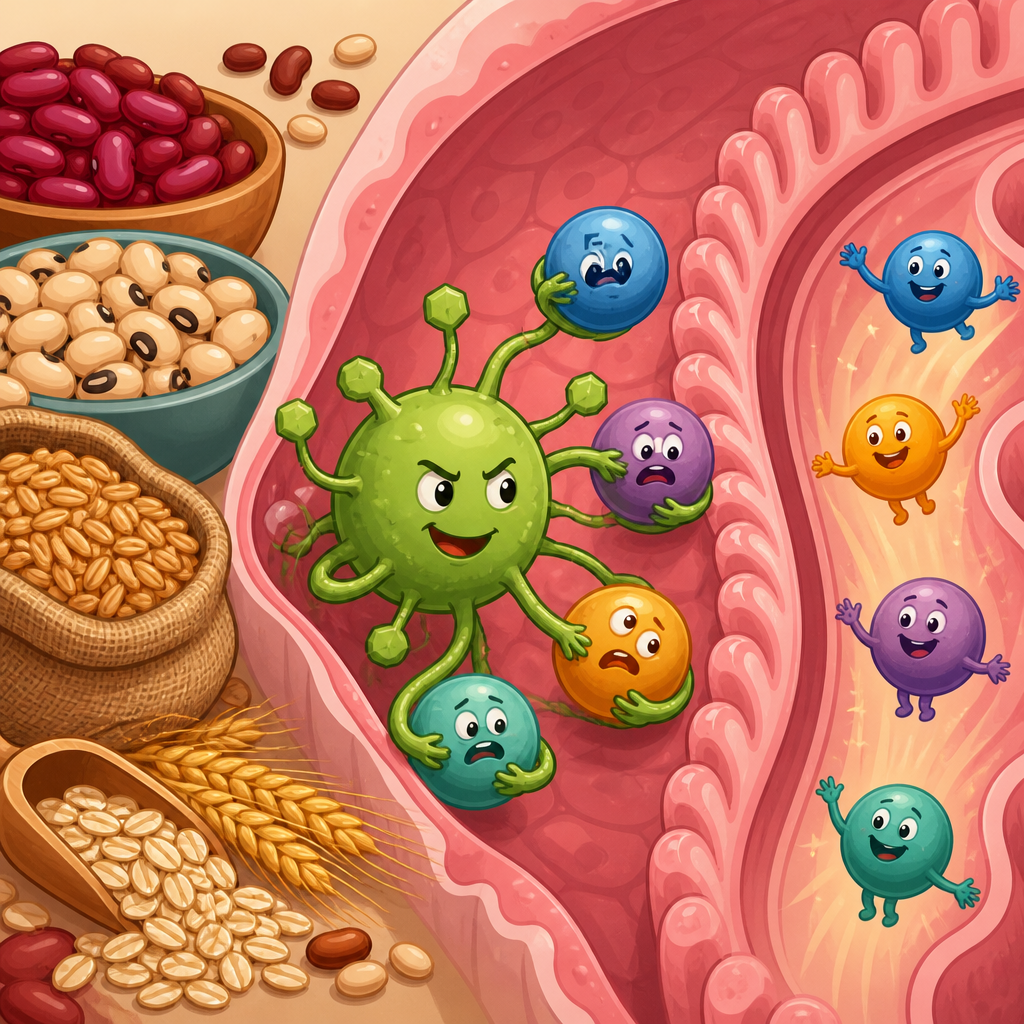

Calcium and iron supplements are two of the most commonly used nutrition products, yet they are also two of the most frequently misunderstood when it comes to timing, absorption, and whether they should be taken together. In practice, the short answer is usually no: taking calcium and iron at the same time can reduce iron absorption, especially when calcium doses are high and iron is taken for deficiency treatment. That simple answer, however, needs context because nutrient absorption and bioavailability depend on dose, form, timing, meal composition, age, health status, and the reason someone is supplementing in the first place.
Bioavailability refers to how much of a nutrient is absorbed and available for the body to use. Nutrient absorption is the broader process that begins in the digestive tract and ends with transport into blood, storage, or delivery to tissues. In clinic-facing nutrition work, I have seen many people assume that swallowing two supplements together means the body will use both equally well. It does not. The digestive system is selective, competitive, and highly influenced by surrounding foods and nutrients. Calcium, iron, zinc, magnesium, vitamin C, fiber, phytates, stomach acid, and even medications can all affect how much is absorbed.
This matters because calcium and iron each serve critical roles. Calcium supports bone mineralization, muscle contraction, nerve signaling, and vascular function. Iron is essential for hemoglobin formation, oxygen transport, energy metabolism, and cognitive performance. Low iron can lead to iron deficiency anemia, fatigue, shortness of breath, poor exercise tolerance, and impaired concentration. Inadequate calcium intake raises long-term risk for osteopenia and osteoporosis, particularly in postmenopausal women and older adults.
Many people need both nutrients. A menstruating woman with low ferritin may also avoid dairy and have low calcium intake. A pregnant person may be prescribed iron while also using prenatal products that contain calcium. An older adult may take calcium citrate for bone health and later start iron after a gastrointestinal bleed. For these groups, understanding nutrient absorption and bioavailability is not an academic exercise. It directly affects whether supplementation works.
This article serves as a hub for nutrient absorption and bioavailability within nutrition basics. It explains how calcium interferes with iron absorption, when separation matters most, how different supplement forms behave, what foods help or hinder uptake, and how to build a practical schedule. If you want one principle to remember, it is this: prioritize iron absorption when treating low iron, and space calcium away from iron unless a clinician has given a reason not to.
Why Calcium Can Reduce Iron Absorption
Calcium is unusual because it can inhibit absorption of both non-heme iron, the form found in plant foods and most supplements, and heme iron, the form found in animal foods. That sets it apart from inhibitors such as phytates and polyphenols, which mainly impair non-heme iron. Research has shown that calcium doses around 300 milligrams or more in a meal or supplement can reduce iron absorption in the short term. The effect appears to occur in the intestine during transport, although the exact mechanism is still debated. Proposed explanations include interference at the enterocyte level and competition affecting iron transfer across the intestinal lining.
In real-world terms, this means an iron tablet taken with a glass of milk, a calcium chew, or a calcium-fortified meal may not be absorbed as well as the same iron tablet taken alone. The effect is more important when someone is trying to correct deficiency quickly. If ferritin is low or hemoglobin is falling, even modest reductions in absorption can slow recovery over weeks and months.
At the same time, it is important not to overstate the issue. Some long-term studies suggest that the body may partially adapt, and the overall impact on iron status from mixed diets is sometimes smaller than acute absorption studies imply. Still, when I counsel someone with confirmed iron deficiency, I do not rely on adaptation. I separate calcium and iron because it is a simple, low-cost change with a plausible benefit and little downside.
When Taking Them Together May Be Acceptable
There are situations where taking calcium and iron together is acceptable or at least understandable. If a multivitamin contains modest amounts of both, convenience may improve adherence enough to outweigh a theoretical reduction in absorption. This is especially true for people without iron deficiency, such as someone taking a standard adult multivitamin for dietary insurance rather than treatment. Missing supplements entirely is usually worse than taking a combined product imperfectly.
Pregnancy is another nuanced example. Prenatal vitamins often contain iron and some calcium, though usually not enough calcium to meet daily needs. If nausea makes multiple dosing impossible, a clinician may prioritize tolerability and adherence over ideal spacing. Even then, if iron deficiency anemia is present, many obstetric clinicians add a separate iron supplement and advise taking it away from calcium-rich foods.
For people with normal iron status who mainly need calcium supplementation, the interaction matters less. The priority changes if ferritin is low, hemoglobin is low, heavy menstrual bleeding is present, a vegetarian diet is low in bioavailable iron, or there is a history of bariatric surgery, inflammatory bowel disease, celiac disease, or chronic proton pump inhibitor use. In those settings, spacing becomes much more important.
Best Timing for Calcium and Iron Supplements
The most practical strategy is to separate calcium and iron by at least two hours, and many clinicians prefer three to four hours when possible. Iron is often absorbed best on an empty stomach, especially ferrous salts such as ferrous sulfate, ferrous fumarate, and ferrous gluconate. However, empty-stomach dosing can cause nausea, abdominal discomfort, constipation, or diarrhea. If side effects are severe, taking iron with a small amount of food is reasonable, but that meal should ideally avoid calcium-rich foods and common inhibitors such as tea, coffee, and high-phytate bran cereals.
Calcium is usually easier to place later in the day. Calcium carbonate is best absorbed with food because it depends more on stomach acid, while calcium citrate can be taken with or without food and is often preferred for older adults, people on acid-suppressing medication, or those with lower stomach acid. Daily calcium doses should also be split because absorption efficiency falls as the single dose rises. In practice, 500 to 600 milligrams of elemental calcium at one time is a common upper target for efficient absorption.
| Supplement goal | Better timing | What to avoid at that time | Example schedule |
|---|---|---|---|
| Treating iron deficiency | Morning or midafternoon, away from calcium | Milk, yogurt, calcium pills, tea, coffee, high-fiber bran | Iron at 10 a.m.; calcium with dinner |
| General calcium support | With meals, split doses if needed | Large single doses over 600 mg elemental calcium | Calcium at lunch and dinner |
| Using both supplements daily | Separate by 2 to 4 hours | Taking both in the same pill-taking session | Iron before lunch; calcium after dinner |
| Sensitive stomach with iron | Small snack plus vitamin C source | Calcium-rich snacks | Iron with orange slices midafternoon |
Supplement Forms, Food Matrix, and Bioavailability
Not all calcium or iron supplements behave the same way. For iron, ferrous sulfate remains the standard first-line oral treatment because it is effective, widely studied, and inexpensive. Ferrous fumarate and ferrous gluconate are also common. Newer formulations such as iron bisglycinate and polysaccharide-iron complex may be better tolerated for some users, though they are often more expensive and not always superior in efficacy. What matters most is the amount of elemental iron delivered, tolerability, and consistent use over time.
For calcium, carbonate provides a high percentage of elemental calcium but relies more on stomach acid, while citrate contains less elemental calcium by weight yet is better tolerated by many people and less dependent on acid. Food matrix matters too. Calcium from dairy is generally well absorbed, but fortified plant milks vary by fortificant and sedimentation. Iron from meat is more bioavailable than iron from beans or spinach, and spinach is a classic example of a nutrient-rich food whose iron is poorly available because oxalates bind minerals.
Vitamin C enhances non-heme iron absorption by reducing ferric iron to the more absorbable ferrous form and by helping overcome inhibition from phytates and polyphenols. A practical pairing is iron with citrus, strawberries, kiwi, bell pepper, or a small vitamin C supplement. By contrast, tea and coffee can sharply reduce non-heme iron absorption because of tannins and polyphenols. Whole grains and legumes are nutritious but contain phytates that can limit mineral uptake, although soaking, sprouting, fermenting, and leavening reduce that effect.
Who Needs Extra Caution With This Interaction
Certain groups should take the calcium-iron interaction seriously. Menstruating adolescents and women are at the top of the list because iron needs are higher and deficiency is common. Pregnant people need iron to support expanding blood volume and fetal development, and low iron in pregnancy is associated with fatigue and poorer maternal outcomes. Endurance athletes, especially female distance runners, can lose iron through hemolysis, sweating, gastrointestinal microbleeding, and restrictive eating patterns.
Vegetarians and vegans also need careful planning because their iron is entirely non-heme, which is more sensitive to inhibitors. Older adults may have reduced stomach acid, lower food intake, or medication use that impairs absorption. People with celiac disease, inflammatory bowel disease, short bowel syndrome, chronic kidney disease, or a history of gastric bypass often have multiple barriers to absorption and should not assume standard schedules will be enough. In these cases, lab monitoring matters. Ferritin, hemoglobin, transferrin saturation, and sometimes C-reactive protein help interpret iron status more accurately than symptoms alone.
Calcium itself requires caution too. High supplemental calcium can contribute to constipation, and in susceptible individuals it may increase kidney stone risk, especially if fluid intake is poor. Excess iron can cause gastrointestinal distress and, in overdose, toxicity. That is why supplementation should be targeted to a documented need or a clearly identified dietary gap rather than taken casually.
How to Build a Daily Plan That Actually Works
The best supplement schedule is the one a person can follow consistently without undermining absorption. Start by identifying the primary goal. If the main issue is iron deficiency, anchor the day around iron first. Choose a time when the stomach is relatively calm and calcium-rich foods are easy to avoid. Pair iron with water and a vitamin C source. Then place calcium with a later meal, especially if using calcium carbonate.
For example, someone taking ferrous sulfate for low ferritin could take iron at 10 a.m. with half a glass of orange juice, eat lunch at noon, and take calcium citrate with dinner at 6 p.m. A postmenopausal adult needing 1,200 milligrams of calcium daily from food plus supplements might use one 500 milligram calcium citrate tablet at lunch and another at dinner, while keeping a prescribed iron dose in the midmorning. If constipation occurs with iron, alternate-day dosing may improve absorption and tolerance for some patients, a strategy supported by newer research on hepcidin regulation. That change should be made with clinician guidance, especially during pregnancy or in more severe anemia.
Review labels carefully. “Calcium 600” usually refers to elemental calcium, but iron labels may list the salt and elemental iron separately. Multimineral formulas can hide competing nutrients in one tablet. When in doubt, ask a pharmacist or registered dietitian to map out the schedule. A small timing adjustment can make a meaningful difference in nutrient absorption and bioavailability over time.
Calcium and iron supplements should usually not be taken together, especially when iron is being used to treat deficiency or anemia. Calcium can reduce iron absorption in the gut, and that matters most in people who need efficient repletion: menstruating women, pregnant people, adolescents, endurance athletes, older adults, and anyone with conditions that impair absorption. The simplest rule is to separate the two by at least two hours, and preferably longer when practical.
Beyond timing, bioavailability depends on the form of the supplement, the dose, meal composition, medications, digestive health, and consistency. Iron often works best away from calcium and with vitamin C, while calcium is typically better tolerated with meals and in divided doses. Tea, coffee, phytates, and certain gastrointestinal conditions can further reduce iron uptake. Calcium carbonate and calcium citrate differ in acid dependence, and iron salts differ in tolerability, so individualized planning matters.
The broader lesson for nutrient absorption and bioavailability is that supplements do not act in isolation. They interact with foods, with each other, and with the body’s regulatory systems. A well-designed routine improves outcomes without adding complexity. If you take both nutrients, review your labels, separate your doses, and ask your clinician or dietitian to confirm the schedule based on your labs, diet, and health history. That one step can help both supplements do the job you expect them to do.
Frequently Asked Questions
Can calcium and iron supplements be taken together?
Usually, no. In most cases, calcium and iron supplements are better taken at different times because calcium can interfere with iron absorption. This matters most when someone is taking iron to correct iron deficiency or iron deficiency anemia, where getting the best possible absorption is important. Calcium appears to reduce how much iron the body absorbs in a single sitting, especially when the calcium dose is relatively high and both supplements are taken at the same time.
That said, the real-world impact depends on the situation. A healthy person taking a low-dose multivitamin that contains both minerals may not experience a meaningful long-term problem if their diet is otherwise good. But for someone who has low ferritin, diagnosed anemia, heavy menstrual losses, pregnancy-related iron needs, or poor iron stores, separating the two is the more cautious and generally recommended approach. As a practical rule, taking iron and calcium at least two hours apart helps reduce competition and supports better iron uptake.
Why does calcium reduce iron absorption?
Calcium is unusual because it can affect the absorption of both heme iron and non-heme iron, although the effect is often discussed more in relation to supplements and fortified foods. Researchers do not believe this means calcium is “bad” or that the two nutrients are incompatible in the body overall. Rather, calcium seems to temporarily interfere with how iron is absorbed in the intestine when they are present together in significant amounts. The effect is most noticeable when iron is being taken in supplement form, especially on an empty stomach for therapeutic purposes.
The key point is that absorption in one meal or one dose is not the same thing as long-term nutritional status. The body adjusts over time, and many factors influence iron levels, including total intake, iron form, vitamin C intake, inflammation, digestive health, menstrual blood loss, pregnancy, and underlying medical conditions. Still, when someone is actively trying to raise iron levels, it makes sense to remove avoidable barriers. Separating calcium and iron is one of the simplest ways to do that.
How far apart should calcium and iron supplements be taken?
A common recommendation is to separate calcium and iron by at least two hours. In some cases, especially when higher doses are involved or iron deficiency treatment is the goal, a wider gap may be even more helpful. For example, a person might take iron first thing in the morning or between meals, then take calcium later with lunch or dinner. This kind of spacing reduces the chance that calcium will blunt iron absorption right when the iron supplement is reaching the small intestine.
Timing also depends on tolerance. Iron is often absorbed best on an empty stomach, but many people develop nausea, stomach upset, or constipation and need to take it with a small amount of food. Calcium, particularly calcium carbonate, is often taken with food for better absorption and improved stomach comfort. In practice, the best schedule is the one a person can follow consistently without side effects. If the exact timing is hard to manage, it is still worth aiming for separation whenever possible rather than taking both together out of convenience.
Are there any situations where taking calcium and iron together is acceptable?
Yes, there are situations where taking them together may be acceptable, even if it is not ideal. The most common example is a standard multivitamin or prenatal vitamin that contains both nutrients in moderate amounts. These products are designed for convenience, and for many people they provide useful baseline nutrition. If a person does not have iron deficiency and is not relying on that product alone to correct low iron levels, the reduced absorption from taking both together may not create a major clinical issue.
It may also be acceptable when adherence is the bigger concern. If someone repeatedly forgets doses unless everything is taken at once, a clinician may decide that imperfect consistency is better than a theoretically ideal plan that never happens. Even so, anyone treating confirmed iron deficiency, recovering from blood loss, or trying to improve ferritin quickly should generally prioritize iron absorption and separate calcium-containing supplements, antacids, and high-calcium foods from iron doses. Individual guidance from a doctor, pharmacist, or registered dietitian is especially important in pregnancy, gastrointestinal disorders, and chronic disease.
What is the best way to take iron if you also need calcium supplementation?
The best strategy is to build a simple schedule around absorption and tolerance. Iron is often taken at a time when calcium is not present, such as in the morning with water or with a source of vitamin C like orange juice, if tolerated. Vitamin C can help enhance non-heme iron absorption, which may be useful for some people. Calcium can then be taken later in the day, often with a meal, depending on the form of calcium and the label directions. This approach helps each supplement do its job without unnecessary competition.
It is also important to watch for other factors that affect iron absorption. Coffee, tea, high-fiber bran products, and some medications can reduce iron uptake if taken too close together. On the other hand, taking more iron is not always better, and higher doses can worsen digestive side effects without improving results. People with persistent fatigue, hair shedding, shortness of breath, restless legs, or known anemia should not self-manage indefinitely. Blood testing and professional guidance can confirm whether iron is truly needed, how much to take, and whether calcium timing, dose, or supplement form should be adjusted.