Eating a variety of polyphenol-rich foods on a budget is one of the smartest ways to improve diet quality, increase antioxidant intake, and support long-term health without relying on expensive powders, supplements, or specialty groceries. Polyphenols are naturally occurring plant compounds found in foods such as berries, beans, tea, cocoa, herbs, whole grains, nuts, seeds, olives, and colorful vegetables. They help protect plants from stress, and in the human diet they contribute to the broader antioxidant network that helps limit oxidative damage. When people ask about the importance of antioxidants, the practical answer is simple: antioxidants help neutralize unstable molecules called free radicals, which can otherwise damage cells, lipids, proteins, and DNA over time. That matters because oxidative stress is linked with aging and with chronic conditions including cardiovascular disease, type 2 diabetes, and some neurodegenerative disorders. In practice, though, antioxidant health is not about chasing a single miracle nutrient. It is about consistently eating a wide range of minimally processed plant foods that deliver polyphenols alongside fiber, vitamins, minerals, and other protective compounds. I have worked with meal plans where families assumed this style of eating would be costly, yet their grocery bills often fell once they shifted from packaged snacks and convenience foods to staples like oats, lentils, cabbage, onions, frozen berries, and tea. This article serves as a hub for understanding the importance of antioxidants through the lens of affordability, variety, and realistic shopping. If you want the core takeaway up front, it is this: budget-friendly antioxidant intake comes from building meals around diverse plant staples, buying strategically, and rotating low-cost foods that deliver different polyphenol families.
Why polyphenol variety matters for antioxidant benefits
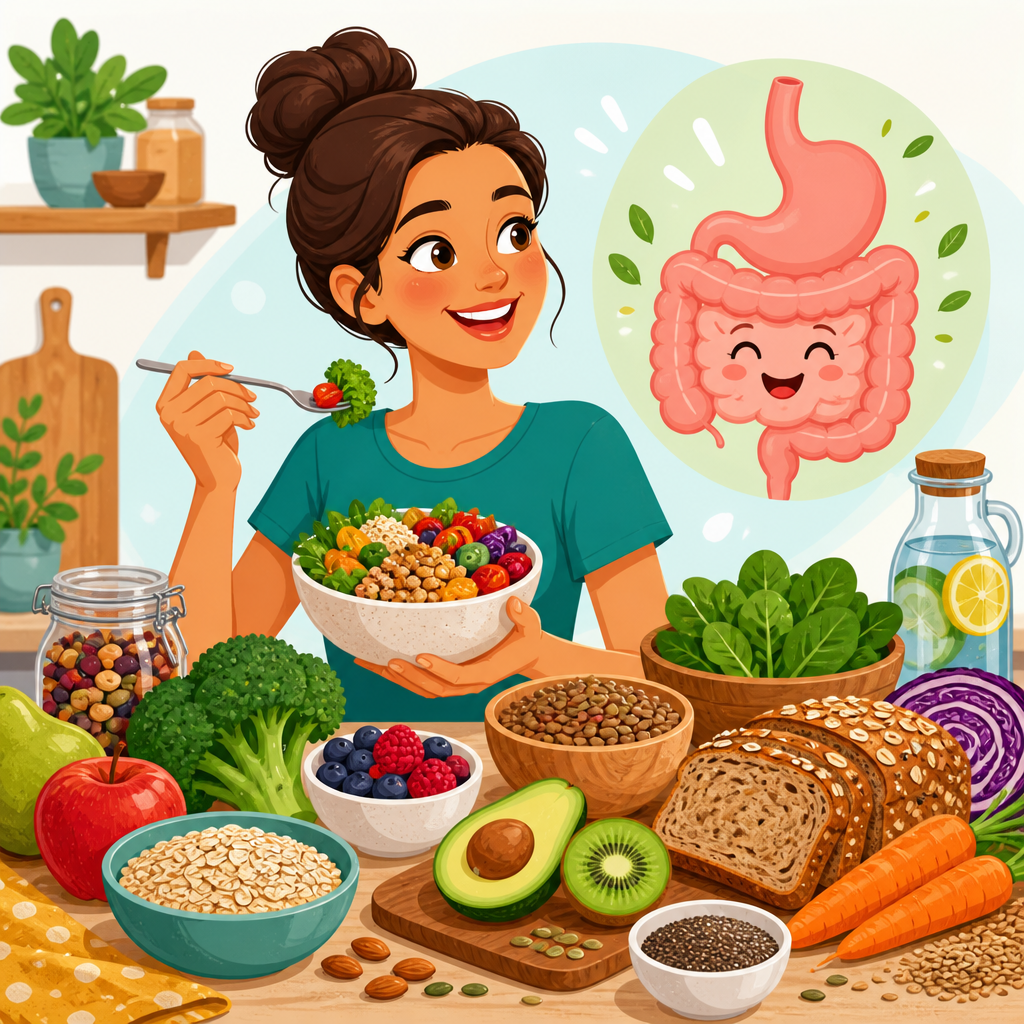
Polyphenol-rich foods are valuable not because one item has the highest score on a chart, but because different polyphenols behave differently in the body and in the gut. Flavonoids in berries, tea, apples, onions, and cocoa; phenolic acids in coffee and whole grains; lignans in seeds; and stilbenes in grapes each interact with digestion, absorption, gut microbes, and cell signaling in distinct ways. Researchers increasingly view antioxidants as part of a complex defense system rather than isolated scavengers floating through the bloodstream. Many polyphenols have low direct absorption, yet they still matter because gut bacteria transform them into metabolites that influence inflammation, endothelial function, glucose handling, and microbial diversity. That is why dietary variety is more useful than fixating on one “superfood.”
In plain terms, eating black beans, red cabbage, cinnamon, green tea, apples, and peanuts across a week gives you broader coverage than eating a large bowl of blueberries once and calling it done. Color can help, but it is not a perfect rule. White onions contain quercetin. Brown cocoa is polyphenol-rich. Black tea, despite its dark color after brewing, comes from oxidized tea leaves with compounds different from green tea. Herbs and spices are especially concentrated sources by weight, although portions are small, so they work best as boosters rather than the main event. The biggest mistake I see is assuming antioxidants come mainly from expensive fresh berries. In reality, affordable staples contribute heavily: coffee and tea are major polyphenol sources in many diets, and beans, whole grains, and apples often deliver more consistent value per dollar.
Affordable polyphenol-rich foods to prioritize
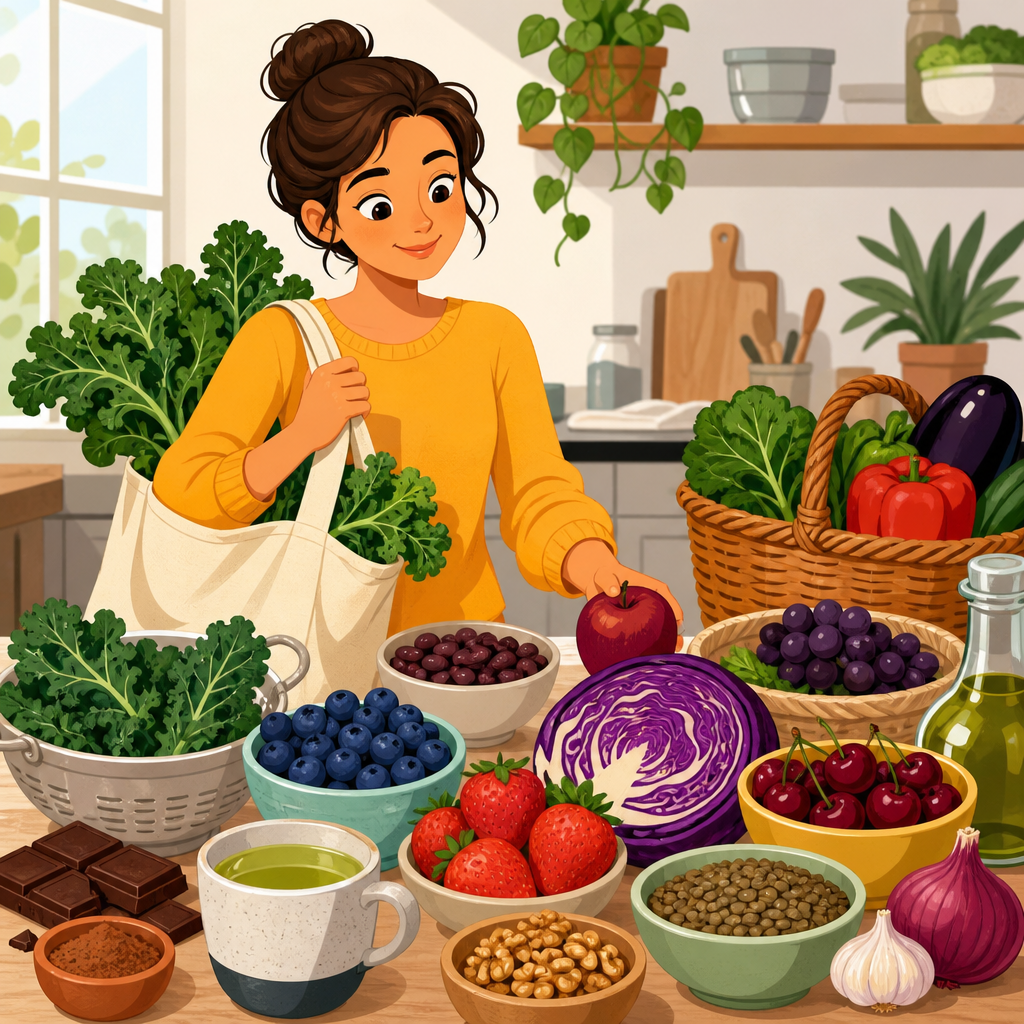
The most budget-friendly strategy is to build a repeatable shopping list around foods that store well, serve multiple meals, and cover several antioxidant categories at once. Dry beans and lentils are at the top of that list because they are inexpensive, rich in fiber, and useful in soups, salads, stews, tacos, curries, and grain bowls. Black beans, red kidney beans, and black lentils also bring dark pigments associated with anthocyanins or related compounds. Oats and other whole grains contribute phenolic acids and support fullness. Frozen berries are often cheaper per serving than fresh, especially out of season, and they retain polyphenols well because they are frozen soon after harvest. Apples, pears, red cabbage, carrots, onions, potatoes, beets, and citrus are low-cost produce options with long shelf life.
Beverages count too. Unsweetened black tea, green tea, and coffee are among the most practical antioxidant sources for adults who tolerate caffeine. Cocoa powder is a far better budget choice than premium dark chocolate because it supplies concentrated flavanols with less sugar and a lower cost per serving. Nuts can be expensive, but peanuts and peanut butter are usually affordable, and seeds such as flaxseed and sunflower seeds often cost less than almonds or walnuts. Extra virgin olive oil contains polyphenols and fits many cooking styles, though price varies; when budgets are tight, it can be used selectively for dressings or finishing rather than all cooking. Finally, do not overlook dried herbs and spices. Cinnamon, oregano, thyme, paprika, cloves, ginger, turmeric, and cumin make repetitive meals taste different while quietly increasing total polyphenol exposure.
How to shop smart and stretch your grocery budget
Budget-friendly nutrition depends as much on shopping habits as on food choice. Start with price per unit, not package price. A large bag of rolled oats, dry lentils, or frozen mixed berries usually beats single-serve options by a wide margin. Store brands are often nutritionally comparable to premium labels. Canned beans are convenient, but dry beans are cheaper if you have time to soak and cook them in batches; pressure cookers cut that time significantly. Frozen vegetables and fruit reduce waste, which is one of the biggest hidden costs in healthy eating. If half of a fresh berry clamshell molds in the refrigerator, the “healthy” choice became an expensive one.
Seasonality matters. In many markets, apples, cabbage, onions, carrots, and potatoes remain cheap year-round, while berries, cherries, and grapes swing sharply in price. I advise clients to treat expensive produce as occasional variety and rely on dependable value staples weekly. Ethnic groceries can also lower cost while expanding options. You may find bulk spices, dried hibiscus, lentils, chickpeas, black rice, or herbal teas for less than at mainstream supermarkets. Warehouse clubs help only if you will actually use the food before quality drops; bulk savings disappear when products go stale. A simple weekly rule works well: choose one affordable berry or frozen fruit, one bean, one whole grain, one leafy or cruciferous vegetable, one allium such as onion or garlic, and one tea or cocoa item.
Best budget choices by category
The table below highlights practical options I recommend most often when the goal is antioxidant variety at a low cost.
| Category | Budget-friendly foods | Key polyphenol or antioxidant angle | Best use |
|---|---|---|---|
| Beans and legumes | Black beans, lentils, chickpeas | Polyphenols plus fiber for gut health | Soups, salads, stews, tacos |
| Fruit | Frozen berries, apples, pears | Anthocyanins, flavonoids, vitamin C support | Oatmeal, yogurt, smoothies, snacks |
| Vegetables | Red cabbage, onions, carrots, beets | Flavonoids and colorful pigments | Slaws, roasts, stir-fries, soups |
| Whole grains | Oats, barley, brown rice | Phenolic acids and steady energy | Porridge, grain bowls, side dishes |
| Beverages | Black tea, green tea, coffee | Major everyday antioxidant contributors | Daily drinks without added sugar |
| Flavor boosters | Cocoa, cinnamon, oregano, ginger | Highly concentrated compounds per gram | Baking, drinks, sauces, savory meals |
Building inexpensive meals that deliver antioxidant diversity
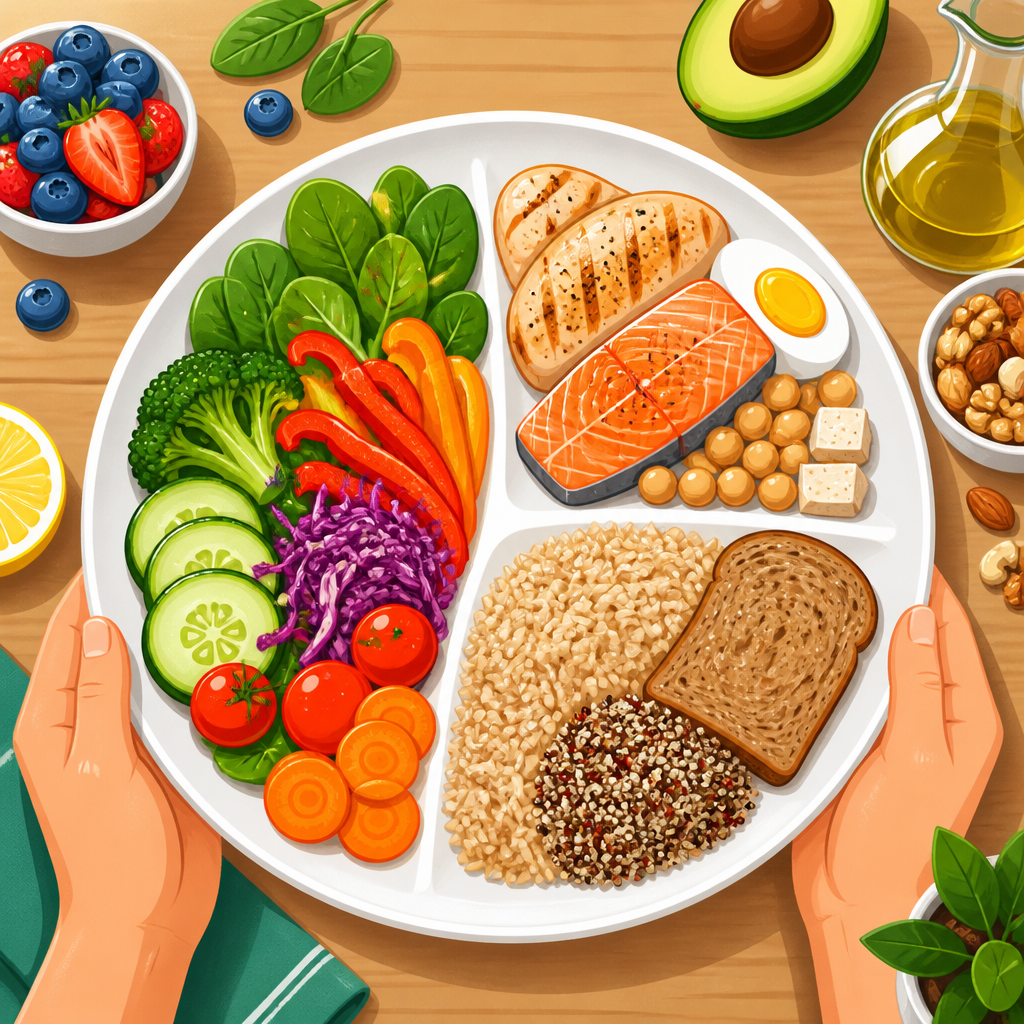
The easiest way to eat more polyphenols is to stop thinking in terms of nutrients and start assembling repeatable meals. Breakfast can be oats cooked with cinnamon and topped with frozen berries, chopped apple, and ground flaxseed. That single bowl provides multiple polyphenol classes plus soluble fiber. A lower-cost lunch might be lentil soup with onions, carrots, tomatoes, and kale, served with whole grain bread and fruit. Dinner can be a bean and brown rice bowl with sautéed cabbage, salsa, roasted sweet potatoes, and a spoonful of yogurt or tahini. Snacks might include tea, popcorn with smoked paprika, peanut butter on apple slices, or homemade cocoa oatmeal bites.
Meal layering is the practical skill that makes this sustainable. Start with a base such as oats, beans, lentils, brown rice, or potatoes. Add one or two vegetables, one fruit during the day, and one concentrated flavor source like herbs, spices, tea, or cocoa. Rotate colors across the week rather than forcing every meal to be perfect. For example, Monday may center on black beans and red cabbage; Tuesday on chickpeas, tomatoes, and parsley; Wednesday on oats, berries, and tea. This method increases diversity without creating a complicated plan. It also supports the broader benefits usually associated with antioxidants, including better overall diet quality, improved fiber intake, and lower dependence on ultra-processed foods.
Supplements, labels, and common myths about antioxidants
Consumers are often told they need antioxidant supplements, exotic berries, or expensive juice blends to get meaningful protection. That is usually not true. Large supplement trials have not consistently shown benefits from isolated antioxidant pills, and some high-dose supplements have produced harm in specific populations. Food works differently because it delivers compounds in combinations, at physiologic doses, within a matrix of fiber, fats, carbohydrates, and micronutrients. A cup of beans or tea is not interchangeable with a capsule labeled “antioxidant complex.” When I review food logs, the people doing best are rarely using niche products. They are eating ordinary plants regularly.
Another myth is that cooking destroys all antioxidants. Some compounds decrease with heat, but others become more available, and cooked vegetables still contribute meaningfully. Tomato products are a classic example where processing can improve availability of certain carotenoids, though polyphenol patterns may shift. Boiling can reduce water-soluble compounds, yet soups and stews retain those compounds in the cooking liquid. Storage matters too. Fresh is not always superior if produce sits for a week and spoils. Frozen berries and vegetables are often the more nutritious budget choice compared with tired fresh produce. Finally, dark chocolate can contribute cocoa polyphenols, but many bars also contain significant sugar and calories, so cocoa powder or a modest portion of dark chocolate is a better everyday strategy.
How this topic fits into nutrition basics and long-term health
Understanding the importance of antioxidants is part of nutrition basics because it helps people move past narrow calorie counting and toward food quality. Polyphenol-rich foods tend to overlap with patterns consistently supported by evidence, including Mediterranean-style and plant-forward diets. These patterns are associated with lower cardiovascular risk, better blood pressure, improved insulin sensitivity, and a healthier gut microbiome. The mechanism is not “antioxidants alone,” but antioxidants are part of the package. Fiber feeds beneficial microbes. Potassium supports blood pressure. Unsaturated fats from nuts, seeds, and olive oil improve lipid profiles. Polyphenols interact with all of that.
As a hub topic, antioxidants connect naturally to meal planning, grocery budgeting, digestive health, plant proteins, and healthy snacking. Someone who learns to stock oats, beans, berries, onions, leafy greens, tea, and spices is not just increasing antioxidant intake; they are creating a foundation for affordable, balanced eating. The habit that matters most is consistency. Small repeated exposures to diverse plant compounds are more realistic and more effective than occasional expensive health kicks. If you want to improve your diet this week, start with three budget moves: replace one processed snack with fruit or popcorn and tea, add beans or lentils to two meals, and use berries, cocoa, or cinnamon at breakfast. Those simple changes make antioxidant eating practical, varied, and affordable.
Frequently Asked Questions
What are polyphenols, and why should I try to eat more of them if I am on a budget?
Polyphenols are naturally occurring compounds found in plant foods, and they are one of the reasons foods like berries, beans, tea, cocoa, herbs, olives, whole grains, and colorful vegetables are so often linked with better long-term health. In plants, these compounds help defend against environmental stress. In the human diet, they contribute to the overall protective value of plant-based foods and are associated with better diet quality, higher antioxidant intake, and support for healthy aging, heart health, and metabolic function. The good news is that you do not need expensive “superfoods” or supplements to get them. Many of the most affordable foods at the grocery store are naturally rich in polyphenols, including black beans, lentils, oats, onions, cabbage, apples, tea, peanut butter, cocoa powder, and frozen berries.
For budget-conscious shoppers, the key idea is variety rather than perfection. Different plant foods contain different types of polyphenols, so eating a mix of low-cost options over the course of the week is more practical and more beneficial than chasing a single trendy ingredient. A pot of beans, a bowl of oatmeal, a cup of tea, a side of sautéed greens, or a spoonful of cocoa in yogurt can all add up. When you focus on inexpensive staples and rotate them regularly, you can build a polyphenol-rich eating pattern that is both affordable and realistic.
What are the cheapest polyphenol-rich foods to buy regularly?
Some of the best budget-friendly polyphenol-rich foods are pantry staples and freezer items rather than premium fresh produce. Beans and lentils are among the top choices because they are inexpensive, filling, shelf-stable, and easy to use in soups, salads, tacos, curries, and grain bowls. Black beans, kidney beans, pinto beans, chickpeas, and lentils all help increase polyphenol intake while also providing fiber and protein. Whole grains like oats, brown rice, and barley are also smart buys, especially when purchased in larger bags. Tea, particularly black and green tea, is one of the most affordable ways to include polyphenols daily, often costing only pennies per cup.
Frozen fruits and vegetables are another excellent value. Frozen berries are often much cheaper than fresh, especially out of season, and they retain their nutritional value well. Budget-friendly produce options such as apples, red onions, cabbage, spinach, carrots, beets, broccoli, and potatoes with the skin on can also help increase variety without straining your grocery bill. Cocoa powder, peanut butter, sunflower seeds, flaxseeds, dried herbs, and spices like cinnamon, oregano, turmeric, and cloves can all contribute useful plant compounds in small but meaningful amounts. If you want the most value, build your shopping list around items that are affordable, versatile, and easy to use in multiple meals.
How can I eat a wider variety of polyphenol-rich foods without wasting money or food?
The most effective strategy is to choose a small rotation of affordable foods from different plant categories and use them in several ways throughout the week. For example, you might buy oats, black beans, lentils, cabbage, onions, apples, frozen berries, spinach, tea, and a few herbs or spices. That gives you options for breakfasts, lunches, dinners, snacks, and drinks without requiring a huge shopping list. Oatmeal can be topped with apples, cinnamon, or berries. Beans can go into soups, burrito bowls, salads, or chili. Cabbage can be used raw in slaws, cooked into stir-fries, or added to soups. This kind of repetition with variation keeps costs down while still increasing diversity.
It also helps to think in terms of weekly variety rather than trying to include everything every day. You do not need a rainbow of 20 ingredients at each meal. Instead, aim to rotate your choices across the week: one day lentils, another day black beans; one week apples and cabbage, another week beets and broccoli; one morning tea, another morning cocoa oatmeal. Use frozen produce for convenience, buy fresh items that have a longer shelf life, and repurpose leftovers quickly. Batch cooking, freezing portions, and planning meals around ingredients that overlap are all practical ways to increase polyphenol variety while reducing waste and keeping spending under control.
Do I need expensive berries, supplements, or specialty products to get enough polyphenols?
No. While premium berries, concentrated powders, and specialty health products are often marketed as the best sources, they are not necessary for a polyphenol-rich diet. Most people can improve their intake significantly just by eating more everyday plant foods. Budget staples such as beans, onions, apples, tea, oats, herbs, cocoa powder, and frozen berries can provide a strong foundation at a much lower cost. In fact, relying too heavily on a few expensive products can make healthy eating feel harder and less sustainable than it needs to be.
Whole foods are usually the better long-term choice because they bring more than just one isolated compound. They also provide fiber, vitamins, minerals, and a broader mix of plant nutrients that work together in the diet. If your goal is to support health on a budget, focus first on building meals around affordable plant foods you will actually eat consistently. A simple breakfast of oatmeal with cinnamon and fruit, a lunch with lentils or beans, vegetables at dinner, and tea during the day can be far more practical and valuable than spending money on supplements or trendy “superfood” blends.
What is a simple low-cost meal plan idea for getting more polyphenols during the week?
A budget-friendly polyphenol-rich meal plan starts with a few low-cost staples you can mix and match. For breakfast, oatmeal is a strong base because you can top it with cinnamon, chopped apples, frozen berries, flaxseeds, or a spoonful of cocoa powder. Plain yogurt or overnight oats with fruit can work too. For lunch, try a bean or lentil-based meal such as lentil soup, black bean bowls with brown rice and salsa, or a chickpea salad with red onion and herbs. For dinner, use affordable vegetables like cabbage, broccoli, carrots, spinach, or beets alongside beans, whole grains, or potatoes. A cup of black or green tea during the day is an easy addition.
One practical weekly example could include oatmeal with apples on Monday, cocoa berry oats on Tuesday, lentil soup for two lunches, black bean tacos for dinner, cabbage slaw as a side, and roasted vegetables with brown rice later in the week. Snacks might include an apple with peanut butter, tea, or a small handful of seeds. The goal is not to create a perfect menu but to keep several different polyphenol-rich foods in regular rotation. By combining pantry staples, frozen produce, and a few affordable fresh items, you can eat a more varied, plant-rich diet that supports health and stays within a reasonable grocery budget.