Calcium without dairy is not a compromise plan; for many people, it is a practical, nutritionally sound way to meet daily needs while supporting bone health, muscle function, nerve signaling, and blood clotting. Calcium is a mineral stored primarily in bones and teeth, but its metabolic role extends far beyond the skeleton. When dietary intake falls short, the body pulls calcium from bone to keep blood levels stable, which is why long-term adequacy matters. In my nutrition work, I have seen the same concern repeatedly: people avoid milk, yogurt, or cheese because of lactose intolerance, allergy, vegan eating, cost, or preference, then assume they are automatically low in calcium. That assumption is often wrong. A well-planned diet can provide substantial calcium from fortified plant milks, calcium-set tofu, canned fish with bones, beans, seeds, leafy greens, and fortified cereals or juices.
This matters within nutrition basics because calcium sits at the center of the broader micronutrient conversation. Vitamins and minerals rarely act alone. Vitamin D supports calcium absorption, vitamin K helps regulate bone proteins, magnesium participates in bone structure, phosphorus works alongside calcium in mineralized tissue, and sodium can increase urinary calcium losses when intake is very high. Building a hub page around micronutrients means understanding these interactions, not just memorizing a daily value. Adults generally need around 1,000 milligrams of calcium per day, with higher targets for women over 50 and men over 70 at 1,200 milligrams. Teenagers need even more during rapid growth. The goal of this guide is to show where calcium comes from without dairy, how much common foods provide, and how to combine them into realistic servings that fit everyday meals.
Why Calcium Matters in the Wider Micronutrient Picture
Calcium is often framed as a bone nutrient, but that description is too narrow. It is essential for muscle contraction, including the heartbeat, for transmission of nerve impulses, for secretion of certain hormones, and for normal vascular function. Because these jobs are nonnegotiable, the body tightly regulates calcium in the blood. If intake is consistently low, bone becomes the reserve tank. Over time, that can contribute to low bone mineral density and increase fracture risk. This is why calcium deserves hub-level attention within vitamins and minerals: it links structural health with daily physiology.
At the same time, calcium adequacy is not only about intake on paper. Absorption varies by source and by context. Calcium citrate malate in some fortified juices is well absorbed. Calcium carbonate in fortified foods can also work well, especially when consumed with meals. Oxalates in spinach and beet greens bind calcium so strongly that absorption is poor, even though nutrition labels may show a high number. By contrast, low-oxalate greens such as kale, bok choy, and turnip greens offer less calcium per serving than spinach on some databases, but a greater share is usable. This is one of the most important distinctions I teach clients, because it changes grocery choices immediately.
Micronutrient planning also means considering partners and blockers. Vitamin D status strongly influences calcium absorption; without enough vitamin D, calcium efficiency drops. Magnesium and phosphorus support bone mineralization, but massive phosphorus intake from ultra-processed foods can skew the dietary pattern away from mineral balance. High sodium intake increases urinary calcium excretion, and excessive alcohol can harm bone remodeling. None of this means a single meal determines bone health. It means a consistent pattern matters, and calcium-rich dairy-free foods should be part of a broader nutrient-dense routine.
Best Dairy-Free Calcium Sources and What a Serving Looks Like
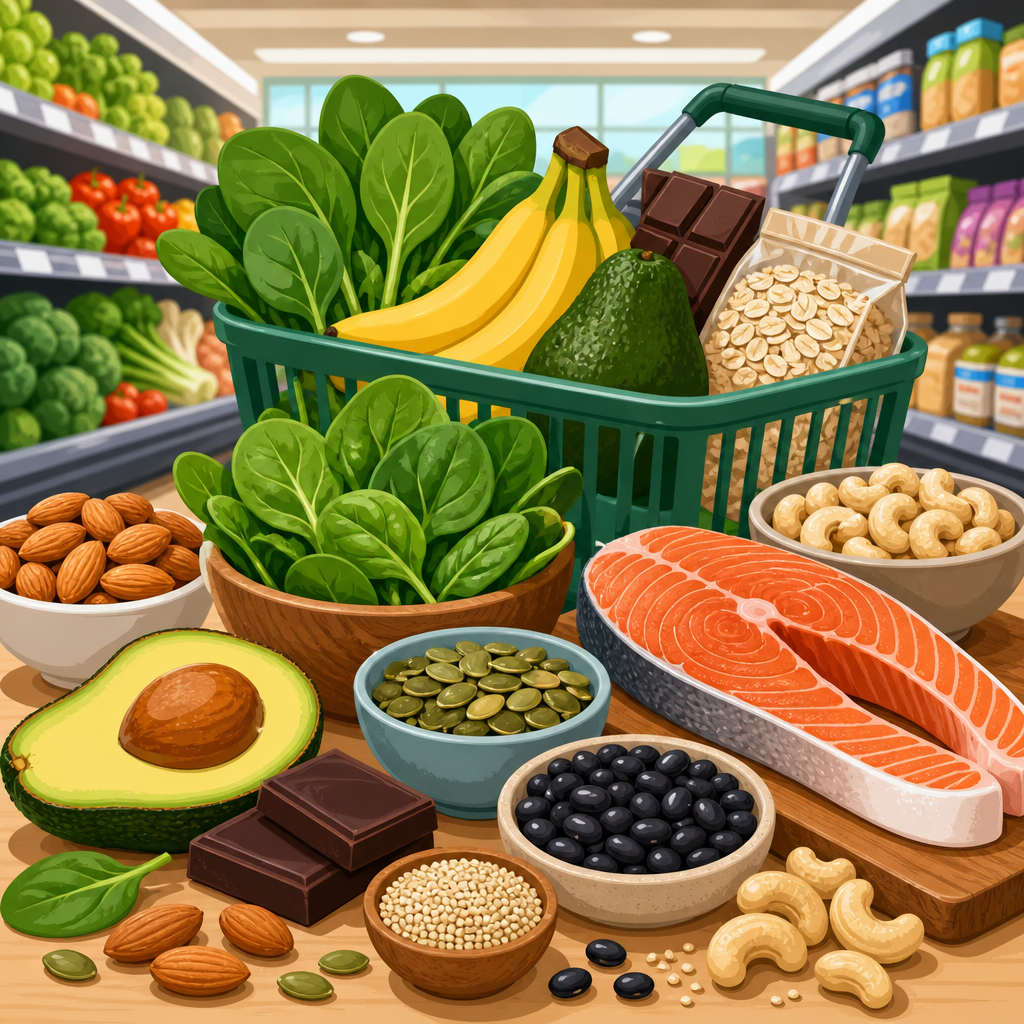
The strongest dairy-free calcium foods fall into three practical groups: fortified foods, naturally calcium-rich plant foods, and selected seafood products. Fortified soy milk is usually the easiest swap because many brands provide roughly 300 milligrams per cup, similar to cow’s milk, and often add vitamin D and vitamin B12. Almond, oat, pea, and other plant milks may also be fortified, but labels vary widely, so checking the Nutrition Facts panel matters. Shake cartons before pouring because added calcium can settle to the bottom.
Calcium-set tofu is another standout. If tofu is made with calcium sulfate, a half-cup can provide around 250 to over 400 milligrams depending on brand and water content. Tempeh contains some calcium but usually less. Among plant foods, cooked collard greens, turnip greens, kale, and bok choy are reliable choices. White beans, black-eyed peas, and edamame contribute moderate amounts while also adding protein and fiber. Tahini, sesame seeds, chia seeds, and almonds can help, though their serving sizes are smaller than many people expect. Fortified orange juice can add a significant amount, often near 300 milligrams per cup, but it lacks the protein of fortified soy milk and is best viewed as one option rather than the default.
For people who eat fish but avoid dairy, canned sardines and canned salmon with bones are exceptionally useful because the edible bones contain highly available calcium. This is not a trivial contribution. A small tin of sardines can deliver several hundred milligrams along with vitamin D and omega-3 fats. I often recommend keeping these shelf-stable options in rotation for clients who need simple lunches without relying on supplements.
| Food | Typical Serving | Approximate Calcium | Practical Use |
|---|---|---|---|
| Fortified soy milk | 1 cup | 300 mg | Smoothies, cereal, coffee, soups |
| Calcium-set tofu | 1/2 cup | 250–400+ mg | Stir-fries, scrambles, grain bowls |
| Collard greens, cooked | 1 cup | 250 mg | Side dish, soups, beans |
| Bok choy, cooked | 1 cup | 150–160 mg | Noodle dishes, stir-fries |
| White beans | 1 cup | 160 mg | Soups, salads, spreads |
| Chia seeds | 2 tablespoons | 180 mg | Pudding, oatmeal, smoothies |
| Tahini | 2 tablespoons | 120–130 mg | Dressings, sauces, dips |
| Sardines with bones | 3 ounces | 325 mg | Toast, salads, pasta |
| Canned salmon with bones | 3 ounces | 180 mg | Salmon cakes, sandwiches |
| Fortified orange juice | 1 cup | 300 mg | Breakfast pairing, smoothies |
Serving Examples That Reach Daily Calcium Needs
People usually do better with meal examples than isolated numbers. Here is a dairy-free day that reaches roughly 1,000 milligrams without feeling engineered: breakfast of oatmeal made with one cup fortified soy milk plus two tablespoons chia seeds provides about 480 milligrams. Lunch with a grain bowl built around half a cup calcium-set tofu and one cup cooked bok choy adds roughly 400 to 500 milligrams. Dinner with white bean soup contributes another 150 to 200 milligrams. That already places the day around or above the target before counting smaller amounts from grains, vegetables, or snacks.
Another pattern works well for omnivores who simply do not use dairy. Breakfast could include fortified cereal with one cup fortified plant milk, often around 400 milligrams combined depending on brand. Lunch might be sardines on whole-grain toast with tomato and arugula, adding around 325 milligrams. Dinner could feature a side of cooked collard greens at approximately 250 milligrams. This structure passes 900 milligrams without requiring large portions, and a handful of almonds or a bean side easily closes any gap.
For children, teens, and older adults, serving design matters because appetite, chewing ability, or convenience can become limiting factors. Smoothies made with fortified soy milk, calcium-set tofu, berries, and nut butter are efficient options. So are soft cooked greens folded into rice bowls, soups with white beans, and tofu scrambles. In practice, distributing calcium across the day is easier than trying to get it all at dinner. It also aligns better with absorption, since the body handles moderate doses more effectively than a massive amount in one sitting.
Absorption, Bioavailability, and Common Mistakes
The biggest calcium mistake in dairy-free eating is chasing foods that look impressive on a spreadsheet but perform poorly in the body. Spinach is the classic example. It contains a lot of calcium, but most of it is bound to oxalic acid, so absorption is low. Swiss chard and beet greens have the same issue. Kale, bok choy, and broccoli are better choices when the goal is usable calcium. Another mistake is assuming all tofu is equivalent. Tofu made with nigari, or magnesium chloride, can be nutritious, but its calcium content may be much lower than tofu set with calcium sulfate. The ingredient list and label matter.
Fortified foods create their own pitfalls. Some consumers compare plant milks by front-label claims instead of the actual nutrition panel. One brand may supply 450 milligrams per cup, another only 30. Sedimentation is another overlooked issue: if a carton is not shaken, much of the added calcium may remain at the bottom. I have reviewed food logs where intake looked adequate on paper, but the person routinely poured unshaken plant milk and overestimated what they consumed.
Supplements can help, but they are not automatically superior to food. Calcium carbonate is cost-effective and works best with meals; calcium citrate is absorbed well and may be better tolerated by people with lower stomach acid or those taking acid-reducing medication. Most guidelines suggest avoiding very large single doses because absorption efficiency declines as the dose rises. For many adults, splitting supplemental calcium into doses of 500 milligrams or less is more effective. Supplements are useful when dietary intake is consistently short, but they should fit the total plan rather than replace it.
Who Needs Extra Attention and When to Consider Testing or Guidance
Some groups need more deliberate planning. People with lactose intolerance may still tolerate small amounts of yogurt or hard cheese, but those with milk allergy need strict avoidance and must build calcium from other sources. Vegans often do well with fortified soy milk and tofu, yet they also need to track vitamin D and vitamin B12. Postmenopausal women face increased bone turnover as estrogen declines, making total calcium, vitamin D status, resistance training, and protein intake all important. Teens in growth spurts require high intakes, but many replace milk with soft drinks or energy drinks and end up far below recommendations.
Medical context matters too. People with celiac disease, inflammatory bowel disease, a history of bariatric surgery, chronic kidney disease, or long-term corticosteroid use may have altered calcium or vitamin D metabolism. Those with recurrent kidney stones should not assume lower calcium is safer; in many cases, adequate dietary calcium actually helps by binding oxalate in the gut. The right strategy depends on stone type and medical history, so clinician guidance matters. Bone density screening with dual-energy X-ray absorptiometry is generally considered for older adults and for younger people with significant risk factors. Blood calcium is not a reliable marker of intake adequacy because the body maintains it within a narrow range until deficiency is advanced.
If your intake is uncertain, a three-day food record reviewed against reliable databases can reveal patterns quickly. I use this approach often because it turns a vague concern into a precise plan. Once people see that one fortified milk, one tofu or fish serving, and one greens or bean serving can cover most of the day, calcium without dairy becomes straightforward instead of stressful.
Calcium without dairy is entirely achievable, and the most effective strategy is to build it from dependable foods you will actually eat. Fortified plant milks, calcium-set tofu, canned fish with bones, low-oxalate leafy greens, beans, and seeds are the foundation. Labels matter, absorption matters, and daily patterns matter more than any single superfood. Within the broader vitamins and minerals picture, calcium works best when vitamin D, magnesium, protein, and overall diet quality are also in place.
The practical takeaway is simple: aim to include two to three meaningful calcium sources each day instead of relying on one large serving or an afterthought supplement. Check the nutrition panel on plant milks and tofu, choose greens like kale or bok choy more often than spinach for calcium, and spread intake across meals. If you have higher needs, medical risk factors, or trouble meeting targets, talk with a registered dietitian or your clinician and review your intake with real numbers. Start with your next grocery list, and make dairy-free calcium an easy, repeatable part of your nutrition basics.
Frequently Asked Questions
Can you get enough calcium without dairy?
Yes, absolutely. Dairy is one well-known source of calcium, but it is not the only effective way to meet daily needs. Many people reach adequate calcium intake through a combination of fortified plant foods, calcium-set tofu, legumes, certain leafy greens, nuts, seeds, and canned fish with edible bones. What matters most is total intake across the day, not whether that calcium comes from milk, yogurt, or cheese. For adults, calcium needs often fall around 1,000 milligrams per day, with higher needs in some life stages such as adolescence, older adulthood, and after menopause. A dairy-free approach can support those goals very well when meals are planned intentionally.
In practice, this usually looks less like relying on a single “superfood” and more like building calcium into several meals and snacks. For example, one cup of fortified soy milk may provide about 300 milligrams, half a cup of calcium-set tofu can contribute 250 to 400 milligrams depending on the brand, and a serving of cooked collard greens may add another 250 milligrams or so. Add in chia seeds, tahini, white beans, almonds, or fortified orange juice, and the numbers add up quickly. For many people, dairy-free calcium is not a compromise plan at all. It is a practical, nutritionally sound way to support bone health, muscle contraction, nerve signaling, and normal blood clotting.
What are the best non-dairy foods that provide calcium?
The strongest non-dairy calcium sources are usually fortified beverages and foods, calcium-set tofu, canned fish with bones, and certain greens. Fortified soy milk, almond milk, oat milk, and other plant milks often provide calcium levels similar to cow’s milk, commonly around 300 milligrams per cup. Calcium-set tofu is another standout because it can deliver a large amount in a modest serving. Sardines and canned salmon with bones are excellent options for people who eat fish, since the edible bones naturally contain calcium. Among vegetables, collard greens, turnip greens, bok choy, and kale are especially helpful because they offer calcium along with other nutrients that support overall health.
Other useful contributors include white beans, black-eyed peas, edamame, sesame seeds, tahini, chia seeds, almonds, and fortified cereals or juices. It is also important to distinguish between foods that contain calcium and foods that provide calcium your body can use efficiently. Spinach, for example, contains calcium, but much of it is bound to oxalates, which reduces absorption. That does not mean spinach is unhealthy, only that it should not be your main calcium strategy. A more reliable dairy-free pattern might include fortified plant milk at breakfast, tofu or beans at lunch, leafy greens at dinner, and a snack with chia or tahini. This mix improves the odds of meeting your calcium goal consistently without depending too heavily on any one item.
What are some realistic serving examples for meeting calcium needs in a dairy-free diet?
A practical dairy-free day can meet calcium needs more easily than many people expect. For breakfast, you might have one cup of fortified soy milk in oatmeal or a smoothie, which can provide about 300 milligrams, plus two tablespoons of chia seeds for roughly another 150 to 180 milligrams. At lunch, a grain bowl with half a cup of calcium-set tofu may add 250 to 400 milligrams, especially if paired with bok choy or kale. For a snack, hummus made with tahini or a small handful of almonds can contribute a modest but meaningful amount. At dinner, a side of cooked collard greens or turnip greens can provide another 150 to 250 milligrams depending on the portion and preparation. That kind of day can bring you very close to, or above, 1,000 milligrams without any dairy at all.
Here is another simple example. Breakfast could be fortified orange juice and whole-grain toast with sesame butter or tahini. Lunch might be white bean soup and a salad with kale. Dinner could include canned salmon with bones or a tofu stir-fry over rice with bok choy. Even snacks can help: edamame, roasted almonds, or pudding made with fortified plant milk all count. The takeaway is that calcium is easier to reach when you spread it throughout the day. Instead of chasing one massive source at dinner, think in terms of stacking several reliable sources at each eating occasion. That tends to be more sustainable, more absorbable, and more realistic for everyday life.
Does calcium from plant foods absorb as well as calcium from dairy?
Absorption depends on the food, not simply whether it is plant-based or animal-based. Some plant foods provide calcium that is absorbed quite well, while others are less efficient sources because of naturally occurring compounds such as oxalates or phytates. Low-oxalate greens like kale, bok choy, and collard greens are generally considered excellent choices. Fortified plant milks are also designed to be dependable calcium sources, although it helps to shake the carton well because added calcium can settle. Calcium-set tofu is another highly practical option because it is concentrated, versatile, and often well absorbed.
On the other hand, spinach, beet greens, and Swiss chard contain calcium but are not ideal primary sources due to lower bioavailability. Beans, nuts, and seeds still contribute useful amounts, even if absorption is not always as high as in fortified foods or certain greens. The best strategy is variety. Rather than worrying about making every bite “perfect,” combine multiple sources over the course of the day and pay attention to consistency over time. If your diet is fully plant-based, it is also smart to think beyond calcium alone and consider the broader bone-health picture, including adequate vitamin D, enough protein, regular weight-bearing exercise, and sufficient overall energy intake.
Do you need a calcium supplement if you do not eat dairy?
Not necessarily. Many people who avoid dairy can meet calcium needs through food alone, especially when they regularly use fortified plant milks, tofu, beans, greens, and other calcium-containing foods. A supplement may be useful if your intake is consistently low, your food options are limited, or you are in a life stage with higher calcium needs. It can also make sense for people with poor appetite, multiple food intolerances, certain digestive conditions, or highly restricted diets. The decision should be based on your usual intake pattern rather than the assumption that dairy-free automatically means deficient.
If you are considering a supplement, more is not always better. It is often preferable to close only the gap between what you eat and what you need, instead of taking large doses “just in case.” Smaller amounts are often easier to absorb and better tolerated. It is also worth checking whether a supplement includes vitamin D, since vitamin D supports calcium absorption. Whenever possible, start by reviewing your meals: one fortified beverage, one serving of tofu or beans, one leafy green, and one seed- or nut-based food each day can make a significant difference. If you are unsure whether you are meeting your needs, a registered dietitian or healthcare professional can help estimate your intake and decide whether food alone is sufficient.