
Fat does play a central role in absorbing vitamins A, D, E, and K, but the complete answer is more useful than a simple yes. These four micronutrients are called fat-soluble vitamins because the body handles them differently from water-soluble nutrients such as vitamin C or most B vitamins. In practice, they dissolve in dietary fat, move through digestion with bile and digestive enzymes, and are packaged into transport particles that allow them to pass through the intestinal wall. When people ask whether they need fat to absorb vitamins A, D, E, and K, what they usually mean is this: how much fat is enough, which foods work best, and what other factors affect nutrient absorption and bioavailability?
Those questions matter because absorption determines whether a nutrient on a label or in a meal actually reaches the bloodstream and tissues where it can do its job. Vitamin A supports vision, immune function, and epithelial integrity. Vitamin D regulates calcium balance, bone remodeling, muscle function, and many cellular signaling pathways. Vitamin E acts mainly as a lipid-phase antioxidant that protects cell membranes. Vitamin K is essential for blood clotting and bone-related proteins such as osteocalcin. A person can eat foods rich in these vitamins yet still fall short if digestion, medication use, food preparation, gut health, or meal composition interferes with uptake.
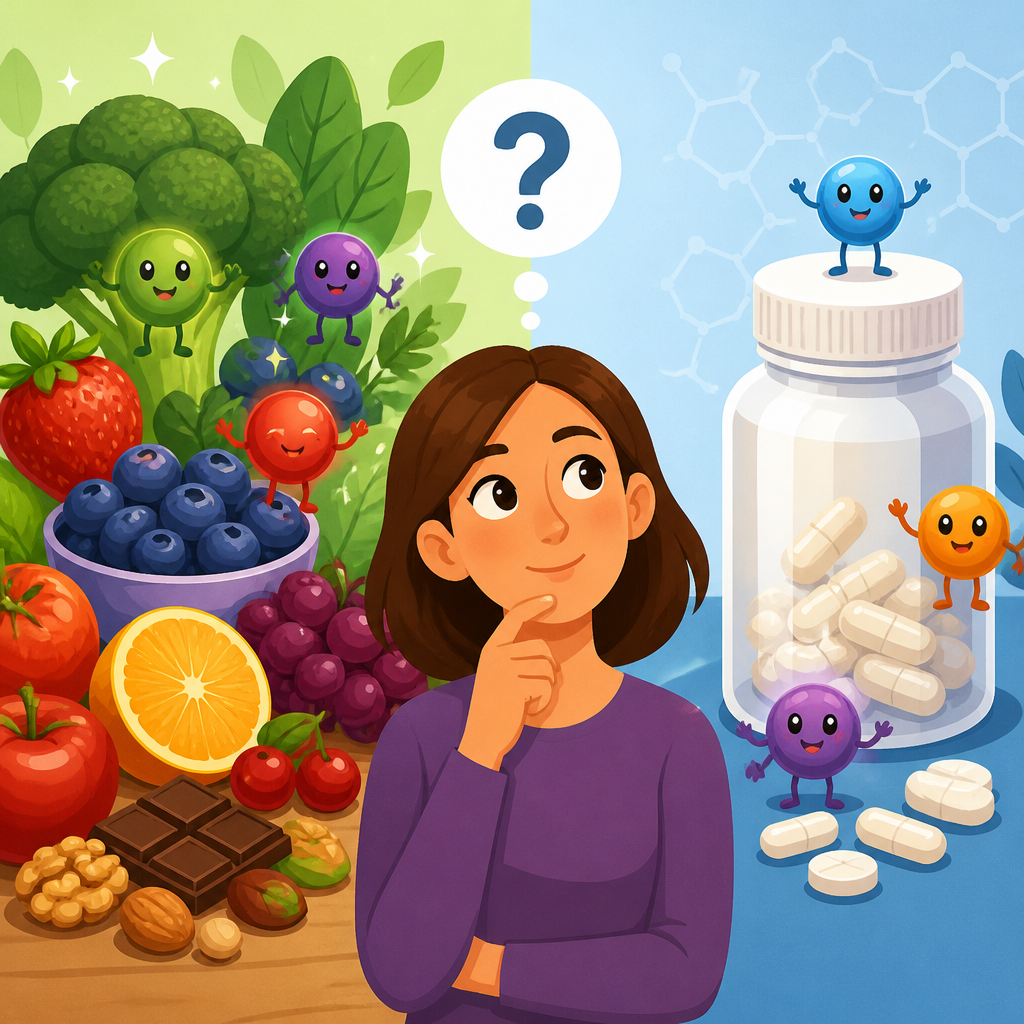
I have seen this repeatedly when reviewing food logs and supplement routines. People often take vitamin D on an empty stomach, use very low-fat meals for months, or assume that a multivitamin guarantees adequacy. Others absorb poorly because of celiac disease, pancreatic insufficiency, cholestatic liver disease, bariatric surgery, or medications that reduce fat absorption. The hub topic of nutrient absorption and bioavailability exists for this reason: nutrition is not only about intake. It is about digestion, release from the food matrix, intestinal transport, circulation, storage, and use by the body.
Bioavailability refers to the proportion of a nutrient that is absorbed and becomes available for physiological function or storage. For fat-soluble vitamins, bioavailability depends on several linked steps: the nutrient must be released from food, incorporated into mixed micelles with bile acids and lipids, taken up by enterocytes in the small intestine, assembled into chylomicrons, and transported through the lymphatic system before entering circulation. If one step is disrupted, absorption can drop substantially. Understanding that pathway helps explain why some meals, supplements, and health conditions improve uptake while others limit it.
How fat-soluble vitamin absorption works
The small intestine is where most absorption happens. After a meal containing fat, the gallbladder releases bile, which emulsifies fats into smaller droplets. The pancreas contributes lipase and other enzymes that help break triglycerides into fatty acids and monoglycerides. These lipid fragments, together with bile acids, cholesterol, phospholipids, and fat-soluble vitamins, form mixed micelles. Micelles ferry otherwise water-insoluble compounds through the watery environment of the intestine to the brush border of intestinal cells. Without this process, vitamins A, D, E, and K cannot move efficiently to the absorption surface.
Once inside the enterocyte, these vitamins are packaged with other lipids into chylomicrons. Chylomicrons enter the lymphatic system rather than going straight into the portal vein like many water-soluble nutrients. They eventually reach the bloodstream and deliver fat-soluble compounds to tissues. Some are stored, particularly vitamin A in the liver and vitamin D in fat tissue and muscle. Because these vitamins can be stored, deficiency may develop slowly, but so can toxicity when supplements are excessive. That storage pattern is a major difference from water-soluble vitamins, which the body excretes more readily.
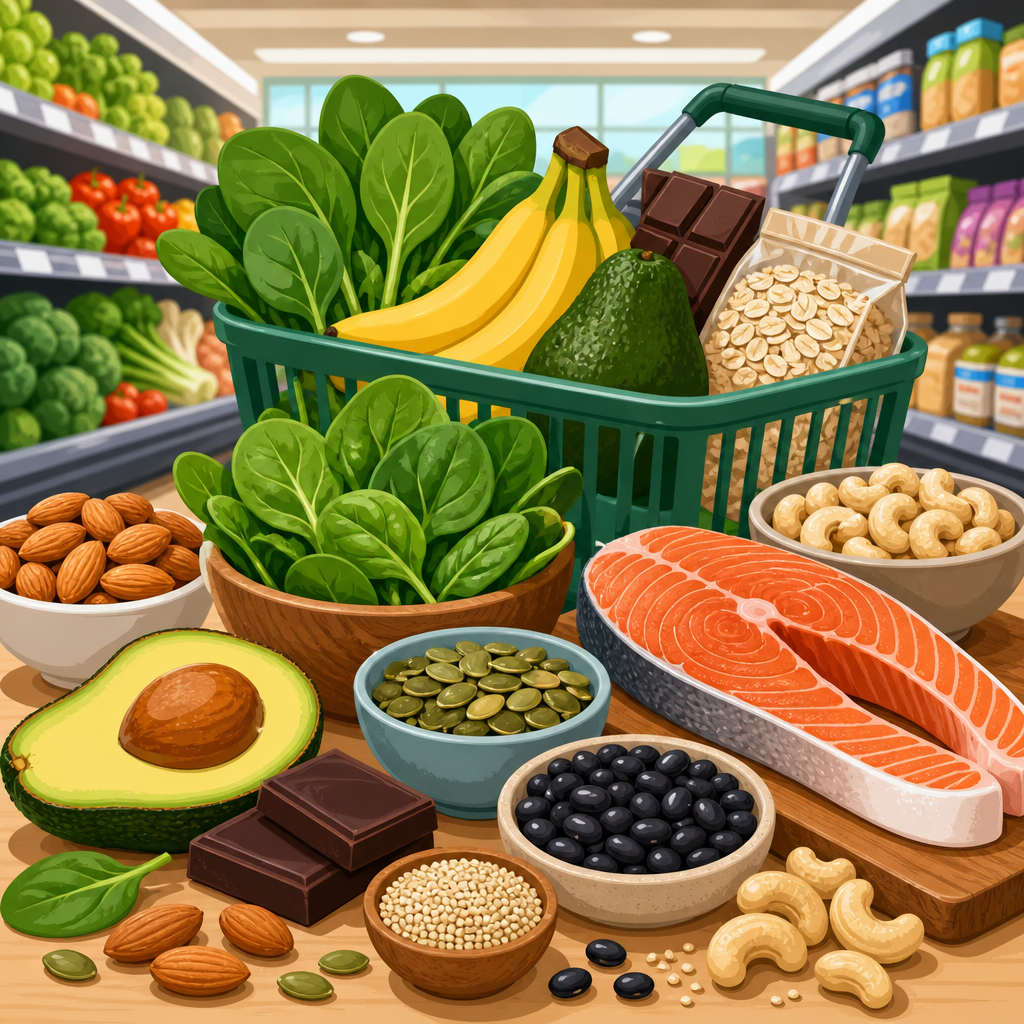
Dietary fat improves this process, but more is not always better. Research consistently shows that some fat is needed for efficient absorption, yet very large amounts are unnecessary for most people. In mixed meals, modest amounts often work well. In practical terms, a meal with eggs, yogurt, nuts, olive oil, avocado, salmon, or full-fat dairy usually provides enough fat to support uptake. The exact amount varies with the meal and the person, but the key point is clear: zero-fat eating patterns can compromise absorption, while balanced meals generally support it.
How much fat is enough and what foods help most
For everyday eating, small to moderate amounts of fat are usually sufficient. Human feeding studies often find improved vitamin D or carotenoid absorption when meals contain roughly 5 to 15 grams of fat compared with fat-free versions, although responses vary. Absorption does not switch on at one exact threshold, and the food matrix matters. A salad with no fat provides less available carotenoid and vitamin K than the same salad dressed with olive oil. Cooked vegetables eaten with tahini, cheese, or fish also tend to outperform plain steamed vegetables in real meals.
Type of fat appears less important than simply having enough digestible fat, though some evidence suggests long-chain fats may support chylomicron formation better than very low-fat meals. In practice, olive oil, canola oil, avocado, nuts, seeds, egg yolks, dairy fat, and the natural fat in meat or fish all help. If someone is using a supplement, taking it with the largest meal of the day often improves absorption because that meal typically stimulates more bile flow. This is especially relevant for vitamin D supplements, which many people take in isolation with coffee or water.
| Vitamin | Main roles | Good food sources | Meal strategy that improves absorption |
|---|---|---|---|
| Vitamin A | Vision, immune defense, skin and mucosal health | Liver, eggs, dairy, carrots, sweet potato, spinach | Pair orange or dark green vegetables with oil, eggs, or dairy |
| Vitamin D | Calcium balance, bone health, muscle and immune function | Salmon, sardines, egg yolks, fortified milk, fortified yogurt | Take supplements with a mixed meal containing fat |
| Vitamin E | Antioxidant protection of cell membranes | Almonds, sunflower seeds, wheat germ, avocado, oils | Include nuts, seeds, or oil-based dressings with meals |
| Vitamin K | Blood clotting and bone-related proteins | Kale, spinach, broccoli, natto, cabbage | Eat leafy greens with oil, nuts, cheese, or another fat source |
Meal examples make this simple. Roasted carrots with olive oil absorb better than dry carrot sticks alone. Spinach sautéed in oil or served with salmon supports vitamin K uptake more effectively than a plain fat-free salad. Fortified yogurt with nuts can improve vitamin D absorption compared with swallowing a capsule before breakfast. The same logic applies to whole-diet planning. If every meal is built around lean protein and vegetables with almost no fat, intake may look disciplined on paper while absorption lags in reality.
Food form, preparation, and the nutrient matrix
Bioavailability is shaped not only by fat but by the physical structure of food. Some nutrients are trapped inside tough plant cell walls. Chopping, blending, mashing, and cooking can improve release from the food matrix and increase the fraction available for absorption. I often explain this using carrots, tomatoes, and leafy greens. Light cooking softens tissues and can increase access to carotenoids, which are vitamin A precursors. Pureed vegetable soups, tomato sauce cooked with oil, and sautéed greens frequently provide more usable nutrition than raw vegetables eaten dry.
At the same time, heat, oxygen, and storage can degrade sensitive compounds. Vitamin E in oils can decline with prolonged exposure to light and air, and some vitamin losses occur during high-heat processing. This does not mean raw is always best or cooked is always best. It means food preparation involves tradeoffs. For fat-soluble nutrients, the best pattern is often gentle cooking plus a fat source. That combination improves release and transport without excessive destruction. Traditional cuisines discovered this long before the science was fully mapped.
Supplement form also matters. Vitamin A may appear as retinyl palmitate or as provitamin A carotenoids such as beta-carotene. Vitamin K comes mainly as phylloquinone in leafy greens and menaquinones in fermented foods and some animal foods. Vitamin D appears primarily as D3 in supplements, with D2 also used in fortified foods or prescriptions. Different forms can differ in potency, tissue handling, and stability. A well-formulated softgel taken with food usually performs better than a dry tablet taken on an empty stomach, although individual products vary.
What blocks absorption: gut conditions, surgery, and medications
The most important exceptions to the “just eat some fat” rule are medical. Conditions that reduce bile flow, pancreatic enzyme output, or intestinal surface area can sharply limit absorption of fat-soluble vitamins. Celiac disease, Crohn’s disease involving the small intestine, cystic fibrosis, chronic pancreatitis, exocrine pancreatic insufficiency, cholestatic liver disease, and small bowel resection are classic examples. Bariatric procedures such as Roux-en-Y gastric bypass and biliopancreatic diversion can also reduce absorption substantially. In these settings, deficiency risk is real even when diet quality looks reasonable.
Medications can do the same. Orlistat reduces fat absorption by inhibiting pancreatic lipase, so vitamins A, D, E, and K may need special attention. Bile acid sequestrants such as cholestyramine can interfere with micelle formation. Long-term use of mineral oil laxatives is another old but relevant cause. Certain anticonvulsants can alter vitamin D metabolism, increasing deficiency risk even when absorption is adequate. Anticoagulants deserve separate mention: people taking warfarin should not abruptly change vitamin K intake or start vitamin K supplements without clinician guidance because stable intake matters for dose management.
Symptoms of poor absorption are often nonspecific at first. Low vitamin D may show up as low blood 25-hydroxyvitamin D, muscle weakness, bone pain, or frequent fractures over time. Vitamin A deficiency can affect night vision and immunity. Vitamin E deficiency is uncommon in healthy adults but can occur with severe fat malabsorption, causing neurologic issues or hemolysis. Vitamin K deficiency may present as easy bruising or abnormal clotting, though lab changes can appear before obvious symptoms. In clinical practice, these problems are investigated with history, labs, medication review, and sometimes stool fat testing or specialized workups.
Practical guidance for meals, supplements, and daily habits
For most healthy adults, the practical rule is straightforward: include a meaningful source of fat with meals that provide vitamins A, D, E, or K. That can be as simple as adding olive oil to vegetables, eating eggs with spinach, choosing salmon over very lean fish, or pairing fortified dairy with nuts. If you use supplements, take them with a meal that contains fat rather than on an empty stomach. Consistency matters more than perfection. A balanced eating pattern beats sporadic megadoses because absorption, storage, and tissue use all benefit from regular intake.
Testing and personalization matter when deficiency risk is high. Vitamin D is the most commonly measured because serum 25-hydroxyvitamin D is a useful marker of status. Vitamin A, E, and K assessments are more context dependent and should be guided by symptoms, medical history, and clinician judgment. Supplements are not harmless simply because they are vitamins. Retinol in high doses can be toxic, especially in pregnancy. Excess vitamin D can lead to hypercalcemia. Vitamin E supplements can increase bleeding risk in some situations. Better absorption is helpful only when dosing is appropriate.
This hub on nutrient absorption and bioavailability points to a larger lesson in nutrition basics. Nutrients interact with digestion, meal composition, preparation methods, health conditions, and medications. If you want more from the food and supplements you already use, start by looking at context, not just quantity. Build meals that contain some healthy fat, prepare produce in ways that improve release, and take fat-soluble vitamins with food. If you have digestive disease, prior bariatric surgery, unexplained deficiency, or complex medication use, ask a qualified clinician or dietitian for a targeted plan. Better absorption turns good nutrition from theory into results.
Frequently Asked Questions
Do you actually need fat to absorb vitamins A, D, E, and K?
Yes, in most real-world situations, some dietary fat helps your body absorb vitamins A, D, E, and K more effectively. These nutrients are known as fat-soluble vitamins because they dissolve in fat rather than water. During digestion, they are mixed with bile from the liver and digestive enzymes, then incorporated into tiny transport structures that help them move across the intestinal wall. Without enough fat in the meal, that process is generally less efficient. That said, the complete answer is not simply that fat is required in large amounts. What matters most is that at least some fat is present to support normal digestion and absorption. The body is designed to absorb these vitamins as part of a mixed meal, not in isolation, so pairing foods or supplements containing vitamins A, D, E, or K with a source of fat is usually the most practical and effective approach.
How much fat is needed for better absorption of fat-soluble vitamins?
For most people, a modest amount of fat is enough to improve absorption. You do not need an extremely high-fat meal for vitamins A, D, E, and K to be utilized well. In many cases, including a source of fat such as eggs, dairy, olive oil, avocado, nuts, seeds, or fatty fish can be sufficient. The exact amount can vary depending on the person, the vitamin source, the rest of the meal, and individual digestion. The key point is that completely fat-free meals may reduce the efficiency of absorption, while balanced meals with some fat generally support it. This is one reason nutrition advice often emphasizes overall meal composition rather than focusing on a single nutrient at a time. If you are taking a supplement that contains vitamins A, D, E, or K, it is often smart to take it with a meal that includes fat unless the product specifically states otherwise.
What happens if you eat vitamins A, D, E, or K on a very low-fat or fat-free diet?
If your diet is consistently extremely low in fat, your body may not absorb these vitamins as efficiently, which can increase the risk of suboptimal status over time. Since vitamins A, D, E, and K depend on normal fat digestion, restricting fat too aggressively can interfere with how they are transported through the gut and into circulation. This does not mean a single low-fat meal will automatically cause a deficiency, but long-term patterns matter. Over time, poor absorption may contribute to health issues associated with low levels of these vitamins, such as vision and immune concerns with vitamin A, bone and calcium regulation problems with vitamin D, antioxidant and cell-protection issues with vitamin E, and blood-clotting or bone-related concerns with vitamin K. People who follow very low-fat diets, have digestive disorders, or have trouble producing or absorbing bile may need to be especially careful and may benefit from medical guidance.
Are supplements of vitamins A, D, E, and K better absorbed with food?
In many cases, yes. Supplements containing fat-soluble vitamins are often better absorbed when taken with food, especially a meal or snack that includes some dietary fat. Food helps stimulate digestive processes involved in fat absorption, including bile release, which supports the breakdown and transport of these vitamins. Taking these supplements on an empty stomach or with a fat-free meal may not provide the same absorption advantage. However, there are exceptions. Some supplement formulations are designed to improve bioavailability through emulsification or other delivery methods, so the label instructions matter. Even so, for standard vitamin A, D, E, or K supplements, taking them with a mixed meal is a simple and effective strategy. If someone has a medical condition that affects fat digestion or nutrient absorption, they should discuss supplement timing and form with a healthcare professional rather than relying on general advice alone.
Who is most at risk for poor absorption of fat-soluble vitamins?
People with conditions that impair fat digestion or absorption are at the highest risk. This can include individuals with gallbladder, liver, pancreatic, or intestinal disorders, as well as those with conditions such as celiac disease, Crohn’s disease, cystic fibrosis, chronic pancreatitis, or certain forms of bariatric surgery history. These situations may reduce bile flow, digestive enzyme activity, or the intestine’s ability to absorb nutrients properly. People following highly restrictive low-fat diets may also be at greater risk, especially if those diets are sustained over time. In addition, older adults, people with chronic digestive symptoms, and anyone experiencing unexplained nutrient deficiencies may need closer evaluation. Because vitamins A, D, E, and K play essential roles in vision, immunity, bone health, antioxidant protection, and blood clotting, poor absorption should not be ignored. If there is concern about deficiency or malabsorption, testing and individualized medical advice are the best next steps.