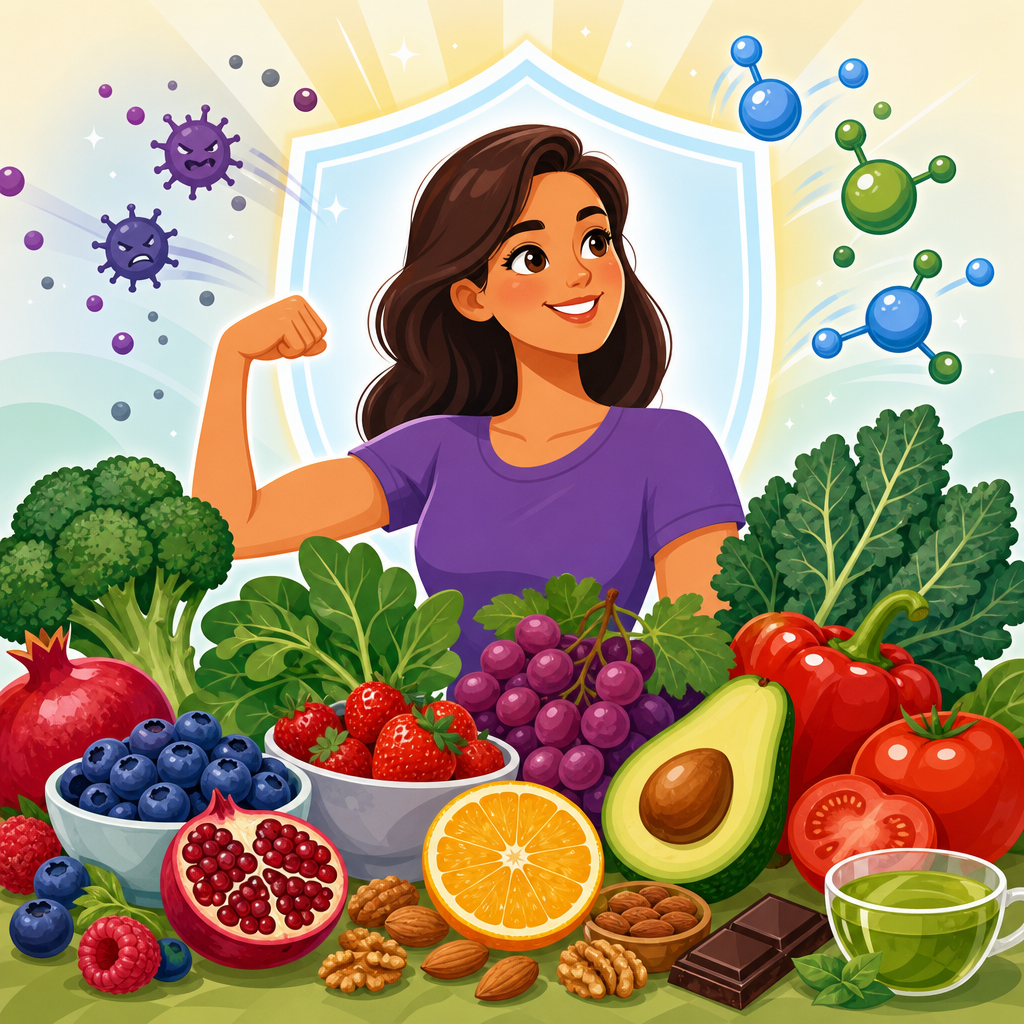
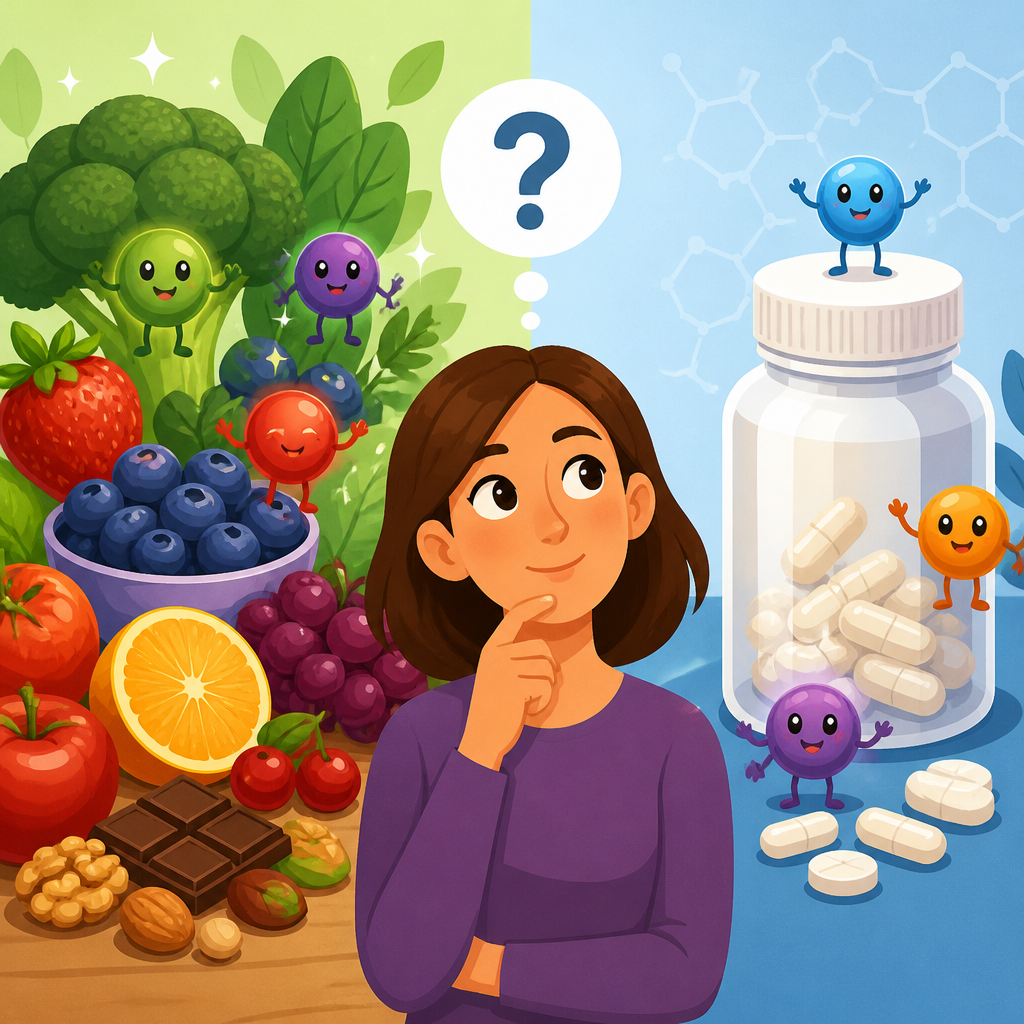
Antioxidants protect cells from oxidative stress, but antioxidant supplements do not consistently work like antioxidants in food, and that difference matters for anyone trying to improve health through nutrition. In practice, people often treat blueberries, green tea, vitamin C tablets, and high-dose vitamin E capsules as interchangeable sources of protection. They are not. After years of reviewing nutrition research and helping clients sort evidence from marketing, I have seen the same pattern repeatedly: whole foods deliver broad, reliable benefits, while isolated antioxidant supplements produce mixed results and sometimes cause harm at high doses. To understand why, it helps to define the key terms clearly. Oxidation is a normal chemical process that produces reactive molecules, often called free radicals or reactive oxygen species. Antioxidants are compounds that can neutralize or regulate these molecules before they damage lipids, proteins, or DNA. Oxidative stress occurs when production of reactive molecules exceeds the body’s defenses.
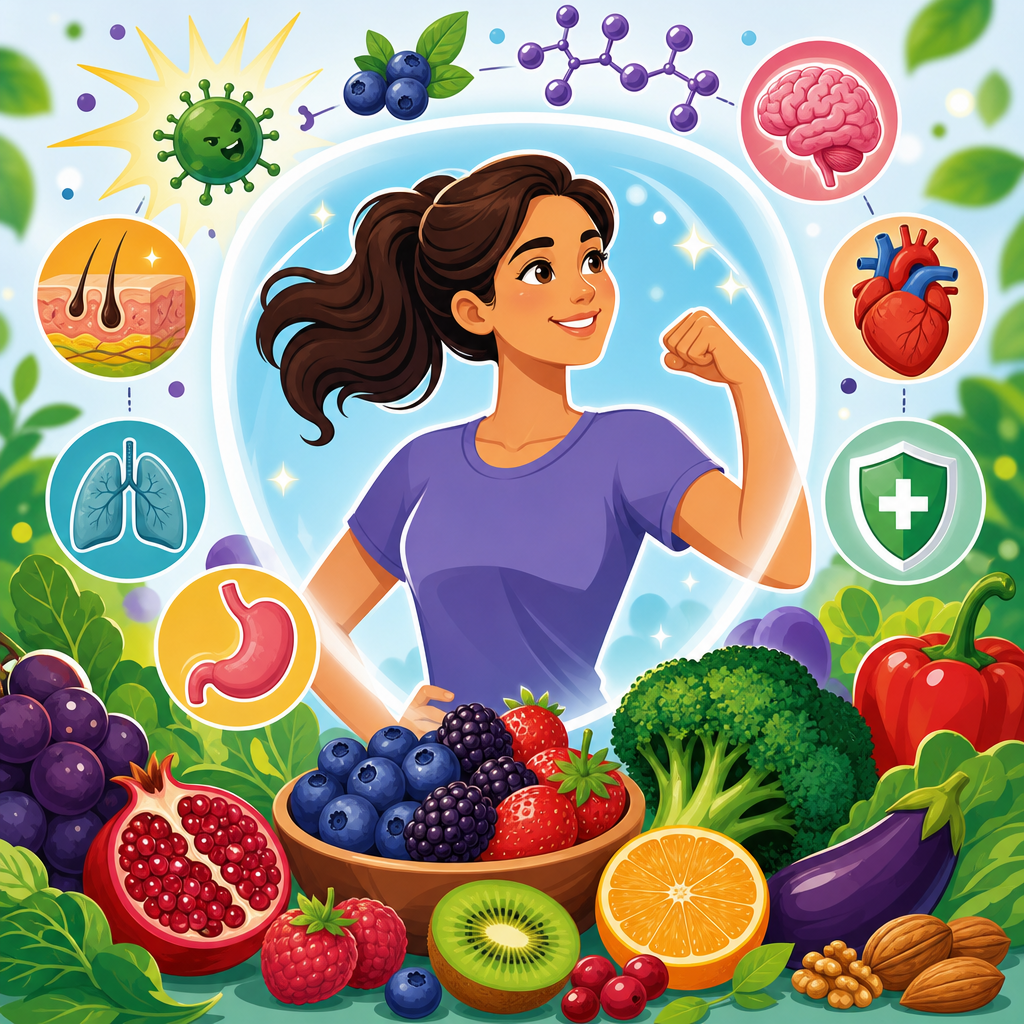
The importance of antioxidants is real, but it is often oversimplified. Your body already has built-in antioxidant systems, including enzymes such as superoxide dismutase, catalase, and glutathione peroxidase. Food supports these systems by supplying vitamins, minerals, and plant compounds that work together. Antioxidants in food include vitamin C, vitamin E, carotenoids, selenium-dependent compounds, and thousands of polyphenols found in fruits, vegetables, legumes, cocoa, tea, herbs, nuts, and whole grains. These compounds do more than quench free radicals. Many affect gene expression, inflammation, blood vessel function, and the gut microbiome. That wider biological activity explains why diets rich in plant foods are linked with lower rates of cardiovascular disease and some cancers, while trials of single antioxidant pills rarely reproduce the same outcome.
This article serves as a practical hub on the importance of antioxidants. It explains what antioxidants do, which foods provide them, why whole-food sources outperform most supplements, and when supplementation may still be appropriate. If you have wondered whether antioxidant supplements work, which antioxidant foods are best, or how to build an antioxidant-rich diet without chasing trends, the following sections answer those questions directly and in plain terms.
What Antioxidants Actually Do in the Body
Antioxidants are often described as tiny shields that stop cell damage, but their real role is more nuanced and more interesting. Reactive oxygen species are not purely bad. Your immune system uses them to kill pathogens, and your cells use them for signaling. Exercise, for example, temporarily increases oxidative stress, which helps trigger adaptation in muscle and mitochondria. Problems arise when oxidative stress becomes excessive or chronic, as can happen with smoking, uncontrolled diabetes, heavy alcohol use, air pollution, chronic inflammation, UV exposure, and diets low in minimally processed plant foods.
Different antioxidants act in different locations. Vitamin C is water-soluble and works in blood plasma and inside cells. Vitamin E is fat-soluble and helps protect cell membranes and lipoproteins from oxidation. Carotenoids such as beta-carotene, lycopene, lutein, and zeaxanthin accumulate in tissues and have specialized roles, including eye health. Polyphenols such as flavonoids, anthocyanins, catechins, and resveratrol often act less as direct scavengers and more as signaling molecules that influence inflammatory pathways and endogenous defense systems like the Nrf2 pathway. That is one reason the phrase antioxidant effect can be misleading if it suggests a simple one-to-one chemical neutralization.
The best way to think about antioxidant nutrition is not as a battle between one pill and one free radical, but as a network. Foods contribute many compounds at once, in doses the body can handle, alongside fiber, potassium, folate, and healthy fats that affect absorption and metabolism. This network effect is central to why antioxidant-rich foods matter more than isolated megadoses.
Why Antioxidants in Food and Supplements Behave Differently
Antioxidant supplements usually contain one or a few isolated compounds in concentrated form. Food contains complex mixtures that arrive in a matrix of fiber, water, natural sugars, proteins, fats, and coexisting phytochemicals. That matrix changes digestion, absorption, transport, and tissue effects. A tomato does not deliver lycopene the same way a capsule does, and spinach does not act like a beta-carotene pill.
Bioavailability is one major reason. Some antioxidants are better absorbed with fat, some are transformed by cooking, and many polyphenols are modified by the gut microbiome before they become active metabolites. Extra-virgin olive oil can increase carotenoid absorption from vegetables. Light cooking can make lycopene in tomatoes more available. Fermented foods may alter polyphenol metabolism. Supplements bypass some of those interactions and may produce blood levels that look impressive without reproducing the same tissue-level effects.
Dose also matters. Nutrients can follow U-shaped curves, where too little is harmful, enough is beneficial, and too much becomes ineffective or risky. High-dose supplements can act as pro-oxidants under some conditions or interfere with normal redox signaling. I routinely caution people against assuming that if berries are good, concentrated extracts must be better. Nutrition does not work that way consistently.
Another difference is substitution. People who eat more antioxidant-rich foods often displace ultra-processed foods, refined grains, and sugary snacks. A capsule does not replace a poor diet. It simply sits on top of it. That distinction is crucial when evaluating whether antioxidant supplements work like antioxidants in food: most of the time, they do not.
What Research Shows About Food-Based Antioxidants
Across large observational studies and dietary pattern research, antioxidant-rich foods are associated with better long-term health outcomes. Diets such as the Mediterranean pattern and DASH emphasize vegetables, fruit, legumes, nuts, herbs, and olive oil, and they consistently show benefits for cardiovascular risk factors and overall dietary quality. These patterns naturally deliver vitamin C, carotenoids, flavonoids, and selenium-containing foods without relying on large supplemental doses.
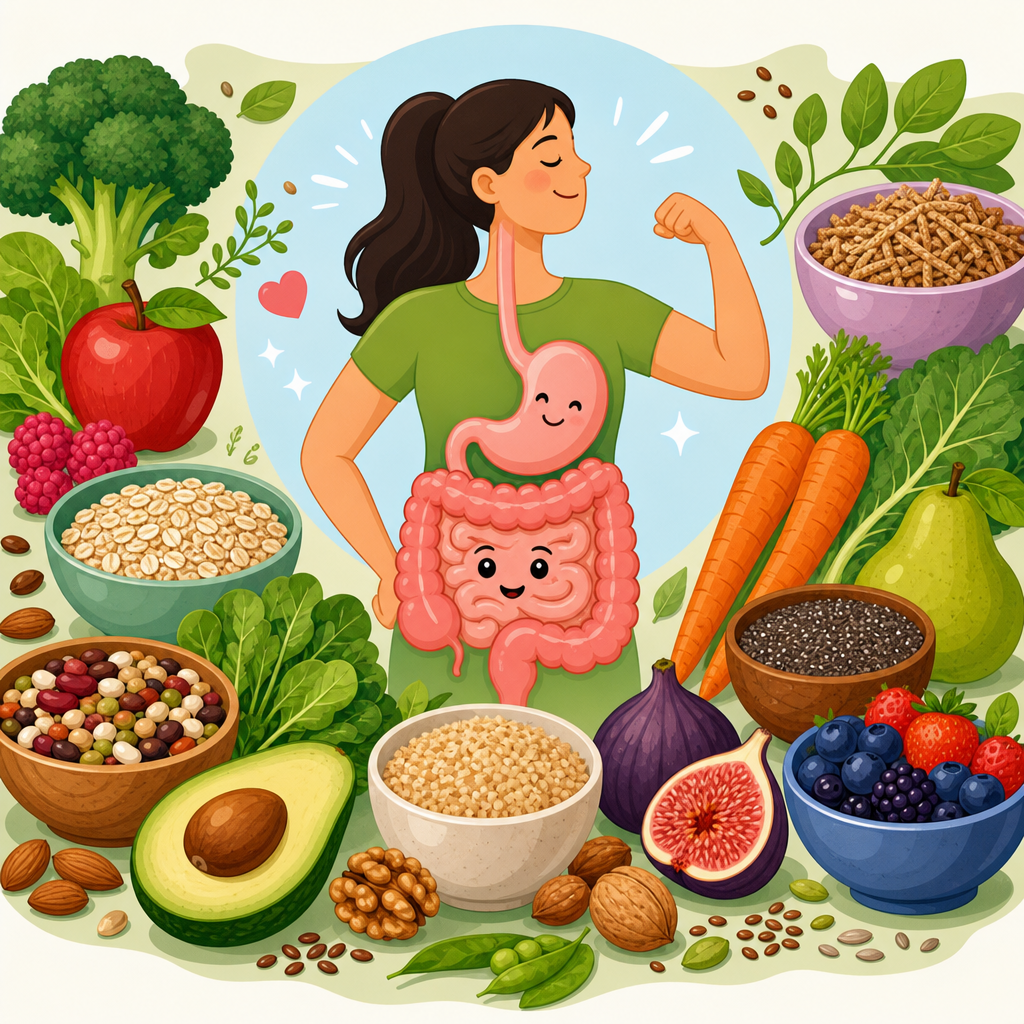
Specific foods also have well-studied benefits. Berries provide anthocyanins linked with vascular function and cognitive aging support. Tomatoes provide lycopene, especially in cooked tomato products. Leafy greens contribute lutein and zeaxanthin for eye health. Nuts and seeds provide vitamin E and polyphenols. Tea and cocoa supply flavan-3-ols that may support endothelial function. Beans and lentils contribute polyphenols alongside fiber, which improves glycemic control and feeds beneficial gut bacteria.
Importantly, the evidence does not mean one “superfood” solves oxidative stress. Benefits come from repeated intake across many meals. In counseling settings, the most effective strategy is increasing diversity: different colors of produce across the week, regular legumes, nuts, herbs, and beverages such as tea in place of sugar-sweetened drinks. The cumulative effect is far more persuasive than any single antioxidant score printed on packaging.
What Research Shows About Antioxidant Supplements
When antioxidant supplements are tested in randomized controlled trials, results are mixed, null, or condition-specific. Beta-carotene is the cautionary example most professionals know well. Trials in smokers, including the ATBC and CARET studies, found increased lung cancer risk with beta-carotene supplementation. That finding clearly showed that isolated antioxidants can behave differently from food sources and may be harmful in high-risk groups.
Vitamin E has also produced disappointing results in broad prevention trials. While it is essential in normal amounts, high-dose vitamin E supplementation has not reliably prevented cardiovascular disease or cancer in the general population. Vitamin C supplements may modestly reduce cold duration for some people but do not replicate the broad advantages of fruit and vegetable intake. Selenium supplementation helps in deficiency states, yet excessive selenium can cause adverse effects, including gastrointestinal symptoms, hair loss, brittle nails, and in some studies concerns around type 2 diabetes risk at higher intakes.
| Source | What it provides | Evidence pattern | Main takeaway |
|---|---|---|---|
| Whole fruits and vegetables | Mixed vitamins, carotenoids, polyphenols, fiber, minerals | Consistent links with better cardiometabolic health | Best foundation for antioxidant intake |
| Vitamin C supplement | Isolated ascorbic acid | Limited targeted benefits, not a diet substitute | Useful in some cases, not broadly transformative |
| Vitamin E supplement | High-dose tocopherol | Weak prevention evidence; dose-related concerns | Use only for clear clinical reasons |
| Beta-carotene supplement | Isolated carotenoid | Harm seen in smokers in major trials | Food sources are safer than megadoses |
These findings do not mean all supplements are useless. They mean supplements should be targeted, not assumed to mimic food. A deficiency, malabsorption disorder, medically restricted diet, or documented clinical need changes the equation. Blanket prevention with antioxidant pills does not have the same evidence base as eating antioxidant-rich foods.
When Antioxidant Supplements May Be Appropriate
There are situations where supplements make sense. People with diagnosed deficiencies, fat-malabsorption disorders, bariatric surgery history, inflammatory bowel disease, or highly restrictive eating patterns may need specific nutrients under clinical guidance. Age-related macular degeneration is one of the clearest examples of condition-specific use. The AREDS and AREDS2 formulations were developed for people with particular stages of macular degeneration, not for the general public seeking extra protection. That distinction matters.
Supplementation can also be appropriate when food access is limited, appetite is poor, or medication interactions affect status. Vegans may need vitamin B12; people with low iron stores may need iron; and those with low vitamin D may require supplementation. These are nutrition interventions, not lifestyle branding exercises. If an antioxidant supplement is being considered, the key questions are simple: What exact compound is needed, at what dose, for what documented reason, and for how long?
Quality also matters. Third-party testing from organizations such as USP, NSF, or ConsumerLab can reduce, though not eliminate, concerns about contamination or inaccurate labeling. In practice, the safest approach is to treat antioxidant supplements as tools for specific jobs, not as daily insurance against a low-quality diet.
How to Build an Antioxidant-Rich Diet That Actually Works
The most effective antioxidant strategy is a dietary pattern you can sustain. Aim for color and variety rather than fixation on one nutrient. A practical benchmark is to include produce at most meals: berries or citrus at breakfast, a salad or vegetable soup at lunch, and two vegetables at dinner. Add legumes several times a week, a handful of nuts most days, herbs and spices routinely, and tea or coffee if tolerated. Frozen produce counts, canned tomatoes count, and budget options like cabbage, carrots, oats, beans, and apples count.
Pairings matter. Add olive oil, yogurt, avocado, tahini, or nuts to help absorb fat-soluble carotenoids. Rotate plant foods because diversity supports broader phytochemical intake and a healthier gut microbiome. Minimize smoking, protect skin from excess UV exposure, manage blood sugar, and stay physically active, because antioxidant status is influenced by lifestyle as much as menu choices.
A simple shopping list includes berries, oranges, leafy greens, broccoli, tomatoes, beans, lentils, oats, walnuts, almonds, extra-virgin olive oil, green tea, cocoa powder, and herbs such as turmeric, oregano, and parsley. This is not exotic wellness culture. It is basic, evidence-aligned nutrition.
Common Questions About the Importance of Antioxidants
Do antioxidants prevent aging? They help limit oxidative damage, but no nutrient stops aging. Healthy aging depends on overall diet, physical activity, sleep, stress regulation, and avoiding tobacco.
Are expensive antioxidant powders better than food? Usually not. Powders may add convenience, but they rarely outperform a varied diet and often cost far more per useful serving.
Can you get too many antioxidants? From food, excess is rarely a concern for most healthy adults. From supplements, yes. High doses can interact with medications, impair normal signaling, or create toxicity risks.
Is organic produce necessary for antioxidant benefits? No. Both conventional and organic fruits and vegetables contribute antioxidants. Eating more produce matters more than perfection at the checkout line.
Should athletes take antioxidant supplements for recovery? Not routinely. Large doses of vitamins C and E around training may blunt some exercise adaptations. Food-first recovery is usually the smarter approach unless a clinician identifies a need.
Antioxidants are important, but the strongest evidence supports antioxidants in food, not routine high-dose antioxidant supplements for the general public. Whole foods work through a coordinated mix of vitamins, carotenoids, polyphenols, minerals, fiber, and food structure that isolated pills cannot fully reproduce. Research repeatedly shows that diets rich in fruits, vegetables, legumes, nuts, tea, cocoa, and olive oil are linked with better health outcomes, while supplement trials often show limited benefit and, in some cases, real risk. That is the central answer to the question, “Do antioxidant supplements work like antioxidants in food?” No, not reliably.
The practical benefit of understanding this difference is simple: you can stop chasing miracle capsules and invest in habits that actually improve nutritional quality. Build meals around colorful produce, include plant variety across the week, and use supplements only when there is a defined medical or nutritional reason. That approach respects how the body handles oxidative stress in real life, not just in marketing claims.
If you want to improve your antioxidant intake starting today, add one fruit, one vegetable, and one legume-rich meal to your routine this week, then build from there.
Frequently Asked Questions
Do antioxidant supplements work the same way as antioxidants in food?
No. While both foods and supplements can contain compounds labeled as antioxidants, they do not behave the same way in the body. Foods such as berries, leafy greens, beans, herbs, nuts, cocoa, and tea deliver antioxidants as part of a much larger package that includes fiber, water, minerals, healthy fats, and thousands of naturally occurring plant compounds. These compounds often work together in ways researchers are still trying to fully understand. That food matrix appears to matter. It can affect how antioxidants are absorbed, how long they remain active, and how they interact with other nutrients and cellular systems.
Supplements, by contrast, usually provide one isolated nutrient or a small handful of compounds in concentrated doses. A vitamin C tablet or high-dose vitamin E capsule may raise blood levels of that nutrient, but that does not automatically recreate the broad biological effects associated with eating antioxidant-rich foods. In research, diets high in fruits, vegetables, legumes, and other plant foods are consistently linked with better long-term health outcomes. Antioxidant supplements, however, have produced mixed, disappointing, and sometimes harmful results in clinical trials. That is the key distinction: whole foods are part of a dietary pattern that supports health, while isolated antioxidant supplements do not reliably reproduce those benefits.
Why do antioxidant-rich foods seem beneficial if antioxidant supplements often disappoint in studies?
Because the benefits of food are rarely caused by a single nutrient acting alone. When people eat antioxidant-rich foods, they are not just consuming vitamin C, beta-carotene, flavonoids, or polyphenols in isolation. They are eating complex combinations of compounds that may influence inflammation, blood vessel function, blood sugar control, gut microbes, and cell signaling. Many of these effects go beyond the simple idea of “neutralizing free radicals.” In modern nutrition science, antioxidants in food are understood less as lone defenders and more as part of a coordinated network that supports resilience throughout the body.
Another reason is that people who regularly eat antioxidant-rich foods often have overall healthier dietary patterns. They may eat more fiber, fewer ultra-processed foods, and a wider range of micronutrients. Good studies try to account for those factors, but they still tend to show that food-based patterns outperform pills. Supplements can also fail because high doses may disrupt normal physiological balance. Oxidative stress is not always harmful; the body uses reactive molecules for signaling, immune defense, and exercise adaptation. Flooding the system with large doses of isolated antioxidants may blunt useful processes rather than improve health. So the apparent mismatch between food and supplements is not surprising once you understand that nutrition is about patterns, context, and dose, not just ingredient labels.
Are antioxidant supplements ever helpful, or should they always be avoided?
They are not automatically useless, and they are not automatically a bad idea. The important question is whether there is a clear medical, nutritional, or practical reason to use one. Supplements can be helpful when a person has a diagnosed deficiency, limited food intake, malabsorption, increased nutrient needs, or a condition that makes it difficult to meet requirements through diet alone. In those cases, a supplement may be appropriate because it is addressing a specific need, not because it is acting as a general “anti-aging” or “detox” tool.
What deserves caution is the routine use of high-dose antioxidant supplements based on the assumption that if some antioxidants in food are good, more in pill form must be better. That logic has not held up well. Some large trials on certain antioxidant supplements have shown no meaningful benefit for chronic disease prevention, and some have suggested possible harm in certain populations. Smokers and former smokers, for example, have been specifically cautioned about some high-dose supplements in past research. The safest and most evidence-based approach is to treat supplements as targeted tools, not nutritional shortcuts. If someone is considering regular use of antioxidant pills, especially in high doses or in combination products, it is wise to review the plan with a physician or registered dietitian who can look at medications, health history, and actual dietary intake.
Can taking high doses of antioxidant supplements be harmful?
Yes, they can be. Many people assume antioxidants are inherently harmless because the word sounds protective, but biology is more complicated than that. Nutrients that are beneficial in food amounts are not necessarily beneficial in concentrated supplemental doses. High doses of fat-soluble vitamins, such as vitamin E, can accumulate and may increase risks in some people depending on the amount, duration, and health context. Even water-soluble antioxidants such as vitamin C can cause digestive side effects at higher intakes and may be inappropriate for some individuals with specific medical conditions.
There is also a broader issue: reactive oxygen species are not purely “bad.” The body uses them for normal signaling, immune function, and adaptation to stress, including physical training. Over-suppressing those processes may interfere with beneficial responses. In addition, supplements can interact with medications, affect blood clotting, and complicate treatment plans around surgery or chronic disease management. This does not mean all antioxidant supplements are dangerous, but it does mean they should not be treated casually. More is not always better, and “natural” does not guarantee safety. If the goal is long-term health protection, relying on large, unsupervised doses is a much weaker strategy than improving the quality and variety of the diet.
What is the best way to get the benefits associated with antioxidants?
The most reliable strategy is to build meals around a wide variety of minimally processed plant foods rather than chase one “super antioxidant.” In practical terms, that means regularly eating colorful fruits, vegetables, beans, lentils, nuts, seeds, whole grains, herbs, spices, tea, and other plant foods. Variety matters because different foods provide different protective compounds. Blueberries offer a different profile than tomatoes, spinach, walnuts, cocoa, or green tea. A mixed dietary pattern gives the body a broader range of nutrients and phytochemicals than any single supplement can provide.
It also helps to think beyond antioxidants as a marketing buzzword. The dietary patterns most consistently linked with better health are rich in plant foods overall, not just one or two famous ingredients. If someone wants a practical rule, aiming to “eat the rainbow,” include plants at most meals, and replace some highly processed foods with whole-food options is a strong place to start. This approach supports antioxidant intake naturally while also improving fiber intake, nutrient density, and overall diet quality. For most people, that is where the real payoff is. Supplements may still have a role when there is a specific indication, but if the question is how to get benefits that resemble what the research shows for antioxidant-rich diets, food remains the better and more dependable foundation.