Purple, red, and orange produce does more than brighten a plate; those colors often signal distinct antioxidant compounds that help explain why fruits and vegetables of different shades support health in different ways. In nutrition, antioxidants are molecules that can donate an electron to unstable compounds called free radicals without becoming dangerously unstable themselves. Free radicals are formed during normal metabolism, exercise, sunlight exposure, pollution exposure, smoking, and infection. In excess, they contribute to oxidative stress, a state linked with cellular damage, inflammation, and higher risk of chronic disease. When people ask why nutrition experts encourage eating “the rainbow,” this is the practical answer: color frequently reflects specific plant pigments, and those pigments often come with measurable biological activity.
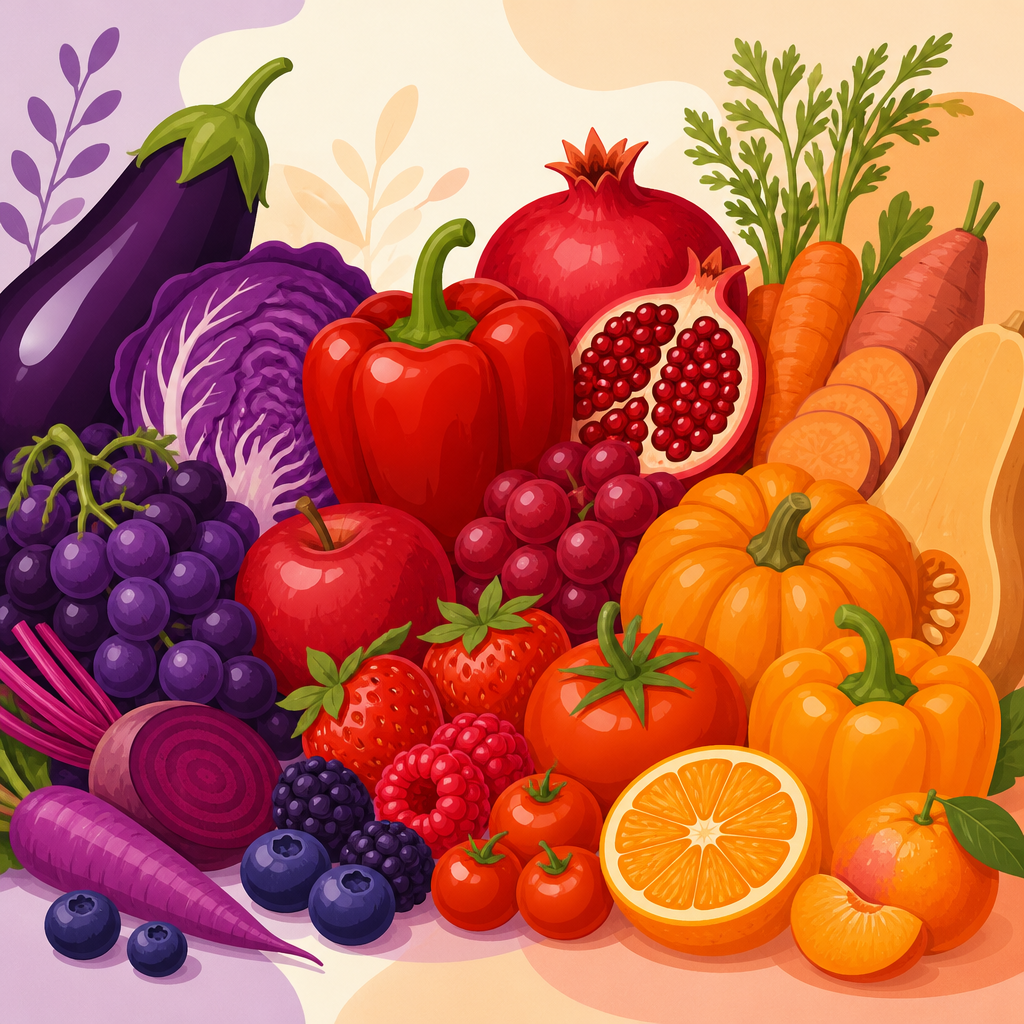
In practice, color is not a perfect nutrition label, but it is a useful shortcut. Purple produce commonly contains anthocyanins, a class of flavonoids associated with berries, purple grapes, eggplant skin, purple cabbage, and some sweet potatoes. Red produce often supplies lycopene, anthocyanins, ellagic acid, or betalains, depending on the food; tomatoes, watermelon, pink grapefruit, cherries, strawberries, and beets all fit here, though they do not all contain the same compounds. Orange produce is frequently rich in carotenoids such as beta-carotene, alpha-carotene, beta-cryptoxanthin, and sometimes zeaxanthin, found in carrots, winter squash, sweet potatoes, mangoes, apricots, and orange bell peppers. These compounds are not interchangeable. They act through different pathways, are absorbed differently, and may target different tissues.
This matters because antioxidant nutrition is often misunderstood. Many consumers assume more is always better, or that supplements can replace whole foods. My experience working with food logs and menu planning has shown the opposite. People who regularly eat a range of colorful produce tend to build better nutrient density overall, not just higher antioxidant intake. Whole foods deliver fiber, water, minerals, vitamins, and thousands of phytochemicals working together. That food matrix affects digestion, satiety, blood sugar response, and bioavailability. A tomato does not behave like a lycopene capsule, and blueberries do not act like isolated anthocyanin powder. Understanding what purple, red, and orange produce may signal helps you build smarter meals and gives you a practical framework for the broader importance of antioxidants.
Why antioxidants matter in everyday nutrition
Antioxidants matter because oxidation is a normal part of life, but uncontrolled oxidative stress is harmful. Cells constantly produce reactive oxygen species while making energy in mitochondria. The body also intentionally generates oxidants during immune defense. That is not a design flaw; it is biology. Problems arise when production outpaces the body’s antioxidant defenses, which include enzymes such as superoxide dismutase, catalase, and glutathione peroxidase, plus dietary compounds from food. A balanced diet helps support that defense system rather than replacing it. The goal is not to eliminate oxidation, which would be impossible and undesirable, but to maintain equilibrium.
Research consistently associates higher fruit and vegetable intake with lower risk of cardiovascular disease and certain cancers, although association does not prove a single pigment caused the effect. The stronger conclusion is that plant-rich diets improve health through multiple mechanisms, and antioxidants are one major piece. They can limit lipid peroxidation, influence endothelial function, help preserve nitric oxide signaling, modulate inflammatory pathways such as NF-kB, and interact with cell signaling networks that affect gene expression. Some compounds also activate endogenous defenses through the Nrf2 pathway, which means they do more than simply “soak up” free radicals. That broader role is one reason food-based antioxidant advice remains more credible than oversimplified claims about mega-dose supplements.
Antioxidants also matter for ordinary concerns people notice quickly: recovery, skin aging, immune resilience, and eye health. For example, carotenoids accumulate in tissues and can help protect against oxidative damage caused by light exposure. Anthocyanin-rich berries may support vascular function, which can influence exercise recovery and circulation. Tomato products rich in lycopene have been studied for cardiovascular and prostate health, partly because lycopene is a potent singlet oxygen quencher. These are not miracle effects, and no single food cancels out smoking, poor sleep, or a high ultra-processed-food diet. Still, the cumulative effect of regularly eating colorful produce is significant, especially over years rather than days.
What purple produce may signal
Purple fruits and vegetables usually point to anthocyanins, water-soluble pigments in the flavonoid family that can appear purple, blue, or deep red depending on pH. Common examples include blueberries, blackberries, concord grapes, plums, purple cauliflower, purple carrots, purple corn, and red cabbage, which often looks purple in the kitchen. I often recommend purple foods to clients who want an easy starting point because they are easy to identify and simple to add to breakfast, snacks, salads, and side dishes. Their value is not just cosmetic; anthocyanins have been studied for vascular health, cognitive aging, insulin sensitivity, and exercise recovery.
Blueberries are a useful example because they have one of the best-studied anthocyanin profiles. Human studies suggest regular blueberry intake may improve markers of endothelial function and support aspects of memory in older adults, though effects vary by dose and study design. Red cabbage provides anthocyanins along with vitamin C, vitamin K, and fiber, making it a high-value, low-cost option. Purple sweet potatoes contribute anthocyanins but differ from orange sweet potatoes, which are richer in beta-carotene. Eggplant skin adds nasunin, another antioxidant compound, although eggplant is not as concentrated in total phytochemicals as berries. The key lesson is that “purple” is a clue, not a guarantee of identical benefits across all foods.
What red produce may signal
Red produce spans several antioxidant families, so this color category needs more nuance. Tomatoes, watermelon, pink grapefruit, and guava are notable for lycopene, a carotenoid linked with cardiovascular health and studied extensively in relation to prostate tissue. Strawberries, raspberries, red grapes, and cherries may contain anthocyanins and ellagic acid. Beets are red because of betalains, not anthocyanins, and those betalains have their own antioxidant and anti-inflammatory properties. From a practical standpoint, red foods are among the easiest to include daily because they show up in sauces, soups, fruit, and salads.
Lycopene deserves special attention because its absorption improves when tomatoes are cooked and eaten with fat. That is why tomato paste, marinara sauce, and canned tomatoes can be nutritionally strategic, not inferior by default. In meal planning, pasta with olive oil and tomato sauce can deliver more bioavailable lycopene than raw tomato slices alone. Watermelon supplies lycopene too, but with a different nutrient package and lower concentration per serving than concentrated tomato products. Tart cherries are often used around training blocks because anthocyanins may help with soreness and recovery. Beets have a second advantage beyond betalains: they naturally provide nitrate, which can support nitric oxide production and exercise performance in some settings.
What orange produce may signal
Orange fruits and vegetables often indicate carotenoids, especially beta-carotene, alpha-carotene, and beta-cryptoxanthin. Beta-carotene is a provitamin A carotenoid, meaning the body can convert it to retinol, an active form of vitamin A needed for vision, immune function, epithelial integrity, and growth. Carrots, sweet potatoes, pumpkin, butternut squash, cantaloupe, apricots, and mangoes are classic examples. Orange bell peppers also contribute vitamin C, which pairs well with carotenoids in whole-food meals. In clinics and kitchens alike, orange produce is often the easiest way to improve vitamin A adequacy without relying on supplements.
Carotenoid absorption depends on context. These compounds are fat-soluble, so roasting carrots with olive oil or serving mango with yogurt can improve uptake compared with eating them alone. Cooking can also soften plant cell walls and increase availability, as happens with pureed squash or cooked sweet potato. At the same time, processing is not automatically better; fresh produce may preserve texture, satiety, and some heat-sensitive vitamins. The practical rule is simple: eat orange produce in multiple forms. For eye health, carotenoids matter because they help defend tissues against oxidative damage, and some related pigments, particularly lutein and zeaxanthin, are concentrated in the retina, though they are more strongly associated with dark green and yellow foods than with orange foods alone.
How to compare these colors in real meals
No single color is “best,” because each signals a different antioxidant pattern and nutrient package. The strongest dietary pattern combines them consistently across the week. If you are choosing among options, compare their likely compounds, best uses, and absorption factors rather than chasing a generic superfood label. The table below shows how this works in plain terms.
| Color | Common compounds | Example foods | What they may support | Helpful pairing |
|---|---|---|---|---|
| Purple | Anthocyanins, nasunin | Blueberries, purple cabbage, eggplant, blackberries | Vascular function, cognitive aging, recovery | Use raw or lightly cooked; pair with yogurt, oats, or nuts |
| Red | Lycopene, anthocyanins, betalains | Tomatoes, watermelon, cherries, beets | Heart health, exercise support, cellular protection | Cook tomatoes with olive oil; roast beets; add cherries to dairy or grains |
| Orange | Beta-carotene, alpha-carotene, beta-cryptoxanthin | Carrots, sweet potatoes, squash, mango | Vitamin A status, immune function, eye health | Serve with healthy fat such as olive oil, nuts, or avocado |
Using this framework makes shopping easier. A breakfast with blueberries, lunch with red cabbage slaw, and dinner with roasted sweet potato already covers multiple antioxidant families. A tomato-based soup with olive oil, a spinach salad with strawberries, and sliced mango for dessert does the same with different foods. Variety beats perfection, and repeating a few affordable staples usually works better than buying obscure produce once and letting it spoil.
Limits, myths, and smarter choices
The biggest myth about antioxidants is that a high-dose supplement is equivalent to a food-rich diet. Large trials have shown disappointing or even harmful results with certain isolated supplements in specific populations, such as beta-carotene supplementation in smokers increasing lung cancer risk. That does not mean carotenoid-rich foods are harmful; it means isolated compounds at pharmacologic doses can behave differently from compounds consumed in foods. Another myth is that antioxidants “detox” the body in a simple, direct way. The liver, kidneys, lungs, skin, and gastrointestinal tract handle detoxification. Foods support those systems, but they do not replace them.
There are also limits to what color can tell you. Bananas and cauliflower are nutritious even though they are not rich in the pigments discussed here. White and green produce bring their own compounds, including allicin, glucosinolates, lutein, folate, and vitamin C. Storage, ripeness, soil conditions, and cooking method all influence antioxidant content. Frozen berries may retain nutrients extremely well because they are processed near harvest. Canned tomatoes can be excellent choices because lycopene remains available and the product is convenient. A smarter approach is to aim for color diversity, include produce at most meals, and build habits you can sustain. Start with one purple, one red, and one orange choice this week, then rotate within each group.
Purple, red, and orange produce offers a practical guide to the importance of antioxidants because those colors often reflect different protective plant compounds with distinct roles in the body. Purple foods usually signal anthocyanins linked with vascular and cognitive support. Red foods may provide lycopene, anthocyanins, or betalains, making them useful for heart health, recovery, and broader cellular protection. Orange foods frequently deliver carotenoids, especially provitamin A compounds that support vision, immune function, and epithelial health. Together, they show why eating the rainbow is more than a slogan: color can help you build a varied, evidence-based diet without needing to memorize biochemistry.
The main benefit of this approach is simplicity with substance. Instead of chasing miracle foods or expensive powders, you can use color to make better choices in the produce aisle, freezer section, or pantry. Keep berries or purple cabbage on hand, use tomato products regularly, and include carrots, squash, or sweet potatoes in weekly meals. Pair carotenoid-rich foods with healthy fat, do not fear cooked tomatoes, and remember that whole foods outperform isolated antioxidant thinking. If you want to strengthen your nutrition basics, review your plate this week and ask one clear question at each meal: where is my purple, red, or orange produce?
Frequently Asked Questions
What do purple, red, and orange colors in produce usually signal?
Purple, red, and orange fruits and vegetables often contain different families of plant compounds, many of which act as antioxidants or support antioxidant defenses in the body. Purple produce frequently gets its color from anthocyanins, a group of flavonoids found in foods such as blueberries, blackberries, purple cabbage, eggplant skin, and purple sweet potatoes. These compounds are widely studied for their role in helping protect cells from oxidative stress and for supporting vascular and brain health.
Red produce commonly contains compounds such as lycopene, anthocyanins, betalains, or vitamin C, depending on the food. Tomatoes, watermelon, pink grapefruit, and guava are known for lycopene, while cherries and strawberries provide other red pigments and polyphenols. These compounds are associated with cellular protection and may help support heart health and normal inflammatory balance.
Orange produce often signals the presence of carotenoids, especially beta-carotene, alpha-carotene, and beta-cryptoxanthin. Foods such as carrots, sweet potatoes, pumpkin, butternut squash, cantaloupe, mango, and orange bell peppers are rich examples. Some carotenoids can be converted by the body into vitamin A, which is important for vision, immune function, and skin health. In short, the color of produce can offer a useful clue about its nutrient profile, even though every fruit or vegetable contains a broader mix of vitamins, minerals, fiber, and phytochemicals than color alone can fully explain.
How do antioxidants in colorful produce help protect the body?
Antioxidants help manage oxidative stress, a normal process that happens when unstable molecules called free radicals are formed during metabolism and through everyday exposures such as intense exercise, sunlight, pollution, smoking, and certain infections or environmental stressors. Free radicals are not automatically harmful; the body actually uses some of them in signaling and immune defense. Problems arise when free radical production outpaces the body’s ability to keep them in balance, which can contribute to cellular damage over time.
Antioxidants work by donating an electron to free radicals without becoming dangerously unstable themselves. That action helps interrupt chain reactions that might otherwise damage lipids, proteins, and DNA. Colorful produce contributes to this process in several ways. First, it provides direct antioxidant compounds such as anthocyanins, carotenoids, vitamin C, and many other polyphenols. Second, some plant compounds appear to support the body’s own internal antioxidant systems, including enzymes that help neutralize reactive molecules.
It is important to remember that health benefits do not come from one “super” antioxidant acting alone. Whole foods deliver combinations of compounds that may work together, along with fiber and micronutrients that influence digestion, blood sugar response, cardiovascular health, and the gut microbiome. That is one reason experts consistently recommend eating a range of fruits and vegetables rather than focusing narrowly on isolated supplements or a single pigment category.
Are purple, red, and orange fruits and vegetables linked to different health benefits?
They can be, although there is meaningful overlap. Purple produce is often discussed in connection with anthocyanins, which have been studied for supporting healthy blood vessels, circulation, and cognitive function. Berries, purple grapes, plums, and purple cabbage are common examples. Because these foods also tend to be rich in fiber, vitamin C, and other polyphenols, their benefits likely reflect the whole food matrix rather than one ingredient alone.
Red produce is frequently associated with heart and cellular health, especially when it contains lycopene, as in tomatoes and watermelon. Lycopene has been researched for its ability to help protect cells from oxidative damage, and tomato-based foods are a major dietary source. Other red foods, such as strawberries, raspberries, beets, and cherries, contain different compounds but still contribute antioxidant capacity, hydration, fiber, and important vitamins.
Orange produce is often linked to eye health, immune support, and skin integrity because carotenoids like beta-carotene can serve as precursors to vitamin A. Carrots, pumpkin, winter squash, and sweet potatoes are standout examples. Some orange foods also provide vitamin C and potassium, adding further nutritional value. The key takeaway is that different color groups often emphasize different phytochemicals, so eating across the color spectrum is a practical way to build broader nutritional coverage.
Does the way produce is prepared affect these antioxidant compounds?
Yes, preparation and cooking methods can influence how much of certain compounds remain in the food and how available they are for absorption. Some antioxidants are sensitive to heat, light, air, or prolonged storage. Vitamin C, for example, can decline with extended cooking or exposure. On the other hand, some compounds become easier for the body to absorb after cooking. Lycopene in tomatoes is a classic example: cooking tomatoes and eating them with a source of fat, such as olive oil, can improve lycopene absorption.
For orange produce, cooking can soften cell walls and increase access to carotenoids, although boiling for too long may lead to some nutrient losses into the water. Roasting, steaming, sautéing, and microwaving often preserve nutrients well while still improving texture and flavor. Purple produce can also benefit from gentler cooking methods, since anthocyanins may be reduced by excessive heat and water exposure, though many purple foods still retain significant value after cooking.
Fresh, frozen, canned, raw, and cooked produce can all fit into a healthy eating pattern. Frozen fruits and vegetables are often picked at peak ripeness and can be highly nutritious. Canned tomatoes are an excellent source of lycopene, and cooked squash or sweet potatoes can be both practical and nutrient-dense. The most important factor is consistency: regularly eating a wide variety of colorful produce matters more than trying to preserve every last milligram of a single antioxidant.
What is the best way to include more purple, red, and orange produce in everyday meals?
A simple strategy is to build meals around visible color variety rather than chasing perfect nutrition at every sitting. At breakfast, berries, cherries, or sliced mango can be added to yogurt, oatmeal, or smoothies. At lunch, try a salad with shredded purple cabbage, red bell pepper, tomatoes, carrots, or roasted sweet potato. At dinner, include tomato-based sauces, roasted squash, glazed carrots, beet salads, or a side of sautéed red or purple vegetables. Snacks can include baby carrots, orange slices, grapes, strawberries, or bell pepper strips.
It also helps to think seasonally and practically. Choose produce you genuinely enjoy and can afford, whether fresh, frozen, or canned. Keep a few reliable staples on hand, such as frozen berries, canned tomatoes, carrots, sweet potatoes, and red or orange peppers. Rotating these foods through soups, grain bowls, stir-fries, omelets, and sheet-pan meals makes it easier to eat a wider range of pigments without overcomplicating planning.
Finally, aim for variety over time instead of pressure in one day. Purple, red, and orange produce each tends to contribute different compounds, and those differences are part of why color diversity is so valuable nutritionally. A colorful plate is not just visually appealing; it is often a practical sign that you are getting a broader mix of antioxidants, fiber, vitamins, and minerals that support overall health.