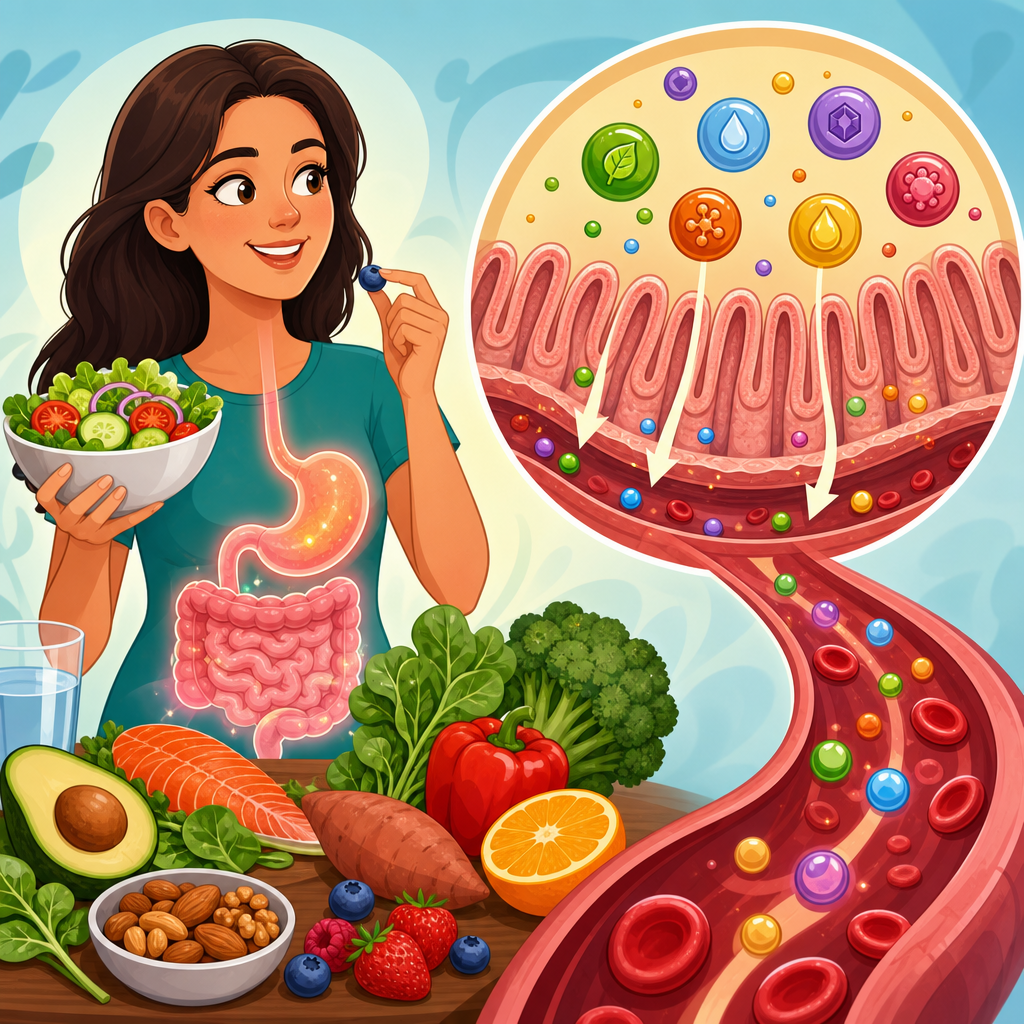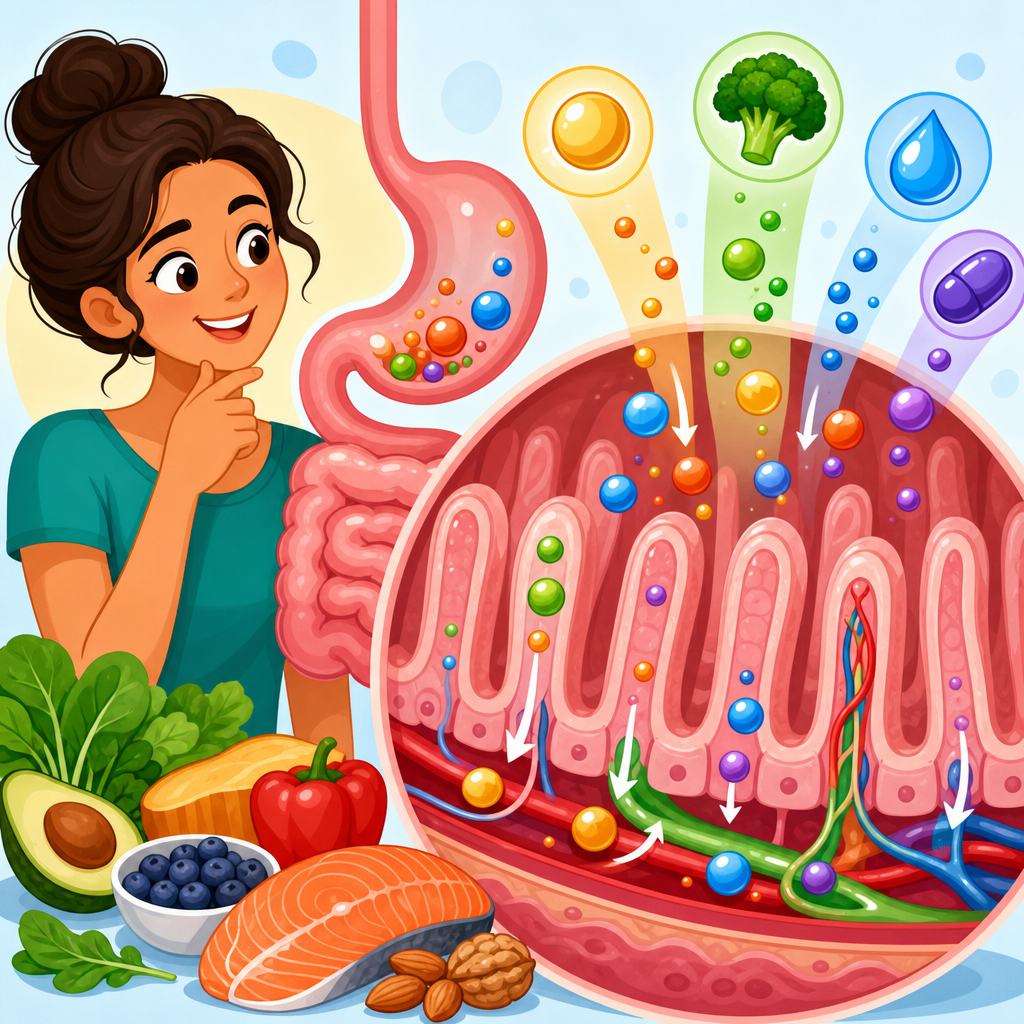
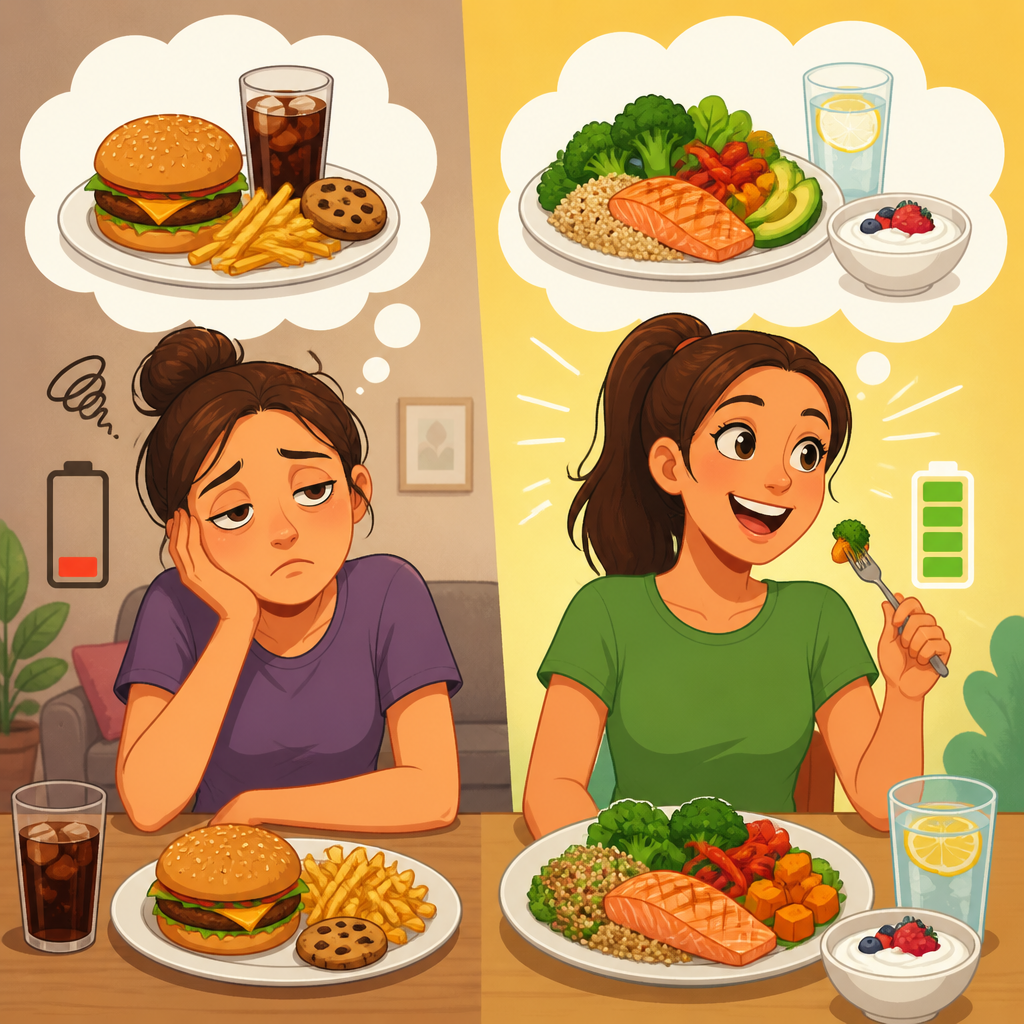
Calories are the most quoted number in nutrition, yet they are also one of the most misunderstood. I see this constantly when clients compare two lunches listed at 600 calories and assume they should feel equally filling, energizing, and satisfying. In practice, one meal may keep a person comfortable for five hours, while the other leads to hunger, brain fog, or a snack hunt within ninety minutes. The reason is simple: calories measure potential energy, not the full eating experience. How quickly a meal is digested, how much volume it has, how much protein, fiber, and water it contains, and how it affects blood sugar, hormones, and the reward system all change how those calories feel in the body.
To understand why two meals with the same calories can feel different, it helps to define a few key terms. A calorie, more precisely a kilocalorie in food labeling, is a unit of energy. Energy balance describes the relationship between energy consumed through food and drink and energy used through basic metabolism, movement, digestion, and adaptive processes. Maintenance calories are the intake level that roughly keeps body weight stable over time. A calorie deficit supports weight loss, while a surplus supports weight gain. Those principles are foundational, but they do not mean every 500-calorie meal behaves the same way. Food structure, nutrient composition, processing level, and eating context all influence satiety, digestion, and the body’s response.
This matters because people often abandon sound nutrition plans for the wrong reason. They assume calorie tracking failed, when the real problem was meal design. A breakfast of sugary cereal and juice can match the calories of Greek yogurt, berries, oats, and nuts, but the second option usually delivers more sustained fullness because it combines protein, fiber, and slower digestion. Understanding that distinction helps people build meals that support appetite control, stable energy, training performance, and long-term adherence. It also makes nutrition advice less confusing. Instead of asking only, “How many calories are in this?” a better question is, “What are these calories made of, and how will this meal behave after I eat it?”
Calories measure energy, but energy balance is the bigger system
At the highest level, body weight change is governed by energy balance. If intake consistently exceeds expenditure, weight tends to rise. If expenditure consistently exceeds intake, weight tends to fall. This principle is supported by decades of metabolic research and remains the backbone of weight management. Resting metabolic rate usually accounts for the largest share of daily energy expenditure, followed by physical activity, non-exercise activity thermogenesis, and the thermic effect of food. The thermic effect of food is the energy used to digest, absorb, and process nutrients, and it differs by macronutrient. Protein generally has the highest thermic effect, carbohydrate is moderate, and fat is the lowest.
That is one reason equal-calorie meals can have unequal effects. Consider two 700-calorie dinners: one built around grilled chicken, potatoes, vegetables, and olive oil, and another built around pizza, soda, and dessert. Both provide energy, but the body processes them differently. The higher-protein meal typically costs more energy to digest, provides more micronutrients and volume, and creates a different appetite response over the next several hours. The more processed meal may be easier to eat quickly, less physically filling for its calorie level, and more likely to invite continued eating. Energy balance still matters, but meal composition affects how easy it is to stay within a target intake.
In my work, this is the turning point for many people. Once they see calories as necessary but incomplete information, nutrition starts to make practical sense. They stop chasing the smallest number on a package and start paying attention to the variables that actually shape hunger and energy.
Macronutrients change fullness, digestion, and meal response
Protein, carbohydrate, and fat all provide calories, but they do not produce the same satiety response. Protein provides 4 calories per gram and is consistently the most satiating macronutrient. It stimulates hormones involved in fullness, supports lean mass, and usually slows eating because protein-rich foods require more chewing and digestion. This is why a 400-calorie omelet with vegetables often feels more substantial than a 400-calorie pastry, even before differences in fiber are considered.
Carbohydrate also provides 4 calories per gram, but its effect depends heavily on food form and fiber content. Intact grains, beans, fruit, and minimally processed starches tend to digest more slowly than refined grains and sugary drinks. Fat provides 9 calories per gram and can enhance satisfaction and flavor, but because it is energy dense, small portions can add a large number of calories without creating much stomach distension. That is not a reason to avoid fat. It is a reason to use it intentionally. Avocado on a meal can improve satisfaction; a few spoonfuls of nut butter eaten mindlessly can add calories quickly without reducing later intake very much.
The best meals for satiety usually combine all three macronutrients with an emphasis on protein and fiber. A turkey sandwich on whole grain bread with fruit and salad will often outperform crackers and cheese of identical calories because the first meal offers more protein, more water, more bulk, and slower digestion. Equal calories do not guarantee equal appetite control because the macronutrients carry different physiological effects.
Volume, fiber, and water content explain why some calories feel bigger
One of the clearest explanations for different meal experiences is energy density, the number of calories in a given weight or volume of food. Foods high in water and fiber tend to have lower energy density, which means people can eat a larger physical amount for fewer calories. Stomach stretch contributes to fullness, so a large bowl of vegetable-rich soup and a side of chicken can feel much more satisfying than a compact fast-food combo at the same calorie level. This is not a trick. It is a reliable property of food composition.
Fiber deserves special attention because it influences gastric emptying, blood sugar response, stool quality, and fullness. Soluble fiber, found in foods like oats, beans, apples, and psyllium, forms a gel-like consistency that can slow digestion. Insoluble fiber, found in many vegetables and whole grains, adds bulk and supports digestive regularity. The current Dietary Guidelines for Americans recommend 14 grams of fiber per 1,000 calories, yet most adults consume far less. That gap matters because low-fiber diets are often easier to overeat.
| Meal | Calories | What it includes | How it often feels |
|---|---|---|---|
| Breakfast smoothie shop muffin and latte | 500 | Refined flour, sugar, fat, sweetened milk drink | Tasty, quick, but hunger may return fast |
| Greek yogurt bowl with oats, berries, chia, and almonds | 500 | Protein, fiber, water-rich fruit, mixed textures | More filling, steadier energy, easier appetite control |
| Burger and small fries | 700 | Processed bun, fatty meat, fried starch, low produce volume | Satisfying at first, but can be easy to overeat later |
| Chicken rice bowl with beans, salsa, and vegetables | 700 | Lean protein, fiber, high volume, mixed carbs | Heavier stomach fullness and longer satiety |
Water content changes the experience too. Whole fruit is generally more filling than fruit juice because the fiber structure remains intact and the eating process is slower. Potatoes are a classic example in satiety research: boiled potatoes often rank high for fullness per calorie because they combine water, starch, and bulk in a form that is physically filling.
Processing, food form, and eating speed affect how calories are perceived
The more processed a food is, the easier it often becomes to consume rapidly, with less chewing and weaker fullness signals. Ultra-processed foods are not harmful solely because they are packaged; the issue is that many are engineered for hyper-palatability, low friction eating, and high energy density. In a controlled study published in Cell Metabolism in 2019, participants eating an ultra-processed diet consumed about 500 more calories per day than when they ate a minimally processed diet matched for presented calories, sugar, fat, fiber, and macronutrients. That finding helps explain why two meals can carry the same calories on paper but lead to different downstream intake.
Food form matters as well. Liquid calories are usually less satiating than solid calories because they require less chewing and pass through the stomach differently. A 300-calorie soda, juice, or specialty coffee drink typically does far less to reduce later hunger than a 300-calorie meal containing eggs, fruit, or yogurt. Even blended foods can change fullness depending on texture and speed of consumption. This does not mean smoothies are bad, but it does mean they should be built carefully, usually with protein and fiber, if satiety is the goal.
Eating speed also changes meal perception. Faster eating gives the brain less time to register fullness signals from the gut and from hormones such as GLP-1, peptide YY, and cholecystokinin. Slowing down, chewing thoroughly, and building pauses into a meal can make the same calories feel more satisfying. That is why meals eaten distracted in a car or at a desk often seem to disappear, while the same food eaten seated and undistracted feels more complete.
Blood sugar, hormones, and the reward system shape hunger after the meal
Calories tell you how much energy enters the system, but they do not tell you how the body will regulate appetite afterward. Meals high in refined carbohydrate and low in protein or fiber can produce a faster rise and fall in blood glucose for some people, especially when eaten alone. The result can be an earlier return of hunger, shakiness, or cravings. By contrast, mixed meals with protein, fiber, and some fat usually create a steadier response. Individual variation matters here. Activity level, insulin sensitivity, sleep, stress, and even time of day can influence how a person feels after the same meal.
Hormones are part of the story, but so is reward. Highly palatable foods activate motivational pathways that can encourage continued eating beyond energy need. This is normal biology, not lack of discipline. Ice cream, chips, pastries, and fast food combine salt, sugar, fat, and texture in ways that make stopping harder. A calorie target can still include these foods, but relying on them heavily usually makes appetite management tougher. The most sustainable approach is not rigid avoidance. It is building a diet where most meals work with biology rather than against it.
Sleep deprivation and chronic stress amplify this issue. Poor sleep is associated with changes in ghrelin and leptin, and many people notice stronger cravings for quick-energy foods after short nights. Stress can push eating toward convenience and comfort foods, even when calorie knowledge is solid. This is why understanding calories and energy balance must include behavior and physiology, not just arithmetic.
How to use calorie knowledge to build better meals and a stronger nutrition foundation
If this page is your hub for understanding calories and energy balance, the practical takeaway is straightforward: calories matter most for body weight trends, while meal composition matters enormously for hunger, adherence, and day-to-day energy. Start by anchoring meals around 20 to 40 grams of protein, depending on body size and goals. Add high-fiber carbohydrates such as fruit, beans, potatoes, oats, or whole grains. Include vegetables for volume and micronutrients. Use fats like olive oil, nuts, seeds, or avocado in portions that support taste and satisfaction without turning every meal into a calorie bomb.
For example, compare two 600-calorie lunches. Lunch one is a deli turkey wrap, apple, carrots, and hummus. Lunch two is a large bakery muffin, chips, and a sweet coffee. The calorie totals may match, but lunch one generally offers more protein, more fiber, more chewing, and more volume. Most people will find it easier to concentrate and less necessary to snack afterward. That difference is exactly why this topic sits at the center of nutrition basics: without it, calorie advice stays technically correct but practically weak.
Use this understanding as a filter for every related nutrition question. When you read about portion sizes, label reading, meal timing, snacks, restaurant choices, weight loss, muscle gain, or healthy grocery shopping, come back to the same framework. Ask how many calories a food contains, but also ask how fast it digests, how filling it is, how processed it is, and what it will make easier or harder later in the day.
Two meals with the same calories can feel different because calories are only the starting point. Protein, fiber, water content, food form, processing level, eating speed, and hormonal response all help determine fullness, energy, and satisfaction. Energy balance still governs long-term weight change, but the quality and structure of calories strongly influence whether a person can maintain that balance without constant hunger. That is the real value of understanding calories and energy balance: it turns a simple number into a useful decision-making tool.
Build from this foundation. Review your usual meals, identify where low-volume or low-protein calories are making appetite harder to manage, and replace them with options that deliver more satiety per calorie. Small upgrades repeated daily create better outcomes than perfect tracking paired with meals that never satisfy.
Frequently Asked Questions
Why can two meals with the same calories feel completely different in the body?
Because calories only tell you how much potential energy a food contains, not how that food behaves once you eat it. Two 600-calorie meals may deliver the same total energy on paper, but they can differ dramatically in protein, fiber, water content, texture, volume, fat balance, and digestion speed. All of those factors influence how full you feel, how steady your energy remains, and how soon hunger returns.
For example, a meal built around lean protein, vegetables, whole grains, and healthy fats usually takes longer to digest and tends to create a steadier release of energy. That kind of meal also provides more chewing, more stomach stretch, and stronger satiety signals to the brain. By contrast, a 600-calorie meal made mostly of refined carbs and fats may be easy to eat quickly, low in fiber, and less satisfying despite having the same calorie total. It can leave you feeling full for a short time, then hungry again not long after.
This is why people often say one meal “sticks with them” while another does not. The number of calories matters, but so does what those calories are made of, how the meal is structured, and how your body responds to it. Calories are part of the story, not the whole story.
What nutrients make a meal more filling and satisfying?
The three biggest drivers of fullness are usually protein, fiber, and water-rich volume. Protein is especially powerful because it slows digestion, supports blood sugar stability, and triggers satiety hormones that help you feel satisfied longer. Meals with eggs, Greek yogurt, chicken, fish, tofu, beans, lentils, or cottage cheese often feel more substantial than meals with the same calories but very little protein.
Fiber is another major factor. It adds bulk to the meal, slows stomach emptying, and helps moderate how quickly carbohydrates are absorbed. High-fiber foods like vegetables, fruit, oats, beans, lentils, and intact whole grains tend to keep hunger quieter for longer than low-fiber, heavily processed foods. This does not mean processed foods are “bad,” but it does mean they are often less effective at creating lasting fullness.
Volume matters too. A large salad with protein, roasted vegetables, grains, and avocado may contain the same calories as a small pastry and a sweet coffee drink, yet the larger, higher-volume meal often feels much more filling. That is partly because the stomach senses stretch and sends signals to the brain that food has been consumed. Healthy fats also help with satisfaction, especially when paired with protein and fiber, but fat alone is not always enough to keep hunger away if the meal lacks volume and protein.
In practical terms, the most satisfying meals usually combine all of these elements: a solid protein source, a high-fiber carbohydrate or vegetables, some healthy fat, and enough physical volume to feel like a real meal.
How does digestion speed affect energy, hunger, and mental clarity after a meal?
Digestion speed has a direct effect on how a meal feels over the next several hours. When a meal is digested and absorbed very quickly, blood sugar can rise fast and then fall quickly as well. For some people, that creates a pattern of short-lived fullness followed by fatigue, irritability, cravings, or the familiar feeling of needing “something else” soon after eating.
Meals based mostly on refined starches or sugary foods are more likely to move through this cycle quickly, especially if they are low in protein and fiber. Think of a lunch made of chips, a sweetened drink, and a baked item. It may provide a substantial number of calories, but the energy can feel brief and uneven. Compare that with a meal that includes chicken or beans, brown rice or potatoes, vegetables, and olive oil. The second meal generally digests more gradually and provides a steadier stream of energy.
Mental clarity is closely tied to this. Many people notice that meals with better protein and fiber balance support better focus and fewer mid-afternoon crashes. It is not that one meal has “better calories.” It is that the digestion pattern, blood sugar response, and hormonal signals are more favorable. This is one reason nutrition professionals focus on meal composition rather than calorie numbers alone when helping people improve energy and appetite control.
Does food processing or texture change how filling a meal feels, even when calories are equal?
Yes, very much. The more processed and easy-to-eat a food is, the less work your body often has to do to consume and digest it. Softer foods, liquid calories, and highly refined products are typically eaten faster and can be less satisfying than foods that require chewing and have more intact structure. Chewing itself plays a role in satiety because it slows eating and gives the body more time to register fullness.
For instance, drinking 600 calories in a smoothie, specialty coffee, or juice-based meal often feels very different from eating 600 calories of whole foods with protein, fiber, and texture. Liquids pass through the stomach differently and may not trigger the same level of fullness for many people. Likewise, a bowl of sugary cereal can disappear quickly, while a comparable-calorie meal of oatmeal with berries, nuts, and Greek yogurt usually creates a longer-lasting sense of satisfaction.
Texture also affects pace. Crunchy vegetables, whole grains, beans, and substantial proteins naturally slow eating and increase sensory satisfaction. Highly processed foods are not automatically unhealthy, but they are often easier to overeat because they are energy-dense, low in volume, and less demanding to chew. So yes, the form of the food matters. Equal calories do not guarantee an equal fullness response.
What is the best way to build a meal that keeps you full longer without obsessing over calories?
A practical approach is to build meals around satiety instead of just numbers. Start with a meaningful source of protein, since protein is one of the strongest predictors of post-meal fullness. Then add fiber-rich carbohydrates such as beans, lentils, fruit, potatoes, oats, or whole grains, along with plenty of vegetables or other high-volume foods. Include some fat for flavor, staying power, and satisfaction. This combination usually creates a meal that feels balanced and steady rather than one that gives you a quick spike and crash.
A simple template works well: protein, produce, fiber-rich carbs, and a satisfying fat source. For example, grilled salmon with potatoes and vegetables; a rice bowl with chicken, black beans, salsa, and avocado; or Greek yogurt with fruit, nuts, and oats. These meals may or may not be lower in calories than a fast-food meal or packaged lunch, but they often feel much more nourishing and lasting because they support fullness from multiple angles.
It also helps to pay attention to your own response. Some people do very well with higher-carb meals if they contain enough protein and fiber, while others need a little more fat or volume to feel satisfied. Eating slowly, noticing when hunger returns, and learning which meal patterns give you steady energy are more useful than assuming the calorie number tells you everything. The goal is not to ignore calories completely. It is to understand that how a meal works in real life depends on far more than the label.