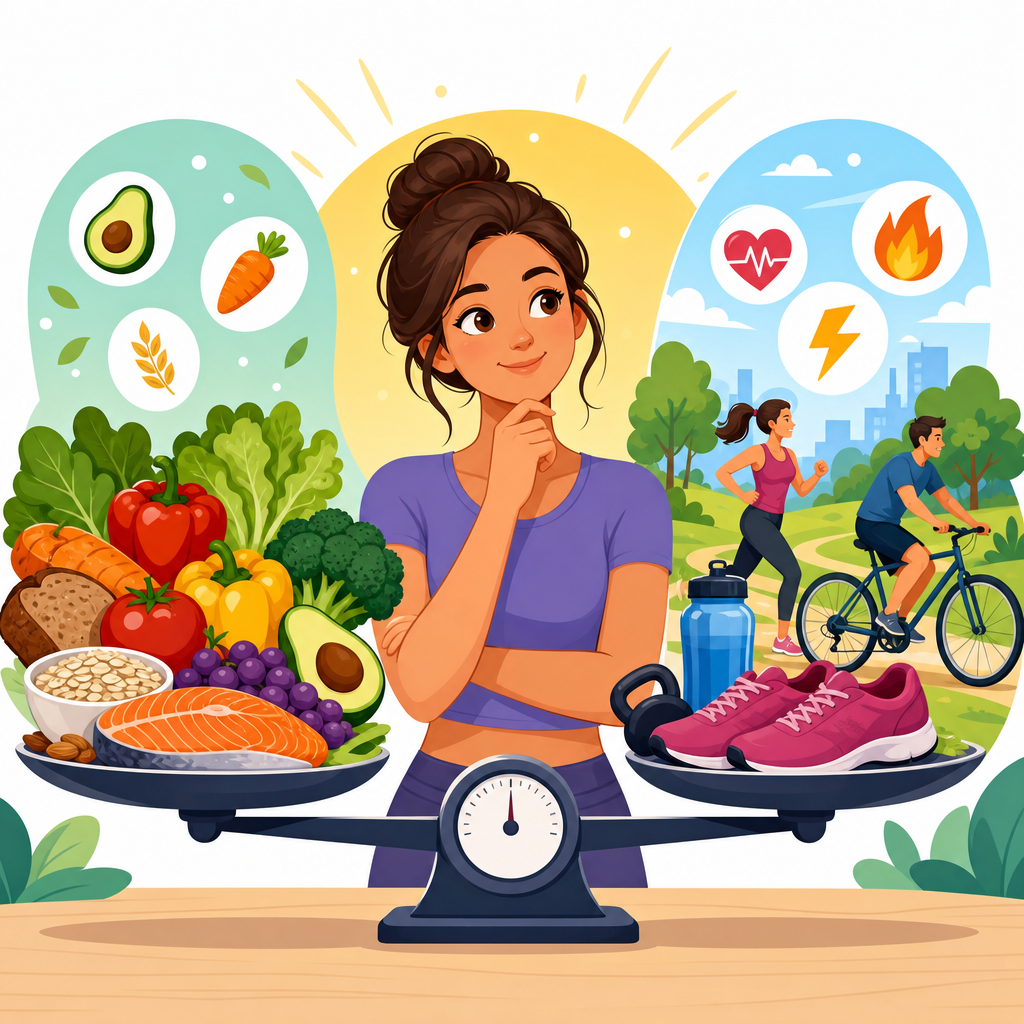
Nutrient absorption and bioavailability determine how much of the food, supplement, or fortified product you consume is actually digested, transported across the intestinal wall, and used by the body’s cells. In practice, this means two meals with the same nutrition label can deliver very different results. I have seen this repeatedly when reviewing food logs and lab work: a client may eat plenty of iron, calcium, or vitamin B12 on paper, yet still show signs of deficiency because absorption is limited by gut conditions, medication use, meal composition, or the nutrient’s chemical form.
Absorption refers to the movement of nutrients from the gastrointestinal tract into circulation or lymphatic transport. Bioavailability is broader. It includes digestion, absorption, conversion into active forms, transport, cellular uptake, and retention. A nutrient can be present in a food and even absorbed, but still have low bioavailability if it is poorly converted or quickly excreted. Beta-carotene, for example, must be converted into retinol, and that conversion varies widely between people.
This topic matters because nutrition is not only about intake; it is about usable intake. Protein quality affects muscle protein synthesis. Iron form affects anemia risk. Fat intake changes absorption of vitamins A, D, E, and K. Age, genetics, digestive disorders, bariatric surgery, and common medications such as proton pump inhibitors or metformin can all change nutrient status. Understanding nutrient absorption and bioavailability helps you interpret symptoms, choose foods strategically, and use supplements more effectively instead of assuming more intake automatically means better nourishment.
At a practical level, nutrient absorption explains why pairing foods matters. Vitamin C improves non-heme iron uptake from beans or spinach. Phytates in whole grains and legumes can reduce zinc, iron, and calcium absorption, although soaking, sprouting, fermenting, and leavening reduce that effect. Dietary fat increases carotenoid absorption from vegetables. On the other hand, excessive supplemental zinc can interfere with copper, and large calcium doses can compete with iron when taken together. These interactions are not minor details; they shape real outcomes.
How Nutrient Absorption Works in the Digestive Tract
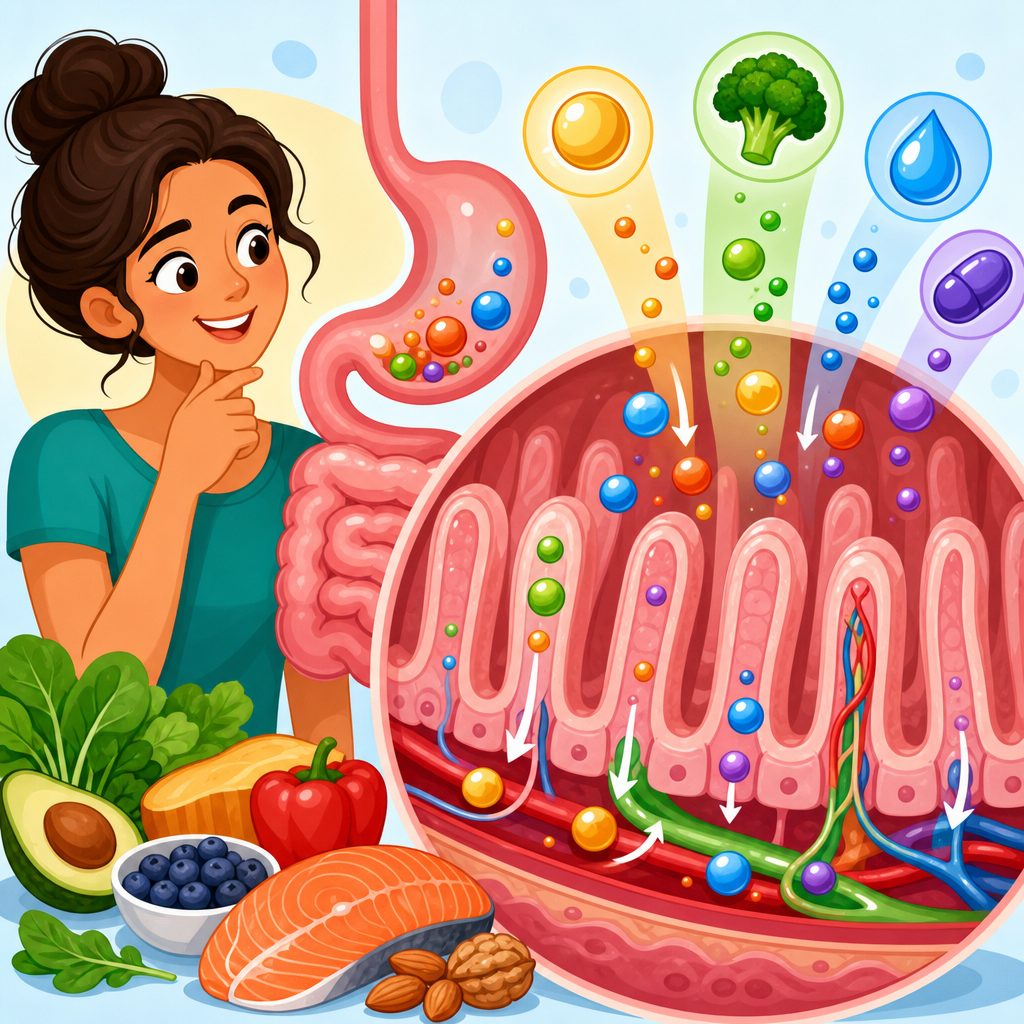
Nutrient absorption begins before food reaches the intestine. Chewing increases surface area, saliva starts carbohydrate digestion, and stomach acid unfolds proteins and releases minerals bound to food structures. The small intestine is the primary absorption site because its villi and microvilli create enormous surface area. Enzymes from the pancreas and brush border break food into absorbable units: amino acids, small peptides, monosaccharides, fatty acids, monoglycerides, vitamins, minerals, and water.
Different nutrients use different transport mechanisms. Glucose and galactose rely on sodium-dependent transporters, while fructose uses facilitated diffusion. Amino acids have multiple dedicated carriers. Fat-soluble nutrients are incorporated into micelles with bile acids, absorbed into enterocytes, then packaged into chylomicrons for lymphatic transport. Minerals may pass through tightly regulated channels or carriers that respond to the body’s current status. Iron absorption, for instance, rises when stores are low and falls when stores are sufficient through hepcidin-mediated regulation.
The colon contributes less to calorie absorption but remains important. It absorbs water, electrolytes, and short-chain fatty acids produced when gut microbes ferment fiber. Those fatty acids support colon cells and influence metabolism and immune signaling. In real-world nutrition planning, this means digestive health, bile production, pancreatic enzyme output, intestinal integrity, and microbiome composition all influence how much nutrition a person actually gets from the same plate of food.
Bioavailability Depends on the Nutrient Form
The chemical form of a nutrient strongly affects how well it is absorbed and used. Heme iron from meat, poultry, and seafood is generally absorbed more efficiently than non-heme iron from plants and fortified foods. Folate in foods differs from folic acid in supplements and enriched grains. Vitamin K1 from leafy greens behaves differently from vitamin K2 forms found in fermented foods and some animal products. Magnesium oxide often provides less absorbed magnesium than magnesium citrate or glycinate, though the best option depends on tolerance and purpose.
Food structure also matters. Nutrients embedded in intact plant cell walls may be less available than those in cooked, blended, or fermented foods. Lycopene from cooked tomatoes with oil is more bioavailable than lycopene from raw tomatoes alone. Protein digestibility differs between eggs, dairy, soy, legumes, and grains. Even within the same nutrient, matrix effects are substantial. Calcium from dairy is generally well absorbed, while calcium from spinach is limited by oxalates despite the vegetable’s high calcium content on a label.
Supplement form is not always superior to food, but form matters enough that product selection should be deliberate. Cyanocobalamin and methylcobalamin can both correct B12 deficiency in many people, yet absorption may still fail in pernicious anemia without high-dose oral therapy or injections. Iron bisglycinate is often better tolerated than ferrous sulfate, but dosage and clinical need still govern the choice. Bioavailability is never a single number; it is the result of chemistry, physiology, and context.
Meal Composition Can Increase or Decrease Absorption
What you eat with a nutrient often matters as much as how much you eat. Fat-soluble vitamins require dietary fat for efficient absorption, so salads with no fat deliver fewer carotenoids than salads dressed with olive oil or served with avocado, nuts, seeds, cheese, or eggs. Vitamin C can double or triple non-heme iron absorption from plant foods by reducing ferric iron to the more absorbable ferrous form. That is why lentils with tomatoes, citrus, or bell peppers are more effective than lentils alone.
At the same time, several compounds inhibit absorption. Phytates in bran, beans, seeds, and grains bind minerals such as zinc, iron, and calcium. Oxalates in spinach, beet greens, and rhubarb reduce calcium absorption. Polyphenols in tea, coffee, cocoa, and red wine can lower non-heme iron uptake when consumed with meals. Fiber has many benefits, but very high supplemental fiber or poorly timed fiber intake can reduce absorption of certain medications and minerals. Dose, timing, and food preparation all matter.
| Nutrient | What Improves Absorption | What Reduces Absorption | Practical Example |
|---|---|---|---|
| Non-heme iron | Vitamin C, meat factor, low iron stores | Tea, coffee, phytates, calcium in the same meal | Add bell peppers or citrus to bean chili |
| Calcium | Vitamin D, divided doses, lactose in some people | Large oxalate loads, high phytate meals | Choose yogurt over spinach as a calcium source |
| Carotenoids | Dietary fat, chopping, cooking | Very low-fat meals | Cook tomatoes in olive oil for better lycopene uptake |
| Zinc | Animal protein, leavening, soaking | Phytates, excess supplemental iron | Use sourdough or soaked legumes with zinc-rich meals |
Preparation methods can significantly improve mineral and vitamin availability without changing the ingredient list. Fermented sourdough bread has lower phytate content than quick bread made from the same flour. Sprouting legumes activates phytase and can improve mineral release. Cooking denatures some antinutrients and softens cell walls, increasing digestibility. These are not nutrition hacks; they are long-established food practices that change measurable nutrient outcomes.
Gut Health, Age, and Medical Factors That Change Bioavailability
Digestive and medical factors often explain why a well-planned diet still fails to correct deficiency. Low stomach acid can impair release and absorption of vitamin B12, iron, calcium carbonate, and magnesium. Conditions such as celiac disease, Crohn’s disease, ulcerative colitis, chronic pancreatitis, small intestinal bacterial overgrowth, and cholestatic liver disease can reduce absorption through inflammation, reduced enzyme activity, altered bile flow, or direct damage to absorptive surfaces. After gastric bypass or other bariatric procedures, reduced stomach capacity and bypassed intestine make lifelong monitoring essential.
Common medications also matter. Proton pump inhibitors and H2 blockers lower gastric acidity. Metformin is associated with reduced vitamin B12 status in long-term use. Orlistat decreases fat absorption and can lower absorption of fat-soluble vitamins. Some anticonvulsants alter vitamin D metabolism. Broad-spectrum antibiotics can disrupt microbiota involved in vitamin K production and other metabolic functions. In practice, I treat medication review as part of nutrition assessment because unexplained low nutrient status often has a pharmacologic component.
Age changes absorption too. Older adults may have reduced stomach acid, lower intrinsic factor, medication burden, decreased appetite, and less dietary variety. Infants have immature digestive systems but high needs relative to size. Pregnancy increases demand for iron, folate, iodine, choline, and other nutrients, so borderline intake can become inadequate quickly. Genetics adds another layer: lactase persistence affects dairy tolerance, HFE variants alter iron handling, and polymorphisms affecting folate metabolism can change the most useful supplementation strategy.
Food First, Supplements Second, but Both Have a Role
For most people, the best foundation for nutrient absorption and bioavailability is a varied diet built from minimally processed foods, prepared well, and matched to individual tolerance. Whole foods provide nutrients in matrices that include cofactors, fiber, protein, and fats that often support normal metabolism. Sardines provide calcium, vitamin D, and protein together. Eggs deliver highly digestible protein plus fat that aids carotenoid uptake from vegetables. Yogurt can improve calcium intake while offering fermentation benefits and generally good tolerance.
Supplements become appropriate when needs are elevated, intake is limited, lab values show deficiency, or absorption is impaired. Vitamin D supplementation is often necessary in low-sun settings. Iron supplements may be indicated for iron deficiency anemia, but they should be selected and dosed carefully because excess iron causes gastrointestinal side effects and oxidative stress. Vitamin B12 is essential for vegans and often for people with pernicious anemia or after bariatric surgery. Folate, iodine, and choline deserve special attention in pregnancy planning.
The key is targeted use. More is not better, and high doses can create new problems. Excess zinc can induce copper deficiency. High calcium supplements can cause constipation and may interfere with iron when taken together. Megadoses of vitamin C can cause gastrointestinal distress and are not a cure for iron deficiency if the underlying issue is bleeding or malabsorption. Good practice means matching the form, timing, and dose to the person, then checking symptoms, labs, and adherence rather than relying on assumptions.
How to Improve Nutrient Absorption in Everyday Eating
Improving nutrient absorption does not require obsessive meal design. Start with a few high-impact habits. Include a source of healthy fat with vegetables to improve carotenoid and fat-soluble vitamin uptake. Pair plant iron foods with vitamin C-rich produce. Space tea and coffee away from iron-rich meals if iron status is low. Use soaking, sprouting, fermenting, or leavening methods when legumes and whole grains are staples. If calcium supplementation is needed, divide doses because absorption plateaus as single doses rise.
Pay attention to symptoms and context. Fatigue, hair loss, brittle nails, mouth changes, numbness, frequent fractures, poor wound healing, and chronic diarrhea can all signal a nutrient problem, but interpretation should be specific. Ferritin, transferrin saturation, methylmalonic acid, 25-hydroxyvitamin D, serum zinc, and red blood cell folate may be more informative than a generic multivitamin trial. Digestive complaints, restrictive diets, heavy menstrual losses, vegan eating, food allergies, and long-term medication use all raise the need for closer assessment.
Most importantly, think in patterns, not isolated nutrients. A spinach smoothie may look nutrient-dense, but oxalates, lack of fat, and the absence of complementary protein or vitamin C can limit its value for certain goals. A meal of salmon, roasted potatoes, and broccoli with olive oil delivers protein, vitamin D, heme-associated mineral support, and fat for absorption in one plate. If you want better nutrition outcomes, review not only what you eat, but what your body can actually access and use. Start by adjusting one meal pattern this week and build from there.
Frequently Asked Questions
What is the difference between nutrient absorption and bioavailability?
Nutrient absorption refers to the physical process of breaking food down, moving nutrients through the digestive tract, and transporting them across the intestinal wall into the bloodstream or lymphatic system. Bioavailability goes a step further. It describes how much of that nutrient is not only absorbed, but also delivered to tissues and actually used by the body for functions like energy production, hormone synthesis, immune support, bone health, and red blood cell formation. In other words, absorption is about getting a nutrient into the body, while bioavailability is about how much of it becomes functionally available where it matters.
This distinction is important because a nutrition label only tells you what is present in a food, supplement, or fortified product—not what your body will ultimately use. Two foods can contain the same amount of iron, calcium, or vitamin B12, yet produce very different outcomes depending on the food matrix, digestive health, medication use, age, and nutrient interactions. That is why someone can appear to consume adequate nutrients on paper but still develop low lab values or deficiency symptoms in real life. Understanding absorption and bioavailability helps explain those gaps and gives a more realistic picture of nutritional status.
Why can two meals with the same nutrient content lead to different results in the body?
Because nutrients do not act in isolation, and the body does not absorb every source equally. The form of the nutrient matters a great deal. For example, heme iron from animal foods is generally absorbed more efficiently than non-heme iron from plant foods. Calcium absorption can vary based on the food source, the presence of oxalates or phytates, and how much is consumed at one time. Fat-soluble vitamins such as vitamins A, D, E, and K are better absorbed when eaten with dietary fat. Even cooking methods can change availability by breaking down cell walls or reducing compounds that interfere with absorption.
The overall composition of a meal also changes the outcome. Vitamin C can enhance non-heme iron absorption, while substances like phytates in grains and legumes, polyphenols in tea and coffee, and excess supplemental minerals taken together may reduce uptake of certain nutrients. Digestive factors are equally important. Low stomach acid, pancreatic insufficiency, gut inflammation, celiac disease, inflammatory bowel conditions, and prior gastrointestinal surgery can all reduce how much nutrition the body extracts from food. So while two meals may look identical on a label, the body’s response can be very different depending on source, pairing, digestion, and individual physiology.
What are the most common factors that reduce nutrient absorption and bioavailability?
Several factors can interfere with nutrient absorption, and they often overlap. Digestive health is one of the biggest. Nutrients must first be released from food, then broken down into forms the body can transport. Issues such as low stomach acid, reduced digestive enzyme output, gallbladder dysfunction, chronic diarrhea, constipation, or intestinal inflammation can all affect this process. Conditions like celiac disease, Crohn’s disease, ulcerative colitis, small intestinal bacterial overgrowth, and infections may reduce the surface area or function of the intestinal lining, making it harder for nutrients to cross into circulation.
Medications are another major contributor. Acid-reducing drugs can affect absorption of vitamin B12, iron, calcium, and magnesium. Metformin has been associated with lower vitamin B12 status in some people. Certain antibiotics, laxatives, anti-seizure medications, and corticosteroids may also alter nutrient levels directly or indirectly. Age matters too. Older adults often have reduced stomach acid, changes in appetite, lower digestive efficiency, and a higher medication burden, all of which can influence bioavailability.
Diet composition also plays a powerful role. Fiber is beneficial overall, but very high intakes in certain contexts may reduce absorption of some minerals. Compounds like phytates, oxalates, and tannins can bind minerals and make them less available. Alcohol overuse can impair digestion and deplete multiple nutrients. Chronic stress may affect appetite, gut motility, and digestion as well. The bottom line is that poor absorption is rarely caused by one single issue. It is usually the result of nutrient form, meal composition, gut function, health status, and lifestyle factors all interacting at once.
Which nutrients are most commonly affected by poor absorption?
Iron, vitamin B12, calcium, vitamin D, magnesium, folate, and zinc are among the nutrients most often affected by poor absorption or low bioavailability. Iron is a common example because its absorption varies dramatically based on source and meal composition. Plant-based iron is less efficiently absorbed than heme iron from animal foods, and its uptake can be reduced by tea, coffee, calcium, and phytates. Vitamin B12 is another major concern, especially in older adults and in people with reduced stomach acid, autoimmune gastritis, or gastrointestinal disorders, because it requires several steps for proper absorption, including release from food proteins and binding with intrinsic factor.
Calcium and vitamin D often go together in this discussion because vitamin D supports calcium absorption and regulation. Magnesium can be affected by gastrointestinal issues, medications, and inadequate intake. Zinc may be harder to absorb from diets high in phytates unless food preparation methods such as soaking, sprouting, or fermenting are used. Fat-soluble vitamins can be especially problematic in people with impaired fat digestion or malabsorption conditions, since they depend on normal bile flow and fat absorption pathways. These are also the nutrients that frequently show a mismatch between intake records and actual nutritional status, which is why symptoms, diet history, and lab work often need to be considered together.
How can I improve nutrient absorption and get more value from the foods and supplements I already use?
Start by improving meal composition and timing. Pair iron-rich plant foods with vitamin C sources such as citrus, bell peppers, strawberries, tomatoes, or kiwi to enhance absorption. Take fat-soluble vitamins with a meal that contains some healthy fat. If calcium supplements are needed, spreading the dose across the day may improve uptake compared with taking a large amount all at once. Be mindful of combinations that may compete. For example, iron supplements are often better absorbed when not taken alongside calcium, high-fiber supplements, tea, or coffee. Small changes like these can make a meaningful difference over time.
Next, focus on digestive health. Chewing thoroughly, eating in a relaxed state, addressing chronic reflux or bloating appropriately, and identifying possible food intolerances or gastrointestinal conditions can all help. If symptoms such as persistent fatigue, hair loss, numbness, brittle nails, bone concerns, digestive distress, or unexplained anemia are present, it may be worth discussing testing with a qualified healthcare professional. In many cases, the issue is not just low intake but poor utilization. That is especially true for vitamin B12, iron, vitamin D, and minerals affected by gut function or medication use.
Supplement form can also matter. Some nutrients are available in forms that may be better tolerated or better suited to specific needs, but more is not always better, and high doses can sometimes interfere with other nutrients. The most effective strategy is to match the form, dose, and timing to the individual rather than assuming every product works the same way. Ultimately, the goal is not just to consume nutrients—it is to absorb and use them. Paying attention to food pairings, digestive function, medication effects, and signs of deficiency is what helps turn good intake into better results.