Superfoods for energy and immunity sit at the intersection of nutrition, metabolism, and long-term disease prevention. The term superfood is not a formal scientific category, yet in practice it refers to nutrient-dense foods that deliver unusually high levels of vitamins, minerals, fiber, healthy fats, antioxidants, or bioactive compounds relative to their calories. When people ask which foods support steady energy, stronger immune defenses, and lower chronic disease risk, they are usually asking about this exact group. The answer is not one miracle ingredient. It is a repeatable dietary pattern built around whole foods that improve cellular function, reduce inflammation, and help the body respond better to stress, infection, and metabolic strain.
Energy and immunity are closely linked. Low energy is often blamed on sleep or caffeine habits, but I regularly see a nutrition component underneath it: inadequate protein, low iron intake, blood sugar swings, dehydration, and diets lacking magnesium, B vitamins, vitamin C, zinc, and omega-3 fats. Immune resilience works the same way. The immune system depends on sufficient fuel, amino acids to build immune cells, antioxidants to limit oxidative damage, and a healthy gut microbiome to regulate inflammation. A diet centered on highly processed foods can provide calories while still leaving these systems undernourished. By contrast, strategically chosen superfoods can help maintain mitochondrial energy production, support antibody responses, strengthen mucosal barriers, and lower the risk factors that contribute to cardiovascular disease, type 2 diabetes, certain cancers, and recurrent infections.
This hub explains how superfoods for energy and immunity work, which foods matter most, how to use them in daily meals, and where their limits are. It also frames disease prevention realistically. No single berry, seed, tea, or fermented food prevents disease on its own. What these foods can do is influence the underlying mechanisms that drive disease over time: chronic inflammation, oxidative stress, insulin resistance, elevated LDL cholesterol, hypertension, impaired gut integrity, and nutrient deficiency. That is why public health guidance from organizations such as the World Health Organization, the American Heart Association, and the Mediterranean diet research base consistently points toward dietary patterns rich in vegetables, fruits, legumes, fish, nuts, seeds, whole grains, and minimally processed fermented foods. Superfoods earn attention because they concentrate the very compounds those patterns rely on.
How Superfoods Support Energy, Immunity, and Disease Prevention
To understand why superfoods for energy and immunity matter, start with basic physiology. Energy production happens inside mitochondria, where carbohydrates, fats, and sometimes amino acids are converted into ATP. This process requires cofactors such as B vitamins, iron, magnesium, and copper. If the diet is low in these nutrients, fatigue often follows even when calorie intake is high. I have seen clients who ate enough food yet felt persistently drained because breakfast was refined cereal, lunch was takeout, and dinner was convenience food. Once they added eggs, leafy greens, beans, yogurt, berries, nuts, and oily fish, energy stabilized within weeks because nutrient density improved, not because of any trendy detox.
Immune function is equally dependent on nutrition. Vitamin C helps immune cell function and collagen synthesis, zinc supports wound healing and antiviral defenses, vitamin A maintains skin and mucosal barriers, selenium contributes to antioxidant enzymes, and protein provides the building blocks for antibodies and signaling molecules. The gut microbiome adds another layer. Roughly 70 percent of immune tissue activity is associated with the gut, which means fiber-rich plant foods and fermented foods can influence immune signaling in practical ways. Soluble fiber from oats, legumes, flaxseed, and many fruits is fermented by gut bacteria into short-chain fatty acids such as butyrate, which help regulate inflammation and support intestinal barrier integrity.
Disease prevention emerges from this same network. Foods rich in polyphenols, carotenoids, glucosinolates, and omega-3 fatty acids can lower inflammatory markers, improve endothelial function, and reduce oxidative damage to cells and LDL particles. Those effects are directly relevant to atherosclerosis, metabolic syndrome, nonalcoholic fatty liver disease, cognitive decline, and some cancer pathways. The benefit is cumulative. A bowl of lentil soup with spinach and olive oil will not feel dramatic in the moment, but repeated daily choices like that change blood lipids, glycemic control, microbiome diversity, and nutrient adequacy over months and years.
The Best Superfoods for Energy and Immunity
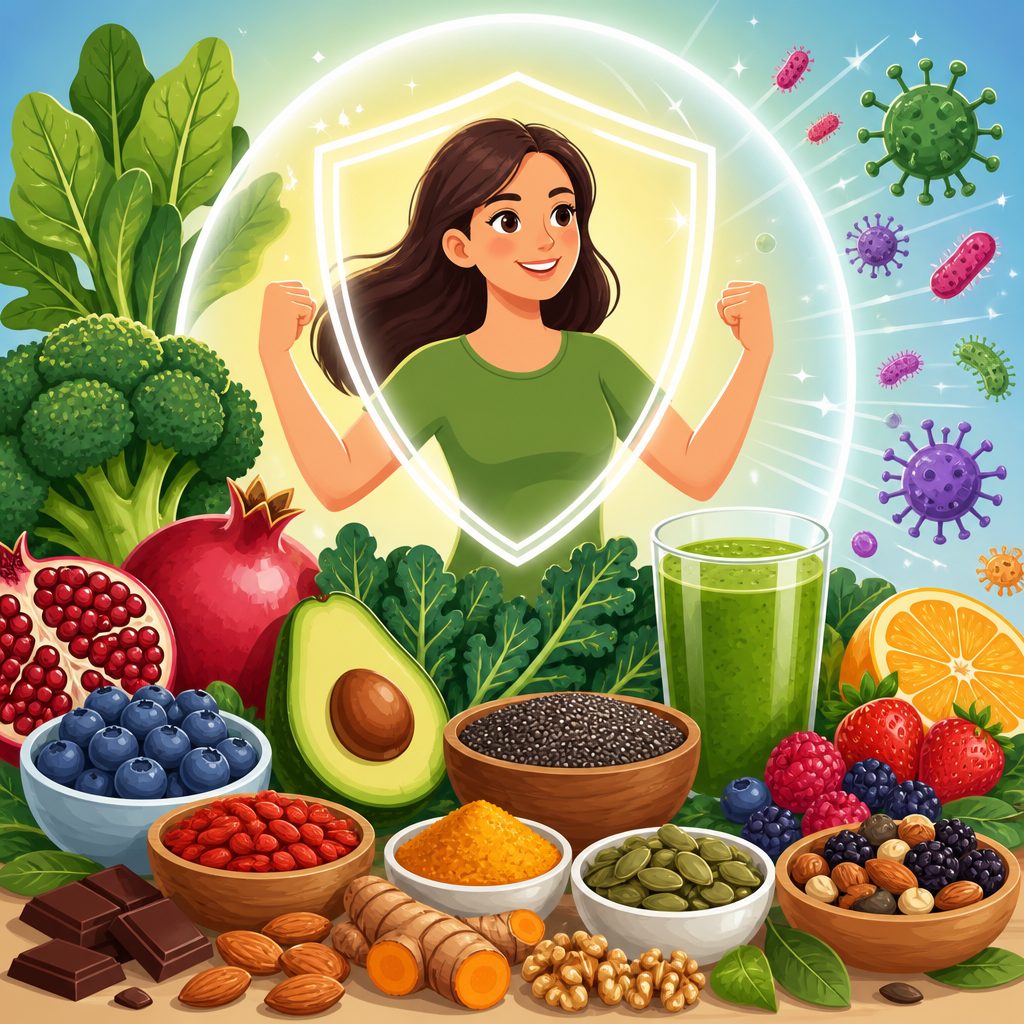
The strongest superfoods for energy and immunity are not exotic. They are common foods with well-documented nutrient profiles and measurable health effects. Berries provide anthocyanins and vitamin C with relatively low glycemic impact. Leafy greens such as spinach, kale, and Swiss chard supply folate, magnesium, vitamin K, carotenoids, and nitrates that may support blood flow. Citrus fruits, kiwi, bell peppers, and broccoli are reliable vitamin C sources. Beans and lentils offer iron, folate, potassium, resistant starch, and protein, making them especially useful for sustained energy and cardiometabolic health. Greek yogurt and kefir combine protein with probiotics, while eggs contribute complete protein, choline, selenium, and B12.
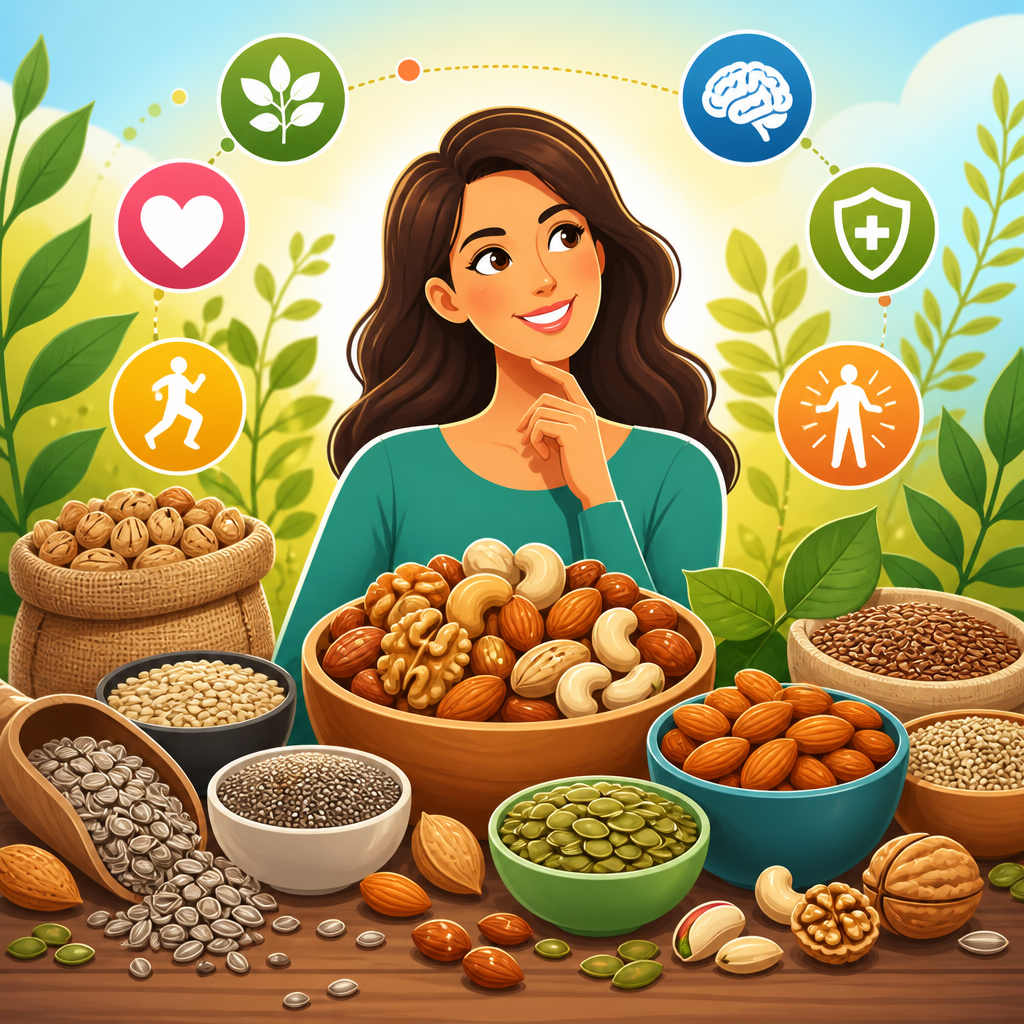
Fatty fish including salmon, sardines, trout, and mackerel deserve special emphasis. They provide EPA and DHA, the omega-3 fatty acids associated with lower triglycerides, improved cell membrane function, and modulation of inflammation. Nuts and seeds, especially walnuts, almonds, chia, flax, and pumpkin seeds, contribute magnesium, vitamin E, plant protein, and unsaturated fats. Oats and other whole grains deliver beta-glucan fiber that helps with cholesterol control and satiety. Mushrooms such as shiitake and maitake contain beta-glucans and micronutrients, while garlic, onions, ginger, and turmeric provide sulfur compounds and polyphenols that are widely studied for anti-inflammatory and antimicrobial activity.
| Superfood | Key Nutrients or Compounds | Main Energy and Immunity Benefit | Disease Prevention Relevance |
|---|---|---|---|
| Berries | Anthocyanins, vitamin C, fiber | Reduces oxidative stress, supports immune cells | Linked with better vascular function and lower inflammation |
| Leafy greens | Folate, magnesium, carotenoids, nitrates | Supports energy metabolism and circulation | Associated with heart and eye health |
| Beans and lentils | Protein, iron, folate, fiber | Steady energy and gut microbiome support | Improves cholesterol and glycemic control |
| Salmon and sardines | EPA, DHA, protein, selenium, vitamin D | Supports inflammation balance and recovery | Protective for cardiovascular health |
| Yogurt and kefir | Protein, calcium, probiotics | Supports gut-immune communication | May improve digestive and metabolic markers |
| Nuts and seeds | Magnesium, vitamin E, healthy fats | Improves satiety and cellular resilience | Lower risk of heart disease with regular intake |
Using these foods effectively means pairing them in meals that solve common nutrition gaps. A practical breakfast is plain Greek yogurt with berries, chia seeds, and oats. That combination gives protein, fiber, probiotics, and antioxidants. For lunch, a grain bowl with quinoa, chickpeas, roasted vegetables, pumpkin seeds, and olive oil supports blood sugar control better than a refined sandwich and chips. For dinner, salmon with lentils and broccoli covers omega-3 fats, protein, fiber, vitamin C, and iron. These are not wellness clichés. They are nutritionally coherent meals that support ATP production, microbiome health, and lower inflammatory load.
Why Gut Health Matters for Immune Resilience
Gut health is one of the clearest links between superfoods for energy and immunity and disease prevention. The digestive tract is not just a food-processing tube. It is a major immune organ, a training ground for immune tolerance, and a habitat for trillions of microbes that influence inflammation, metabolism, and even mood. When dietary fiber intake is low and ultra-processed foods dominate, microbiome diversity tends to decline. In practice, that can mean more digestive symptoms, less stable energy, and poorer metabolic health. It can also weaken the gut barrier, allowing inflammatory signals to rise.
Prebiotic foods help feed beneficial bacteria. This group includes onions, garlic, leeks, asparagus, oats, bananas, apples, beans, lentils, and Jerusalem artichokes. Fermented foods introduce live microbes or microbial metabolites, depending on the product. Yogurt with live cultures, kefir, kimchi, sauerkraut, miso, and tempeh are useful examples. I recommend variety rather than overreliance on one probiotic product because different foods contribute different strains, fibers, and polyphenols. Polyphenols from berries, green tea, cocoa, and pomegranate also interact with gut microbes in ways that can increase beneficial metabolites.
The disease prevention angle is substantial. Better gut health is associated with improved insulin sensitivity, lower systemic inflammation, and stronger barrier function, all of which matter in obesity, diabetes, inflammatory bowel conditions, and cardiovascular disease. This does not mean everyone needs expensive gut supplements. In most cases, adding two servings of legumes a week, replacing sugary snacks with fruit and nuts, and including cultured dairy or fermented soy regularly produces more durable benefits than chasing the latest powder.
Anti-Inflammatory Compounds and Their Protective Role
Inflammation is a normal defense process, but chronic low-grade inflammation is a driver of many common diseases. Superfoods help because they contain compounds that modulate inflammatory pathways rather than simply masking symptoms. Omega-3 fats from fish influence eicosanoid signaling. Polyphenols in berries, extra-virgin olive oil, cocoa, and green tea can affect oxidative stress and inflammatory gene expression. Curcumin in turmeric, gingerols in ginger, allicin-related compounds in garlic, and sulforaphane precursors in broccoli sprouts are all examples of bioactives studied for their potential protective roles.
Realistic use matters. Turmeric works better when consumed regularly with black pepper and fat, not as an occasional latte. Broccoli and other cruciferous vegetables are most useful when they appear often across the week. Extra-virgin olive oil shows benefit when it replaces butter or refined seed-heavy dressings in a broader dietary pattern, especially the Mediterranean-style pattern supported by large outcome studies. I rely on this pattern because it repeatedly improves LDL cholesterol, blood pressure, and inflammatory markers without demanding extreme restriction.
The anti-inflammatory benefit supports disease prevention in concrete ways. Lower oxidative stress and improved endothelial function reduce cardiovascular risk. Better insulin sensitivity lowers the trajectory toward type 2 diabetes. Higher intake of carotenoid-rich produce is associated with eye health and may contribute to reduced risk in certain cancers. The message is not that inflammation disappears if you eat blueberries. The message is that consistent exposure to protective compounds changes the internal environment in which disease develops.
Building a Daily Superfood Pattern That Actually Works
The most effective approach is to build a repeatable routine, not a perfect diet. Start by anchoring each meal with protein and a plant food. Add one vitamin C source daily, one omega-3 source several times weekly, legumes multiple times weekly, and nuts or seeds most days. If fatigue is a major issue, screen the basics first: iron status, B12 intake, total calories, hydration, and sleep. Superfoods support these foundations; they do not replace them. If immunity is the main concern, prioritize protein adequacy, colorful produce, fermented foods, and fiber before turning to supplements.
For a practical hub strategy, think in categories. Fruits: berries, citrus, kiwi, pomegranate. Vegetables: leafy greens, crucifers, peppers, mushrooms, sweet potatoes. Proteins: eggs, yogurt, kefir, beans, lentils, salmon, sardines, tofu, tempeh. Healthy fats: olive oil, avocado, walnuts, chia, flax, pumpkin seeds. Whole grains: oats, quinoa, brown rice. Flavor-supporting functional foods: garlic, ginger, turmeric, green tea, cocoa. This framework makes meal planning easier and supports internal linking to deeper guides on specific foods, recipes, nutrient deficiencies, and evidence-based disease prevention strategies.
There are limits and tradeoffs. Some superfoods are expensive out of season, some interact with medications, and some claims go far beyond the evidence. Grapefruit can affect drug metabolism. Excessive green tea extract can stress the liver, even though brewed tea is generally safe. People with kidney disease may need to manage potassium or phosphorus intake. Those with autoimmune or gastrointestinal conditions may tolerate certain fibers differently. The smartest use of superfoods is individualized, clinically aware, and focused on long-term consistency.
Superfoods for energy and immunity matter because they address the biological roots of health, not just symptoms. Nutrient-dense foods help produce energy efficiently, support immune defenses, improve gut function, and reduce the chronic inflammation and metabolic strain that contribute to major diseases. The most protective choices are familiar: berries, leafy greens, beans, lentils, yogurt, kefir, nuts, seeds, oats, olive oil, and fatty fish. Their strength lies in the compounds they deliver repeatedly over time, from fiber and polyphenols to omega-3 fats, protein, vitamins, and minerals.
The clearest lesson is that disease prevention comes from patterns. A breakfast with yogurt, oats, and berries, a lunch built around legumes and vegetables, and a dinner featuring fish, greens, and whole grains will do more for long-term health than any single trendy ingredient. These meals steady blood sugar, nourish the microbiome, support recovery, and improve the markers most linked with cardiovascular disease, diabetes, and immune resilience. They also scale well for real life because frozen berries, canned beans, plain yogurt, oats, and sardines are affordable, practical staples.
If you want better energy, stronger immunity, and a smarter approach to disease prevention, start with one upgrade this week: add two nutrient-dense superfoods to a meal you already eat regularly. Then build from there with consistency, variety, and evidence-based choices.
Frequently Asked Questions
What does “superfoods for energy and immunity” actually mean?
The term “superfood” is not an official medical or scientific classification, but it is widely used to describe foods that pack a high concentration of beneficial nutrients into a relatively modest number of calories. In the context of energy and immunity, these foods typically provide a combination of vitamins, minerals, fiber, protein, healthy fats, and plant compounds that support normal metabolic function and immune defense. Examples include berries, leafy greens, fatty fish, nuts, seeds, legumes, yogurt, eggs, citrus fruits, garlic, turmeric, and green tea.
What makes these foods especially valuable is not just one nutrient, but the way their components work together. Foods that support energy often help the body convert carbohydrates, fats, and proteins into usable fuel efficiently. They may contain B vitamins, iron, magnesium, and protein, all of which are involved in energy production and oxygen transport. Foods that support immunity often deliver vitamin C, vitamin D, zinc, selenium, probiotics, and antioxidants that help regulate immune cell activity and protect tissues from excess oxidative stress.
Importantly, these foods do not act like stimulants. They do not create “energy” in the way caffeine does. Instead, they help build the nutritional foundation the body needs to produce steady energy naturally, maintain resilience, and support normal immune responses over time. That is why superfoods are best understood as part of an overall dietary pattern rather than a quick fix. Their value lies in consistent intake and in the broader role they can play in reducing nutritional gaps that may contribute to fatigue, poor immune function, and long-term disease risk.
How do superfoods help with both steady energy and stronger immune function?
Energy production and immune health are more connected than many people realize. Every cell in the body needs nutrients to function properly, and the immune system is especially metabolically active. When the body lacks key nutrients, people may notice low energy, slower recovery, frequent illness, or difficulty maintaining overall wellness. Nutrient-dense foods help address this by supplying the raw materials required for healthy metabolism and a balanced immune response.
For energy, foods rich in complex carbohydrates, fiber, protein, and healthy fats can help stabilize blood sugar and provide a more sustained fuel source than highly refined foods. Oats, beans, lentils, quinoa, nuts, and seeds are good examples. Iron-rich foods such as spinach, legumes, lean meats, and pumpkin seeds help support oxygen delivery in the blood, while magnesium and B vitamins contribute to the biochemical processes that convert food into energy. If those nutrients are inadequate, fatigue can become more noticeable even when calorie intake seems sufficient.
For immunity, superfoods often supply antioxidants and anti-inflammatory compounds that help protect cells and support normal immune signaling. Vitamin C from berries, citrus, kiwi, and bell peppers helps with immune cell function. Zinc from seeds, shellfish, legumes, and dairy supports the development and communication of immune cells. Probiotic foods like yogurt and kefir can support gut health, which matters because a significant portion of immune activity is linked to the gastrointestinal tract. Omega-3 fats from salmon, sardines, walnuts, and flaxseeds may also help regulate inflammation, which is important because both too little and too much immune activity can be problematic.
When people regularly eat these foods, the effect is usually cumulative rather than dramatic overnight. The body becomes better supported nutritionally, which can translate into steadier energy, better recovery, improved resilience during stressful periods, and stronger long-term health. This is one reason dietary quality matters so much in disease prevention: better nutrition supports the systems that keep the body functioning well day after day.
Can eating superfoods really help prevent disease?
Superfoods can support disease prevention, but it is important to be precise about what that means. No single food prevents disease on its own, and no food can guarantee protection against conditions such as heart disease, diabetes, cancer, or infections. However, a dietary pattern rich in nutrient-dense foods is strongly associated with lower risk of many chronic diseases. Superfoods contribute to that pattern because they often deliver fiber, antioxidants, healthy fats, and bioactive compounds that support cardiovascular, metabolic, and immune health.
For example, fiber-rich foods such as beans, oats, berries, vegetables, and seeds can help improve cholesterol levels, support blood sugar control, nourish beneficial gut bacteria, and promote healthy digestion. Fatty fish and certain nuts and seeds provide omega-3 fats that are linked with heart and brain health. Colorful fruits and vegetables contain polyphenols and carotenoids that may help reduce oxidative stress and support cellular protection. Fermented foods can support a healthier gut environment, which may influence not only digestion but also immune regulation and inflammation.
Much of disease prevention comes down to lowering the burden of chronic inflammation, oxidative damage, poor blood sugar control, vascular dysfunction, and nutrient insufficiency over time. A diet based largely on minimally processed, nutrient-rich foods helps address these mechanisms. That said, food is only one part of prevention. Sleep, physical activity, stress management, avoiding tobacco, moderating alcohol, and appropriate medical care all matter as well. The most evidence-based way to think about superfoods is not as miracle cures, but as practical tools that strengthen an overall preventive lifestyle.
Which specific superfoods are most useful for supporting energy, immunity, and long-term health?
There is no single best list for everyone, but several foods consistently stand out because they offer multiple benefits at once. Berries are a strong example because they provide fiber, vitamin C, and polyphenols with relatively little sugar compared with many processed snacks. Leafy greens such as spinach, kale, and Swiss chard supply folate, magnesium, potassium, vitamin K, and various antioxidants. Fatty fish like salmon, sardines, and mackerel provide high-quality protein, vitamin D, selenium, and omega-3 fatty acids that support immune regulation and cardiovascular health.
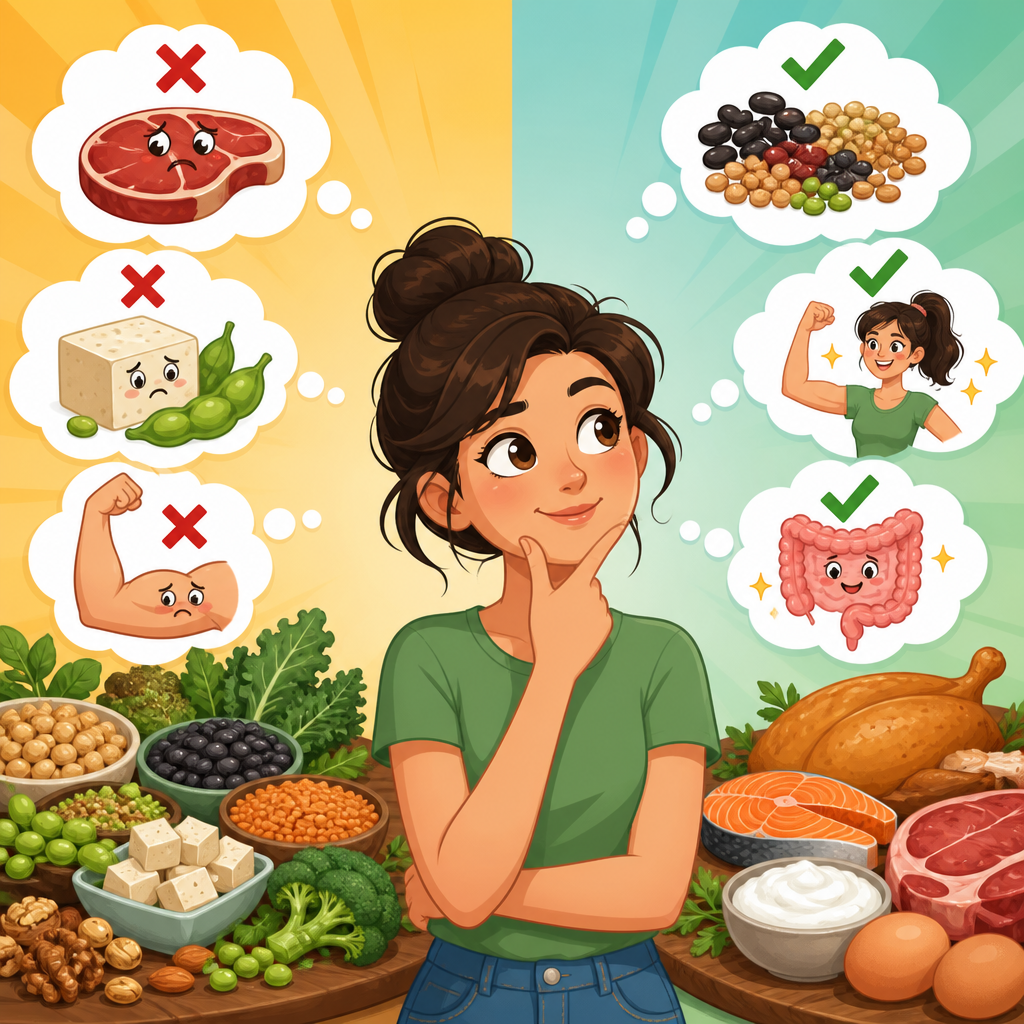
Legumes such as lentils, chickpeas, and black beans are especially valuable because they support steady energy through fiber and complex carbohydrates while also delivering plant protein, iron, magnesium, and a range of micronutrients. Nuts and seeds, including almonds, walnuts, chia seeds, flaxseeds, and pumpkin seeds, add healthy fats, protein, minerals, and anti-inflammatory compounds. Yogurt and kefir can be helpful for people who tolerate dairy because they provide protein, calcium, and potentially beneficial probiotics. Eggs are another versatile option, supplying protein, choline, selenium, and several vitamins involved in energy metabolism.
Other foods often included in this conversation are citrus fruits, bell peppers, garlic, ginger, turmeric, mushrooms, green tea, avocado, and cruciferous vegetables such as broccoli and Brussels sprouts. Each brings something different to the table, whether that is vitamin C, sulfur compounds, flavonoids, prebiotic fiber, or healthy fats. The broader lesson is that variety matters. The body benefits more from regularly eating a wide range of nutrient-dense foods than from relying heavily on one or two trendy ingredients. A colorful, balanced plate is usually more powerful than any single so-called superfood.
What is the best way to add superfoods to a daily routine without overcomplicating meals?
The most effective approach is to make superfoods part of ordinary eating habits rather than treating them as special products or expensive add-ons. Start by building meals around familiar foods that naturally deliver strong nutritional value. For breakfast, that might mean oatmeal topped with berries, chia seeds, and yogurt, or eggs with spinach and whole-grain toast. For lunch, a grain bowl with greens, beans, vegetables, olive oil, and salmon can cover protein, fiber, healthy fats, and immune-supportive micronutrients. For dinner, soups, stews, stir-fries, and roasted vegetable dishes make it easy to combine several nutrient-dense ingredients in one meal.
Snacks are another simple place to improve quality. Nuts, fruit, hummus with vegetables, kefir, or plain yogurt with seeds tend to support steadier energy better than highly refined snack foods. It also helps to think in terms of food categories rather than specific branded items: aim to include a fruit or vegetable at most meals, choose a fiber-rich carbohydrate source regularly, add a quality protein, and include healthy fats in sensible portions. That framework naturally increases intake of foods associated with better energy and immune support.
Consistency matters more than perfection. People do not need an all-or-nothing diet for these foods to be helpful. Even gradual changes, such as replacing sugary breakfast foods with higher-protein, higher-fiber options or adding legumes and leafy greens to meals several times a week, can improve overall diet quality. Over time, those changes may support more stable energy, better nutrient intake, and a lower risk of chronic disease. The goal is not to chase a superfood trend, but to create a sustainable pattern of eating that the body can benefit from for years.