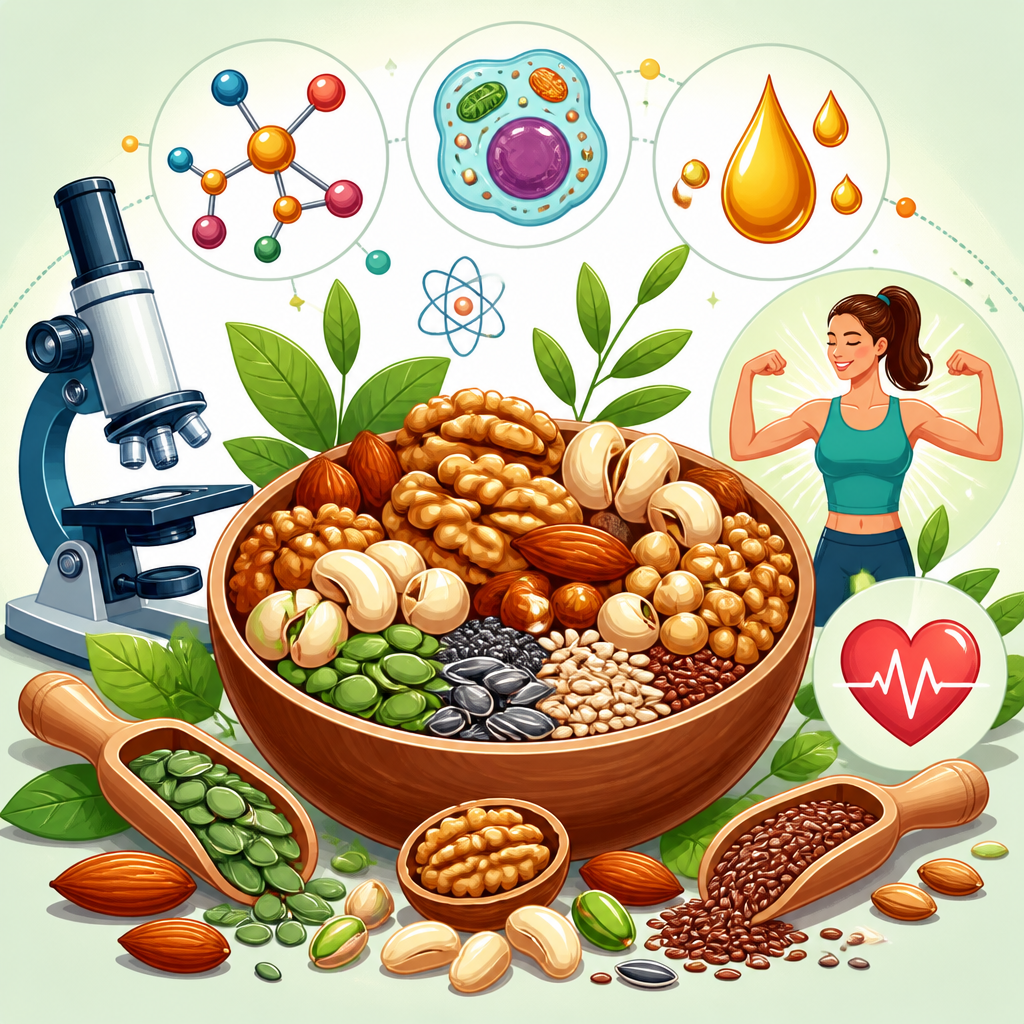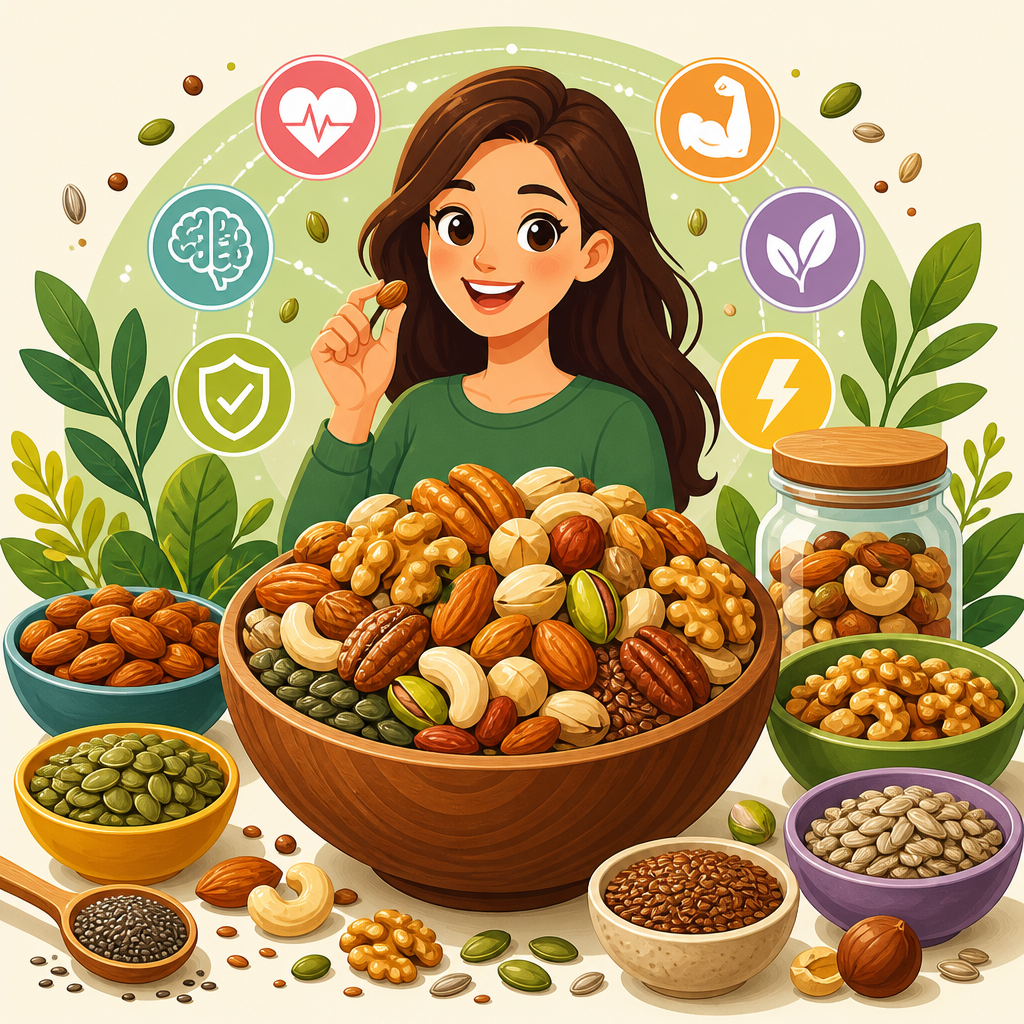
Seeds and nuts are among the most nutrient-dense foods in the human diet, delivering concentrated amounts of healthy fats, plant protein, fiber, vitamins, minerals, and protective phytochemicals in small servings. In nutrition practice, I regularly recommend them because they solve several common diet gaps at once: inadequate magnesium, low fiber intake, poor satiety, and overreliance on refined snacks. Although people often group seeds and nuts together, they are not identical. Culinary definitions focus on how foods are used, while botanical definitions are stricter. In practical eating terms, nuts commonly include almonds, walnuts, pistachios, cashews, pecans, hazelnuts, Brazil nuts, and macadamias, while seeds include chia, flax, hemp, pumpkin, sesame, and sunflower. Peanuts are technically legumes, yet nutritionally they behave much like nuts and are usually discussed alongside them.
Understanding the nutritional power of seeds and nuts matters because these foods are linked with better cardiometabolic health, improved diet quality, and greater meal satisfaction. Large observational studies have repeatedly associated regular nut intake with lower risk of cardiovascular disease, and clinical trials show that replacing saturated fats or refined carbohydrates with nuts or seeds can improve LDL cholesterol, triglycerides, and glycemic response. They also fit many eating patterns, including Mediterranean, vegetarian, vegan, lower-carbohydrate, and gluten-free diets. At the same time, they are energy-dense, can trigger allergies, and vary widely in sodium content, preparation, and digestibility. A complete guide therefore needs to go beyond calling them healthy and explain what each type contributes, how much to eat, how to choose quality products, and how to use them intelligently in everyday meals.
What makes seeds and nuts nutritionally powerful
The nutritional strength of seeds and nuts comes from their matrix, not just single nutrients. They package unsaturated fats, protein, fiber, and micronutrients in a structure that slows digestion and supports satiety. This is why a small handful of almonds often keeps hunger away longer than a low-fat cracker snack with the same calories. Their fat profile is especially important. Most nuts are rich in monounsaturated fats, particularly almonds, hazelnuts, pecans, and macadamias. Walnuts stand out for alpha-linolenic acid, a plant omega-3 fatty acid. Many seeds, especially flax, chia, and hemp, also contribute omega-3s, while sunflower and sesame provide more omega-6 fats. Both fat types are essential, but modern diets often contain excess omega-6 relative to omega-3, making flax, chia, and walnuts useful balancing foods.
Micronutrients are another major reason seeds and nuts deserve hub status within superfoods and functional foods. Magnesium supports muscle and nerve function, glucose control, and blood pressure regulation; pumpkin seeds, almonds, and cashews are notable sources. Selenium is critical for antioxidant enzymes and thyroid function, and Brazil nuts are exceptionally concentrated, so much so that one or two nuts can meet or exceed a full day’s requirement. Calcium appears in sesame seeds and tahini, though absorption is influenced by oxalates and phytates. Zinc is abundant in pumpkin seeds and hemp seeds, iron appears in sesame and cashews, and vitamin E is especially high in almonds and sunflower seeds. Polyphenols and lignans add further functional value. Flaxseed lignans have been studied for hormone-related benefits, while walnuts and pecans supply antioxidant compounds associated with reduced oxidative stress.
Key nutritional differences by type
Not all seeds and nuts deliver the same benefits, so food choice should match the goal. For heart health, walnuts, pistachios, almonds, and flaxseed are strong options because they offer favorable fatty acids, fiber, and phytochemicals with evidence for improving lipid profiles. For protein support in plant-forward diets, hemp seeds, peanuts, almonds, pistachios, and pumpkin seeds are especially useful. For digestive support, chia and flax are standout choices because they provide soluble fiber that forms a gel, slows gastric emptying, and can help improve stool regularity. For blood sugar management, nuts generally outperform refined snack foods because they blunt post-meal glucose spikes when eaten with carbohydrate-containing foods. In practice, adding almond butter to toast or pumpkin seeds to oatmeal produces a steadier response than eating the carbohydrate alone.
| Food | Main strengths | Best uses | Notable caution |
|---|---|---|---|
| Almonds | Vitamin E, magnesium, fiber, monounsaturated fat | Snacks, yogurt, salads, almond butter | Often sold salted or sugar coated |
| Walnuts | Plant omega-3s, polyphenols | Oatmeal, baking, pesto, grain bowls | Can turn rancid faster than lower PUFA nuts |
| Pistachios | Protein, potassium, fiber, carotenoids | Snacks, crusts, pilafs | Portions are easy to exceed when shelled |
| Brazil nuts | Selenium | Occasional inclusion in mixes | Too many can cause excess selenium intake |
| Chia seeds | Fiber, omega-3s, calcium | Puddings, oats, smoothies | Need fluid for comfortable digestion |
| Flaxseed | Lignans, omega-3s, fiber | Ground in oatmeal, baking, yogurt | Whole seeds are poorly digested |
| Pumpkin seeds | Magnesium, zinc, iron, protein | Salads, soups, trail mix | Flavored versions may be high in sodium |
| Sesame seeds | Calcium, copper, lignans | Tahini, dressings, crusts | Allergy prevalence is increasing |
Texture and processing also matter. Ground flaxseed is far more useful nutritionally than whole flax because the intact seed coat limits digestion and nutrient release. Nut butters offer convenience and similar nutrition, but added oils, sugars, and sodium can change the profile substantially. Seed blends can diversify micronutrient intake, yet they should not be seen as interchangeable with a serving of fish, legumes, or vegetables. They are complementary foods, not complete replacements. When building a balanced diet, I usually encourage rotation: almonds for vitamin E, walnuts for omega-3s, pumpkin seeds for magnesium and zinc, and chia or flax for fiber. Rotation broadens nutrient coverage and reduces the risk of overdoing any single food, especially Brazil nuts or heavily salted products.
Health benefits supported by evidence
The best-established benefit of seeds and nuts is cardiovascular support. A substantial body of research, including trials using Mediterranean-style patterns, shows that regular intake of nuts can lower LDL cholesterol and improve overall diet quality. Mechanistically, this happens through several pathways: unsaturated fats replace less favorable fats, soluble and insoluble fibers influence lipid metabolism, plant sterols interfere with cholesterol absorption, and antioxidants reduce oxidative damage to lipoproteins. Pistachios and almonds have also shown benefits for endothelial function and blood pressure markers in some studies. Seeds contribute similar effects, particularly flaxseed, which has been studied for modest blood pressure reduction and improved cholesterol when consumed consistently in forms people can digest, such as ground meal.
Weight management is another area where seeds and nuts are often misunderstood. Because they are calorie-dense, many people assume they cause weight gain, yet controlled studies generally show neutral or beneficial effects when portions are reasonable. Their combination of protein, fiber, crunch, and fat increases satiety and often displaces less nutritious snacks. Some energy is also not fully absorbed because intact cell walls trap part of the fat. That said, the effect depends on context. A handful of dry-roasted peanuts replacing chips is helpful; spooning sweetened nut butter onto desserts adds calories without the same benefit. For blood sugar control, seeds and nuts are useful because they reduce meal glycemic load and slow carbohydrate absorption. Chia in yogurt, tahini in a dressing, or walnuts alongside fruit can all improve the balance of a snack or meal.
How to choose, store, and prepare them well
Buying decisions affect nutrition more than many consumers realize. Raw and dry-roasted options are usually the best baseline because they avoid unnecessary oils used in some commercial roasting methods. Unsalted versions help people who need to manage blood pressure, though lightly salted products can still fit balanced diets if the rest of sodium intake is reasonable. Ingredient lists should be short: the nut or seed itself, perhaps salt. Nut butters should ideally contain only nuts or seeds, with optional salt. Hydrogenated fats, large amounts of cane sugar, and dessert-style flavorings change the food from a functional staple into a treat. Organic status is a personal choice rather than a nutritional requirement, but freshness is essential because polyunsaturated fats oxidize over time, especially in walnuts, flax, hemp, and chia.
Proper storage protects both flavor and nutrient quality. Heat, light, and oxygen accelerate rancidity, which creates stale flavors and degrades delicate fats. I keep opened nuts in airtight containers and refrigerate walnuts, flax meal, hemp seeds, and natural nut butters if they will not be used quickly. Freezing works very well for bulk purchases. Preparation can also improve usability. Toasting enhances flavor, but high heat for long periods is unnecessary and can damage fats. Gentle oven toasting is preferable to scorching in a pan. Soaking is popular, yet its benefits are often overstated. It may soften texture and slightly reduce some antinutrients, but it does not transform a food into a superior nutritional source. Grinding flax is worthwhile, however, because it directly improves bioavailability. For chia, simple hydration in liquid helps texture and may improve tolerance for people sensitive to dry high-fiber foods.
Portion sizes, dietary fit, and common cautions
A practical serving for most nuts is about one ounce, roughly a small handful, while seeds are commonly used in one- to two-tablespoon amounts depending on the variety. These portions provide meaningful nutrition without crowding out other foods. People following plant-based diets may benefit from using slightly larger amounts strategically, especially hemp, pumpkin, and peanut products for protein, but the goal should still be balance. Seeds and nuts are excellent additions to breakfasts, salads, grain bowls, stir-fries, sauces, and snacks because they improve nutrient density without requiring elaborate preparation. They also help with meal planning for people who travel or work long hours. Single-serve packs, homemade trail mix with unsweetened dried fruit, or tahini-based dressings can make healthier choices more accessible than relying on vending options.
Several cautions deserve direct attention. Food allergy is the most serious; tree nut, peanut, and sesame allergies can cause anaphylaxis, so label reading and cross-contact awareness are nonnegotiable. Digestive tolerance varies too. Large amounts of chia, flax, or highly fibrous nuts can cause bloating if introduced too quickly or consumed without enough fluid. Kidney stone risk may matter for some individuals because almonds and sesame contain oxalates, though total diet pattern is more important than one food alone. Brazil nuts require moderation due to selenium concentration. Finally, flavored products can undermine health goals through excess sodium, sugar, or refined oils. The simplest strategy is to treat seeds and nuts as nutrient tools: use specific types for specific needs, rotate them across the week, and build them into meals that also include fruits, vegetables, legumes, whole grains, and appropriate protein sources.
Seeds and nuts earn their reputation because they deliver an unusual combination of healthy fats, plant protein, fiber, minerals, and phytochemicals in compact servings. They support heart health, improve satiety, strengthen plant-forward meal patterns, and help close common nutrient gaps, especially for magnesium, vitamin E, zinc, selenium, and omega-3 intake. The most important point is that variety matters. Almonds are not the same as walnuts, and chia is not the same as sesame. Each offers a different nutritional advantage, from flax lignans to Brazil nut selenium to pumpkin seed magnesium. Preparation matters too: ground flax is better absorbed, fresh storage prevents rancidity, and minimally processed products preserve the most useful nutrition. When chosen carefully and eaten in sensible portions, these foods are reliable everyday staples rather than occasional health trends.
If you want to get more nutritional power from seeds and nuts, start with a simple weekly rotation and attach each food to a routine meal. Add ground flax or chia to breakfast, use almonds or pistachios for snacks, keep walnuts for salads or oats, and work pumpkin seeds or tahini into lunches and dinners. Choose unsalted or lightly salted versions most often, store delicate varieties in the refrigerator, and watch labels on flavored mixes and sweetened butters. If allergies, digestive concerns, or medical restrictions apply, tailor choices with professional guidance. Used this way, seeds and nuts become one of the easiest upgrades in the superfoods and functional foods category. Build your pantry around a few high-quality options, use them consistently, and let this hub guide your next step into each seed and nut type in more detail.
Frequently Asked Questions
What makes seeds and nuts so nutritionally powerful?
Seeds and nuts are considered nutrient-dense because they pack a large amount of nutrition into relatively small portions. They provide a combination of unsaturated fats, plant-based protein, dietary fiber, and an impressive range of vitamins, minerals, and bioactive plant compounds. In practical nutrition terms, that means they can help fill several common dietary gaps at once. Many people fall short on magnesium, vitamin E, fiber, and potassium-rich whole foods, while also relying too heavily on ultra-processed snacks that do little for fullness or long-term health. Seeds and nuts are one of the simplest ways to improve overall nutrient quality without needing a major diet overhaul.
They are especially valuable for supporting satiety and steady energy. The mix of fat, fiber, and protein slows digestion and helps people feel fuller for longer compared with refined carbohydrates alone. This can reduce mindless snacking and make meals more satisfying. Nutritionally, different varieties bring different strengths. Almonds are known for vitamin E and magnesium, walnuts for omega-3 fats, pistachios for protein and potassium, pumpkin seeds for zinc and iron, chia and flax for fiber and alpha-linolenic acid, and sesame seeds for calcium and lignans. Their protective phytochemicals, including polyphenols and plant sterols, also contribute to heart, metabolic, and cellular health. When eaten regularly in balanced portions, seeds and nuts offer far more than calories; they deliver a concentrated package of nutrients that supports health on multiple levels.
Are seeds and nuts the same thing, or are there important differences?
Seeds and nuts are often grouped together because their nutrition profiles overlap, but they are not exactly the same from botanical or culinary perspectives. A true nut is generally a hard-shelled fruit containing one seed, while seeds are the reproductive part of a plant that can develop into a new plant. In everyday eating, though, the distinction matters less than their unique nutrient contributions. Both tend to be rich in healthy fats, fiber, and minerals, but some seeds and nuts stand out in different ways, which is why variety matters.
Seeds such as chia, flax, hemp, sunflower, sesame, and pumpkin are often especially concentrated in minerals and specific functional compounds. For example, flax and chia are notable for omega-3 fats and soluble fiber, while pumpkin seeds are particularly rich in magnesium and zinc. Nuts such as almonds, walnuts, cashews, pecans, and pistachios also provide healthy fats and protein, but certain nuts are more strongly associated with nutrients like vitamin E, copper, or monounsaturated fat. Texture and use differ too. Seeds are easy to add to yogurt, oatmeal, smoothies, salads, or baked goods, while nuts often work well as snacks, toppings, or ingredients in sauces and spreads. Rather than choosing one over the other, the most effective strategy is to include both. Combining different seeds and nuts broadens nutrient intake and helps create a more balanced, satisfying pattern of eating.
How much should I eat, and what is the healthiest way to include seeds and nuts in my diet?
For most adults, a practical serving of nuts is about 1 ounce per day, which is roughly a small handful, and for seeds, 1 to 2 tablespoons is a useful daily amount depending on the type and the rest of the diet. These portions are enough to meaningfully improve nutrient intake without making meals overly calorie-dense. Because seeds and nuts are rich in fats, they are energy-dense foods, but that should not be mistaken for unhealthy. Their fats are predominantly unsaturated, and when used in place of refined snack foods or less nutritious fats, they can improve overall diet quality and support heart health, appetite control, and metabolic balance.
The healthiest approach is to use them consistently and strategically. Add chia or ground flax to oatmeal, yogurt, or smoothies for fiber and omega-3 fats. Sprinkle pumpkin or sunflower seeds onto salads, soups, or grain bowls for crunch and minerals. Choose a handful of almonds, walnuts, or pistachios as a snack instead of chips, crackers, or sweets. Nut and seed butters can also be excellent options, as long as you look for varieties with minimal ingredients and limited added sugar or hydrogenated oils. Unsalted or lightly salted forms are often the best choice for people watching sodium intake. Roasted varieties can still be nutritious, though heavily flavored options may add excess sodium, sugar, or oils. Overall, the goal is not to eat large amounts, but to include moderate portions regularly as part of meals and snacks built around whole foods.
Can seeds and nuts help with heart health, digestion, and weight management?
Yes, and this is one of the strongest reasons they are recommended so often in evidence-based nutrition. Seeds and nuts support heart health largely because they contain unsaturated fats, fiber, plant sterols, magnesium, and antioxidant compounds. These nutrients work together to help improve blood lipid patterns, reduce reliance on less healthy snack foods, and support overall vascular function. Walnuts, flaxseeds, and chia seeds are particularly valued for their omega-3 content, while almonds, pistachios, and other nuts have been associated with favorable effects on cholesterol and cardiometabolic risk when eaten as part of a balanced diet.
For digestion, fiber is a major advantage. Seeds and nuts contribute both insoluble and, in some cases, soluble fiber, which can help support bowel regularity, improve fullness, and nourish a healthier gut environment. Chia and flax are especially useful in this area because they absorb water and add bulk. In terms of weight management, many people assume that calorie-dense foods must lead to weight gain, but the real picture is more nuanced. Because seeds and nuts are satisfying and nutrient-rich, they can actually help reduce overeating when used in appropriate portions. Their combination of protein, fat, and fiber makes snacks and meals more filling, which can prevent the blood sugar swings and hunger that often follow refined carbohydrate snacks. The key is portion awareness and substitution. When seeds and nuts replace less nutritious foods instead of simply being added on top of an already excessive intake, they can be very helpful for both appetite regulation and long-term weight control.
Are there any downsides or precautions to consider when eating seeds and nuts?
Seeds and nuts are highly nutritious, but there are a few practical considerations. The most important is allergy risk. Tree nut allergies and seed allergies can be serious, and anyone with known allergies should follow medical guidance carefully. Cross-contamination can also be an issue in packaged products and food preparation settings. Another consideration is portion size. Because these foods are energy-dense, eating them mindlessly straight from large containers can lead to consuming more than intended. Pre-portioning servings or adding them to meals intentionally tends to work better than casual grazing.
Digestive tolerance can vary as well. People who are not used to high-fiber foods may notice bloating or discomfort if they suddenly add large amounts of chia, flax, or other seeds all at once. Gradually increasing intake and drinking enough water usually helps. Ground flaxseed is often easier to digest and absorb than whole flaxseed, and some seeds, such as chia, benefit from being soaked or mixed into moist foods. It is also worth paying attention to preparation and product quality. Candied nuts, heavily salted mixes, chocolate-coated varieties, and many flavored nut butters can turn a health-promoting food into more of a dessert or processed snack. Finally, individuals with certain medical conditions, such as kidney disease or specific digestive disorders, may need personalized guidance on mineral, fiber, or fat intake. For most people, however, seeds and nuts are a safe, practical, and highly beneficial addition to a well-rounded diet when chosen thoughtfully and eaten in balanced amounts.