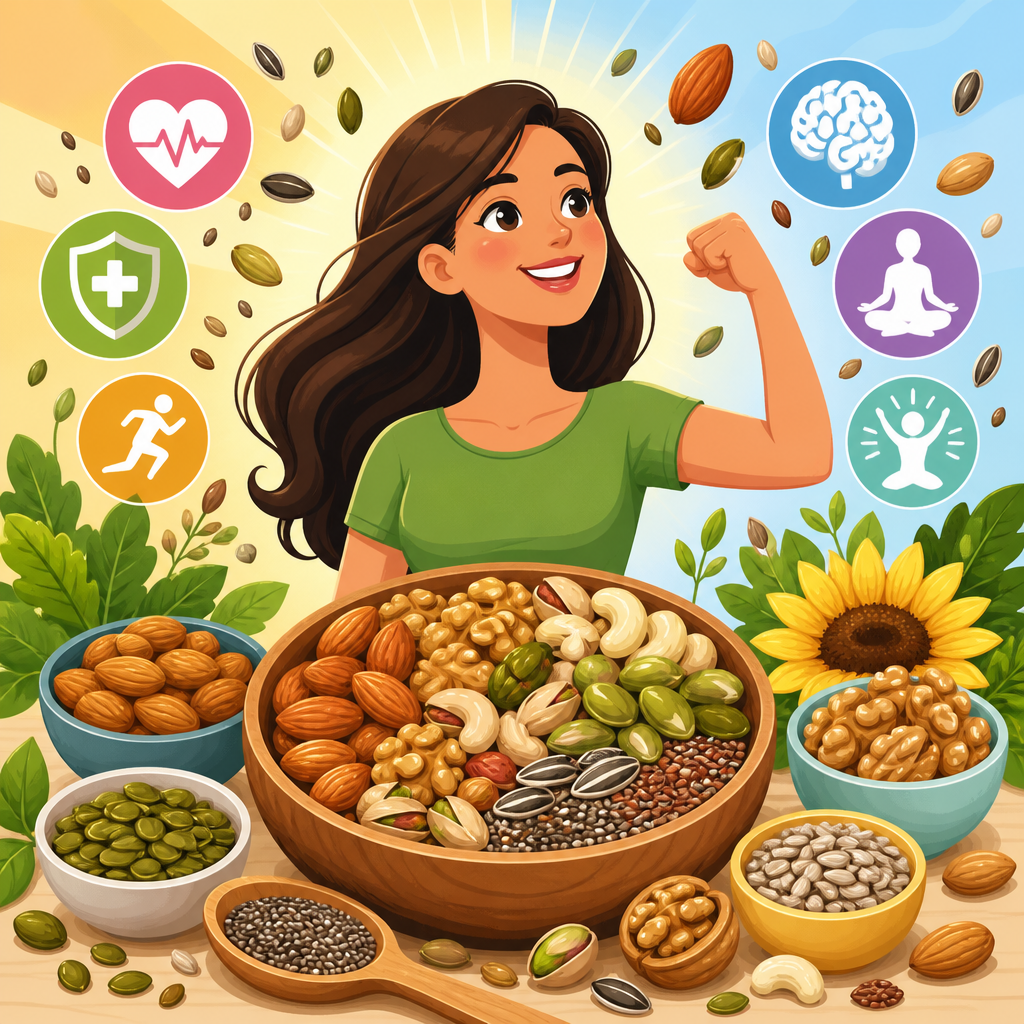
Seeds and nuts earn a central place in any serious discussion of superfoods because they deliver dense nutrition in small portions, fit into almost every eating pattern, and influence far more than calorie intake alone. When I help clients improve diet quality, these foods are often the fastest upgrade: almonds instead of chips, chia instead of sugary toppings, pumpkin seeds added to soup, or walnuts folded into breakfast oats. The result is not just a better snack. It is a practical shift toward more fiber, unsaturated fat, plant protein, minerals, antioxidants, and bioactive compounds that support whole-body health.
The term nutritional power of seeds and nuts refers to the concentration of beneficial nutrients and functional components found in foods such as almonds, walnuts, pistachios, cashews, peanuts, chia seeds, flaxseeds, hemp seeds, sesame seeds, pumpkin seeds, and sunflower seeds. Although peanuts are botanically legumes, they are nutritionally grouped with nuts because their fat, protein, and culinary use are similar. Seeds and nuts are energy dense, but that density is paired with important substances the body needs every day, including magnesium, vitamin E, selenium, zinc, copper, folate, polyphenols, and omega fats.
This matters because modern diets often contain too many refined grains, added sugars, and highly processed fats, while falling short on fiber, magnesium, potassium, and healthy fats. Seeds and nuts help close several of those gaps at once. They also offer strong satiety, which means they can reduce the urge to overeat less nourishing foods. Large observational studies and controlled feeding trials repeatedly connect regular nut and seed intake with improved cardiometabolic markers, better diet adherence, and lower risk of chronic disease when eaten in sensible portions as part of a balanced eating pattern.
For a sub-pillar hub under Superfoods and Functional Foods, this topic works because it connects multiple specialized questions readers ask: Which nuts are highest in protein? Are seeds anti-inflammatory? Do nuts help heart health, weight management, blood sugar, gut health, brain function, and healthy aging? Which forms are best, raw or roasted, whole or ground, salted or unsalted? The answers differ by food and by person, but the broad conclusion is clear. Used regularly and intelligently, seeds and nuts can improve overall well-being through nutrient density, metabolic support, and daily practicality.
Core Nutrients That Make Seeds and Nuts Functional Foods
Seeds and nuts are called functional foods because they do more than supply basic energy. Their fat profile is a major reason. Most nuts are rich in monounsaturated and polyunsaturated fats, which support healthy blood lipid patterns when they replace saturated fat from processed meats or fried snacks. Walnuts stand out for alpha-linolenic acid, a plant omega-3 fatty acid. Chia and flaxseeds also provide significant alpha-linolenic acid, while hemp seeds offer a useful balance of omega-6 and omega-3 fats. These fats contribute to cell membrane structure, hormone signaling, and inflammatory regulation.
Protein is another strength. Almonds, peanuts, pistachios, pumpkin seeds, and hemp seeds provide meaningful amounts of plant protein that can help with fullness and muscle maintenance, especially when distributed across meals. Fiber adds another layer of benefit. Chia seeds, flaxseeds, almonds, and pistachios support digestive health and slower glucose absorption. Micronutrients are equally important. Brazil nuts are famous for selenium, almonds for vitamin E, pumpkin seeds for magnesium and zinc, sesame seeds for calcium and copper, and sunflower seeds for vitamin E and selenium. Those details matter because different seeds and nuts bring different strengths to the table.
Just as important are the phytochemicals. Polyphenols, lignans, phytosterols, and antioxidant compounds help explain why the health effects of whole nuts and seeds exceed what you would predict from calories alone. Flaxseed lignans have been studied for hormonal and cardiovascular effects. Walnut polyphenols support oxidative balance. Sesame seeds contain sesamin and sesamolin, compounds linked to lipid metabolism. In practice, variety works better than relying on a single “best” nut or seed. A rotating mix broadens nutrient exposure and reduces the chance that one food’s weaknesses, such as low omega-3 content or lower mineral diversity, dominate the pattern.
How Seeds and Nuts Support Heart, Metabolic, and Digestive Health
The strongest evidence for regular nut intake is in cardiovascular health. Replacing refined snacks or foods high in saturated fat with nuts often improves LDL cholesterol, non-HDL cholesterol, and overall diet quality. Walnuts, almonds, and pistachios are especially well studied. Their combination of unsaturated fats, fiber, arginine, phytosterols, and antioxidants can support endothelial function and healthier lipid metabolism. In real-world meal planning, this might look like pistachios replacing crackers, almond butter replacing a sugary spread, or walnuts replacing part of the cheese in a salad. The benefit comes from substitution as much as addition.
Blood sugar control also improves when seeds and nuts are used strategically. They slow gastric emptying, reduce the glycemic impact of carbohydrate-heavy meals, and improve fullness after eating. I have seen the difference most clearly when people add chia seeds to yogurt, pair fruit with peanut butter, or include pumpkin seeds in grain bowls. Those combinations produce steadier energy than eating fruit, cereal, or toast alone. For people managing insulin resistance or type 2 diabetes, this is practical nutritional leverage: the same meal becomes more balanced without feeling restrictive.
Digestive health is another major area. Fiber from chia, flax, almonds, and pistachios helps support regularity and a healthier gut environment. Some nuts and seeds also act as prebiotic substrates, indirectly nourishing beneficial gut bacteria. Ground flaxseed is especially useful because grinding improves access to both fiber and lignans. Chia forms a gel that can support stool consistency when fluid intake is adequate. However, tolerance varies. Very large portions can cause bloating, and people with irritable bowel symptoms may need slower increases. Functional foods work best when introduced in amounts the digestive system can comfortably handle.
Weight Management, Brain Function, and Healthy Aging
Many people assume seeds and nuts promote weight gain because they are calorie dense, but the evidence is more nuanced. When eaten in measured portions, they often support weight management because they increase satiety and reduce reliance on less filling processed foods. Not all calories in whole nuts are fully absorbed either, because some fat remains trapped within cell walls during digestion. That does not make calories irrelevant, but it helps explain why moderate nut consumption is not consistently associated with excess weight in long-term research. The key is portion awareness, not avoidance.
Brain health is another reason these foods belong in a well-being strategy. The brain depends on healthy fats, antioxidant defense, vascular integrity, and steady glucose delivery. Walnuts receive attention because of their omega-3 content and polyphenols, while pumpkin seeds and cashews contribute magnesium, zinc, and iron, nutrients involved in neurotransmitter activity and cognitive function. Vitamin E from almonds and sunflower seeds helps protect cell membranes from oxidative stress. No single nut or seed acts as a magic cognitive enhancer, but a pattern rich in these foods supports the systems that keep the brain resilient over time.
Healthy aging is where the cumulative effect becomes clear. Muscle maintenance, bone integrity, cardiovascular resilience, and lower chronic inflammation all matter more with age. Seeds and nuts contribute plant protein, minerals, and antioxidant compounds that fit this goal. Sesame seeds provide calcium and copper, almonds provide magnesium, and Brazil nuts can improve selenium intake, though only in very small amounts because selenium is potent. Older adults who struggle with appetite also benefit from nutrient density. A small serving of nut butter on whole-grain toast can deliver more practical nourishment than a larger volume of low-protein snack food.
Comparing Popular Seeds and Nuts and Using Them Well
The best choice depends on the outcome you want, but several standouts appear repeatedly in practice. Almonds are a versatile default for vitamin E, fiber, and crunch. Walnuts are excellent for plant omega-3 fats. Pistachios offer protein, fiber, and potassium with a useful portion cue when bought in shells. Pumpkin seeds are one of the most efficient ways to add magnesium and zinc. Chia and flaxseeds are leaders for omega-3s and fiber, while hemp seeds bring soft texture and complete protein. Brazil nuts are effective for selenium, but one to two nuts is usually enough for the day.
| Food | Key Nutrients | Best Uses | Important Note |
|---|---|---|---|
| Almonds | Vitamin E, magnesium, fiber | Snacks, yogurt, salads | Choose unsalted if sodium is a concern |
| Walnuts | Alpha-linolenic acid, polyphenols | Oatmeal, baking, grain bowls | Store cold to protect delicate fats |
| Chia seeds | Fiber, omega-3s, calcium | Puddings, smoothies, overnight oats | Absorb liquid rapidly, so hydrate well |
| Flaxseeds | Lignans, omega-3s, fiber | Ground into cereal, yogurt, muffins | Ground form is more bioavailable than whole |
| Pumpkin seeds | Magnesium, zinc, iron, protein | Soups, salads, trail mix | Easy way to raise mineral intake |
Form matters more than most shoppers realize. Whole nuts are excellent for chewing satisfaction and slower eating. Nut butters are convenient, but many contain added sugar, palm oil, or excess salt, so label reading matters. Ground flaxseed is superior to whole flaxseed for nutrient absorption. Roasted nuts are still nutritious, though very high heat can modestly reduce some antioxidants and can damage delicate fats if processing is poor. Dry-roasted and lightly roasted options are generally solid choices. Raw products are fine too, provided they are fresh and properly stored to prevent rancidity.
Portion control is practical, not punitive. For most adults, a small handful of nuts or one to two tablespoons of seeds works well in a meal or snack. Balance also matters. If seeds and nuts are simply added on top of an already excessive diet, benefits can be blunted. If they replace ultra-processed snacks, improve meal structure, and increase nutrient diversity, the effect is much more meaningful. This hub naturally connects to deeper articles on chia benefits, almond nutrition, walnut omega-3 content, seed cycling myths, and how to choose the healthiest nut butter.
Safety, Allergies, Storage, and Smart Buying
The benefits of seeds and nuts are substantial, but smart use includes limits and precautions. Tree nut and peanut allergies can be severe, and sesame is now a major recognized allergen in several countries. Cross-contact in manufacturing is common, so packaging warnings matter. People with diverticular disease were once told to avoid nuts and seeds, but current evidence does not support routine avoidance. Kidney stone risk, mineral bioavailability, and digestive tolerance can require personalization, especially with very high intakes. Phytates in seeds and nuts can modestly reduce mineral absorption, yet in balanced diets this is rarely a reason to avoid them.
Storage determines quality. Because many seeds and nuts contain delicate unsaturated fats, heat, light, and oxygen can cause rancidity. I recommend buying from high-turnover retailers, checking harvest or best-by dates, and storing walnuts, flax, hemp, and pine nuts in the refrigerator or freezer. A bitter, paint-like, or stale smell is a warning sign. Cost can be managed by buying larger plain bags, using them in mixed ways across the week, and choosing nutrient-dense value options such as peanuts, sunflower seeds, and pumpkin seeds when premium nuts are too expensive. Nutrition works only when people can sustain it.
The nutritional power of seeds and nuts affects overall well-being because these foods solve several modern diet problems at once. They improve fat quality, increase fiber and plant protein, supply underconsumed minerals, and make healthy meals more satisfying. They support heart health, steadier blood sugar, digestive function, brain resilience, and healthier aging when eaten regularly in appropriate portions. They are not miracle foods, and they do not cancel out a poor diet, but they are among the most efficient daily upgrades available.
Use this hub as your starting point for building a smarter superfoods routine. Explore specific seed and nut types, compare forms, and match choices to your goals, whether that is better energy, improved cholesterol, easier meal planning, or more nutrient density in every bite. Start with one simple change today: swap one processed snack for a serving of nuts or add a tablespoon of seeds to a meal you already eat. Small actions repeated consistently are how nutritional power turns into measurable well-being.
Frequently Asked Questions
Why are seeds and nuts considered so powerful for overall well-being?
Seeds and nuts are considered nutritional powerhouses because they deliver a remarkably high concentration of beneficial nutrients in relatively small servings. They provide healthy unsaturated fats, plant protein, fiber, vitamins, minerals, and antioxidant compounds that support many systems in the body at once. Instead of offering only quick energy, they help improve diet quality in a broader way by promoting fullness, supporting steady energy levels, and contributing to better nutrient intake throughout the day. This is one reason they are often recommended as a practical upgrade over more processed snack foods.
From a whole-body perspective, their value goes beyond calories. Many nuts and seeds contain nutrients linked with heart health, metabolic function, brain support, digestive wellness, and immune resilience. Almonds provide vitamin E and magnesium, walnuts supply omega-3 fats, chia seeds contribute fiber and minerals, and pumpkin seeds offer zinc and iron. When eaten regularly as part of a balanced diet, these foods can help create a more stable nutritional foundation, which is exactly why they hold such an important place in conversations about long-term well-being.
How do seeds and nuts support heart health and energy balance?
Seeds and nuts support heart health largely because they are rich in unsaturated fats, especially monounsaturated and polyunsaturated fats, which can help improve blood lipid patterns when they replace foods high in refined carbohydrates or saturated fats. Many also contain fiber, plant sterols, magnesium, and antioxidant compounds, all of which play roles in cardiovascular wellness. Walnuts, flaxseeds, and chia seeds are especially notable because they provide alpha-linolenic acid, a plant-based omega-3 fatty acid associated with heart-supportive benefits. Regular intake has been linked in many dietary patterns with better cholesterol balance and improved overall heart-friendly eating habits.
They also help with energy balance because their combination of fat, protein, and fiber slows digestion and increases satiety. That means a small handful of pistachios or a spoonful of chia added to yogurt may help you stay satisfied longer than a highly processed snack. This can reduce mindless grazing and support more stable energy across the day. While they are calorie-dense, that density is part of what makes them effective: they are compact, nourishing foods that help people feel fueled rather than depleted, especially when used strategically in meals and snacks.
Can eating seeds and nuts help with weight management, or are they too high in calories?
Yes, seeds and nuts can absolutely fit into a weight-management approach, and in many cases they make it easier to follow one. Although they are calorie-dense, they are also highly satisfying because they contain protein, fiber, and healthy fats. These nutrients work together to slow digestion and help control hunger, which may reduce the urge to snack on foods that are less filling and more heavily processed. In real-life eating patterns, replacing chips, candy, or sugary toppings with nuts or seeds often leads to better satiety and improved portion awareness.
The key is not to think of seeds and nuts as “free foods,” but as high-quality foods worth including intentionally. A serving does not need to be large to be effective. A small handful of almonds, a tablespoon of ground flaxseed in oatmeal, or a sprinkle of pumpkin seeds on soup can meaningfully improve the nutritional profile of a meal without making it excessive. Weight management is rarely about eliminating nutrient-dense foods; it is more often about choosing foods that help you stay fuller, eat more mindfully, and maintain a more consistent pattern over time. In that sense, seeds and nuts are often allies rather than obstacles.
Which seeds and nuts offer the most benefits, and should you rotate them?
No single seed or nut does everything, which is why variety matters. Different choices bring different strengths. Almonds are especially valued for vitamin E, magnesium, and a satisfying crunch that makes them a smart snack replacement. Walnuts stand out for their omega-3 fat content and are often highlighted for brain and heart support. Chia seeds are rich in fiber and can help add bulk and staying power to breakfast or smoothies. Flaxseeds provide lignans and omega-3 fats, especially when ground for better absorption. Pumpkin seeds are notable for magnesium, zinc, iron, and protein, while sesame seeds contribute calcium, copper, and distinct antioxidant compounds.
Rotating them is a smart strategy because it broadens nutrient intake and keeps meals interesting. You do not need a complicated system. You might use walnuts in oats, chia in yogurt, pumpkin seeds on salads or soups, and almond butter on fruit or toast. This kind of rotation supports dietary diversity, which is one of the most reliable ways to strengthen overall nutrition. It also helps prevent boredom, making it more likely that healthy habits will stick. Choosing mostly unsalted, minimally processed options is generally the best approach for maximizing benefits.
What are the best ways to add seeds and nuts to your diet every day?
The easiest way to add seeds and nuts consistently is to use them as simple upgrades to foods you already eat. Add chia seeds or ground flaxseed to oatmeal, yogurt, or smoothies. Stir chopped walnuts or pecans into breakfast bowls. Sprinkle pumpkin or sunflower seeds over soups, grain bowls, roasted vegetables, or salads. Use almond butter or peanut butter with fruit for a balanced snack. Mix crushed pistachios into cottage cheese, add tahini-based dressings to meals, or keep a small portion of mixed nuts on hand instead of reaching for ultra-processed snacks. These changes may seem small, but they significantly raise the nutritional value of everyday meals.
Consistency matters more than perfection. A modest daily serving can provide meaningful benefits when part of an overall balanced eating pattern. It is also important to pay attention to preparation and portions. Choose dry-roasted or raw options when possible, watch for heavy sugar coatings or excessive sodium, and store them properly to preserve freshness. For people with allergies or digestive concerns, substitutions and portion adjustments may be necessary, and individualized guidance can help. But for most people, adding seeds and nuts regularly is one of the most practical and effective ways to support better long-term well-being through food.