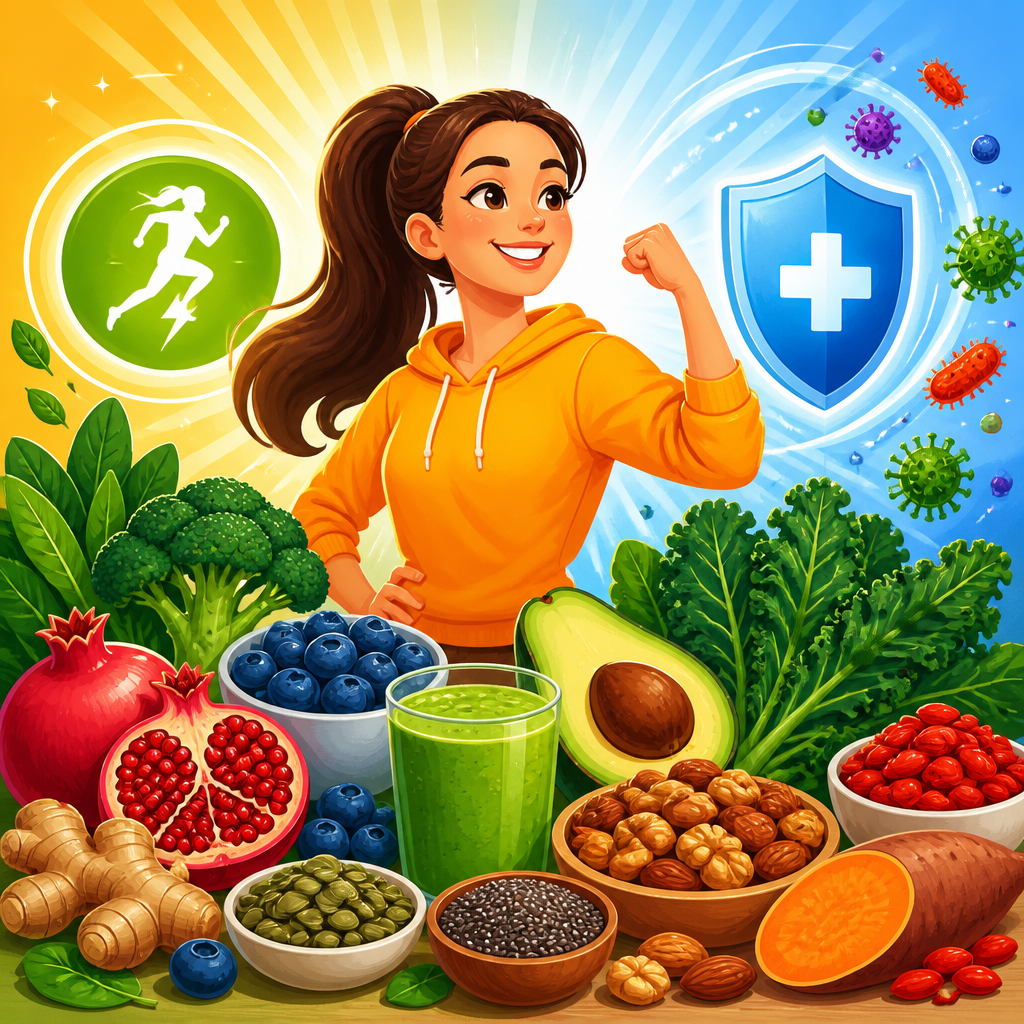
Superfoods for energy and immunity sit at the intersection of nutrition science, daily performance, and long-term health. The term “superfood” is not a formal medical classification, yet it is widely used to describe foods with unusually high concentrations of vitamins, minerals, fiber, antioxidants, healthy fats, or bioactive compounds that support key body functions. When people search for superfoods for energy and immunity, they usually want practical answers: which foods help reduce fatigue, which nutrients support immune defenses, and how to build meals that do both without relying on stimulants or restrictive diets. Those are the right questions, because energy and immune resilience are tightly connected.
In practice, energy is your body’s ability to convert food into usable fuel through metabolism, maintain stable blood sugar, transport oxygen, and support cellular activity in the mitochondria. Immunity is the coordinated work of physical barriers, white blood cells, signaling molecules, and the gut microbiome to identify and respond to threats. Poor sleep, low protein intake, iron deficiency, chronic stress, and ultra-processed diets can undermine both systems at once. I have seen this repeatedly when reviewing food logs: people chasing quick energy with sugar or caffeine often overlook the basic nutrients that also keep the immune system responsive.
A useful guide to superfoods for energy and immunity must separate evidence from marketing. No single berry, seed, mushroom, or green powder can “boost” immunity on demand, and no food overrides the effects of chronic sleep loss or illness. What certain foods can do, consistently, is supply the nutrients and compounds the body requires to make energy efficiently, regulate inflammation, protect cells from oxidative stress, and maintain healthy immune signaling. This article explains the major food groups, the nutrients that matter most, and how to use them as a practical hub for meal planning and deeper reading across the broader superfoods and functional foods topic.
The strongest superfoods for energy and immunity tend to share a few characteristics. They deliver micronutrients in meaningful amounts, provide fiber or protein that improves satiety and blood sugar control, and fit easily into habitual eating patterns. Leafy greens, berries, citrus, fatty fish, yogurt, eggs, legumes, nuts, seeds, mushrooms, green tea, and fermented foods appear repeatedly in high-quality dietary patterns such as the Mediterranean diet because they work together, not because any one of them is magic. The real advantage of this category is dietary density: more nutrition per bite, with fewer empty calories and fewer dramatic swings in energy over the course of the day.
What Makes a Food Support Energy and Immunity
A food supports energy when it helps the body produce ATP, maintain steady glucose availability, and deliver oxygen and nutrients where they are needed. That is why iron, B vitamins, magnesium, protein, and complex carbohydrates matter. Iron helps carry oxygen through hemoglobin. B vitamins act as cofactors in metabolic pathways. Magnesium is involved in hundreds of enzymatic reactions, including those related to energy production. Protein supplies amino acids for tissues, enzymes, and immune molecules. Complex carbohydrates, especially those paired with fiber, provide more stable fuel than refined sugars.
A food supports immunity when it contributes nutrients needed for immune cell development, signaling, and barrier integrity. Vitamin C helps with collagen formation and white blood cell function. Vitamin A supports skin and mucosal surfaces. Vitamin D influences immune regulation. Zinc is required for immune cell development and communication. Selenium contributes to antioxidant defense systems through enzymes such as glutathione peroxidase. Fiber and fermented compounds shape the gut microbiome, which is deeply involved in immune education and inflammatory balance.
The most effective choices do both. Red bell peppers, for example, provide vitamin C and carotenoids with minimal sugar. Greek yogurt offers protein for satiety and tissue repair plus live cultures that may support gut health. Oats provide beta-glucan fiber for cholesterol and blood sugar control while also feeding beneficial gut bacteria. Salmon contributes protein, vitamin D, selenium, and omega-3 fats that help regulate inflammation. These are not niche foods. They are accessible staples that repeatedly show up in dietary patterns linked with better health outcomes.
Top Superfoods for Energy and Immunity
The hub foods in this category can be organized by what they contribute most. Berries such as blueberries, strawberries, and blackberries are rich in polyphenols and vitamin C. Citrus fruits, kiwi, and guava are standout vitamin C sources. Dark leafy greens including spinach, kale, and Swiss chard supply folate, carotenoids, vitamin K, and magnesium. Legumes such as lentils, chickpeas, and black beans combine fiber, protein, iron, and slow-digesting carbohydrates. Fatty fish, especially salmon, sardines, and mackerel, deliver omega-3 fatty acids, vitamin D, selenium, and complete protein.
Seeds and nuts matter because they are compact sources of minerals and healthy fats. Pumpkin seeds are notable for zinc and magnesium. Chia and flax provide fiber and alpha-linolenic acid. Almonds bring vitamin E, a key antioxidant that protects cell membranes. Eggs remain one of the most efficient foods for nutrient density, offering protein, choline, selenium, vitamin B12, and, depending on production practices, some vitamin D. Mushrooms, particularly maitake and shiitake, contain beta-glucans and useful micronutrients, while exposure to UV light can raise their vitamin D content.
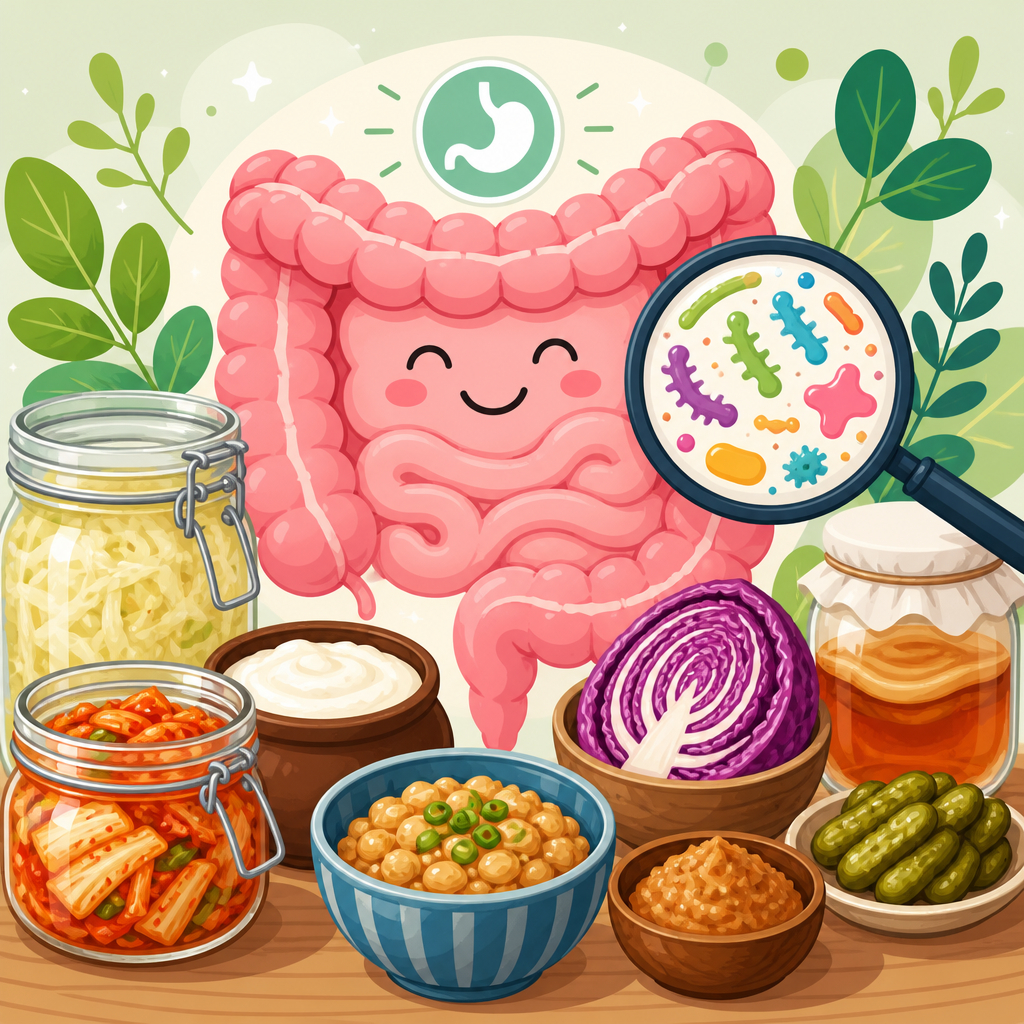
Fermented foods deserve a place in any guide to superfoods for energy and immunity because digestion and immune regulation are inseparable. Yogurt, kefir, kimchi, sauerkraut, and miso introduce live microbes or fermentation products that may benefit the gut environment. Green tea is another functional staple. It does contain caffeine, but usually less than coffee, and it also provides catechins such as EGCG, which have antioxidant activity. Used strategically, green tea can support alertness without the abrupt peaks and crashes some people experience from high-dose caffeine drinks.
| Food | Primary energy benefit | Primary immunity benefit | Simple use |
|---|---|---|---|
| Oats | Steady carbohydrates and beta-glucan fiber | Supports gut health through fermentable fiber | Breakfast bowl with yogurt and berries |
| Salmon | High-quality protein and B vitamins | Vitamin D, selenium, and omega-3 support | Baked fillet with greens and quinoa |
| Lentils | Iron, protein, and slow-digesting carbs | Fiber supports the microbiome | Soup, salad, or grain bowl |
| Greek yogurt | Protein helps satiety and recovery | Live cultures may support gut defenses | Snack with seeds and fruit |
| Kiwi | Light carbohydrate source with hydration | Very high vitamin C content | Add to breakfast or smoothies |
| Pumpkin seeds | Magnesium and healthy fats | Zinc for immune cell function | Sprinkle on oatmeal or salads |
Key Nutrients Behind the Benefits
Many people ask which nutrient matters most for energy. In reality, low energy is often multifactorial. Iron deficiency is a common contributor, especially in menstruating women, endurance athletes, and people with restrictive diets. Without enough iron, oxygen transport suffers, and fatigue follows. Vitamin B12 and folate are essential for red blood cell formation, while riboflavin, niacin, thiamin, and vitamin B6 support metabolic reactions that turn food into usable energy. Magnesium is frequently overlooked, yet low intake can affect muscle function, sleep quality, and perceived fatigue.
For immunity, vitamin C gets the most attention, but it is only one piece. Zinc is fundamental for normal immune development and signaling. Vitamin D helps regulate immune responses rather than simply making them “stronger,” which is an important distinction because a well-regulated immune system is safer and more effective than an overactive one. Vitamin A supports the integrity of epithelial tissues in the respiratory and digestive tracts. Selenium and vitamin E act in antioxidant systems that protect immune cells from damage during normal inflammatory activity.
Protein deserves equal emphasis in both categories. Antibodies, cytokines, transport proteins, and enzymes all depend on adequate amino acid intake. Inadequate protein can also worsen appetite instability, making it harder to maintain steady energy. Fiber is another dual-purpose nutrient. Soluble fibers, including beta-glucans in oats and barley, help modulate blood sugar and feed gut microbes that produce short-chain fatty acids. Those compounds influence gut barrier function and immune signaling. When clients improve their fiber intake from whole foods, they often report not only better digestion but also more consistent energy across the afternoon.
How to Build Meals That Actually Work
The best way to use superfoods for energy and immunity is not to chase isolated ingredients but to build balanced meals. A reliable framework is protein plus fiber-rich carbohydrate plus colorful produce plus healthy fat. For breakfast, that could mean oats cooked with milk or fortified soy beverage, topped with Greek yogurt, blueberries, chia seeds, and walnuts. This combination gives slow-release carbohydrates, protein, omega-3 precursors, calcium, and polyphenols. Compared with a pastry and coffee alone, it produces far more stable energy and much better nutrient coverage.
Lunch can follow the same structure. A lentil and quinoa bowl with spinach, roasted peppers, olive oil, pumpkin seeds, and grilled salmon covers iron, folate, vitamin C, magnesium, zinc, selenium, and omega-3 fats in one meal. Notice the built-in nutrient synergy: vitamin C from peppers and greens supports iron absorption from lentils and spinach. Dinner might be a mushroom and tofu stir-fry with broccoli, brown rice, ginger, and sesame. If you tolerate fermented foods, adding miso or kimchi can increase variety and support the gut environment.
Snacks are often where energy management fails. Foods marketed as “healthy” can still be mostly sugar. Better options are yogurt with kiwi, hummus with carrots, boiled eggs with fruit, or an apple with almond butter. Hydration matters as well. Mild dehydration can feel like fatigue, reduce concentration, and worsen exercise performance. Water should be the default, with tea, milk, or electrolyte beverages used according to activity level and climate. If you use caffeine, treat it as a tool, not a meal replacement. It does not correct low iron, poor sleep, or inadequate calorie intake.
Common Myths, Limits, and Buying Advice
The largest myth in this category is that superfoods are exotic, expensive, or available only in powders and supplements. Some of the most evidence-based options are ordinary foods from a supermarket freezer or pantry: frozen berries, canned salmon, dried lentils, plain yogurt, oats, eggs, cabbage, and citrus. Frozen produce is often picked at peak ripeness and can match fresh in nutrient value. Canned beans are convenient and affordable if rinsed to reduce sodium. Budget-friendly buying is not a compromise; it is often what makes consistency possible.
Another myth is that more is always better. Very high doses of single nutrients from supplements can be unnecessary or even harmful, especially fat-soluble vitamins or minerals such as iron when deficiency has not been confirmed. Whole foods are safer because they package nutrients in balanced amounts with fiber, water, and other compounds. There are exceptions. Vitamin D supplementation may be appropriate in low-sunlight settings, and B12 supplementation is often necessary for vegans. Those decisions should be guided by dietary pattern, lab results, and medical advice rather than trends.
Quality still matters. Choose yogurt with live cultures and modest added sugar. Look for whole grain oats rather than sweetened instant packets. Select fish lower in mercury, such as salmon and sardines, more often than large predatory species. Wash produce, store perishables correctly, and pay attention to food safety, especially with fermented and ready-to-eat foods. Superfoods for energy and immunity work best inside a broader foundation that includes enough sleep, regular movement, stress management, and routine healthcare. Use this hub as your starting point, then build a weekly routine around a few core foods you will actually buy, cook, and eat consistently.
Understanding superfoods for energy and immunity comes down to a simple principle: prioritize nutrient-dense whole foods that support metabolism, blood sugar stability, gut health, and immune regulation at the same time. The most effective choices are not miracle products but dependable staples such as berries, leafy greens, legumes, fatty fish, yogurt, eggs, nuts, seeds, mushrooms, oats, and citrus. These foods supply the vitamins, minerals, protein, fiber, and bioactive compounds your body uses every day to produce energy efficiently and maintain resilient defenses.
The practical benefit is clarity. Instead of guessing which trend is worth following, you can evaluate foods by function. Ask whether a food provides steady fuel, meaningful micronutrients, quality protein, healthy fats, or compounds that support the microbiome and inflammatory balance. Build meals around those answers, and the result is usually better satiety, fewer energy crashes, and more complete nutrition over time. That is the reason dietary patterns built on whole foods consistently outperform isolated “quick fixes.”
If you want better daily energy and stronger nutritional support for immunity, start with one week of intentional shopping and meal planning. Pick three breakfast options, three lunches, three dinners, and two snacks built from the foods in this guide. Repeat what works, adjust for budget and taste, and keep your approach realistic. Small, consistent choices with proven foods will do more for your energy and immunity than any headline ingredient ever will.
Frequently Asked Questions
What are superfoods for energy and immunity, and do they really work?
Superfoods for energy and immunity are nutrient-dense foods that provide significant amounts of vitamins, minerals, antioxidants, fiber, healthy fats, and other beneficial compounds that help the body function efficiently. While “superfood” is a popular nutrition term rather than a formal medical category, the idea behind it is grounded in real science: some foods deliver a higher concentration of nutrients that support energy metabolism, immune defense, and recovery from physical or mental stress. Examples include berries, leafy greens, citrus fruits, yogurt, nuts and seeds, fatty fish, eggs, legumes, sweet potatoes, mushrooms, green tea, and fermented foods.
They “work” best when understood correctly. Superfoods do not create instant energy in the way caffeine or sugar can, and they do not make the immune system invincible overnight. Instead, they support the underlying systems responsible for steady energy and healthy immunity. B vitamins help convert food into usable energy, iron supports oxygen transport, magnesium is involved in hundreds of cellular processes, protein helps maintain tissues and enzymes, and antioxidants help reduce oxidative stress. On the immunity side, nutrients such as vitamin C, vitamin D, zinc, selenium, and probiotics help support normal immune responses and the integrity of protective barriers like the gut and skin.
The key is consistency and overall diet quality. A smoothie with berries and spinach is helpful, but it cannot compensate for chronic sleep deprivation, high stress, dehydration, or a diet built around ultra-processed foods. Superfoods are most effective as part of a balanced eating pattern that includes adequate calories, sufficient protein, complex carbohydrates, healthy fats, and a variety of plant foods. In other words, they are valuable tools, not miracle cures. If your goal is less fatigue and stronger everyday resilience, regularly including nutrient-rich foods is one of the most evidence-based places to start.
Which superfoods are best for fighting fatigue and supporting steady energy throughout the day?
The best superfoods for energy are the ones that support stable blood sugar, efficient metabolism, oxygen delivery, hydration, and sustained satiety rather than providing a short-lived spike. Oats are a strong example because they contain complex carbohydrates and soluble fiber, which help release energy gradually. Eggs are another standout because they provide high-quality protein, B vitamins, and nutrients such as choline that support brain function. Greek yogurt combines protein with minerals and can also contribute beneficial bacteria for gut health. Nuts and seeds, especially almonds, walnuts, chia seeds, and pumpkin seeds, offer healthy fats, magnesium, and protein, which can help prevent the energy crashes that often follow highly refined snacks.
Leafy greens such as spinach, kale, and Swiss chard are worth special attention because they contain folate, vitamin C, magnesium, and in some cases iron, all of which play roles in energy production and overall vitality. Legumes like lentils, chickpeas, and black beans are also excellent because they supply plant protein, fiber, iron, and slow-digesting carbohydrates. Sweet potatoes provide complex carbs plus beta-carotene and potassium, making them a useful option for active people or anyone trying to improve meal quality without sacrificing satisfaction. Bananas can be helpful for quick but still relatively balanced fuel, especially before physical activity, thanks to their carbohydrate content and potassium.
For many people, fatigue is not just about low fuel; it can also be related to nutrient gaps. Iron, vitamin B12, folate, and vitamin D deficiencies are common contributors to low energy. Foods such as lean red meat in moderation, shellfish, eggs, dairy, fortified foods, legumes, and dark leafy greens can help address these needs, depending on your dietary pattern. If fatigue is persistent, severe, or paired with symptoms like shortness of breath, dizziness, or poor concentration, it is wise to look beyond food and speak with a healthcare professional. But for everyday energy support, building meals around protein, fiber-rich carbohydrates, colorful produce, and healthy fats is usually more effective than relying on stimulants or sugary convenience foods.
What superfoods are most helpful for strengthening the immune system naturally?
No single food can “boost” immunity in a magical sense, but many superfoods help support normal immune function by supplying the nutrients the immune system depends on every day. Citrus fruits, kiwi, strawberries, bell peppers, and broccoli are rich in vitamin C, which helps support immune cell function and acts as an antioxidant. Garlic and onions contain sulfur compounds and plant chemicals that may support overall health and defense mechanisms. Yogurt, kefir, sauerkraut, kimchi, and other fermented foods contribute probiotics, which can help maintain a healthy gut microbiome. That matters because a large portion of immune activity is closely connected to the gut.
Zinc-rich foods such as pumpkin seeds, beans, chickpeas, seafood, and dairy products also deserve a place on the list because zinc is involved in immune cell development and signaling. Selenium, found in foods like Brazil nuts, seafood, eggs, and some whole grains, helps support antioxidant defenses. Fatty fish such as salmon, sardines, and mackerel are especially important because they provide omega-3 fats and, in some cases, vitamin D, both of which are linked to healthy inflammatory balance and immune regulation. Mushrooms, particularly varieties exposed to UV light, can also contribute vitamin D, while deeply colored fruits and vegetables offer polyphenols and carotenoids that help protect cells from oxidative stress.
Perhaps the most important principle is variety. A resilient immune system depends on a wide spectrum of nutrients rather than one “hero” food. A practical immune-supportive plate might include salmon or beans for protein, a side of roasted sweet potatoes, sautéed greens, a salad with peppers and tomatoes, and yogurt with berries for dessert or breakfast the next day. Hydration matters too, as does adequate sleep, regular physical activity, stress management, and avoiding smoking. Superfoods are helpful because they deliver the nutritional raw materials your immune system uses, but lifestyle habits determine how well those raw materials are ultimately put to work.
How can I add superfoods to my diet in a practical, affordable way without overcomplicating meals?
The most effective way to eat more superfoods is to make small, repeatable upgrades to meals you already enjoy. You do not need expensive powders, exotic ingredients, or a perfect meal plan. Start with breakfast by adding berries, chia seeds, or ground flaxseed to oatmeal or yogurt. Swap sugary cereal for oats with nuts and fruit, or pair eggs with spinach and whole-grain toast. At lunch, build bowls or salads around a base of greens, beans, quinoa, or brown rice, then add colorful vegetables, avocado, seeds, and a simple protein such as chicken, tofu, tuna, or lentils. At dinner, include at least one vegetable, one protein source, and one high-fiber carbohydrate, such as sweet potatoes, legumes, or whole grains.
Budget-friendly superfoods are often surprisingly simple. Frozen berries and spinach are just as useful as fresh for many purposes and often cost less. Canned beans, lentils, sardines, and salmon are economical pantry staples packed with nutrients. Plain yogurt, oats, eggs, carrots, cabbage, apples, bananas, sweet potatoes, pumpkin seeds, and peanut butter all offer strong nutritional value without straining your grocery budget. Buying in-season produce, choosing store brands, and rotating a short list of nutrient-dense staples can make a superfood-focused diet sustainable rather than aspirational.
Convenience also matters. Keep washed fruit visible, portion nuts and seeds into containers, batch-cook grains and beans, and prep vegetables ahead of time so healthy choices are easy on busy days. Smoothies can be useful if they contain real substance: combine fruit, greens, Greek yogurt or protein-rich milk, and seeds instead of relying only on juice. The goal is not to eat “perfectly,” but to make nutrient-rich foods the default more often. If you can consistently add one or two superfoods to each meal or snack, the cumulative effect on energy, fullness, and overall nutritional quality can be significant.
Can superfoods replace supplements or medical treatment for low energy and weak immunity?
Superfoods can play a major role in improving diet quality, but they should not be seen as a universal replacement for supplements or medical care. Food is the foundation because it delivers nutrients in combination with fiber, healthy fats, protein, and plant compounds that work together in ways supplements cannot fully replicate. For many people, improving intake of leafy greens, legumes, berries, fermented foods, nuts, seeds, eggs, fish, and colorful vegetables can noticeably improve daily energy, digestion, and resilience over time. However, there are situations where food alone may not be enough.
For example, if someone has iron deficiency anemia, vitamin B12 deficiency, low vitamin D levels, thyroid dysfunction, poor sleep, depression, chronic stress, or an underlying infection, simply eating more so-called superfoods may not fully solve the problem. Supplements may be useful when a deficiency is confirmed or when dietary intake is limited due to allergy, medical condition, life stage, or food preference. Vitamin D, B12, iron, omega-3s, and zinc are among the nutrients that may require closer attention in certain individuals, but supplementation is most effective when it is targeted rather than random. Taking large amounts of supplements without guidance can be ineffective or even harmful.
If