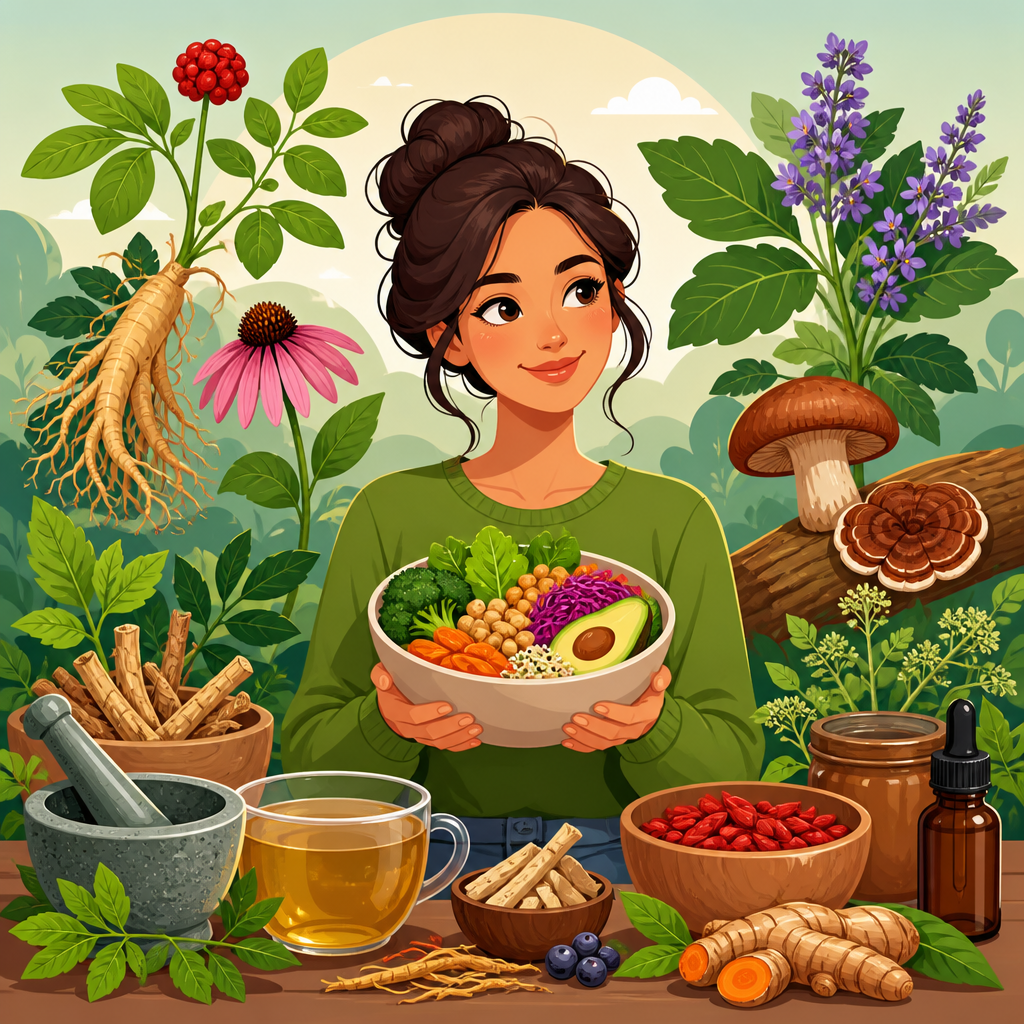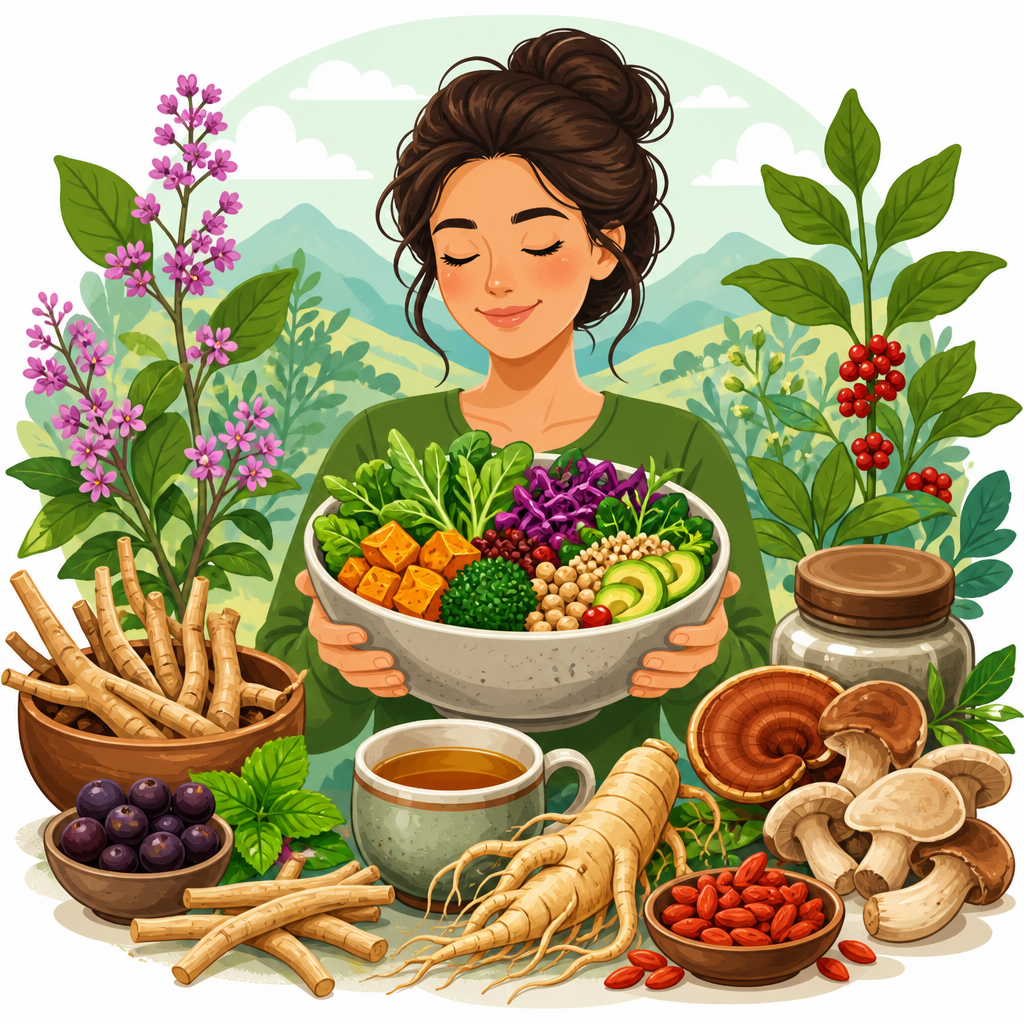
Adaptogens and herbal nutrition have moved from niche wellness conversations into mainstream diet planning because more people want foods and botanicals that do more than provide calories, protein, fat, vitamins, and minerals. In practice, this topic sits at the intersection of traditional herbal use, modern nutrition science, stress physiology, and everyday meal design. When I build functional nutrition plans, I treat adaptogens as supportive tools, not miracle ingredients, and I place them within the broader context of sleep, protein intake, fiber, hydration, and overall dietary quality.
An adaptogen is generally defined as a plant or mushroom compound traditionally used to help the body respond to physical, mental, or environmental stress while supporting homeostasis. Herbal nutrition is broader. It includes culinary herbs such as ginger, turmeric, cinnamon, rosemary, and holy basil, as well as concentrated forms like teas, powders, tinctures, capsules, and extracts. Not every herb is an adaptogen, and not every adaptogen belongs in every diet. That distinction matters because consumers often assume all botanicals work the same way, carry the same evidence, or are automatically safe at any dose.
This subject matters because chronic stress, poor dietary patterns, and interest in preventive health are shaping food choices worldwide. People are asking practical questions: Which adaptogens are best studied? Can herbs fit into a balanced diet? Are powders in smoothies as useful as standardized extracts? What are the risks with medications, pregnancy, thyroid conditions, or high blood pressure? A reliable guide needs to answer those questions clearly. Used thoughtfully, adaptogens and herbs can complement a healthy diet by supporting stress resilience, recovery, digestion, inflammation balance, and daily routine adherence. Used carelessly, they can create unrealistic expectations, wasted spending, or avoidable side effects.
For a subtopic hub under superfoods and functional foods, the goal is not to chase trends but to organize the landscape. This article explains what adaptogens and herbal nutrition are, how they may support health, what the strongest evidence actually suggests, how to choose products, how to use them with meals, and where caution is essential. Think of it as a practical foundation for deeper reading on individual herbs, mushroom products, stress support, and functional beverage strategies.
What Adaptogens and Herbal Nutrition Mean in Everyday Diet Planning
The simplest way to understand adaptogens is to see them as stress-support botanicals that may help the body maintain balance under load. The classic examples most often discussed in nutrition practice are ashwagandha, rhodiola, eleuthero, schisandra, panax ginseng, and holy basil. Some discussions also include medicinal mushrooms such as reishi, cordyceps, and lion’s mane, although mushroom evidence and traditional use patterns differ from the classic adaptogen model. Herbal nutrition includes those ingredients but also extends to culinary herbs and spices with functional benefits, including anti-inflammatory, digestive, antimicrobial, or glycemic effects.
In meal planning, herbs work across a spectrum. Fresh parsley on lentils, ginger in a stir-fry, turmeric in soup, chamomile tea after dinner, and a standardized ashwagandha extract all belong to herbal nutrition, but they differ in concentration, intended effect, and supporting data. Culinary intake generally supports dietary diversity and phytochemical exposure. Standardized supplements aim for a measurable physiological effect, such as reduced perceived stress or improved sleep quality. Conflating the two leads to confusion. A pinch of powdered herb in a latte is not the same as a clinically studied extract delivering a specified level of active compounds.
Homeostasis is the key concept behind adaptogens. Stress affects cortisol rhythm, sleep quality, blood glucose regulation, appetite, training recovery, and immune signaling. When those systems are under pressure, people often notice fatigue, irritability, poor concentration, sugar cravings, digestive disruption, and inconsistent energy. Adaptogens are not replacements for medical care or healthy habits, but they may help smooth some of those stress-related disruptions. In my experience, they are most useful when someone has already addressed basic nutrition gaps and wants targeted support that fits a realistic routine.
Evidence-Based Benefits: What the Research Supports and Where It Is Limited
The most credible benefits of adaptogens and herbal nutrition depend on the specific ingredient, preparation, dose, and target outcome. Ashwagandha is among the better studied adaptogens for stress, sleep, and perceived anxiety, with several randomized trials showing improvements in stress scores and cortisol markers in some populations. Rhodiola has research related to fatigue, mental performance under stress, and exercise tolerance, though product quality and study design vary. Panax ginseng has evidence for fatigue, cognition, and glycemic support in select contexts. Holy basil has been studied for stress, mood, and metabolic markers. Ginger and peppermint show digestive support, while turmeric, especially standardized curcumin with a bioavailability strategy, has research on inflammation and joint comfort.
However, evidence is uneven. Many studies are small, short, or funded around branded extracts. Traditional use is valuable context, but it is not a substitute for controlled human data. It also matters whether a study used whole herb powder, aqueous tea, alcohol extract, or standardized extract. Two products with the same front-label herb name can behave very differently. This is why broad claims like “adaptogens boost immunity and energy” are too vague to be useful. A stronger statement is that some adaptogens may reduce perceived stress or fatigue in some adults when the correct form and dose are used consistently.
Another limitation is outcome measurement. Researchers may look at subjective stress scales, reaction time, sleep quality, inflammatory markers, or endurance metrics. A product that helps one domain may not affect another. For example, someone using rhodiola before demanding work or training may notice reduced fatigue, while another person looking for better sleep may do better with ashwagandha or reishi. Good nutrition guidance matches the herb to the goal rather than treating all adaptogens as interchangeable.
| Herb or Mushroom | Common Use | Typical Form | Important Caution |
|---|---|---|---|
| Ashwagandha | Stress support, sleep, recovery | Standardized extract, powder | Use caution with thyroid conditions, pregnancy, sedatives |
| Rhodiola | Fatigue, mental stamina, exercise stress | Standardized extract | May be stimulating for some people |
| Panax ginseng | Energy, cognition, glycemic support | Extract, tea, capsule | Potential interaction with anticoagulants and diabetes medication |
| Holy basil | Stress balance, metabolic support | Tea, extract | Monitor with glucose-lowering therapies |
| Turmeric/curcumin | Inflammation balance, joint support | Powder, standardized extract | Bioavailability varies; caution with anticoagulants |
| Ginger | Digestion, nausea, circulation | Fresh root, tea, capsules | Can aggravate some reflux cases |
How Adaptogens Fit Into a Healthy Diet, Not Around It
Adaptogens work best when they are integrated into a healthy diet rather than used to compensate for an unhealthy one. If meals are low in protein, fiber, omega-3 fats, magnesium, potassium, and overall plant diversity, no herb will fix the resulting fatigue or poor recovery. The food-first structure remains the same: vegetables and fruit, legumes, whole grains, quality protein, unsaturated fats, fermented foods where tolerated, and adequate fluids. Herbs then become targeted additions layered onto an already sound dietary pattern.
There are several practical ways to do this. Culinary herbs and spices can increase polyphenol intake without major cost. Rosemary, oregano, thyme, turmeric, garlic, cinnamon, and ginger can be used in soups, grains, marinades, stews, roasted vegetables, and protein dishes. Herbal teas can shape habits around hydration and late-night snacking. Functional powders can be added to oatmeal, yogurt, soups, smoothies, or broths, but taste, dose, and gastrointestinal tolerance matter. I often recommend beginning with one product at a time for two to four weeks so people can actually tell what is helping.
Timing also matters. Rhodiola or ginseng often make more sense earlier in the day or before demanding mental or physical effort. Ashwagandha, reishi, lemon balm, or chamomile may fit better in evening routines, depending on the product and the person. Ginger works well before or with meals if nausea or sluggish digestion is the issue. Turmeric is more useful when eaten regularly with meals containing fat, especially if the product includes a bioavailability enhancer such as phospholipids or piperine, though piperine itself can affect drug metabolism.
For many people, the biggest benefit of herbal nutrition is routine adherence. A morning tea, post-lunch tonic, or evening infusion can become a behavioral anchor that supports hydration, mindful eating, reduced alcohol intake, and improved wind-down habits. That may sound simple, but sustained behavior change is often where meaningful health gains happen.
Choosing Quality Products and Reading Labels Correctly
Product quality is one of the most important and most overlooked parts of this category. The label should clearly state the botanical name, plant part used, form of preparation, serving size, and whether the product is standardized to active compounds. For example, ashwagandha root extract standardized to withanolides is more informative than “stress blend proprietary formula.” Rhodiola rosea should identify salidrosides and rosavins if standardized. Mushroom products should specify fruiting body versus mycelium and whether beta-glucan content is measured. Without that detail, comparison is almost impossible.
Third-party testing adds another layer of trust. Reputable companies often use independent testing for identity, potency, heavy metals, microbial contamination, and adulterants. This matters because herbal supply chains are vulnerable to substitution and quality drift. Organizations such as USP, NSF, ConsumerLab, and informed manufacturer quality programs can help buyers evaluate products, though no single seal replaces critical reading. Cost is not a perfect indicator of quality, but extremely cheap extracts are often a warning sign.
Preparation format also changes the outcome. Teas can be excellent for gentle daily use and hydration, especially for chamomile, peppermint, ginger, tulsi, or hibiscus. Tinctures offer flexible dosing but vary in alcohol content and concentration. Capsules are convenient and precise. Powders can work in foods but may require larger amounts and may not match research-backed extracts. Standardized extracts are usually the closest to clinical studies. When people tell me an herb “did nothing,” the issue is often underdosing, poor product identity, or mismatch between the product form and the desired effect.
Safety, Interactions, and Who Should Be Careful
Natural does not mean universally safe. Herbs can affect blood pressure, blood sugar, thyroid activity, clotting, sedation, and liver metabolism. They can also interact with prescription drugs, over-the-counter medications, and other supplements. This is why people who are pregnant, breastfeeding, preparing for surgery, managing autoimmune disease, taking anticoagulants, using diabetes medication, treating thyroid disorders, or living with hormone-sensitive conditions should review herbal products with a qualified clinician or pharmacist.
Ashwagandha is a good example of nuance. It can be helpful for stress and sleep, yet it may not be appropriate for everyone with thyroid conditions and is not a casual choice during pregnancy. Ginseng may influence blood sugar and interact with warfarin. Turmeric extracts, especially at higher doses, may not be ideal for those with gallbladder issues or clotting concerns. Licorice root, often included in adrenal formulas, can raise blood pressure and alter potassium when used improperly. Even soothing teas can be problematic if they contain concentrated laxative herbs or undisclosed stimulant ingredients.
Side effects are often dose related. Start low, track response, and use one new product at a time. Pay attention to sleep changes, digestion, palpitations, headaches, skin reactions, and mood shifts. If a product causes stimulation, vivid dreams, stomach upset, or dizziness, stop and reassess. Good herbal nutrition is careful, individualized, and evidence aware, not casual stacking of six trendy powders because a label promises balance.
Building a Practical Herbal Nutrition Strategy for Long-Term Health
The best long-term strategy is simple and goal driven. First, identify the health objective: stress support, digestion, inflammation balance, workout recovery, sleep, or metabolic support. Second, make sure the dietary foundation is strong enough to support that goal. Third, choose one herb or adaptogen with a plausible evidence base and a quality product form. Fourth, use it consistently for a defined period, usually two to eight weeks depending on the herb and the outcome. Fifth, assess results using observable markers such as sleep latency, afternoon energy, digestive comfort, training recovery, or snack cravings.
For example, someone under heavy work stress might pair a high-protein breakfast, regular meals, and reduced afternoon caffeine with a standardized ashwagandha extract in the evening. An endurance athlete dealing with perceived fatigue might trial rhodiola before training while monitoring sleep and recovery. A person with digestive discomfort after meals may benefit more from ginger tea, peppermint when appropriate, and a review of meal size and fat intake than from any classic adaptogen. This is why herbal nutrition should be personalized. The right herb for the wrong goal is still the wrong tool.
As a hub within superfoods and functional foods, adaptogens and herbal nutrition are best understood as a practical system: choose evidence-backed botanicals, respect dosing and safety, integrate them with whole foods, and evaluate results honestly. The main benefit is not magic energy or instant calm. It is more measured support for resilience, routine, and symptom management when herbs are used intelligently within a healthy diet. If you want to go deeper, the next step is to explore individual herb guides, product-quality checklists, and condition-specific meal strategies so you can build a plan that is both effective and safe.
Frequently Asked Questions
What are adaptogens, and how do they fit into a healthy diet?
Adaptogens are herbs, roots, mushrooms, and botanicals traditionally used to help the body adapt to physical, mental, and environmental stress. Common examples include ashwagandha, rhodiola, holy basil, eleuthero, and ginseng. In the context of a healthy diet, adaptogens are best understood as supportive additions rather than nutritional essentials. They do not replace foundational needs such as adequate protein, fiber, hydration, healthy fats, vitamins, minerals, and a balanced intake of whole foods. Instead, they may complement an already well-structured eating pattern by supporting stress resilience, energy balance, and overall wellness.
From a practical nutrition standpoint, adaptogens fit into a healthy diet when they are used intentionally and in proportion to the bigger picture. For example, someone under chronic stress may benefit more from improving sleep, eating regular meals, and stabilizing blood sugar than from taking any single herb. Once those foundations are in place, an adaptogen may serve as an additional tool. This is why many nutrition professionals position herbal nutrition at the intersection of traditional herbal wisdom and modern dietary planning. Adaptogens can be included through teas, powders, tinctures, capsules, or functional foods, but their value is strongest when they support—not distract from—a nutrient-dense dietary pattern built around vegetables, fruits, legumes, whole grains, quality proteins, and healthy fats.
Are adaptogens scientifically proven to work, or are they mostly a wellness trend?
Adaptogens are not just a trend, but they are also not magic. The scientific picture is promising, yet still developing. A number of adaptogenic herbs have been studied for their potential effects on stress response, fatigue, cognitive performance, mood support, and physical endurance. For instance, ashwagandha has been researched for stress and cortisol-related outcomes, while rhodiola has been examined for fatigue and mental performance under stress. That said, the quality of the evidence varies by herb, by health outcome, and by study design. Some studies are encouraging, but many are small, short-term, or use different preparations and dosages, which makes broad conclusions difficult.
This is one reason it is important to approach adaptogens with balanced expectations. Herbal nutrition should be viewed through the same thoughtful lens used for any nutrition intervention: what is the evidence, what is the goal, what is the dose, and is the product appropriate for the individual? Traditional use matters, and modern research adds valuable insight, but neither should be oversimplified. In real-world diet planning, adaptogens are most credible when they are used as part of a broader evidence-informed wellness strategy. They may be helpful for some people, especially when stress physiology is part of the concern, but they work best as supportive tools within a healthy lifestyle rather than as stand-alone solutions for fatigue, burnout, poor diet, or chronic health issues.
How can you add adaptogens and herbal nutrition to everyday meals without overcomplicating your diet?
The simplest way to use adaptogens and herbal nutrition is to integrate them into routines you already have. Herbal teas are one of the easiest starting points. Tulsi tea, ginger tea, or blends containing adaptogenic herbs can be used as part of a morning or afternoon ritual. Powders may be added to smoothies, oatmeal, yogurt, soups, or homemade energy bites, depending on flavor and intended use. Culinary herbs with nutritional and functional value—such as turmeric, cinnamon, rosemary, garlic, and ginger—also belong in this conversation, even though not all of them are classic adaptogens. They help illustrate an important point: herbal nutrition often works best when it is woven into normal meal design rather than treated as a separate wellness category.
That said, more is not automatically better. A practical approach is to choose one or two options that align with your routine and your goals. For example, a person looking for a calming evening routine might choose an herbal tea, while someone focused on post-workday recovery might consider a professionally guided adaptogenic supplement. It is also important to consider taste, digestion, timing, and consistency. Many herbs have earthy, bitter, or pungent profiles, so pairing them with complementary foods can improve adherence. The most sustainable strategy is one that keeps meals balanced and realistic. If adding adaptogens makes your plan expensive, restrictive, or confusing, the approach probably needs to be simplified.
Can adaptogens replace a balanced diet, supplements, or medical treatment for stress and fatigue?
No. Adaptogens should not replace a balanced diet, and they are not substitutes for medical care, sleep, mental health support, or treatment for underlying conditions. Stress and fatigue can stem from many causes, including poor sleep, inadequate calorie intake, low iron, thyroid issues, depression, blood sugar imbalance, overtraining, medication effects, or chronic illness. In those cases, relying on an herb while ignoring the root cause can delay meaningful support. This is why a functional nutrition approach always starts with the basics: eating enough, eating regularly, covering nutrient needs, supporting hydration, improving sleep hygiene, and identifying lifestyle stressors that can realistically be changed.
Adaptogens may have a role alongside these foundational strategies, but they should be considered complementary. If someone is skipping meals, under-eating protein, and living on caffeine, an adaptogen is unlikely to solve the larger problem. Likewise, if a person has persistent fatigue, anxiety, or hormonal concerns, it is wise to consult a qualified healthcare professional before self-prescribing herbs. The most effective use of adaptogens happens when they are matched to an individual’s needs and used in a broader care plan. Think of them as one part of a larger wellness toolkit, not the center of the toolkit itself.
Are adaptogens and herbal nutrition safe for everyone?
Not always. Although many herbs are widely used and often well tolerated, natural does not automatically mean risk-free. Adaptogens and other herbal products can interact with medications, affect blood pressure or blood sugar, influence sleep or mood, and be inappropriate during pregnancy, breastfeeding, or certain medical conditions. For example, some herbs may not be ideal for people with autoimmune conditions, hormone-sensitive conditions, anxiety disorders, or those taking anticoagulants, antidepressants, thyroid medication, or diabetes medication. The right herb, form, timing, and dose can vary significantly from person to person.
Quality also matters. Herbal products differ in sourcing, concentration, standardization, purity, and third-party testing. Two products labeled with the same herb may not have the same potency or even the same active profile. That is why it is important to buy from reputable brands and, when possible, seek guidance from a registered dietitian, clinical herbalist, pharmacist, or physician familiar with both nutrition and botanicals. A smart, safety-first approach involves reviewing medications, defining the desired outcome, starting conservatively, and monitoring how the body responds. In a healthy diet, adaptogens and herbal nutrition can be valuable, but their role should be personalized, informed, and grounded in common sense as much as curiosity.