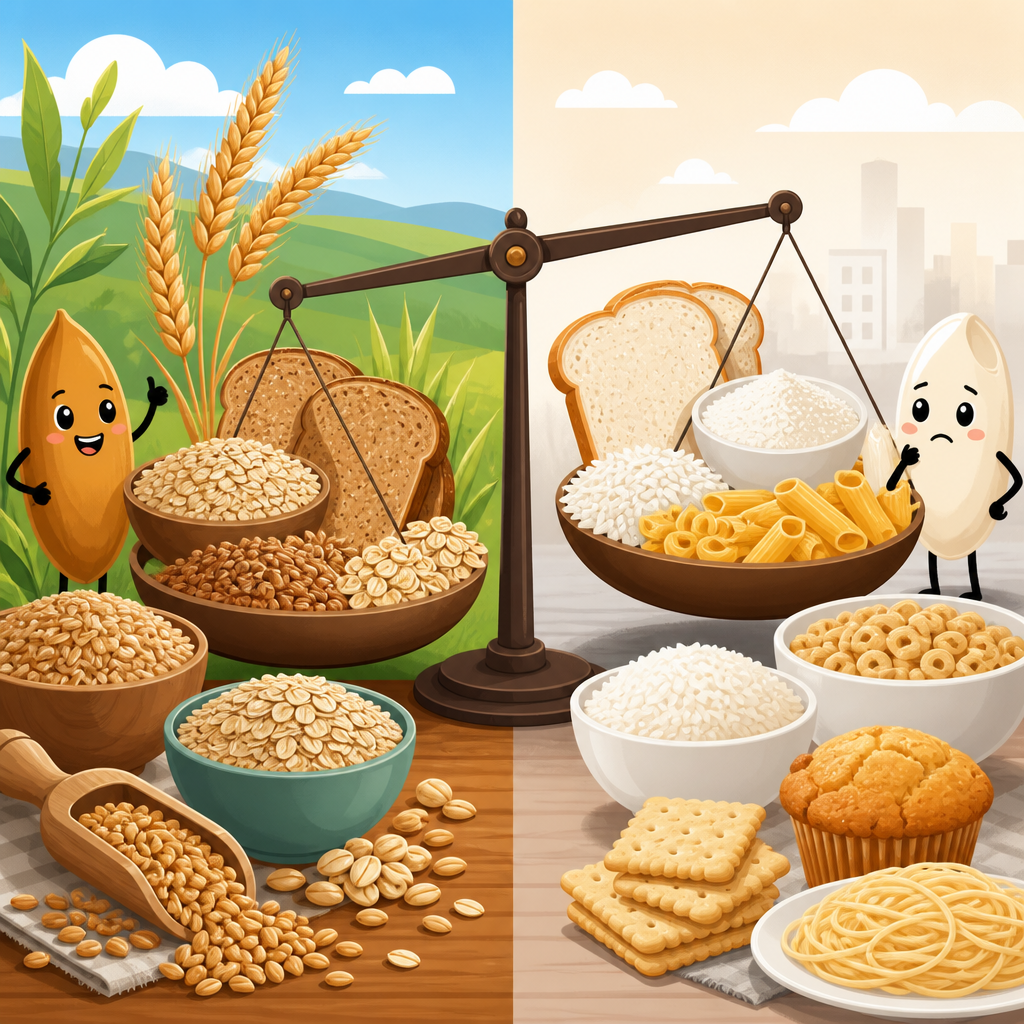
Whole grains and refined grains look similar on a plate, but they differ sharply in structure, nutrition, digestion, and long-term health effects. Understanding whole grains vs. refined grains starts with the anatomy of a grain kernel: the bran, the germ, and the endosperm. Whole grains contain all three parts in their original proportions, while refined grains are milled to remove the bran and germ, leaving mostly the starchy endosperm. That processing changes fiber content, vitamin levels, mineral density, texture, shelf life, and how the body handles blood sugar after a meal. For anyone building a healthier diet, this distinction matters because grains are staple foods worldwide, appearing in bread, pasta, cereal, tortillas, rice dishes, snack foods, and baked goods.
In practical nutrition work, I have found that people often assume brown bread, multigrain crackers, or light brown cereal must be whole grain. That is not always true. Color can come from molasses or caramel coloring, and the word multigrain only means more than one grain is present, not that the grains are intact or minimally processed. The reliable test is the ingredient list and the product label. Terms such as whole wheat, whole oats, whole rye, brown rice, quinoa, and whole corn signal a grain closer to its original form. Refined grains often appear as enriched wheat flour, white flour, degerminated cornmeal, or polished rice.
The reason this topic belongs at the center of a superfoods and functional foods discussion is simple: whole grains deliver more than calories. They provide dietary fiber, B vitamins, vitamin E in some cases, magnesium, iron, selenium, phytonutrients, and naturally occurring plant compounds linked with better metabolic and digestive health. Refined grains can still have a place in eating patterns, especially for texture, culinary traditions, sports fueling, or digestive tolerance during illness, but they are not nutritionally equivalent. A complete guide should answer the big questions directly: what counts as a whole grain, how refining changes nutrition, which foods to buy more often, and how to make balanced choices without turning everyday meals into a chemistry project.
Another reason this comparison matters is that public health guidance consistently favors whole grains. The Dietary Guidelines for Americans encourage making at least half of grains whole, and many cardiometabolic studies associate higher whole-grain intake with lower risk of cardiovascular disease, type 2 diabetes, and all-cause mortality. Those outcomes do not mean every refined grain is harmful or that every whole-grain product is automatically healthy. Sugar-heavy breakfast bars made with whole grains are still sugary bars. Portion size, total dietary pattern, sodium, added sugars, and food quality still matter. The useful goal is not perfection. It is learning how grains work so you can choose intentionally.
What whole grains and refined grains actually are
A grain kernel is a seed, and each part has a distinct role. The bran is the fiber-rich outer layer containing B vitamins, antioxidants, and trace minerals. The germ is the nutrient-dense core with healthy fats, vitamin E, B vitamins, and phytochemicals. The endosperm supplies carbohydrate, some protein, and smaller amounts of vitamins and minerals. When a grain remains intact with all three parts present, it is a whole grain. Examples include oats, barley, farro, brown rice, millet, sorghum, buckwheat, whole wheat, and wild rice. Even when ground into flour, a grain can still be whole if all components are included in the same natural proportions.
Refined grains undergo milling that strips away bran and germ. This creates a softer texture, lighter color, and longer shelf life, which is one reason white flour and white rice became industrial staples. The tradeoff is nutrient loss. Removing bran cuts most of the fiber, while removing germ reduces vitamin E, healthy fats, and several micronutrients. In some countries, manufacturers enrich refined flour by adding back specific nutrients such as thiamin, riboflavin, niacin, folic acid, and iron. Enrichment helps prevent deficiency but does not fully restore what was removed. Fiber, magnesium, phytonutrients, and the original grain matrix are still reduced or absent.
Many consumers get confused by related terms. Stone-ground describes milling method, not whether the grain is whole. Enriched means some nutrients were added back after refining. Fortified means extra nutrients were added beyond what was originally present. Sprouted grain refers to grains that have begun germination before processing; these can be whole grain and may have altered flavor and digestibility. Ancient grains is a marketing-friendly category rather than a strict scientific one, often covering grains like amaranth, teff, spelt, and einkorn. These grains can be nutritious, but their health value still depends on whether they remain whole and how the final food is prepared.
How refining changes nutrition, blood sugar, and fullness
The most important nutritional difference between whole grains and refined grains is fiber, but fiber is only the starting point. Whole grains typically digest more slowly because their intact structure and higher fiber content slow gastric emptying and carbohydrate absorption. In plain language, they often lead to a gentler rise in blood sugar and a longer feeling of fullness. Refined grains, especially when finely milled, are digested faster. That can be useful for quick energy before endurance exercise, yet for sedentary daily eating it often means less satiety and easier overconsumption.
Glycemic response varies by food, not just by category. Steel-cut oats behave differently from instant oats, and al dente whole-wheat pasta affects blood glucose differently than fluffy white bread. Particle size, cooking time, food processing, fat content, protein pairing, and meal composition all influence digestion. This is why nutrition professionals look beyond a simple good-versus-bad label. A bowl of intact barley with beans and vegetables will usually support steadier energy than sweetened refined cereal, but a slice of white sourdough eaten with eggs, avocado, and fruit is not metabolically identical to eating white toast with jam alone.
Whole grains also contribute resistant starch and fermentable fibers that feed beneficial gut microbes. As these fibers ferment in the colon, they produce short-chain fatty acids such as butyrate, acetate, and propionate, compounds associated with colon health, immune regulation, and better metabolic signaling. Refined grains generally offer less of this prebiotic effect. Over time, that difference can matter, particularly in diets already low in legumes, vegetables, nuts, and seeds. People often notice a very practical outcome first: meals built around oats, quinoa, brown rice, or whole-grain bread tend to keep hunger controlled longer than meals built mostly from refined crackers, pastries, or white rice alone.
| Food | Whole or Refined | Main Nutritional Difference | Typical Use |
|---|---|---|---|
| Steel-cut oats | Whole | High fiber, slower digestion | Breakfast porridge |
| White sandwich bread | Refined | Lower fiber, often enriched | Toast and sandwiches |
| Brown rice | Whole | More fiber, magnesium, and texture | Bowls, stir-fries |
| White rice | Refined | Softer texture, faster digestion | Rice dishes, side servings |
| Whole-wheat pasta | Whole | More fiber and satiety | Pasta meals |
| Regular pasta | Refined | Smoother texture, milder flavor | Pasta meals |
Health effects supported by research
Research on whole grains is broad and fairly consistent. Large prospective cohort studies have linked higher whole-grain intake with lower risk of coronary heart disease, stroke, type 2 diabetes, and colorectal cancer. Reviews published in journals such as The BMJ, Circulation, and Advances in Nutrition have repeatedly found that people who eat more whole grains tend to have better long-term health outcomes than those who eat less. The mechanism is not one single nutrient. It is the package: fiber, micronutrients, antioxidants, slower digestibility, and displacement of less nutritious foods.
That said, research requires careful interpretation. People who eat more whole grains often have other health-supporting habits, including higher fruit and vegetable intake, more physical activity, and lower smoking rates. Well-designed analyses try to adjust for those factors, but no dietary pattern exists in isolation. Controlled feeding studies strengthen the case by showing direct effects on satiety, bowel regularity, LDL cholesterol, and post-meal glucose in some settings. Oats and barley are especially notable because they contain beta-glucan, a soluble fiber recognized for helping reduce LDL cholesterol when consumed regularly as part of a diet low in saturated fat.
Refined grains are more complicated than headlines suggest. Plain white rice, enriched pasta, and unsweetened refined cereal are not nutritionally identical to donuts, cookies, and cakes, even though all contain refined grain ingredients. When research shows harm, it is often difficult to separate the grain refining itself from the added sugars, sodium, fats, and calorie density common in ultra-processed grain foods. For everyday guidance, the strongest evidence supports increasing true whole grains and reducing frequent reliance on low-fiber refined grain products, especially sugary breakfast items and snack foods that deliver fast calories without much staying power.
How to identify the best grain choices in stores and restaurants
Shopping for healthy grains becomes much easier once you know what to scan first. Start with the ingredient list. The first grain ingredient should include the word whole, as in whole wheat flour or whole rolled oats. If the label begins with wheat flour, enriched flour, or rice flour, the product is mostly refined. The Nutrition Facts panel then helps confirm the quality. Compare fiber per serving, added sugars, sodium, and serving size. A cereal with 4 to 6 grams of fiber and modest sugar is usually a stronger option than one with a whole-grain claim on the front but only 1 gram of fiber and heavy sweetening.
Restaurant choices require a different strategy because ingredient lists are not always visible. Ask simple questions: Is the rice brown or white? Is the bread made with 100 percent whole wheat? Can the sandwich come on whole-grain bread? Can the pasta be swapped for whole wheat? In many fast-casual settings, grain bowls make this easier because you can build around brown rice, quinoa, or farro and add protein, vegetables, and healthy fats. In bakeries and cafes, labels such as seven grain or made with whole grains often mean mixed flours, not fully whole-grain products.
Cost, taste, and cooking time also shape real-life choices. Brown rice takes longer to cook than white rice. Whole-wheat pasta can taste denser. Some children accept oats quickly but resist hearty seeded bread. These are normal barriers, not failures. I usually recommend a transition approach: mix brown and white rice, try sourdough rye, use whole-wheat pasta in baked dishes, or start with oatmeal, popcorn, and high-fiber wraps. Small repeatable changes work better than buying an expensive bag of farro once and letting it expire in the pantry.
Best uses, limitations, and practical meal planning
Whole grains are usually the better default, but refined grains still have legitimate uses. Athletes often choose lower-fiber grains before training or competition to avoid gastrointestinal discomfort and to access quick carbohydrate. During stomach illness, after some surgeries, or during flare-prone digestive conditions, lower-fiber refined grains may be easier to tolerate temporarily. Cultural food traditions matter too. Sushi rice, fresh pasta, naan, and many celebratory baked goods rely on refined textures that whole grains cannot fully replicate. Nutrition advice works best when it respects both physiology and food culture.
The practical target for most adults is to make whole grains the foundation of routine meals while using refined grains selectively. Breakfast can feature oatmeal, unsweetened whole-grain cereal, or whole-grain toast with eggs. Lunch can include quinoa salad, barley soup, or a turkey sandwich on whole-wheat bread. Dinner can rotate brown rice, farro, bulgur, or corn tortillas made from whole corn. Snacks can include air-popped popcorn, oatcakes, or whole-grain crackers paired with hummus. If you need gluten-free options, naturally gluten-free whole grains include brown rice, certified gluten-free oats, quinoa, buckwheat, millet, sorghum, teff, and amaranth.
One final point is worth emphasizing: whole-grain labels do not cancel out poor overall formulation. A muffin made with whole wheat but loaded with sugar and saturated fat is still dessert. A whole-grain chip is still a chip. The most beneficial choices are minimally processed grain foods or balanced products that combine whole grains with reasonable sodium, limited added sugars, and useful amounts of fiber. If you want better energy, improved fullness, and a stronger nutritional base, begin by upgrading the grains you eat most often. Read labels, choose intact or truly whole options, and build meals around them consistently.
Understanding whole grains vs. refined grains gives you a practical tool for everyday food decisions. Whole grains retain the bran, germ, and endosperm, which means more fiber, more naturally occurring nutrients, and a structure that usually supports steadier digestion and better fullness. Refined grains remove key parts of the kernel, improving softness and shelf life but lowering nutritional value unless some nutrients are added back through enrichment. The biggest takeaway is not that one category must disappear forever. It is that the type of grain you choose repeatedly shapes the quality of your overall diet.
If you remember only a few rules, make them these: look for the word whole in the first ingredient, compare fiber on the label, and favor minimally processed grain foods most of the time. Use refined grains intentionally when they fit a recipe, a performance need, or a short-term digestive issue. In a broader superfoods and functional foods pattern, whole grains earn their place because they do real work: supporting heart health, gut health, metabolic balance, and meal satisfaction. Start with one staple you already eat every week, swap it for a true whole-grain version, and build from there.
Frequently Asked Questions
What is the difference between whole grains and refined grains?
The main difference comes down to what parts of the grain kernel remain after processing. A whole grain contains all three original parts of the kernel: the bran, the germ, and the endosperm. The bran is the fiber-rich outer layer that also contains antioxidants, B vitamins, and minerals. The germ is the nutrient-dense core, providing healthy fats, vitamin E, B vitamins, and plant compounds. The endosperm is the starchy middle layer that mainly supplies carbohydrates and some protein.
Refined grains, by contrast, have been milled to remove the bran and germ. This leaves mostly the endosperm, which gives refined grains a softer texture and longer shelf life but also strips away much of the natural fiber and many important nutrients. While some refined grains are enriched with certain vitamins and minerals after processing, enrichment does not fully restore everything that was lost, especially fiber and many beneficial phytochemicals. In practical terms, foods made with whole grains tend to be more nutrient-dense, while refined grain products are often less filling and less supportive of steady digestion and blood sugar control.
Why are whole grains generally considered healthier than refined grains?
Whole grains are generally considered healthier because they deliver a broader nutritional package in a less altered form. Since they retain the bran and germ, they naturally provide more fiber, vitamins, minerals, and plant compounds than refined grains. That fiber is especially important because it supports digestive health, helps promote fullness after meals, and can slow the absorption of carbohydrates, which may help reduce sharp spikes in blood sugar.
Over time, diets that regularly include whole grains have been associated with better heart health, improved cholesterol levels, more stable energy, and a lower risk of certain chronic conditions. Part of this benefit comes from the synergy of nutrients working together rather than from one single ingredient. Magnesium, B vitamins, antioxidants, and naturally occurring compounds in the bran and germ all contribute to these effects. Refined grains can still have a place in the diet, but when they replace whole grains too often, the overall nutritional quality of meals usually declines. In short, whole grains offer more lasting value because they keep the grain closer to its original structure and preserve the components that support long-term health.
How do whole grains and refined grains affect digestion and blood sugar differently?
Whole grains and refined grains can affect the body quite differently once eaten, largely because of their fiber content and structure. Whole grains digest more slowly because the bran and germ remain intact, creating a more complex food matrix for the digestive system to break down. This slower digestion often leads to a steadier release of glucose into the bloodstream, which can help support more stable energy levels and better appetite control.
Refined grains, on the other hand, are usually lower in fiber and easier to digest quickly because most of the outer and nutrient-rich portions have been removed. As a result, the carbohydrates in refined grains may be absorbed faster, sometimes contributing to quicker rises and drops in blood sugar. This can leave some people feeling hungry again sooner after eating. The impact varies depending on the specific food, portion size, and what it is eaten with, but in general, whole grains are more helpful for promoting regular digestion and slowing carbohydrate absorption. Pairing grains with protein, healthy fats, and vegetables can further improve how any grain-based meal affects fullness and blood sugar.
How can you tell if a food is truly made with whole grains?
The most reliable way is to read the ingredient list carefully rather than relying only on front-of-package marketing terms. Words like “multigrain,” “wheat,” “stone-ground,” or “made with grains” do not automatically mean the product is whole grain. A food is more likely to be a true whole-grain product if the first ingredient says something specific like “whole wheat,” “whole oats,” “brown rice,” “whole grain corn,” or another grain identified with the word “whole.”
It also helps to look at the fiber content on the nutrition label, since whole-grain products often contain more fiber than refined versions, though the exact amount varies by product. Keep in mind that color can be misleading. For example, darker bread is not always whole grain; it may simply contain molasses or coloring. Labels that mention “100% whole grain” or “100% whole wheat” are generally stronger indicators than vague claims. If a product lists enriched flour or wheat flour first without the word “whole,” it is usually primarily refined. Learning to spot these label details makes it much easier to choose foods that actually deliver the benefits associated with whole grains.
Do you need to avoid refined grains completely, or is balance possible?
Most people do not need to avoid refined grains completely. The bigger goal is usually to make whole grains the more consistent choice while keeping refined grains in perspective. Refined grains are common in many staple foods such as white bread, white rice, pasta, crackers, and baked goods. They can be convenient, familiar, and enjoyable, and in some situations they may even be useful, such as when a lower-fiber food is easier to tolerate during digestive upset. The issue is not that refined grains are automatically harmful in every amount, but that diets built too heavily around them often crowd out more nutritious options.
A balanced approach works well for many people. This might mean choosing oatmeal instead of sugary refined cereal at breakfast, brown rice or quinoa more often than white rice, or whole grain bread for sandwiches while still enjoying refined grain foods occasionally. The overall pattern matters most. If most grain choices come from whole grain sources, your diet is more likely to provide adequate fiber and a stronger mix of nutrients. Instead of thinking in all-or-nothing terms, it is more useful to focus on proportion, frequency, and the quality of the rest of the meal. That approach is realistic, sustainable, and much easier to maintain long term.