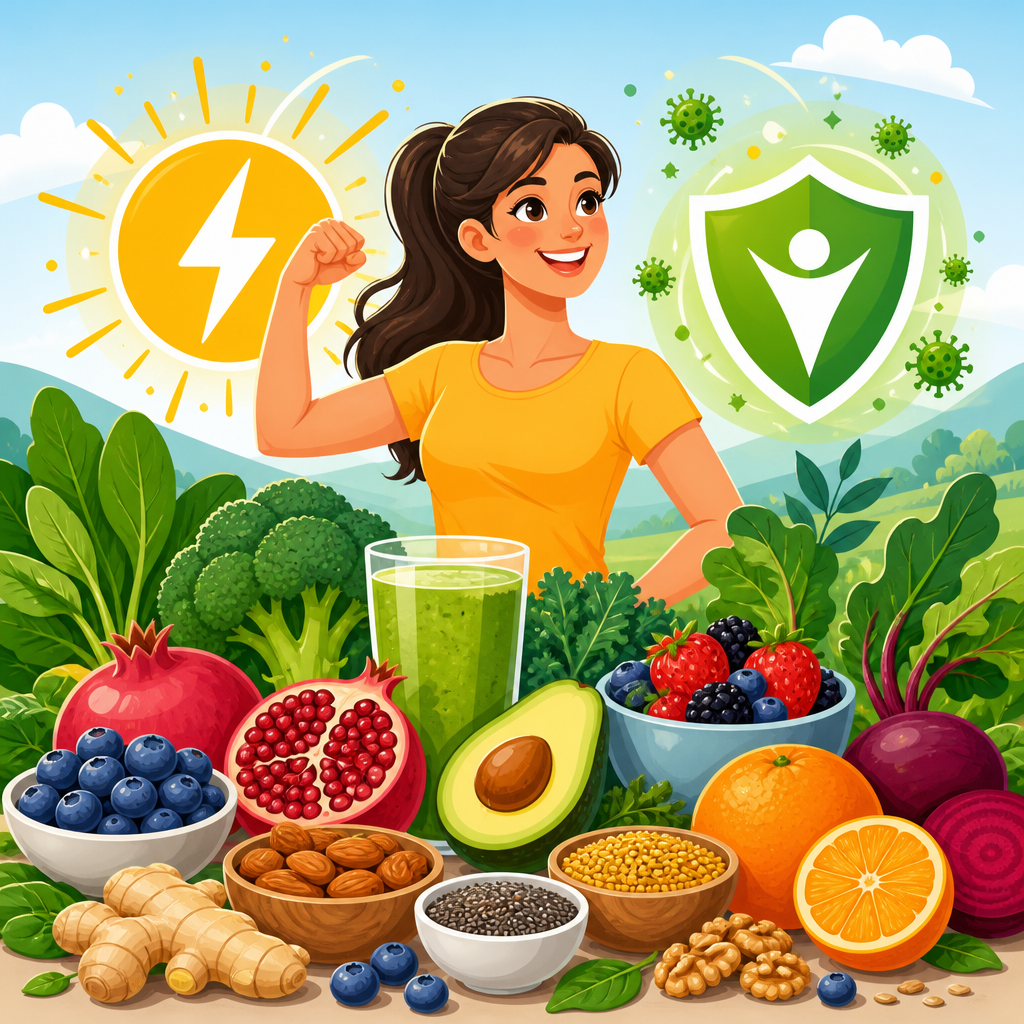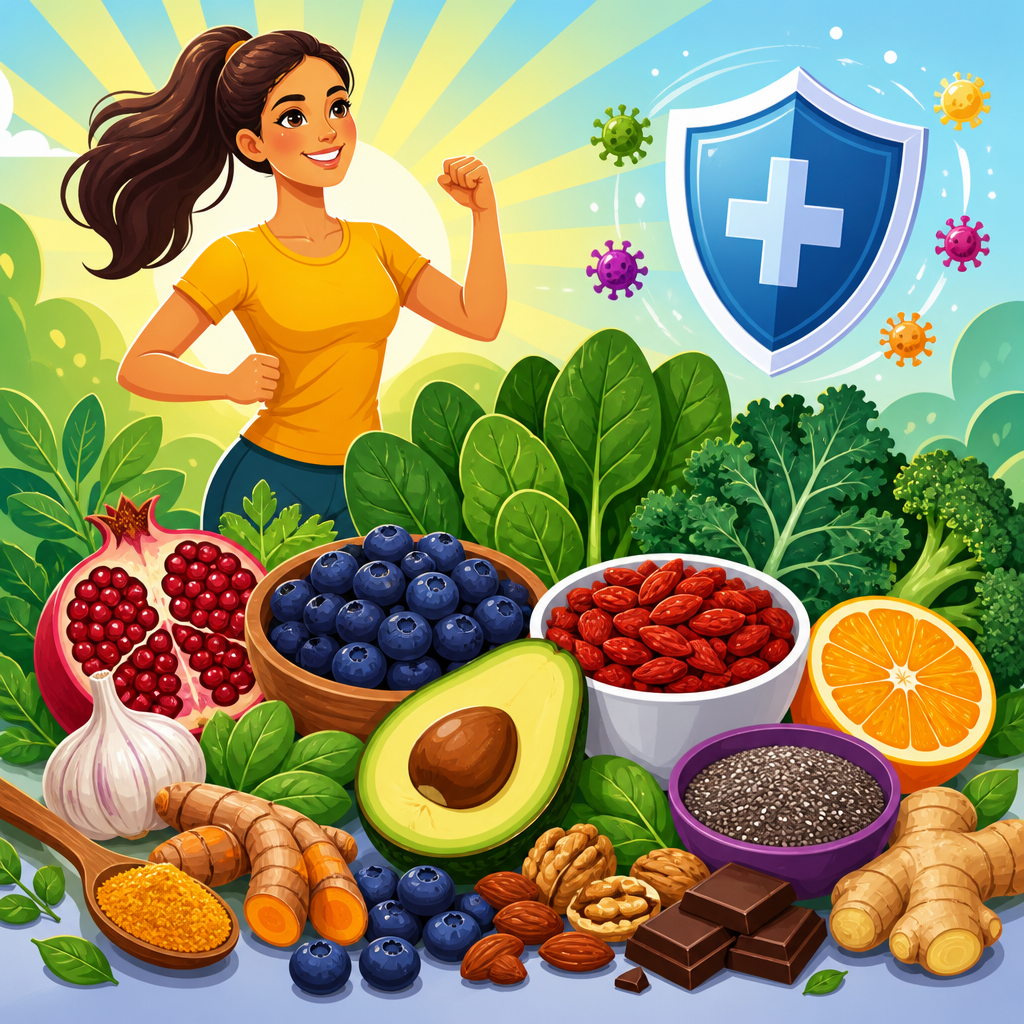
Superfoods for energy and immunity can improve daily nutrition when they are understood as nutrient-dense foods that support metabolism, help maintain normal immune function, and fit into sustainable eating habits rather than serving as miracle cures. In practice, the term superfood is not a scientific classification, yet it is useful shorthand for foods rich in vitamins, minerals, fiber, protein, healthy fats, polyphenols, or other bioactive compounds linked with measurable health benefits. Energy, in nutrition, refers less to a caffeine-like burst and more to how efficiently the body converts carbohydrates, fats, and protein into usable fuel through cellular processes such as glycolysis and mitochondrial ATP production. Immunity refers to the coordinated work of barriers, white blood cells, antibodies, inflammatory signaling, and the gut microbiome, all of which depend on adequate nourishment.
This matters because the most common causes of low energy and frequent illness are often basic: inconsistent meals, low protein intake, iron deficiency, poor sleep, dehydration, excessive ultra-processed food consumption, and inadequate intake of micronutrients such as vitamin C, vitamin D, zinc, selenium, folate, and vitamin B12. I have seen clients focus on exotic powders while skipping breakfast, under-eating protein, and ignoring vegetables, and the result is predictable: unstable energy, cravings, and little improvement in resilience during cold and flu season. The real value of superfoods for energy and immunity is that they can concentrate beneficial nutrients into everyday meals. Used correctly, they strengthen a diet built on whole foods, enough calories, and consistent meal timing.
As a hub for the broader superfoods and functional foods topic, this guide explains which foods deserve attention, how they work, who benefits most, and how to use them realistically. It also clarifies limitations: no single food prevents infection, replaces vaccines, corrects chronic fatigue on its own, or offsets severe sleep debt. Better nutrition works through repetition, adequacy, and combinations of foods that cover nutrient gaps over time.
What makes a food support energy and immunity
A food supports energy when it helps the body maintain stable blood glucose, provides sufficient calories, and delivers nutrients required for oxygen transport, thyroid function, nerve signaling, and mitochondrial metabolism. The most important energy-related nutrients include iron for hemoglobin formation, B vitamins for energy metabolism, magnesium for hundreds of enzyme reactions, and protein for muscle maintenance and satiety. Complex carbohydrates and fiber slow digestion and create steadier energy than sugary foods that trigger rapid spikes and crashes.
A food supports immunity when it contributes nutrients and compounds involved in immune cell production, antioxidant defense, epithelial barrier integrity, and microbiome health. Vitamin C supports leukocyte function and collagen synthesis. Vitamin A helps maintain skin and mucosal barriers. Zinc is required for immune cell signaling and wound healing. Selenium contributes to antioxidant enzymes such as glutathione peroxidase. Fermented foods can influence gut microbial diversity, and since a large share of immune activity is associated with the gut, this relationship matters. Polyphenols from berries, cocoa, tea, and colorful plants may also modulate inflammation and oxidative stress.
The strongest choices typically do both jobs at once: they offer macronutrients that fuel the body and micronutrients that support defense and recovery. That is why eggs, yogurt, legumes, fatty fish, leafy greens, nuts, seeds, berries, citrus, and mushrooms consistently appear in evidence-based nutrition patterns such as the Mediterranean diet and many sports nutrition plans. These foods are accessible, versatile, and supported by substantial observational and clinical research, unlike many trend-driven products.
Core superfoods worth building meals around
For practical planning, prioritize foods with a high return on nutrition per serving. Fatty fish such as salmon, sardines, and trout provide protein, vitamin D, selenium, iodine, and omega-3 fats EPA and DHA, which are linked with lower inflammation and support for cell membrane function. Eggs offer complete protein, choline, selenium, vitamin B12, and often vitamin D. Greek yogurt and kefir combine protein with calcium, and fermented versions may help gut health. Lentils, beans, and chickpeas deliver fiber, folate, iron, potassium, and plant protein, making them especially valuable for people eating less meat.
Dark leafy greens like spinach, kale, and Swiss chard supply folate, vitamin K, carotenoids, vitamin C, and magnesium. Berries stand out for vitamin C, fiber, and anthocyanins, while citrus fruits add vitamin C and hydration. Nuts and seeds, especially almonds, walnuts, pumpkin seeds, chia, and flax, provide healthy fats, magnesium, zinc, fiber, and in some cases omega-3 ALA. Oats are often overlooked, yet they are one of the best staples for steady energy because they offer soluble fiber, B vitamins, and beta-glucans that can support cholesterol management and satiety.
Mushrooms deserve mention because varieties exposed to ultraviolet light can provide vitamin D, and many types contain beta-glucans and antioxidants such as ergothioneine. Garlic and ginger are useful culinary functional foods with long histories of use and moderate evidence for anti-inflammatory or antimicrobial effects, though they should be viewed as supportive rather than primary treatment tools. Sweet potatoes, quinoa, avocado, green tea, and cocoa also fit well into an energy-and-immunity pattern because they add potassium, fiber, polyphenols, and slow-digesting carbohydrates.
| Food | Key nutrients or compounds | Main energy benefit | Main immunity benefit |
|---|---|---|---|
| Salmon | Protein, omega-3s, vitamin D, selenium | Supports recovery and satiety | Helps regulate inflammation and immune signaling |
| Greek yogurt | Protein, calcium, probiotics in some products | Steady fuel and muscle support | Supports gut health linked to immune function |
| Lentils | Iron, folate, fiber, plant protein | Supports oxygen transport and stable energy | Feeds beneficial gut microbes |
| Berries | Vitamin C, fiber, anthocyanins | Low-glycemic carbohydrate source | Antioxidant support for immune cells |
| Pumpkin seeds | Magnesium, zinc, protein, healthy fats | Supports enzyme function and satiety | Zinc supports immune cell activity |
How specific nutrients drive better results
People searching for the best superfoods for energy often need an answer that is more precise than “eat clean.” If fatigue is related to low iron intake, foods such as lentils, lean red meat, shellfish, spinach, tofu, and fortified cereals matter because iron is essential for carrying oxygen in hemoglobin. If tiredness comes from erratic eating, then oats, beans, fruit, yogurt, eggs, and nuts help because they provide balanced macronutrients that smooth blood sugar variation. If recovery from exercise is poor, then protein-rich foods plus carbohydrates are the answer, not another stimulant.
For immunity, nutrient density matters more than novelty. Vitamin C-rich foods include kiwi, citrus, strawberries, bell peppers, and broccoli. Zinc is found in oysters, beef, pumpkin seeds, chickpeas, and dairy. Selenium is especially high in Brazil nuts, though portion size matters because excess selenium can be harmful. Vitamin D is harder to obtain from food alone, which is why fatty fish, fortified dairy, fortified plant milks, and UV-exposed mushrooms are notable. Probiotic foods like kefir, yogurt with live cultures, kimchi, and sauerkraut can complement prebiotic fibers from onions, garlic, oats, bananas, legumes, and asparagus.
In my experience, outcomes improve most when meals are assembled around nutrient interactions rather than isolated ingredients. A lentil bowl with spinach, roasted peppers, olive oil, and lemon improves iron absorption because vitamin C enhances non-heme iron uptake. Yogurt with berries, chia, and oats creates a combination of protein, fiber, and antioxidants that works well for breakfast or recovery. Salmon with sweet potato and broccoli covers protein, complex carbohydrates, potassium, vitamin C, and omega-3 fats in one plate.
How to choose superfoods without wasting money
The biggest mistake shoppers make is assuming the most expensive product is the most effective. Fresh blueberries are excellent, but frozen berries often have comparable nutrient value, lower cost, and less waste. Canned sardines are one of the most economical nutrient-dense foods available, providing protein, omega-3 fats, calcium when bones are included, and vitamin D. Dry lentils and canned beans consistently outperform many packaged “wellness” snacks in both nutrition and price. Plain kefir, plain yogurt, eggs, oats, peanut butter, and seasonal produce are similarly high-value choices.
Label reading is essential. Many products marketed for immunity contain added sugars, proprietary blends, or token amounts of functional ingredients. A yogurt drink with 20 grams of sugar is not equivalent to plain Greek yogurt with live cultures. A juice shot may sound impressive, but it often lacks fiber and supplies fewer nutrients than a whole orange plus a balanced meal. Powders can be useful in narrow cases, such as whey protein for someone struggling to meet protein needs, but most people benefit more from investing in staple foods.
Storage and preparation also affect real-world value. Frozen spinach can be easier to use consistently than fresh. Roasting a tray of sweet potatoes, cooking a batch of quinoa, and keeping washed fruit visible in the refrigerator makes follow-through more likely. The best superfoods for energy and immunity are the ones eaten regularly in adequate amounts, not the ones admired in a pantry.
Meal patterns that make superfoods actually work
Superfoods deliver more when they are built into a reliable eating pattern. For steady energy, most adults do well with meals that combine protein, fiber-rich carbohydrates, and healthy fats every three to five hours, adjusted for appetite, activity, and medical needs. Breakfast is especially important for people who experience midmorning fatigue or rely on caffeine to function. A practical example is oatmeal cooked with milk, topped with walnuts and berries, with eggs on the side. That meal covers protein, slow carbohydrates, fiber, omega-3 precursors, vitamin C, and several B vitamins.
Lunch can be as simple as a grain bowl with quinoa or brown rice, chicken or tofu, chickpeas, leafy greens, peppers, olive oil, and citrus dressing. Dinner might center on salmon, lentils, roasted vegetables, and yogurt sauce. Snacks should be strategic rather than random: apple with nut butter, kefir with chia, or hummus with carrots are better than relying on refined snack foods that provide quick calories but poor staying power. Hydration matters too, because even mild dehydration can worsen perceived fatigue and concentration.
Sleep, stress management, and physical activity amplify the benefits of nutrition. During high-stress weeks, immune-supportive eating helps, but chronic stress and short sleep still raise susceptibility to illness. Likewise, athletes need more total energy, protein, sodium, and carbohydrates than sedentary adults, so a generic superfood list is not enough. Context determines dose, timing, and food choice.
Common myths, limits, and who needs extra attention
One common myth is that superfoods can “boost” immunity indefinitely. A healthier framing is that nutrition helps maintain normal immune function and reduce deficiencies that weaken it. Another myth is that fatigue is solved by stimulant-like foods. If someone has persistent exhaustion, heavy menstrual bleeding, unexplained weight change, digestive symptoms, or recurrent infections, they should consider medical evaluation for anemia, thyroid disease, sleep disorders, nutrient deficiencies, or other underlying issues.
There are also population-specific considerations. Vegetarians and vegans may need to pay closer attention to vitamin B12, iron, zinc, omega-3 fats, and protein distribution. Older adults often benefit from higher protein quality, vitamin D attention, and easy-to-chew nutrient-dense foods. People with autoimmune conditions, kidney disease, diabetes, food allergies, or gastrointestinal disorders may need personalized guidance. Brazil nuts, liver, and fortified products can be helpful, but excessive intake of certain nutrients is possible, so more is not always better.
The lasting advantage of superfoods for energy and immunity is not magic but leverage. They help people concentrate nutritional value into ordinary meals, correct common shortfalls, and build a diet that supports work, exercise, recovery, and resilience over time. Start with three upgrades this week: add a protein-rich breakfast, include one vitamin C-rich fruit or vegetable at two meals per day, and swap one processed snack for nuts, yogurt, fruit, or hummus. Those simple changes create the foundation that specialized products rarely provide.
Frequently Asked Questions
What does the term “superfood” really mean for energy and immunity?
The term “superfood” is not a formal scientific category, so it should be understood as a practical shorthand rather than a medical label. In nutrition writing, it usually refers to foods that provide a high concentration of beneficial nutrients or bioactive compounds relative to their calories. For energy and immunity, that matters because the body relies on a steady supply of vitamins, minerals, protein, healthy fats, fiber, and plant compounds to support normal metabolism, red blood cell production, hormone signaling, antioxidant defenses, and immune cell function. Foods often called superfoods may include berries, leafy greens, legumes, nuts, seeds, yogurt, eggs, fatty fish, and whole grains because they can help fill common nutrient gaps in a balanced diet.
It is also important to keep expectations realistic. No single food can “boost” immunity overnight or replace core health habits such as adequate sleep, physical activity, stress management, hydration, and regular meals. A better way to think about superfoods is that they can strengthen the overall quality of your diet when used consistently. For example, iron-rich foods can help support oxygen transport and reduce diet-related fatigue, protein helps maintain muscle and energy balance, and foods rich in vitamins C, D, A, zinc, and selenium help maintain normal immune function. In that sense, superfoods are best viewed as useful building blocks within sustainable eating patterns, not miracle cures.
Which superfoods are most helpful for supporting steady energy levels throughout the day?
The most helpful foods for steady energy are usually those that support stable blood sugar, provide enough protein, and supply nutrients involved in energy metabolism. Oats, beans, lentils, quinoa, brown rice, and other high-fiber carbohydrates release energy more gradually than highly refined foods, which can help reduce the spike-and-crash pattern that leaves people feeling sluggish. Eggs, Greek yogurt, cottage cheese, tofu, fish, and legumes contribute protein, which slows digestion and supports satiety. Nuts and seeds add healthy fats, magnesium, and additional protein, making them useful for sustained energy when included in meals or snacks.
Micronutrients also play a key role. Iron supports the transport of oxygen in the blood, and low intake can contribute to tiredness, especially in menstruating women, endurance athletes, and people with restrictive diets. B vitamins help the body convert food into usable energy, while magnesium is involved in many reactions related to muscle and nerve function. Dark leafy greens, pumpkin seeds, legumes, lean meats, fortified grains, and dairy or fortified alternatives can all contribute. A practical example of an energy-supporting meal would be oatmeal topped with chia seeds, berries, and yogurt, or a grain bowl with salmon, spinach, beans, and olive oil. These combinations work not because they are trendy, but because they deliver balanced nutrition that the body can actually use over time.
How do superfoods support normal immune function without acting like a cure-all?
Foods support the immune system by helping the body maintain the normal processes that protect against illness and recover from everyday stress. Vitamin C helps support immune cell activity and collagen formation, vitamin A is important for barrier tissues such as the skin and the lining of the respiratory tract, vitamin D helps regulate immune responses, and zinc and selenium are involved in immune signaling and antioxidant protection. Foods often called superfoods can contribute these nutrients in meaningful amounts. Citrus fruits, kiwi, berries, bell peppers, sweet potatoes, carrots, spinach, eggs, yogurt, nuts, seeds, seafood, and legumes are all examples of foods that can help maintain immune health when eaten regularly as part of a varied diet.
Many superfoods also contain polyphenols and other plant compounds that may help reduce oxidative stress and support overall health. Berries, green tea, cocoa, turmeric, garlic, and cruciferous vegetables are commonly discussed for this reason. In addition, fiber-rich foods help nourish beneficial gut bacteria, and gut health is closely connected to immune function. Beans, oats, vegetables, fruits, flaxseeds, and fermented foods such as yogurt or kefir can contribute to that relationship. However, it is essential to avoid exaggerated claims. These foods help support normal immunity, but they do not prevent all infections, replace medical care, or compensate for chronic sleep deprivation, smoking, excessive alcohol use, or a consistently poor diet. The benefit comes from regular intake and dietary patterns, not from one isolated ingredient.
Can superfoods replace supplements or make up for a poor overall diet?
In most cases, superfoods should complement a healthy eating pattern rather than replace supplements prescribed for a deficiency or offset a poor diet. Whole foods offer advantages that supplements often cannot fully replicate, including fiber, water content, natural food structure, and the interaction of multiple nutrients and phytochemicals in one package. For example, eating berries, nuts, leafy greens, and legumes provides not only vitamins and minerals but also fiber and plant compounds that support fullness, digestion, and long-term cardiometabolic health. That is one reason nutrition professionals generally encourage people to get most nutrients from food first whenever possible.
That said, there are situations where supplements are still appropriate or necessary. Vitamin D may be needed in people with low sun exposure, vitamin B12 may be important for vegans, iron may be prescribed after confirmed deficiency, and folic acid is recommended in pregnancy planning. Superfoods alone may not reliably correct these issues. Likewise, adding chia seeds to a diet high in ultra-processed foods, low in protein, and inconsistent in total calorie intake will not fully solve energy problems. The strongest approach is to improve the dietary foundation first: eat regular meals, include protein at each meal, choose more whole grains and produce, add healthy fats, and then use nutrient-dense foods strategically. Superfoods work best as part of that larger framework.
What is the best way to include superfoods in a realistic, sustainable nutrition routine?
The best strategy is to focus on consistency, variety, and meal balance rather than chasing novelty. Start by identifying a few nutrient-dense foods you already enjoy and use them repeatedly in simple combinations. Breakfast might include oats with fruit and seeds, lunch could be a salad or grain bowl with beans or chicken, and dinner might pair fish or tofu with vegetables and whole grains. Snacks such as yogurt with berries, an apple with peanut butter, or hummus with carrots can also contribute. This approach helps you build a pattern that supports energy and immunity every day without requiring expensive powders, complicated recipes, or hard-to-find ingredients.
Variety matters because no single food supplies everything. Rotating berries, citrus, leafy greens, legumes, nuts, seeds, fermented dairy, eggs, and fatty fish helps broaden your intake of fiber, antioxidants, minerals, and essential fats. Budget-friendly choices can work just as well as premium products: frozen berries are nutritionally strong, canned beans are convenient, cabbage and carrots are affordable, and plain yogurt is often more practical than specialized wellness products. It also helps to think in terms of pairing. Combine iron sources with vitamin C-rich foods for better absorption, pair carbohydrates with protein and fat for steadier energy, and include colorful produce across the week for a broader range of plant compounds. Sustainable nutrition is usually less about finding one “best” superfood and more about creating repeatable habits built around many nourishing foods.