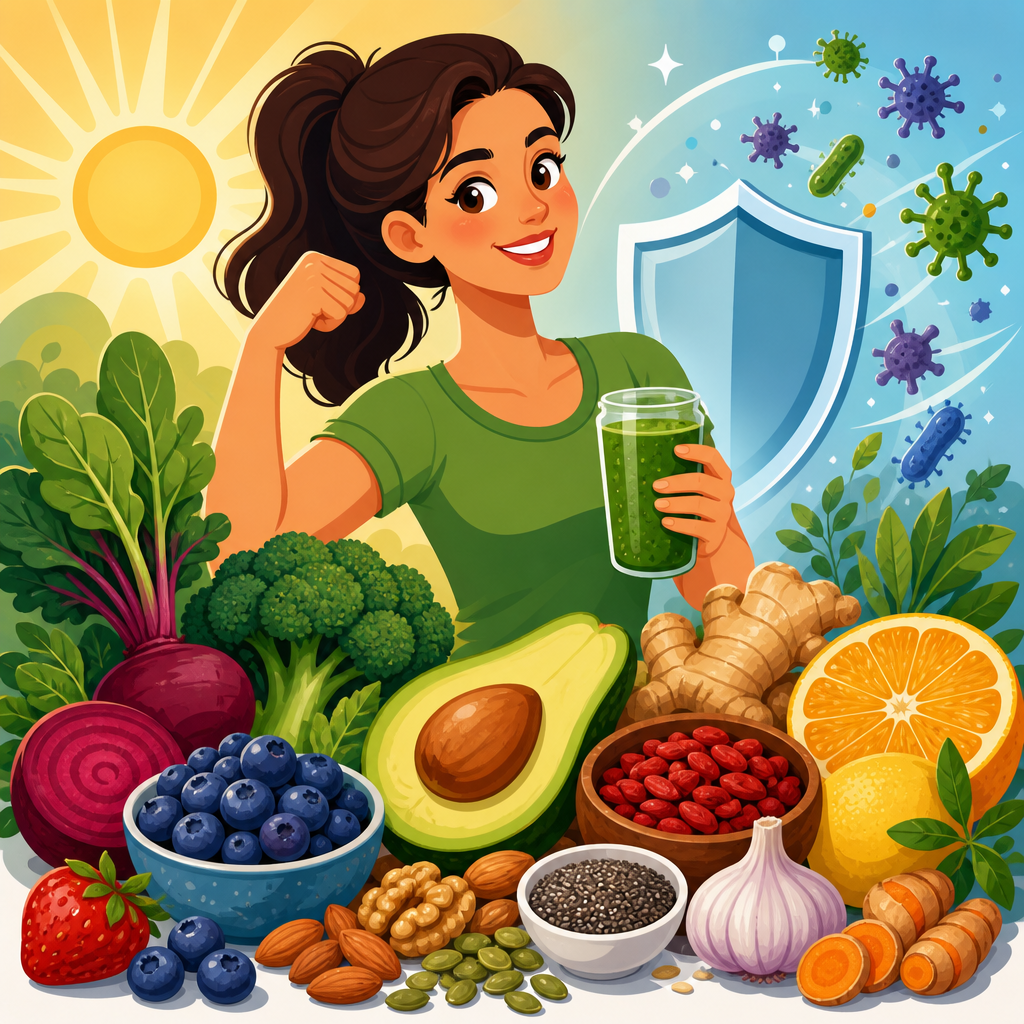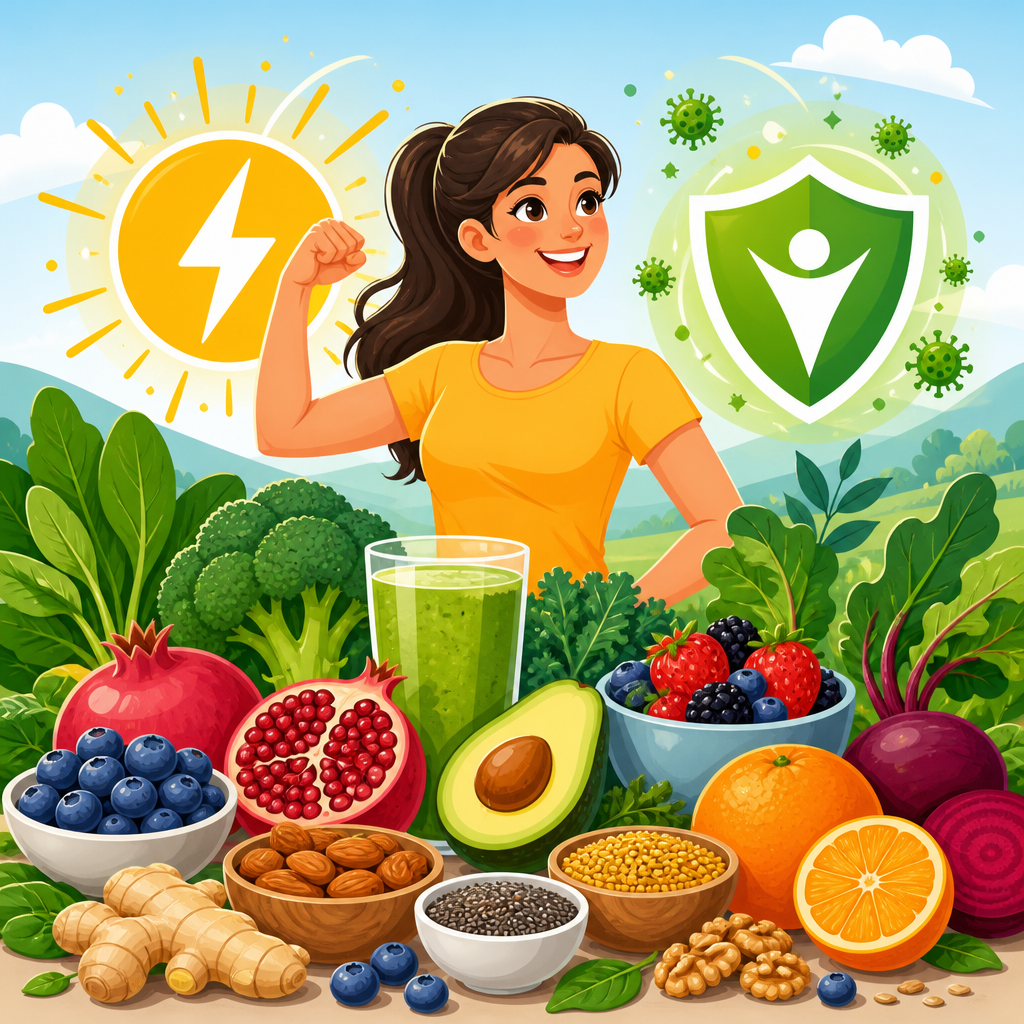
Superfoods for energy and immunity are foods with unusually high concentrations of nutrients, bioactive compounds, or functional properties that support steady physical vitality and a resilient immune response. In practical nutrition work, I use the term carefully because it is not a formal scientific category, yet it remains useful shorthand for ingredients such as berries, leafy greens, fatty fish, fermented foods, legumes, nuts, seeds, mushrooms, and spices that deliver more than basic calories. A balanced diet depends on that distinction. People do not simply need enough food; they need food that helps regulate blood sugar, repair tissues, manage inflammation, support gut integrity, and supply vitamins and minerals involved in cellular energy production and immune defense.
Energy and immunity are tightly connected. When clients complain of afternoon crashes, frequent colds, slow workout recovery, brain fog, or poor stress tolerance, the issue is often not one isolated deficiency but an overall dietary pattern that underdelivers protein, fiber, iron, B vitamins, magnesium, zinc, vitamin C, vitamin D, omega-3 fats, and polyphenols. Mitochondria need cofactors to convert carbohydrates, fats, and protein into usable energy. Immune cells need amino acids, antioxidants, and trace minerals to identify threats and coordinate responses without excessive inflammation. If those inputs are inconsistent, both systems suffer. That is why superfoods for energy and immunity matter: they help concentrate essential nutrition into everyday meals without requiring extreme diets, expensive supplements, or complicated rules.
This topic also matters because modern eating patterns work against nutritional density. Ultra-processed foods are often engineered for convenience and palatability but can be low in fiber and micronutrients relative to calories. Skipped breakfasts, low-protein lunches, heavy reliance on caffeine, and minimal fruit and vegetable intake create a cycle of temporary stimulation followed by fatigue. At the same time, immune support is frequently misunderstood. Many people look for a single “immune-boosting” ingredient, but the immune system does not work like an on switch. It performs best when the body receives adequate sleep, movement, hydration, and a broad spectrum of nutrients from whole foods. Superfoods fit this larger picture by providing dependable nutritional leverage inside a balanced diet.
As a hub topic, superfoods for energy and immunity covers three core questions: which foods help most, how do they work, and how can people use them consistently. The most effective answer is not a trend list but a framework. Prioritize foods that stabilize energy, support the gut-immune axis, reduce oxidative stress, and contribute meaningful amounts of key micronutrients. Then build meals around them in realistic combinations. That approach supports everyday health, athletic performance, productivity, and long-term disease prevention more reliably than any single ingredient or marketing claim.
What makes a food effective for energy and immune support
A food supports energy when it contributes to steady blood glucose control, efficient metabolism, and adequate calorie intake without promoting dramatic peaks and crashes. That usually means a combination of complex carbohydrates, protein, healthy fats, and fiber, plus vitamins and minerals involved in metabolic pathways. Oats, lentils, quinoa, eggs, Greek yogurt, pumpkin seeds, and bananas are strong examples because they provide sustained fuel along with nutrients such as magnesium, iron, potassium, riboflavin, folate, and vitamin B6. In clinic-style meal reviews, I repeatedly see that replacing refined snacks with these foods improves satiety and cuts dependence on late-day caffeine.
A food supports immunity when it helps maintain barrier defenses, regulate inflammation, nourish beneficial gut microbes, and supply nutrients that immune cells require. Citrus, kiwi, red bell peppers, broccoli, garlic, yogurt with live cultures, kefir, salmon, sardines, almonds, and mushrooms all fit for different reasons. Vitamin C supports collagen formation and antioxidant protection. Zinc contributes to normal immune cell function. Vitamin D helps regulate innate and adaptive immunity. Fermented foods can benefit the microbiome, which in turn influences immune signaling. Beta-glucans found in oats and certain mushrooms have also been studied for their effects on immune activity, although outcomes depend on dose, form, and overall diet.
The best superfoods serve both goals at once. Spinach offers folate, iron, magnesium, carotenoids, and vitamin C. Blueberries provide carbohydrates for quick fuel and anthocyanins that help counter oxidative stress from exercise and daily metabolic demands. Chia seeds deliver fiber, plant omega-3 fats, and minerals that support satiety and recovery. Sweet potatoes supply complex carbohydrates, potassium, and beta-carotene. Instead of asking whether one food is the best, a more accurate question is how several foods can work together to cover nutritional bases across the day.
Core superfoods for energy and immunity
The most reliable superfoods are not obscure. They are widely available, evidence aligned, and easy to combine into meals. Berries rank highly because they are rich in vitamin C, fiber, and polyphenols, especially anthocyanins linked with antioxidant and vascular benefits. Dark leafy greens such as spinach, kale, and Swiss chard provide folate, vitamin K, magnesium, carotenoids, and varying amounts of iron and calcium. Fatty fish including salmon, trout, sardines, and mackerel contribute protein, vitamin D, selenium, and omega-3 fatty acids EPA and DHA, nutrients repeatedly associated with inflammation regulation and immune health.
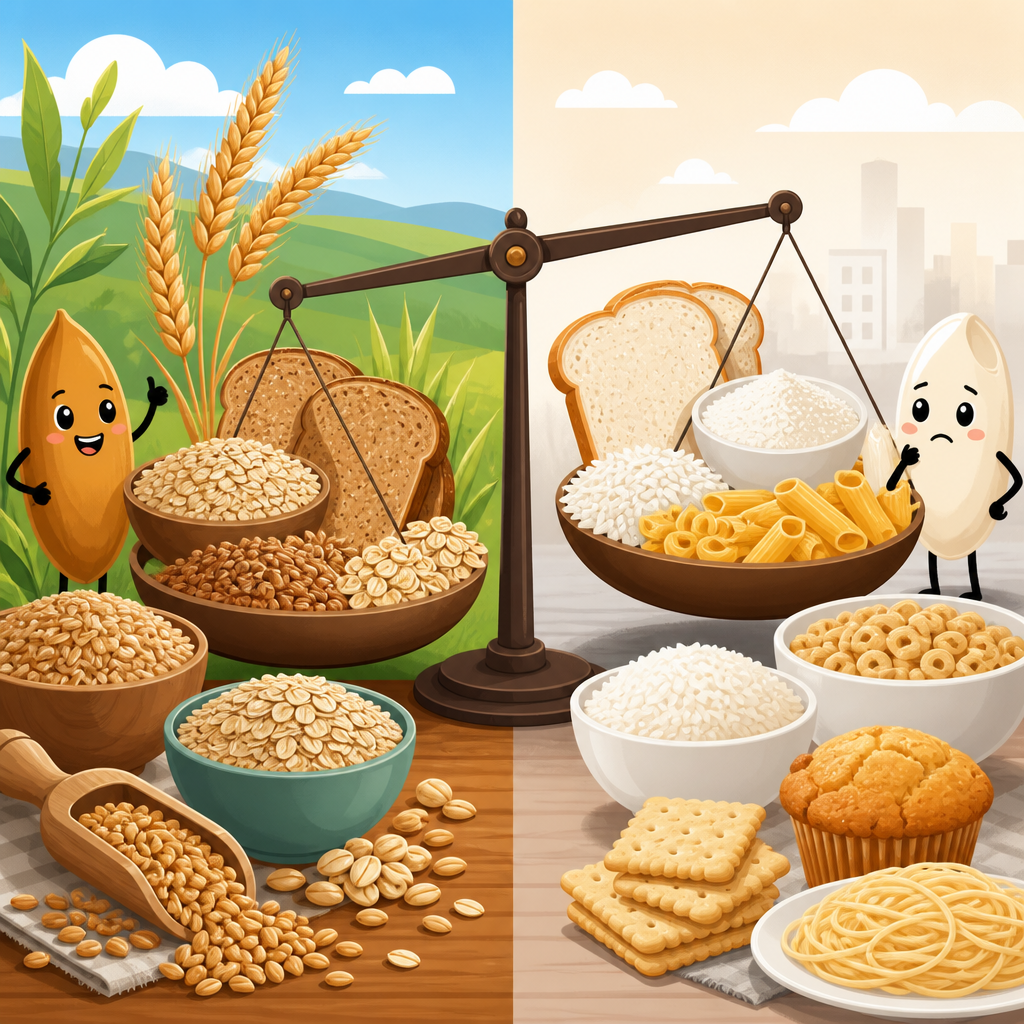
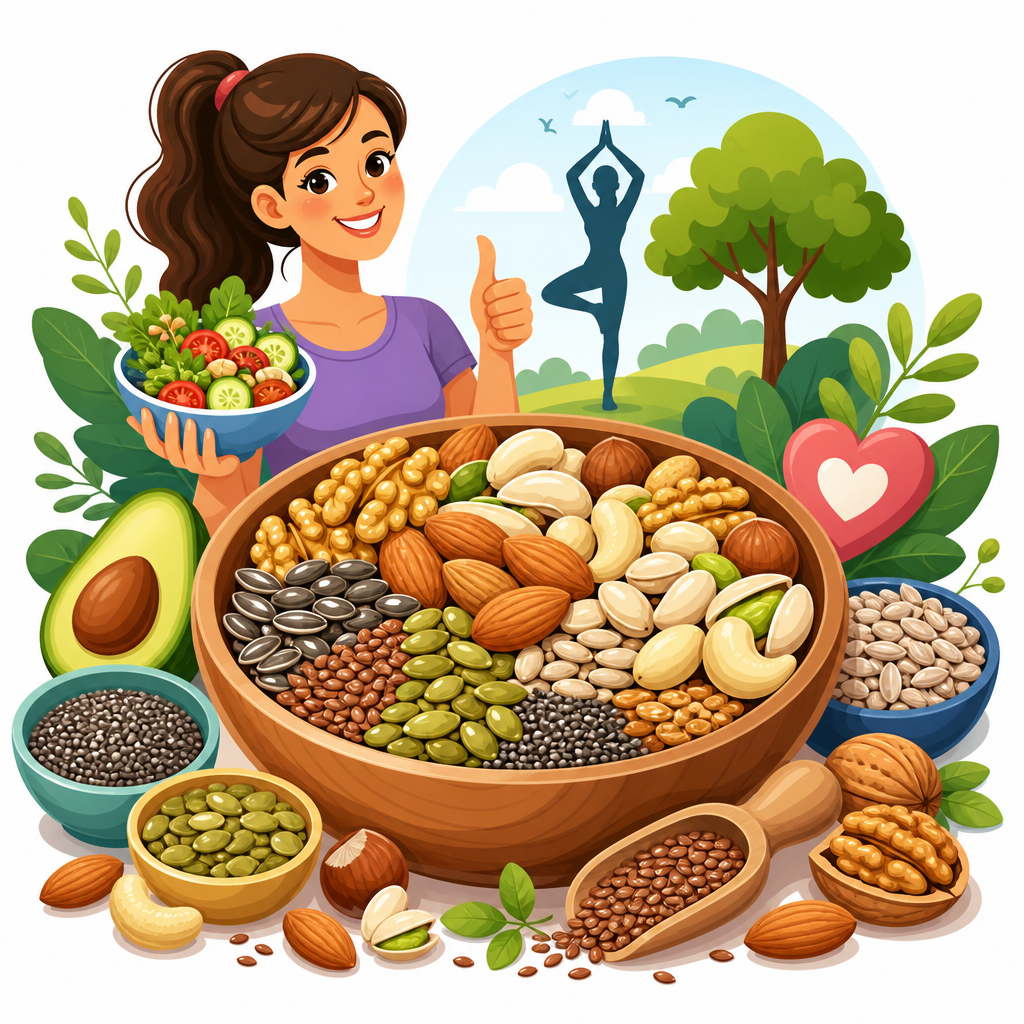
Legumes are one of the most overlooked functional foods for steady energy. Lentils, chickpeas, black beans, and edamame provide complex carbohydrates, plant protein, iron, folate, magnesium, and substantial fiber that slows digestion and supports beneficial gut bacteria. Whole grains such as oats, quinoa, and brown rice complement them by supplying additional B vitamins and minerals. Nuts and seeds, especially almonds, walnuts, pumpkin seeds, chia, and flax, add healthy fats, vitamin E, zinc, selenium, and magnesium. Fermented dairy or soy foods like yogurt, kefir, and tempeh contribute protein and live cultures or fermentation-related benefits depending on the product.
Mushrooms deserve special mention because they bridge culinary appeal and functional value. Shiitake, maitake, and oyster mushrooms contain beta-glucans and other compounds studied for immune modulation. Eggs offer complete protein and choline, useful for energy metabolism and brain function. Citrus fruits, kiwi, guava, and peppers are among the best foods for vitamin C. Garlic, ginger, turmeric, and green tea are often grouped with superfoods because they contain bioactive compounds such as allicin, gingerols, curcuminoids, and catechins. These foods are not magic, but used regularly, they improve the nutrient density and anti-inflammatory profile of a balanced diet.
| Superfood | Key nutrients or compounds | Main energy benefit | Main immunity benefit |
|---|---|---|---|
| Oats | Beta-glucan, manganese, magnesium, B vitamins | Slow-release carbohydrates for steady fuel | Fiber and beta-glucan support gut and immune function |
| Blueberries | Vitamin C, fiber, anthocyanins | Useful carbohydrate source with antioxidant support | Helps counter oxidative stress |
| Salmon | Protein, vitamin D, selenium, omega-3s | Supports recovery and satiety | Helps regulate inflammation and immune signaling |
| Lentils | Iron, folate, protein, fiber | Stable energy and support for oxygen transport | Nourishes the gut microbiome |
| Yogurt | Protein, calcium, live cultures | Balanced snack with sustained fullness | Supports gut-associated immune health |
| Pumpkin seeds | Magnesium, zinc, iron, healthy fats | Supports muscle and nerve function | Zinc contributes to immune cell activity |
How these foods work inside the body
Energy production begins in the mitochondria, where macronutrients are converted into ATP through pathways that require micronutrient cofactors. B vitamins help release energy from food. Iron carries oxygen in hemoglobin, affecting endurance and cognitive sharpness. Magnesium participates in hundreds of enzymatic reactions, including those related to ATP handling and muscle function. That is why diets low in legumes, greens, seeds, whole grains, and animal or fortified protein sources often correlate with fatigue. When someone improves intake of iron-rich lentils plus vitamin C-rich peppers, or pairs oatmeal with seeds and berries instead of a sugary pastry, energy often feels more stable within days.
Immune protection starts with physical barriers such as skin, mucous membranes, and the gut lining. Vitamin A from sweet potatoes and carrots supports epithelial integrity. Vitamin C supports collagen synthesis and acts as an antioxidant. Protein provides the amino acids needed to make antibodies, enzymes, and signaling molecules. Zinc and selenium are central to immune cell development and antioxidant defense. The gut microbiome adds another layer. Fermented foods, prebiotic fibers from oats, onions, beans, and bananas, and a high diversity of plant foods can all help maintain a healthier microbial ecosystem, which influences inflammation, pathogen resistance, and even mood.
Inflammation is another crucial link between energy and immunity. Acute inflammation is necessary for healing and defense, but chronic low-grade inflammation can impair insulin sensitivity, recovery, and immune balance. Omega-3 fats from salmon and sardines, polyphenols from berries and tea, and spices such as turmeric and ginger can help moderate that background inflammatory load. In my experience, this is most noticeable in people who combine better food choices with sleep and exercise improvements. Superfoods are powerful, but they perform best as part of an overall pattern, not as isolated add-ons to an otherwise poor diet.
Building balanced meals with superfoods
The most practical way to use superfoods for energy and immunity is to place them inside balanced meals rather than treating them as supplements in food form. Start with a plate framework: a protein source, a fiber-rich carbohydrate, colorful produce, and a healthy fat. Breakfast might be Greek yogurt with oats, chia seeds, berries, and walnuts. Lunch could be a lentil and quinoa bowl with spinach, roasted peppers, olive oil, and pumpkin seeds. Dinner might be salmon with sweet potatoes, broccoli, and a side of fermented vegetables. Each meal covers multiple nutrient targets while keeping energy more even across the day.
Snacks matter too. Instead of relying on coffee and refined bars, choose combinations that include protein and micronutrients: apple with almond butter, kefir with berries, hummus with carrots and peppers, or edamame with citrus. These options reduce the blood sugar swings that often create cravings and mental fatigue. Hydration also matters more than most people realize. Even mild dehydration can affect concentration and perceived energy, so foods with potassium and fluid content, such as oranges, cucumber, soups, and yogurt, can support the bigger picture.
Preparation determines consistency. Frozen berries, canned salmon, dry or canned beans, prewashed greens, plain yogurt, rolled oats, eggs, and seed mixes make this way of eating easier on busy weekdays. For families, one useful method is batch-cooking a grain, a legume, and a protein, then rotating sauces and vegetables through the week. This hub topic connects naturally to deeper guides on meal prep, anti-inflammatory foods, gut-friendly ingredients, and nutrient timing because implementation, not theory, decides whether dietary advice improves real life.
Common mistakes, limitations, and who needs extra guidance
The biggest mistake is assuming superfoods can compensate for poor overall habits. A smoothie with berries and spinach will not fix chronic sleep deprivation, excessive alcohol intake, or a diet dominated by ultra-processed foods. Another mistake is over-focusing on exotic powders while ignoring basic staples such as beans, eggs, oats, sardines, and frozen vegetables. Nutritional density usually comes from repeatable fundamentals, not novelty. Cost is another concern, but many high-value options are affordable. Lentils, cabbage, carrots, oats, canned fish, yogurt, bananas, and sunflower or pumpkin seeds often provide better nutritional return per dollar than premium packaged products labeled as wellness foods.
There are also important caveats. People with kidney disease may need guidance on potassium, phosphorus, or protein. Those taking warfarin should keep vitamin K intake consistent rather than avoiding greens entirely. Individuals with iron deficiency may benefit from targeted evaluation because fatigue is not always solved by adding spinach alone; absorption, menstrual losses, gastrointestinal issues, and overall intake all matter. If someone has celiac disease, food allergies, histamine intolerance, or IBS, food choices must be personalized. Likewise, supplements such as vitamin D, B12, or iron may be appropriate in documented deficiency, but they should support, not replace, a high-quality diet.
For most healthy adults, the goal is simple: eat a varied pattern built around nutrient-dense foods that reliably support metabolism, gut health, and immune resilience. Superfoods for energy and immunity are essential for a balanced diet because they deliver that support efficiently. Focus on berries, greens, legumes, whole grains, fermented foods, nuts, seeds, eggs, mushrooms, and fatty fish in combinations you can sustain. Build meals, not myths. If you want better daily energy, fewer nutritional gaps, and stronger long-term health foundations, start by upgrading one meal this week with two or three of these foods and build from there.
Frequently Asked Questions
What does “superfoods for energy and immunity” really mean?
“Superfoods” is not a strict scientific classification, but it is a practical way to describe foods that provide unusually high levels of vitamins, minerals, fiber, healthy fats, antioxidants, and other bioactive compounds that support key body functions. In the context of energy and immunity, these foods help the body produce and sustain energy efficiently while also supplying nutrients involved in immune defense, inflammation control, and recovery. Examples include berries for their polyphenols and vitamin C, leafy greens for folate and magnesium, fatty fish for omega-3 fats and vitamin D, legumes for protein and slow-digesting carbohydrates, fermented foods for gut support, and nuts and seeds for healthy fats and minerals.
What makes these foods especially valuable in a balanced diet is that they do more than simply provide calories. They often support steadier blood sugar, better nutrient status, and improved overall dietary quality. For example, a meal built around greens, beans, salmon, and seeds provides protein, fiber, iron, magnesium, antioxidants, and anti-inflammatory compounds all at once. That combination can help reduce energy dips and support normal immune function more effectively than relying on highly processed foods that are calorie-dense but nutrient-poor.
How do superfoods help support steady energy throughout the day?
Energy is not just about eating more food or consuming stimulants like caffeine. It depends on how efficiently the body converts food into usable fuel, regulates blood sugar, maintains hydration, and supports healthy sleep, stress response, and recovery. Superfoods can help with several of these processes because many contain complex carbohydrates, fiber, protein, healthy fats, and micronutrients involved in energy metabolism. B vitamins help convert food into energy, magnesium supports muscle and nerve function, iron helps transport oxygen, and antioxidants help limit oxidative stress that can contribute to fatigue.
Foods such as oats, lentils, chia seeds, spinach, eggs, yogurt, berries, and nuts are especially useful because they tend to digest more slowly and provide a more gradual release of energy. That means fewer spikes and crashes compared with sugary snacks or refined carbohydrates. Pairing foods also matters. For example, combining fruit with yogurt or nuts can produce more stable energy than fruit alone. In practical terms, superfoods support energy best when they are included regularly across meals, not treated as a one-time fix. Sustainable energy comes from consistent dietary patterns, adequate protein, enough total calories, good hydration, and a variety of nutrient-dense foods.
Why are superfoods important for immune health in a balanced diet?
The immune system depends on a steady supply of nutrients to function well. It requires protein to build immune cells and signaling molecules, vitamins such as A, C, D, and E to support barriers and cellular defense, minerals like zinc, selenium, and iron for immune regulation, and a healthy gut environment to help coordinate immune responses. Many superfoods naturally provide these nutrients in meaningful amounts. Citrus and berries contribute vitamin C and polyphenols, leafy greens provide carotenoids and folate, yogurt and kefir support the gut microbiome, mushrooms contain compounds that may help regulate immune activity, and fatty fish contribute omega-3 fats that help manage inflammation.
A balanced diet that includes these foods can strengthen the foundations of immune resilience by supporting the body’s normal defenses rather than promising unrealistic “immune boosting.” That distinction matters. No single food can prevent illness on its own, but a pattern rich in nutrient-dense foods can help the immune system respond appropriately and recover more effectively. When superfoods are used as part of an overall balanced routine that includes adequate sleep, stress management, and regular physical activity, they become a meaningful part of long-term immune support.
Can you get the benefits of superfoods without eating expensive or trendy ingredients?
Yes. One of the biggest misconceptions about superfoods is that they must be exotic, expensive, or heavily marketed to be effective. In reality, many affordable everyday foods offer the same kinds of benefits. Frozen berries can be just as nutritious as fresh. Cabbage, spinach, carrots, beans, lentils, oats, eggs, sardines, plain yogurt, sunflower seeds, pumpkin seeds, garlic, onions, and sweet potatoes all provide important nutrients that support both energy and immunity. Canned fish and canned beans are often cost-effective pantry staples that make balanced meals easier to prepare.
The most important factor is regular intake and variety, not trendiness. A simple bowl of oats topped with seeds and berries, a lentil soup with leafy greens, or a meal of salmon, brown rice, and roasted vegetables can provide excellent nutritional value without requiring specialty powders or premium products. If budget is a concern, focusing on seasonal produce, frozen vegetables, bulk legumes, and minimally processed staples is often the smartest strategy. The goal is not to chase labels, but to build a dietary pattern centered on nutrient density and consistency.
What is the best way to add superfoods for energy and immunity into daily meals?
The best approach is to integrate them into meals you already enjoy rather than overhauling your diet all at once. Start by adding one or two nutrient-dense foods to each meal. At breakfast, that might mean oats with berries, flaxseed, and Greek yogurt. At lunch, it could be a grain bowl with leafy greens, beans, colorful vegetables, and olive oil. At dinner, try fatty fish or legumes paired with vegetables and whole grains. Snacks can include fruit with nuts, hummus with vegetables, or yogurt with seeds. These combinations provide a balance of protein, fiber, healthy fats, and micronutrients that support sustained energy and normal immune function.
It also helps to think in terms of categories rather than individual “miracle foods.” Aim to rotate berries and other colorful fruits, dark leafy greens, legumes, nuts and seeds, fermented foods, mushrooms, herbs and spices, and omega-3-rich fish or plant sources. This creates broader nutrient coverage and keeps meals interesting. For most people, consistency matters more than perfection. You do not need every superfood every day. What matters is building a balanced pattern over time, where nutrient-rich foods appear often enough to support energy, recovery, and immune resilience in a realistic and enjoyable way.