Superfoods for energy and immunity are foods with unusually high concentrations of nutrients, bioactive compounds, or functional benefits that support cellular energy production and immune defense. In practice, that means foods rich in vitamin C, iron, magnesium, omega-3 fats, polyphenols, probiotics, high-quality protein, and fermentable fiber. I have worked with these ingredients in meal planning, nutrition content strategy, and product evaluation, and the same pattern appears repeatedly: people who feel chronically drained or seem to catch every seasonal bug are often under-eating nutrient-dense foods while over-relying on caffeine, sugar, and ultra-processed convenience meals. Food will not replace sleep, vaccination, exercise, or medical care, but it can substantially improve resilience.
Energy and immunity are closely linked because both depend on the same biological foundations. Mitochondria need B vitamins, iron, copper, magnesium, and adequate calories to turn food into ATP, the body’s usable energy currency. The immune system needs amino acids to build antibodies, zinc to support immune cell signaling, vitamin A to protect barriers like the gut and lungs, and antioxidants to help control oxidative stress during infection and intense exercise. When one system is under-fueled, the other often suffers. Low iron can leave you fatigued and short of breath, while inadequate protein can impair recovery and immune readiness.
The term superfood is not a strict scientific category, but it is useful when grounded in evidence rather than marketing. A practical definition is simple: a superfood delivers a dense package of nutrients or protective compounds per serving and has a realistic place in daily eating. Blueberries, salmon, Greek yogurt, lentils, eggs, spinach, citrus, kefir, oats, and nuts qualify because they contribute measurable benefits in patterns backed by nutrition science. Goji powders, exotic blends, and expensive shots may help in some contexts, but they are not necessary for an effective plan.
This hub article explains the top foods rich in superfoods for energy and immunity, how they work, and how to use them in real meals. It also answers a common question directly: what should you actually eat if you want steady energy and a stronger immune foundation? Start with a mix of colorful produce, protein-rich staples, fermented foods, whole grains, legumes, nuts, seeds, and fatty fish. The goal is not one miracle ingredient. The goal is nutrient coverage, consistency, and a diet pattern your body can use every day.
Why energy and immunity depend on food quality
If you want more energy, the first question is not which stimulant to take. It is whether your meals support blood sugar stability, oxygen transport, muscle recovery, hydration, and mitochondrial function. If you want better immunity, the first question is not which supplement promises the most. It is whether your body gets enough protein, zinc, selenium, vitamins A, C, D, and E, plus fiber that nourishes the gut microbiome. About 70 percent of immune tissue is associated with the gut, so diet quality shapes far more than digestion.
In real life, poor energy often comes from a predictable pattern: coffee for breakfast, refined carbohydrates at lunch, little protein, minimal produce, and a late heavy dinner. That pattern drives energy spikes and crashes while leaving multiple micronutrient gaps. I see a better result when breakfast includes protein and fiber, lunch includes legumes or whole grains, and dinner includes vegetables plus fish, eggs, tofu, or lean meat. Add fermented dairy or cultured vegetables, and both satiety and digestion usually improve within days.
Another key point is bioavailability, the proportion of nutrients your body can absorb and use. Iron from lentils is valuable, but pairing it with vitamin C from bell peppers or citrus improves absorption. Fat-soluble compounds like carotenoids in carrots and spinach are better absorbed with olive oil, avocado, or eggs. Cooking matters too. Lightly steaming spinach reduces volume and can make it easier to eat more, while soaking beans improves digestibility. The best superfoods for energy and immunity are not just nutrient dense; they are prepared in ways that maximize usefulness.
Top superfoods for energy and immunity and what they provide
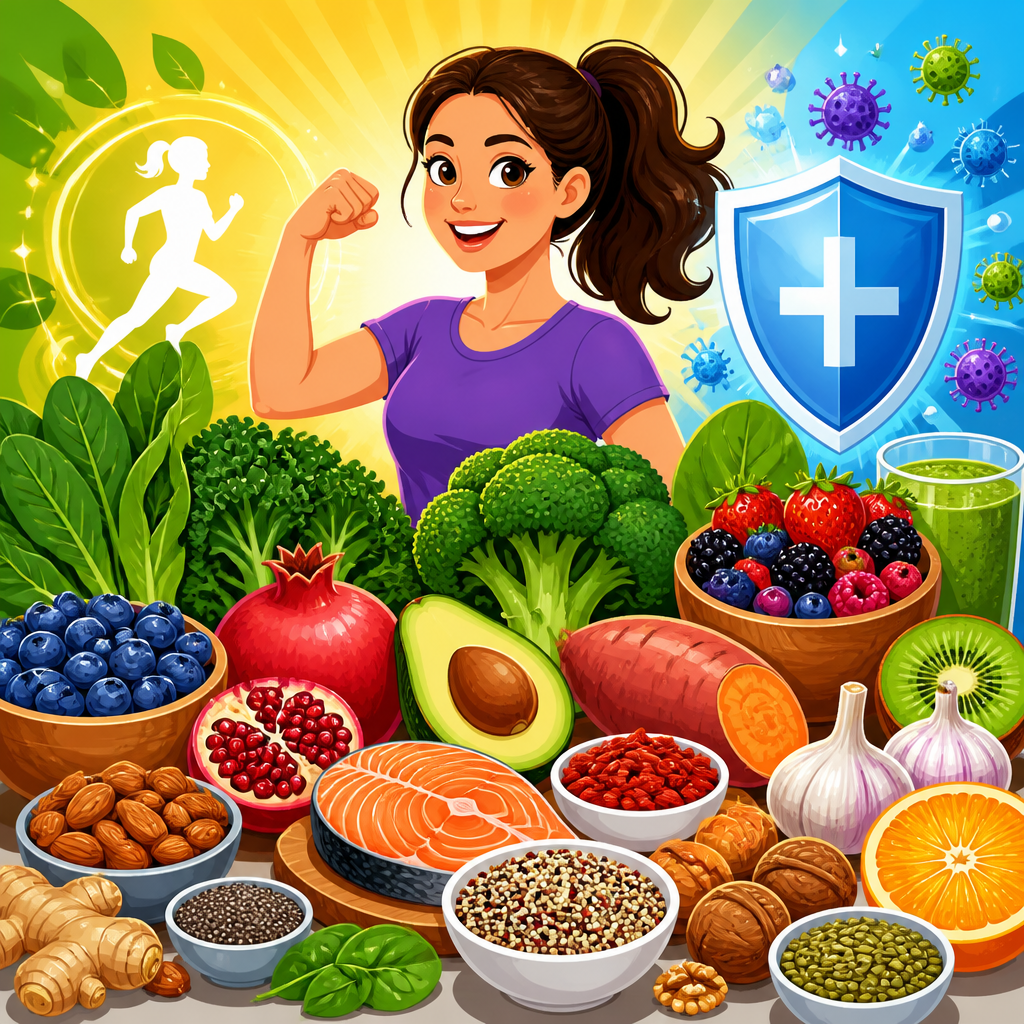
The strongest food pattern combines several categories because no single food covers every need. Berries supply polyphenols and vitamin C. Fatty fish provide EPA and DHA, which help regulate inflammation and support cell membranes. Eggs offer complete protein, choline, selenium, and vitamin B12. Lentils and beans provide iron, folate, magnesium, and fiber. Fermented foods like kefir and yogurt support the gut microbiome with live cultures and high-quality protein. Nuts and seeds add healthy fats, vitamin E, zinc, and magnesium. Dark leafy greens bring folate, vitamin K, carotenoids, and minerals, while citrus and kiwi deliver vitamin C for immune support and collagen production.
| Food | Key nutrients or compounds | Main benefit for energy and immunity | Easy use |
|---|---|---|---|
| Salmon or sardines | Protein, omega-3s, vitamin D, selenium, B12 | Supports recovery, immune signaling, and steady energy | Roast or add to grain bowls |
| Eggs | Complete protein, choline, selenium, B12 | Helps muscle repair and immune cell function | Boiled, scrambled, or in vegetable omelets |
| Lentils | Iron, folate, magnesium, fiber, protein | Supports oxygen transport and gut health | Soups, salads, or curry |
| Greek yogurt or kefir | Protein, calcium, probiotics, B12 | Supports the microbiome and satiety | Breakfast bowls or smoothies |
| Blueberries | Anthocyanins, vitamin C, fiber | Helps manage oxidative stress | Snack, oats, or yogurt topping |
| Spinach | Folate, carotenoids, vitamin C, magnesium | Supports blood cell production and antioxidant defense | Salads, sautés, soups |
| Pumpkin seeds | Magnesium, zinc, iron, protein | Supports immunity and energy metabolism | Trail mix or salad topper |
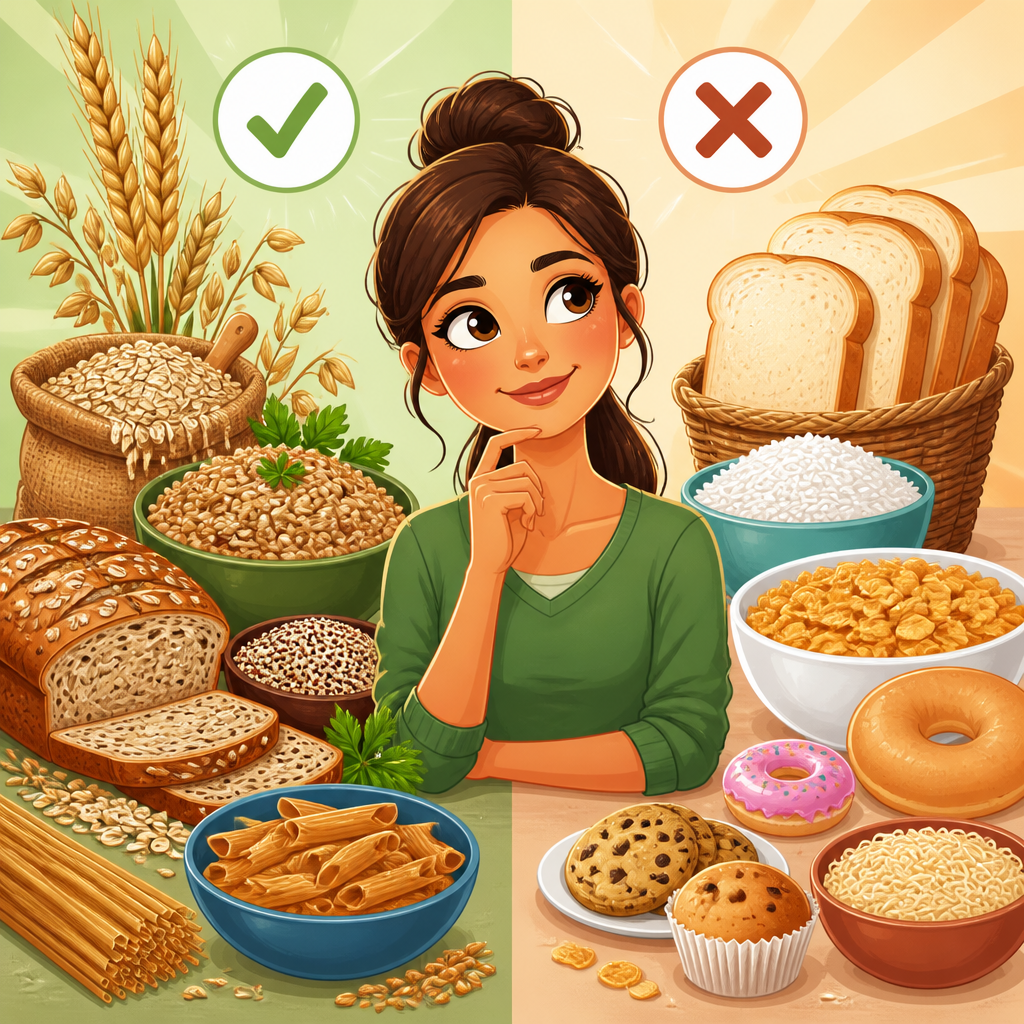
| Oats | Beta-glucan fiber, manganese, carbs | Promotes stable energy and gut support | Porridge or overnight oats |
These foods work best when eaten repeatedly, not occasionally. One salmon dinner does not correct a low-protein, low-fiber diet, and one smoothie does not offset chronic under-eating. Consistency matters because immune cells and metabolic pathways need regular inputs. A practical benchmark is to include a protein source at each meal, produce at least twice daily, whole grains or legumes most days, and fermented foods several times a week. That pattern is affordable if built around staples like oats, eggs, yogurt, canned fish, frozen berries, lentils, beans, potatoes, and seasonal vegetables.
Best fruits and vegetables for natural energy and immune defense
Fruits and vegetables are often discussed as one category, but different choices solve different problems. For natural energy and immunity, focus on produce with clear functional roles. Citrus fruits, strawberries, kiwi, guava, and red bell peppers are especially rich in vitamin C, which supports immune cell activity and improves non-heme iron absorption. Sweet potatoes, carrots, kale, and spinach provide beta-carotene, a precursor to vitamin A that helps maintain the integrity of the skin, respiratory tract, and gut lining. Mushrooms exposed to UV light can contribute vitamin D, though amounts vary by product and preparation.
Blueberries, blackberries, cherries, and pomegranate stand out for polyphenols, especially anthocyanins and other flavonoids. These compounds do not function as simple vitamin substitutes; they interact with signaling pathways involved in inflammation, endothelial function, and cellular stress responses. In practical terms, that means they may support recovery from training, help preserve vascular function, and complement a broader anti-inflammatory diet. Frozen berries are nutritionally strong and often more economical than fresh. I recommend them routinely because they reduce waste and make it easier to use fruit consistently in oatmeal, yogurt bowls, and smoothies.
Leafy greens deserve special attention because they contribute several energy-related nutrients at once. Spinach and Swiss chard provide folate and magnesium. Arugula, kale, and romaine bring nitrates and antioxidants. Beets also supply dietary nitrates, which can enhance nitric oxide production and support blood flow during exercise. Better circulation can translate into improved exercise tolerance for some people, especially when beets are part of a larger pattern that includes adequate carbohydrate and hydration. The simplest strategy is variety: rotate dark greens, orange vegetables, cruciferous vegetables, and berries across the week instead of eating one “perfect” produce item every day.
Protein, healthy fats, and the gut connection
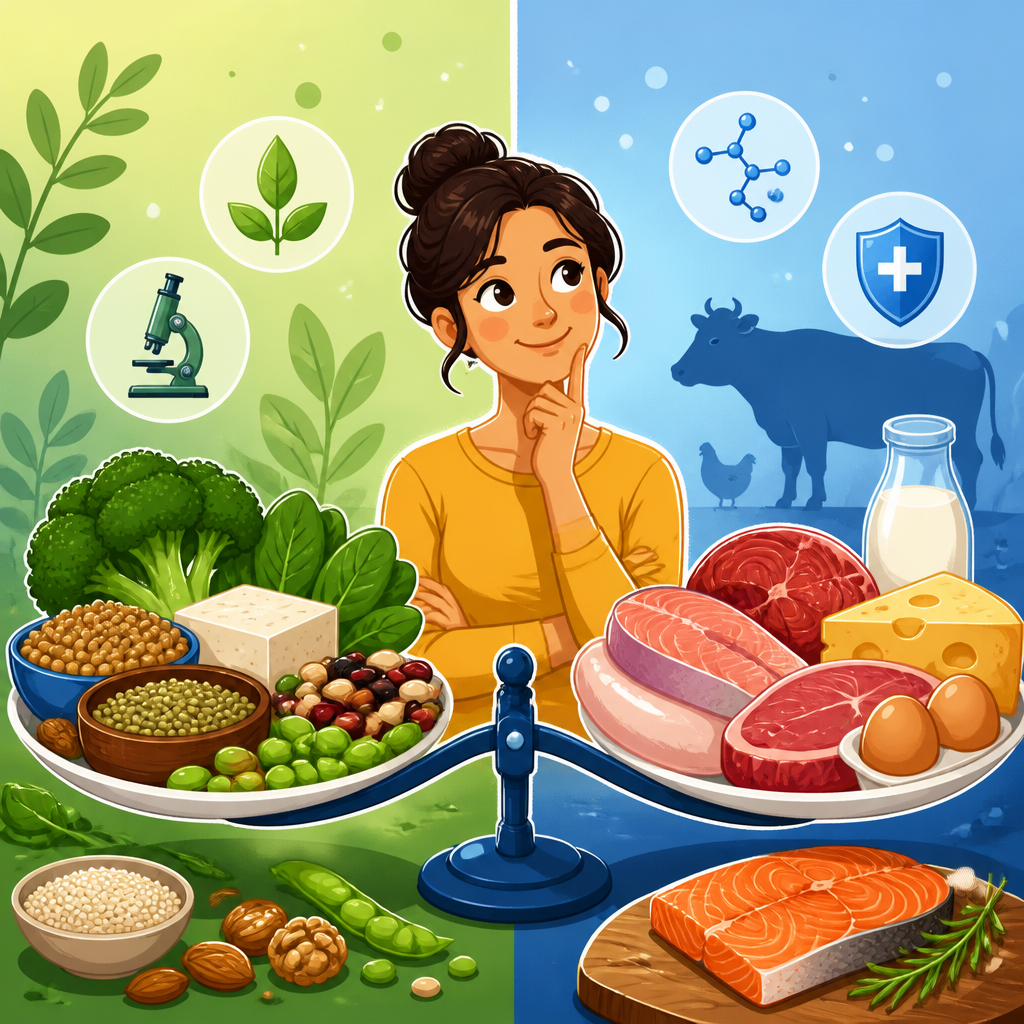
Energy and immune resilience fall quickly when protein intake is too low. Antibodies, enzymes, transport proteins, and muscle tissue all require amino acids. Good choices include eggs, Greek yogurt, kefir, cottage cheese, tofu, tempeh, edamame, chicken, turkey, lean beef, and fish. For many adults, aiming for roughly 20 to 35 grams of protein per meal improves satiety, steadier energy, and post-exercise recovery. That target is particularly useful at breakfast, where many people under-eat protein and then rely on caffeine and snacks by midmorning.
Healthy fats are equally important because immune cell membranes rely on fatty acids, and fat helps absorb vitamins A, D, E, and K. Salmon, sardines, trout, walnuts, chia seeds, flaxseed, extra-virgin olive oil, avocado, and nuts all contribute in different ways. Oily fish are especially valuable because EPA and DHA are the long-chain omega-3 fats most directly associated with anti-inflammatory signaling. Two servings of fatty fish per week is a practical evidence-based target. Sardines deserve more attention here: they are lower in mercury than many larger fish, shelf stable, rich in calcium when bones are included, and often less expensive than salmon.
The gut connection is not optional. Fiber and fermented foods shape the microbiome, and the microbiome influences immune function, nutrient metabolism, and even perceived energy. Oats, beans, lentils, onions, garlic, asparagus, bananas, and cooked-cooled potatoes provide fermentable carbohydrates that nourish beneficial bacteria. Yogurt and kefir add live cultures, while sauerkraut, kimchi, miso, and tempeh can diversify intake. Not every fermented food contains live organisms by the time it reaches your plate, so labels matter. Also remember that probiotics are strain specific; regular food intake supports the ecosystem more reliably than chasing the newest supplement trend.
How to build meals, avoid common mistakes, and make superfoods affordable
The most effective way to use superfoods for energy and immunity is to build repeatable meals. A strong breakfast might be Greek yogurt with oats, chia seeds, berries, and pumpkin seeds, or eggs with spinach and whole-grain toast plus kiwi. Lunch can be a lentil bowl with roasted vegetables, olive oil, and canned salmon, or a bean chili with avocado and citrus-dressed greens. Dinner can pair baked trout with sweet potatoes and broccoli, or tofu stir-fry with brown rice, mushrooms, peppers, and sesame seeds. Each meal covers protein, fiber, produce, and at least one micronutrient-rich component.
Common mistakes are surprisingly consistent. People overestimate supplements and underestimate calories, protein, and sleep. They buy expensive powders but skip legumes, fruit, and fish. They drink juice instead of eating whole fruit, which reduces fiber and satiety. They avoid carbohydrates entirely, then wonder why energy and exercise performance decline. For active people, carbohydrate is not the enemy; it is a primary fuel source, especially when it comes from oats, potatoes, beans, fruit, and whole grains. Another frequent issue is restrictive dieting. Long calorie deficits can suppress training output, slow recovery, and worsen fatigue, even when food choices look healthy on paper.
Cost matters, and a high-performing diet does not need luxury ingredients. The budget version of a superfood plan is straightforward: oats, eggs, canned sardines, canned salmon, dried lentils, beans, frozen spinach, frozen berries, plain yogurt, peanut butter, carrots, cabbage, potatoes, and seasonal citrus. Use store brands, buy in bulk when possible, and rely on frozen produce to cut waste. If you want the biggest return for the lowest cost, prioritize protein quality, fruit and vegetable frequency, legumes, and fatty fish before niche powders. Then track how you feel: steadier afternoon energy, fewer crashes, better workout recovery, and more consistent digestion are useful signs that the plan is working.
Top foods rich in superfoods for energy and immunity are not rare, expensive, or complicated. The essentials are accessible: berries, citrus, leafy greens, sweet potatoes, beans, lentils, oats, eggs, yogurt or kefir, nuts, seeds, and fatty fish. Together, they deliver the protein, fiber, vitamins, minerals, omega-3 fats, and polyphenols that support ATP production, blood sugar control, gut health, recovery, and immune defense. What matters most is combining them consistently in balanced meals instead of chasing one trending ingredient at a time.
If you remember only a few priorities, make them these. Eat protein at every meal. Include colorful produce every day, especially vitamin C-rich fruit and carotenoid-rich vegetables. Use legumes and whole grains for steady energy. Add fermented foods and fiber to support the microbiome. Include omega-3-rich fish or, if you do not eat fish, use other nutrient-dense protein sources while speaking with a clinician about individual needs such as iron, vitamin D, or B12. This approach is grounded, evidence-based, and realistic for long-term health rather than short bursts of motivation.
The main benefit is resilience. When your diet consistently covers the basics, energy becomes steadier, recovery improves, and your immune system has better raw materials to do its job. Start simple this week: choose three foods from this article, add them to meals you already eat, and build from there. Small, repeated upgrades beat occasional perfect days.
Frequently Asked Questions
What are superfoods for energy and immunity, and what makes them different from regular healthy foods?
Superfoods for energy and immunity are nutrient-dense foods that deliver especially high levels of vitamins, minerals, antioxidants, healthy fats, fiber, probiotics, or bioactive plant compounds that help the body produce energy efficiently and maintain a strong immune response. They are not magic foods, and they do not replace an overall balanced diet, but they do stand out because they pack more functional nutrition into each serving than many other everyday options. In practical terms, these foods often contain nutrients such as vitamin C for immune cell support, iron for oxygen transport and reduced fatigue, magnesium for muscle and nerve function, omega-3 fats for inflammation balance, and polyphenols that help protect cells from oxidative stress.
What separates these foods from simply “healthy foods” is the concentration and synergy of their nutrients. For example, berries provide vitamin C and polyphenols, salmon offers protein and omega-3s, yogurt or kefir contributes probiotics and protein, leafy greens supply folate, magnesium, and antioxidants, and seeds like chia or pumpkin offer minerals, fiber, and healthy fats. When these foods are eaten consistently, they help support stable energy rather than quick spikes and crashes, and they strengthen the body’s defenses by supplying the building blocks the immune system depends on every day.
Which foods are best if I want more energy and stronger immune support at the same time?
The most effective foods for both energy and immunity are those that combine several key functions at once. Fatty fish such as salmon, sardines, and trout are excellent choices because they provide high-quality protein for repair and satiety, plus omega-3 fatty acids that help regulate inflammation. Eggs are another strong option because they contain complete protein, B vitamins, selenium, and choline, all of which support metabolism and overall resilience. Greek yogurt and kefir can be especially useful because they offer protein along with probiotics that support gut health, and a healthy gut plays a major role in immune regulation.
On the plant side, berries, citrus fruits, kiwi, and red bell peppers are standout sources of vitamin C and antioxidants. Leafy greens such as spinach, kale, and Swiss chard deliver magnesium, folate, and carotenoids. Beans, lentils, and chickpeas provide iron, protein, and fermentable fiber that helps nourish beneficial gut bacteria. Nuts and seeds, including almonds, walnuts, chia seeds, flaxseeds, and pumpkin seeds, contribute healthy fats, magnesium, zinc, and fiber. Oats, sweet potatoes, and quinoa can round out the list by supplying complex carbohydrates for sustainable energy rather than a short-lived burst. The best strategy is not to rely on one “hero” ingredient but to build meals around a combination of these foods so your body gets a broad spectrum of supportive nutrients.
How do superfoods actually help with energy levels without relying on caffeine or sugar?
Superfoods help support energy by working with the body’s natural energy-production systems instead of forcing a temporary stimulant effect. The body creates usable energy at the cellular level from carbohydrates, fats, and protein, and that process depends on nutrients such as B vitamins, iron, magnesium, and adequate protein intake. Foods like lentils, eggs, leafy greens, nuts, seeds, and whole grains supply these nutrients, which is why they are so valuable for steady, reliable energy. Iron-rich foods help carry oxygen through the blood, magnesium supports hundreds of enzymatic reactions involved in energy metabolism, and protein helps reduce the blood sugar swings that often lead to fatigue.
Another major factor is blood sugar stability. Meals built around fiber-rich carbohydrates, healthy fats, and protein digest more slowly and provide a more gradual release of energy. That is why oatmeal with chia seeds and berries, yogurt with walnuts, or a grain bowl with salmon and greens tends to feel more sustaining than a pastry or sugary snack. Polyphenol-rich foods such as berries, cocoa, green tea, and colorful vegetables may also help reduce oxidative stress, which can influence how energetic and resilient you feel. In short, these foods support energy by improving nutrient intake, stabilizing appetite and blood sugar, and helping the body function more efficiently throughout the day.
Why is gut health so important when choosing foods for immunity and energy?
Gut health matters because the digestive system does far more than process food. A large portion of the immune system is closely connected to the gut, and the balance of beneficial bacteria in the digestive tract influences immune signaling, inflammation, nutrient absorption, and even aspects of mood and energy. When you eat foods rich in probiotics, such as yogurt, kefir, sauerkraut, kimchi, or other fermented foods, you help introduce beneficial microbes. When you pair those with prebiotic or fermentable fibers from foods like oats, onions, garlic, beans, lentils, bananas, asparagus, and flaxseeds, you help feed those microbes so they can thrive.
This matters for energy because even a nutrient-rich diet cannot do much if your body is not absorbing and using nutrients well. A healthy gut environment supports better digestion and utilization of nutrients like iron, magnesium, and B vitamins that are central to energy production. It also matters for immunity because beneficial gut microbes help maintain the gut barrier and influence how the immune system responds to threats. That is why foods that combine gut support with general nutrient density are so valuable. A breakfast of kefir with berries and seeds or a lunch that includes beans, greens, and fermented vegetables can support both digestive health and whole-body resilience in a practical, food-first way.
How can I add more energy- and immunity-supporting superfoods to my diet in a realistic way?
The simplest approach is to upgrade the meals and snacks you already eat instead of trying to follow a perfect plan. Start with breakfast by adding berries, chia seeds, flaxseeds, or nuts to oatmeal or yogurt. If you prefer savory meals, eggs with spinach and avocado can be a strong foundation. At lunch and dinner, aim to include a protein source, a fiber-rich carbohydrate, and at least one colorful fruit or vegetable. For example, a quinoa bowl with salmon, roasted sweet potato, leafy greens, and pumpkin seeds checks many boxes at once. So does lentil soup with a side salad and fermented vegetables, or grilled chicken with brown rice, broccoli, and olive oil.
Smart snack choices also make a big difference. Instead of relying on highly processed snack foods, try options such as Greek yogurt with walnuts, apple slices with nut butter, hummus with peppers, or a small mix of seeds and dried fruit. Keeping frozen berries, canned salmon or sardines, plain yogurt, eggs, oats, beans, and leafy greens on hand can make these choices much easier during busy weeks. The goal is consistency, not perfection. Including several of these foods across the week will generally do more for energy and immune support than occasionally buying one expensive trendy ingredient. Focus on variety, repeat the foods you enjoy, and build balanced meals that help your body stay fueled, nourished, and better prepared to handle daily stressors.