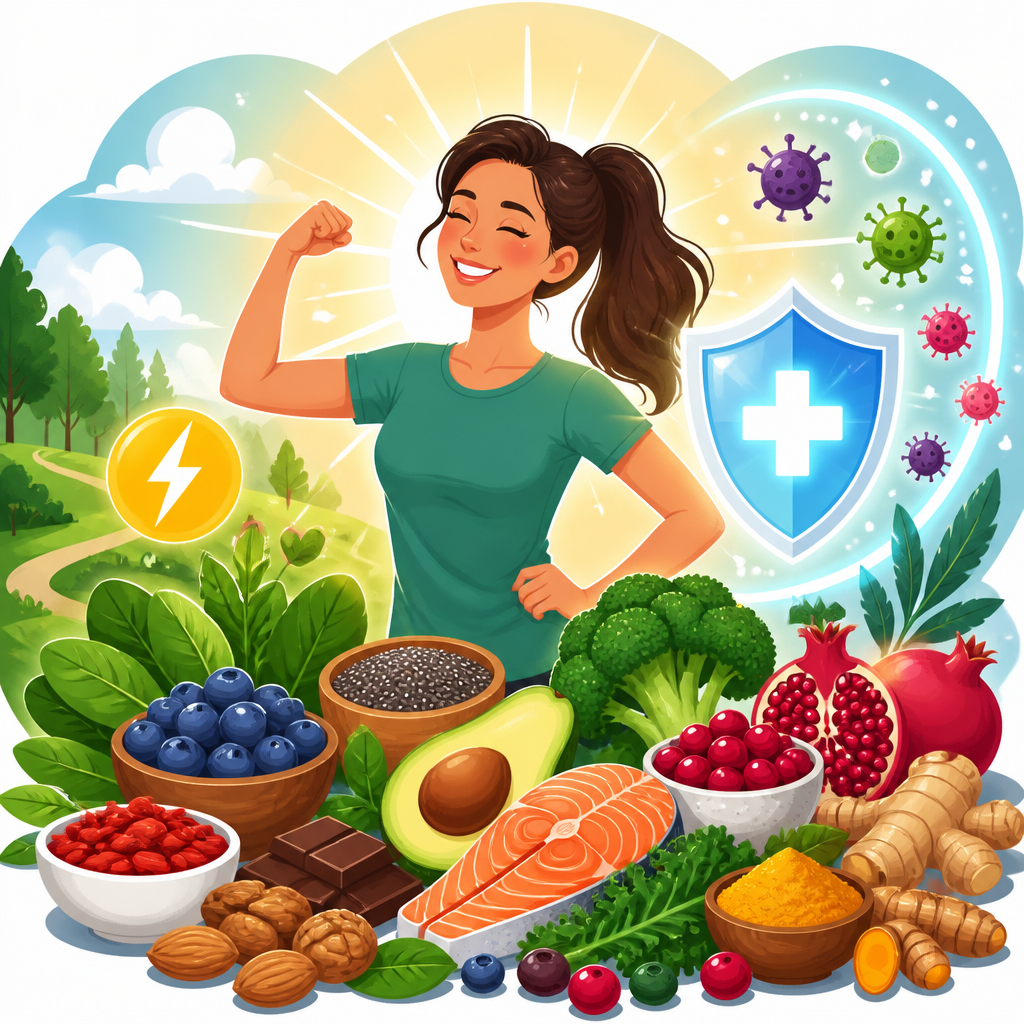
Seeds and nuts earn their place in any superfoods and functional foods conversation because they combine dense nutrition, culinary versatility, and strong research support in a small serving. In practice, I recommend them often because they solve several common nutrition problems at once: low fiber intake, poor fat quality, inadequate magnesium, and weak meal satiety. The nutritional power of seeds and nuts refers to their concentration of beneficial fats, plant protein, vitamins, minerals, phytochemicals, and bioactive compounds that support heart health, metabolic health, digestive function, and overall diet quality. For readers building a practical wellness plan, this subtopic matters because seeds and nuts are not niche ingredients. They are everyday foods that can improve breakfast, snacks, salads, sauces, baked goods, and plant-forward meals without requiring a complete diet overhaul.
Although people often group them together, seeds and nuts are not identical. Tree nuts include almonds, walnuts, pistachios, cashews, pecans, hazelnuts, Brazil nuts, and macadamias. Peanuts are technically legumes but are nutritionally similar enough that they are usually discussed beside nuts. Seeds include chia, flax, hemp, pumpkin, sesame, and sunflower. Their nutrient profiles differ in important ways. Walnuts are especially rich in alpha-linolenic acid, a plant omega-3 fat. Almonds stand out for vitamin E. Brazil nuts provide selenium in unusually high amounts. Pumpkin seeds deliver magnesium, zinc, and iron. Chia and flax are notable for fiber and omega-3 content. Understanding these differences helps you choose intentionally rather than treating all seeds and nuts as interchangeable trail mix ingredients.
Another reason this topic deserves a hub article is that the benefits depend on context, portion, storage, preparation, and your health goals. A handful of pistachios can support satiety and better snack quality, but sugar-coated varieties change the equation. Ground flax can help increase lignan intake and improve digestibility, while whole flax may pass through largely intact. Unsalted nuts may support blood pressure goals better than heavily salted versions. Nut and seed butters can be useful, but ingredient labels matter because added oils and sugars vary widely. This hub covers the science, practical use, common questions, and evidence-backed strategies so you can use seeds and nuts to maximize health with confidence and consistency.
What makes seeds and nuts nutritional powerhouses
Seeds and nuts are nutrient-dense because they pack substantial nutrition into relatively small portions, usually one ounce, or about 28 grams. In that serving, many options provide 4 to 7 grams of protein, 2 to 10 grams of fiber, and meaningful amounts of unsaturated fats. These fats are one of the main reasons seeds and nuts support cardiometabolic health. Replacing some saturated fat from processed snacks or fatty meats with monounsaturated and polyunsaturated fats from nuts and seeds is associated with improved blood lipid patterns. Beyond macronutrients, these foods supply magnesium for nerve and muscle function, potassium for fluid balance, zinc for immune and enzyme activity, copper for energy metabolism, and vitamin E, an antioxidant that protects cell membranes from oxidative damage.
They also contain plant compounds that do not appear on standard Nutrition Facts labels but still matter. Polyphenols, phytosterols, tocopherols, and lignans contribute antioxidant and anti-inflammatory effects. Sesame seeds contain lignans such as sesamin and sesamolin. Flaxseed is one of the richest dietary sources of lignans, which are being studied for hormonal and cardiovascular effects. Nuts also contribute arginine, an amino acid involved in nitric oxide production, which influences blood vessel function. When I assess a client food log, increasing seed and nut variety often raises micronutrient intake more efficiently than adding another supplement, because the foods bring fiber, fats, and phytonutrients in a matrix that works together rather than in isolation.
Key health benefits supported by research
The strongest evidence for nuts and seeds relates to heart health. Regular intake is consistently associated with lower risk of cardiovascular disease, helped by better LDL cholesterol levels, improved fat quality in the diet, and better satiety that may reduce reliance on ultra-processed snacks. Walnuts, almonds, pistachios, and mixed nuts have all been studied in dietary patterns such as the Mediterranean diet. Seeds add complementary value. Chia and flax provide soluble fiber and omega-3 fats that can support lipid management, while sesame and pumpkin seeds contribute minerals tied to vascular and metabolic function. These foods are not magic bullets, but they are among the most reliable upgrades you can make to everyday eating patterns.
Weight management is another area where seeds and nuts are often misunderstood. Because they are energy-dense, people sometimes assume they cause weight gain. In real diets, moderate portions usually support appetite control, especially when they replace lower-quality snacks. Their combination of fat, protein, and fiber slows gastric emptying and tends to improve fullness. Chewing whole nuts also affects how much energy is absorbed, since some fat remains trapped within plant cell walls. Blood sugar support is a related benefit. Eating nuts or seeds with carbohydrate-rich foods can reduce the glucose spike of a meal by slowing digestion. For someone who eats oatmeal, yogurt, fruit, or toast for breakfast, adding chia, hemp hearts, almonds, or peanut butter often creates a more stable and satisfying meal.
Comparing the most valuable types
No single seed or nut is best for everyone, so the smartest strategy is rotation. Almonds are ideal when vitamin E, magnesium, and crunch are priorities. Walnuts are the top choice for plant omega-3 intake. Pistachios offer protein, fiber, potassium, and the practical advantage of in-shell eating, which can naturally slow pace. Cashews provide copper and magnesium with a softer texture for sauces. Brazil nuts are unmatched for selenium, but portions should stay small because too much selenium can be harmful. Pumpkin seeds are excellent for magnesium and zinc. Sesame seeds and tahini contribute calcium, copper, and distinctive flavor. Chia and flax bring viscous fiber and omega-3 fats, while hemp seeds contribute protein and a mild taste that blends easily into meals.
| Type | Standout nutrients | Best everyday use | Important note |
|---|---|---|---|
| Almonds | Vitamin E, magnesium, fiber | Snacks, yogurt, salads | Choose dry roasted or raw to limit added oils |
| Walnuts | Alpha-linolenic acid, polyphenols | Oatmeal, grain bowls, baking | Store cold because oils oxidize faster |
| Brazil nuts | Selenium | Occasional small portions | One to two nuts can meet daily selenium needs |
| Chia seeds | Fiber, omega-3, calcium | Puddings, oats, smoothies | Absorb liquid and thicken quickly |
| Ground flax | Lignans, fiber, omega-3 | Oatmeal, yogurt, baking | Ground form is more usable than whole seeds |
| Pumpkin seeds | Magnesium, zinc, iron | Salads, soups, snack mixes | Check sodium on packaged roasted versions |
How to use seeds and nuts for specific health goals
If your goal is heart health, prioritize walnuts, almonds, pistachios, flax, and chia while keeping sodium and added sugar low. A practical pattern is one ounce of nuts most days and one to two tablespoons of seeds added to meals. For digestive support, chia and ground flax are especially useful because they increase fiber and absorb water. Start small and increase fluids to avoid discomfort. For plant-based eaters focused on protein quality and minerals, hemp, pumpkin, sesame, almonds, peanuts, and pistachios help fill common gaps. For bone-supportive eating, tahini, chia, and almonds add calcium, while pumpkin seeds contribute magnesium, another mineral relevant to skeletal health.
Sports nutrition requires a more nuanced approach. Before training, very high-fiber portions may feel too heavy, so a small amount of nut butter on toast may work better than a large chia pudding. After training, seeds and nuts are most effective when paired with higher-quality protein or carbohydrate sources, such as Greek yogurt with walnuts, a tofu bowl with sesame, or oatmeal with peanut butter and fruit. For blood sugar management, combine them with carbohydrate foods instead of eating carbohydrates alone. Apple slices with almond butter, berries with pumpkin seeds, or whole-grain crackers with tahini are simple examples. The main principle is not to treat nuts and seeds as garnish only. Use them as functional ingredients that change the nutritional behavior of a meal.
Buying, storing, and preparing them correctly
Quality and storage matter more than many people realize. Because nuts and seeds contain unsaturated fats, they can become rancid if exposed to heat, light, and air. Rancidity dulls flavor and may degrade beneficial compounds. I tell readers to buy from stores with good turnover, especially for walnuts, flax, hemp, and pine nuts, which are more delicate. Keep large quantities in the refrigerator or freezer in airtight containers. Smell is a good clue: fresh nuts should smell mild and pleasant, not paint-like or bitter. Whole flax should usually be ground before eating for better absorption, and pre-ground flax should be refrigerated after opening. Nut and seed butters should have short ingredient lists, ideally just nuts or seeds and maybe salt.
Preparation also affects nutrition and digestibility. Dry roasting can deepen flavor without adding extra oil, though prolonged high heat may modestly reduce some heat-sensitive compounds. Soaking is popular, but claims are often exaggerated. It can soften texture and slightly reduce certain antinutrients, yet most people tolerate properly chewed nuts and seeds just fine without elaborate prep. Grinding matters more than soaking for flax and can also help with sesame in tahini or seed-based sauces. Portion awareness is practical, not punitive. A serving of nuts is usually one ounce, while seeds are often one to two tablespoons. If you pour directly from a large bag, it is easy to double that unintentionally. Pre-portioning can make consistent use much easier.
Common mistakes, risks, and who should be careful
The biggest mistake is assuming every product made from nuts or seeds carries the same health value. Nut bars, chocolate-covered nuts, sweetened nut milks, and spreads made with palm oil can be useful occasionally, but they are not nutritionally equivalent to minimally processed nuts and seeds. Another mistake is relying on only one type. A daily handful of almonds is fine, yet dietary diversity broadens nutrient coverage. There are also legitimate cautions. Allergies to peanuts, tree nuts, or sesame can be severe and require strict avoidance and label vigilance. People with swallowing difficulties should be cautious with whole nuts because of choking risk. Those managing digestive flare-ups may temporarily tolerate smooth butters better than whole, fibrous forms.
Kidney stone history, irritable bowel symptoms, or specific mineral restrictions may warrant personalized guidance, since tolerance varies by food and dose. Brazil nuts deserve special mention because selenium is essential but excessive intake can lead to toxicity over time. In practice, one or two Brazil nuts can be enough for the day. Oxalate concerns also come up, especially with almonds and sesame, but broad avoidance is rarely necessary unless advised by a clinician. For most healthy adults, the larger risk is underconsumption, not overconslication. The most effective approach is simple: choose mostly unsalted, minimally processed forms, rotate varieties, store them well, and fit portions into an overall balanced diet rather than treating them as isolated miracle foods.
The nutritional power of seeds and nuts lies in their ability to deliver multiple benefits through foods people can realistically eat every day. They provide unsaturated fats, fiber, protein, minerals, antioxidants, and distinctive bioactive compounds in compact portions that support heart health, blood sugar balance, satiety, and overall diet quality. Just as important, they are flexible. Walnuts can upgrade breakfast, pumpkin seeds can improve lunch, tahini can transform dinner, and chia or flax can strengthen snacks and baking. When readers ask me for high-impact nutrition changes that do not require complicated rules, increasing smart use of seeds and nuts is consistently near the top of the list because it is practical, evidence-based, affordable at many price points, and adaptable to omnivorous, vegetarian, and plant-based eating patterns.
As a hub within the broader superfoods and functional foods topic, this article gives you the framework for choosing the right seed or nut for the right purpose. Start with a few staples: almonds or pistachios for snacks, walnuts for oatmeal or salads, ground flax or chia for fiber, and pumpkin or sesame seeds for mineral density. Buy quality products, store them carefully, watch portions without becoming rigid, and favor minimally processed forms. Then build from there with recipes, pairings, and targeted choices based on your goals. If you want better nutrition with very little friction, add one serving of nuts and one spoonful of seeds to your routine this week and observe how quickly small changes improve meal quality.
Frequently Asked Questions
Why are seeds and nuts considered so powerful for overall health?
Seeds and nuts are considered nutritional powerhouses because they deliver a remarkable amount of beneficial nutrients in a relatively small serving. They provide a combination of unsaturated fats, plant protein, dietary fiber, vitamins, minerals, and naturally occurring phytochemicals that support multiple aspects of health at the same time. From a practical nutrition standpoint, they help address several of the most common dietary gaps, including low fiber intake, inadequate magnesium, poor fat quality, and meals that do not keep people satisfied for long. This makes them especially valuable in everyday eating patterns.
They are also strongly associated with better cardiometabolic health. Many nuts and seeds contain heart-friendly monounsaturated and polyunsaturated fats, including omega-3 fats in certain options such as walnuts, chia seeds, flaxseeds, and hemp seeds. These fats can help support healthy cholesterol levels and reduce reliance on more heavily processed or saturated-fat-heavy snack foods. In addition, minerals like magnesium, potassium, calcium, zinc, and selenium play roles in blood pressure regulation, muscle and nerve function, immune health, and antioxidant defense.
Another major strength is their versatility. Seeds and nuts can be added to breakfast, lunches, dinners, and snacks without requiring major changes to a person’s routine. A spoonful of chia seeds in yogurt, chopped walnuts on oatmeal, pumpkin seeds on a salad, or almond butter spread on fruit can upgrade the nutrient quality of a meal quickly. Their convenience, shelf stability, and wide culinary use make them one of the most practical functional foods for building a more nourishing diet.
Which seeds and nuts are best for specific health benefits?
Different seeds and nuts have different strengths, so the best choice depends on your goal. If your focus is heart health, walnuts are especially notable because they provide alpha-linolenic acid, a plant-based omega-3 fat. Almonds are well known for vitamin E, magnesium, and their role in supporting healthy blood lipids. Pistachios offer protein, fiber, potassium, and beneficial plant compounds, while peanuts, though technically legumes, are commonly grouped with nuts and can also be part of a healthy pattern when minimally processed.
For digestive health and fullness, chia seeds and flaxseeds are standout options because they are rich in fiber. Chia seeds absorb liquid and form a gel-like texture, which can help improve satiety and support regularity. Ground flaxseeds provide fiber and lignans, plant compounds that have been studied for their potential role in hormone-related and cardiovascular health. Pumpkin seeds are excellent for magnesium, zinc, and iron, making them especially useful for people trying to improve mineral intake. Sesame seeds contribute calcium, copper, and unique lignans, and hemp seeds offer a softer texture along with protein and healthy fats.
Rather than searching for one “perfect” nut or seed, it is usually better to rotate several types through the week. That approach broadens the range of nutrients and phytochemicals you consume. A mix of almonds, walnuts, pumpkin seeds, chia seeds, flaxseeds, and sesame seeds, for example, provides a more complete nutritional profile than relying on only one item every day. Variety is what turns seeds and nuts from a healthy snack into a consistent nutritional advantage.
How much should I eat, and can seeds and nuts fit into a weight-conscious diet?
Yes, seeds and nuts can absolutely fit into a weight-conscious diet, and in many cases they can make weight management easier. Even though they are energy-dense, they are also highly satisfying because they combine fat, fiber, and in many cases protein. That combination helps slow digestion, reduce abrupt hunger, and make meals and snacks more filling. People often do better with appetite control when they include moderate portions of nuts and seeds rather than avoiding them completely and ending up hungry later.
A practical serving size for nuts is often around 1 ounce, which is roughly a small handful, depending on the variety. For seeds, 1 to 2 tablespoons is a common and useful amount. Nut butters are generally best portioned at about 1 to 2 tablespoons. Exact needs vary based on calorie needs, activity level, and the rest of the diet, but these amounts are realistic for most people. The key is using them intentionally. A measured serving added to oatmeal, a salad, a grain bowl, or plain yogurt is very different from mindlessly eating large amounts from a container.
It also matters what seeds and nuts replace in the diet. When they replace ultra-processed snacks, refined carbohydrates, or foods high in less favorable fats, they often improve both nutrient quality and satiety. Choosing dry-roasted or raw varieties with minimal added sugar and moderate sodium is usually the smartest move. If weight management is a goal, pair them with whole foods such as fruit, vegetables, or high-protein foods, and pay attention to portions without treating them as something to avoid. In a balanced diet, they are often more helpful than harmful.
What is the best way to add seeds and nuts to everyday meals?
The best way to add seeds and nuts to your routine is to attach them to meals and snacks you already eat. This makes the habit easy to maintain and turns familiar foods into more complete, functional meals. For breakfast, nuts and seeds work well in oatmeal, overnight oats, yogurt bowls, smoothies, and whole-grain toast with nut butter. Chia seeds can be stirred into yogurt or used to make chia pudding, while ground flaxseeds blend easily into oatmeal, pancake batter, or smoothies without changing flavor too much.
At lunch and dinner, seeds and nuts can add texture, nutrition, and staying power. Sprinkle pumpkin seeds or sunflower seeds on salads, use sliced almonds on roasted vegetables, add sesame seeds to stir-fries, or toss walnuts into grain bowls. Nut-based sauces and seed-based dressings can also be effective, especially when they replace heavily processed creamy toppings. For snacks, pairing a handful of nuts with fruit, or using peanut or almond butter with apple slices, creates a more balanced option than eating carbohydrates alone.
Storage and preparation also matter. Because nuts and seeds contain delicate fats, they stay fresher longer when kept in airtight containers away from heat and light. Some do well in the refrigerator or freezer, especially when bought in bulk. Flaxseeds are best consumed ground because whole flax often passes through the digestive tract without being fully absorbed. Chia seeds can be eaten whole or soaked. Roasted options are fine, but heavily salted, candied, or oil-fried versions are less ideal if the goal is to maximize health benefits. Keep the format simple and the ingredient list short.
Are there any downsides or precautions to know about with seeds and nuts?
Seeds and nuts are healthy for most people, but there are a few important considerations. The first is allergies. Tree nut and peanut allergies can be serious, and in some individuals even small exposures can trigger severe reactions. Anyone with a known allergy should avoid those foods completely and follow medical guidance carefully. Cross-contact can also be an issue with mixed products or bulk bins. Seeds may sometimes be tolerated when nuts are not, but that should never be assumed without proper evaluation.
Another consideration is portion size and product quality. Because nuts and seeds are calorie-dense, very large portions eaten casually can add up quickly, especially when they come in sweetened, chocolate-coated, or heavily salted forms. The healthiest options are usually plain, raw, dry-roasted, or lightly seasoned versions. Nut butters can also be excellent, but it is wise to check labels for added sugars, hydrogenated oils, and excessive sodium. If digestive discomfort occurs, increasing intake gradually and drinking enough water can help, particularly with high-fiber seeds like chia and flax.
Some people with certain digestive or medical conditions may need tailored advice. For example, those on specific texture-modified diets, individuals with swallowing concerns, or people advised to limit certain minerals for medical reasons should speak with a healthcare professional. Whole seeds may not be ideal in every situation, and some people do better with ground, soaked, or blended forms. Overall, though, for the general population, seeds and nuts are one of the most efficient ways to improve nutrient density, meal satisfaction, and long-term dietary quality when used regularly and thoughtfully.