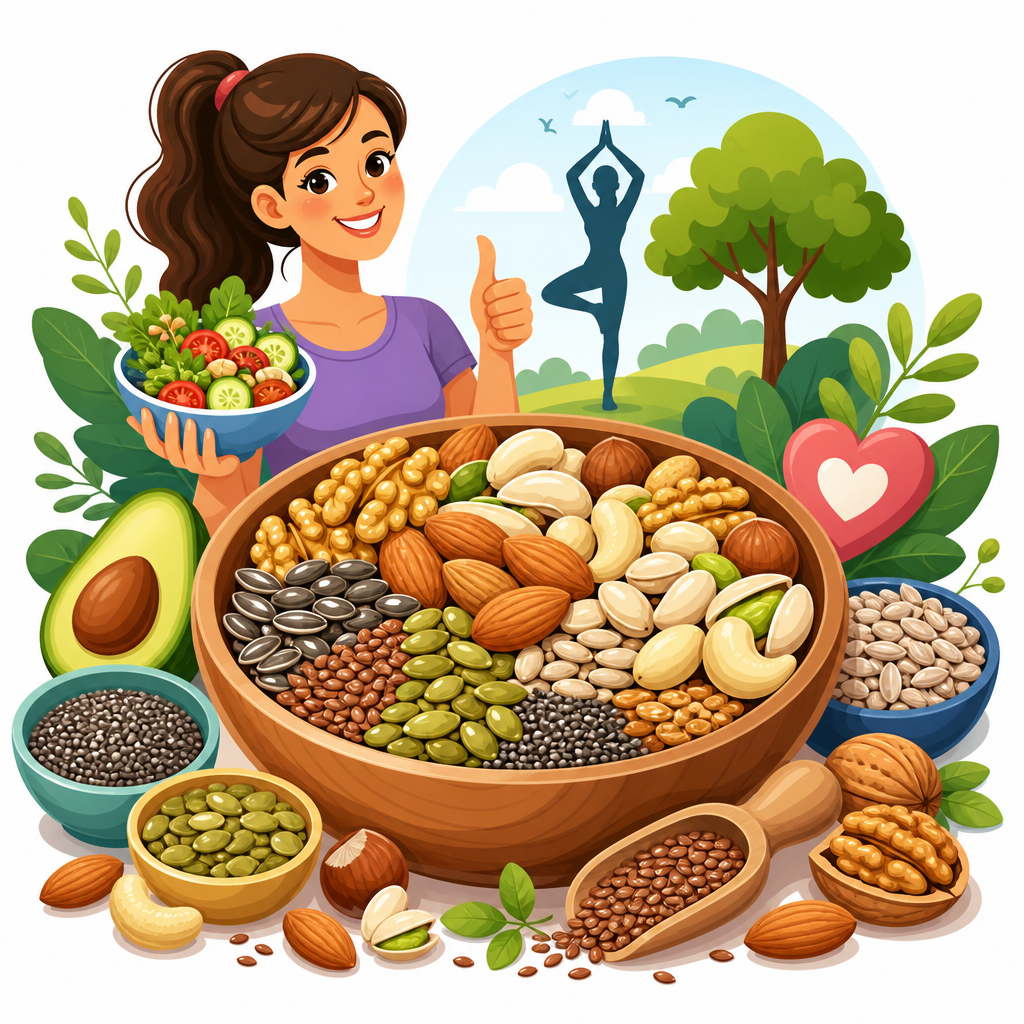
Seeds and nuts earn their place in a balanced diet because they deliver dense nutrition in small portions, support heart and metabolic health, and fit easily into everyday meals. In nutrition practice, I have seen few food groups offer the same combination of protein, unsaturated fats, fiber, minerals, and protective plant compounds with such versatility. When people ask what makes the nutritional power of seeds and nuts so important, the short answer is simple: they provide concentrated nourishment that helps close common nutrient gaps without relying on highly processed foods.
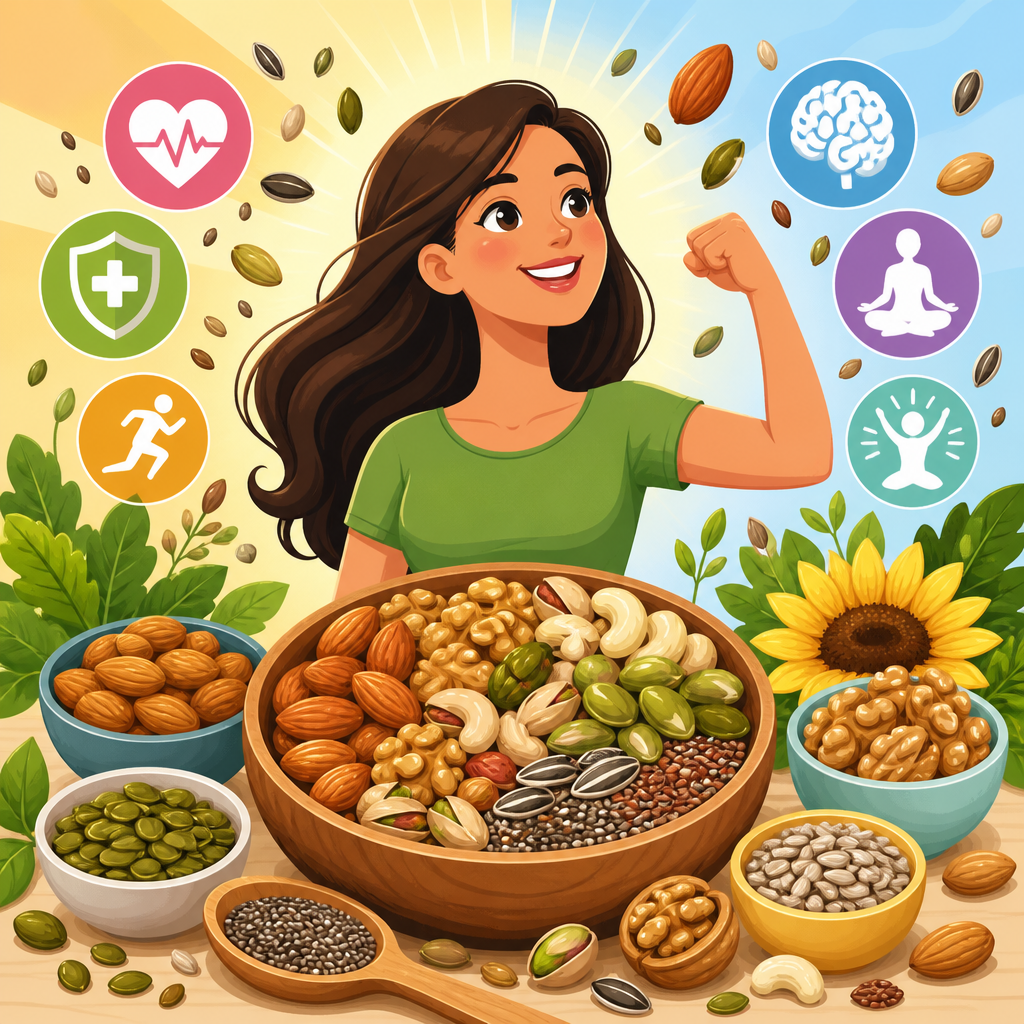
Although people often group them together, seeds and nuts are not identical. Tree nuts include almonds, walnuts, pistachios, cashews, pecans, hazelnuts, Brazil nuts, and macadamias. Peanuts are legumes botanically, yet nutritionally they behave much like nuts. Seeds include chia, flax, pumpkin, sunflower, sesame, hemp, and others. Across these categories, the shared strengths are remarkable. Most offer healthy fats, especially monounsaturated and polyunsaturated fatty acids; meaningful amounts of plant protein; dietary fiber; and micronutrients such as magnesium, vitamin E, selenium, zinc, copper, manganese, folate, and calcium. They also contain polyphenols, lignans, phytosterols, and other bioactive compounds linked to reduced inflammation and improved lipid metabolism.
Why does this matter in a balanced diet? Because many modern eating patterns are high in refined grains, added sugars, and sodium, yet low in fiber, magnesium, potassium, and omega-3 fats. Seeds and nuts directly address several of those deficits. They can improve satiety, replace less nutritious snacks, add texture and flavor without excess sugar, and support dietary patterns consistently associated with better long-term health. Large observational studies and controlled feeding trials repeatedly connect regular nut intake with lower risk of cardiovascular disease, while specific seeds such as flax and chia contribute alpha-linolenic acid, a plant omega-3 fatty acid that many people underconsume. For anyone building a practical, nutrient-dense way of eating, the nutritional power of seeds and nuts is not a trend; it is a foundational advantage.
Core Nutrients That Make Seeds and Nuts Stand Out
The nutritional power of seeds and nuts starts with macronutrient quality. Their fat content is often misunderstood, yet most of that fat is beneficial unsaturated fat rather than the trans fats and heavily refined oils linked with poorer outcomes. Almonds, hazelnuts, pecans, and peanuts are especially rich in monounsaturated fat, the same broad category associated with Mediterranean-style eating patterns. Walnuts, chia seeds, flaxseeds, and hemp seeds provide more polyunsaturated fat, including alpha-linolenic acid. These fats support cell membranes, hormone production, absorption of fat-soluble vitamins, and normal inflammatory balance.
Protein is another major strength. While seeds and nuts are not usually complete proteins in the way eggs or dairy are, they still make a substantial contribution, especially in plant-forward diets. Hemp seeds, peanuts, almonds, pumpkin seeds, and pistachios are especially useful when people need more protein at breakfast or in snacks. Fiber completes the trio. Chia and flax are especially high in soluble and gel-forming fiber, which can slow digestion, support fullness, and help maintain healthy cholesterol levels. Almonds, pistachios, and sunflower seeds add insoluble fiber that benefits digestive regularity and the gut microbiome.
Micronutrient density is where these foods become exceptional. Magnesium supports hundreds of enzymatic reactions, including nerve function, muscle contraction, and blood pressure regulation; pumpkin seeds, almonds, and cashews are reliable sources. Vitamin E, abundant in almonds and sunflower seeds, protects cell membranes from oxidative stress. Selenium from Brazil nuts is notable because just one or two nuts can provide a day’s requirement, though that same potency means they should be eaten in moderation. Calcium appears in sesame and chia, zinc in pumpkin seeds, copper in cashews, and folate in peanuts. Few snack foods come close to this breadth of nutrition.
How Seeds and Nuts Support Heart, Metabolic, and Digestive Health
The strongest evidence for regular seed and nut consumption relates to cardiometabolic health. In clinical work, I often recommend them first when someone needs a realistic food swap for chips, pastries, or processed snack bars. Replacing refined snacks with a measured portion of nuts or seeds can improve fat quality, increase fiber, and reduce glycemic volatility. Walnuts have been studied for effects on blood lipids because of their polyunsaturated fat profile. Almonds are frequently used in research examining LDL cholesterol, post-meal blood glucose, and appetite. Pistachios have shown benefits for vascular function and metabolic markers when used in place of lower-quality snacks.
Mechanistically, several factors explain these effects. Unsaturated fats help improve lipid profiles when they replace saturated fat or refined carbohydrate. Fiber binds bile acids and supports slower carbohydrate absorption. Plant sterols can interfere with cholesterol absorption in the intestine. Polyphenols may reduce oxidative stress and support endothelial function. Magnesium plays a role in insulin action and blood pressure regulation. The health effect is not caused by one nutrient in isolation; it comes from the whole food matrix.
Digestive health also benefits. Seeds and nuts provide fermentable substrates that nourish beneficial gut microbes, especially when they are minimally processed. Ground flaxseed, for example, contributes mucilage and lignans while supporting regularity. Chia seeds absorb liquid and form a gel, which can aid fullness and improve texture in breakfasts or puddings. Regular intake can help people increase total fiber gradually, though hydration matters. When someone suddenly adds large portions of chia, flax, or mixed nuts without enough fluid, bloating or discomfort can follow. The solution is portion control and consistency, not avoidance.
Which Seeds and Nuts Offer Distinct Benefits
Different varieties bring different nutritional advantages, so variety matters more than loyalty to a single “best” option. I encourage rotation across the week because it widens micronutrient coverage and keeps meals interesting. The table below summarizes the practical strengths of common choices.
| Food | Key Nutrients | Distinct Benefit | Best Practical Use |
|---|---|---|---|
| Almonds | Vitamin E, magnesium, fiber, monounsaturated fat | Supports heart health and satiety | Snacks, yogurt topping, almond butter |
| Walnuts | Alpha-linolenic acid, copper, polyphenols | Strong plant omega-3 contribution | Oatmeal, salads, grain bowls |
| Pistachios | Protein, fiber, potassium, carotenoids | Helpful for portion awareness in-shell | Snacks, crusts, savory dishes |
| Pumpkin seeds | Magnesium, zinc, iron, protein | Excellent mineral density | Soups, salads, trail mix |
| Chia seeds | Fiber, calcium, alpha-linolenic acid | Forms gel that improves fullness | Puddings, smoothies, oatmeal |
| Flaxseeds | Lignans, fiber, alpha-linolenic acid | Supports cholesterol management | Ground into cereal, baking, yogurt |
| Sesame seeds | Calcium, copper, lignans | Adds minerals and flavor in small amounts | Tahini, dressings, stir-fries |
| Brazil nuts | Selenium | Highly concentrated trace mineral source | Occasional small portions |
Preparation affects nutritional value. Flaxseeds should usually be ground because whole seeds often pass through the digestive tract intact. Chia can be eaten whole, soaked, or ground. Dry-roasted nuts are generally fine, but heavily salted, sugar-coated, or oil-fried versions can dilute the health benefit. Natural nut butters are useful if the ingredient list is simple: ideally just nuts or seeds, with optional salt. Tahini, peanut butter, almond butter, and sunflower seed butter all count when portioned appropriately.
Using Seeds and Nuts in a Balanced Diet Without Overdoing Calories
A common question is whether seeds and nuts cause weight gain because they are energy dense. The evidence does not support that simplistic view. Despite their calorie density, regular nut intake is not consistently associated with greater body weight in long-term studies, and in some cases it is linked with better weight management. Several explanations make sense in practice. Nuts and seeds are filling because they combine fat, protein, and fiber. Some of the fat in whole nuts is not fully absorbed due to their physical structure. Most importantly, they often replace less satisfying foods rather than simply adding calories on top of an already excessive diet.
Portion size still matters. For most adults, a practical serving is about 28 grams, or one ounce, of nuts, or one to two tablespoons of seeds depending on the type and the rest of the meal. I advise using them intentionally: walnuts on oatmeal instead of brown sugar, pumpkin seeds on soup instead of croutons, or peanut butter with apple slices instead of cookies. That replacement mindset is what turns the nutritional power of seeds and nuts into a real dietary advantage.
They also fit across eating patterns. In Mediterranean-style meals, nuts complement legumes, vegetables, olive oil, and fish. In vegetarian and vegan diets, hemp, chia, pumpkin seeds, peanuts, and almonds help raise protein and mineral intake. For athletes, trail mix or nut butter can provide compact fuel before longer sessions, while seeds can strengthen the nutrient profile of recovery meals. For older adults, softer options like tahini, natural nut butters, or finely chopped nuts can add calories and micronutrients when appetite is low. Balanced eating is not about forcing one template; it is about selecting foods that meet needs efficiently and consistently.
Buying, Storing, Safety, and Smart Everyday Choices
Quality and storage deserve attention because the healthy fats in seeds and nuts can oxidize over time. Buy from stores with good turnover, especially for flax, hemp, and walnut products. Keep nuts and seeds in airtight containers away from heat and light. Refrigeration extends freshness, and freezing works well for bulk purchases. Rancid products develop stale, paint-like, or bitter notes and should be discarded. This matters not just for flavor but for nutrient preservation.
Allergies are the main safety concern. Tree nut and peanut allergies can be severe, and sesame is also a common allergen in many regions. Anyone with a diagnosed allergy should avoid the offending food completely and check labels carefully for cross-contact warnings. Whole nuts can be a choking hazard for young children, so age-appropriate forms such as thinned nut butters or finely ground nuts are safer. People with kidney stone concerns, digestive conditions, or medically prescribed mineral restrictions may need tailored guidance, because some seeds and nuts are higher in oxalates, phosphorus, or fiber.
From a shopping standpoint, the best choices are usually plain, dry-roasted, or raw varieties with minimal additives. Mixed nuts are convenient, but compare sodium levels. Seed blends can enrich salads, yogurt, or overnight oats. If budget is a concern, peanuts, sunflower seeds, and peanut butter often provide the best value per gram of protein and healthy fat. Small daily habits matter more than premium branding. A tablespoon of ground flax in breakfast, a handful of pistachios in the afternoon, or tahini in a homemade dressing can steadily improve overall dietary quality.
The nutritional power of seeds and nuts is essential for a balanced diet because these foods solve multiple nutrition problems at once. They provide healthy fats, plant protein, fiber, and a broad spectrum of vitamins, minerals, and phytochemicals in portions that are practical for real life. They support heart health, help regulate appetite, improve nutrient density, and make meals more satisfying without depending on ultra-processed ingredients. Just as important, they are adaptable: breakfast, snacks, salads, soups, sauces, and desserts can all benefit from their texture and nutrition.
No single seed or nut does everything. Almonds excel in vitamin E, walnuts in plant omega-3s, pumpkin seeds in magnesium and zinc, flax in lignans and fiber, sesame in calcium-rich tahini, and Brazil nuts in selenium. The smartest approach is variety, moderation, and substitution. Use seeds and nuts to replace foods that offer mostly refined starch, added sugar, or poor-quality fat. Choose minimally processed forms, store them well, and match portions to your energy needs.
As a hub within Superfoods and Functional Foods, this topic opens the door to deeper exploration of individual varieties, preparation methods, allergy-safe alternatives, and evidence-based health applications. Start simply: pick two nuts and two seeds you enjoy, use them daily for two weeks, and notice how much easier balanced eating becomes.
Frequently Asked Questions
Why are seeds and nuts considered so important in a balanced diet?
Seeds and nuts are important in a balanced diet because they deliver a remarkable amount of nutrition in a relatively small serving. They provide a combination of plant protein, healthy unsaturated fats, dietary fiber, vitamins, minerals, and naturally occurring plant compounds that work together to support overall health. This nutrient density makes them especially valuable for people who want foods that offer lasting nourishment rather than just calories. In practical terms, they help fill nutritional gaps while also contributing to satiety, which can make meals and snacks more satisfying.
What makes them stand out is the quality and variety of nutrients they contain. Almonds, walnuts, pistachios, chia seeds, flaxseeds, pumpkin seeds, and sunflower seeds each bring something slightly different to the table, including magnesium, zinc, vitamin E, selenium, calcium, and omega-3 or other heart-friendly fats. Because of this, eating a range of seeds and nuts can support many functions at once, including energy production, muscle repair, immune function, nerve health, and healthy digestion. Their versatility also makes them easy to include in breakfast bowls, salads, yogurt, smoothies, stir-fries, or simple snacks, which is one reason they are so effective as part of a realistic long-term eating pattern.
How do seeds and nuts support heart and metabolic health?
Seeds and nuts are strongly associated with heart and metabolic health because they contain unsaturated fats that can help support healthy cholesterol levels when they replace more saturated sources of fat in the diet. Many varieties also provide fiber, which contributes to healthy digestion and can help with blood sugar balance and cholesterol management. In addition, minerals such as magnesium and potassium play important roles in blood pressure regulation, muscle function, and energy metabolism. Together, these nutrients make seeds and nuts a valuable part of eating patterns designed to support cardiovascular wellness.
They also help with metabolic health by improving fullness and slowing digestion when paired with carbohydrate-rich foods. For example, adding nut butter to toast, chia seeds to oatmeal, or pumpkin seeds to a grain bowl can create a more balanced meal that helps sustain energy over time. Their mix of fat, fiber, and protein can reduce the sharp rise and fall in hunger that often follows less balanced snacks. Over time, this can support more stable eating habits and better appetite control. While they are not a cure-all, including moderate portions of seeds and nuts regularly is one of the simplest ways to improve dietary quality and support long-term cardiometabolic health.
What nutrients make seeds and nuts so powerful?
The nutritional power of seeds and nuts comes from their ability to supply several essential nutrients at once. Most nuts and seeds provide plant-based protein, which supports muscle maintenance, tissue repair, and overall body function. They are also rich in healthy fats, particularly monounsaturated and polyunsaturated fats, which are important for cell structure, hormone production, and nutrient absorption. Fiber is another major benefit, helping with digestive regularity, satiety, and blood sugar control. This combination alone makes them a highly efficient food group in a balanced diet.
Beyond the basics, they are also packed with important micronutrients and plant compounds. Vitamin E in almonds and sunflower seeds acts as an antioxidant that helps protect cells from oxidative stress. Magnesium, found in pumpkin seeds, almonds, and cashews, supports hundreds of enzymatic processes in the body, including muscle and nerve function. Selenium in Brazil nuts supports thyroid health, while calcium in sesame seeds and chia seeds can contribute to bone support. Flaxseeds and chia seeds are also known for their omega-3 fatty acids, which are especially helpful in plant-forward diets. The result is a food group that offers both foundational nutrition and added protective benefits.
Can seeds and nuts help with weight management even though they are calorie-dense?
Yes, seeds and nuts can absolutely fit into a weight management plan, even though they are calorie-dense. In fact, their calorie density is part of what makes portion awareness important, but it does not make them unhealthy or unsuitable. Because they contain protein, fiber, and healthy fats, they are often more satisfying than highly processed snack foods. This can help reduce mindless eating and improve fullness between meals. A small portion of nuts or seeds may leave someone more satisfied than a much larger portion of low-fiber, low-protein snack foods.
The key is to use them strategically. A tablespoon of chia seeds in yogurt, a small handful of almonds as a snack, or a sprinkle of pumpkin seeds on a salad adds nutrition and staying power without requiring a large amount. Choosing plain or lightly seasoned options is often best, since sugar-heavy or heavily salted products can reduce the overall health value. Weight management is not only about calorie counting; it is also about choosing foods that support appetite regulation, stable energy, and nutrient adequacy. Seeds and nuts do all three very well when included in sensible portions as part of an overall balanced eating pattern.
What are the best ways to add more seeds and nuts to everyday meals?
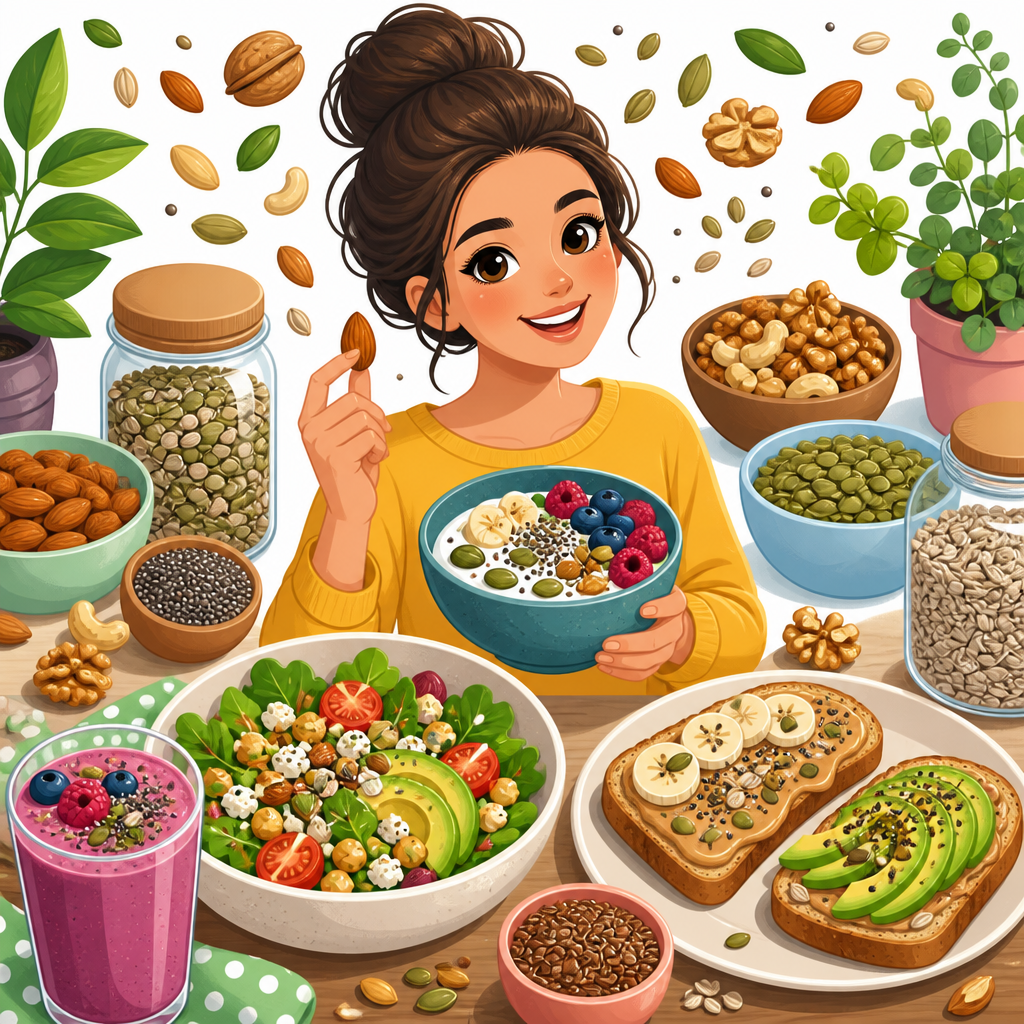
One of the biggest strengths of seeds and nuts is how easy they are to use in everyday eating. They can be added to breakfast by stirring ground flaxseed into oatmeal, topping yogurt with walnuts, or blending chia seeds into a smoothie. At lunch or dinner, sunflower seeds, sliced almonds, or pumpkin seeds can add texture and nutrition to salads, roasted vegetables, grain bowls, and soups. Nut butters can be spread on whole grain toast, used as a dip for fruit, or whisked into sauces and dressings for extra richness and protein. These simple additions can upgrade a meal without making it complicated.
Variety matters, both for flavor and for nutrition. Rotating different choices helps broaden the range of nutrients you get, since each type offers a different profile of fats, minerals, and antioxidants. It is also helpful to consider the form you use. Ground flaxseed is often easier to absorb than whole flaxseed, and unsalted or dry-roasted nuts may be preferable for those watching sodium intake. For people with allergies, seeds such as pumpkin, sunflower, sesame, hemp, and chia can be excellent alternatives to tree nuts. The most sustainable approach is to keep a few options on hand and use them consistently in meals and snacks, turning their nutritional power into a regular part of a balanced diet.