Fermented foods and gut health belong in the same conversation because fermentation changes ordinary ingredients into foods rich in beneficial microbes, bioactive compounds, and digestion-supporting acids that can help shape the intestinal environment. In practical terms, fermented foods are foods transformed by bacteria, yeasts, or molds that break down sugars and starches into substances such as lactic acid, acetic acid, and carbon dioxide. Gut health refers to the balance and function of the gastrointestinal tract, including digestion, immune signaling, barrier integrity, and the activity of the gut microbiome. I have worked with clients who assumed gut health meant buying expensive supplements, yet the most consistent improvements often began with basic foods like yogurt, kefir, sauerkraut, and miso added steadily, not dramatically, to meals.
This topic matters because the gut does far more than process food. Roughly 70 percent of the immune system is associated with the gut, and the intestinal microbiome influences nutrient absorption, bowel regularity, short-chain fatty acid production, and even mood through the gut-brain axis. Diet is one of the most powerful levers affecting that system. Fermented foods can introduce live microorganisms in some cases, and even when a product is pasteurized and no longer live, fermentation can still create peptides, vitamins, and acids that support digestion and flavor. Not every fermented food is automatically probiotic, and not every probiotic survives stomach acid, but the category remains one of the most evidence-backed ways to diversify food intake while supporting microbial resilience.
As a hub article on fermented foods and gut health, this guide covers what fermented foods are, which ones deserve a place in your kitchen, how they work, how to choose quality products, and how to use them safely. It also clarifies common questions: Are all pickles fermented? Is sourdough probiotic? How much should you eat? Which foods help most with bloating, regularity, or dairy tolerance? The answers depend on the food, the microbes involved, and how the product is made. Understanding those differences helps you make decisions based on function rather than trend, which is exactly why fermented foods continue to stand out within the broader world of superfoods and functional foods.
What fermented foods do for gut health
Fermented foods support gut health through several mechanisms, and the benefit is not limited to one single strain or product. During fermentation, microbes metabolize carbohydrates and produce compounds that can improve digestibility, preservation, and taste. Lactic acid bacteria, including Lactobacillus and Leuconostoc species, lower pH and help create an environment that discourages spoilage organisms. In dairy, fermentation can reduce lactose content, which is why many people who struggle with milk tolerate yogurt or kefir more easily. In vegetables, fermentation can create organic acids and enzymes while retaining fiber, giving the colon both fermentable substrate and, when unpasteurized, living microbes.
Research has linked regular fermented food intake with better microbial diversity and lower markers of inflammation in some populations. One widely cited Stanford study published in 2021 found that a diet high in fermented foods increased microbiome diversity and decreased multiple inflammatory markers over a ten-week intervention. Diversity matters because a more varied microbiome is generally associated with stronger ecosystem stability. That does not mean fermented foods cure digestive disease, and it does not replace treatment for conditions such as inflammatory bowel disease, celiac disease, or severe irritable bowel syndrome. It does mean these foods can be a useful dietary tool when chosen carefully and introduced gradually.
Another important point is that fermented foods often work best as part of a wider dietary pattern. Microbes need fuel, and that fuel usually comes from prebiotic fibers found in beans, oats, onions, garlic, bananas, asparagus, and many other plant foods. I usually explain this simply: probiotics are like seeds, but fiber is the soil and water. If someone eats kefir daily but consumes almost no fiber, the overall effect may be limited. Pairing fermented foods with diverse plants, adequate hydration, and regular meal patterns creates a more supportive environment for gut function than any single food can provide alone.
Top foods rich in fermented foods and gut health benefits
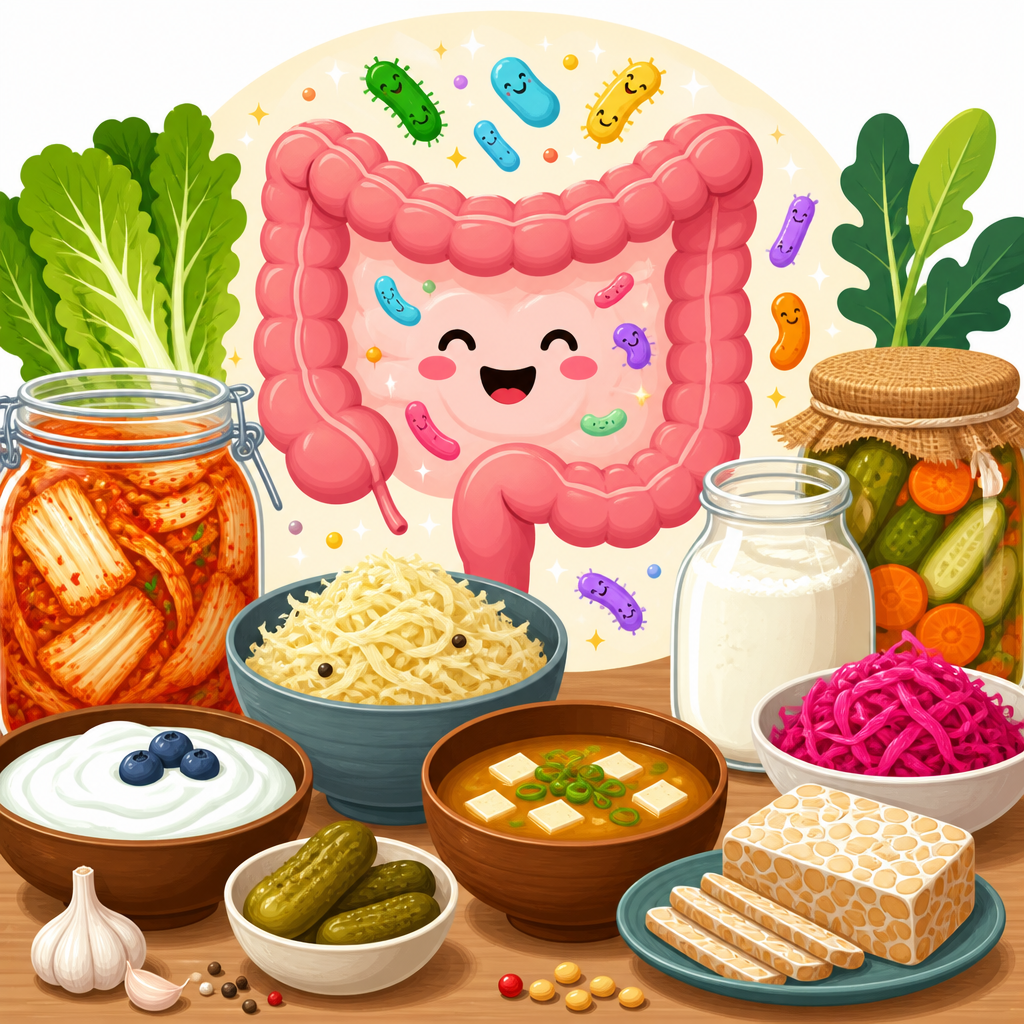
The best fermented foods for gut health combine regular availability, useful nutrient profiles, and enough palatability that people will keep eating them. Yogurt is often the easiest starting point. Traditional yogurt cultures include Streptococcus thermophilus and Lactobacillus bulgaricus, and many products add strains such as Lactobacillus acidophilus or Bifidobacterium lactis. Choose plain yogurt with live and active cultures, since flavored versions can contain significant added sugar. Greek yogurt offers more protein, while standard yogurt can be easier to blend into sauces, breakfasts, and snacks.
Kefir is one of the most microbially diverse fermented dairy foods commonly sold in stores. It is made with kefir grains containing bacteria and yeasts, and it often includes more strains than standard yogurt. Many people notice kefir helps with regularity, and its drinkable texture makes it practical for smoothies or quick breakfasts. Sauerkraut and kimchi are excellent vegetable options. True fermented sauerkraut is cabbage preserved by salt and lactic acid fermentation, not vinegar alone. Kimchi adds garlic, ginger, radish, scallions, and chili, increasing phytonutrient variety along with microbial exposure.
Miso, tempeh, and natto are staple fermented soy foods with distinct strengths. Miso, made with koji fermentation, contributes flavor, peptides, and minerals, though many packaged soups are high in sodium. Tempeh offers a firm texture and substantial protein, making it a strong option for plant-based diets. Natto, fermented with Bacillus subtilis, is notable for vitamin K2 and the enzyme nattokinase, but its aroma and texture are polarizing. Kombucha is widely marketed for gut health, yet benefits vary by brand because sugar content, acidity, and microbial counts differ significantly. Fermented pickles, certain aged cheeses, apple cider vinegar with the mother, and sourdough can all fit the category, but their gut effects are not equivalent.
| Food | Main microbes or method | Key gut-health value | What to check before buying |
|---|---|---|---|
| Yogurt | Lactic acid bacteria cultures | May improve lactose tolerance and adds protein | Live cultures, low added sugar |
| Kefir | Bacteria and yeasts in kefir grains | Broader strain diversity than many yogurts | Plain version, refrigeration, culture label |
| Sauerkraut | Salt-brined cabbage fermentation | Fiber plus organic acids and possible live cultures | Refrigerated, unpasteurized, not vinegar-only |
| Kimchi | Lactic acid fermentation | Vegetable diversity and strong flavor support | Refrigerated, moderate sodium, ingredient quality |
| Tempeh | Rhizopus mold fermentation | Protein-rich, easier soy digestion for some people | Minimal additives, proper refrigeration |
| Miso | Koji fermentation | Fermentation-derived flavor compounds | Sodium level, authentic ingredients |
How to choose fermented foods that actually help
Reading labels matters because many products marketed as fermented foods and gut health boosters are either heat-treated, loaded with sugar, or made with vinegar instead of traditional fermentation. For live microbial potential, look for words such as “live and active cultures,” “raw,” or “unpasteurized” when appropriate. Refrigerated sauerkraut and kimchi are usually better bets than shelf-stable jars, which are often pasteurized. With yogurt and kefir, check both the ingredient list and nutrition panel. A short ingredient list with milk and cultures is ideal. A flavored cup with 18 to 25 grams of added sugar turns a functional food into more of a dessert.
It also helps to understand the difference between fermented and probiotic. A food can be fermented without containing live organisms at the point of consumption. Sourdough bread is fermented, but the baking process kills live yeast and bacteria. That does not erase all benefit; fermentation may improve flavor, texture, and digestibility by altering starches and proteins. The same principle applies to tempeh cooked before eating and miso stirred into hot soup. These foods still provide value, just not necessarily in the same live-microbe sense as raw kefir or refrigerated fermented vegetables.
Quality and tolerance vary by person. Someone with histamine sensitivity may react poorly to aged or fermented foods. People with uncontrolled hypertension need to watch sodium, especially with kimchi, olives, pickles, and miso. Anyone with a compromised immune system, recent major surgery, or complex gastrointestinal disease should ask a clinician for personalized guidance. For most healthy adults, though, the best choice is the fermented food they can eat consistently in moderate portions without symptoms. Consistency, not novelty, is where results usually begin.
Best ways to add fermented foods to your diet
The smartest way to start is slowly. I usually recommend one small serving per day for a week, then increase as tolerated. That might mean two tablespoons of sauerkraut with lunch, half a cup of kefir at breakfast, or a few bites of tempeh at dinner. A sudden jump from zero fermented foods to multiple large servings can cause gas, bloating, or loose stools, especially if the rest of the diet is also changing. Slow introduction helps you identify which foods your body handles well.
Use fermented foods as meal components rather than isolated wellness shots. Yogurt can anchor breakfast with oats, berries, and chia. Kefir works in smoothies with banana and spinach. Sauerkraut and kimchi add acidity and crunch to grain bowls, eggs, sandwiches, and roasted vegetables. Miso can be whisked into dressings or broths after cooking to preserve more of its fermentation-related compounds. Tempeh can replace processed meat in stir-fries, tacos, or salads, providing fiber-supportive pairings when served with vegetables and whole grains.
Rotation is useful because different foods deliver different microbes, fibers, and nutrients. A practical weekly pattern might include yogurt several times, kefir twice, kimchi or sauerkraut with savory meals, and tempeh once or twice for protein variety. Homemade fermentation is another option, but it requires safe technique. Use the right salt concentration, clean equipment, and recipes from reputable sources such as university extension programs or tested fermentation books. Proper fermentation should smell pleasantly sour, not rotten, and visible mold on the wrong food is a reason to discard it, not scrape and continue.
Common myths, limitations, and safety points
One common myth is that all fermented foods are automatically healthy. Fermentation does not cancel out excessive sugar, sodium, or poor ingredient quality. Sweetened kombucha, candy-like yogurt, and highly processed fermented sauces can fit into a diet, but they should not be treated as top gut-health choices. Another myth is that more is always better. There is no universal optimal dose, and digestive comfort matters. Some people thrive with daily servings; others do better with several servings per week, especially if they are sensitive to FODMAPs, histamine, or carbonation.
Another limitation is that evidence does not support every claim made around fermented foods and gut health. These foods may support microbial diversity, bowel regularity, and digestion, but they are not proven cures for anxiety, autoimmune disease, chronic fatigue, or obesity on their own. The microbiome is highly individualized, and responses differ depending on baseline diet, medications, sleep, stress, and antibiotic history. Antibiotics, for example, can disrupt microbial communities significantly, yet rebuilding still depends on total dietary pattern and time, not a single bottle of probiotic drink.
Safety is straightforward when you follow basic rules. Buy reputable brands, respect refrigeration, and check expiration dates. If you ferment at home, use tested recipes and food-safe containers. People taking monoamine oxidase inhibitors, those with severe food allergies, and those under medical dietary restrictions should review fermented foods individually. The main benefit of this category is not magic; it is that fermented foods can make a gut-supportive diet more diverse, flavorful, and sustainable. Start with one food this week, build from there, and let consistency do the work.
Frequently Asked Questions
What are fermented foods, and why are they so closely linked to gut health?
Fermented foods are foods and drinks that have been transformed by beneficial microorganisms such as bacteria, yeasts, or molds. During fermentation, these microbes break down natural sugars and starches into compounds like lactic acid, acetic acid, and carbon dioxide. This process not only preserves food and changes its flavor and texture, but it can also create products that support digestive function. Common examples include yogurt with live cultures, kefir, sauerkraut, kimchi, miso, tempeh, and traditionally fermented pickles.
They are closely linked to gut health because the digestive tract is home to a vast community of microorganisms that influence digestion, immune activity, nutrient absorption, and even aspects of metabolism. Fermented foods can introduce live microbes in some cases, and they also provide fermentation byproducts that may help create a more favorable intestinal environment. Even when a fermented food does not deliver large numbers of live organisms by the time you eat it, it may still contain organic acids, enzymes, and bioactive compounds that support digestion and overall gut function. In short, fermented foods and gut health belong together because fermentation can make foods more biologically active and potentially more supportive of a balanced gut ecosystem.
What are the top foods rich in fermented foods and gut health benefits?
Some of the best-known fermented foods for gut health include yogurt, kefir, sauerkraut, kimchi, miso, tempeh, kombucha, and traditionally fermented vegetables. Yogurt is often one of the easiest places to start because it is widely available and may contain live cultures such as Lactobacillus and Bifidobacterium, depending on the product. Kefir is another standout because it is typically fermented with a broader range of bacteria and yeasts, giving it a diverse microbial profile. Sauerkraut and kimchi are fermented cabbage-based foods that can provide beneficial acids and, when unpasteurized, live microbes as well.
Miso and tempeh are fermented soy foods with unique nutritional advantages. Miso is rich in flavor and often used in soups and dressings, while tempeh offers a firmer texture and a strong protein contribution. Kombucha, a fermented tea, is popular for its tangy taste and the acids formed during fermentation. Traditional pickles fermented in brine rather than preserved only in vinegar can also be useful additions. The most helpful approach is not to rely on a single food but to include a variety of fermented options in your diet, since each one can provide different microbes, compounds, and nutrients. Variety tends to be more beneficial than repeatedly eating just one product.
Do all fermented foods contain probiotics, and how can you tell which ones may actually help your gut?
Not all fermented foods contain live probiotics by the time they are eaten, and that is an important distinction. Some fermented foods are heat-treated, pasteurized, filtered, or processed in ways that reduce or eliminate live microorganisms. Others are fermented mainly for flavor or preservation but are not necessarily significant probiotic sources in their final form. That said, a food does not have to be loaded with live microbes to be valuable. Fermentation can still produce beneficial acids, peptides, and other compounds that support digestion and food quality.
If you want fermented foods that are more likely to deliver live cultures, look for labels that mention “live and active cultures,” “raw,” or “unpasteurized,” when appropriate for that specific product. Refrigerated sauerkraut and kimchi are often better candidates than shelf-stable versions that have been pasteurized. Yogurt and kefir should specifically list live cultures. For pickles, choose those labeled as naturally fermented or brine-fermented rather than simply vinegar-pickled. It is also wise to pay attention to added sugars, sodium, and ingredient quality. The best fermented foods for gut health are typically those that are minimally processed, made using traditional methods, and easy for you to eat regularly as part of a balanced diet.
How often should you eat fermented foods, and what is the best way to add them to your diet?
For most people, consistency matters more than large amounts. A small daily serving or a few servings spread throughout the week is often a practical and sustainable way to include fermented foods. There is no single perfect amount that works for everyone, because tolerance can vary based on digestive sensitivity, the specific food, and the rest of the diet. Starting with modest portions is usually the smartest strategy, especially if you are new to fermented foods. For example, you might begin with a few spoonfuls of sauerkraut, a small serving of yogurt, or half a glass of kefir and then gradually increase as your body adjusts.
Adding fermented foods to meals can be simple. Yogurt can be eaten at breakfast or used in sauces. Kefir can be blended into smoothies. Kimchi and sauerkraut work well alongside eggs, grain bowls, sandwiches, and roasted vegetables. Miso can be stirred into soups and dressings, and tempeh can be sautéed or baked as a protein source. The most effective approach is to pair fermented foods with fiber-rich ingredients such as fruits, vegetables, legumes, whole grains, nuts, and seeds. Fiber helps nourish beneficial gut microbes, so fermented foods and plant foods often work best together. Think of fermented foods as one important part of a broader gut-friendly eating pattern rather than a stand-alone solution.
Are fermented foods safe for everyone, and who should be cautious before eating more of them?
Fermented foods are safe for many people and can be a valuable addition to a healthy diet, but they are not universally appropriate in unlimited amounts. Some people may experience temporary bloating, gas, or changes in bowel habits when they first increase fermented foods, especially if they add too much too quickly. Many fermented products are also relatively high in sodium, which may matter for individuals monitoring blood pressure or salt intake. Others, such as kombucha or flavored yogurts, may contain added sugars that reduce their overall health value if consumed often.
Certain individuals should be more cautious and may benefit from personalized medical guidance before making major dietary changes. This can include people with histamine sensitivity, some digestive disorders, compromised immune systems, kidney concerns requiring sodium control, or those following specific medical nutrition plans. People with severe gastrointestinal symptoms should also avoid self-treating with fermented foods alone and instead discuss symptoms with a healthcare professional. Fermented foods can support gut health, but they are not a cure-all, and they work best within a well-rounded diet and healthy lifestyle. If you tolerate them well, they can be a practical, flavorful, and science-supported way to help nourish your digestive system over time.