Fermented foods and gut health are closely linked because fermentation changes ordinary ingredients into products rich in live microbes, bioactive compounds, and digestion-friendly acids that interact with the gastrointestinal tract in measurable ways. In nutrition practice, I have seen people treat yogurt, kefir, kimchi, miso, tempeh, sauerkraut, and kombucha as trend foods, yet their value is much older and more scientifically grounded. Fermentation is the controlled transformation of food by microorganisms such as lactic acid bacteria, yeasts, and certain molds. Gut health refers to the integrity of digestion, the balance and function of the gut microbiome, the strength of the intestinal barrier, and the immune and metabolic signals that begin in the digestive system. When these systems work well, people often notice steadier digestion, fewer episodes of bloating or irregularity, and better tolerance of a wider range of foods.
The reason this topic matters is that the gut is not just a food-processing tube. It houses trillions of microbes, helps train immune responses, produces short-chain fatty acids, assists with vitamin synthesis, and influences inflammation, blood sugar regulation, and even mood through the gut-brain axis. Modern diets, frequent antibiotic exposure, low fiber intake, stress, poor sleep, and ultra-processed foods can all disrupt microbial diversity and digestive resilience. Fermented foods do not solve every gut problem, but they are one of the most practical, food-first tools for supporting the gut ecosystem. They can introduce beneficial organisms, increase the availability of certain nutrients, and create metabolites that help shape the intestinal environment in favorable ways.
This article serves as a comprehensive hub for fermented foods and gut health within the broader superfoods and functional foods category. It explains how fermentation works, what science says about the microbiome, which fermented foods offer the strongest evidence, how to choose and use them safely, and what health benefits are realistic. It also clarifies an important nuance: not every fermented food contains live cultures by the time you eat it, and not every product marketed for gut health is equally effective. Understanding these distinctions is what turns a food trend into a useful nutrition strategy that can support long-term digestive and overall health.
How Fermentation Works and Why It Changes Food
Fermentation is a metabolic process in which microorganisms consume carbohydrates and produce acids, gases, alcohol, or other compounds. In food production, the most relevant groups are lactic acid bacteria, including Lactobacillus, Lactococcus, Leuconostoc, and Streptococcus thermophilus; yeasts such as Saccharomyces cerevisiae; and molds used in foods like tempeh or certain cheeses. These microbes lower pH, suppress spoilage organisms, and create the flavors and textures associated with fermented foods. In practical terms, fermentation can preserve perishable ingredients while also transforming their nutritional profile.
One of the clearest examples is cabbage. Raw cabbage contains fiber, vitamin C, and plant compounds, but when it becomes sauerkraut or kimchi, lactic acid bacteria produce lactic acid that lowers the pH and supports preservation. During that process, enzymes break down some carbohydrates, making the final product easier for many people to digest. Similar changes occur in dairy. Milk fermented into yogurt or kefir contains less lactose than milk because bacteria use lactose as fuel. That is why some people with mild lactose intolerance tolerate cultured dairy better than standard milk.
Fermentation also creates bioactive substances. Depending on the food and microbes involved, these may include peptides, organic acids, B vitamins, and compounds that influence antioxidant activity. In soy foods, fermentation can reduce antinutrients such as phytate and improve mineral availability. Tempeh, made by fermenting soybeans with Rhizopus mold, becomes firmer, nuttier, and often easier to digest than unfermented beans. Miso and natto also illustrate how fermentation can create distinct compounds; natto, for example, contains nattokinase and high levels of menaquinone-7, a form of vitamin K2.
An important distinction for gut health is that fermentation itself is beneficial even when a product does not contain many live organisms at consumption. Sourdough bread, pasteurized sauerkraut, and some pickled products may retain acids and transformed nutrients but provide fewer viable microbes. By contrast, refrigerated yogurt with active cultures, kefir, raw sauerkraut, and traditionally made kimchi are more likely to deliver live microorganisms. The science behind health effects therefore involves both the microbes and the compounds they leave behind.
The Gut Microbiome: What It Does and How Fermented Foods Influence It
The gut microbiome is the community of bacteria, fungi, viruses, and other microorganisms living primarily in the large intestine. Researchers often focus on diversity, stability, and function rather than chasing a single perfect microbial profile. A healthy gut microbiome helps ferment dietary fiber into short-chain fatty acids such as butyrate, acetate, and propionate. These compounds nourish colon cells, support the intestinal barrier, and help regulate inflammation and metabolism. The microbiome also interacts with bile acids, neurotransmitter signaling, and immune cells located throughout the gut-associated lymphoid tissue.
Fermented foods affect this system in several ways. First, some provide live microorganisms that can temporarily survive transit through the digestive tract. Even when they do not permanently colonize the gut, transient microbes can still interact with resident microbes and host tissues. Second, fermented foods often contain acids and metabolites that change the gut environment. Third, regular intake of these foods may support microbial diversity through repeated exposure to a wider range of organisms and substrates. A widely cited study published in 2021 in Cell found that a high-fermented-food diet increased microbiome diversity and decreased markers of inflammation in healthy adults over a ten-week intervention, while a high-fiber diet alone did not produce the same diversity increase during that short period.
That study is important because it captures a common real-world pattern I see: people often expect one probiotic capsule or one serving of yogurt to overhaul the microbiome, but gut ecology responds better to consistent dietary patterns than isolated fixes. Fermented foods work best as part of a broader routine that includes fiber-rich plants, adequate protein, and limited excess alcohol and ultra-processed foods. Microbes introduced through food need a favorable environment, and that environment is created partly by prebiotics from oats, legumes, onions, garlic, asparagus, and many other whole foods.
The best way to think about fermented foods and gut health is ecological. They are not magic bullets. They are recurring inputs that can influence microbial signaling, digestion, and immune tone when used consistently and matched to the individual.
Which Fermented Foods Offer the Most Gut Health Value
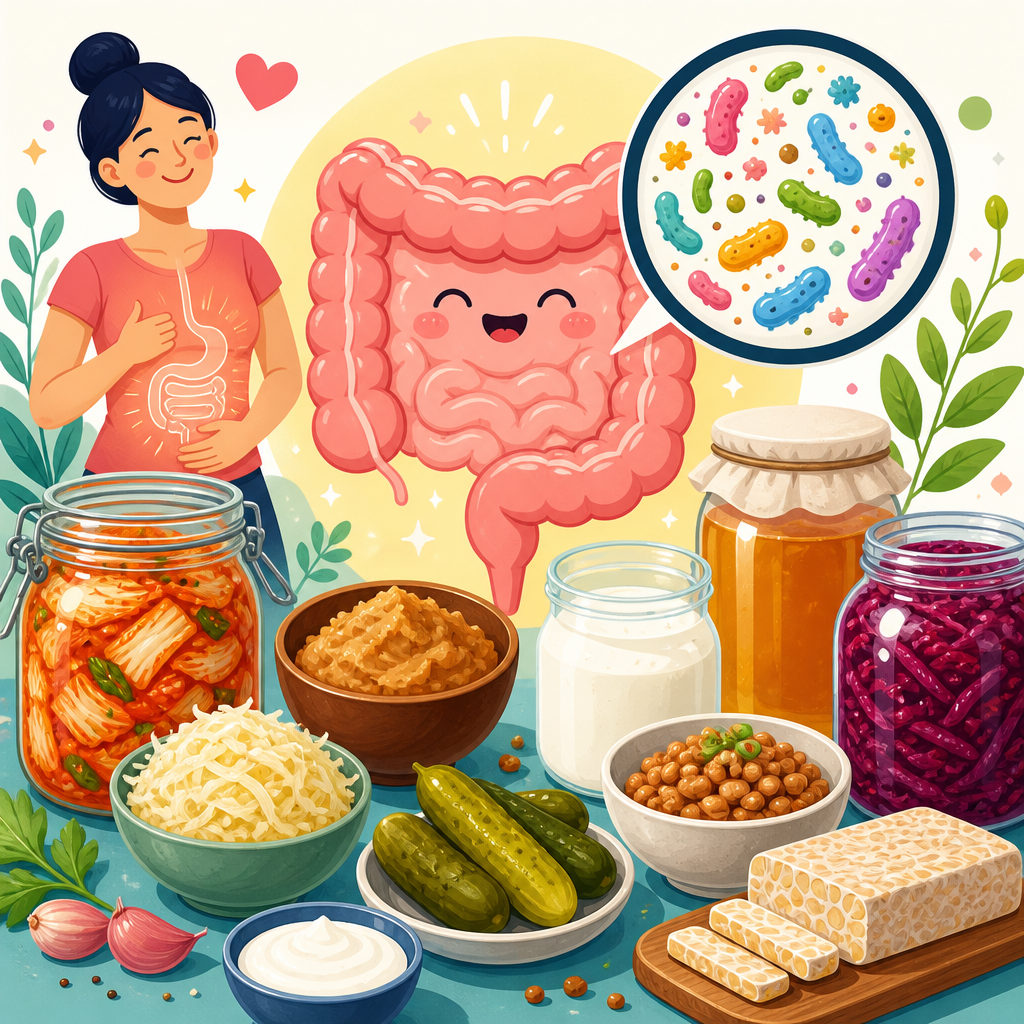
Not all fermented foods are equal, so selection matters. The strongest everyday choices are plain yogurt with live active cultures, kefir, traditional kimchi, refrigerated sauerkraut, tempeh, miso, and some cultured cottage cheese or labneh products. Yogurt typically contains Lactobacillus bulgaricus and Streptococcus thermophilus, with many products adding Lactobacillus acidophilus or Bifidobacterium strains. Kefir often contains a broader microbial spectrum, including bacteria and yeasts, which is one reason it is frequently better tolerated by people seeking a more diverse cultured dairy option.
Kimchi and sauerkraut provide lactic acid bacteria along with fiber from vegetables. Tempeh contributes protein, fiber, and fermentation-related digestibility benefits, making it especially useful for plant-forward diets. Miso offers fermented soy compounds, though many people use it in small portions because of sodium. Kombucha is widely consumed, but product quality varies substantially, and evidence for its specific gut benefits is less robust than for yogurt or kefir. Natto is highly nutritious, but its strong flavor and texture make it less accessible outside Japan. Traditional fermented pickles can be useful when naturally cultured in brine, but vinegar-pickled cucumbers are not the same thing.
| Food | Main microbes or process | Primary gut-related strengths | Key limitation |
|---|---|---|---|
| Yogurt | Lactic acid bacteria | Live cultures, lower lactose, strong evidence base | Many flavored versions contain added sugar |
| Kefir | Bacteria and yeasts | Broad culture diversity, often well tolerated | Can be tart and variable by brand |
| Kimchi | Lactic acid bacteria | Live microbes plus fiber and phytochemicals | Often high in sodium and spice |
| Sauerkraut | Lactic acid bacteria | Simple vegetable ferment with live cultures if refrigerated | Shelf-stable jars are often pasteurized |
| Tempeh | Fungal fermentation | Improved soy digestibility, protein, fiber | Usually cooked, so live microbes may not remain |
| Miso | Koji-based fermentation | Fermentation metabolites and savory flavor | High sodium; boiling can reduce live cultures |
When choosing products, read labels carefully. Look for phrases such as “live active cultures,” “naturally fermented,” or “unpasteurized” when appropriate. Refrigerated placement is often a useful clue for vegetable ferments. Also check the ingredient list. A fruit yogurt with 20 grams of added sugar is not the best default gut health food, even if it contains cultures. Plain versions with fruit added at home are usually better choices.
Health Benefits Beyond Digestion
The most immediate benefits of fermented foods usually involve digestion, but their effects extend further. Clinical and observational research links regular intake of fermented dairy, particularly yogurt, with better digestive tolerance, possible support for immune function, and in some populations lower risk of type 2 diabetes and cardiometabolic disease. These associations do not prove that every fermented food causes these outcomes, yet they are consistent with known biological mechanisms. Fermentation can improve nutrient bioavailability, reduce lactose content, and generate peptides that may modestly influence blood pressure regulation.
Immune effects are especially relevant because a large proportion of immune activity is coordinated in and around the gut. Certain probiotic strains have been shown in controlled trials to reduce the duration or incidence of some gastrointestinal and upper respiratory symptoms, though results depend on the exact strain and dose. Food-based ferments are less standardized than supplements, but regular exposure to beneficial microbes and microbial metabolites appears to help train more balanced immune responses. This may partly explain why diets rich in fermented foods are being studied for inflammation-related conditions.
The gut-brain axis is another active area of research. The microbiome communicates with the nervous system through immune signaling, vagal pathways, and metabolite production. Early studies suggest that some fermented foods or probiotic strains may influence stress response, mood, or cognitive function, though findings remain preliminary and should not be overstated. In practice, I frame this carefully: fermented foods can support the systems that influence mental well-being, but they are not replacements for mental health care, sleep, exercise, or treatment for mood disorders.
There are also benefits related to food preservation and dietary quality. Fermented foods make vegetables, dairy, legumes, and soy more varied and appealing, which increases adherence to nutrient-dense eating patterns. If a person eats more cabbage because they enjoy kimchi, more cultured dairy because they tolerate kefir, or more plant protein because they like tempeh, the downstream health effect can be meaningful.
How to Add Fermented Foods Safely and Effectively
The most effective approach is gradual and consistent. Start with small servings, especially if your current diet contains little fiber or few fermented foods. For many adults, that may mean a few spoonfuls of sauerkraut, half a cup of yogurt, or a small glass of kefir once daily. Increase slowly over one to two weeks while monitoring tolerance. Temporary gas or bloating can happen as the microbiome and digestive system adjust, but severe discomfort is a sign to reduce the amount or reassess the food choice.
Pair fermented foods with prebiotic-rich foods to create a better microbial environment. Yogurt with oats and berries, kimchi with rice and beans, or miso soup with vegetables and tofu are practical combinations. Variety matters because different ferments provide different organisms and compounds. I generally recommend rotating choices across the week rather than relying on a single product.
Safety matters too. People with histamine intolerance may react to aged or fermented products. Individuals with compromised immune systems, central venous catheters, or serious medical conditions should discuss high-microbe foods and probiotic use with a clinician. Sodium can be high in kimchi, miso, and sauerkraut, so portion awareness is important for people managing hypertension. Homemade fermentation can be excellent, but it must follow tested food-safety procedures, including correct salt concentration, clean equipment, and proper storage guidance from sources such as the USDA or National Center for Home Food Preservation.
For anyone building a gut-health routine, the key is repetition, not extremes. One tablespoon of kimchi with dinner every day is more useful than a large amount once a month. Choose fermented foods you genuinely enjoy, use them regularly, and support them with a diet built around diverse whole plants.
Fermented foods and gut health belong together because fermentation changes the chemistry, digestibility, and microbial potential of food in ways that can support the intestinal ecosystem. The strongest evidence supports regular intake of cultured staples such as yogurt, kefir, kimchi, and refrigerated sauerkraut, with tempeh and miso adding valuable variety and nutrient benefits. These foods can introduce live microbes, deliver beneficial metabolites, improve tolerance to certain ingredients like lactose, and help shape a gut environment linked to lower inflammation and better digestive function.
The biggest takeaway is that results come from pattern, not novelty. Fermented foods work best when they are part of a consistent routine that also includes fiber-rich plants, adequate sleep, stress management, and careful attention to individual tolerance. They are not a cure for every digestive complaint, and product quality matters, but they are one of the most accessible functional food strategies available. If you want to improve gut health through food, start with one high-quality fermented food, eat it consistently, and build from there.
Frequently Asked Questions
What is the science behind fermented foods and gut health?
The connection between fermented foods and gut health begins with the fermentation process itself. Fermentation is a controlled microbial transformation in which beneficial bacteria, yeasts, or molds break down natural sugars and other compounds in food. This creates new substances such as lactic acid, enzymes, vitamins, peptides, and other bioactive compounds that can influence digestion and the gut environment. In foods like yogurt, kefir, sauerkraut, kimchi, miso, tempeh, and kombucha, fermentation changes the original ingredient into something that is often easier to digest and more chemically complex than it was before.
From a gut health perspective, fermented foods may contribute in several ways. Some contain live microorganisms that can temporarily add to the diversity of microbes passing through the gastrointestinal tract. Even when those microbes do not permanently colonize the gut, they can still interact with the intestinal environment and support healthy microbial activity. Fermentation also produces organic acids, including lactic acid, which can help create conditions that favor beneficial microbes over less desirable ones. In addition, the process can partially break down compounds that are difficult for some people to digest, which may reduce digestive strain.
Research also suggests that fermented foods may support the gut barrier, immune signaling, and inflammatory balance. Because a large portion of immune activity is closely tied to the digestive tract, changes in the gut ecosystem can have effects beyond digestion alone. While fermented foods are not a cure-all, the science supports the idea that they can be a meaningful part of a diet designed to support microbial diversity, digestive comfort, and overall gastrointestinal resilience.
How do fermented foods help improve digestion?
Fermented foods can support digestion by making food easier for the body to process and by introducing compounds that work with the digestive system rather than against it. During fermentation, microbes begin breaking down carbohydrates, proteins, and other food components before you even eat them. That means the digestive workload may be lighter once the food reaches your stomach and intestines. For example, fermentation can reduce lactose in dairy products like yogurt and kefir, which is one reason some people who struggle with milk tolerate fermented dairy better.
Another important benefit is the presence of enzymes and acids generated during fermentation. These compounds may help with the breakdown of food and improve the digestive environment. Organic acids can support stomach and intestinal function, while microbial byproducts may help the gut move food efficiently and maintain a healthier internal balance. In practical terms, many people notice less bloating, more regular bowel habits, and better tolerance of certain foods when fermented foods are included consistently and appropriately in the diet.
Fermented vegetables such as kimchi and sauerkraut can also contribute fiber along with beneficial fermentation products, and that combination is especially useful. Fiber feeds resident gut microbes, while fermentation compounds may help beneficial strains thrive. The result can be a more stable digestive ecosystem. That said, individual responses vary. People with sensitive digestion, histamine intolerance, or certain gastrointestinal disorders may need to start with small servings and monitor symptoms. When chosen carefully, fermented foods can be a practical and science-based tool for supporting digestion over time.
Do fermented foods act like probiotics, and are they enough for a healthy microbiome?
Many fermented foods contain live microorganisms, but not all fermented foods should automatically be considered equivalent to probiotic supplements. A true probiotic is a specific live microorganism that has been studied and shown to provide a health benefit when consumed in adequate amounts. Some fermented foods naturally contain live cultures, especially if they are unpasteurized after fermentation, but the exact strains and amounts may vary from one product to another. Yogurt and kefir are often the clearest examples of fermented foods with well-known live cultures, while products like sourdough bread, beer, or pasteurized sauerkraut may not deliver meaningful live microbes by the time they are eaten.
Even so, fermented foods can still support the microbiome in ways that go beyond probiotic labeling. They supply metabolites, acids, and partially transformed nutrients that influence gut conditions and microbial behavior. In other words, a fermented food does not need to function exactly like a capsule-based probiotic to be useful. It can still help shape the gut environment in beneficial ways. Some studies have also shown that diets rich in fermented foods may increase microbiome diversity and reduce markers associated with inflammation, which is one reason they continue to receive attention in nutrition science.
However, fermented foods alone are not usually enough to create a healthy microbiome if the rest of the diet is poor. Gut health is built on patterns, not single foods. A strong foundation also includes plant diversity, adequate fiber, legumes, whole grains, fruits, vegetables, sufficient fluid intake, sleep, stress management, and physical activity. Fermented foods work best as one part of a broader strategy. Think of them as valuable contributors to gut health, not as a complete replacement for a balanced, microbiome-supportive diet.
Which fermented foods are best for gut health, and how should you choose them?
The best fermented foods for gut health are the ones that fit your digestive tolerance, nutritional needs, and eating habits while providing meaningful microbial or fermentation-related benefits. Yogurt and kefir are often strong starting points because they are widely available, easy to use regularly, and commonly contain live active cultures. Kefir in particular tends to contain a broader range of bacteria and yeasts than standard yogurt. Fermented vegetables such as sauerkraut and kimchi can also be beneficial because they combine microbial activity with fiber and plant compounds, although sodium content and spice level may matter for some people.
Miso and tempeh are excellent fermented soy foods with different strengths. Miso contributes fermentation-derived compounds and can add depth to meals, while tempeh offers fermentation benefits along with substantial protein and a firm texture that works well in savory dishes. Kombucha is popular as well, though quality varies and sugar content should be checked. For all fermented foods, labels matter. If your goal is live microbes, look for phrases like “contains live and active cultures,” “raw,” or “unpasteurized” when appropriate. Some products are fermented and then heat-treated, which can reduce or eliminate live cultures.
It is also wise to choose products with minimal unnecessary additives and manageable amounts of sugar and sodium. A fruit yogurt loaded with added sugar may offer less overall benefit than a plain yogurt topped with fruit at home. Similarly, shelf-stable sauerkraut that has been heavily processed may not offer the same live culture potential as refrigerated versions. The most effective approach is consistency and variety. Including small to moderate portions of different fermented foods over time is often more useful than relying on one product occasionally. This gives your diet a broader range of microbes, acids, and bioactive compounds that can support gut function from multiple angles.
Are there any risks or side effects of eating fermented foods for gut health?
Fermented foods are generally safe for most healthy people, but they are not universally tolerated and should be introduced thoughtfully. One of the most common side effects is temporary digestive change, especially if someone suddenly adds large amounts of fermented foods to a diet that was previously low in fiber or low in microbial diversity. Bloating, gas, and changes in bowel habits can happen during that adjustment period. Starting with small servings and increasing gradually is usually the best way to reduce discomfort and allow the digestive system to adapt.
There are also specific situations where extra caution is appropriate. People with histamine intolerance may react to certain fermented foods because fermentation can increase histamine and related compounds. Those with irritable bowel syndrome, small intestinal bacterial overgrowth, reflux, or very sensitive digestion may find that some fermented products work well while others trigger symptoms. Sodium can also be a concern with foods like kimchi, sauerkraut, and miso, particularly for individuals managing blood pressure. In sweetened fermented drinks, added sugar may offset some of the intended health value if intake becomes excessive.
Food safety matters as well. Properly produced commercial fermented foods are generally reliable, but homemade fermentation requires careful sanitation, correct salt ratios, and safe storage practices. For people with compromised immune systems, severe illness, or complex medical conditions, it is smart to discuss fermented foods with a healthcare professional before making major dietary changes. Overall, fermented foods can be highly beneficial, but the healthiest approach is personalized. The right type, amount, and frequency depend on the individual, their symptoms, and the rest of their diet and health status.