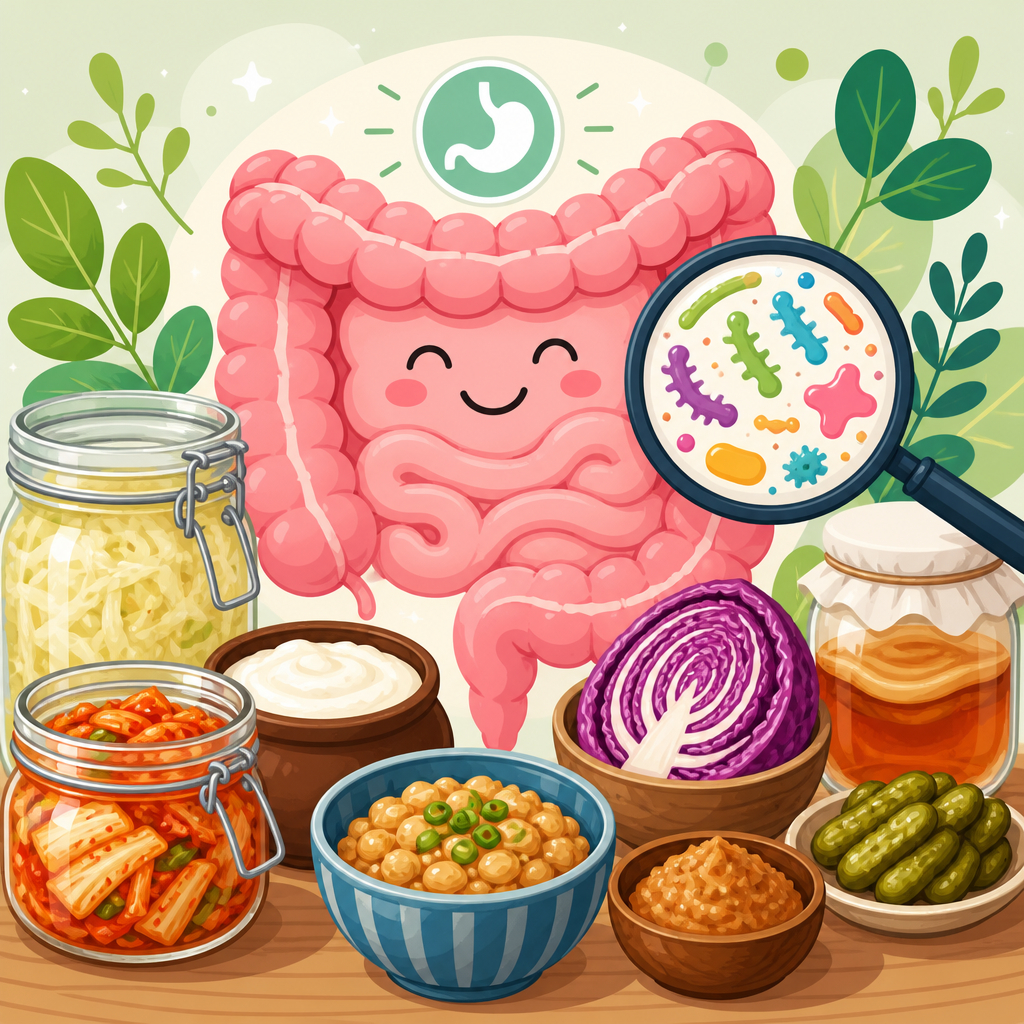
Fermented foods and gut health are closely linked because fermentation changes raw ingredients into products containing live microbes, organic acids, and bioactive compounds that can influence digestion, immunity, and metabolism. In practical terms, fermented foods include yogurt, kefir, kimchi, sauerkraut, miso, tempeh, natto, kombucha, and traditionally fermented pickles. Gut health refers to the balance and function of the gastrointestinal tract, especially the gut microbiome, intestinal barrier, digestive comfort, and immune signaling. As someone who has reviewed food labels, probiotic strains, and diet logs with clients, I have seen that people often use “fermented” and “probiotic” as if they mean the same thing. They do not. Some fermented foods contain live microorganisms at the time you eat them, while others are pasteurized, filtered, baked, or cooked after fermentation, reducing or eliminating live cultures.
That distinction matters because the science on fermented foods is promising but specific. A food can support gut health through multiple routes: delivering live microbes, producing short-chain-fatty-acid precursors, reducing anti-nutrients, improving nutrient availability, or supplying metabolites such as lactic acid and bioactive peptides. At the same time, not every jar of pickles or bottle of kombucha deserves a health halo. Sodium levels can be high, added sugars vary, and microbial counts are rarely standardized across brands. Research also separates whole fermented foods from isolated probiotic supplements. Whole foods come with fibers, proteins, and polyphenols that shape how microbes behave in the gut. Supplements can be useful, but they answer a different question.
Why does this topic matter now? Digestive complaints are common, ultra-processed diets are widespread, and public interest in the microbiome has exploded. Yet interest often outruns evidence. People want clear answers: Do fermented foods improve bloating? Can they increase microbiome diversity? Are they better than supplements? Which foods have the strongest evidence? This hub article answers those questions directly and sets a foundation for deeper reading across the broader Superfoods and Functional Foods category. The central takeaway from current science is straightforward: regular intake of diverse fermented foods can support gut health for many people, especially when they complement a fiber-rich diet, but benefits depend on the specific food, the microbes present, the dose, and the individual consuming it.
How Fermentation Changes Food and Why the Gut Responds
Fermentation is a controlled microbial process in which bacteria, yeasts, or molds transform carbohydrates and other compounds into acids, gases, alcohols, enzymes, and metabolites. Lactic acid bacteria such as Lactobacillus, Lactococcus, Leuconostoc, and Streptococcus thermophilus are common in yogurt, kefir, sauerkraut, and kimchi. Yeasts drive parts of kefir and kombucha fermentation. Molds are central to foods such as tempeh and certain soy ferments. These organisms can alter texture and preservation, but they also change nutritional properties in ways relevant to gut health.
One important change is lower pH. Organic acids, especially lactic acid and acetic acid, inhibit spoilage organisms and shape flavor, but they may also influence digestion and gastric emptying. Fermentation can partially break down lactose, which is why many people with lactose malabsorption tolerate yogurt or kefir better than milk. It can also reduce compounds such as phytates in grains and legumes, potentially improving mineral bioavailability. In soy foods, fermentation changes proteins and generates peptides and other metabolites that may affect inflammation and gut signaling. In vegetables, fermentation can preserve plant compounds while making products tangy, crunchy, and easier to store.
The gut responds to fermented foods through several pathways. Live microbes may temporarily survive transit and interact with resident microbes. Even when organisms do not colonize permanently, they can still influence metabolic activity and immune communication. Fermentation products can affect intestinal permeability, stool patterns, and symptom perception. Equally important, fermented foods often fit into meals that replace less beneficial options. Swapping a sugary dessert for plain yogurt with berries changes protein intake, calcium intake, and total diet quality, not just microbial exposure. That is why food-based microbiome research can be difficult to isolate yet highly relevant to real life.
What Research Shows About Fermented Foods and the Microbiome
The strongest broad finding is that fermented foods may increase microbiome diversity and lower certain inflammatory markers in some populations. A widely discussed clinical feeding study from Stanford compared a high-fiber diet with a high-fermented-food diet in healthy adults. The fermented-food group increased intake to several servings per day and showed greater microbiota diversity along with reductions in multiple inflammatory markers. This does not prove every fermented food works the same way, and the sample was modest, but it supports the idea that regular intake can measurably affect the gut ecosystem and immune tone.
Other studies are more mixed because products differ. Yogurt has some of the most consistent evidence, partly because starter cultures are well defined and consumption is common. Epidemiologic research has linked yogurt intake with favorable metabolic outcomes, although observational studies cannot prove cause and effect. Randomized trials suggest certain yogurts and fermented milks may improve lactose digestion, bowel regularity, and some gastrointestinal symptoms, especially when specific strains such as Lactobacillus rhamnosus GG or Bifidobacterium animalis subsp. lactis are included. Kefir has shown promise for bowel habits and microbial effects, but product formulations vary widely, so findings do not transfer perfectly from one brand to another.
Traditional vegetable ferments like kimchi and sauerkraut are studied less consistently but remain interesting. Kimchi contains lactic acid bacteria and phytochemicals from cabbage, garlic, ginger, and chili. Some human and animal studies suggest beneficial effects on microbial composition, constipation, and metabolic markers. Sauerkraut may help some people with digestive comfort, yet a placebo effect is also possible because expectation can influence symptom reporting. Kombucha has surged commercially, but human evidence remains comparatively limited. Tempeh, miso, and natto are nutritionally valuable fermented soy foods, though not all deliver live microbes by the time they are eaten. Their benefits may derive more from altered soy compounds and meal patterns than from probiotic action alone.
Best Fermented Foods for Gut Health and How They Compare
Not all fermented foods contribute in the same way. Some are strongest for live cultures, some for digestibility, and some for nutrient density. In practice, I advise people to think in categories rather than chase a single miracle food. A varied rotation usually works better than relying on one product daily.
| Food | Main Microbial or Nutritional Feature | Potential Gut Benefit | Common Limitation |
|---|---|---|---|
| Yogurt | Defined starter cultures; often added probiotic strains | Supports lactose digestion, digestive comfort, protein intake | Some brands contain added sugar; live culture levels vary |
| Kefir | Mixed bacteria and yeasts; often broader culture profile | May support microbiome diversity and bowel regularity | Taste limits adherence; products differ substantially |
| Kimchi | Lactic acid bacteria plus vegetable phytochemicals | May aid diversity and digestive function | Can be high in sodium and spice for sensitive users |
| Sauerkraut | Fermented cabbage with lactic acid bacteria | Adds live cultures and plant compounds | Pasteurized shelf-stable versions may lack live microbes |
| Tempeh | Fermented soy with improved digestibility | Protein-rich option that may support gut-friendly meals | Usually cooked, so benefits are not mainly from live microbes |
| Miso | Fermented soybean paste with flavor-rich metabolites | Supports dietary variety and fermented soy intake | Often used in small amounts; sodium can be high |
For shoppers, labels matter. “Contains live and active cultures” is more meaningful than “fermented” alone. Refrigerated sauerkraut and pickles are more likely to contain live organisms than shelf-stable products that were heat treated. Plain yogurt and kefir typically outperform sweetened versions nutritionally. Traditional preparation also matters. Genuine brined pickles ferment in saltwater; many supermarket pickles are simply vinegar-preserved, which creates acidity without microbial fermentation.
Serving size matters too. In studies showing benefits, intake is usually regular rather than occasional. That can mean one cup of yogurt, a glass of kefir, or a small serving of kimchi most days. More is not automatically better. Sudden large intakes can cause gas, especially in people unused to fermented foods or those already managing irritable bowel syndrome. Gradual introduction is the more evidence-aligned strategy.
Digestive Benefits, Limits, and Who Should Be Careful
The most practical digestive benefits reported with fermented foods are improved lactose tolerance, better bowel regularity, and reduced digestive discomfort in some individuals. Yogurt and kefir are especially useful for people who struggle with milk because bacterial fermentation lowers lactose and provides microbial lactase activity. Some people also report less bloating when fermented vegetables are introduced gradually, although others notice the opposite at first. Symptom response is individual because the microbiome, gut motility, stress, and background diet all interact.
There are also clear limits. Fermented foods are not a cure for inflammatory bowel disease, celiac disease, peptic ulcer disease, or serious infections. They may support symptom management and dietary quality, but they do not replace diagnosis or treatment. For people with histamine intolerance, certain ferments can trigger headaches, flushing, itching, or digestive distress because fermentation may increase biogenic amines. People following a low-FODMAP approach for IBS may tolerate some fermented dairy better than others, but garlic-heavy kimchi or certain kombuchas can still provoke symptoms. Sodium is another issue; frequent large portions of kimchi, miso, and pickled vegetables can push intake upward.
Food safety deserves attention, especially with home fermentation. When vegetables are fermented with the correct salt concentration, oxygen control, and sanitation, the acidic environment generally suppresses pathogens. But errors in process increase risk. Reliable guidance from the National Center for Home Food Preservation and tested recipes is worth following. Commercial products are usually safer and more consistent. Immunocompromised individuals, pregnant people, and those with complex medical conditions should ask a clinician before making high-intensity changes, particularly with raw ferments or unpasteurized products.
How to Add Fermented Foods to a Gut-Healthy Diet
The most effective way to use fermented foods is to treat them as one part of an overall gut-supportive eating pattern. Microbes need substrates, so pairing ferments with prebiotic-rich foods is smarter than using them in isolation. Yogurt with oats and berries, kefir in a smoothie with banana and flax, tempeh with brown rice and vegetables, or sauerkraut alongside beans and roasted potatoes all combine live cultures or fermentation metabolites with fibers that feed resident microbes. That synergy is more compelling than a token spoonful added to an otherwise low-fiber diet.
Start small and stay consistent. A few tablespoons of kimchi or sauerkraut, half a cup of kefir, or a serving of plain yogurt daily is enough for most beginners. Track tolerance for two to three weeks before increasing. If a product causes obvious discomfort, switch the type rather than abandon the category entirely. Someone who reacts to kombucha may do well with yogurt; someone avoiding dairy may prefer tempeh and refrigerated vegetables. Variety across the week appears more useful than rigid dependence on one item.
Finally, choose products with a clear purpose. If your goal is digestive regularity and protein intake, yogurt or kefir is often the best starting point. If your goal is more plant diversity, kimchi, sauerkraut, and miso can help broaden meals. If you want a satisfying meat alternative, tempeh is one of the strongest functional foods in the category because it delivers protein, fermentation-related digestibility benefits, and culinary versatility. Build from there, read labels carefully, and use this hub as your starting point for deeper exploration of individual fermented foods and gut health strategies.
Frequently Asked Questions
1. How do fermented foods support gut health?
Fermented foods can support gut health in several overlapping ways. During fermentation, beneficial microbes such as lactic acid bacteria or yeasts break down sugars and other compounds in food, producing substances like organic acids, enzymes, and bioactive peptides. These changes can make food easier to digest and may help create a more favorable environment in the gastrointestinal tract. In some fermented foods, especially those that are unpasteurized and contain live cultures, the microbes themselves may also interact with the gut microbiome as they pass through the digestive system.
Science suggests that fermented foods may help improve microbial diversity, support intestinal barrier function, and influence immune activity. A healthier gut barrier is important because it helps regulate what passes from the intestines into the bloodstream while keeping unwanted substances out. Fermented foods may also increase levels of short-chain fatty acids indirectly by supporting beneficial bacteria, and these compounds play an important role in gut lining health and inflammation regulation. While fermented foods are not a cure-all, regular intake as part of a balanced diet rich in fiber, plant foods, and minimally processed ingredients can be a meaningful way to support digestive wellness.
2. Do fermented foods contain probiotics, and are all fermented foods the same?
Not all fermented foods are the same, and not all of them qualify as probiotic foods. A fermented food is simply one that has been transformed by microorganisms, but a probiotic food must contain live microorganisms that have been shown to provide a health benefit when consumed in adequate amounts. This means some fermented foods contain live active cultures, while others may have had those microbes reduced or eliminated through pasteurization, heating, filtering, or long storage.
For example, yogurt and kefir often contain live cultures, and traditionally made kimchi, sauerkraut, and some pickles may also contain live microbes if they are refrigerated and unpasteurized. Miso, tempeh, natto, and kombucha are also fermented, but the final live microbe content can vary by brand and processing method. Sourdough bread is fermented too, yet the baking process destroys most live organisms. Even when the microbes are no longer alive, fermented foods may still offer benefits because fermentation changes the nutritional profile of the food, creating acids and bioactive compounds that can still be useful. In short, fermented foods can be helpful, but reading labels and understanding how a product is made is important if your goal is to consume live probiotic cultures.
3. What does research say about fermented foods and the gut microbiome?
Research on fermented foods and gut health is promising, although it is still evolving. Studies suggest that regularly eating fermented foods may influence the gut microbiome by increasing microbial diversity and supporting a more balanced intestinal environment. Greater microbiome diversity is often associated with resilience and better overall gut function. Some human studies have also found that diets rich in fermented foods may be linked to lower markers of inflammation, which matters because chronic low-grade inflammation can affect digestion, immune function, and metabolic health.
That said, the science is nuanced. The effects of fermented foods can depend on the type of food, the strains of microbes present, how much is consumed, and the individual eating it. One person may respond very differently from another based on age, baseline microbiome composition, diet quality, medications, stress levels, and digestive conditions. Researchers also point out that fermented foods work best in the context of a broader healthy eating pattern. Fiber-rich foods such as vegetables, legumes, fruits, nuts, seeds, and whole grains help feed beneficial gut bacteria, while fermented foods may help introduce helpful organisms or compounds. The strongest scientific takeaway is not that one single fermented food transforms gut health overnight, but that consistent dietary patterns that include a variety of fermented and fiber-rich foods appear to be most beneficial.
4. Which fermented foods are best for digestion and everyday gut support?
The best fermented foods for digestion are usually the ones you tolerate well, enjoy eating regularly, and can fit into a balanced diet. Yogurt and kefir are among the most studied options because they often contain well-characterized live cultures and are easy to include in meals or snacks. Kefir may be especially appealing because it typically contains a wider variety of bacteria and yeasts than standard yogurt. For people who prefer savory foods, kimchi, sauerkraut, traditionally fermented pickles, miso, tempeh, and natto can all contribute valuable microbial and fermentation-derived compounds.
Different foods may offer different advantages. Yogurt and kefir provide protein, calcium, and live cultures. Kimchi and sauerkraut offer fermented vegetables along with fiber and phytochemicals. Tempeh and natto add plant protein, and miso contributes fermented soy compounds often used in soups and dressings. Kombucha is popular, but sugar content and live culture levels can vary widely, so it should be chosen carefully. For practical gut support, variety matters more than chasing a single “superfood.” A combination of fermented dairy or dairy alternatives with live cultures, fermented vegetables, and other minimally processed foods often provides the broadest benefits. It is also wise to start with small portions, especially if you are not used to fermented foods, since a sudden increase can lead to temporary gas or bloating in some people.
5. Are there any risks or precautions to consider when adding fermented foods to your diet?
For most healthy people, fermented foods are safe and can be a valuable part of a gut-friendly diet, but there are a few practical precautions to keep in mind. Some products are high in sodium, particularly kimchi, sauerkraut, pickles, and miso, which may be a concern for people managing blood pressure or fluid retention. Others, such as flavored yogurt or kombucha, can contain more added sugar than expected. Portion size, ingredient quality, and label reading matter just as much as the fact that a food is fermented.
People with sensitive digestion, histamine intolerance, or certain gastrointestinal conditions may find that some fermented foods trigger symptoms like bloating, headaches, reflux, or discomfort. Those with weakened immune systems, serious illness, or specific medical conditions should be especially cautious with unpasteurized products and may want to speak with a healthcare professional before making major changes. Homemade fermented foods can be excellent when prepared properly, but food safety is essential because incorrect fermentation methods can lead to contamination. The best approach is to introduce fermented foods gradually, monitor how your body responds, and focus on high-quality products from trusted sources. Fermented foods can be beneficial, but they work best as one part of an overall pattern that includes fiber, hydration, sleep, stress management, and regular physical activity.