Omega-3 rich foods play a central role in brain health because the human brain is built from fats, and two omega-3 fatty acids—docosahexaenoic acid, or DHA, and eicosapentaenoic acid, or EPA—directly support neuronal structure, signaling, and inflammation control. When people search for omega-3 rich foods and brain health, they usually want practical answers: which foods contain the most omega-3s, how much is enough, whether plant sources work, and why these fats matter for memory, mood, focus, and healthy aging. After years of reviewing nutrition labels, counseling clients on food-based strategies, and comparing dietary records with lab markers like the omega-3 index, I have seen one pattern repeatedly: people who eat fish, seeds, nuts, and fortified foods consistently tend to have fewer intake gaps than people who rely on supplements alone.
Omega-3 is a family of polyunsaturated fats. The three forms that matter most in nutrition are ALA, or alpha-linolenic acid, found mainly in plant foods; EPA, found mostly in marine foods; and DHA, also found mainly in seafood and algae. ALA is essential because the body cannot make it, but conversion of ALA into EPA and DHA is limited, which is why direct food sources of DHA and EPA deserve special attention. Brain health refers to cognitive performance, emotional regulation, attention, memory, and long-term neurological resilience. These functions depend on cell membrane fluidity, neurotransmitter activity, cerebral blood flow, and controlled inflammatory signaling, all areas where omega-3 intake has documented relevance. That is why this topic matters for children, students, busy professionals, pregnant women, and older adults alike.
Public health guidance supports prioritizing omega-3 intake from food. Major organizations, including the American Heart Association and Dietary Guidelines for Americans, recommend regular seafood consumption, commonly at least two servings weekly, because fish delivers DHA and EPA in a highly usable form while also providing protein, selenium, iodine, vitamin D in some species, and other nutrients that work alongside fats. Brain health benefits do not come from one nutrient in isolation, but omega-3 rich foods remain one of the most evidence-backed parts of a protective dietary pattern. This hub article explains the best food sources, how they affect the brain, how to choose among them, and how to build a realistic weekly routine that supports both short-term performance and long-term cognitive health.
How Omega-3s Support the Brain
DHA is the standout omega-3 for brain structure. It is highly concentrated in neuronal membranes and the retina, where it helps maintain membrane flexibility. Flexible membranes improve receptor function, signal transmission, and synaptic communication. In plain terms, neurons communicate more efficiently when their membranes contain the right fats. EPA contributes more strongly to inflammatory balance and vascular function, both of which influence the brain indirectly by supporting blood flow and reducing chronic low-grade inflammation that can interfere with mood and cognition. ALA matters too, but mainly as a dietary essential and partial precursor rather than a complete substitute for marine omega-3s.
The relationship between omega-3 rich foods and brain health shows up across life stages. During pregnancy and infancy, DHA supports fetal brain and eye development. In school-age children, adequate omega-3 intake is associated with learning and behavioral outcomes, though results vary based on baseline diet and study design. In adults, omega-3 status has been linked with cognitive maintenance, mental well-being, and healthier aging. Not every study shows dramatic effects, and omega-3s are not a cure for depression, dementia, or attention disorders. Still, in practice, correcting low intake is a foundational step because the brain depends on a regular supply over time, not a one-time dose.
I usually explain it this way: think of omega-3s as construction material and traffic management at once. DHA helps build and maintain the road surface of the brain’s communication network, while EPA helps keep the surrounding environment less inflamed and more functional. That is why food choices matter repeatedly, meal after meal. A salmon dinner once a month will not produce the same nutritional pattern as consistent intake through fish, seeds, walnuts, and fortified foods across the week.
Top Omega-3 Rich Foods to Prioritize
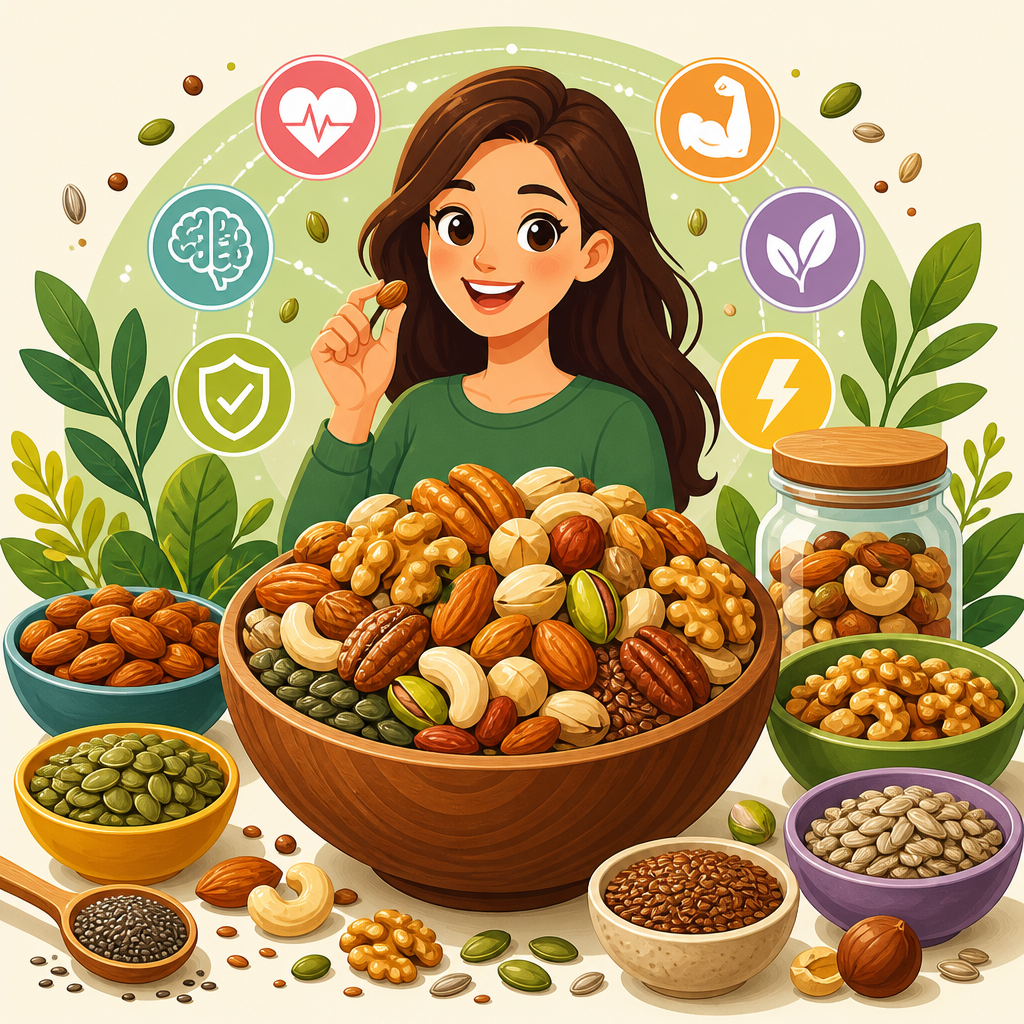
The best omega-3 foods for brain health are the ones you will actually eat regularly, but some sources are clearly stronger than others. Fatty fish remains the gold standard because it supplies preformed EPA and DHA. Salmon, sardines, mackerel, herring, anchovies, and trout are among the most reliable options. Canned sardines and salmon are especially useful because they are affordable, shelf-stable, and easy to add to lunches. In my experience, people who dislike cooking fish often succeed with canned versions mixed into grain bowls, salads, or whole-grain toast. Plant foods such as chia seeds, flaxseeds, hemp seeds, and walnuts provide ALA and deserve a place in the diet, especially for people who eat little or no seafood.
Fortified foods can help close the gap. Omega-3 enriched eggs, dairy alternatives, milk, yogurt, and some breads add modest amounts of ALA or, less commonly, DHA. Algal oil is the main direct vegan source of DHA and sometimes EPA, and foods fortified with algal oil can be useful for strict vegetarians and vegans. The key nuance is that plant-based omega-3 foods support overall intake, but they do not fully replace seafood unless direct DHA and EPA sources such as algae are included. This matters for brain health because DHA is the omega-3 most structurally embedded in neural tissue.
| Food | Main Omega-3 Type | Typical Benefit for Brain-Focused Diets | Practical Use |
|---|---|---|---|
| Salmon | EPA and DHA | High direct marine omega-3 intake | Bake, grill, or add canned salmon to salads |
| Sardines | EPA and DHA | Dense omega-3 source with calcium and vitamin D | Eat on toast or mix into pasta |
| Trout | EPA and DHA | Milder fish option for regular use | Roast with vegetables |
| Chia seeds | ALA | Easy plant-based intake boost | Stir into oatmeal or yogurt |
| Ground flaxseed | ALA | Useful daily add-on for fiber and omega-3 | Blend into smoothies or cereal |
| Walnuts | ALA | Convenient snack that supports overall fat quality | Pair with fruit or add to salads |
| Algal oil foods | DHA, sometimes EPA | Best vegan direct source for brain support | Use fortified products or supplements if needed |
Two details are often overlooked. First, preparation affects adherence more than nutrient science. If a person hates sardines, forcing sardines will fail; trout tacos or salmon rice bowls may work better. Second, food quality matters beyond omega-3 quantity. A balanced brain-supportive plate pairs omega-3 foods with vegetables, legumes, whole grains, berries, and olive oil. This pattern supports vascular health and blood sugar stability, both of which influence cognition.
Seafood, Plant Sources, and the Conversion Question
A common question is whether chia, flax, and walnuts are enough for brain health. The direct answer is that they are beneficial, but they are not identical to fish. ALA from plants can convert into EPA and then into DHA, yet the conversion rate is low and variable. Factors such as sex, genetics, overall diet, and intake of omega-6 fats affect this process. Estimates differ, but conversion of ALA to DHA is generally considered quite limited. That means relying only on ALA-rich foods may leave some people short on direct DHA intake, especially during pregnancy, lactation, and older age when brain support is especially important.
This does not reduce the value of plant foods. Ground flaxseed adds fiber and lignans, chia contributes minerals and satiety, and walnuts improve dietary fat quality compared with snacks built around refined carbohydrates or saturated fat. For omnivores, the strongest approach is usually mixed sourcing: marine omega-3s a few times per week plus daily ALA-rich foods. For vegetarians and vegans, emphasizing ALA foods and considering direct DHA from algae is the most evidence-based route. In clinical conversations, this combination tends to be the most realistic and nutritionally complete.
Another question is whether lean fish counts. White fish like cod or tilapia offers protein and micronutrients but much lower omega-3 levels than salmon or sardines. They can still fit into a healthy pattern, yet they are not the most efficient answer when the specific goal is omega-3 rich foods and brain health. If someone eats seafood only once or twice per week, choosing fatty fish gives a more meaningful nutritional return.
How Much Omega-3 Do You Need for Brain Health?
There is no single universal dose for every person, but practical intake targets exist. Adults should aim for regular consumption of omega-3 rich foods, with at least two servings of seafood weekly as a baseline pattern. Many experts view roughly 250 to 500 milligrams per day of combined EPA and DHA as a reasonable general target for healthy adults, usually achievable through fatty fish. For ALA, adequate intake levels are often set around 1.1 grams per day for women and 1.6 grams per day for men, though needs vary with energy intake and life stage.
Pregnancy deserves special mention because DHA supports fetal neural development. Pregnant and breastfeeding women are usually advised to eat low-mercury seafood regularly, including options such as salmon, sardines, trout, and anchovies, while avoiding high-mercury species like shark, swordfish, king mackerel, and tilefish from the Gulf of Mexico. Older adults may also benefit from paying closer attention to omega-3 intake because appetite often declines, seafood intake can become inconsistent, and cardiovascular health and brain health are closely linked.
Food frequency matters more than perfection. One meal rich in omega-3s does not offset months of low intake. I have found that people do best when they assign specific roles to foods: salmon once a week, sardines or trout once a week, flax or chia most mornings, and walnuts several times per week. That kind of structure turns a nutrient goal into an eating pattern.
Best Ways to Add Omega-3 Foods to Everyday Meals
The easiest way to improve intake is to attach omega-3 foods to meals you already eat. Add ground flaxseed to oatmeal, yogurt, or smoothies. Stir chia seeds into overnight oats or make chia pudding with fortified soy milk. Keep walnuts visible in the kitchen and use them as the default snack with fruit. Replace one lunch meat sandwich each week with canned salmon salad on whole-grain bread. Swap one chicken dinner for baked trout with potatoes and broccoli. These are not dramatic changes, but they create consistency, which is exactly what brain-supportive nutrition requires.
For families, familiar formats work best. Salmon burgers, tuna and white bean bowls, sardine pasta with tomato and garlic, or walnut pesto on whole-grain noodles are easier to repeat than complicated recipes. For students and busy workers, convenience matters even more. Single-serve yogurt with chia, oatmeal with flax, and shelf-stable salmon packets are practical tools. A healthy pattern should survive a hectic schedule, limited cooking skill, and a modest budget.
If cost is a concern, canned fish is often the most economical source of EPA and DHA. Frozen salmon or trout can also be cheaper than fresh. Seeds bought in bulk usually provide strong value per serving. The goal is not a gourmet plan; it is a repeatable plan. When omega-3 rich foods become routine rather than occasional, brain health benefits are much more likely to accumulate over time.
Common Mistakes, Safety Issues, and When Food May Not Be Enough
The biggest mistake is assuming any product labeled with omega-3 is automatically meaningful. Some fortified foods contain trivial amounts, so checking the nutrition label is essential. Another mistake is using whole flaxseed instead of ground flaxseed; the body absorbs nutrients from ground flax much more efficiently. A third is focusing only on supplements while leaving the rest of the diet unchanged. Brain health is influenced by sleep, blood pressure, insulin sensitivity, exercise, social connection, and overall dietary pattern. Omega-3s help, but they work best within a broader lifestyle framework.
Safety matters too. Seafood choices should balance omega-3 benefits with mercury exposure, especially in pregnancy and childhood. Low-mercury fatty fish are the best fit for regular intake. People taking anticoagulant medication or managing bleeding disorders should discuss high-dose fish oil supplements with a clinician, though normal food intake is generally not a concern. Fish allergies obviously require avoidance, making algal DHA and ALA-rich plants more important. Rancid oils are another overlooked issue; omega-3 fats are fragile, so seeds, nuts, and oils should be stored properly and used before they turn stale.
Sometimes food alone may not be enough, particularly for people who never eat seafood, have increased needs, or have documented low omega-3 status. In those cases, algae-based or fish-oil supplements can be reasonable, but food should remain the foundation because meals deliver supporting nutrients and create habits that supplements cannot replace. Start with the plate, then fill true gaps deliberately.
Omega-3 rich foods and brain health belong together because these fats help build brain cell membranes, support signaling, and regulate inflammatory processes that influence cognition and mood. The most effective food sources are fatty fish such as salmon, sardines, trout, herring, and mackerel because they provide direct DHA and EPA. Plant foods like chia, flax, hemp, and walnuts still matter, especially for daily dietary quality, but they mainly provide ALA, which converts only modestly into DHA and EPA. For that reason, a brain-focused eating pattern works best when it combines regular seafood or algal DHA with consistent plant sources.
The practical takeaway is simple. Eat low-mercury fatty fish at least twice a week if you can. Add ground flaxseed, chia, or walnuts to meals most days. Use fortified foods strategically, especially if seafood intake is low. If you follow a vegetarian or vegan diet, consider direct DHA from algae rather than relying only on ALA. These steps are realistic, evidence-based, and powerful because they turn a nutrition concept into a weekly routine that supports memory, focus, mood, and healthy aging.
If you want to strengthen your diet under the broader Superfoods & Functional Foods topic, start here: pick two omega-3 rich foods you can eat this week and put them on your shopping list today.
Frequently Asked Questions
1. What are the best omega-3 rich foods for brain health?
The best omega-3 rich foods for brain health are generally fatty fish because they provide the two most brain-relevant omega-3 fats in ready-to-use form: DHA (docosahexaenoic acid) and EPA (eicosapentaenoic acid). Salmon, sardines, mackerel, herring, anchovies, and trout are among the top choices. These foods are especially valuable because DHA is a major structural fat in the brain, while EPA helps support healthy inflammation balance and may also play a role in mood regulation. Regularly eating seafood with high omega-3 content is one of the most efficient ways to support memory, focus, learning, and long-term cognitive function.
Other foods can contribute as well, although they work a bit differently. Walnuts, chia seeds, flaxseeds, hemp seeds, and soy foods contain ALA (alpha-linolenic acid), a plant-based omega-3. ALA is beneficial, but the body must convert it into EPA and DHA, and that conversion is limited in many people. That means plant foods are excellent additions to a brain-supportive diet, but they are not always equivalent to fish as direct DHA and EPA sources. For people who do not eat fish, algae-based foods or supplements can be especially useful because algae provides DHA directly and is considered one of the best vegetarian or vegan alternatives for brain health support.
2. Why are omega-3 fats so important for the brain?
Omega-3 fats matter so much because the brain is highly rich in fat, and DHA in particular is a major building block of brain cell membranes. These membranes need to stay flexible and functional so neurons can communicate efficiently. When DHA levels are adequate, nerve cells are better able to support signaling, maintain membrane integrity, and function properly in processes related to memory, attention, and learning. EPA, while present in smaller amounts in the brain itself, is still important because it helps regulate inflammation and may support healthy blood flow and signaling pathways that influence mood and cognition.
In practical terms, getting enough omega-3s may help support several aspects of brain performance and brain resilience over time. Researchers have long studied omega-3 intake in relation to memory, concentration, emotional balance, and healthy aging. While omega-3s are not a magic bullet, they are considered foundational nutrients because they help create the physical and biochemical environment the brain needs to work well. Inadequate intake may affect how efficiently the brain communicates, especially over the long term. That is why omega-3 rich foods are often recommended as part of a broader strategy for cognitive wellness that also includes sleep, exercise, stress management, and an overall nutrient-dense diet.
3. How much omega-3 do you need for brain health?
The ideal amount can vary depending on age, diet, health status, and whether you are focused on general wellness or addressing a specific nutritional gap, but many health organizations suggest regularly consuming fatty fish at least two times per week as a practical baseline. That pattern often provides a meaningful amount of EPA and DHA for most adults. For those tracking intake more precisely, common general recommendations for combined EPA and DHA often fall in the range of a few hundred milligrams per day, though individual needs can differ. Pregnant and breastfeeding women may have particular interest in DHA because it supports fetal and infant brain development, so their needs may require closer attention.
The key point is consistency rather than occasional large doses from food. Eating omega-3 rich foods regularly tends to be more helpful than having fish once in a while and assuming that covers your needs indefinitely. If you rarely eat seafood, rely mostly on processed foods, or follow a plant-based diet without a direct DHA or EPA source, your intake may be lower than ideal for optimal brain support. In those cases, it can be useful to build meals around omega-3 foods on purpose, such as salmon salads, sardines on toast, trout with vegetables, or oatmeal and yogurt topped with walnuts and chia seeds. If you are considering a supplement, especially at higher doses or alongside medications, it is smart to discuss it with a healthcare professional.
4. Are plant-based omega-3 foods enough for brain health, or do you need fish?
Plant-based omega-3 foods can absolutely contribute to brain health, but it is important to understand that most plant foods provide ALA rather than DHA and EPA. ALA is found in flaxseeds, chia seeds, walnuts, hemp seeds, and certain plant oils. The body can convert some ALA into EPA and then a smaller amount into DHA, but this process is not very efficient. Because of that, plant-based eaters may not produce enough DHA and EPA from ALA alone to match the direct intake someone gets from fatty fish. So while plant sources are healthy and worth including, they may not always fully replace marine-based omega-3s when brain-focused DHA and EPA intake is the goal.
That does not mean vegetarians and vegans cannot support brain health effectively. It simply means they may benefit from a more intentional strategy. Including ALA-rich foods daily is a strong starting point, and many people also choose algae-based DHA or DHA/EPA products because algae is the original source of these fats in the marine food chain. In other words, fish get omega-3s from what they eat, and algae offers a direct non-fish route. For someone who does not eat seafood, combining walnuts, chia, flax, and hemp with an algae-based source is often one of the most practical ways to support brain health while staying fully plant-based.
5. Can omega-3 rich foods help with memory, mood, and focus?
Omega-3 rich foods may help support memory, mood, and focus because of the way DHA and EPA influence brain structure and function. DHA helps maintain healthy neuronal membranes, which is essential for fast, efficient communication between brain cells. EPA appears to be more involved in inflammation control and may also affect signaling systems related to emotional health. Together, these omega-3 fats create a more supportive environment for cognitive performance. People often notice that the conversation around omega-3s and the brain includes attention, mental clarity, and emotional balance because these fats are woven into many of the systems that shape day-to-day brain function.
It is important to be realistic: omega-3 foods are supportive, not a cure-all. They are most effective when they are part of a larger pattern of healthy living. If someone is chronically sleep deprived, highly stressed, inactive, or eating a diet low in overall nutrients, adding salmon or chia seeds alone will not solve everything. However, when omega-3 intake improves as part of a balanced diet, it can be a meaningful step toward better brain nourishment. Over time, regularly eating foods such as salmon, sardines, trout, walnuts, flaxseeds, and chia seeds can help reinforce a dietary pattern associated with healthier cognitive aging, steadier mood support, and stronger overall brain health.