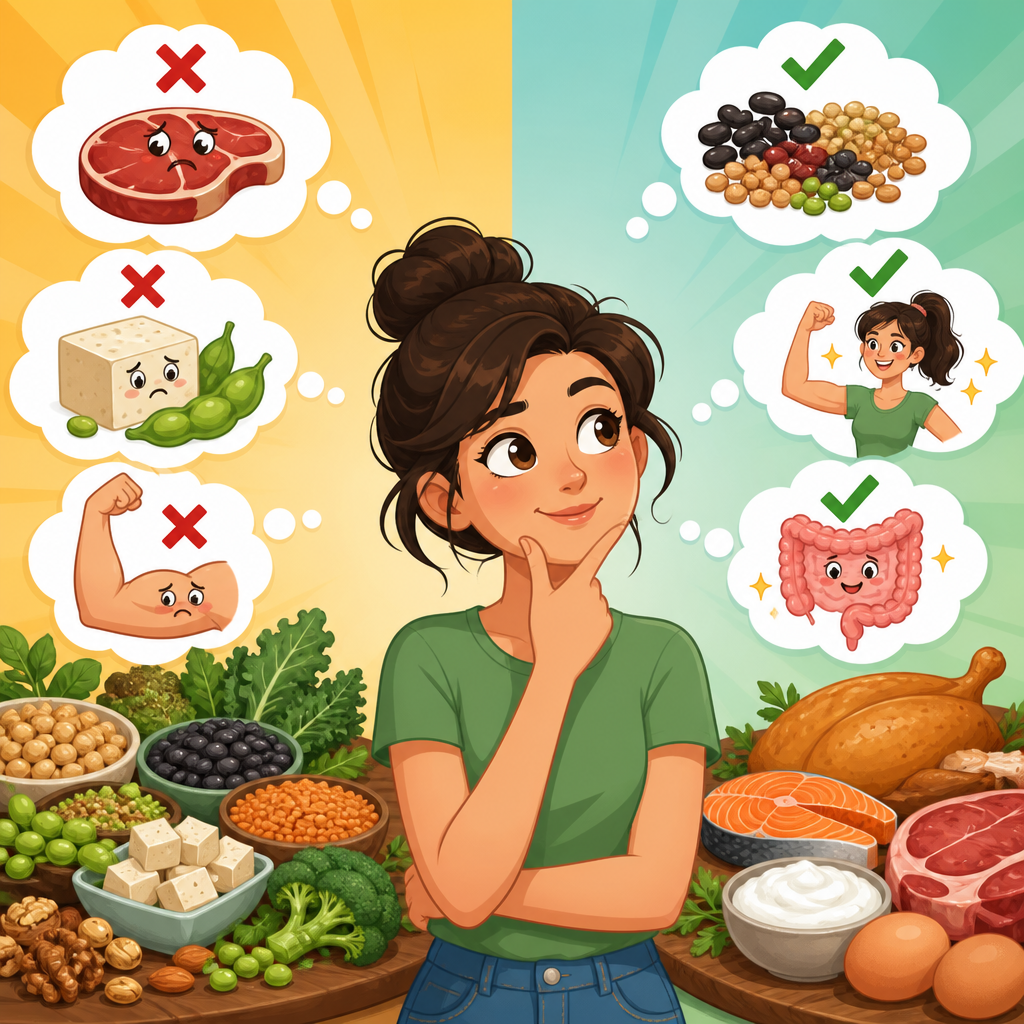
Plant-based proteins and animal proteins are often framed as opponents, yet that comparison hides the real nutrition story: both can support health, strength, and performance when they are chosen and combined with intention. In practice, the debate usually centers on protein quality, amino acid completeness, digestibility, muscle building, weight management, and long-term health effects. Plant-based proteins come from legumes, soy foods, peas, grains, nuts, seeds, and newer concentrates such as pea or rice protein isolate. Animal proteins come from meat, poultry, fish, eggs, and dairy. I have worked with athletes, busy parents, and older adults trying to increase protein intake, and the same myths appear repeatedly. Some people assume animal protein is automatically superior; others believe any plant protein is healthier by default. Neither claim is accurate. Protein needs depend on total intake, amino acid distribution across meals, training status, age, energy intake, food tolerances, and broader diet quality. This matters because protein influences satiety, lean mass retention, recovery, immune function, and healthy aging. It also matters because more people are reducing meat intake for cost, sustainability, or personal preference and need reliable guidance. This hub article separates marketing from evidence, explains where the differences actually matter, and shows how to use both protein categories well within a balanced eating pattern.
Myth 1: Plant Proteins Are “Incomplete,” So They Cannot Meet Human Needs
This is the oldest and most persistent myth, and it is misleading. Protein quality refers to the amino acid profile and how well the body digests and uses those amino acids. Humans need nine essential amino acids from food, including leucine, lysine, and methionine. Many plant foods are lower in one or more essential amino acids relative to human requirements, but that does not make them useless or incapable of supporting health. Soy, tofu, tempeh, edamame, quinoa, buckwheat, pistachios, hemp seeds, and mycoprotein all provide robust amino acid profiles, and soy protein is widely recognized as a high-quality protein source. Other plant foods may be lower in lysine or methionine, yet diets do not need every essential amino acid in perfect proportions at every bite.
The practical rule is simple: variety across the day solves most amino acid gaps. Beans and lentils are rich in lysine, while grains contribute more methionine and cysteine. Hummus with whole-grain pita, rice with black beans, peanut butter on whole-grain bread, tofu with soba noodles, and lentil pasta with pumpkin seeds are straightforward examples. The body maintains a circulating amino acid pool, so “protein combining” does not require meticulous meal-by-meal pairing. Over years of nutrition coaching, I have seen vegetarian clients meet protein needs consistently once they stop chasing a single perfect food and instead build meals around several complementary sources.
For people who want more precision, the newer DIAAS concept and the older PDCAAS framework both evaluate protein quality, though they rank some animal proteins higher because of digestibility and amino acid density. That ranking is useful, but it does not mean lower-scoring foods fail in real diets. It means total intake and meal design matter more when relying heavily on plants.
Myth 2: Animal Protein Builds Muscle, but Plant Protein Does Not
Animal protein often stimulates muscle protein synthesis more efficiently per gram because it usually contains more leucine and is highly digestible. Whey is the classic example: it is rich in leucine, rapidly absorbed, and effective after resistance training. That said, saying plant protein cannot build muscle is false. Muscle growth depends on progressive training, adequate energy intake, total daily protein, sleep, and protein distribution across the day. Plant proteins can support the same outcome when the dose is adjusted appropriately.
In real terms, a 25-gram whey shake and a 25-gram collagen drink are not equal, and a 25-gram pea protein shake may not be identical to whey either. But a well-formulated 30- to 40-gram serving of soy, pea, or a pea-rice blend can provide enough essential amino acids, especially leucine, to support muscle repair and growth. This is why sports dietitians often suggest slightly larger portions of plant protein per meal, especially for athletes in hard training blocks or adults over 60, who tend to have some anabolic resistance.
Whole foods also work. A post-workout meal of tempeh, quinoa, and vegetables can be effective if the total protein reaches a useful threshold. Greek yogurt, eggs, salmon, or chicken are convenient options for omnivores, but they are not the only path to lean mass. The key is not ideology; it is hitting the target repeatedly.
Myth 3: You Must Combine Plant Proteins in Every Meal
This myth comes from outdated interpretations of amino acid biology. The body does not reset amino acid use at midnight or require lentils and rice on the same forkful. As long as a person eats enough total protein and includes a range of plant foods over the day, complementary amino acids accumulate in ways that cover requirements for most healthy adults. That flexibility makes plant-forward eating much easier than people assume.
There are exceptions worth noting. People with very low calorie intake, frailty, appetite loss, eating disorders, or highly restrictive food patterns have less room for nutritional error. In those cases, deliberate planning matters more. Vegan athletes cutting weight, for example, may need denser options such as tofu, soy milk, seitan, edamame, and fortified high-protein yogurts rather than relying on vegetables, oats, and nut butter alone. But for the average person eating breakfast, lunch, dinner, and snacks, there is no requirement to obsess over exact pairings at each meal.
The more useful strategy is to anchor each meal with a meaningful protein source and rotate options. This increases adequacy and reduces menu fatigue. It also fits how people actually eat at home, in cafeterias, and while traveling.
Myth 4: Protein Quality Differences Mean Plant Proteins Are Automatically Inferior
Protein quality differences are real, but “inferior” is too broad and usually too simplistic. Animal proteins tend to deliver more protein in a smaller volume, with higher leucine density and strong digestibility. That matters for older adults with low appetite, hospitalized patients, elite athletes, and anyone recovering from injury. At the same time, plant proteins often arrive with fiber, polyphenols, unsaturated fats, magnesium, potassium, and lower saturated fat. Those features affect health outcomes beyond muscle alone.
When I review food logs, the strongest diets are rarely extreme. They either use high-quality animal proteins with plenty of plants, or they use high-protein plant staples chosen strategically. The context determines value. A salmon fillet offers complete protein plus omega-3 fats. Lentils offer protein plus fiber and folate. Extra-firm tofu offers a complete protein with lower saturated fat than many cuts of red meat. Eggs are efficient, but so are soy foods. Cured meats are animal protein too, yet their health profile differs from plain yogurt or cod. Lumping every animal protein together and every plant protein together leads to poor advice.
| Protein source | Typical advantage | Key limitation | Best use case |
|---|---|---|---|
| Whey protein | High leucine, rapid absorption | Not suitable for dairy intolerance or vegan diets | Post-workout recovery |
| Greek yogurt | Complete protein, calcium | May contain added sugar in flavored versions | Breakfast or snack |
| Eggs | High-quality protein, versatile | Low fiber, not suitable for egg allergy | Convenient mixed meals |
| Tofu or tempeh | Complete protein, plant-based, versatile | Lower protein density than some meats by volume | Plant-forward lunch or dinner |
| Pea-rice protein blend | Improved amino acid balance | Variable taste and texture by brand | Shakes and smoothies |
| Lentils and beans | Protein plus fiber and minerals | Lower leucine density; larger portions needed | Budget-friendly staples |
Myth 5: More Protein Always Means Better Health
Protein is essential, but more is not always better. Most healthy adults benefit from a balanced daily intake spread across meals, not from chasing oversized portions at dinner while eating very little earlier in the day. For muscle retention and satiety, many clinicians use a practical target of roughly 20 to 40 grams per meal, adjusted for body size, age, and activity. Strength athletes, highly active people, and older adults often need more total protein than sedentary adults. People with kidney disease, however, may need individualized guidance from a physician or renal dietitian.
Excess focus on protein can also crowd out fruits, vegetables, whole grains, and healthy fats. I often see this in clients following social media meal plans built around shakes, bars, and chicken breasts while fiber intake remains low. The result may be constipation, poor diet variety, and unnecessary expense. Protein works best as part of a pattern. A bowl with tofu, farro, roasted vegetables, tahini, and pumpkin seeds does more nutritionally than plain protein alone. The same is true for grilled fish served with beans and greens, or cottage cheese with berries and walnuts. The winning approach is adequacy, not maximalism.
Myth 6: Plant Proteins Are Better for Everyone, and Animal Proteins Are Unhealthy
This claim swings too far in the other direction. Plant-forward diets are associated with strong health outcomes when they emphasize legumes, soy foods, nuts, seeds, whole grains, and minimally processed produce. But plant-based does not automatically mean nutritious. Vegan cookies, refined grain meat substitutes, and low-protein smoothie bowls can fit a label without supporting health or satiety. Likewise, animal protein is not inherently harmful. Fish, plain yogurt, kefir, eggs, and unprocessed poultry can fit well within evidence-based eating patterns.
The more accurate distinction is between minimally processed, nutrient-dense protein sources and heavily processed options high in sodium, refined starch, or saturated fat. A black bean soup and a grilled chicken salad can both be excellent. A fried meat product and a sugary plant-protein bar can both be poor daily staples. Diet quality matters more than slogans.
There are also life-stage issues. Older adults may benefit from the convenience and amino acid density of dairy, eggs, or fish if appetite is low. Someone with lactose intolerance may prefer soy yogurt or pea protein. A person trying to lower LDL cholesterol may choose beans, soy, and nuts more often. Matching the protein source to the health goal is smarter than defending one camp.
Myth 7: Soy Is Dangerous or “Too Hormonal” to Eat Regularly
Soy remains one of the most misunderstood plant proteins. Soy foods contain isoflavones, which are phytoestrogens, but that term is frequently distorted. Isoflavones can interact with estrogen receptors in ways that are weaker and more selective than human estrogen. In practical diet terms, moderate soy intake from foods such as tofu, tempeh, edamame, and soy milk is considered safe for most people and can contribute meaningful protein, often around 7 to 20 grams per serving depending on the food.
Major nutrition and cancer organizations generally support moderate soy consumption, and soy has been studied extensively in relation to heart health, menopause, and hormone-sensitive conditions. Whole or minimally processed soy foods are the best default. I routinely recommend soy to clients who want a complete plant protein with a strong evidence base and a lower saturated fat profile than many animal options. As with any food, medical history matters, but fear-based blanket avoidance is not supported by the broader evidence.
Building a Smarter Protein Pattern Day to Day
The most useful question is not which category wins, but how to build a reliable protein pattern around your needs. Start by deciding your daily eating context. Are you trying to preserve muscle during weight loss, support endurance training, manage appetite, improve blood lipids, or simply eat less meat without missing protein targets? Then choose sources that fit that goal.
For breakfast, options include Greek yogurt with chia and berries, eggs with whole-grain toast, or soy yogurt with hemp seeds and oats. For lunch, try a lentil grain bowl, tuna with chickpeas, tofu stir-fry, or cottage cheese with a bean salad. Dinner can center on salmon, tempeh, chicken, seitan, or a bean-based pasta. Snacks can include edamame, kefir, roasted chickpeas, or a protein shake made from whey or a pea-rice blend. These combinations work because they balance protein amount, amino acid quality, and overall nutrient density.
As a sub-pillar hub within Superfoods and Functional Foods, this topic also connects naturally to deeper guides on soy foods, legumes, protein powders, muscle recovery, healthy aging, and high-protein meal planning. Readers comparing tofu versus chicken, pea protein versus whey, or beans versus beef need those narrower pages for full detail. This article establishes the central principle that protein quality matters, but so do total intake, meal structure, and the health value of the whole food package.
The myths around plant-based proteins versus animal proteins persist because each side contains a partial truth that gets exaggerated into a universal rule. Animal proteins often offer efficient amino acid delivery and convenience for muscle support, especially when appetite is low or recovery demands are high. Plant proteins can absolutely meet human needs, support strength gains, and contribute meaningful benefits through fiber, minerals, and cardiometabolic advantages. The right choice depends on your goals, your tolerances, and the rest of your diet.
If you remember three points, make them these. First, plant proteins are not nutritionally inadequate when total intake is sufficient and sources are varied. Second, animal proteins are not automatically unhealthy; minimally processed options can be excellent staples. Third, overall diet quality matters more than winning a binary argument. The best eating pattern is usually the one you can sustain, enjoy, and adapt to your training, health status, budget, and culture.
Use this hub as your starting point for making practical protein decisions. Audit your meals, identify where protein is too low or too repetitive, and upgrade one meal at a time with better sources from either category. That simple shift will do more for your nutrition than any myth ever will.
Frequently Asked Questions
Are plant-based proteins always “incomplete” compared with animal proteins?
No. This is one of the most common misunderstandings in nutrition. It is true that many individual plant foods contain lower amounts of one or more essential amino acids compared with foods like eggs, dairy, fish, or meat. However, that does not mean plant proteins are automatically inadequate. Soy foods, quinoa, buckwheat, pistachios, hemp seeds, and several newer plant protein blends provide all essential amino acids in meaningful amounts, and many other plant foods contribute enough amino acids across the day to fully meet the body’s needs.
The bigger point is that the body does not require every amino acid to arrive in perfect proportions at every single meal. When people eat a varied diet that includes legumes, lentils, beans, peas, whole grains, nuts, seeds, and soy foods, those proteins complement one another naturally. For example, beans and rice, hummus and whole grain pita, or tofu with grains and vegetables can all help create a strong amino acid profile over the course of the day.
So while animal proteins often score higher on certain measures of protein quality, the myth is believing that plant proteins are somehow “not real protein” or cannot support good health. They absolutely can. The practical takeaway is simple: focus on variety, total protein intake, and nutrient-dense food choices rather than assuming plant proteins are automatically inferior.
Can you build muscle just as effectively with plant-based protein as with animal protein?
Yes, you can build muscle with either approach, provided total protein intake, training quality, calorie intake, and recovery are in place. Muscle growth depends heavily on resistance training and getting enough essential amino acids, especially leucine, which plays a major role in stimulating muscle protein synthesis. Some animal proteins naturally provide a higher concentration of leucine and are very digestible, which is one reason they have long been viewed as the gold standard for muscle building.
That said, plant-based eaters can still achieve excellent results. The key is being a bit more intentional. Foods such as tofu, tempeh, edamame, soy milk, lentils, seitan, peas, and plant protein powders made from soy, pea, rice, or blends can provide substantial protein. Because some plant proteins are slightly less concentrated in certain amino acids, people focused on muscle gain may benefit from somewhat larger servings or strategic combinations. For example, a blended pea-and-rice protein powder often offers a more balanced amino acid profile than either source alone.
Research increasingly shows that when total daily protein is sufficient, plant-based diets can support strength gains and lean mass development very well. In other words, the myth is not that animal protein works for muscle building—it does—but that plant protein cannot compete. In real-world settings, both can be effective. Consistency matters more than protein ideology.
Is animal protein better for weight loss because it keeps you fuller?
Not necessarily. Protein in general helps with satiety, appetite control, and preserving lean mass during weight loss, but that benefit is not exclusive to animal foods. Plant-based protein sources can also be highly filling, especially because many come packaged with fiber and water, which add volume and slow digestion. Beans, lentils, chickpeas, split peas, tofu, tempeh, and edamame are excellent examples of foods that combine protein with strong satiety value.
Animal proteins such as Greek yogurt, eggs, cottage cheese, chicken, and fish can also be very effective for fullness, particularly because they are often high in protein per calorie. The difference is that plant foods may offer an additional advantage for some people by increasing dietary fiber intake, which is strongly linked with better appetite regulation and improved digestive health. On the other hand, some ultra-processed plant-based products may not be as filling as whole-food protein sources, so the quality of the food matters.
The myth here is reducing weight management to a simple “animal protein equals satiety, plant protein does not” message. Fullness depends on the overall meal: protein amount, fiber, fat, food volume, and how processed the food is. A lentil soup with vegetables, a tofu grain bowl, or a bean chili can be just as satisfying as many animal-based meals. The best choice is usually the one you enjoy, tolerate well, and can eat consistently within a balanced calorie intake.
Are plant proteins too hard to digest or poorly absorbed by the body?
This claim is exaggerated. It is true that digestibility can differ between protein sources. Animal proteins often score slightly higher on digestibility metrics, and some plant foods contain naturally occurring compounds such as phytates, tannins, or fiber that can modestly affect absorption. But “slightly less digestible” is not the same as “ineffective” or “poorly absorbed.” In practical terms, most people can meet protein needs very well with plant foods, especially when they eat enough total protein and use a range of sources.
Preparation methods also matter. Soaking, sprouting, fermenting, cooking, and processing into tofu, tempeh, soy yogurt, or protein concentrates can improve digestibility and make nutrients more available. That is one reason foods like tofu, tempeh, edamame, and quality plant protein powders are popular among active people. These options are convenient, concentrated, and generally well tolerated.
Individual tolerance should also be part of the conversation. Some people digest dairy poorly but do fine with soy. Others may find large amounts of beans uncomfortable at first and need to increase fiber gradually. Digestibility is personal, not just nutritional theory. The myth is treating plant protein as automatically problematic for the human body. For most healthy adults, plant proteins are entirely usable and can fit comfortably into a high-quality diet.
Is animal protein always healthier long term, or are plant proteins better for overall health?
Neither side wins by default. Long-term health depends on the overall dietary pattern, food quality, portion sizes, and lifestyle habits—not just whether protein comes from plants or animals. Animal proteins can be part of a very healthy diet, especially when they come from minimally processed sources such as fish, yogurt, eggs, and lean poultry. These foods can provide highly bioavailable protein as well as nutrients like vitamin B12, iron, zinc, calcium, iodine, and omega-3 fats, depending on the source.
Plant proteins also offer major benefits, especially when they come from whole or minimally processed foods. Beans, lentils, soy foods, nuts, seeds, and whole grains deliver protein alongside fiber, antioxidants, and a broad range of beneficial plant compounds. Higher intake of these foods is often associated with better heart health, improved blood sugar control, and a healthier overall dietary pattern. Replacing some processed meats or high-saturated-fat protein sources with legumes or soy foods may improve long-term health markers for many people.
The myth is assuming one category is universally “clean,” “toxic,” or superior in every context. A diet built around processed meats and excess calories will not become healthy simply because it contains animal protein. A diet built around refined carbohydrates and low-quality plant-based convenience foods will not become healthy simply because it is plant-based. The smartest view is that both plant and animal proteins can support health when selected thoughtfully. Quality, variety, and balance tell the real story.