Superfoods for energy and immunity have become a central topic in nutrition because people want foods that do more than simply satisfy hunger. In practice, the term “superfoods” refers to nutrient-dense foods that deliver high concentrations of vitamins, minerals, antioxidants, fiber, healthy fats, or bioactive compounds relative to their calories. Energy, in nutrition terms, is not just a quick burst of stimulation. It involves stable blood sugar, efficient metabolism, adequate iron and B vitamins, healthy thyroid function, hydration, and recovery from physical and mental stress. Immunity refers to the body’s layered defense system, including physical barriers, white blood cells, inflammatory responses, the gut microbiome, and the availability of nutrients needed to build and regulate those defenses.
This matters because low energy and frequent illness often share the same root causes: poor diet quality, inconsistent meals, inadequate protein, sleep disruption, high stress, and micronutrient gaps. I have seen many meal plans fail because they focused on isolated supplements while ignoring the daily food pattern that supports resilience. A healthy diet built around superfoods for energy and immunity can improve stamina, reduce nutrient deficiencies, support gut health, and help the body respond better to training, work demands, seasonal infections, and aging. The key is to understand which foods offer meaningful benefits, how they work, and how to use them in realistic meals rather than treating them like miracle cures.
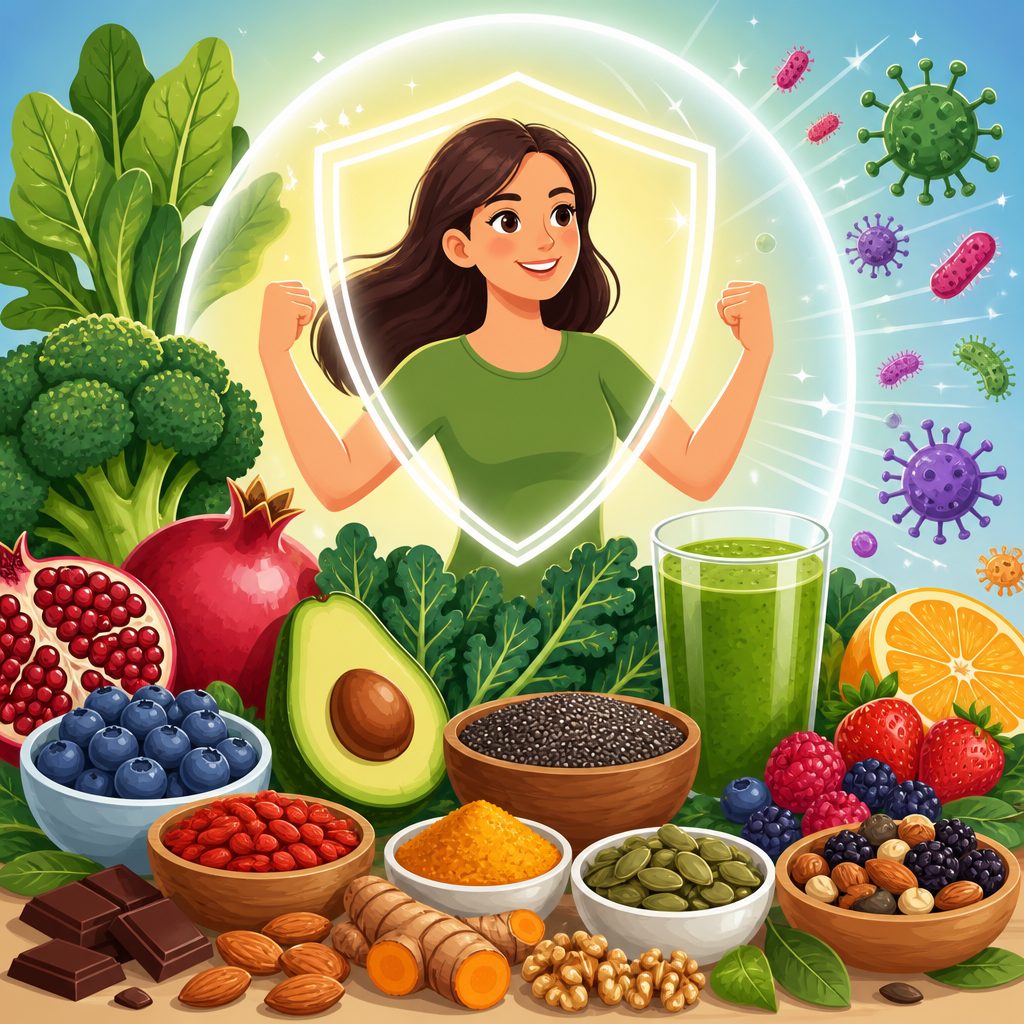
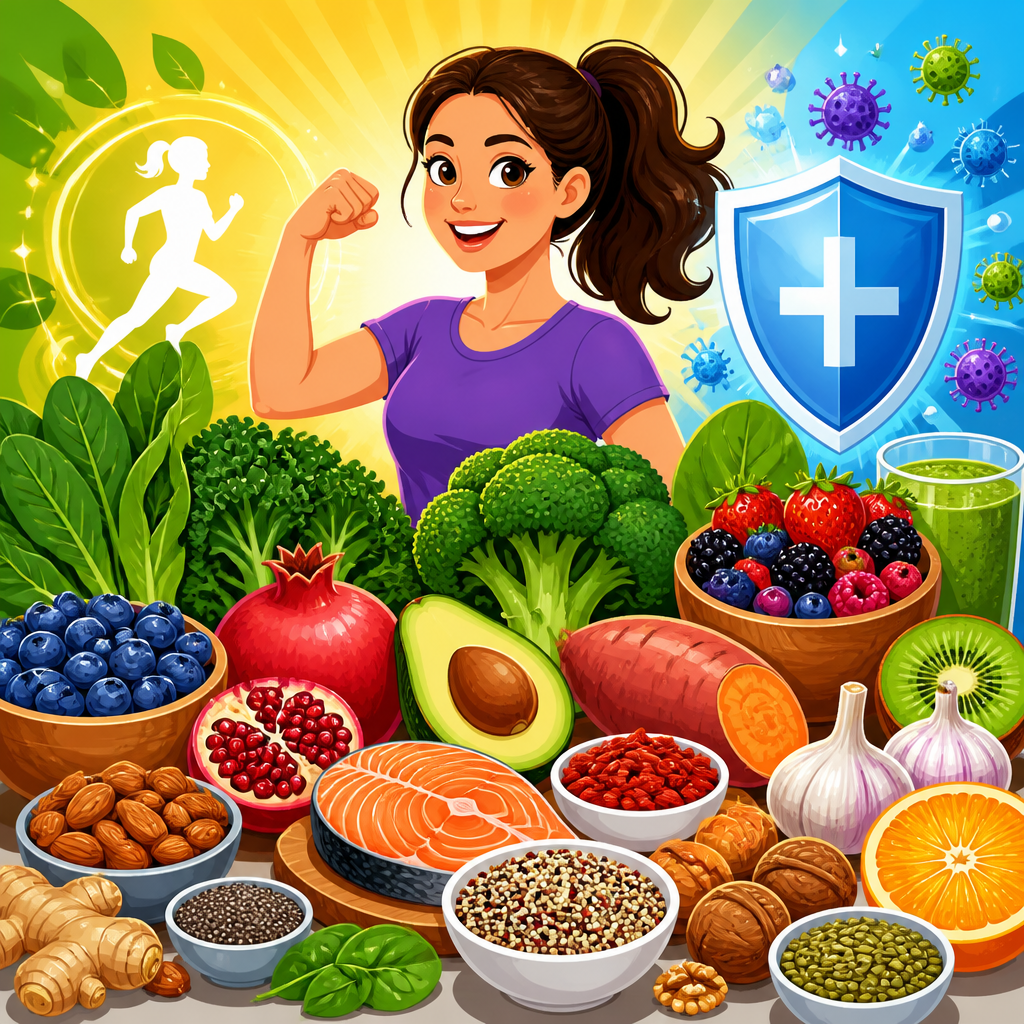
Some of the best superfoods for energy and immunity are familiar foods, not exotic powders. Oats support steady energy through soluble fiber. Eggs provide protein, choline, and B vitamins. Greek yogurt contributes protein and beneficial cultures. Berries supply polyphenols that help manage oxidative stress. Citrus fruits, kiwi, bell peppers, and broccoli provide vitamin C. Leafy greens deliver folate, magnesium, carotenoids, and vitamin K. Legumes offer iron, zinc, fiber, and slow-digesting carbohydrate. Fatty fish adds omega-3 fats and vitamin D. Nuts and seeds supply magnesium, selenium, and healthy fats. Garlic, ginger, turmeric, and mushrooms contain compounds studied for immune signaling and inflammation. Together, these foods create a practical foundation for a healthy diet.
What Superfoods for Energy and Immunity Actually Do
Superfoods help energy and immune function through several direct mechanisms. First, they provide macronutrients the body uses for fuel and repair. Complex carbohydrates from oats, quinoa, sweet potatoes, beans, and fruit replenish glycogen and stabilize blood glucose. Protein from yogurt, eggs, fish, soy foods, and legumes supports muscle repair, hormone production, and the formation of immune cells and antibodies. Healthy fats from salmon, walnuts, flax, chia, and avocado support cell membranes and the absorption of fat-soluble vitamins.
Second, these foods supply micronutrients tied to energy metabolism. B vitamins act as coenzymes in converting food into usable energy. Iron helps transport oxygen through hemoglobin, so low iron often feels like fatigue, breathlessness, and poor concentration. Magnesium is required for hundreds of enzymatic reactions, including ATP production. Vitamin C helps immune cells function and also improves non-heme iron absorption from plant foods. Zinc supports wound healing, immune cell development, and normal taste and appetite. Selenium contributes to antioxidant defense and thyroid hormone metabolism.
Third, many superfoods contain bioactive compounds that help regulate inflammation and oxidative stress. Blueberries, tart cherries, cocoa, green tea, turmeric, and extra virgin olive oil are rich in polyphenols studied for their effects on cell signaling. Fermented foods such as kefir and yogurt can support gut microbial balance, which matters because a large portion of immune activity is linked to the gut-associated lymphoid tissue. The most useful way to think about superfoods is not as magic ingredients, but as foods that repeatedly deliver high-value nutrition across multiple body systems.
Core Superfoods to Build Into Daily Meals
A strong superfoods for energy and immunity plan starts with repeatable staples. Oats are one of the most dependable examples. Their beta-glucan fiber slows digestion, supports satiety, and may help maintain healthy cholesterol levels. I often recommend oats for breakfast because they pair easily with protein and fruit, creating a meal that prevents the midmorning crash common with refined cereals or pastries. Add milk or soy milk, Greek yogurt, chia seeds, and berries, and the meal becomes far more supportive of both energy and immune defenses.
Fatty fish such as salmon, sardines, trout, and mackerel deserve a permanent place in a healthy diet. They provide complete protein, omega-3 fatty acids EPA and DHA, vitamin D, selenium, and B12. Omega-3s help regulate inflammation, which is important because immune function depends on balance, not constant activation. Eggs are another efficient staple, offering high-quality protein, choline for brain function, selenium, and carotenoids like lutein and zeaxanthin. For people who need convenient options, eggs and canned salmon outperform many expensive “wellness” products in nutrient density and usability.
Legumes, leafy greens, berries, citrus, yogurt, nuts, seeds, and mushrooms round out the core list. Lentils and chickpeas provide fiber, protein, folate, iron, and zinc. Spinach, kale, and Swiss chard contribute folate, magnesium, vitamin C, and carotenoids, though spinach’s iron is better absorbed when paired with vitamin C-rich foods. Berries deliver anthocyanins and vitamin C with relatively low sugar density compared with juice. Yogurt and kefir add protein and live cultures. Pumpkin seeds are particularly useful for magnesium and zinc, while Brazil nuts are a concentrated selenium source, though portion control matters because selenium in excess is not beneficial.
| Superfood | Key nutrients or compounds | Main benefit for energy and immunity | Simple use |
|---|---|---|---|
| Oats | Beta-glucan, manganese, B vitamins | Steady energy, satiety, gut support | Breakfast porridge or overnight oats |
| Salmon | Protein, omega-3s, vitamin D, selenium | Recovery, immune regulation, reduced inflammation | Bake with vegetables and potatoes |
| Greek yogurt | Protein, calcium, probiotics | Muscle support, gut health, balanced meals | Snack with berries and seeds |
| Lentils | Protein, iron, folate, fiber | Stable fuel, oxygen transport, microbiome support | Soup, curry, or grain bowl |
| Blueberries | Anthocyanins, vitamin C, fiber | Oxidative stress management, immune support | Add to oats or yogurt |
| Pumpkin seeds | Magnesium, zinc, healthy fats | Energy metabolism, immune cell function | Top salads or oatmeal |
How to Choose Foods for Lasting Energy, Not Short Bursts
If the goal is better daily energy, the most important principle is blood sugar stability. Foods marketed as energy boosters often rely on caffeine or large amounts of sugar, which can create a fast rise followed by a drop in alertness. In contrast, superfoods for energy and immunity work best when they combine fiber, protein, and healthy fats. An apple alone may digest quickly, but an apple with peanut butter or cheese is more sustaining. Toast alone can leave someone hungry within an hour, while toast with eggs and avocado produces a steadier response.
Iron status also deserves close attention, especially for menstruating women, endurance athletes, adolescents, and people eating mostly plant-based diets. Low ferritin can reduce exercise capacity and concentration even before anemia becomes obvious. Helpful food combinations include lentils with tomatoes, spinach with citrus dressing, or fortified cereal with strawberries. B vitamins from whole grains, eggs, dairy, meat, legumes, and nutritional yeast assist the enzymes that release energy from carbohydrates, fats, and proteins. Magnesium from nuts, seeds, dark leafy greens, beans, and cocoa helps with muscle function and fatigue management.
Hydration and sodium balance matter too. Many people blame diet quality for low energy when the problem is under-fueling around activity or simply not drinking enough fluids. Water-rich produce, soups, yogurt, milk, and fruit contribute to hydration alongside water itself. For active people, pairing carbohydrate-rich superfoods like bananas, dates, oats, or potatoes with protein after training helps replenish glycogen and support immune recovery. Lasting energy is rarely about one ingredient. It is the result of timing, nutrient adequacy, and meal composition repeated consistently.
How Superfoods Support Immune Defense Through the Gut and Beyond
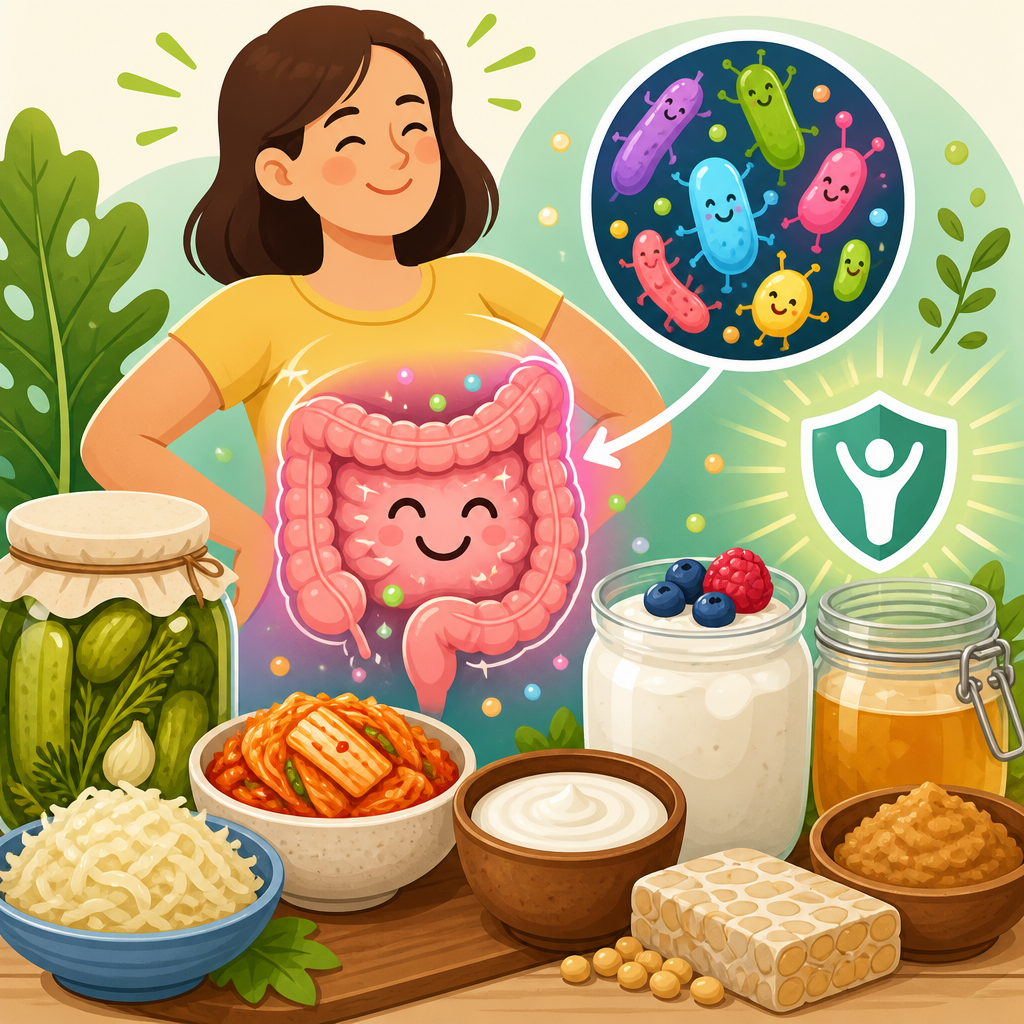
Immune health is often reduced to vitamin C, but the reality is broader. The immune system needs enough energy and protein to build antibodies, enzymes, and signaling molecules. It also depends on the integrity of skin, mucous membranes, and the gastrointestinal lining. That is why superfoods for energy and immunity should include not only produce but also protein-rich and fermented foods. Yogurt, kefir, kimchi, sauerkraut, and other fermented foods can contribute beneficial microbes or fermentation byproducts, although effects vary by strain and product. Prebiotic fibers from oats, onions, garlic, asparagus, legumes, and bananas feed helpful gut bacteria, which in turn produce short-chain fatty acids that influence immune regulation.
Vitamin C-rich foods support normal immune cell function and collagen production, which helps maintain physical barriers. Citrus fruits, kiwi, strawberries, guava, bell peppers, and broccoli are efficient sources. Vitamin A precursors from carrots, sweet potatoes, spinach, and kale support epithelial tissues, including the respiratory and digestive tracts. Zinc from shellfish, beef, dairy, beans, and seeds supports immune cell signaling and wound healing. Selenium from seafood, eggs, and Brazil nuts is involved in antioxidant enzymes such as glutathione peroxidase. Vitamin D, found in fatty fish, egg yolks, and fortified foods, is especially relevant where sun exposure is limited.
Functional foods like garlic, ginger, turmeric, and mushrooms add useful complexity. Garlic contains organosulfur compounds, including allicin, formed when cloves are chopped or crushed. Ginger has gingerols and related compounds studied for anti-inflammatory properties. Turmeric provides curcumin, though absorption improves when consumed with fat and black pepper. Mushrooms such as shiitake and maitake contain beta-glucans that interact with immune pathways. These foods do not replace vaccination, sleep, hand hygiene, or medical care, but they can strengthen the nutritional environment in which immune defenses operate.
Building a Healthy Diet Around These Foods Every Week
The best healthy diet for energy and immunity is organized around patterns, not isolated ingredients. I advise building meals with four anchors: a quality protein, a fiber-rich carbohydrate, colorful produce, and a healthy fat. Breakfast could be oats cooked with milk, topped with blueberries, walnuts, and yogurt. Lunch might be a lentil bowl with quinoa, spinach, roasted peppers, pumpkin seeds, and lemon dressing. Dinner could be salmon with sweet potatoes, broccoli, and olive oil. Snacks can include kefir, boiled eggs, citrus fruit, hummus, or trail mix with nuts and seeds.
Batch preparation makes consistency easier. Cook a pot of beans or lentils, roast a tray of vegetables, prepare overnight oats, wash greens, and keep frozen berries on hand. Frozen produce is often just as nutritious as fresh because it is usually processed soon after harvest. Canned fish and canned beans are also highly practical, affordable staples. When choosing packaged items, look for unsweetened yogurt, minimally processed oats, lower-sodium beans when possible, and products with recognizable ingredients rather than long lists of flavorings and added sugars.
There are also important limitations. “Superfood” is not a regulated scientific category, and no single food can compensate for chronic sleep loss, smoking, excessive alcohol intake, or severe calorie restriction. Some people need individualized adjustments. Those with kidney disease may need to monitor potassium or phosphorus. People taking warfarin need consistent vitamin K intake from leafy greens rather than sudden large increases. Nut, dairy, soy, and fish allergies clearly affect food choices. A useful superfoods for energy and immunity plan is evidence-based, affordable, culturally adaptable, and sustainable enough to follow for months, not days.
Superfoods for energy and immunity are most effective when they are part of a complete healthy diet built on consistency. The strongest options are not mysterious. Oats, berries, citrus, leafy greens, legumes, yogurt, eggs, nuts, seeds, mushrooms, and fatty fish provide the fiber, protein, vitamins, minerals, and bioactive compounds the body uses to make energy, regulate inflammation, maintain gut health, and support immune defenses. Their value comes from how they work together: vitamin C improves iron absorption, healthy fats aid carotenoid uptake, protein supports recovery, and fermented foods complement fiber-rich plants.
The main takeaway is simple: eat for stability and resilience, not quick fixes. Choose meals that pair protein with high-fiber carbohydrates, include produce at most meals, rotate in omega-3-rich fish, and use nutrient-dense staples weekly. That approach supports better stamina, fewer nutrient gaps, and a stronger nutritional foundation for immune health. If you are building out your superfoods routine, start with three changes this week: upgrade breakfast, add one fermented food, and include a legume- or fish-based dinner twice. Small, repeatable steps turn superfoods for energy and immunity into measurable results.
Frequently Asked Questions
1. What are superfoods, and how do they support both energy and immunity?
Superfoods are generally understood as nutrient-dense foods that provide a high concentration of beneficial nutrients relative to their calorie content. While the term is more popular than scientific, it is still useful when describing foods that are especially rich in vitamins, minerals, antioxidants, fiber, healthy fats, and other bioactive compounds. In the context of energy and immunity, superfoods matter because the body relies on a broad range of nutrients to produce energy efficiently and maintain a strong immune response.
Energy is not simply about feeling stimulated for an hour after eating. True nutritional energy comes from stable blood sugar, efficient conversion of food into usable fuel, proper hydration, healthy red blood cell function, and adequate intake of nutrients such as iron, magnesium, and B vitamins. Foods like oats, chia seeds, leafy greens, eggs, yogurt, and berries can support these systems by delivering steady carbohydrates, protein, micronutrients, and anti-inflammatory compounds that help the body function consistently throughout the day.
Immunity also depends heavily on dietary quality. Vitamins A, C, D, and E, along with zinc, selenium, probiotics, and plant antioxidants, all play roles in immune cell production, signaling, and defense against oxidative stress. Superfoods such as citrus fruits, spinach, garlic, kefir, turmeric, mushrooms, and nuts can help provide these essential compounds. Rather than acting like a magic shield, these foods support the immune system by helping it stay balanced, responsive, and resilient over time.
The most important point is that superfoods work best as part of an overall healthy diet, not as isolated miracle ingredients. A spoonful of seeds or a bowl of berries can be valuable, but their benefits are strongest when combined with regular meals built around whole foods, adequate sleep, exercise, and stress management. In other words, superfoods are helpful tools, but they are most effective when they fit into a consistent, balanced lifestyle.
2. Which superfoods are best for improving energy levels naturally?
The best superfoods for natural energy are those that support steady glucose release, healthy metabolism, oxygen transport, and muscle and nerve function. Oats are an excellent example because they contain complex carbohydrates and soluble fiber, which help provide a more stable release of energy instead of the rapid spike and crash that often follows sugary foods. Pairing oats with berries, nuts, or Greek yogurt can make the meal even more effective by adding protein, antioxidants, and healthy fats.
Leafy greens such as spinach, kale, and Swiss chard are also highly valuable for energy because they contain folate, magnesium, potassium, and, in some cases, iron. Iron is especially important because it helps carry oxygen in the blood; when iron intake is too low, fatigue is common. Legumes like lentils, chickpeas, and black beans are another strong choice because they provide plant protein, slow-digesting carbohydrates, iron, and fiber, all of which support sustained energy and fullness.
Seeds and nuts deserve attention as well. Chia seeds, flaxseeds, pumpkin seeds, almonds, and walnuts provide healthy fats, minerals, and a small amount of protein, making them useful for stabilizing meals and snacks. Pumpkin seeds are particularly notable for magnesium and zinc, while almonds offer vitamin E and healthy monounsaturated fats. These foods may not create an immediate burst of energy, but they help build the nutritional foundation needed for more consistent physical and mental performance.
For people who need practical options, yogurt, eggs, bananas, sweet potatoes, and quinoa can also be considered energy-supportive superfoods. Eggs provide high-quality protein and B vitamins, bananas offer carbohydrates and potassium, sweet potatoes deliver complex carbs and beta-carotene, and quinoa contributes both carbohydrates and protein. The key is to choose foods that nourish the body steadily rather than relying on ultra-processed snacks or excessive caffeine. Natural energy comes from consistency, nutrient sufficiency, and balanced meals more than from any one “boosting” ingredient.
3. How do superfoods help strengthen the immune system?
Superfoods can strengthen immune health by supplying nutrients the immune system needs to identify threats, produce protective cells, manage inflammation, and recover from stress. The immune system is highly active and nutritionally demanding, so it depends on regular intake of vitamins, minerals, amino acids, and beneficial plant compounds. When the diet is poor, immune defenses can become less efficient, slower to respond, or excessively inflammatory.
Vitamin C-rich foods such as berries, kiwi, citrus fruits, and bell peppers help protect cells from oxidative stress and support the function of certain white blood cells. Vitamin A and carotenoid-rich foods like carrots, sweet potatoes, and dark leafy greens help maintain the integrity of the skin and mucous membranes, which serve as important physical barriers against pathogens. Zinc, found in foods like pumpkin seeds, legumes, yogurt, and seafood, supports immune cell development and communication. Selenium, found in Brazil nuts and some fish, also plays a role in antioxidant defense and immune regulation.
Another major factor is gut health. A large portion of the immune system is closely connected to the gut, so foods that support a healthy microbiome can indirectly support immunity. Fermented foods such as kefir, yogurt with live cultures, kimchi, and sauerkraut may contribute beneficial bacteria, while high-fiber foods like oats, beans, apples, and vegetables help feed those microbes. This combination can support a healthier intestinal environment, which is important for immune balance and inflammation control.
Anti-inflammatory and antioxidant-rich foods also matter because chronic oxidative stress can place extra strain on the body. Ingredients such as turmeric, ginger, green tea, garlic, and colorful fruits and vegetables contain compounds that help the body regulate inflammatory pathways and protect cells. It is important to remember, however, that no food can guarantee illness prevention. Superfoods support the normal function of the immune system, but the strongest results come from a pattern of healthy eating combined with sleep, hygiene, physical activity, and medical care when needed.
4. Can superfoods replace supplements or medications for low energy and weak immunity?
In many cases, superfoods can help improve overall nutrition and may support better energy and immune function, but they should not automatically be viewed as replacements for supplements or medications. If low energy is caused by poor diet, irregular eating, low protein intake, insufficient iron, inadequate B vitamins, or unstable blood sugar, improving food quality may make a noticeable difference. Similarly, if immune health is being undermined by low intake of vitamin C, zinc, or probiotic-rich foods, diet changes can be helpful.
However, food has limits. If someone has iron-deficiency anemia, vitamin B12 deficiency, thyroid disease, chronic infection, autoimmune issues, digestive disorders, or another medical condition, superfoods alone may not be enough to correct the problem. In these situations, targeted supplementation or medical treatment may be necessary. For example, a person with clinically low vitamin D levels may need a supplement, and someone with anemia may require iron under medical supervision. Food should still be part of the recovery plan, but it may not be sufficient as a stand-alone solution.
The same principle applies to immunity. A nutritious diet can support the immune system, but it does not replace vaccines, prescribed treatments, or professional medical advice. If someone is frequently ill, slow to recover, or experiencing severe fatigue, it is important to look deeper than food trends. Persistent symptoms deserve proper evaluation because they may signal an underlying health issue rather than a need for more berries, turmeric, or greens.
The best approach is to think of superfoods as a foundation rather than a substitute. They can improve baseline nutritional status, reduce dietary gaps, and support long-term wellness, but they work best alongside evidence-based care. When necessary, a healthcare professional or registered dietitian can help determine whether food alone is appropriate or whether lab testing, supplementation, or treatment is the smarter next step.
5. What is the best way to include superfoods for energy and immunity in a daily diet?
The most effective way to include superfoods in a daily diet is to make them part of normal meals rather than treating them like rare specialty items. A practical strategy is to build each meal around whole-food basics and then add one or two nutrient-dense ingredients that support your goals. For breakfast, that might mean oatmeal topped with berries, chia seeds, and yogurt. For lunch, it could be a grain bowl with quinoa, spinach, chickpeas, olive oil, and roasted vegetables. For dinner, it may look like salmon or lentils paired with sweet potatoes and broccoli.
Snacks are another easy opportunity. Instead of relying on refined snack foods, choose combinations that provide both immediate nourishment and lasting support. Greek yogurt with fruit, apple slices with almond butter, a handful of walnuts and pumpkin seeds, or hummus with vegetables can all contribute nutrients linked to energy and immune health. These choices help provide protein, fiber, healthy fats, and micronutrients that promote satiety and more stable energy throughout the day.
Variety is especially important. No single superfood contains everything the body needs, so rotating foods across the week is smarter than focusing too heavily on one ingredient. Berries, citrus, leafy greens, legumes, nuts, seeds, fermented foods, whole grains, eggs, mushrooms, and fatty fish all offer different advantages. The broader