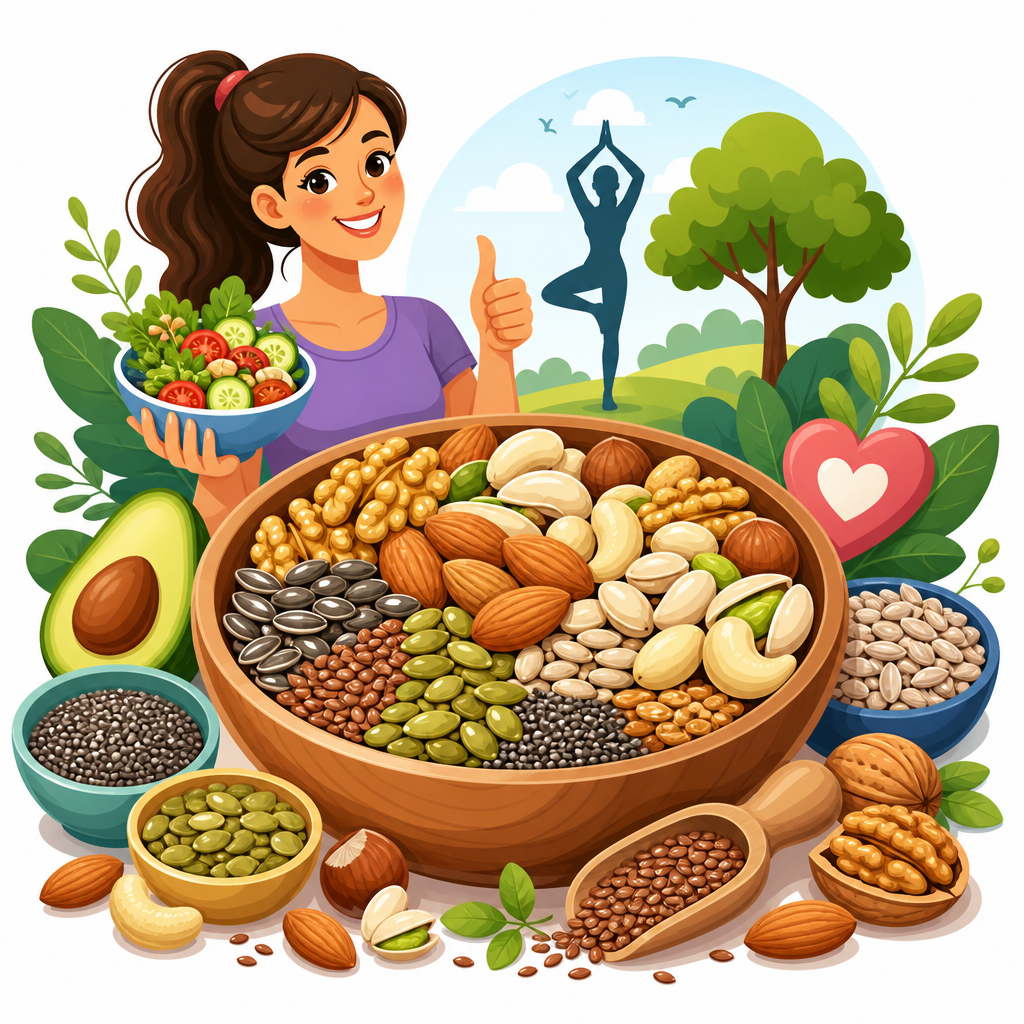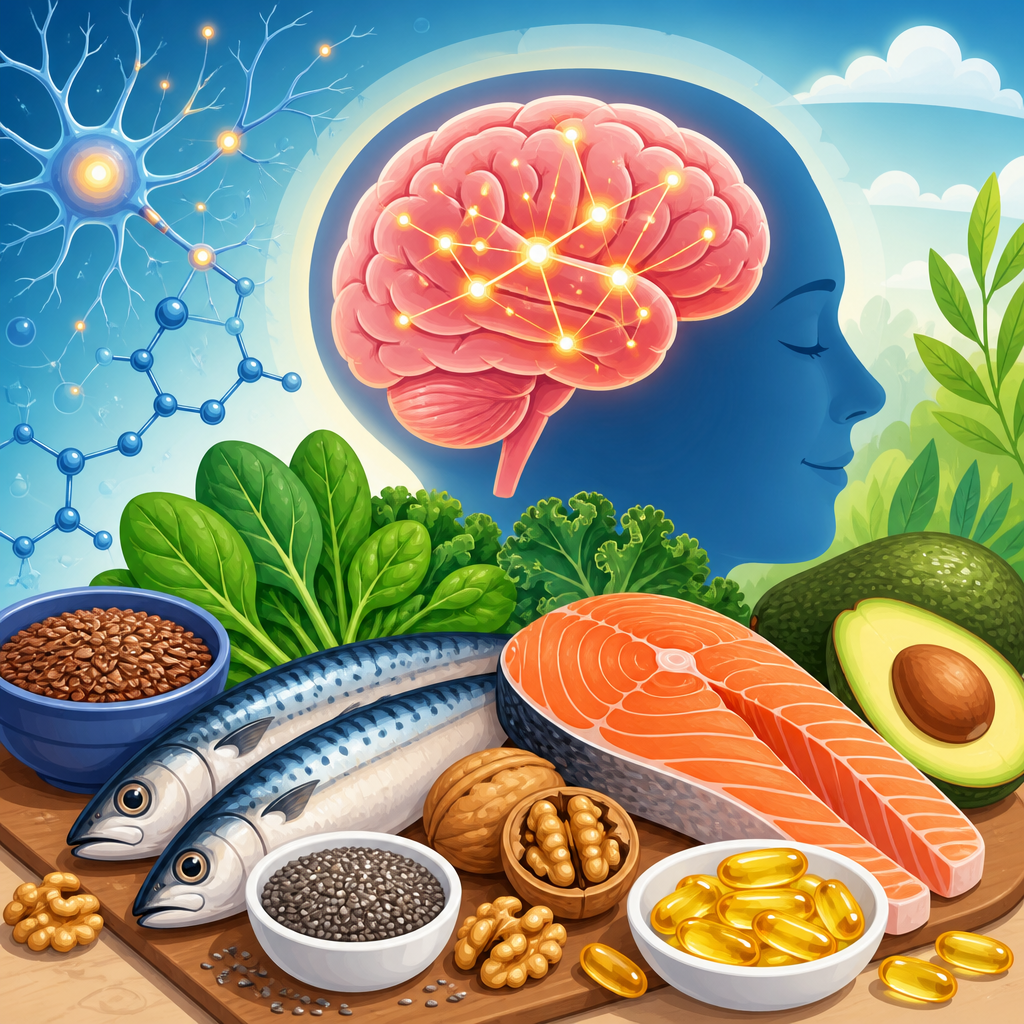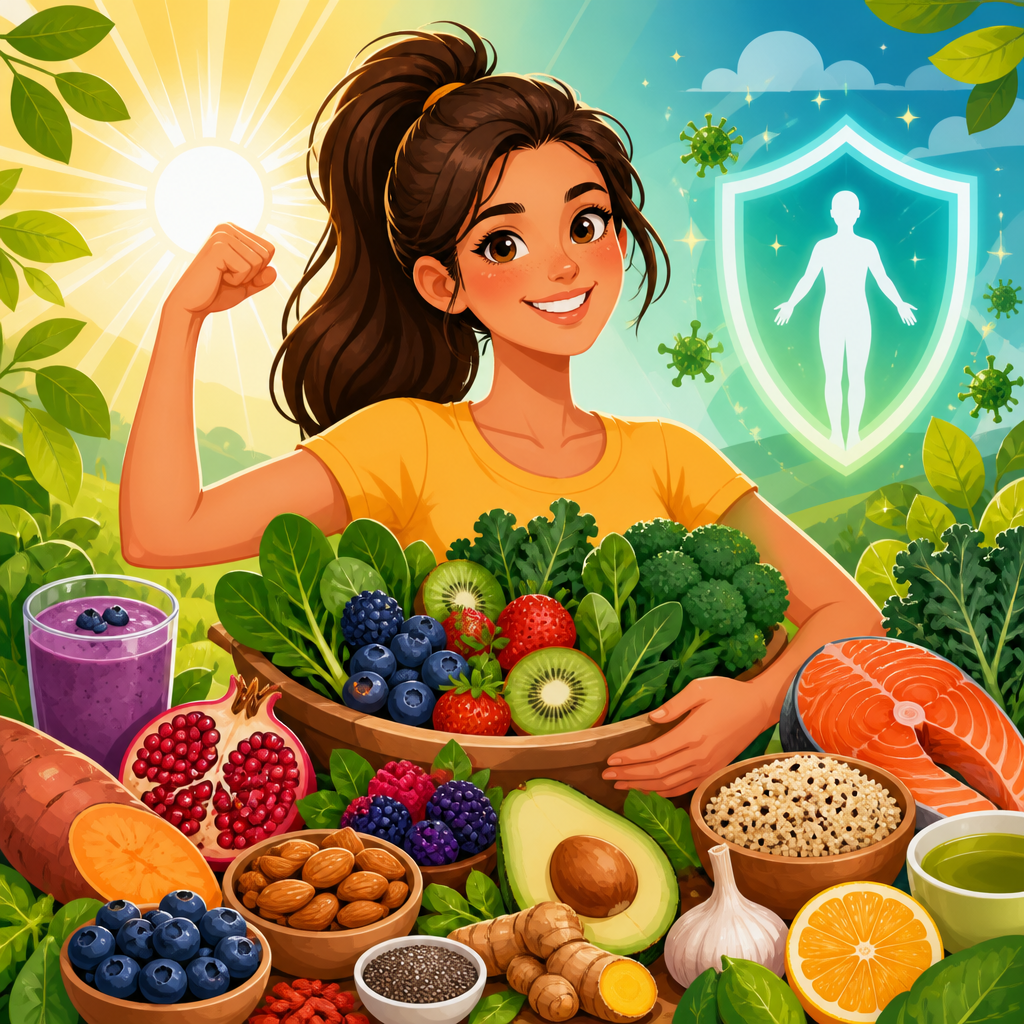
Maximizing your health with superfoods for energy and immunity starts with understanding what these foods can and cannot do. In nutrition practice, I have seen people expect a single berry, seed, or powder to replace sleep, movement, and balanced meals, then feel disappointed when results do not appear. Superfoods are not a medical category or a magic fix. They are nutrient-dense foods that deliver unusually high levels of vitamins, minerals, antioxidants, fiber, protein, or beneficial fats compared with typical choices in the same food group. When used consistently inside an overall healthy diet, they can support steady energy production, resilient immune function, and better recovery from daily stress.
Energy and immunity are closely linked. Your cells create energy primarily through metabolism of carbohydrates, fats, and protein, but that process depends on micronutrients such as iron, magnesium, B vitamins, and copper. Your immune system also relies on steady nutritional input, especially vitamin C, vitamin D, zinc, selenium, protein, and a healthy gut microbiome. If your diet is short on these building blocks, fatigue can rise while your defenses weaken. That is why the best superfoods for energy and immunity are not random trend items. They are foods with clear nutritional value, practical serving options, and evidence-based roles in supporting mitochondrial function, blood sugar balance, inflammation control, gut health, and immune cell activity.
This hub article explains which superfoods matter most, how they work, and how to use them in real meals. It also serves as a strong starting point for deeper reading across the broader superfoods and functional foods category. If you want more natural energy without relying on excess caffeine and you want immune support grounded in nutrition science rather than marketing claims, the foods below deserve a regular place on your shopping list.
What Makes a Superfood Effective for Energy and Immune Support
The most effective superfoods for energy and immunity share a few traits. First, they provide essential nutrients involved in ATP production, oxygen transport, and nervous system function. Iron, B12, folate, riboflavin, niacin, and magnesium are especially important for converting food into usable energy. Second, they contain compounds that help regulate inflammation and oxidative stress, because chronic inflammation can leave people feeling drained and can impair immune signaling. Third, many support the gut microbiota, which plays a central role in immune education and barrier protection.
In practical terms, this means foods such as berries, citrus, leafy greens, legumes, nuts, seeds, yogurt, mushrooms, eggs, fatty fish, and fermented vegetables outperform trendy but isolated powders when you look at total health impact. I have reviewed many food logs where people spent heavily on exotic supplements yet still lacked protein at breakfast, fiber across the day, or vitamin C rich produce. Correcting those basics improved energy far more reliably than adding another scoop to a smoothie. Superfoods work best when they solve a real nutritional gap.
Top Superfoods for Sustained Energy
For sustained energy, focus on foods that stabilize blood sugar, support oxygen delivery, and provide key micronutrients. Oats are one of the most reliable examples. Their beta-glucan fiber slows digestion, leading to steadier glucose release and fewer midmorning crashes. Pairing oats with Greek yogurt or milk increases protein and helps satiety. Chia seeds and flaxseeds add fiber, omega-3 fats, and minerals such as magnesium, which is required for hundreds of enzymatic reactions related to energy metabolism.
Leafy greens deserve equal attention. Spinach and Swiss chard provide folate and magnesium, while kale adds vitamin C that can improve absorption of plant-based iron when eaten in the same meal. Legumes such as lentils, black beans, and chickpeas are excellent for people who feel tired in the afternoon. They provide complex carbohydrates, iron, potassium, and soluble fiber, making them far more helpful than refined snack foods. For omnivores, eggs are a high-value energy food because they supply complete protein, choline, B12, and selenium in a compact serving. Fatty fish like salmon and sardines add protein and omega-3 fatty acids, which may help reduce inflammation that contributes to fatigue.
One overlooked point is timing. Even the best superfoods for energy do little if meals are inconsistent. A breakfast built around protein, fiber, and slow-digesting carbohydrates usually supports more stable energy than coffee and a pastry. I often suggest a simple template: oatmeal with berries and seeds, eggs with greens and whole-grain toast, or yogurt with walnuts and fruit. These meals are not flashy, but they consistently outperform ultra-processed convenience foods.
Best Superfoods for Immune Function
Immune support starts with adequacy, not excess. Vitamin C helps immune cells function and supports epithelial barriers, but more is not always better once needs are met. Citrus fruits, kiwi, strawberries, red bell peppers, and broccoli are practical sources that fit easily into meals. Zinc is vital for immune signaling and wound healing. Pumpkin seeds, beef, shellfish, legumes, and dairy contribute meaningful amounts. Selenium, found in Brazil nuts, seafood, eggs, and whole grains, supports antioxidant enzymes such as glutathione peroxidase.
Fermented foods also belong in this conversation. Yogurt with live cultures, kefir, kimchi, and sauerkraut can help diversify the gut microbiota, and a healthy gut is deeply connected to immune readiness. Mushrooms such as shiitake, maitake, and oyster mushrooms contain beta-glucans and other bioactive compounds studied for immunomodulatory effects. Garlic and ginger are not cure-alls, but they can add useful phytochemicals and encourage whole-food cooking patterns that displace less nutritious choices. In real kitchens, the best immune-supporting superfoods are the ones people will eat repeatedly, not the ones they buy once and forget in the pantry.
Superfoods That Support Both Energy and Immunity
Some foods do double duty especially well. Berries provide vitamin C, polyphenols, and fiber while adding relatively low glycemic impact compared with sugary snacks. Greek yogurt delivers protein for steady energy and live cultures that can support gut health. Nuts, especially almonds and walnuts, provide healthy fats, magnesium, vitamin E, and satiety, making them useful for both blood sugar management and antioxidant defense. Sweet potatoes are another strong example, offering complex carbohydrates for fuel plus beta-carotene, which the body converts to vitamin A, a nutrient essential for immune barrier integrity.
Dark leafy greens, eggs, and legumes also fit this overlap category. They help cover multiple nutrient bases at once, which is exactly what most people need. The goal is not to find one perfect ingredient. The goal is to build meals where several high-value foods work together. A grain bowl with quinoa, salmon, spinach, roasted sweet potato, and pumpkin seeds offers protein, complex carbohydrates, vitamin C, iron, omega-3 fats, magnesium, and zinc in one sitting. That is how you turn the idea of superfoods into measurable nutritional benefit.
How to Compare High-Value Superfoods
When clients ask which foods deserve priority, I rank them by nutrient density, evidence for health benefits, cost, and ease of regular use. A food that is rich in nutrients but difficult to afford or prepare every week has limited practical value. The table below compares common options that consistently perform well for energy and immunity.
| Food | Key Nutrients | Main Benefit | Simple Use |
|---|---|---|---|
| Oats | Beta-glucan fiber, manganese, magnesium, B vitamins | Steady energy and fullness | Cooked breakfast bowl with berries |
| Greek yogurt | Protein, calcium, probiotics, B12 | Satiety and gut support | Snack with nuts and fruit |
| Spinach | Folate, magnesium, vitamin K, carotenoids | Micronutrient support for metabolism | Add to eggs, soups, smoothies |
| Salmon | Protein, omega-3s, vitamin D, selenium | Anti-inflammatory and immune support | Bake for salads or grain bowls |
| Berries | Vitamin C, anthocyanins, fiber | Antioxidant and immune support | Top oats or yogurt |
| Lentils | Protein, iron, folate, fiber | Sustained energy and gut health | Soups, curries, lunch bowls |
| Pumpkin seeds | Zinc, magnesium, iron, protein | Immune function and mineral support | Sprinkle on salads or oatmeal |
| Sweet potatoes | Complex carbs, potassium, beta-carotene | Fuel plus barrier support | Roast as meal prep staple |
Building Meals That Actually Work
The biggest mistake I see is treating superfoods like add-ons instead of foundations. A teaspoon of spirulina in an otherwise poor diet will not overcome low protein intake, irregular meals, or high consumption of refined snacks. Better results come from assembling balanced plates. Use a simple structure: one quality protein, one high-fiber carbohydrate, one colorful produce source, and one healthy fat. Then layer in superfoods naturally. Breakfast might be oats, kefir, blueberries, and chia seeds. Lunch could be lentil soup with a spinach salad and pumpkin seeds. Dinner might be salmon, quinoa, roasted broccoli, and sweet potato.
Hydration matters here too. People often interpret dehydration as low energy. Water, mineral-rich foods, and electrolyte balance all affect how alert you feel. Sleep, stress management, and physical activity also influence immune function, so nutrition should be framed as powerful support rather than a stand-alone cure. If fatigue is persistent, or if infections are frequent, lab work for iron deficiency, B12 deficiency, thyroid issues, sleep disorders, or other medical causes may be necessary. Good nutrition helps, but accurate diagnosis matters.
Common Myths and Smart Buying Tips
One myth is that expensive imported powders are superior to everyday foods. In reality, frozen berries, canned sardines, plain yogurt, eggs, beans, and oats often provide more usable nutrition per dollar. Another myth is that “immune boosting” means stimulating the immune system at all costs. What you actually want is appropriate immune regulation. Chronic overactivation contributes to inflammation, while undernourishment weakens defense. Food supports balance.
Read labels carefully, especially on granola, yogurt, protein bars, and juice blends marketed as superfood products. Added sugars can erase the blood sugar benefits you are trying to gain. Choose plain yogurt over heavily sweetened versions, whole fruit over juice when possible, and minimally processed staples over novelty blends with long ingredient lists. Consistency beats intensity. A daily bowl of oats with berries and seeds, a few servings of legumes each week, and regular intake of leafy greens and fermented dairy can do more for energy and immunity than occasional use of fashionable supplements.
Superfoods for energy and immunity are most powerful when they are practical, nutrient-dense, and used as part of complete meals. The strongest choices are not mysterious. They are foods with well-established nutritional profiles: oats, berries, leafy greens, legumes, yogurt, eggs, mushrooms, nuts, seeds, sweet potatoes, and fatty fish. Together, these foods help supply the vitamins, minerals, protein, fiber, and bioactive compounds your body needs to produce energy efficiently and maintain effective immune defenses.
The main benefit of this approach is sustainability. Instead of chasing a short-term boost, you build a dietary pattern that supports steady energy, better resilience, and smarter everyday eating. Start with two or three foods you already enjoy, use them consistently, and expand from there. Build your next grocery list around these staples, then explore the rest of the superfoods and functional foods hub to go deeper into each category with confidence.
Frequently Asked Questions
What are superfoods, and can they really improve energy and immunity?
Superfoods are commonly described as nutrient-dense foods that provide high amounts of vitamins, minerals, antioxidants, fiber, quality protein, or healthy fats relative to their calorie content. Examples often include berries, leafy greens, chia seeds, flaxseeds, yogurt, salmon, beans, nuts, citrus fruits, and fermented foods. They can absolutely support better energy and immune function, but it is important to understand how they work. They do not act like a quick stimulant or a guaranteed shield against illness. Instead, they help by supplying the raw materials your body needs to produce energy efficiently, manage inflammation, support gut health, maintain healthy blood sugar, and fuel normal immune responses.
For example, foods rich in iron, B vitamins, magnesium, and protein can help reduce the nutritional gaps that contribute to low energy. Foods high in vitamin C, zinc, selenium, vitamin A, and beneficial plant compounds can support immune defenses and recovery. At the same time, no single superfood can make up for chronic sleep deprivation, high stress, lack of movement, dehydration, or a diet built around heavily processed foods. The biggest benefits come when superfoods are part of a consistent overall pattern: balanced meals, enough protein, regular physical activity, stress management, and quality sleep. In other words, superfoods are powerful tools, but they work best as part of a strong foundation rather than as a standalone solution.
Which superfoods are best for boosting energy naturally?
The best superfoods for energy are usually the ones that help your body create and sustain energy rather than cause a temporary spike. Oats, beans, lentils, quinoa, sweet potatoes, Greek yogurt, eggs, nuts, seeds, leafy greens, and berries are especially useful because they provide a combination of complex carbohydrates, protein, fiber, and micronutrients. This combination helps stabilize blood sugar and deliver longer-lasting fuel. Chia seeds and flaxseeds also contribute healthy fats and fiber, which can support more steady energy throughout the day. If fatigue is related to low iron intake, foods such as lentils, spinach, pumpkin seeds, tofu, and lean meats may be helpful, especially when paired with vitamin C-rich foods like oranges or bell peppers to improve iron absorption.
It is also helpful to think about energy in terms of meal structure. A smoothie made only with fruit may give you a quick lift, but adding protein and fat from yogurt, hemp seeds, or nut butter makes it more balanced and satisfying. Similarly, a snack like berries alone is healthy, but berries with cottage cheese or a handful of almonds will usually support steadier energy. Hydration matters too, because even mild dehydration can feel like fatigue. If ongoing low energy is severe or unexplained, it is wise to look beyond food and consider factors such as sleep quality, stress, thyroid health, anemia, medication side effects, or other medical issues. Superfoods can help, but they work best when the real cause of fatigue is also identified.
What superfoods are most helpful for supporting the immune system?
Several superfoods stand out for immune support because they provide key nutrients involved in normal immune function. Citrus fruits, kiwi, strawberries, bell peppers, and broccoli are rich in vitamin C, which helps support immune cells and antioxidant defenses. Yogurt, kefir, kimchi, sauerkraut, and other fermented foods may benefit gut health, which is closely tied to immunity because much of the immune system interacts with the digestive tract. Garlic and ginger are often included for their bioactive compounds, while mushrooms such as shiitake and maitake are valued for naturally occurring substances that may help support immune activity. Nuts and seeds, especially sunflower seeds, almonds, and pumpkin seeds, provide vitamin E, zinc, and healthy fats that also contribute to immune function.
Protein-rich foods are equally important, even though they are sometimes overlooked in conversations about immunity. Your body needs adequate protein to build and maintain immune cells, antibodies, and tissues involved in recovery. Eggs, fish, legumes, poultry, tofu, and dairy foods all play a role here. It is also worth remembering that “immune boosting” can be a misleading phrase. A healthy immune system is not about forcing your body into overdrive. It is about giving it what it needs to respond appropriately and efficiently. A varied, colorful diet that regularly includes fruits, vegetables, whole grains, protein foods, and healthy fats will usually do more for long-term immunity than any trendy powder or exotic ingredient used once in a while.
Can superfoods replace supplements, medications, or a balanced diet?
In most cases, no. Superfoods should not be viewed as replacements for prescribed medications, evidence-based treatment plans, or an overall balanced diet. While nutrient-dense foods can make a meaningful difference in health, they do not cure underlying medical conditions on their own, and they are not a substitute for professional care. For example, if someone has iron-deficiency anemia, severe vitamin D deficiency, thyroid disease, diabetes, or an autoimmune condition, eating more superfoods may be supportive, but it does not replace diagnosis, monitoring, and appropriate treatment. Supplements may still be necessary when a lab-confirmed deficiency exists, when dietary restrictions make certain nutrients hard to obtain, or when a clinician recommends them for a specific reason.
Superfoods also cannot carry an otherwise poor diet. Adding blueberries to a breakfast of pastries and sugary coffee does not create the same health effect as eating a truly balanced meal with protein, fiber, and healthy fats. The goal is not to find one perfect food but to build a pattern of eating that consistently meets your body’s needs. If you enjoy using so-called superfoods, think of them as upgrades within that pattern: spinach added to eggs, beans added to soup, berries added to oatmeal, salmon swapped in for processed meats, or seeds sprinkled over yogurt. Those choices are practical and evidence-informed. They strengthen your diet, but they do not eliminate the need for the basics of health or medical guidance when it is needed.
How can I add superfoods to my daily routine in a realistic and sustainable way?
The most effective approach is to stop thinking in terms of “perfect” superfood lists and start building habits around foods you will actually buy, prepare, and eat consistently. Begin with one or two simple upgrades per meal. At breakfast, add berries, chia seeds, or walnuts to oatmeal or yogurt. At lunch, include leafy greens, beans, or avocado in a bowl or salad. At dinner, choose a protein-rich option like salmon, lentils, tofu, or eggs and pair it with colorful vegetables such as broccoli, red peppers, or sweet potatoes. Snacks can be easy too: fruit with nuts, hummus with vegetables, kefir, edamame, or a smoothie that includes protein, greens, and healthy fats.
It is also smart to focus on variety, affordability, and convenience. Frozen berries and vegetables are just as useful as fresh in many cases and often cost less. Canned beans, plain yogurt, peanut butter, oats, and seeds are practical pantry staples with excellent nutritional value. Rotating your choices helps you get a broader range of nutrients without becoming overly reliant on one food. Most importantly, be consistent rather than extreme. You do not need expensive powders or complicated recipes to benefit from superfoods. Small, repeated choices usually matter more than occasional “healthy” splurges. If you can create balanced meals most days and regularly include nutrient-dense foods, you are already using superfoods in the most effective way possible.