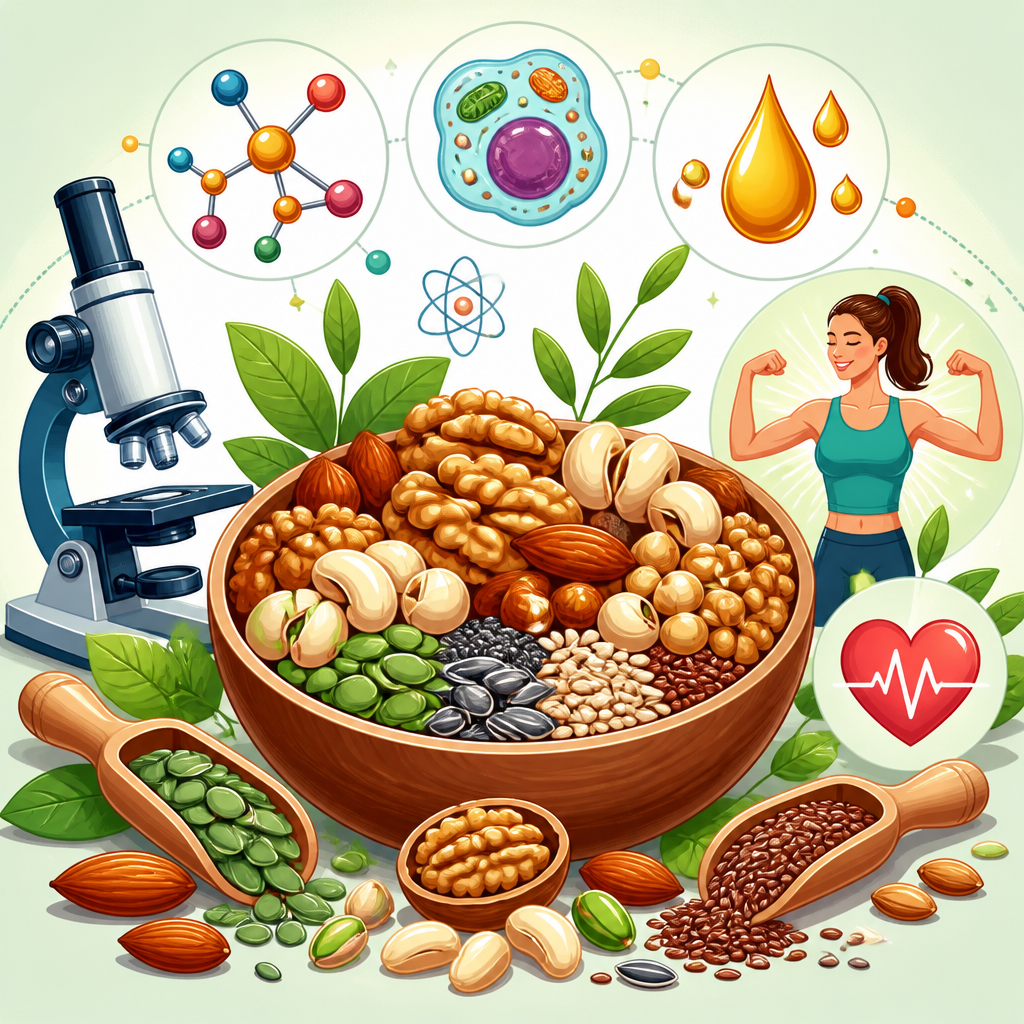

Seeds and nuts deserve a central place in any discussion of superfoods because they deliver dense nutrition in small servings, fit easily into everyday meals, and support long term health across multiple body systems. When I help clients improve diet quality without making eating feel restrictive, seeds and nuts are often one of the first additions I recommend. They are portable, shelf stable, versatile, and backed by strong nutrition science. More importantly, they solve a practical problem: many people fall short on fiber, magnesium, healthy fats, plant protein, and key antioxidants, and these foods help close those gaps efficiently.
The term seeds includes foods such as chia, flax, hemp, pumpkin, sesame, and sunflower seeds. Nuts include almonds, walnuts, pistachios, cashews, hazelnuts, pecans, Brazil nuts, and others. Peanuts are technically legumes, but nutritionally they are often grouped with nuts because their fat, protein, and culinary use are similar. Although each variety has a distinct nutrient profile, most seeds and nuts provide a combination of unsaturated fats, protein, fiber, vitamins, minerals, and phytochemicals. That package is why they are associated with better cardiometabolic health, improved satiety, and higher overall diet quality.
Understanding the nutritional power of seeds and nuts matters because modern diets frequently emphasize refined grains, added sugars, and ultra processed snacks that are calorie dense but nutrient poor. Replacing part of that intake with whole or minimally processed nuts and seeds can improve nutrient density without requiring a complete dietary overhaul. Research consistently links regular intake to lower cardiovascular risk, better cholesterol patterns, and improved blood sugar control when used in place of less healthy foods. This hub explains the major nutrients, the unique benefits of popular varieties, smart serving sizes, preparation methods, and practical ways to use seeds and nuts in a healthy diet.
Why Seeds and Nuts Are Nutrient Dense Foods
Nutrient density means a food supplies substantial vitamins, minerals, protein, fiber, or beneficial fats relative to its calorie content. Seeds and nuts excel here because their calories come with meaningful amounts of unsaturated fat, plant protein, and micronutrients instead of empty starch or sugar. A one ounce serving, about 28 grams, can provide three to seven grams of protein, two to eleven grams of fiber depending on the type, and significant magnesium, vitamin E, selenium, copper, zinc, manganese, and folate. Chia seeds stand out for fiber and omega 3 fatty acids. Flaxseed is notable for alpha linolenic acid and lignans. Almonds are rich in vitamin E. Pumpkin seeds supply magnesium and zinc. Walnuts provide polyunsaturated fats, especially alpha linolenic acid.
In practice, I find that people often underestimate how much these foods contribute beyond calories. For example, a tablespoon of ground flaxseed added to oatmeal can increase fiber intake and support regularity. A small handful of pistachios can replace a bag of chips and provide protein, potassium, and carotenoids such as lutein. Sesame seeds add calcium, copper, and flavorful complexity to meals. Because these foods are compact, they work especially well for people with high nutrient needs, limited meal time, or appetites that vary from day to day.
Key Nutrients That Make Seeds and Nuts Powerful
The most important fats in seeds and nuts are monounsaturated and polyunsaturated fats, which help support heart health when they replace saturated fat from processed meats, pastries, or fried foods. Almonds, hazelnuts, peanuts, and cashews are strong sources of monounsaturated fat. Walnuts, chia, flax, and hemp are richer in polyunsaturated fats. Several seeds, especially flax, chia, and hemp, provide alpha linolenic acid, the plant form of omega 3 fat. While conversion of alpha linolenic acid into EPA and DHA is limited, it still contributes to a healthier fat pattern and is valuable in plant forward diets.
Protein is another reason these foods matter. Although they are not complete protein sources in every case, their amino acid contribution helps support muscle maintenance and satiety, particularly when paired with legumes, dairy, soy foods, or whole grains. Fiber supports digestive health, cholesterol management, and fullness. Micronutrients are equally important. Magnesium is critical for hundreds of enzymatic reactions, including energy metabolism, glucose regulation, and nerve function, yet many adults consume too little. Zinc supports immune function. Selenium, found in especially high levels in Brazil nuts, is needed for thyroid hormone metabolism and antioxidant defense. Vitamin E acts as a fat soluble antioxidant that helps protect cell membranes.
How Different Seeds and Nuts Compare
No single variety does everything, so variety is the best strategy. Chia seeds absorb liquid and form a gel, which makes them useful in puddings, overnight oats, and baking. Flaxseed should usually be consumed ground rather than whole because grinding improves absorption of fats and lignans. Hemp seeds provide a softer texture and blend easily into yogurt or smoothies. Pumpkin seeds are one of the most practical mineral rich snacks, while sunflower seeds are affordable and widely available. Among nuts, walnuts are particularly useful for increasing omega 3 intake, almonds excel for vitamin E, pistachios offer a lower calorie density per piece and encourage mindful eating if eaten in shells, and Brazil nuts are unmatched for selenium.
| Food | Standout Nutrients | Best Everyday Use |
|---|---|---|
| Chia seeds | Fiber, omega 3, calcium | Oats, yogurt, pudding |
| Ground flaxseed | Lignans, omega 3, fiber | Oatmeal, smoothies, baking |
| Pumpkin seeds | Magnesium, zinc, iron | Snacks, salads, grain bowls |
| Almonds | Vitamin E, magnesium, protein | Snacks, nut butter, cereal topping |
| Walnuts | Omega 3, polyphenols | Salads, oatmeal, baking |
| Brazil nuts | Selenium | Occasional small portions |
This comparison helps explain why a mixed approach works better than relying on only one product. In meal planning, I usually suggest rotating at least three or four types each week. That broadens nutrient coverage and reduces taste fatigue, which improves consistency over time.
Health Benefits Supported by Research
The clearest evidence for the nutritional power of seeds and nuts relates to cardiovascular health. Regular nut intake is associated with lower LDL cholesterol, improved blood lipid patterns, and reduced risk of coronary heart disease. These benefits likely come from the combined effect of unsaturated fats, fiber, plant sterols, arginine, magnesium, and polyphenols. Clinical feeding trials repeatedly show that replacing snacks high in refined carbohydrates or saturated fat with nuts improves diet quality and often cholesterol markers as well. Walnuts and almonds are among the most studied, but benefits are not limited to those varieties.
Blood sugar control also improves when seeds and nuts replace rapidly digested carbohydrates. Because they contain fat, fiber, and protein, they slow gastric emptying and blunt post meal glucose spikes. I have seen this work well in real meal settings: adding peanut butter to fruit, sprinkling chia into yogurt, or using pistachios alongside a balanced lunch often creates steadier energy than eating crackers or sweet snacks alone. There is also meaningful evidence for weight management support. Although nuts are energy dense, people who eat them regularly do not necessarily gain more weight, partly because nuts increase satiety, some energy is not fully absorbed, and they often displace less nutritious foods.
Emerging research also examines gut health, inflammation, and cognitive aging. Nuts and seeds contain polyphenols and fermentable components that may influence the gut microbiome. While results vary by food type and study design, the pattern is promising and consistent with broader dietary guidance that favors whole plant foods.
Serving Sizes, Calories, and Common Misunderstandings
A common question is whether seeds and nuts are too high in calories to eat regularly. The accurate answer is no, provided portions fit your total diet and these foods replace less nutritious calories rather than simply adding extras on top. A standard serving is roughly one ounce of nuts or seeds, about a small handful, or one to two tablespoons for many seeds and nut butters. That usually supplies about 160 to 200 calories. For some people, especially those with higher energy needs, more can fit comfortably. For others, pre portioning helps prevent accidental overeating.
Another misunderstanding is that all flavored products are equally healthy. Honey roasted nuts, heavily salted mixes, chocolate covered varieties, and bars made mostly from syrups can shift the nutrition profile significantly. Read ingredient lists. The best choices are raw, dry roasted, or lightly seasoned products with minimal added sugar and moderate sodium. Nut butters should ideally list only nuts or seeds, with salt optional. Seed crackers and trail mixes can be useful, but many are ultra processed and less filling than whole forms.
How to Add Seeds and Nuts to a Healthy Diet
The easiest way to use seeds and nuts daily is to attach them to foods you already eat. Add ground flax or chia to oatmeal. Stir hemp seeds into yogurt. Use tahini in dressings and sauces. Top salads, soups, or roasted vegetables with pumpkin or sunflower seeds for crunch. Spread almond or peanut butter on whole grain toast or pair it with apple slices. Add walnuts to a lentil salad or pistachios to a grain bowl. Blend cashews into creamy soups or sauces when you want richness without heavy cream.
Preparation affects both nutrition and practicality. Ground flax is preferable to whole flax for absorption. Soaking can soften some nuts and seeds, though it is not required for most people. Roasting can deepen flavor but may slightly reduce heat sensitive compounds if temperatures are very high. Storage matters because the unsaturated fats can oxidize. Keep nuts and seeds in airtight containers away from heat and light. Refrigeration is especially useful for flax, hemp, and larger quantities of walnuts. Buy from stores with good turnover to avoid stale products.
Special considerations are important. People with tree nut or seed allergies need individualized guidance and strict label reading. Infants and young children should receive age appropriate forms such as thinned nut butters rather than whole nuts because of choking risk. Brazil nuts should be eaten in small amounts because selenium is beneficial but excessive intake over time can be harmful.
Choosing Better Products and Building a Smart Routine
Shopping well makes a noticeable difference. Compare plain raw versus dry roasted options, check sodium per serving, and choose unsweetened nut milks unless a fortified product is needed for calcium and vitamin D. If you rely on plant based eating, look for fortified beverages that align with dietary guidance. For budget control, buy larger bags of staples like sunflower seeds, peanuts, or almonds, then portion them into containers for the week. Store premium items such as pine nuts or pecans in the freezer if you use them slowly.
Consistency beats perfection. Aim for one or two servings a day within the context of balanced meals. Rotate varieties, use them as replacements for less nutritious snacks, and combine them with fruits, vegetables, legumes, and whole grains for stronger overall benefits. Seeds and nuts are not miracle foods, but they are among the most efficient upgrades you can make to a daily eating pattern. Start with two simple habits this week: add one seed to breakfast and use one nut based snack in place of a processed alternative. Over time, that small shift can raise nutrient intake, improve meal satisfaction, and strengthen the foundation of a healthy diet.
Frequently Asked Questions
Why are seeds and nuts considered nutritional powerhouses in a healthy diet?
Seeds and nuts are often called nutritional powerhouses because they pack an exceptional amount of beneficial nutrients into relatively small portions. They provide a combination of healthy fats, plant protein, dietary fiber, vitamins, minerals, and protective plant compounds that work together to support overall health. Unlike foods that supply mostly calories with limited nutritional value, seeds and nuts deliver meaningful nourishment in every serving. This makes them especially useful for people who want to improve diet quality without feeling like they need to follow a restrictive eating plan.
One of their biggest strengths is nutrient density. Almonds, walnuts, pistachios, chia seeds, flaxseeds, pumpkin seeds, sunflower seeds, and sesame seeds all offer different nutritional profiles, but most contain heart-healthy unsaturated fats, magnesium, zinc, vitamin E, and antioxidants. Many also contribute omega-3 or omega-6 fatty acids, which play important roles in inflammation balance, brain function, and cardiovascular health. Fiber and protein add staying power, helping meals and snacks feel more satisfying and supporting steady energy throughout the day.
Another reason they matter so much in a healthy diet is practicality. Seeds and nuts are portable, shelf stable, easy to store, and simple to add to foods people already enjoy. They can be sprinkled onto oatmeal, yogurt, salads, soups, grain bowls, or blended into smoothies and sauces. Because they fit so naturally into everyday eating, they often help people make lasting improvements rather than temporary changes. In that sense, their value is not only nutritional but also behavioral: they make healthy eating easier to sustain over time.
What specific health benefits do seeds and nuts offer for the body?
Seeds and nuts support health across multiple body systems, which is one reason they deserve a central place in discussions about long-term wellness. Cardiovascular health is one of the most well-established benefits. Regular intake of nuts and seeds has been associated with improved cholesterol patterns, better blood vessel function, and reduced risk factors for heart disease. Their unsaturated fats can help replace less beneficial saturated fats in the diet, while minerals like magnesium and potassium support healthy blood pressure regulation.
They also play an important role in metabolic health. Because they contain fiber, protein, and fat, seeds and nuts slow digestion and can promote more stable blood sugar responses when eaten as part of a balanced meal or snack. This can be especially helpful for reducing energy crashes and improving satiety. People who include them regularly often find it easier to manage hunger between meals, which may support healthier eating patterns overall. In many cases, adding nuts and seeds is a practical strategy for improving diet quality without creating a sense of deprivation.
Beyond heart and metabolic health, seeds and nuts can support brain function, digestive health, immune health, and healthy aging. Walnuts and flaxseeds are known for omega-3 fatty acids that contribute to brain and nerve function. Chia seeds and flaxseeds provide fiber that supports gut health and regularity. Pumpkin seeds offer magnesium and zinc, which are important for immune function and muscle performance. Vitamin E in almonds and sunflower seeds acts as an antioxidant that helps protect cells from oxidative stress. Taken together, these benefits show that seeds and nuts are not just convenient snacks; they are meaningful contributors to whole-body health.
How can I add more seeds and nuts to my daily meals without making my diet complicated?
The easiest way to add more seeds and nuts to your diet is to build them into meals and snacks you already eat. You do not need elaborate recipes or a major meal plan overhaul. A spoonful of chia seeds in oatmeal, ground flaxseed in a smoothie, chopped walnuts on yogurt, or pumpkin seeds on a salad can instantly raise the nutritional value of a meal. Nut butters can be spread on toast, stirred into oatmeal, blended into smoothies, or used as a dip for fruit. These small additions are simple, but they can make a noticeable difference in fiber, protein, healthy fat, and micronutrient intake.
Seeds and nuts also work well as tools for improving satisfaction and convenience. Keeping single portions of almonds, pistachios, cashews, or trail mix on hand can help bridge the gap between meals and reduce the temptation to rely on less nourishing processed snacks. Adding sesame seeds to stir-fries, hemp seeds to grain bowls, or chopped pecans to roasted vegetables can improve both flavor and texture while increasing nutrient density. Because these foods are versatile, they can be used in sweet or savory dishes without much extra effort.
If you are just getting started, focus on consistency rather than variety all at once. Choose two or three options you enjoy and use them regularly. For example, you might add flaxseed to breakfast, carry nuts for an afternoon snack, and top dinner salads with sunflower or pumpkin seeds. Ground flax and chia can be especially easy additions because they blend into foods with little preparation. Over time, these habits can become automatic, which is one of the biggest reasons seeds and nuts are so effective in real-life nutrition counseling: they improve meals in a way that feels practical rather than burdensome.
How much seeds and nuts should I eat each day to get the benefits?
For most people, a moderate daily serving is enough to provide meaningful benefits. A common guideline is about one ounce of nuts per day, which is roughly a small handful, or one to two tablespoons of seeds depending on the variety and how they are being used. This amount fits well into a balanced diet and provides a substantial contribution of healthy fats, protein, fiber, and micronutrients without requiring large portions. Since seeds and nuts are calorie dense, the goal is usually regular inclusion rather than unlimited intake.
That said, the ideal amount depends on the context of the whole diet, activity level, health goals, and the other foods being eaten. Someone using seeds and nuts to replace less nutritious snack foods may benefit from a daily serving or two spread across meals and snacks. A person with higher calorie needs may comfortably include more, while someone with very low energy needs may need to be more portion aware. The key is not to think of these foods as something to fear because they are rich, but to use them intentionally as concentrated sources of nutrition.
It is also helpful to pay attention to the form in which they are eaten. Unsalted or lightly salted options are often better for routine use, and dry roasted or raw versions can be convenient staples. With seeds like flax, grinding improves absorption of certain nutrients. Chia seeds can be soaked or added directly to moist foods. Nut butters should ideally contain minimal added sugar and unnecessary oils. When portions are sensible and quality is considered, seeds and nuts can be included daily as part of a supportive, sustainable eating pattern.
Are there any downsides or precautions to consider when eating seeds and nuts?
Seeds and nuts are highly beneficial for many people, but there are a few practical considerations to keep in mind. The most important is allergy risk. Tree nut and peanut allergies can be severe, and some individuals may also react to sesame or other seeds. Anyone with a known allergy should avoid the specific food and be mindful of cross-contamination. For households, schools, and shared spaces, allergen awareness is essential. If there is uncertainty about tolerance, especially in the context of previous reactions, it is best to follow medical guidance rather than experiment casually.
Another consideration is portion size. Because seeds and nuts are energy dense, large amounts can add up quickly, particularly when eaten mindlessly from big containers or in heavily sweetened or salted products. This does not make them unhealthy; it simply means they are best enjoyed with awareness. Pre-portioning snacks, using measured amounts in recipes, or adding them strategically to meals can help preserve their benefits without crowding out other important foods. People with specific digestive conditions may also need to introduce higher-fiber seeds gradually, especially chia or flax, and increase fluids as needed.
Preparation and product choice matter too. Candied nuts, heavily salted mixes, and nut spreads with added sugars or hydrogenated oils do not offer the same overall value as simpler versions. Whole flaxseed may pass through the body without full nutrient absorption, so ground flax is usually preferred. Some people with chewing or swallowing difficulties may do better with seed powders, butters, or finely chopped forms. In general, the precautions are manageable, and for most people the benefits far outweigh the drawbacks. With the right selections and portions, seeds and nuts remain one of the most practical and evidence-supported additions to a healthy diet.