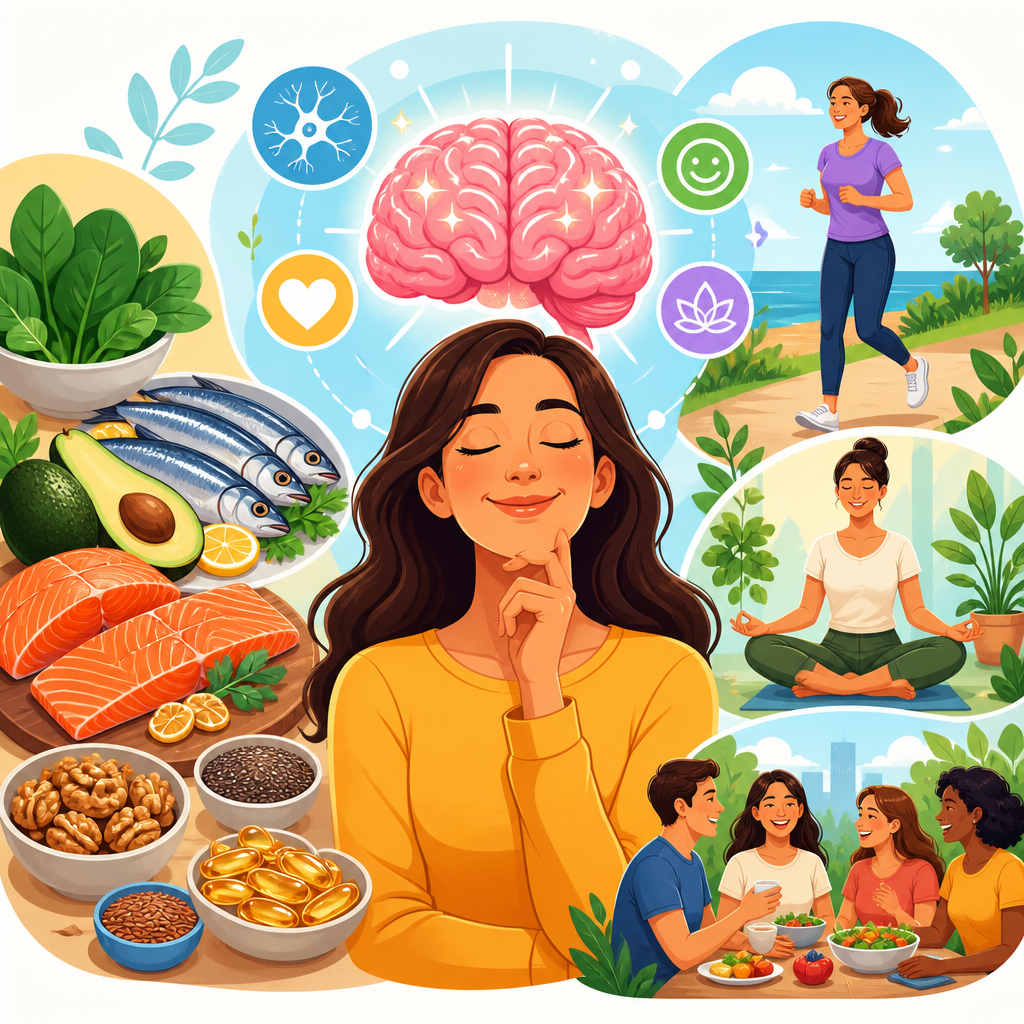
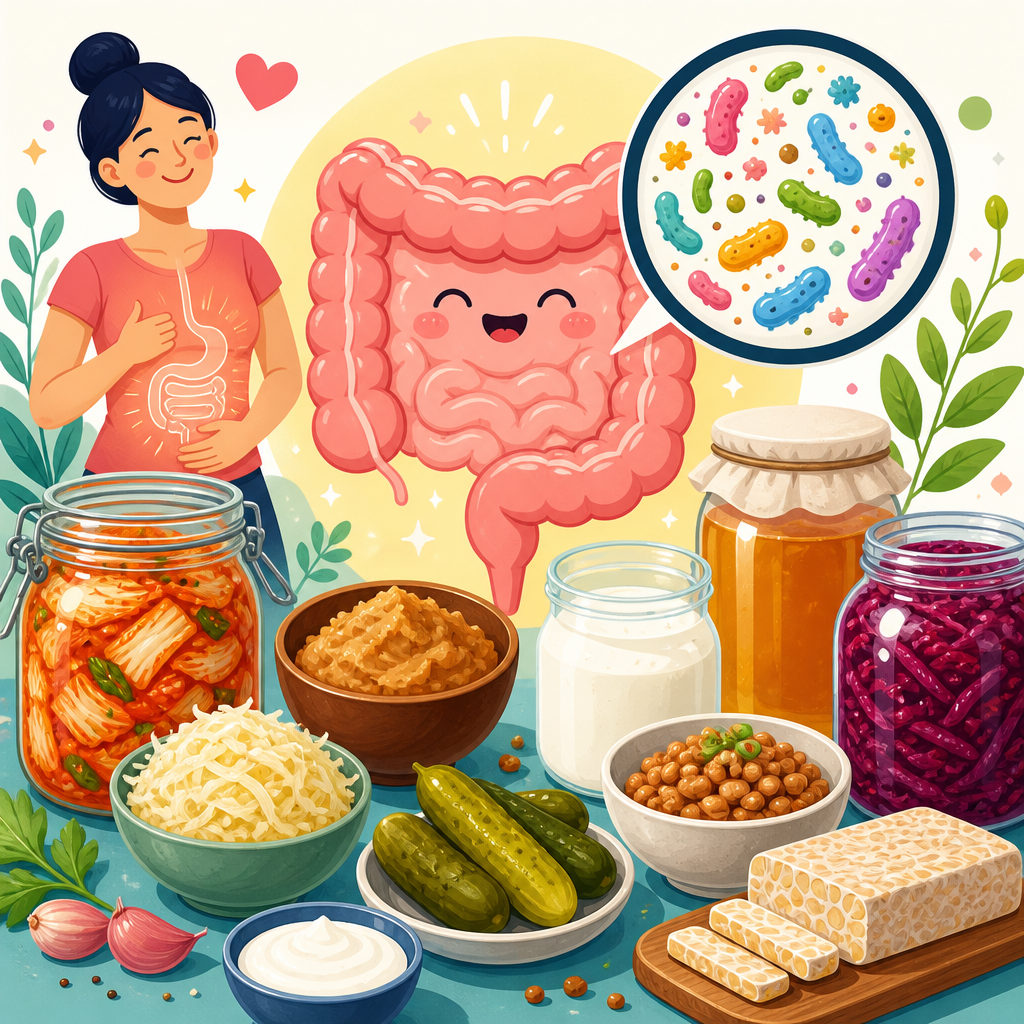
Protein quality is one of the most debated topics in nutrition, and the comparison between plant-based proteins and animal proteins sits at the center of that debate. For anyone building meals around muscle gain, healthy aging, weight management, athletic performance, or better metabolic health, understanding how these protein sources differ matters far more than following food trends. In practice, the question is not simply which type is “better,” but how protein digestibility, amino acid profile, nutrient density, sustainability, cost, and personal health goals interact in a real diet.
Plant-based proteins come from foods such as beans, lentils, soy, peas, nuts, seeds, and whole grains. Animal proteins come from meat, poultry, fish, eggs, and dairy. The main scientific distinction is that proteins are made of amino acids, including nine essential amino acids the body cannot produce on its own. Many animal proteins are considered complete proteins because they provide all nine essential amino acids in amounts that closely match human needs. Some plant proteins are also complete, notably soy, quinoa, buckwheat, hemp seeds, and combinations built across meals, but many plant sources are relatively lower in one or more essential amino acids such as lysine or methionine.
After years of reviewing food logs, strength programs, and clinical nutrition guidance, I have found that most confusion comes from oversimplification. People hear that animal protein is superior for muscle growth, or that plant protein is automatically healthier, and both claims miss important context. The Protein Digestibility-Corrected Amino Acid Score and the newer Digestible Indispensable Amino Acid Score help explain protein quality, but they do not capture the whole dietary pattern. A grilled salmon fillet, a cup of lentils, Greek yogurt, tofu, and a whey shake all contribute differently to satiety, micronutrients, and recovery. The practical value lies in knowing those differences well enough to build an eating pattern that actually works.
This article serves as a hub for plant-based proteins vs. animal proteins, covering the major questions readers usually ask before choosing one, combining both, or shifting from one pattern to another. You will learn how protein quality is measured, which foods support muscle protein synthesis most effectively, where plant proteins offer major health advantages, when animal proteins provide unique benefits, and how to choose the right balance for your body, training level, ethics, and budget. If you want a clear answer, here it is: both plant-based proteins and animal proteins can support good health, but they do so with different strengths, limitations, and planning requirements.
How Protein Quality Is Measured and Why It Matters
Protein quality refers to how well a food provides essential amino acids in digestible form. The older PDCAAS system compares amino acid content and digestibility, while the FAO-endorsed DIAAS method looks more precisely at digestible indispensable amino acids at the end of the small intestine. In plain terms, a protein source is high quality when your body can digest it efficiently and use it for tissue repair, enzymes, hormones, immune function, and muscle protein synthesis. Eggs, milk proteins such as whey and casein, fish, and lean meats consistently score high. Soy protein isolate also performs strongly, though many legumes and grains score lower because of limiting amino acids or lower digestibility.
Leucine deserves special attention because it acts as a trigger for muscle protein synthesis through the mTOR pathway. Animal proteins generally deliver more leucine per serving than whole-food plant sources. For example, whey protein typically contains around 2.5 to 3 grams of leucine in a 25-gram protein serving, enough to robustly stimulate muscle building after exercise in many adults. By contrast, a serving of cooked beans may provide useful protein, but often not enough total protein or leucine on its own to maximize that response. This does not mean plant protein cannot build muscle. It means portions, combinations, and total daily intake matter more when relying heavily on plants.
Digestibility is another factor. Animal proteins usually contain fewer antinutrients and fiber barriers, so amino acids are absorbed more efficiently. Plant foods can contain phytates, tannins, and trypsin inhibitors that reduce absorption, although soaking, sprouting, fermenting, pressure cooking, and isolating protein all improve availability. Tempeh, for instance, is easier to digest than many unfermented legumes because fermentation reduces antinutritional compounds. That is why protein discussions should distinguish whole plant foods from refined plant protein powders. A pea protein isolate behaves very differently in the body than a bowl of split pea soup, even if both are nutritionally valuable.
Plant-Based Proteins: Strengths, Limits, and Best Food Sources
Plant-based proteins bring advantages that go beyond amino acids. Legumes, soy foods, nuts, seeds, and intact grains often provide fiber, polyphenols, magnesium, potassium, folate, and unsaturated fats alongside protein. This package is one reason plant-forward diets are associated with better cardiometabolic outcomes. Large prospective studies repeatedly link higher intakes of legumes and nuts with lower risk of cardiovascular disease and improved blood lipid profiles. Replacing some red and processed meat with beans, lentils, tofu, or edamame can lower saturated fat intake while increasing fiber, a combination that often improves LDL cholesterol and digestive health.
Some of the best plant protein foods are soybeans, tofu, tempeh, edamame, lentils, chickpeas, black beans, peas, seitan, pumpkin seeds, hemp seeds, peanut butter, and higher-protein grains such as quinoa. Soy stands out because it is complete, versatile, and well studied. Tofu can absorb flavors in stir-fries, tempeh adds firmer texture and fermented benefits, and edamame works as a snack with roughly 17 grams of protein per cooked cup. Seitan is extremely high in protein, but because it is made from wheat gluten, it is not suitable for people with celiac disease or gluten sensitivity and is relatively low in lysine unless paired with legumes or soy.
The main limitation of plant protein is not that it is “incomplete” in a simplistic sense, but that some sources require strategic pairing or larger servings to meet amino acid targets efficiently. The old rule that complementary proteins must be eaten in the same meal is outdated. The body maintains an amino acid pool, so eating rice at one meal and beans at another still works. However, if an older adult, athlete in a calorie deficit, or person recovering from illness needs high-quality protein at each eating occasion, then choosing soy, combining legumes with grains, or using fortified plant protein products can make the diet more effective and easier to sustain.
| Protein Source | Approximate Protein | Key Strength | Main Limitation |
|---|---|---|---|
| Chicken breast, 3 oz cooked | 26 g | High digestibility, rich in leucine | No fiber; often costlier than legumes |
| Greek yogurt, 1 cup | 20 g | High-quality complete protein, calcium | Contains dairy; may not suit lactose intolerance |
| Salmon, 3 oz cooked | 22 g | Complete protein plus omega-3 fats | Higher price; sustainability varies by source |
| Tofu, 1/2 cup | 10 g | Complete soy protein, versatile | Lower protein density than meat or powders |
| Lentils, 1 cup cooked | 18 g | Fiber, iron, folate, affordable | Lower methionine; larger volume needed |
| Pea protein isolate, 1 scoop | 20 to 25 g | Convenient, concentrated plant protein | Lower leucine than whey |
Animal Proteins: Benefits, Tradeoffs, and Where They Fit
Animal proteins are efficient, concentrated, and usually easier for the body to use per gram consumed. Meat, eggs, dairy, and fish deliver all essential amino acids in patterns that strongly support muscle maintenance and repair. They are especially useful for people with high protein needs, low appetite, recovery demands, or limited food volume tolerance. In sports nutrition, whey protein remains the benchmark for rapid digestion and leucine content, making it particularly effective after resistance training. Eggs are another standout, providing highly bioavailable protein plus choline, vitamin B12, selenium, and fat-soluble nutrients in the yolk.
Animal foods also contain nutrients that can be harder to obtain in sufficient amounts from a strictly plant-based diet. Vitamin B12 is the clearest example because it is naturally found in meaningful amounts almost exclusively in animal-derived foods. Dairy contributes calcium and iodine in many diets, fatty fish supplies EPA and DHA omega-3 fatty acids, and red meat provides heme iron and zinc with high bioavailability. For adolescents, older adults, pregnant women, and omnivorous athletes, these nutrient advantages can simplify meal planning. A bowl of Greek yogurt with fruit or a salmon dinner can cover several nutritional goals at once.
The tradeoffs are equally important. Not all animal proteins are metabolically equivalent. Processed meats such as bacon, sausage, hot dogs, and deli meats are consistently linked with higher risk of cardiovascular disease, colorectal cancer, and overall mortality when consumed frequently. Lean poultry, eggs, yogurt, kefir, cottage cheese, and fish generally fit more favorably into evidence-based dietary patterns than heavily processed or high-saturated-fat meat products. Red meat can still be part of a healthy diet, but portion size, processing level, and total dietary context matter. When I review client intake, replacing processed meat with fish, beans, or minimally processed poultry often improves markers quickly.
Muscle Growth, Weight Management, and Healthy Aging
If the goal is maximizing muscle gain or preserving lean mass during aging, protein quality and distribution matter as much as total daily intake. Research commonly supports about 1.2 to 2.0 grams of protein per kilogram of body weight per day for active adults, with higher intakes often useful during dieting, heavy training, or recovery. Older adults may benefit from spreading protein across meals in doses of roughly 25 to 40 grams, depending on body size and source quality, because anabolic resistance makes muscle tissue less responsive over time. In that setting, animal proteins have a practical edge because they reach leucine thresholds more easily.
Plant-based eaters can absolutely build muscle, but they usually need more planning. A strength athlete relying on tofu, lentils, soy milk, seitan, and pea-rice protein blends can hit targets effectively, yet doing so often requires larger serving sizes or supplemental protein. In my experience, the most successful plant-focused lifters stop obsessing over whether one food is complete and instead build each day around reliable anchors: a soy-based breakfast, legumes at lunch, a protein-rich snack, and a concentrated plant protein after training. Studies comparing resistance training outcomes show that when total protein is matched and diets are well designed, muscle gains can be similar, but matching intake is the hard part in real life.
For weight management, protein from either source helps by increasing satiety and preserving lean mass during calorie reduction. The difference is that whole plant proteins often arrive with fiber and higher food volume, which can help people feel full on fewer calories. A lentil soup, bean chili, or tofu-vegetable stir-fry may be more filling than an equivalent-calorie meat dish because of water and fiber content. Animal proteins can still be excellent for appetite control, particularly Greek yogurt, cottage cheese, eggs, and fish, but very high-fat meat choices can raise calories quickly. The best strategy is usually not choosing one camp, but selecting protein sources that match the goal and the eating environment.
Heart Health, Gut Health, Sustainability, and Practical Choice
When people ask whether plant-based proteins or animal proteins are healthier overall, the answer depends on what outcome is being measured. For heart health, plant proteins generally have the advantage because they tend to lower saturated fat intake and increase fiber, both of which support healthier cholesterol levels and vascular function. Soy foods can modestly improve LDL cholesterol, and regular legume intake is associated with reduced coronary heart disease risk. Gut health also leans toward plants because fiber feeds beneficial microbes and supports short-chain fatty acid production. Animal proteins do not provide fiber, although fermented dairy products such as yogurt and kefir can help through probiotics.
Sustainability is another reason many readers compare protein sources. Producing beans, peas, and lentils generally requires less land and water and creates lower greenhouse gas emissions than beef or lamb. That does not make every plant product environmentally superior in every context, but the broad pattern is clear. Fish varies widely depending on species and harvesting method, while poultry often has a lower environmental burden than beef. For shoppers balancing nutrition, budget, and environmental impact, a realistic middle ground works well: use legumes and soy as staples, add eggs, yogurt, or fish if desired, and reserve red and processed meats for occasional use rather than daily dependence.
The most useful takeaway is that choosing between plant-based proteins and animal proteins should be goal driven, not ideological. If you need the simplest path to high-quality protein, especially for strength, recovery, or aging, animal proteins and isolated dairy proteins offer efficiency. If you want stronger support for cholesterol management, digestive health, and lower environmental impact, plant proteins deserve a larger share of the plate. Many of the healthiest dietary patterns combine both approaches: lentil soup with yogurt, tofu with rice and vegetables, oatmeal with soy milk, or salmon alongside beans. Use this hub as your starting point, review your current meals, and build a protein strategy that fits your health goals consistently.
Frequently Asked Questions
1. What is the main difference between plant-based proteins and animal proteins?
The biggest difference comes down to amino acid composition, digestibility, and how those factors affect the body’s ability to use protein for repair, recovery, and growth. Animal proteins such as eggs, dairy, fish, poultry, and meat are typically considered “complete” proteins because they naturally provide all nine essential amino acids in amounts that closely match human needs. They also tend to be highly digestible, which means a larger percentage of what you eat is absorbed and used efficiently.
Plant-based proteins, on the other hand, vary much more from one food to another. Foods like soy, quinoa, buckwheat, and hemp contain all essential amino acids, but many plant proteins are lower in one or more key amino acids such as lysine or methionine. In addition, fiber and certain naturally occurring compounds in plants can reduce digestibility somewhat. That does not make plant proteins “inferior” in a practical sense, but it does mean meal planning matters more if someone relies heavily or exclusively on plants.
It is also important to look beyond amino acids alone. Plant protein foods often come packaged with fiber, polyphenols, vitamins, minerals, and beneficial unsaturated fats, while many animal proteins provide highly bioavailable iron, vitamin B12, zinc, and in some cases omega-3 fats. In real-world nutrition, the comparison is not just about protein grams on a label. It is about the total nutritional package, your overall eating pattern, and whether your daily intake supports your goals.
2. Are plant-based proteins lower quality than animal proteins?
Not necessarily, but they are different, and “quality” needs context. In nutrition science, protein quality usually refers to how well a protein provides essential amino acids and how digestible it is. By those measures, many animal proteins score very highly because they are complete and efficiently absorbed. That is why whey, eggs, milk, and lean meats are often discussed as benchmarks for muscle protein synthesis and recovery.
Plant proteins can score lower on some quality measures, especially when assessed individually. For example, wheat protein is relatively low in lysine, while many legumes are lower in methionine. Some plant foods also contain compounds such as phytates or tannins that can slightly reduce digestion or mineral absorption. However, this does not mean a plant-based diet cannot deliver excellent protein nutrition. It simply means variety is important, and in some cases the total amount of protein consumed may need to be a bit higher to achieve the same functional effect.
In everyday eating, quality improves significantly when plant proteins are combined across the day. Beans with rice, lentils with whole grains, tofu with seeds, or a mix of legumes, soy foods, nuts, and grains can create a strong amino acid profile overall. The body does not require every amino acid balance to be perfect in a single bite. What matters most is total daily intake, diversity of sources, and consistency. So while animal proteins may be more efficient per serving, plant proteins can absolutely support health, fitness, and performance when the diet is structured well.
3. Which is better for muscle gain, athletic performance, and recovery?
For pure efficiency, animal proteins often have an advantage because they are rich in essential amino acids, especially leucine, which plays a central role in triggering muscle protein synthesis. Foods like whey protein, Greek yogurt, eggs, chicken, and fish are commonly used in sports nutrition because they deliver a concentrated, highly digestible dose of protein that is easy for the body to use after training. This can be particularly helpful for athletes with high protein needs or people trying to build muscle while keeping calories controlled.
That said, plant-based proteins can still work very well for muscle gain and recovery. The key is being more intentional. Many plant proteins contain less leucine per serving, so a person may need a larger portion or a blend of sources to get a similar training response. Soy protein is one of the strongest plant-based options because it is complete and relatively high quality. Pea and rice protein blends are also popular because they complement each other and can provide a more balanced amino acid profile than either one alone.
For athletes and active adults, success depends less on choosing a side and more on meeting total protein needs, spacing intake throughout the day, and pairing protein with a well-rounded diet. If someone thrives on omnivorous eating, animal proteins can make the process simpler. If someone prefers a vegetarian or vegan approach, it is still entirely possible to support strength, endurance, and recovery with thoughtful planning. In both cases, the fundamentals matter most: enough total protein, enough calories, regular resistance training, and consistent meal quality.
4. Is one type of protein better for weight management, healthy aging, and metabolic health?
Both plant and animal proteins can play a valuable role, but they may support these goals in somewhat different ways. Protein in general helps with satiety, preserves lean mass during weight loss, and supports blood sugar regulation by slowing digestion and reducing large swings in hunger. Animal proteins often make it easier to hit higher protein targets in smaller portions, which can be useful for older adults, people with low appetites, or those trying to maintain muscle while losing body fat.
Plant proteins offer a different advantage because they often come packaged with fiber and a lower energy density, especially when they come from beans, lentils, peas, tofu, tempeh, and minimally processed soy foods. Fiber can enhance fullness, support gut health, and improve cholesterol and glucose control. That combination can be especially helpful for people focused on long-term metabolic health and sustainable weight management. However, not all plant-based products are equal. Some highly processed meat alternatives may be convenient, but they can also be high in sodium and not always nutritionally superior to whole-food protein sources.
For healthy aging, preserving muscle becomes increasingly important. Older adults may benefit from protein sources that are easy to digest and rich in leucine, which often points toward dairy, eggs, fish, or well-formulated supplemental proteins. Still, older adults following plant-forward diets can do very well if they prioritize adequate intake, include high-quality plant proteins regularly, and avoid under-eating. The most effective approach is often not extreme. A balanced pattern that includes enough protein, plenty of whole foods, and attention to strength-preserving habits is usually the real winner.
5. Do you need to combine plant proteins at every meal to get complete protein?
No, that is one of the most common myths in nutrition. The body maintains an amino acid pool and uses amino acids from foods eaten throughout the day, so complementary proteins do not need to be perfectly paired at every single meal. The older idea that you must combine specific foods, such as beans and rice, in the same sitting is overly rigid and not supported in the way many people think. If your overall diet includes a variety of legumes, soy foods, whole grains, nuts, seeds, and vegetables, you can meet essential amino acid needs without obsessing over exact combinations.
That said, the concept of complementary proteins is still useful. It helps explain why variety matters on a plant-based diet. Legumes tend to be richer in lysine and lower in methionine, while grains are often the reverse. Eating a range of these foods across the day improves the overall amino acid balance of the diet. This becomes even more important for people with higher protein demands, such as athletes, older adults, or anyone recovering from illness or trying to build muscle.
A practical strategy is to stop focusing on perfection at each meal and instead think in patterns. Include a meaningful protein source at breakfast, lunch, dinner, and snacks if needed. Rotate foods like tofu, tempeh, edamame, lentils, chickpeas, black beans, peas, quinoa, nuts, seeds, and fortified plant-based dairy alternatives. If necessary, a quality plant protein powder can also help close gaps. The goal is not to micromanage every bite, but to make sure your total daily intake is sufficient, diverse, and aligned with your health and performance goals.