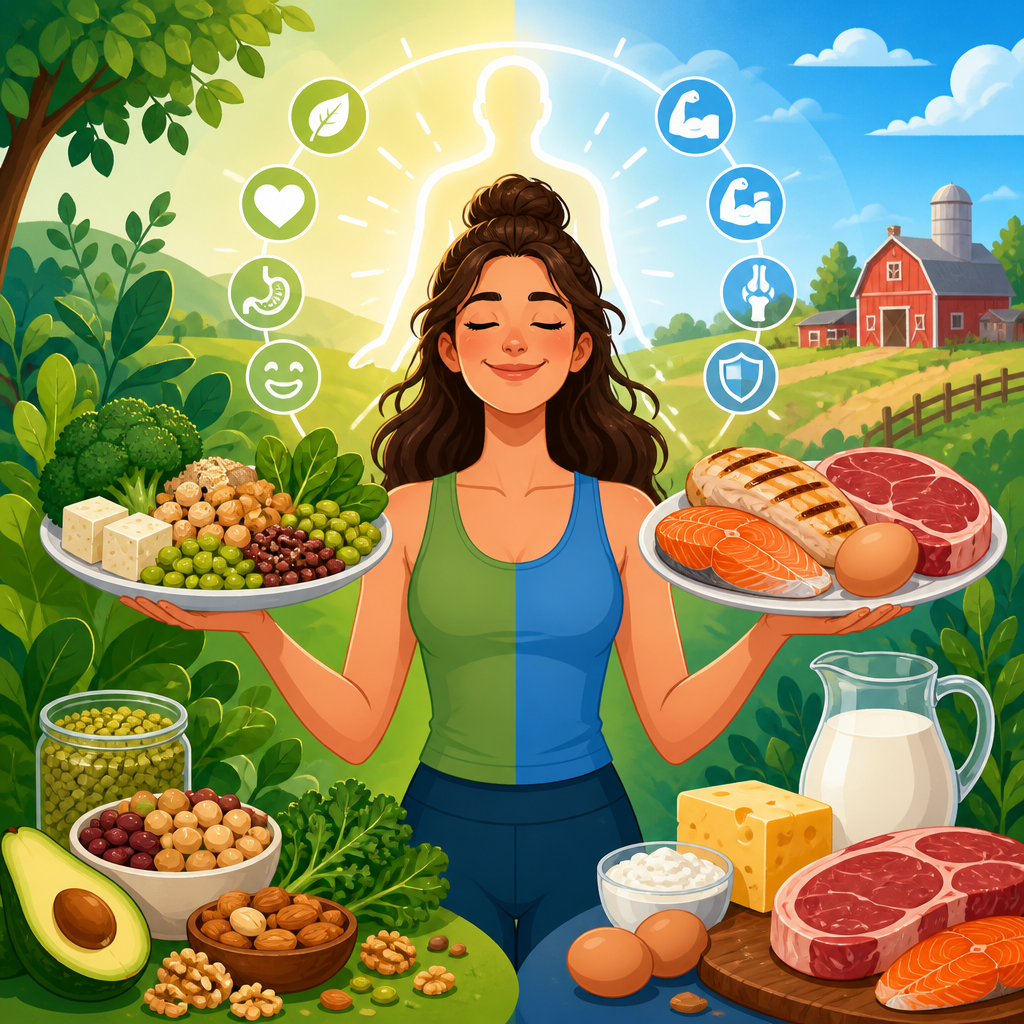
Protein quality matters, but the best choice for a healthy diet is rarely a simple contest between plant-based proteins and animal proteins. In practice, both categories can support muscle maintenance, immune function, hormone production, satiety, and healthy aging when they are selected, combined, and portioned with care. Understanding the differences helps people build meals that fit their health goals, budget, ethics, culture, and training demands.
Plant-based proteins come from legumes, soy foods, nuts, seeds, whole grains, and newer options such as pea or mycoprotein products. Animal proteins include fish, poultry, eggs, dairy, and red meat. The central distinction is not only origin. It also involves amino acid profile, digestibility, accompanying nutrients, calorie density, saturated fat content, fiber, sodium, and the broader dietary pattern in which the protein appears. When clients ask me whether plant protein is “as good as” animal protein, the honest answer is that it depends on the food, the total diet, and the specific outcome being measured.
This topic matters because protein intake influences far more than gym performance. Adequate protein helps preserve lean mass during weight loss, supports recovery after illness, stabilizes appetite, and becomes increasingly important with age as anabolic resistance makes muscle harder to maintain. At the same time, the source of protein can affect heart health, digestive health, kidney stone risk, iron status, and long-term disease patterns. Public guidance from organizations such as the Academy of Nutrition and Dietetics and the Dietary Guidelines for Americans consistently emphasizes variety, nutrient density, and moderation rather than a single ideal protein source.
For a sub-pillar hub on plant-based proteins vs. animal proteins, the most useful approach is to answer the questions people actually have. Which type builds muscle better. Which is easier to digest. Do complete proteins matter. Can vegetarians get enough leucine, iron, omega-3 fats, vitamin B12, and calcium. Is red meat unhealthy, or only in certain forms and amounts. How should athletes, older adults, and people trying to lose weight think about protein timing and distribution. Those questions all point to one conclusion: health depends less on a label and more on quality, balance, and context.
Protein quality, amino acids, and digestibility
Protein is made of amino acids, nine of which are essential because the body cannot make them in adequate amounts. Animal proteins usually contain all essential amino acids in proportions that closely match human needs, which is why eggs, dairy, fish, and meat are often described as complete proteins. Many plant proteins are lower in one or more essential amino acids. Legumes tend to be lower in methionine, while grains are often lower in lysine. That does not make plant proteins inferior in a practical sense; it means variety matters. Eating beans with rice, lentils with whole grains, tofu with sesame and vegetables, or hummus with pita easily improves overall amino acid balance across the day.
Digestibility also matters. Measures such as PDCAAS and DIAAS estimate how well a protein is digested and how effectively its amino acids are absorbed. Whey, milk, eggs, and many meats score highly. Soy also performs well among plant proteins, while isolated pea protein generally scores better than many intact grain proteins. In real meal planning, however, digestion is only one part of the picture. Whole plant foods provide fiber, potassium, polyphenols, and slower gastric emptying, which can improve satiety and metabolic health even if their isolated digestibility score is modestly lower.
Leucine deserves special attention because it helps trigger muscle protein synthesis. Animal proteins often deliver more leucine per serving, which can make them efficient after resistance training or in older adults with reduced anabolic sensitivity. Plant-based eaters can still reach similar targets by slightly increasing portion size, using soy foods, adding protein-fortified dairy alternatives, or combining whole foods with a high-quality plant protein powder. In clinic settings, I have seen older vegetarians do well when each main meal includes a deliberate protein anchor such as Greek-style soy yogurt, tofu, tempeh, edamame, or a bean-and-grain combination rather than relying on vegetables alone.
Nutrient package: what comes with the protein
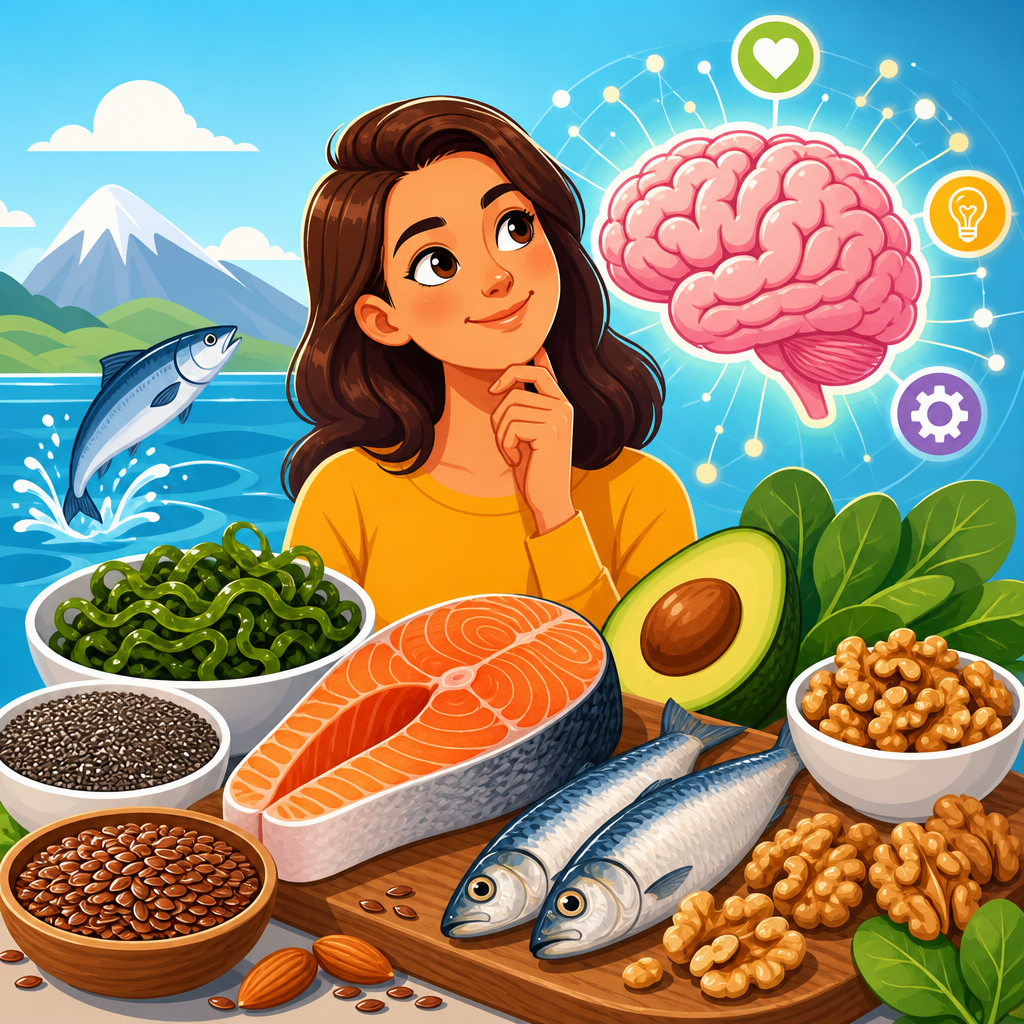
The health effects of protein sources depend heavily on the nutrients that accompany them. Fish brings protein plus omega-3 fats, iodine, selenium, and vitamin D in some species. Yogurt provides protein with calcium, potassium, and in some products live cultures. Eggs contribute choline, selenium, and vitamin B12. On the other hand, processed meats often come with high sodium, nitrites, and saturated fat, factors associated with poorer cardiometabolic outcomes when intake is frequent. Lumping salmon and sausage into one “animal protein” category hides major differences.
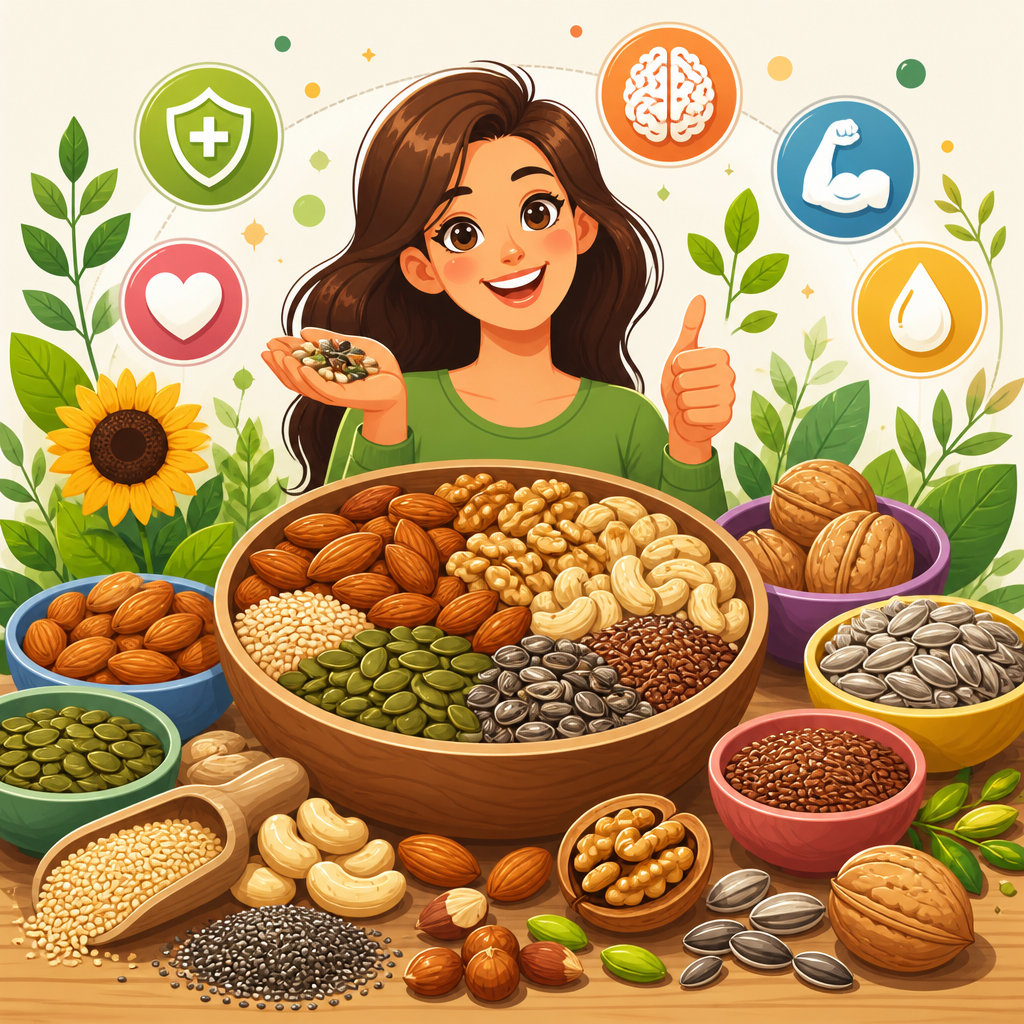
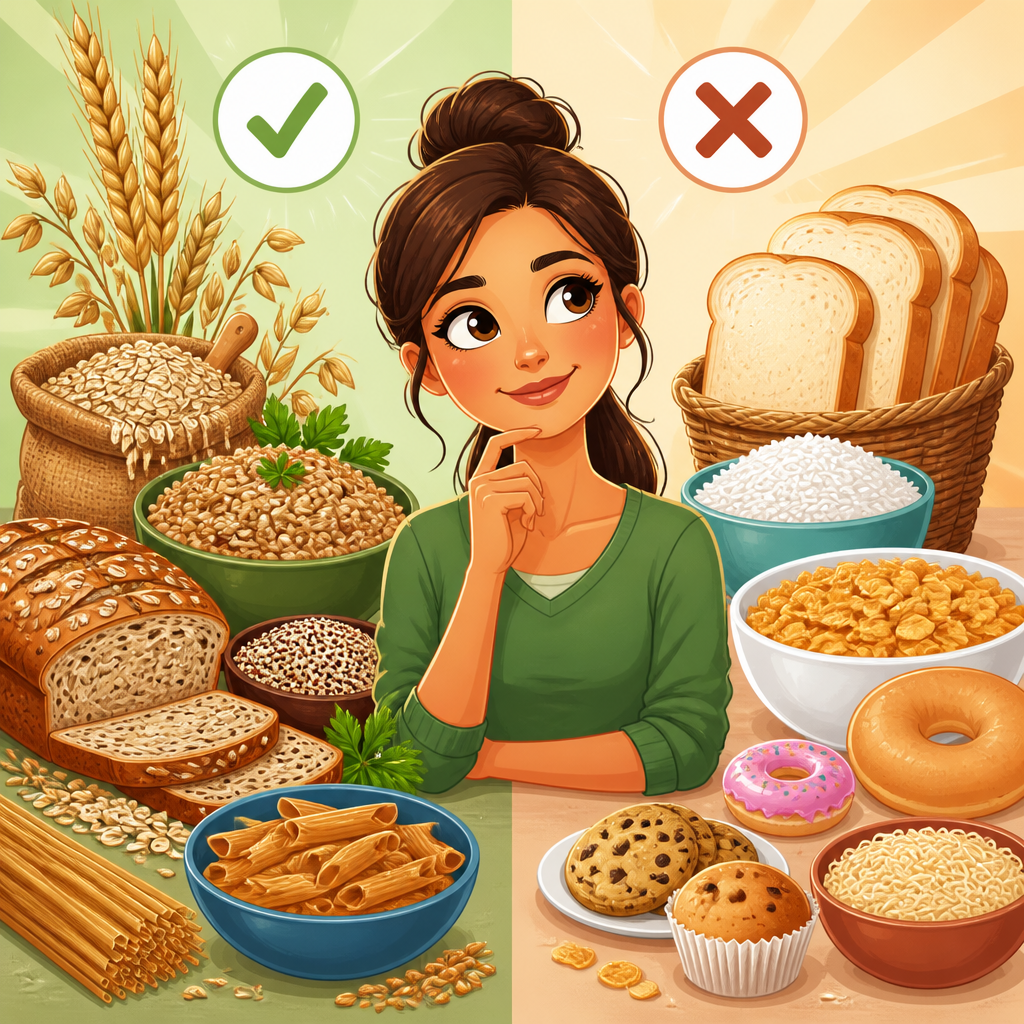
Plant-based proteins also vary widely. Lentils, black beans, chickpeas, and soybeans bring fiber, folate, magnesium, and phytochemicals. Nuts and seeds add unsaturated fats and minerals, though they are also energy dense. Whole grains contribute protein plus fiber and B vitamins. Many commercial meat alternatives provide convenience and can help people transition away from red meat, but they are not automatically health foods. Some are high in sodium, refined starches, or coconut oil. Reading labels for protein amount, saturated fat, sodium, and ingredient quality is essential.
One of the strongest advantages of plant proteins is fiber, which animal foods do not provide. Higher-fiber diets support bowel regularity, cholesterol reduction, microbiome diversity, and better blood sugar control. This is one reason replacing part of a diet centered on processed meats with legumes often improves overall diet quality quickly. In contrast, one advantage of animal proteins is the natural presence of vitamin B12, heme iron, and in dairy, highly bioavailable calcium. A healthy diet can include either category, but each pattern requires awareness of likely nutritional gaps.
| Protein source | Key strengths | Common limitations | Best use in a healthy diet |
|---|---|---|---|
| Lentils and beans | Fiber, folate, magnesium, affordable | Lower methionine, may cause gas if intake rises too fast | Base for soups, bowls, salads, and meat replacement meals |
| Soy foods | Complete protein, versatile, heart-friendly fats | Some products highly processed | Strong core protein for vegetarian and flexitarian diets |
| Nuts and seeds | Unsaturated fats, minerals, texture | Calorie dense, lower total protein per serving | Protein support, snacks, toppings, and balanced meals |
| Fish and seafood | Complete protein, omega-3s, iodine in some species | Cost, sustainability concerns, species differences | One of the strongest animal protein choices weekly |
| Eggs and dairy | High-quality protein, B12, calcium in dairy | Some products high in saturated fat or sodium | Efficient breakfast and recovery protein options |
| Red and processed meat | Complete protein, heme iron, zinc | Processed forms linked with poorer long-term outcomes | Use selectively, favor lean and minimally processed cuts |
Muscle health, performance, and healthy aging
For muscle gain and recovery, animal proteins generally provide a more concentrated dose of essential amino acids and leucine per serving. Whey protein is the classic example because it digests quickly and reliably stimulates muscle protein synthesis. Eggs and dairy also perform very well. That does not mean plant-based proteins cannot support athletic performance. Soy protein, pea protein blends, and mixed whole-food diets can produce comparable long-term results when total daily protein intake is high enough and training is consistent. The difference is often logistical rather than biological: plant-based eaters may need slightly larger servings or more intentional meal construction.
Most active adults do well within a daily range of about 1.2 to 2.0 grams of protein per kilogram of body weight, depending on training load, age, and energy balance. During calorie restriction, needs often move upward to protect lean mass. For older adults, distributing protein across breakfast, lunch, and dinner is especially important because one small low-protein breakfast followed by a protein-heavy dinner does less for muscle maintenance than three balanced meals. A practical target is roughly 25 to 35 grams per meal, adjusted for body size. Reaching that with plants may require tofu at breakfast, lentil-based lunches, and a soy or pea protein addition if appetite is low.
I have found that adherence beats theoretical perfection. A person who enjoys Greek yogurt, eggs, tofu stir-fries, bean chili, and salmon twice weekly usually meets protein goals more easily than someone chasing an extreme rule set. For athletes, digestibility around training matters too. A bean-heavy meal immediately before a run may be uncomfortable, while a smoothie with soy milk and pea protein may work well. Protein strategy should match the person, the sport, and the timing.
Heart health, weight management, and disease risk
When comparing plant-based proteins and animal proteins for long-term health, the broader evidence favors replacing some red and processed meat with legumes, nuts, soy foods, and seafood. This pattern is associated with better cardiovascular markers and, in many cohort studies, lower risk of chronic disease. The mechanism is not mysterious. Plant proteins often displace saturated fat and sodium while increasing fiber and potassium. Fish can improve intake of EPA and DHA. By contrast, diets built around processed meats tend to cluster with excess calories, low fiber, and higher sodium exposure.
For weight management, protein from either source can help by increasing satiety and preserving lean mass during fat loss. The nuance is energy density. Chicken breast, nonfat Greek yogurt, and white fish are high-protein, relatively low-calorie choices. Beans and lentils offer excellent fullness because protein and fiber work together, though portions can add calories if oils and refined grains dominate the meal. Nuts are healthy but easy to overeat if used mindlessly. The most effective pattern is usually a plate that includes one substantial protein source, high-volume vegetables, and an unrefined carbohydrate or healthy fat matched to energy needs.
Kidney health questions come up often. In healthy people, higher-protein diets have not been shown to damage normal kidneys. In established chronic kidney disease, however, protein type and amount may need adjustment under medical supervision. Plant-forward patterns can be helpful in some cases because they may reduce acid load and improve fiber intake, but individualized care matters. The same balanced view applies to iron. Heme iron from animal foods is absorbed more efficiently, while nonheme iron from plants is less readily absorbed but improves when paired with vitamin C-rich foods such as citrus, peppers, or tomatoes.
How to choose the right mix for your diet
The healthiest answer for most people is not all plant or all animal, but a deliberate mix centered on minimally processed foods. If you eat animal products, prioritize fish, yogurt, kefir, eggs, cottage cheese, and lean poultry more often than bacon, deli meats, or heavily marbled cuts. If you eat mostly plants, make soy foods, legumes, peas, lentils, and protein-rich whole grains regular staples rather than depending only on salads, smoothies, or snack bars. Think in patterns: a Mediterranean-style diet, a well-planned vegetarian diet, or a flexitarian approach can all work because they emphasize quality and consistency.
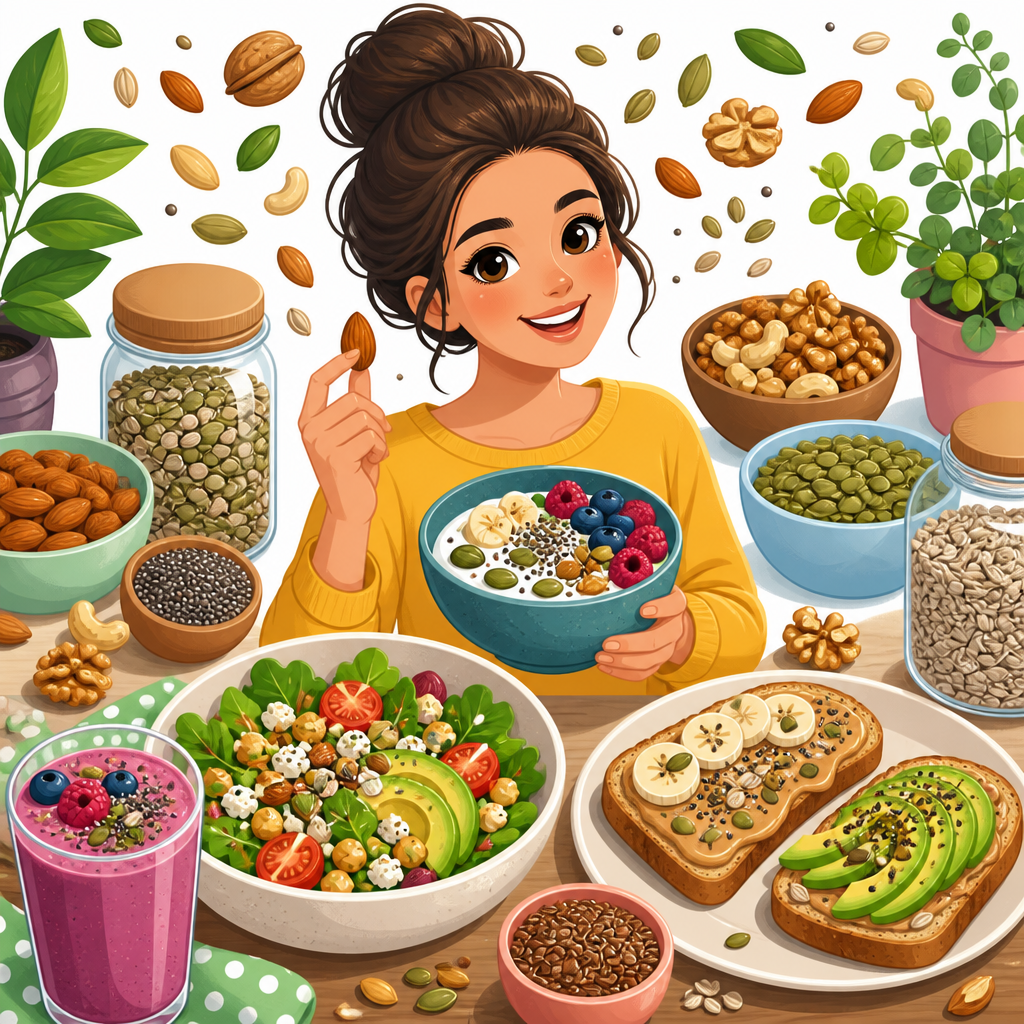
Practical meal building is straightforward. Breakfast can be eggs with oats and fruit, or soy yogurt with chia seeds and berries. Lunch can be lentil soup with whole-grain bread, or grilled chicken over a bean-and-vegetable salad. Dinner can be tofu stir-fry, salmon with quinoa and greens, or chickpea pasta with vegetables and Parmesan. These combinations show the core principle of healthy protein intake: combine adequate protein with nutrient-dense carbohydrates, healthy fats, and produce. Supplements can help, but they should fill gaps rather than replace a solid food foundation.
If you are deciding where to start, audit one week of meals and look at the protein source each time you eat. Count how often the choice is processed, high in saturated fat, or low in fiber. Then make one upgrade at a time: swap processed meat for beans twice a week, replace a low-protein breakfast with eggs or soy yogurt, add seafood once weekly, or use tofu in place of some ground beef. Small substitutions repeated consistently create better outcomes than dramatic short-lived overhauls.
Plant-based proteins and animal proteins both have a role in a healthy diet, but they are not interchangeable in every respect. Animal proteins usually offer more concentrated essential amino acids, leucine, vitamin B12, and highly absorbable iron. Plant proteins bring fiber, phytochemicals, magnesium, and often a more favorable fat profile. The smartest diet uses these strengths intentionally, while limiting the weaker choices in each category, especially processed meats and ultra-processed imitation foods high in sodium.
The key takeaway is simple: choose protein sources based on overall nutrient quality, not just grams of protein. Build meals around legumes, soy foods, seafood, eggs, fermented dairy, nuts, seeds, and lean poultry if you eat them. Use red meat sparingly, and treat processed meat as an occasional food. If you follow a fully plant-based diet, plan for vitamin B12 and pay attention to iron, calcium, iodine, omega-3 fats, and total protein distribution across the day.
A healthy protein strategy should support your real life. It should fit your taste, culture, training, health conditions, and budget without creating unnecessary rules. Review your current meals, identify the easiest upgrades, and make your next grocery list reflect them. Better protein choices made consistently will improve diet quality, support muscle and metabolic health, and make the rest of your nutrition plan easier to sustain.
Frequently Asked Questions
1. Are plant-based proteins as good as animal proteins for overall health?
Yes, plant-based proteins can absolutely support overall health, but the comparison is more nuanced than asking whether one category is simply “better” than the other. Both plant and animal proteins provide amino acids your body needs for muscle maintenance, immune function, hormone production, tissue repair, and healthy aging. The key difference is usually protein quality, digestibility, and what else comes packaged with the protein source. Animal proteins such as eggs, dairy, fish, poultry, and lean meat are generally considered complete proteins, meaning they provide all nine essential amino acids in amounts the body readily uses. Many plant proteins, including beans, lentils, nuts, seeds, and whole grains, may be lower in one or more essential amino acids, but this does not make them inferior in a real-world diet when meals are varied and balanced.
From a broader health perspective, plant-based proteins often come with fiber, antioxidants, phytonutrients, and less saturated fat, which can support heart health, blood sugar control, digestive health, and weight management. Animal proteins can also be highly nutritious, especially minimally processed options like fish, Greek yogurt, eggs, and skinless poultry, which deliver protein along with nutrients such as vitamin B12, iron, zinc, calcium, and omega-3 fats in some cases. In practice, the healthiest approach for many people is not choosing one side exclusively, but selecting high-quality protein sources from either category and building meals around overall nutrient density. A healthy diet can be fully plant-based, mixed, or more animal-inclusive, as long as it is planned with attention to variety, portions, and nutritional needs.
2. Do plant proteins provide all the amino acids needed for muscle growth and maintenance?
Plant proteins do provide the amino acids needed for muscle growth and maintenance, but it helps to understand how they differ from many animal proteins. Muscle protein synthesis depends on getting enough total protein, enough essential amino acids, and especially enough leucine, a key amino acid that helps trigger muscle-building processes. Animal proteins typically contain a strong amino acid profile and are highly digestible, which is why foods like whey, eggs, milk, chicken, and fish are often considered efficient for recovery and muscle support. However, plant proteins can still do the job very well when intake is sufficient and food choices are intentional.
Soy foods such as tofu, tempeh, edamame, and soy milk are standout plant options because they are complete proteins. Other plant foods like lentils, chickpeas, black beans, peas, quinoa, hemp seeds, pumpkin seeds, nuts, and whole grains contribute meaningful amounts of protein, even if some are lower in certain amino acids. The good news is that the body does not require every essential amino acid to appear in perfect amounts at every single meal. Eating a variety of plant proteins across the day usually covers those needs. Classic combinations such as beans and rice, lentil soup with whole grain bread, hummus with pita, or tofu with quinoa and vegetables can create a more balanced amino acid intake.
For athletes, older adults, or anyone trying to maximize muscle retention, plant-based eating may require a little more planning. Portions may need to be larger, meals may need to contain more concentrated protein sources, and total daily protein intake may need closer attention. Including protein at each meal, prioritizing soy, legumes, high-protein dairy alternatives, and possibly using a plant protein powder can make a big difference. So yes, plant proteins can fully support muscle maintenance and growth, but consistency, variety, and adequate total intake matter more than relying on a single plant food.
3. Is animal protein unhealthy, or does it still have a place in a healthy diet?
Animal protein is not inherently unhealthy, and it can absolutely have a place in a healthy diet. What matters most is the type of animal protein, the portion size, how often it is eaten, and what it replaces in the diet. Minimally processed animal proteins such as fish, plain yogurt, cottage cheese, eggs, skinless poultry, and moderate amounts of lean meat can provide high-quality protein along with important nutrients that are sometimes harder to get in large amounts from plant foods alone, including vitamin B12, heme iron, zinc, iodine, and in some cases calcium and omega-3 fatty acids. These nutrients can be especially valuable for growing children, pregnant individuals, older adults, and highly active people.
The concern with animal protein usually has more to do with heavily processed and high-saturated-fat choices, such as processed deli meats, bacon, sausages, hot dogs, and frequent large portions of fatty red meat. These foods are often associated with higher sodium intake, excess calories, and less favorable long-term health outcomes when they dominate the diet. In contrast, choosing fish instead of processed meat, yogurt instead of sugary snack foods, or eggs with vegetables instead of refined breakfast pastries creates a very different nutritional picture.
Animal protein can fit well into a healthy pattern when it complements, rather than crowds out, fiber-rich plant foods. For example, grilled salmon with lentils and greens, Greek yogurt with berries and seeds, or a vegetable omelet with whole grain toast offers both high-quality protein and a wider range of nutrients. So the more useful question is not whether animal protein is healthy or unhealthy in the abstract, but which animal proteins are being chosen and how they fit into the overall diet.
4. Which is better for weight management and feeling full: plant protein or animal protein?
Both plant and animal proteins can support weight management and satiety, but they do so in slightly different ways. Protein itself is one of the most filling nutrients, which means meals built around adequate protein often help reduce hunger, improve satisfaction, and make it easier to maintain a calorie target. Animal proteins are typically more concentrated sources of protein per serving, so foods like eggs, chicken breast, cottage cheese, tuna, and Greek yogurt can provide a substantial amount of protein without a large food volume. This can be useful for people who want efficient protein intake or who have higher protein needs.
Plant proteins, on the other hand, often come bundled with fiber and water-rich whole foods, which can be especially helpful for fullness. Beans, lentils, peas, edamame, chia seeds, and whole grains can help slow digestion, steady blood sugar, and increase meal volume, all of which support appetite control. A lentil bowl with vegetables and quinoa, for example, may feel very satisfying because it combines protein, fiber, and bulk. That said, some plant proteins are less protein-dense than animal foods, so relying only on small portions of nuts or grains may not provide enough protein to strongly support satiety or muscle maintenance.
For many people, the best strategy is to combine the strengths of both approaches. A meal that includes a quality protein source plus fiber-rich carbohydrates and healthy fats tends to be the most satisfying. That could mean tofu stir-fry with brown rice and vegetables, grilled chicken with roasted vegetables and beans, or Greek yogurt with fruit, oats, and seeds. Weight management works best when protein choices are not judged in isolation, but as part of meals that are balanced, practical, and enjoyable enough to repeat consistently.
5. How can someone choose between plant-based and animal proteins based on health goals, budget, ethics, and lifestyle?
The best protein choice depends on the individual, because nutrition decisions are shaped by far more than biology alone. Health goals matter: someone focused on lowering saturated fat and increasing fiber may lean more heavily on beans, lentils, tofu, and peas, while someone recovering from illness, building muscle, or trying to meet high protein needs with smaller meal volumes may find eggs, dairy, fish, or poultry especially useful. Neither approach is automatically superior in every situation. The most effective diet is usually the one that meets nutritional needs while also fitting everyday life.
Budget is another major factor. Many plant proteins, especially dried beans, lentils, split peas, peanut butter, and soy foods, are among the most affordable protein sources available. They also store well and can stretch meals economically. Animal proteins vary widely in cost, with eggs, canned tuna, yogurt, and some dairy products often being more budget-friendly than fresh fish or premium cuts of meat. A cost-conscious approach might include both categories: lentil chili one night, egg-based meals another, tofu stir-fry during the week, and canned salmon or yogurt for convenience.
Ethics, culture, digestion, taste preferences, and cooking skills also play important roles. Some people prefer plant proteins for environmental or animal welfare reasons. Others value traditional cuisines that naturally include both beans and dairy, or fish and grains, or small amounts of meat alongside many vegetables. Some digest certain foods better than others and may need to experiment with preparation methods, portion sizes, or food combinations. If someone chooses mostly plant proteins, it is smart to pay attention to vitamin B12, iron, calcium, iodine, omega-3 fats, and total protein intake. If someone eats more animal proteins, it is wise to prioritize lean and minimally processed options while still emphasizing fruits, vegetables, legumes, and whole grains.
Ultimately, choosing between plant-based and animal proteins is less about declaring a winner and more about building a pattern that is sustainable, nourishing, and aligned with personal values. A healthy diet can include only plant proteins, only a limited amount of animal proteins,