Seeds and nuts deserve a central place in any serious discussion of better nutrition because they deliver concentrated protein, healthy fats, fiber, vitamins, minerals, and bioactive plant compounds in remarkably small portions. When I build food plans for clients or audit my own meals, these foods consistently solve common nutrition gaps without requiring complicated recipes or expensive supplements. In the broad category of superfoods and functional foods, seeds and nuts stand out because their benefits are measurable, practical, and supported by decades of nutrition research. They help improve satiety, nutrient density, dietary variety, and long-term adherence to healthy eating patterns.
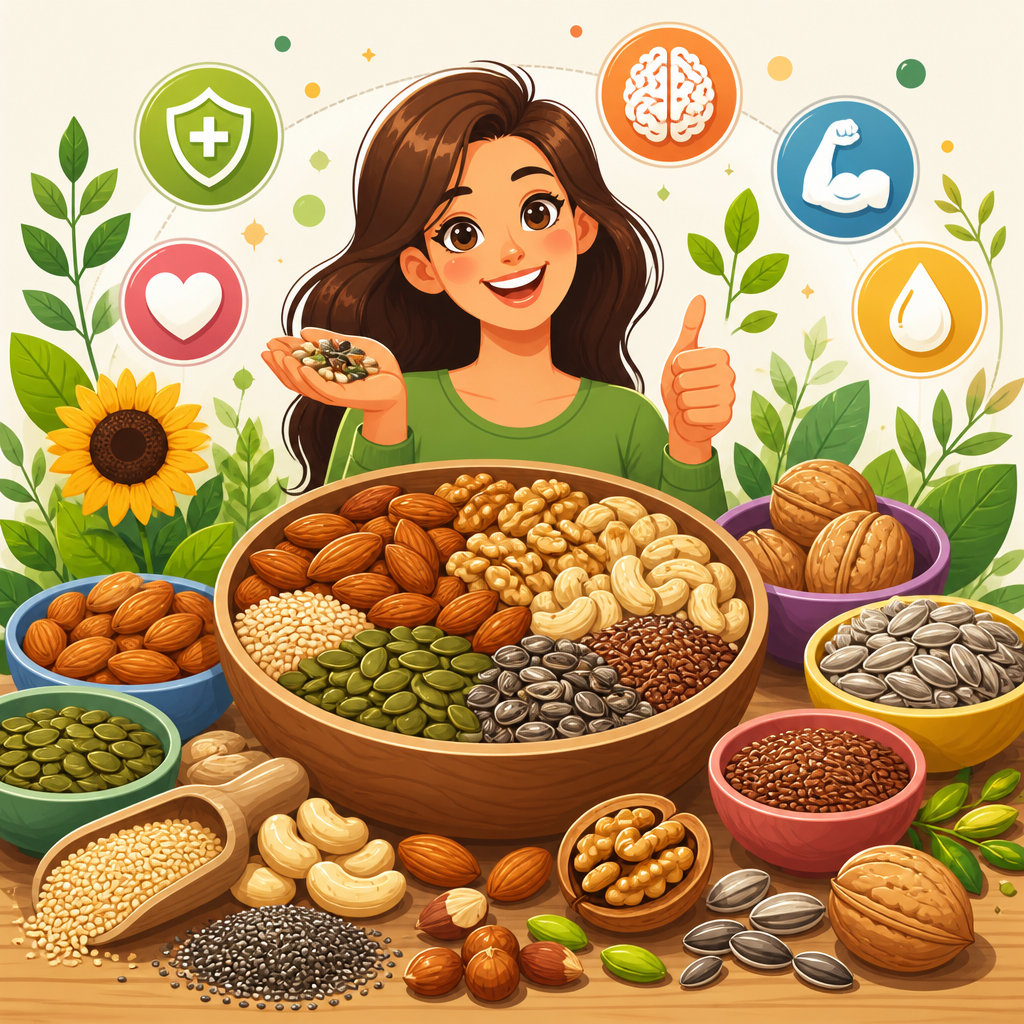
The term nuts usually refers to foods such as almonds, walnuts, pistachios, pecans, hazelnuts, cashews, macadamias, Brazil nuts, and peanuts, although peanuts are technically legumes. Seeds include chia, flax, hemp, sesame, sunflower, pumpkin, and poppy seeds, along with seed-like foods used similarly in meals. Nutritional power means more than calorie density. It refers to the combination of macronutrients, micronutrients, and phytochemicals that influence heart health, blood sugar control, digestion, muscle recovery, brain function, and inflammation. In real meal planning, this matters because a single ounce can meaningfully raise magnesium, vitamin E, alpha-linolenic acid, copper, selenium, or plant protein intake.
Why does this topic matter so much now? Many people eat enough calories but still fall short on fiber, potassium, magnesium, and unsaturated fats. At the same time, snack habits are often built around refined grains, added sugars, and sodium. Replacing part of that routine with nuts and seeds can improve diet quality quickly. Large observational studies and controlled trials repeatedly associate regular intake with better cardiovascular markers and lower risk of chronic disease when consumed in appropriate portions. For anyone exploring nutrient-dense foods, plant-forward diets, sports nutrition, healthy aging, or metabolic health, understanding the nutritional power of seeds and nuts is foundational.
What makes seeds and nuts nutritionally dense
The defining strength of seeds and nuts is density. A small serving provides several nutrients at once, which is why they work so well in breakfast bowls, salads, snacks, and recovery meals. Most contain a mix of unsaturated fats, including monounsaturated and polyunsaturated fats, along with plant protein and fiber. They also contribute minerals that are underconsumed in many diets, especially magnesium, zinc, copper, phosphorus, manganese, and selenium. Vitamin E is especially notable in almonds and sunflower seeds, while folate is strong in peanuts and magnesium is abundant in pumpkin seeds and almonds.
From practical experience, these foods become even more valuable when you compare them with typical convenience snacks. An ounce of almonds offers around 6 grams of protein, 3.5 grams of fiber, and significant vitamin E and magnesium. An ounce of chia seeds provides fiber, calcium, and omega-3 precursor fats. Pumpkin seeds deliver protein, iron, magnesium, and zinc in a form that fits easily into soups, yogurt, or trail mix. Walnuts contribute alpha-linolenic acid, a plant omega-3 fat tied to heart and brain health. Brazil nuts are exceptionally rich in selenium, with one or two nuts often enough to meet daily needs.
Nutrient density does not mean every nut or seed is identical. Their strengths differ, which is exactly why variety matters. Rotating almonds, walnuts, pistachios, flax, chia, sesame, and pumpkin seeds usually produces a broader nutrient profile than relying on one favorite. It also improves culinary flexibility. Pistachios work well for higher-volume snacking because of their shelling pace. Tahini adds sesame-based calcium and flavor to sauces. Ground flax blends into oats and smoothies. Hemp seeds add soft texture and complete protein to grain bowls. The most useful mindset is to treat seeds and nuts as a category of complementary foods rather than a single interchangeable ingredient.
Core health benefits supported by research
The most established benefit of regular nut and seed intake is cardiovascular support. Replacing saturated fat-heavy or refined snack foods with nuts often improves LDL cholesterol, triglycerides, and overall diet quality. Walnuts, almonds, pistachios, and mixed nuts have been studied extensively in Mediterranean-style eating patterns, where they contribute unsaturated fats, sterols, fiber, and polyphenols. These compounds influence blood lipids, endothelial function, and inflammation. In practice, I have seen the biggest benefit when nuts are used as substitutions, not simply additions on top of a calorie-surplus diet.
Blood sugar management is another major advantage. Because nuts and seeds combine fat, protein, and fiber, they slow gastric emptying and blunt the blood glucose rise that follows high-carbohydrate meals. Pairing fruit with pistachios, adding chia to yogurt, or using peanut butter with whole-grain toast generally improves satiety and steadier energy compared with eating refined carbohydrates alone. For people working on appetite control, that matters. The foods are energy-dense, but they are also highly satiating, which is why research often finds that moderate portions do not automatically lead to weight gain and may support weight management over time.
Digestive health and inflammation are also part of the story. Seeds such as chia and flax contribute soluble and insoluble fiber, while many nuts provide polyphenols that interact with the gut microbiome. Flaxseed has particular value because it supplies lignans, compounds studied for hormonal and antioxidant effects. Sesame seeds contain sesamin and sesamol, while walnuts are rich in polyphenols and ellagitannins. These are not magic compounds, but they reinforce the broader point: seeds and nuts do more than provide calories. They influence multiple systems at once when eaten consistently within a balanced dietary pattern.
How different seeds and nuts compare
When people ask which option is healthiest, the correct answer is usually the one that fits both nutrient needs and eating habits. Almonds are an excellent all-around choice for vitamin E, magnesium, and crunch. Walnuts are best known for omega-3 precursor fats. Pistachios offer protein, potassium, and carotenoids such as lutein. Pumpkin seeds are a leading source of magnesium and zinc. Chia and flax stand out for fiber and alpha-linolenic acid. Sesame contributes calcium and copper, especially in tahini. Hemp seeds offer highly digestible protein with a mild taste. Brazil nuts are useful in tiny amounts because selenium content is so high.
| Food | Key Nutrients | Best Use | Important Note |
|---|---|---|---|
| Almonds | Vitamin E, magnesium, fiber | Snacks, yogurt, baking | Useful for replacing processed snacks |
| Walnuts | ALA omega-3, copper, polyphenols | Oatmeal, salads, pesto | Distinctive for plant omega-3 fats |
| Chia seeds | Fiber, calcium, ALA omega-3 | Puddings, oats, smoothies | Absorb water and thicken mixtures |
| Pumpkin seeds | Magnesium, zinc, iron, protein | Soups, salads, trail mix | One of the most mineral-dense options |
| Brazil nuts | Selenium | Occasional small servings | One or two often meet daily selenium needs |
Texture, flavor, and digestibility also influence the best choice. Nut butters can help people who struggle with chewing, while ground flax or chia works well for adding nutrition without much texture change. Soaked chia becomes gel-like and is easy to use in puddings. Toasted sesame enhances flavor in savory dishes. Roasted nuts are often more palatable than raw, though high-temperature processing and heavy seasoning can add sodium or oils. Unsalted dry-roasted or raw versions usually give the best balance between taste and nutrition, but the ideal option is still the one you will eat consistently in sensible portions.
Portion sizes, calorie density, and common mistakes
One reason some people avoid nuts and seeds is their calorie density. That concern is understandable, but it is often misapplied. A standard serving is usually about one ounce, roughly 28 grams, which may look like a small handful depending on the food. This serving can range near 160 to 200 calories, so portions matter. The mistake is not eating them; the mistake is treating large scoops from bulk containers as if they are calorie-free. In kitchens I have worked in, pre-portioning into small containers consistently improves adherence and prevents mindless overeating.
Another common mistake is choosing products that erase the nutritional advantage. Honey-roasted nuts, sugar-coated trail mixes, and heavily salted seed blends can push added sugar and sodium too high. Chocolate-covered nuts can still fit into a diet, but they should be considered a treat rather than a nutrition staple. Nut butters are another area where labels matter. The best options usually contain only nuts or seeds and perhaps a little salt. Products with hydrogenated oils, large amounts of added sugar, or long ingredient lists dilute the core benefit.
There are also legitimate limitations. Nut allergies can be severe, and cross-contact is a serious safety issue. Seeds may be useful alternatives for some people, but sesame is also a major allergen. Individuals with digestive sensitivity may tolerate soaked, ground, or blended forms better than large whole servings. People prone to kidney stones may need individualized advice about oxalates depending on the type and overall diet. Brazil nuts require special moderation because excessive selenium intake can become harmful. Good nutrition is rarely about declaring one food universally perfect; it is about matching the food to the person, dose, and context.
Best ways to add seeds and nuts to daily meals
The most effective strategy is to use seeds and nuts repeatedly in ordinary meals instead of waiting for special recipes. Breakfast is the easiest entry point. Stir chia or ground flax into oatmeal, add walnuts to overnight oats, or top Greek yogurt with pumpkin seeds and berries. At lunch, sprinkle sunflower or hemp seeds over salads and grain bowls, or use tahini in dressings. For snacks, portion almonds, pistachios, or peanuts with fruit. At dinner, use cashews in stir-fries, sesame on roasted vegetables, or crushed pecans as a coating for fish or tofu.
These foods are also highly useful in plant-forward cooking because they build texture and nutritional balance. Ground flax can act as a binder in baking. Cashews can be blended into creamy sauces. Peanut or almond butter strengthens smoothies and adds staying power to toast or apple slices. Chia pudding can serve as a high-fiber breakfast base, while seed mixes can upgrade soups or roasted vegetables at the last minute. If your goal is better nutrition with minimal effort, a rotation of five or six options in the pantry gives far more flexibility than buying one large bag and forgetting to use it.
Storage matters because the healthy fats in nuts and seeds can oxidize over time. Whole nuts generally keep longer than ground meals or open nut butters. Flaxseed is best ground for absorption, but once ground it should be stored carefully, ideally refrigerated. Walnuts and hemp seeds also benefit from cool storage because their unsaturated fats are more delicate. Buy from stores with good turnover, keep containers sealed, and pay attention to rancid odors. Freshness is not a minor detail; it directly affects taste, nutrient quality, and whether people continue eating these foods regularly.
How this hub fits a better nutrition strategy
As a sub-pillar within superfoods and functional foods, the nutritional power of seeds and nuts connects to several broader nutrition goals. It supports heart health, plant-based eating, sports recovery, healthy snacking, and micronutrient adequacy. It also links naturally to related topics such as omega-3 foods, high-fiber foods, magnesium-rich foods, anti-inflammatory eating patterns, and protein-rich snacks. In content strategy terms, this makes seeds and nuts an ideal hub because readers often start with a simple question such as “Are nuts healthy?” and then branch into specific needs like cholesterol, weight management, meal prep, or vegan nutrition.
The main takeaway is clear: seeds and nuts are among the most efficient whole foods for improving nutrient intake, meal satisfaction, and dietary quality. They provide healthy fats, protein, fiber, minerals, and protective plant compounds in forms that fit nearly every eating style. They are not magic, and portion size, allergies, and product quality all matter. But when used consistently and intelligently, they make healthy eating easier, not harder. Start with one daily habit this week: add a measured serving of a seed or nut you enjoy to a regular meal, then build variety from there for lasting nutrition benefits.
Frequently Asked Questions
Why are seeds and nuts considered so nutritionally powerful?
Seeds and nuts are considered nutritional powerhouses because they pack a large amount of beneficial nutrition into relatively small servings. They provide a rare combination of plant protein, unsaturated fats, dietary fiber, vitamins, minerals, and naturally occurring phytochemicals that support overall health. From a practical nutrition standpoint, this matters because many people struggle to get enough magnesium, vitamin E, zinc, selenium, potassium, and healthy fats in their everyday diets. Seeds and nuts help close those gaps efficiently without relying on heavily fortified foods or supplements.
What makes them especially valuable is their nutrient density. Almonds, walnuts, pistachios, chia seeds, flaxseeds, pumpkin seeds, sunflower seeds, hemp seeds, and sesame seeds each bring a slightly different profile, but most contribute meaningful amounts of heart-supportive fats, satiety-promoting fiber, and minerals involved in energy production, immune function, bone maintenance, and muscle performance. They also contain antioxidants and other plant compounds that help protect cells from oxidative stress. In simple terms, they do more than just add calories; they add functional nutrition that supports many systems in the body at once.
Another reason they stand out is versatility. Seeds and nuts can improve the nutritional quality of breakfast, snacks, salads, grain bowls, baked foods, and even sauces. Because they fit easily into real meals, they are one of the most realistic ways to improve diet quality over time. Their value is not just theoretical; they are practical, accessible, and highly effective tools for better nutrition.
What are the main nutritional differences between seeds and nuts?
Although seeds and nuts are often grouped together, they are not nutritionally identical, and those differences can be useful when planning a balanced diet. Nuts such as almonds, walnuts, cashews, pistachios, pecans, hazelnuts, and Brazil nuts are typically known for their healthy fat content, moderate protein, and mineral density. Many are especially rich in monounsaturated or polyunsaturated fats, along with nutrients like vitamin E, magnesium, copper, manganese, and selenium. Walnuts, in particular, are notable for their alpha-linolenic acid, a plant-based omega-3 fat, while Brazil nuts are famous for their exceptionally high selenium content.
Seeds often bring a slightly different nutritional strength. Chia seeds and flaxseeds are especially valued for fiber and plant omega-3 fats, while pumpkin seeds stand out for magnesium, zinc, and iron. Hemp seeds offer a well-rounded mix of protein and fats, and sesame seeds contribute calcium, copper, and lignans, which are plant compounds with potential health-supportive effects. Sunflower seeds are notable for vitamin E and selenium. In many cases, seeds deliver more fiber per serving than nuts, and some provide especially concentrated mineral support.
The best approach is not to choose one category over the other, but to use both strategically. Nuts can be excellent for healthy fats, texture, and satisfying snacks, while seeds can be outstanding for boosting fiber, omega-3s, and trace minerals. Rotating varieties helps broaden nutrient intake because no single seed or nut provides everything. A mixed approach gives you the greatest nutritional return and helps avoid overreliance on one food source.
How do seeds and nuts support heart health, weight management, and overall wellness?
Seeds and nuts support heart health largely because of their fat profile. Most are rich in unsaturated fats, which are generally associated with better cardiovascular health when they replace excessive saturated fats in the diet. They also provide fiber, plant sterols, arginine, magnesium, and antioxidant compounds that may help support healthy blood pressure, blood vessel function, and cholesterol balance. Walnuts, flaxseeds, and chia seeds are especially valuable for their omega-3 content, while almonds and pistachios are often recognized for their role in heart-conscious eating patterns.
For weight management, seeds and nuts are often misunderstood. Because they are calorie-dense, some people assume they should be avoided, but in real-world nutrition they can actually be very helpful when portions are managed appropriately. Their combination of protein, fat, and fiber tends to slow digestion and increase satiety, which can make meals and snacks more filling. A small handful of nuts or a spoonful of seeds added to yogurt, oatmeal, or salads can reduce the urge to snack on less nutritious, highly processed foods later in the day. This is one of the reasons they frequently appear in sustainable eating plans aimed at appetite control and long-term consistency.
Beyond heart health and body weight, they contribute to overall wellness by supporting energy metabolism, immune function, bone strength, skin health, and healthy aging. Vitamin E acts as an antioxidant, magnesium helps with muscle and nerve function, zinc supports immunity, and selenium is important for antioxidant defense and thyroid function. Their broad nutrient coverage makes them useful not only for disease prevention discussions but also for everyday goals like better energy, improved meal quality, and more balanced eating habits.
How much should you eat, and what are the best ways to add seeds and nuts to meals?
For most people, a practical serving is about 1 ounce of nuts per day, which is roughly a small handful, or 1 to 2 tablespoons of seeds depending on the type and how they are used. This amount is usually enough to provide meaningful nutritional benefits without overwhelming total calorie intake. The right amount can vary based on your energy needs, health goals, and overall diet, but moderation is important because even healthy foods can become excessive if portions are ignored.
Adding them to meals does not need to be complicated. Nuts work well as snacks on their own or paired with fruit, and they can also be chopped into oatmeal, yogurt, grain bowls, vegetable dishes, or salads. Nut butters can be spread on whole-grain toast, blended into smoothies, or used in sauces and dressings. Seeds are equally flexible. Chia seeds can be stirred into overnight oats or pudding, flaxseeds can be added to smoothies or cereal, hemp seeds can top soups and grain dishes, and pumpkin or sunflower seeds can add crunch to salads and roasted vegetables.
To get the most nutritional benefit, focus on minimally processed options whenever possible. Choose dry-roasted or raw varieties over heavily salted, sugar-coated, or oil-fried products. Ground flaxseed is generally easier to absorb than whole flaxseed, and soaking chia seeds can improve texture in certain recipes. It is also smart to rotate different types through the week rather than relying on one favorite every day. This keeps meals interesting and naturally expands the range of nutrients you get.
Are there any downsides or precautions to keep in mind with seeds and nuts?
Yes, although seeds and nuts are highly nutritious, there are a few important considerations. The most obvious is allergy risk. Tree nut and seed allergies can be serious, and anyone with a known allergy should strictly avoid the specific foods involved and read labels carefully. Cross-contact during manufacturing is also a concern, especially with packaged snack mixes, granolas, and baked products. For households with children, whole nuts can also present a choking hazard depending on age and developmental readiness.
Another consideration is portion size. Because nuts and seeds are energy-dense, large amounts can add calories quickly, especially when eaten mindlessly from large containers or in sweetened trail mixes. This does not make them unhealthy, but it does mean they work best when used intentionally. Salted and flavored varieties can also contribute extra sodium, sugar, or refined oils that reduce some of the overall nutritional advantage.
Digestive tolerance matters too. Some people experience bloating or discomfort if they suddenly add large amounts of high-fiber seeds such as chia or flax without increasing fluids or allowing time for adjustment. Starting with smaller amounts is often the best approach. Certain seeds and nuts also contain natural compounds such as phytates, which can modestly affect mineral absorption, but for most people eating a varied diet this is not a major concern. Overall, the benefits strongly outweigh the drawbacks when seeds and nuts are eaten in sensible portions, chosen in minimally processed forms, and integrated into a balanced diet.