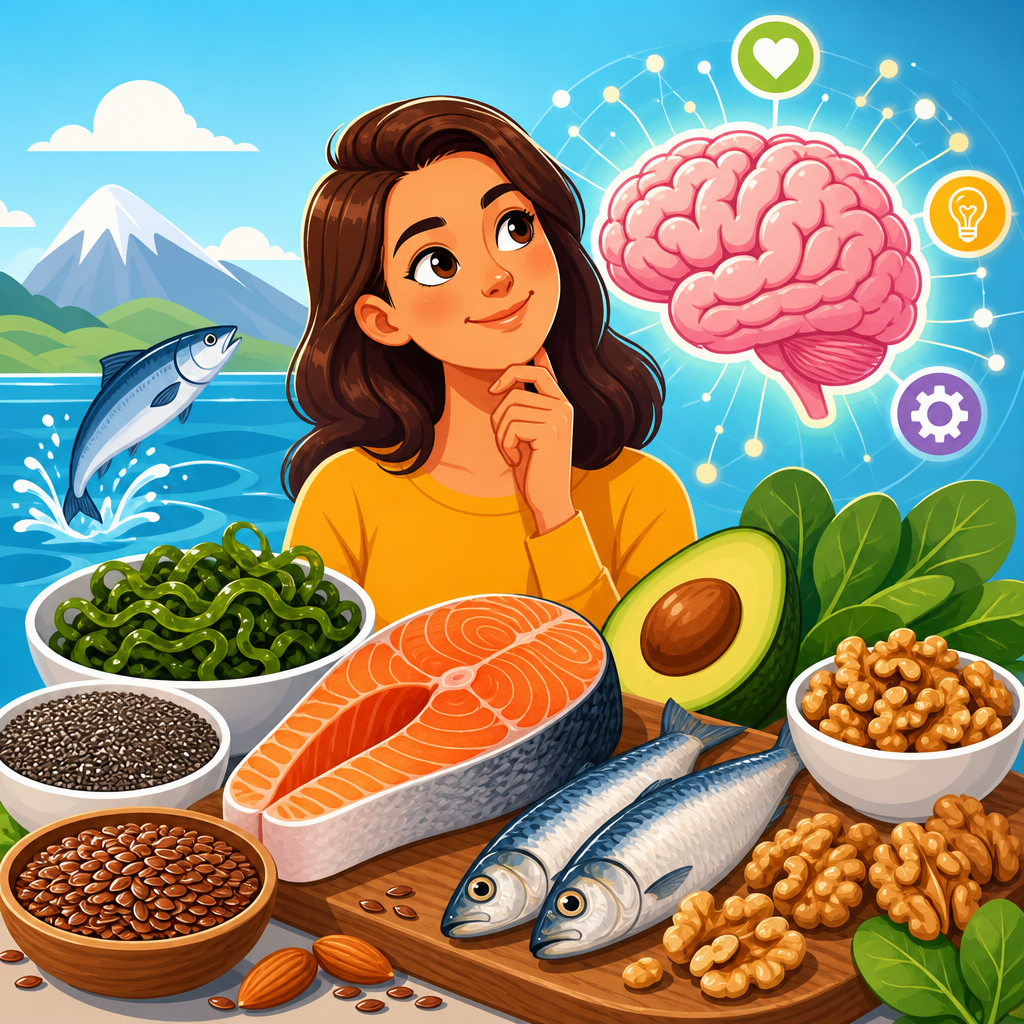
Choosing the best sources of omega-3 rich foods and brain health for optimal health starts with understanding a simple fact: not all omega-3s do the same job, and not every food source delivers them in the same amount, form, or biological effect. Omega-3 fatty acids are a family of polyunsaturated fats that include ALA, EPA, and DHA. ALA, or alpha-linolenic acid, is found mainly in plant foods such as flaxseed, chia seeds, hemp seeds, walnuts, and canola oil. EPA, eicosapentaenoic acid, and DHA, docosahexaenoic acid, are concentrated in marine foods such as salmon, sardines, anchovies, mackerel, herring, trout, and shellfish. When people ask which omega-3 matters most for brain health, the direct answer is DHA, with EPA also playing an important supporting role through inflammation regulation and vascular effects.
In practice, I have found that many people think eating any “healthy fat” covers this need. It does not. The brain is rich in lipids, and DHA is a structural component of neuronal membranes, synapses, and the retina. It influences membrane fluidity, receptor function, neurotransmission, and signaling pathways tied to learning, mood, and cognitive resilience. EPA is less abundant in brain tissue, yet it matters because it helps regulate inflammatory mediators and may support mood and cardiovascular health, both of which affect long-term brain function. ALA has value, but the body converts only a small percentage of ALA into EPA and an even smaller amount into DHA, which is why food source selection matters.
This topic matters because brain health is not a narrow issue limited to dementia prevention. It includes memory, concentration, mood stability, visual processing, sleep quality, healthy aging, and neurodevelopment during pregnancy and infancy. It also intersects with heart health, metabolic health, and chronic inflammation. Major health organizations, including the American Heart Association and the Dietary Guidelines for Americans, consistently recommend regular seafood intake, generally at least two servings per week, because fish provides omega-3s in the forms most directly used by the body. At the same time, sustainability, mercury concerns, allergies, dietary preferences, and budget all affect what the best choice looks like for a given person.
As a hub topic under superfoods and functional foods, omega-3 rich foods deserve a practical, evidence-based review. The smartest approach is not chasing one miracle ingredient. It is building a pattern: choosing reliable marine or fortified sources, using plant foods strategically, understanding how much is enough, and matching choices to life stage, health goals, and risk factors. Once those fundamentals are clear, selecting the best omega-3 foods for brain health becomes much simpler and far more effective.
What omega-3s do for the brain and why DHA leads
DHA is the omega-3 most closely linked with brain structure and function because it is incorporated directly into cell membranes in the central nervous system. Healthy neuronal membranes need the right fluidity to support receptor activity, synaptic signaling, and efficient communication between cells. DHA helps maintain that environment. During pregnancy and early childhood, DHA is especially important for fetal brain and retinal development. In adults, adequate intake supports cognitive maintenance, and in older adults it is associated with healthier brain aging patterns, especially when combined with strong cardiovascular risk control.
EPA contributes differently. It is not primarily a structural brain fat, but it has systemic effects that matter to the brain. EPA is involved in producing less inflammatory eicosanoids and specialized pro-resolving mediators. Since chronic low-grade inflammation, endothelial dysfunction, and vascular disease can impair cognition over time, EPA supports brain health indirectly but meaningfully. This distinction explains why oily fish, which naturally contain both DHA and EPA, outperform many plant-only sources when the goal is optimal neurological support.
People often ask whether omega-3s improve memory immediately. The honest answer is no dramatic overnight effect should be expected from food alone. What omega-3 rich foods do best is support long-term brain function, reduce the chance of deficiency, and strengthen the biological foundations of cognition. In clinical research, benefits vary by baseline diet, age, diagnosis, and dosage. Someone who rarely eats seafood and starts eating sardines and salmon regularly is more likely to notice improvement than someone who already has a high omega-3 intake.
Best food sources of omega-3 for brain health
The strongest food sources for brain health are fatty fish because they provide preformed DHA and EPA in a highly bioavailable package. Salmon is a leading option because it is widely available, versatile, and rich in both fatty acids. Sardines are one of my favorite recommendations because they are affordable, low on the food chain, naturally lower in mercury than large predatory fish, and also provide calcium and vitamin D when bones are eaten. Atlantic mackerel, herring, anchovies, and trout are also excellent choices. Shellfish such as oysters and mussels contribute smaller amounts but can still help diversify intake.
Plant foods are useful, but they should be understood correctly. Flaxseed, chia seeds, hemp seeds, and walnuts supply ALA, not DHA in meaningful direct amounts. Because conversion from ALA to DHA is limited, these foods are best viewed as supportive rather than equivalent replacements for fish. They still belong in a brain-healthy diet because they also deliver fiber, minerals, polyphenols, and unsaturated fats that benefit vascular health. For people who avoid seafood, algae-based foods and fortified products become much more important because algae is the original marine source of DHA.
| Food source | Main omega-3 type | Brain health value | Practical note |
|---|---|---|---|
| Salmon | EPA and DHA | High direct support for cognition and retinal health | Choose baked, grilled, or canned options |
| Sardines | EPA and DHA | Excellent, with added calcium and vitamin D | Budget-friendly and generally low mercury |
| Herring or mackerel | EPA and DHA | Very strong marine omega-3 source | Avoid king mackerel due to mercury concerns |
| Trout | EPA and DHA | Reliable support with mild flavor | Good option for people new to fish |
| Flax, chia, walnuts | ALA | Supportive but limited DHA conversion | Best used alongside marine or fortified DHA sources |
| Algae-based fortified foods | DHA, sometimes EPA | Best nonfish option for direct brain support | Ideal for vegetarians and vegans |
Among everyday choices, canned salmon and sardines often give the best balance of cost, convenience, and nutritional return. Frozen fish can be just as nutritious as fresh because seafood is often frozen close to harvest. Preparation matters too. Deep frying adds oxidized oils and excess calories, while baking, steaming, poaching, grilling, or packing in water or olive oil preserves the nutritional profile better.
How much omega-3 is enough and how to build it into meals
For most healthy adults, eating about two servings of fatty fish per week is the baseline target commonly recommended for cardiovascular and overall health, and it is a strong starting point for brain health as well. A serving is typically about 4 ounces cooked. Exact omega-3 needs are harder to define because formal daily reference intakes exist for ALA more clearly than for EPA and DHA combined. Even so, many clinicians use a practical target of roughly 250 to 500 milligrams per day of combined EPA and DHA for general wellness, primarily through food when possible.
Pregnancy and lactation deserve special attention because fetal and infant brain development depends heavily on maternal DHA status. In those stages, low-mercury seafood choices such as salmon, sardines, trout, anchovies, and light canned tuna are usually emphasized, while high-mercury species such as shark, swordfish, tilefish from the Gulf of Mexico, and king mackerel are avoided. Older adults, people with high triglycerides, and those who rarely eat fish may also benefit from more deliberate planning.
Making omega-3 intake consistent is easier than many people expect. Breakfast can include chia seeds stirred into yogurt or oats. Lunch can feature a sardine toast with lemon, herbs, and whole grain bread. Dinner can rotate salmon, trout, or herring with vegetables and legumes. Walnuts make a useful snack, but they should not be mistaken for a full replacement for DHA-rich seafood. For families, fish cakes made with canned salmon, salmon rice bowls, or pasta with anchovies and olive oil are practical ways to improve intake without relying on expensive fillets.
Choosing safely: mercury, sustainability, and quality
The best omega-3 foods are not simply the richest ones on paper. They also need to be safe and realistic for regular use. Mercury accumulates more in large predatory fish that live longer and eat smaller fish. That is why species such as sardines, anchovies, salmon, and trout are routinely preferred over shark, swordfish, and king mackerel. For most adults, the benefits of eating low-mercury seafood substantially outweigh the risks, especially when fish replaces ultra-processed foods or high-saturated-fat meats.
Sustainability also matters because a food cannot be a long-term health solution if its supply is ecologically fragile. Look for guidance from Monterey Bay Aquarium Seafood Watch, the Marine Stewardship Council, or national fish advisories. Farmed versus wild is not a simple good-bad divide. Some farmed salmon provides robust omega-3 levels and dependable access, while some wild fisheries are better from a sustainability standpoint. The better question is whether the source is responsibly managed, contaminant-conscious, and nutritionally sound.
Storage and cooking affect quality. Omega-3 fats are vulnerable to oxidation, especially with prolonged high heat and poor storage. Fish should smell clean, not sharply fishy. Canned products should come from reputable brands with transparent sourcing. Seeds should be stored away from heat and light, and ground flax should be refrigerated after opening. Small decisions like these protect the very fats you are trying to add to your diet.
When plant-based choices work and when they fall short
Plant-based diets can absolutely support brain health, but omega-3 planning has to be more intentional. ALA-rich foods improve overall fat quality and can contribute modestly to EPA production, yet conversion to DHA is limited by genetics, sex, overall diet, and omega-6 intake. In mixed diets heavy in refined seed oils and low in marine foods, relying on flax or walnuts alone often leaves DHA intake suboptimal. This is one of the most common misunderstandings I see in practice.
For vegetarians and vegans, algae-derived DHA is the most direct food-compatible strategy because microalgae naturally produce the DHA that fish accumulate. Fortified milks, yogurts, eggs from hens fed omega-3 rich diets, and algae-based products can help close the gap. It is also wise to moderate excessive omega-6 intake from ultra-processed foods, since a very high omega-6 to omega-3 ratio may compete with conversion pathways and weaken overall balance.
That does not mean plant sources are secondary in every sense. Walnuts, flax, and chia remain valuable because vascular health is brain health. Their fiber, lignans, minerals, and polyphenols support blood sugar control, endothelial function, and satiety. The correct takeaway is precision: use plant omega-3 foods for broad nutritional benefit, but use marine or algae DHA sources when direct brain-focused omega-3 support is the goal.
Who benefits most and how this hub guides deeper learning
Several groups should pay especially close attention to omega-3 rich foods and brain health. Pregnant and breastfeeding women need reliable DHA intake for fetal and infant neurodevelopment. Children and adolescents benefit from balanced seafood exposure as their brains and visual systems mature. Adults under high cognitive stress may not feel instant changes, but better dietary patterns support concentration, mood, and long-term resilience. Older adults, particularly those with cardiovascular risk factors, stand to gain from the combined brain and heart benefits of regular omega-3 intake.
This hub article anchors the broader topic by helping readers sort through source quality, dosage basics, safety questions, and the differences between fish, plant, and fortified foods. From here, deeper subtopics naturally include the best low-mercury fish, omega-3 needs during pregnancy, sardines versus salmon, algae DHA for vegans, and meal planning for children and older adults. Those narrower guides are useful, but the core principle stays the same: choose bioavailable sources first, use plant foods strategically, and build consistency rather than chasing extremes.
The main benefit of getting omega-3 choices right is not a trendy nutrition upgrade. It is a durable advantage for how the brain is built, protected, and maintained across the lifespan. Start with two weekly servings of low-mercury fatty fish or a dependable algae-based DHA option, add ALA-rich seeds and walnuts for support, and make these foods part of your regular routine. If you are building a smarter superfoods plan, omega-3 rich foods deserve a permanent place on your plate.
Frequently Asked Questions
What is the difference between ALA, EPA, and DHA, and why does it matter for brain health?
ALA, EPA, and DHA are all omega-3 fatty acids, but they play different roles in the body and are not equally effective for every health goal. ALA, or alpha-linolenic acid, is the plant-based form found in foods like flaxseed, chia seeds, hemp seeds, walnuts, and canola oil. It is considered an essential fat because the body cannot make it on its own. However, ALA must be converted into EPA and DHA before it can perform many of the functions most people associate with omega-3 benefits. That conversion happens inefficiently in humans, which means eating ALA-rich foods is helpful, but it does not always provide the same direct impact as getting EPA and DHA from marine sources.
EPA and DHA are the long-chain omega-3s most closely linked with brain, eye, and cardiovascular health. DHA is especially important for the structure of brain cell membranes and is highly concentrated in the brain and retina. EPA is often discussed for its role in inflammation regulation and overall neurological support. When people talk about omega-3s for memory, cognition, mood, or healthy aging, EPA and DHA are usually the forms receiving the most attention. That is why understanding the source matters so much. If your goal is broad nutrition, plant omega-3s can be part of a healthy diet. If your goal is targeted brain health support, foods that provide preformed EPA and DHA tend to be the stronger choice.
What are the best food sources of omega-3s for supporting brain health?
The strongest food sources of EPA and DHA for brain health are fatty fish and certain types of seafood. Salmon, sardines, mackerel, herring, anchovies, and trout are among the most commonly recommended choices because they naturally supply meaningful amounts of these long-chain omega-3s in forms the body can use directly. Regularly eating these foods is one of the most practical ways to support healthy brain structure and function, especially because DHA is a major component of neural tissue. Smaller oily fish such as sardines and anchovies are often especially appealing because they are nutrient-dense and may be lower on the food chain.
For people who do not eat fish, other options can still contribute, but it is important to understand their limitations. Plant foods such as flaxseed, chia seeds, hemp seeds, and walnuts are excellent sources of ALA and absolutely deserve a place in a balanced diet. They support overall nutritional quality and may help improve omega-3 intake more broadly. However, because ALA conversion to EPA and DHA is limited, these foods may not offer the same direct brain-focused benefits as marine sources. Algae-based foods and oils are another important option, particularly for vegetarians and vegans, because algae are an original source of DHA and sometimes EPA. In practical terms, the best omega-3 food source depends on your eating pattern, but for direct brain health support, fatty fish and algae-based sources stand out the most.
Are plant-based omega-3 foods enough, or do you need fish to get the full benefits?
Plant-based omega-3 foods can absolutely be beneficial, but whether they are enough depends on your needs, your overall diet, and your health goals. Foods like flaxseed, chia seeds, walnuts, and hemp seeds provide ALA, which is valuable and worth including regularly. They also bring fiber, minerals, antioxidants, and other compounds that support overall wellness. For someone focused on general healthy eating, these foods can meaningfully improve dietary fat quality and help balance omega-6 intake when used in place of less favorable fats.
The challenge is that the body converts only a small portion of ALA into EPA and DHA, and those are the forms most directly associated with brain and nervous system support. Because of that, relying only on plant sources may not produce the same tissue levels of DHA and EPA as eating fish or algae-based sources. This does not mean plant-based diets cannot support brain health. It means they require a more intentional strategy. People who avoid seafood may want to emphasize ALA-rich foods consistently and consider DHA- or EPA-containing algae sources if they are trying to match the direct omega-3 support that fish eaters receive. In short, plant foods are important and health-promoting, but if the goal is maximizing EPA and DHA for brain function, marine or algae-derived sources are typically more effective.
How often should you eat omega-3 rich foods for optimal health?
For most healthy adults, eating omega-3-rich foods consistently each week is more important than consuming large amounts once in a while. A common and practical benchmark is to include fatty fish about two times per week, which can help provide a steady intake of EPA and DHA. This approach fits well within many heart-healthy and brain-supportive dietary patterns. The key idea is regularity. Brain and cell membrane health depend on long-term dietary habits, not quick fixes, so making omega-3-rich foods a routine part of meals matters far more than treating them as occasional “superfoods.”
In addition to seafood, it is wise to include ALA-rich plant foods often, even daily. Ground flaxseed added to oatmeal or yogurt, chia seeds in smoothies, walnuts as a snack, or hemp seeds sprinkled on salads are all simple ways to improve omega-3 intake. A mixed strategy usually works best: marine or algae-based sources for direct EPA and DHA, plus plant foods for added ALA and overall diet quality. Individual needs can vary depending on age, pregnancy status, diet pattern, and health conditions, but as a general rule, consistent inclusion of omega-3 foods across the week is the most effective way to support optimal health.
What should you look for when choosing the best omega-3 rich foods?
When choosing omega-3-rich foods, the first thing to look at is which type of omega-3 the food provides. If your priority is brain health, foods containing DHA and EPA deserve special attention because they are the most biologically active forms for many neurological functions. Fatty fish such as salmon, sardines, trout, herring, and mackerel are among the best options. If you do not eat fish, algae-based foods and ingredients can be a strong alternative for obtaining DHA, and sometimes EPA, more directly than plant seeds or nuts can offer.
It is also smart to think about overall food quality, freshness, preparation method, and how the food fits into your eating pattern. A baked or grilled fish meal paired with vegetables and whole grains offers a very different nutritional profile than a heavily fried seafood dish. For plant-based options, choose minimally processed foods when possible, and remember that some sources work better in certain forms. For example, ground flaxseed is generally more useful than whole flaxseed because it is easier to digest and absorb. Variety matters as well. Rotating among seafood choices and combining them with ALA-rich plant foods can create a broader nutritional foundation. Ultimately, the best omega-3-rich foods are the ones that provide the right form of omega-3 for your goals, are realistic for you to eat consistently, and support overall dietary quality rather than functioning as a one-food solution.