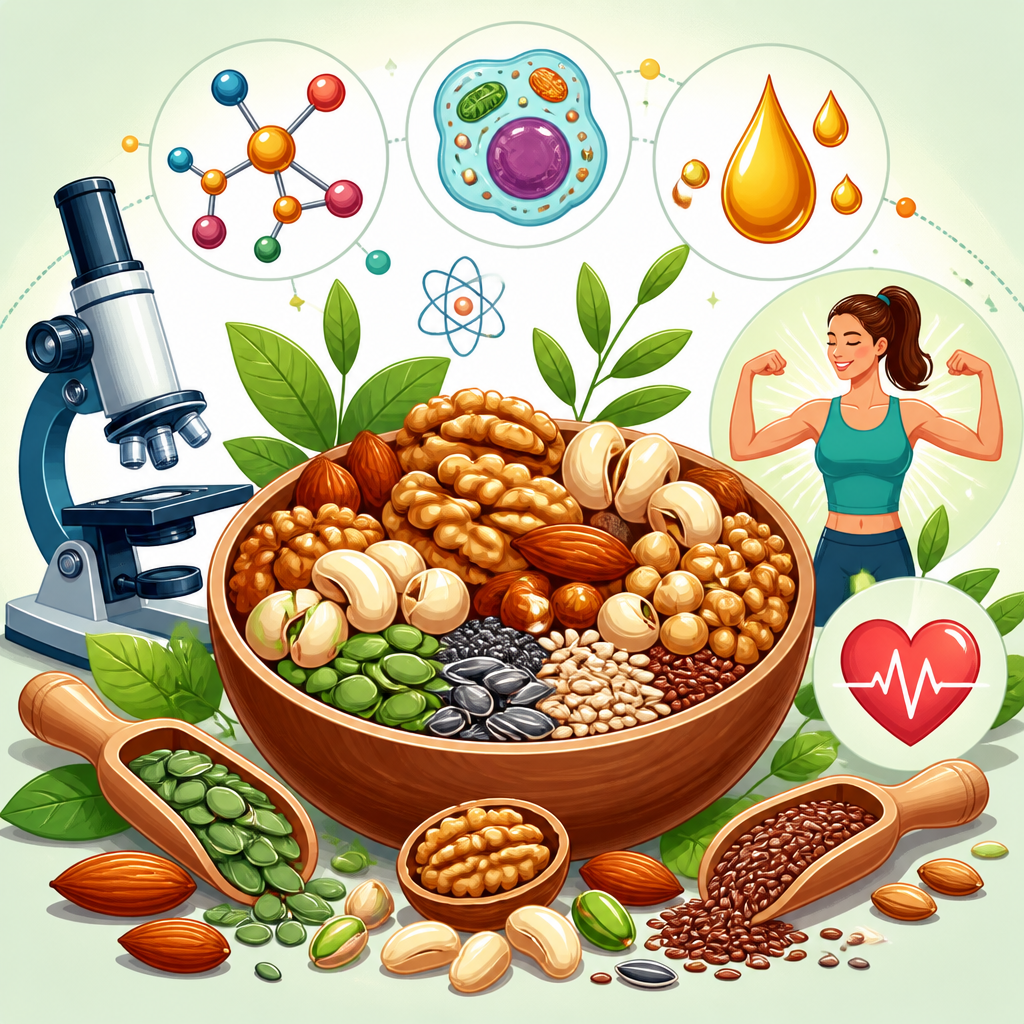
Seeds and nuts deliver one of the highest concentrations of nutrition found in whole foods, combining healthy fats, plant protein, fiber, vitamins, minerals, and protective phytochemicals in remarkably small servings. When people search for the nutritional power of seeds and nuts, they usually want a clear answer to three questions: which foods count, what nutrients do they provide, and how can they improve health in daily life. In practice, seeds include foods such as chia, flax, pumpkin, sesame, hemp, and sunflower, while nuts commonly include almonds, walnuts, pistachios, cashews, pecans, Brazil nuts, and hazelnuts. Peanuts are technically legumes, yet nutritionally they are often discussed alongside nuts because their fat, protein, and micronutrient profile serves a similar dietary role.
I have used seeds and nuts for years in meal planning, clinical-style nutrition audits, and performance-focused menus because they solve multiple problems at once. They raise nutrient density without requiring large volumes of food, they improve satiety, and they fit omnivorous, vegetarian, Mediterranean, and lower-carbohydrate eating patterns. They also matter because many modern diets are energy dense but micronutrient poor. Replacing refined snack foods with a measured portion of nuts or adding seeds to breakfast can meaningfully improve intake of magnesium, vitamin E, selenium, omega-3 fats, zinc, copper, and fiber. That makes this category important not as a trend, but as a practical foundation for long-term health.
This hub article explains the top foods rich in the nutritional power of seeds and nuts, what makes each one distinct, and why regular intake is linked with better cardiometabolic health. It also serves as a useful starting point for deeper reading across the broader superfoods and functional foods topic, because seeds and nuts connect directly to gut health, blood sugar control, inflammation management, and healthy aging. The key point is simple: these foods are small, but their nutritional impact is disproportionately large when chosen well and used consistently.
What Makes Seeds and Nuts Nutritionally Powerful
The nutritional power of seeds and nuts comes from synergy, not from a single miracle compound. Most varieties provide unsaturated fats, especially monounsaturated and polyunsaturated fatty acids, which support cardiovascular health when they replace saturated fats from less favorable foods. Many also supply meaningful protein, usually between 4 and 9 grams per ounce, along with fiber that slows digestion and improves fullness. This combination of fat, protein, and fiber is one reason nuts and seeds tend to satisfy hunger better than refined snacks with similar calories.
Micronutrients are equally important. Almonds are rich in vitamin E, a fat-soluble antioxidant that helps protect cell membranes. Pumpkin seeds stand out for magnesium and zinc, nutrients involved in energy metabolism, muscle function, immune support, and hundreds of enzymatic reactions. Brazil nuts are the best known source of selenium, a trace mineral required for thyroid function and antioxidant enzyme systems, though portions should stay moderate because selenium is potent. Flax and chia provide alpha-linolenic acid, the primary plant omega-3 fat, while sesame contributes calcium, copper, and lignans. Walnuts supply polyphenols in addition to omega-3 fats, making them especially useful in anti-inflammatory dietary patterns.
These foods also contain bioactive compounds that extend beyond basic nutrition. Phytosterols can help reduce cholesterol absorption. Polyphenols may lower oxidative stress. Lignans in flax and sesame have been studied for hormone-related effects and antioxidant activity. Because many of these compounds work together within the whole food matrix, whole or minimally processed forms usually offer more consistent benefits than isolated supplements. That is why nutrition guidelines repeatedly favor eating nuts and seeds as foods first.
Top Nuts to Prioritize for Everyday Health
Among nuts, almonds are often the most versatile starting point. A one-ounce serving typically provides around 6 grams of protein, 3.5 grams of fiber, and a substantial amount of vitamin E and magnesium. In real meal planning, almonds work because they can be used raw, dry roasted, sliced into oatmeal, blended into sauces, or eaten as a portable snack. Their nutrient profile supports satiety and makes them useful for people trying to improve diet quality without complicated preparation.
Walnuts deserve special attention because they are one of the richest nuts in alpha-linolenic acid. They also provide copper, manganese, and plant polyphenols concentrated in the skin. I often recommend walnuts to people who eat little fish and want more dietary omega-3 intake from plants. They pair well with yogurt, grain bowls, and salads, and their slightly bitter note comes from compounds associated with antioxidant activity.
Pistachios are notable for protein, fiber, potassium, and carotenoids such as lutein and zeaxanthin. Because they are often eaten in-shell, they can naturally slow eating pace and improve portion awareness. Cashews provide iron, zinc, copper, and magnesium, and they blend smoothly into dairy-free sauces, which makes them useful in plant-based cooking. Pecans and hazelnuts offer monounsaturated fats and antioxidant compounds, while macadamias are especially high in monounsaturated fat and low in carbohydrate, though they are less protein dense than almonds or pistachios.
Brazil nuts are powerful but require restraint. One to two nuts may provide enough selenium for the day, depending on origin and size. More is not better; chronically excessive selenium can be harmful. This is a good example of why nutrient density should be paired with informed portioning rather than casual overconsumption.
Top Seeds to Add for Fiber, Minerals, and Healthy Fats
Chia seeds are among the easiest functional foods to use consistently. They absorb liquid, forming a gel that works in puddings, smoothies, oats, and baking. Nutritionally, chia provides fiber, plant omega-3 fats, calcium, magnesium, and manganese. A modest serving can substantially raise fiber intake, which many adults still fail to meet. Because the seeds are tiny and soften easily, they can be added without changing flavor much.
Flaxseeds are another standout, especially for lignans and alpha-linolenic acid. Ground flax is generally more useful than whole flax because the intact seed coat can limit digestibility. In practice, a tablespoon or two of ground flax in yogurt, porridge, or muffin batter is one of the most efficient ways to improve fiber and plant omega-3 intake. Pumpkin seeds, often called pepitas when shelled, are particularly rich in magnesium, zinc, iron, and protein. They work well in savory meals, unlike some sweeter nut options, and they are one of my preferred additions to soups, roasted vegetables, and grain salads.
Sesame seeds supply copper, calcium, iron, and lignans, while tahini offers a practical concentrated form for dressings and sauces. Hemp seeds are softer and higher in protein than many other seeds, with a favorable balance of fats and useful amounts of magnesium and iron. Sunflower seeds contribute vitamin E, selenium, and folate and can be a cost-effective option for households trying to improve nutrition on a budget. Together, these seeds create variety not just in flavor and texture but in micronutrient coverage, which is why rotating them through the week is more effective than relying on a single favorite.
How Specific Seeds and Nuts Compare
No single seed or nut is best in every category. The smartest strategy is to match the food to the nutritional goal while keeping portions realistic. The comparison below highlights the strengths that matter most in routine dietary planning.
| Food | Primary Nutritional Strength | Best Practical Use |
|---|---|---|
| Almonds | Vitamin E, magnesium, fiber | Snacks, oats, yogurt, baking |
| Walnuts | Plant omega-3 fats, polyphenols | Salads, breakfast bowls, trail mix |
| Pistachios | Protein, potassium, carotenoids | Portion-controlled snacking, grain dishes |
| Brazil nuts | Selenium | Occasional small servings |
| Chia seeds | Fiber, omega-3 fats, calcium | Puddings, smoothies, overnight oats |
| Ground flaxseed | Lignans, omega-3 fats, fiber | Oatmeal, yogurt, baking |
| Pumpkin seeds | Magnesium, zinc, iron, protein | Salads, soups, savory toppings |
| Hemp seeds | Protein, magnesium, healthy fats | Smoothies, cereals, soft toppings |
When clients ask me what to buy first, I usually suggest a practical core set: almonds or pistachios for snacking, walnuts for omega-3 support, ground flax or chia for breakfast, and pumpkin seeds for savory meals. That mix covers most major benefits without creating pantry clutter. It also helps spread intake of vitamin E, selenium, magnesium, zinc, fiber, and unsaturated fats across the week.
Why Regular Intake Supports Heart, Metabolic, and Digestive Health
The best-established reason to eat seeds and nuts regularly is cardiovascular support. Large observational studies and dietary pattern research consistently associate higher nut intake with better heart health outcomes, especially when nuts replace processed snacks or foods rich in saturated fat. The mechanism is straightforward: unsaturated fats, fiber, plant sterols, arginine, and antioxidant compounds can improve lipid patterns, endothelial function, and inflammation markers. This does not make seeds and nuts a cure, but it does make them a reliable building block in preventive nutrition.
Blood sugar management is another major benefit. Despite being energy dense, nuts and seeds tend to have a low glycemic impact because they contain very little available carbohydrate relative to their fat, fiber, and protein. Adding almonds to breakfast, for example, can moderate the blood sugar rise that often follows a high-refined-carbohydrate meal. Seed-rich meals can also improve satiety, reducing the urge to snack repeatedly. That combination is valuable for people working on weight management or insulin resistance.
Digestive health improves mainly through fiber, but texture and food structure matter too. Chia, flax, sunflower, and pumpkin seeds can help raise total daily fiber intake, supporting bowel regularity and nourishing beneficial gut microbes. Ground flax is especially useful because it combines soluble and insoluble fiber with easy incorporation into foods people already eat. In older adults, athletes, and busy professionals, this category often becomes a practical way to close nutrient gaps without dramatically changing the rest of the diet.
How to Choose, Store, and Eat Seeds and Nuts Wisely
The healthiest choice is usually plain, unsalted, or lightly salted nuts and seeds with minimal added oils or sugars. Honey-roasted, heavily candied, or strongly flavored products can turn a nutrient-dense food into a dessert-like snack. Nut butters and seed butters can be excellent, but ingredient labels should ideally list only the nut or seed, with salt as an optional second ingredient. For flax, buy whole only if you will grind it yourself; otherwise choose pre-ground products in opaque packaging.
Storage matters because the healthy fats in nuts and seeds can oxidize over time, especially in warmth, light, and air. I store high-fat seeds such as flax, chia, hemp, and walnuts in the refrigerator or freezer after opening, particularly in warm climates. A stale or paint-like smell is a warning sign of rancidity. Buying from stores with strong product turnover helps. So does choosing smaller packages if your household uses them slowly.
Portion size remains the main tradeoff. These foods are beneficial, but they are calorie dense. A typical serving is about one ounce of nuts or two tablespoons of many seeds. For most people, the goal is not unlimited intake; it is strategic substitution. Swap chips for pistachios, add chia instead of sugary cereal toppings, or use tahini dressing in place of heavily processed sauces. People with tree nut or seed allergies need individualized guidance, and those with kidney stone history or digestive conditions may need to tailor choices and amounts with a clinician.
The nutritional power of seeds and nuts lies in their ability to deliver meaningful health benefits through foods that are accessible, versatile, and easy to use every day. Almonds, walnuts, pistachios, Brazil nuts, chia, flax, pumpkin, hemp, sunflower, and sesame each contribute a different mix of healthy fats, protein, fiber, and micronutrients, which is why variety matters more than obsessing over a single superstar ingredient. Used well, they support heart health, steadier energy, better satiety, improved fiber intake, and a stronger overall nutrient profile.
For a sub-pillar within superfoods and functional foods, this topic matters because seeds and nuts connect evidence-based nutrition with real-life habits. They are not exotic fixes. They are practical pantry staples that can upgrade breakfast, snacks, salads, soups, sauces, and baked foods with minimal effort. Start with two or three options you will genuinely eat, store them properly, and use them consistently in measured portions. That simple step is one of the easiest ways to make your diet more nutrient dense and more protective over time.
Frequently Asked Questions
What foods are considered seeds and nuts, and which ones are the most nutrient-dense?
Seeds and nuts are edible plant foods valued for their concentrated nutrition, healthy fats, and satisfying texture. Common seeds include chia seeds, flaxseeds, pumpkin seeds, sesame seeds, sunflower seeds, and hemp seeds. Common nuts include almonds, walnuts, pistachios, cashews, hazelnuts, pecans, Brazil nuts, and peanuts, although peanuts are technically legumes and are often grouped with nuts because their nutrition profile is very similar. Among the most nutrient-dense choices, chia and flax stand out for omega-3 fats and fiber, pumpkin seeds for magnesium, zinc, and protein, sesame seeds for calcium and copper, almonds for vitamin E, walnuts for plant-based omega-3s, pistachios for protein and potassium, and Brazil nuts for selenium. What makes these foods especially powerful is that they pack a wide range of nutrients into a small serving, making them one of the easiest whole-food ways to boost the overall quality of your diet.
What nutrients do seeds and nuts provide, and why are they considered nutritional powerhouses?
Seeds and nuts are often called nutritional powerhouses because they deliver several important nutrients at the same time rather than just one or two. Most provide heart-healthy unsaturated fats, plant protein, dietary fiber, and a broad spectrum of vitamins and minerals. Depending on the type, they may be rich in vitamin E, magnesium, zinc, selenium, copper, manganese, phosphorus, potassium, calcium, and B vitamins. They also contain protective plant compounds such as lignans, polyphenols, phytosterols, and other antioxidants that help support cellular health. Chia and flax are especially well known for fiber and alpha-linolenic acid, a plant omega-3 fat. Almonds provide vitamin E and magnesium, while walnuts offer beneficial polyunsaturated fats. Pumpkin seeds contribute iron, zinc, and magnesium, and sesame seeds add calcium and copper. Because these foods combine energy, nutrients, and bioactive compounds in compact portions, they support multiple body systems at once, including the heart, brain, bones, immune system, and digestive tract.
How can eating seeds and nuts improve health in everyday life?
Adding seeds and nuts to your regular routine can support health in practical, noticeable ways. Their mix of healthy fats, protein, and fiber helps promote fullness, which can make meals and snacks more satisfying and may help reduce overeating. This same combination can also support steadier energy levels compared with highly refined snack foods. For heart health, many nuts and seeds contain unsaturated fats, fiber, and phytosterols that may help support healthy cholesterol levels when used in place of foods high in saturated fat. Their magnesium and potassium content can also contribute to overall cardiovascular function. For digestive health, fiber-rich choices such as chia, flax, and almonds can help support bowel regularity and a healthier gut environment. Their antioxidants and anti-inflammatory compounds may also help protect tissues from oxidative stress over time. In daily life, this means a simple handful of nuts or a spoonful of seeds can contribute to better satiety, improved nutrient intake, and stronger long-term support for heart, metabolic, and digestive wellness.
How much should you eat, and what is the best way to add seeds and nuts to your diet?
A practical serving size for most nuts is about 1 ounce, which is roughly a small handful, while seeds are often eaten in amounts of 1 to 2 tablespoons depending on the variety. Because they are calorie-dense, moderation matters, but that density is also what makes them so effective nutritionally. The best approach is to use them consistently in balanced portions rather than eating very large amounts occasionally. You can stir chia or ground flax into oatmeal, yogurt, or smoothies, sprinkle pumpkin or sunflower seeds on salads and grain bowls, use sesame seeds or tahini in dressings and sauces, and add chopped nuts to fruit, vegetables, or whole-grain dishes. Almond butter or peanut butter can also be helpful options when choosing varieties with minimal added sugar and oils. Ground flax is often easier to absorb than whole flaxseed, and soaking chia creates a gel that works well in puddings and baked foods. Rotating different varieties is one of the smartest strategies because each type offers a slightly different nutrient profile, allowing you to benefit from a wider range of vitamins, minerals, fats, and plant compounds.
Are there any downsides or precautions to keep in mind when eating seeds and nuts?
For most people, seeds and nuts are an excellent addition to a healthy eating pattern, but there are a few important considerations. The most obvious is allergies, which can be serious and require strict avoidance in sensitive individuals. Portion size is another factor, since nuts and seeds are nutrient-dense but also calorie-dense, so mindless snacking can add up quickly. Salted, candied, or heavily flavored products may contain excess sodium, sugar, or less desirable oils, so plain or lightly seasoned versions are usually the better choice. Some people with digestive sensitivity may need to introduce high-fiber seeds gradually, especially chia and flax, while increasing fluid intake at the same time. Whole flaxseed may pass through undigested, so ground flax is often preferred for nutrition absorption. Brazil nuts are highly concentrated in selenium, which is beneficial in small amounts but should not be eaten excessively on a daily basis. Finally, if you have trouble chewing or swallowing, nut butters, seed butters, or finely ground options may be safer and easier to include. When chosen carefully and eaten in sensible portions, seeds and nuts offer far more benefits than drawbacks.