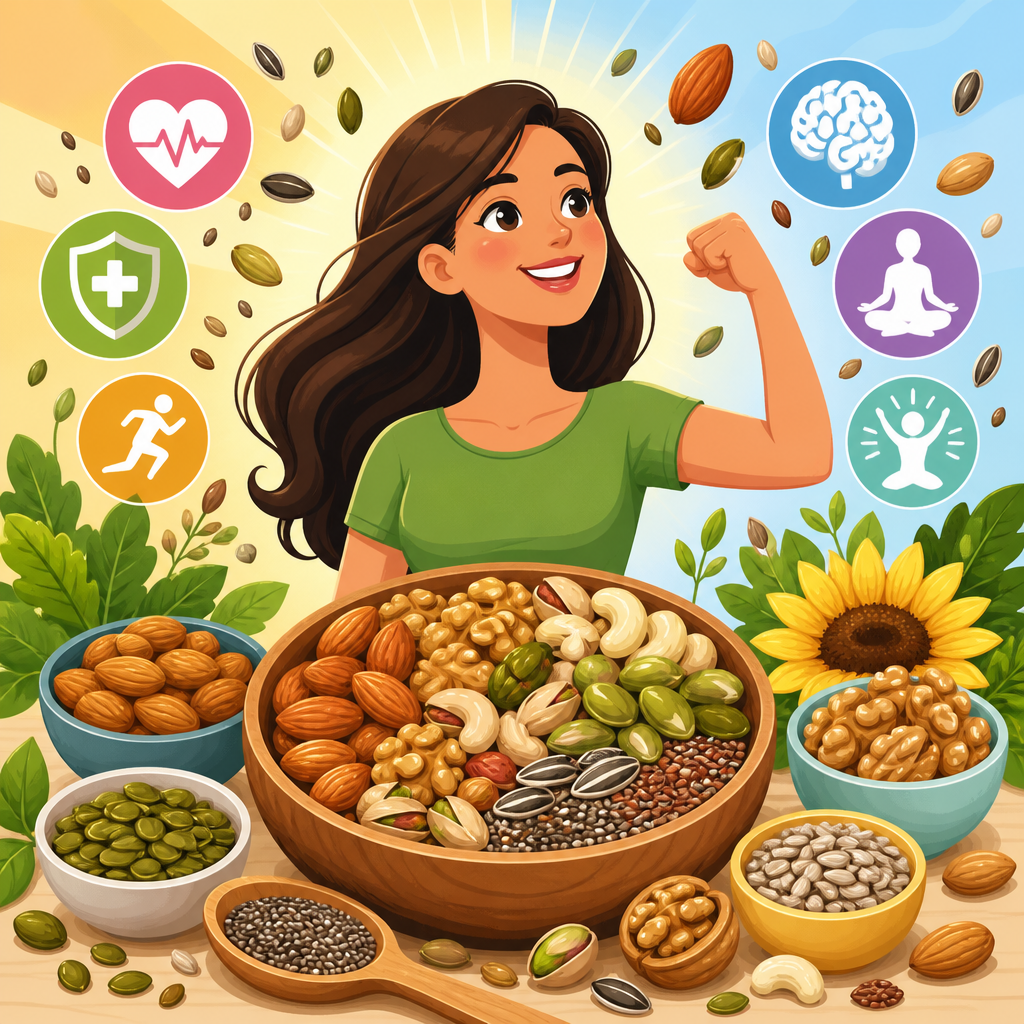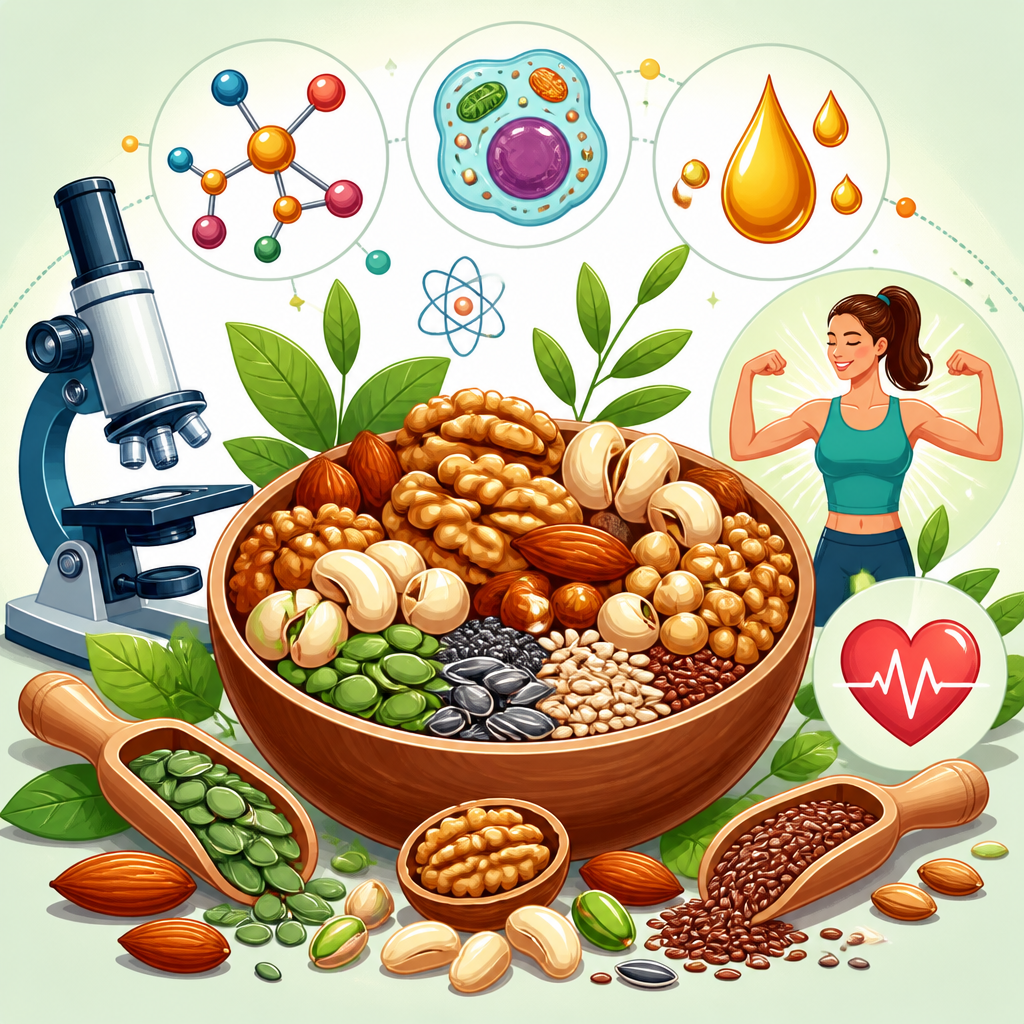
Seeds and nuts pack an unusual amount of nutrition into a small serving, which is why they sit at the center of any serious discussion about superfoods and functional foods. In practice, the nutritional power of seeds and nuts comes from their biological role: each kernel stores the energy, structural compounds, and protective chemicals needed to support new plant growth. For human nutrition, that translates into dense concentrations of healthy fats, plant protein, fiber, vitamins, minerals, and phytochemicals that can support heart health, metabolic health, digestive function, and healthy aging when eaten regularly.
Although people often group them together, seeds and nuts are not identical. Nuts are hard-shelled kernels such as almonds, walnuts, pistachios, hazelnuts, pecans, and cashews. Seeds include chia, flax, pumpkin, sesame, sunflower, and hemp. Peanuts are technically legumes, yet they are nutritionally used like nuts because they deliver similar amounts of protein, fat, and micronutrients. This distinction matters mostly for botany and allergies; in the kitchen and in nutrition science, seeds and nuts are commonly discussed as one category because they fill comparable dietary roles.
What makes them important is not simply that they are “healthy snacks.” Their nutrient profile is unusually broad. A modest serving can supply unsaturated fats that help improve blood lipid balance, protein that adds satiety, fiber that supports gut and blood sugar control, magnesium for muscle and nerve function, vitamin E for antioxidant protection, selenium in specific varieties such as Brazil nuts, and polyphenols linked with lower oxidative stress. In my experience reviewing diet patterns and food logs, adding a daily portion of nuts or seeds often improves overall diet quality faster than many complicated meal plans because they replace refined snacks while contributing meaningful nutrients.
Research consistently supports that view. Large prospective cohort studies and controlled feeding trials have linked regular nut intake with lower risk of cardiovascular disease and better markers of inflammation and cholesterol. Seed research, especially on flax, chia, and sesame, shows benefits for lipid levels, blood pressure, bowel regularity, and omega-3 intake. These foods also matter because they are practical: shelf-stable, portable, adaptable to savory or sweet meals, and useful in plant-forward eating patterns. As a hub for nutritional power of seeds and nuts, this guide explains their core nutrients, how they affect health, how key varieties differ, and how to use them intelligently.
Why Seeds and Nuts Are Nutrient-Dense Functional Foods
Seeds and nuts are nutrient-dense because much of their weight consists of metabolically valuable compounds rather than water. Most provide a combination of monounsaturated fat, polyunsaturated fat, plant protein, and dietary fiber, with relatively low natural sugar. This composition has important physiological effects. Fat slows gastric emptying and contributes satiety. Fiber moderates glucose absorption and supports bowel health. Protein helps preserve lean mass and can improve fullness after meals. Together, these properties make seeds and nuts more than calorie-dense foods; they are slow-digesting foods with sustained energy release and a favorable impact on appetite regulation.
They also contain micronutrients that many adults underconsume. Almonds and sunflower seeds are rich in vitamin E. Pumpkin seeds provide magnesium, zinc, and iron. Sesame seeds contribute calcium and copper, especially when consumed as tahini. Flax and chia contain alpha-linolenic acid, the plant form of omega-3 fat. Walnuts are especially notable for polyunsaturated fats and polyphenols. Brazil nuts are concentrated sources of selenium, a trace mineral involved in antioxidant enzymes and thyroid hormone metabolism. These nutrients do not work in isolation. Their benefits come from the whole-food matrix, where fats, fibers, minerals, and bioactive compounds act together.
That food matrix helps explain why whole nuts often perform differently from processed snack foods that contain nut-derived ingredients. A candy bar with peanuts is not nutritionally equivalent to a handful of plain peanuts. Similarly, sweetened granola with a token amount of chia seeds does not deliver the same effect as a meaningful serving of whole seeds added to a balanced meal. Processing, sodium, sugar, and added oils can shift the health impact substantially. The strongest evidence supports minimally processed forms such as dry-roasted nuts, raw seeds, natural nut butters with no added sugar, and seed pastes used in balanced portions.
Core Nutrients in Seeds and Nuts and What They Do in the Body
The nutritional power of seeds and nuts is easiest to understand by looking at their major components. Unsaturated fats are the foundation. Monounsaturated fats, abundant in almonds, hazelnuts, peanuts, and pistachios, are associated with improved LDL cholesterol when they replace saturated fat. Polyunsaturated fats, especially in walnuts, sunflower seeds, flax, chia, and hemp, contribute essential fatty acids needed for cell membranes, signaling molecules, and normal brain function. Omega-3 intake is particularly relevant because many diets supply too little relative to omega-6 fats.
Protein content varies, but many options contribute meaningfully. Hemp seeds, peanuts, almonds, pistachios, and pumpkin seeds are among the better plant-based protein choices in this category. Their amino acid profiles are not identical to animal proteins, yet they still support muscle maintenance and meal satisfaction when combined with a varied diet. Fiber is another major advantage. Chia and flax are especially rich in soluble and insoluble fibers that can support stool bulk, regularity, and reduced post-meal glucose spikes. Fiber also feeds beneficial gut microbes, which produce short-chain fatty acids associated with colon health and systemic metabolic effects.
Micronutrients deepen the benefit profile. Magnesium participates in hundreds of enzymatic reactions involving energy metabolism, nerve signaling, blood pressure regulation, and glucose control. Zinc supports immune function and wound healing. Copper contributes to connective tissue formation and iron metabolism. Manganese supports antioxidant enzymes and bone formation. Vitamin E protects cell membranes from oxidative damage. Selenium, when consumed in appropriate amounts, supports glutathione peroxidase activity. Many seeds and nuts also contain phytosterols, lignans, phenolic acids, and flavonoids, compounds studied for anti-inflammatory and antioxidant effects that may help explain long-term disease associations.
| Food | Standout Nutrients | Primary Health Strength | Best Practical Use |
|---|---|---|---|
| Almonds | Vitamin E, magnesium, monounsaturated fat | Heart health and satiety | Snacks, yogurt, salads |
| Walnuts | ALA omega-3, polyphenols | Cardiovascular and brain support | Oatmeal, baking, grain bowls |
| Chia seeds | Fiber, ALA omega-3, calcium | Digestive health and glycemic control | Puddings, smoothies, overnight oats |
| Flaxseeds | Lignans, fiber, ALA omega-3 | Cholesterol support and bowel regularity | Ground into cereal or yogurt |
| Pumpkin seeds | Magnesium, zinc, iron, protein | Mineral repletion and satiety | Trail mix, soups, roasted toppings |
| Sesame seeds | Calcium, copper, lignans | Bone support and antioxidant intake | Tahini, dressings, stir-fries |
How Seeds and Nuts Support Heart, Metabolic, and Digestive Health
The best-established benefit of seeds and nuts is cardiovascular support. Regular intake is associated with lower LDL cholesterol, lower triglycerides in some contexts, and improved overall diet quality. The mechanism is well understood. Replacing foods high in saturated fat or refined carbohydrate with nuts or seeds shifts the dietary fat profile toward unsaturated fats, which favorably influences lipoproteins. Fiber, phytosterols, and polyphenols add further benefit. Walnuts, for example, have shown favorable effects on endothelial function in intervention studies, while almonds have repeatedly been studied for LDL reduction and improved satiety in snack replacement strategies.
Metabolic health benefits are also substantial. Despite being energy dense, nuts are not strongly associated with weight gain when portions are sensible. In clinical practice and in feeding studies, several factors explain this: they increase fullness, some fat remains trapped in the plant cell wall and is not fully absorbed, and they often displace less nutritious snacks. Pistachios, almonds, and peanuts have all been studied as structured snacks that can improve hunger control. Chia and flax may help blunt post-meal glucose response because their viscous fibers slow digestion and absorption, particularly when added to carbohydrate-rich meals such as oats or yogurt with fruit.
Digestive health is another major reason these foods belong in a functional food pattern. Chia and flax can improve stool frequency and consistency because they provide soluble and insoluble fiber. Sesame, sunflower, and pumpkin seeds add texture and bulk to meals that are otherwise low in plant matter. Nut and seed intake also tends to accompany broader dietary improvements, such as increased whole grains, legumes, fruits, and vegetables, which together create a gut-friendly pattern. The caveat is that sudden high intake can cause bloating in people unused to fiber. Gradual increases, good hydration, and variety usually solve that problem.
Comparing Popular Seeds and Nuts: Which Ones Are Best for Specific Goals
No single option is “best” for everyone, because the nutritional power of seeds and nuts depends on the goal. For omega-3 intake, flax, chia, and walnuts are the leaders. Ground flax is especially useful because whole flax may pass through the digestive tract with limited breakdown. For higher protein, pumpkin seeds, hemp seeds, peanuts, almonds, and pistachios are strong choices. For vitamin E, almonds and sunflower seeds stand out. For magnesium, pumpkin seeds, almonds, and cashews are consistently useful. For selenium, Brazil nuts are unmatched, but this is one area where more is not better; one to two nuts can meet daily needs, and chronic excess can be harmful.
If the goal is heart-friendly snacking, almonds, pistachios, and walnuts are practical staples with extensive evidence behind them. If the goal is digestive regularity, chia and ground flax are usually more effective because of fiber type and water-binding capacity. If the goal is calcium support in plant-based diets, sesame in tahini form can help, though bioavailability varies and should be considered alongside fortified foods. For active people needing compact fuel, trail mixes based on nuts and seeds can work well, but portion control matters because dried fruit and chocolate can quickly raise sugar and calorie load.
Cost and usability also matter in real diets. Sunflower seeds, peanuts, and flaxseeds are often among the most affordable nutrient-dense options. Pine nuts, macadamias, and pecans can be excellent foods but are less economical for daily use. I often recommend building a rotation rather than searching for a perfect single choice: almonds for snacks, walnuts for breakfast, chia or flax for fiber, pumpkin seeds for minerals, and tahini for sauces. That approach broadens nutrient coverage and reduces taste fatigue, making long-term adherence much more realistic than relying on one “miracle” seed or nut.
Best Ways to Eat, Store, and Pair Seeds and Nuts for Maximum Benefit
How seeds and nuts are prepared affects convenience, taste, and sometimes nutrient availability. Raw and dry-roasted versions are both reasonable choices. Roasting can improve flavor and palatability, which matters because healthy foods only help if people eat them consistently. However, heavily salted, candied, or oil-fried versions can undermine the benefit. Nut butters are effective tools for adding protein and unsaturated fats to breakfast or snacks, but labels should be checked for added sugar, hydrogenated oils, or excessive sodium. Seed butters such as tahini and sunflower seed butter are useful alternatives for people avoiding tree nuts.
Storage deserves attention because the healthy fats in seeds and nuts can oxidize over time, especially in warm, bright conditions. Whole nuts are generally more stable than ground seeds. Flax meal, hemp seeds, walnuts, and natural nut butters are best stored in sealed containers away from heat, and refrigeration is often wise after opening. Rancid fats develop off flavors and should not be ignored. Buying from high-turnover retailers, checking harvest or best-by dates, and purchasing quantities that match actual use are simple habits that preserve both quality and nutritional value.
Pairing matters too. Nuts and seeds work best when they improve the structure of a meal, not when they are sprinkled in trivial amounts for marketing appeal. Add chia or flax to oats for a breakfast with fiber, omega-3s, and protein. Use walnuts in a lentil salad to combine legumes with healthy fats and texture. Top vegetable soups with pumpkin seeds to raise mineral and protein density. Blend tahini into dressings for greens and grain bowls. Replace some processed snack foods with measured portions of pistachios or almonds. Small strategic additions create measurable differences in nutrient intake and satiety across the week.
Risks, Limitations, and Who Should Be Cautious
Seeds and nuts are powerful foods, but they are not risk free. Allergies are the most important concern. Tree nut and peanut allergies can be severe and require strict avoidance, careful label reading, and cross-contact awareness. Seed allergies, including sesame, are less common but clinically significant. Portion size is another practical limitation. Because these foods are energy dense, mindless eating from large containers can overshoot needs, especially when they are coated with sugar or mixed into desserts. A typical serving of about one ounce, or one to two tablespoons for seeds, is a useful reference point.
Some people also need preparation-specific guidance. Whole flax is less bioavailable than ground flax. Chia absorbs large amounts of liquid, so increasing intake without enough fluid can be uncomfortable. Individuals with kidney stone history may need personalized advice depending on overall oxalate intake and the specific nut or seed. Those with swallowing difficulties should be cautious with small dry seeds and nut pieces. Finally, nutrition claims around these foods can become exaggerated. They do not detoxify the body, erase a poor diet, or replace medical care. Their value is cumulative and pattern based.
The clearest takeaway is simple: the nutritional power of seeds and nuts lies in their density, versatility, and proven health effects. They deliver unsaturated fats, fiber, protein, minerals, and protective plant compounds in forms that fit real meals and real schedules. Different varieties bring different strengths, so variety works better than fixation on one product. Walnuts, almonds, flax, chia, pumpkin, sesame, sunflower, peanuts, pistachios, and hemp all have legitimate places in a balanced pattern. Choose minimally processed options, store them well, watch portions, and match your choices to your goals. Start by adding one daily serving to breakfast, lunch, or snacks this week.
Frequently Asked Questions
Why are seeds and nuts considered so nutritionally powerful compared with many other foods?
Seeds and nuts are unusually nutrient-dense because they are designed by nature to support the early life of a new plant. Each seed or nut contains stored energy, structural materials, and protective compounds that help fuel germination and growth. From a human nutrition perspective, that means a relatively small serving can deliver a concentrated mix of unsaturated fats, plant protein, dietary fiber, vitamins, minerals, and a wide range of bioactive plant compounds.
What makes them especially impressive is the balance of nutrients they provide. Healthy fats in foods like walnuts, almonds, pistachios, sunflower seeds, chia seeds, and flaxseeds help support cell membranes, hormone production, brain function, and absorption of fat-soluble vitamins. Their protein contributes amino acids needed for tissue repair, immune support, and satiety, while fiber helps regulate digestion, blood sugar response, and cholesterol metabolism.
They also contain important micronutrients such as magnesium, zinc, selenium, copper, vitamin E, folate, and potassium, depending on the specific variety. In addition, many seeds and nuts provide polyphenols, phytosterols, lignans, and antioxidant compounds that help protect cells from oxidative stress and inflammation. This combination is why they are often discussed as both superfoods and functional foods: they do not just provide calories, but meaningful physiological benefits that can support long-term health.
What are the main health benefits of eating seeds and nuts regularly?
Regularly eating seeds and nuts is associated with a broad range of health benefits, especially when they replace less nutritious snack foods or sources of saturated fat. One of the best-established benefits is improved heart health. Many nuts and seeds are rich in monounsaturated and polyunsaturated fats, including omega-3 fatty acids in walnuts, chia seeds, and flaxseeds. These fats can help support healthy cholesterol levels, reduce LDL oxidation, and contribute to better vascular function.
They are also valuable for metabolic health. Because they combine fat, protein, and fiber, seeds and nuts are more satisfying than refined carbohydrates and may help reduce overeating. Their slower digestion can lead to steadier blood sugar responses, which is helpful for energy balance and may support people trying to manage insulin sensitivity. Magnesium-rich choices such as pumpkin seeds and almonds are particularly relevant here, since magnesium plays a role in glucose metabolism and muscle and nerve function.
Another major advantage is their contribution to digestive and cellular health. Fiber supports regular bowel movements and feeds beneficial gut microbes, while antioxidants such as vitamin E and plant polyphenols help limit oxidative damage. Some varieties also provide anti-inflammatory compounds that may contribute to healthier aging. Although no single food guarantees disease prevention, including a variety of seeds and nuts as part of a balanced eating pattern is strongly linked with better overall diet quality and lower risk factors for chronic disease.
Do seeds and nuts help with weight management, or are they too high in calories?
Seeds and nuts are calorie-dense, but that does not automatically make them a problem for weight management. In fact, research often shows that people who eat them regularly do not necessarily gain more weight and may even have better weight-control outcomes than those who avoid them. The reason is that calorie content is only one part of the story. These foods are highly satiating because they provide a combination of fat, protein, and fiber, which can help reduce hunger and curb mindless snacking later in the day.
Another important point is that not all of the calories in whole nuts are always fully absorbed by the body. Their physical structure can make some of their fat less bioavailable during digestion, especially when they are eaten whole rather than as finely ground nut butters. In practical terms, that means the body may not extract every theoretical calorie listed on the label in the same way it would from highly processed foods.
The key is portion awareness and context. A moderate serving, such as a small handful of nuts or a tablespoon or two of seeds, can be a smart addition to meals or snacks. Problems tend to arise when seeds and nuts are eaten mindlessly in large amounts, heavily salted, sugar-coated, or paired with ultra-processed ingredients. Used strategically, they can actually support weight management by improving fullness, reducing cravings, and helping people stick to a more nutritious eating pattern overall.
Which seeds and nuts offer the most notable nutrients and health advantages?
Different seeds and nuts have different strengths, so the best approach is usually variety rather than searching for a single “best” option. Almonds are widely valued for vitamin E, magnesium, and a favorable balance of healthy fats and protein. Walnuts stand out for their alpha-linolenic acid, a plant-based omega-3 fatty acid linked to heart and brain support. Pistachios provide protein, fiber, potassium, and carotenoids, while Brazil nuts are exceptionally rich in selenium, a mineral important for antioxidant defense and thyroid function.
Among seeds, chia seeds and flaxseeds are especially notable for fiber and omega-3 fats, with flax also providing lignans, compounds studied for hormone-related and antioxidant effects. Pumpkin seeds are rich in magnesium, zinc, iron, and plant protein, making them an excellent choice for mineral support. Sesame seeds contribute calcium, copper, and lignans, while sunflower seeds provide vitamin E and selenium. Hemp seeds are often appreciated for their protein content and their balance of essential fatty acids.
Each type contributes a slightly different nutritional profile, which is why rotating them can be more beneficial than relying on just one. A mix of walnuts, almonds, pumpkin seeds, chia seeds, and flaxseeds, for example, can provide healthy fats, protein, fiber, and an impressive spread of minerals and phytonutrients. Choosing mostly raw or dry-roasted, minimally processed varieties helps preserve their nutritional quality and keeps added sodium, sugar, and unhealthy oils to a minimum.
What is the healthiest way to include seeds and nuts in an everyday diet?
The healthiest way to include seeds and nuts is to use them consistently in realistic portions and in forms that complement an overall balanced diet. They work well as snacks, meal additions, or ingredient upgrades rather than as random extras. A handful of mixed nuts can replace chips or candy, while chia seeds, flaxseeds, or pumpkin seeds can be added to oatmeal, yogurt, smoothies, salads, soups, and grain bowls. Nut butters can also be useful, especially when they contain only nuts and perhaps a little salt, without added sugars or hydrogenated oils.
Preparation matters. Raw and dry-roasted options are generally preferred over heavily salted, honey-roasted, or oil-fried versions. Ground flaxseed is often more digestible than whole flaxseed, and soaking some seeds may improve texture and usability, though it is not always necessary. People with digestive sensitivity may benefit from introducing high-fiber seeds gradually and increasing water intake at the same time.
It is also important to account for allergies, medical needs, and calorie balance. Nut and seed allergies can be serious, and individuals with kidney concerns, digestive disorders, or specialized diets may need guidance on portion size or food selection. For most people, however, a daily intake of modest portions from varied sources can be a practical, science-backed way to improve nutrient intake. When used in place of nutrient-poor snacks or less healthy fat sources, seeds and nuts become one of the simplest and most effective upgrades to everyday eating.