Seeds and nuts have moved from snack aisle staples to evidence-backed functional foods because they combine dense nutrition, convenience, and measurable health benefits in small servings. In nutrition science, nuts are edible kernels enclosed in a hard shell, while seeds are embryonic plants that store energy for growth; in everyday eating, the categories often overlap, and both are valued for unsaturated fats, plant protein, fiber, vitamins, minerals, and bioactive compounds. When clients ask me which foods consistently deliver the most nutrition per handful, seeds and nuts are always near the top because they support heart health, metabolic control, gut function, and diet quality without requiring complicated preparation.
The nutritional power of seeds and nuts matters because modern diets often provide excess refined starch, sodium, and added sugar while falling short on magnesium, potassium, fiber, and healthy fats. Almonds, walnuts, pistachios, peanuts, chia seeds, flaxseeds, pumpkin seeds, sunflower seeds, sesame seeds, and hemp seeds help close those gaps. They also fit many eating patterns, including Mediterranean, vegetarian, vegan, gluten-free, and lower-carbohydrate approaches. Research repeatedly links regular intake with lower cardiovascular risk, improved lipid profiles, and better long-term weight management, especially when these foods replace ultra-processed snacks or saturated-fat-heavy foods rather than simply adding calories on top of an already excessive diet.
To understand their value, it helps to define a few key terms. Unsaturated fats include monounsaturated and polyunsaturated fats, which generally improve blood lipids when they replace saturated fats. Fiber refers to indigestible carbohydrates that support digestive regularity, satiety, and beneficial gut microbes. Plant sterols are natural compounds that can reduce cholesterol absorption. Polyphenols are antioxidant phytochemicals that may help modulate inflammation and oxidative stress. Alpha-linolenic acid, or ALA, is the main plant omega-3 fat found in walnuts, flaxseeds, chia seeds, and hemp seeds. Nutrient density means a food provides substantial nutrients relative to its calories, and seeds and nuts score strongly by that standard.
This hub article covers what science says about their nutrient composition, proven health effects, practical serving sizes, best uses, and sensible limitations. It is designed to give a complete foundation for the seeds and nuts topic so readers can compare varieties, build meals, and avoid common mistakes such as oversized portions, relying on salted products, or missing the importance of grinding flax for absorption. The central message is straightforward: eating a range of minimally processed seeds and nuts, in appropriate portions, is one of the simplest ways to improve diet quality using foods with strong human evidence behind them.
What makes seeds and nuts nutritional powerhouses
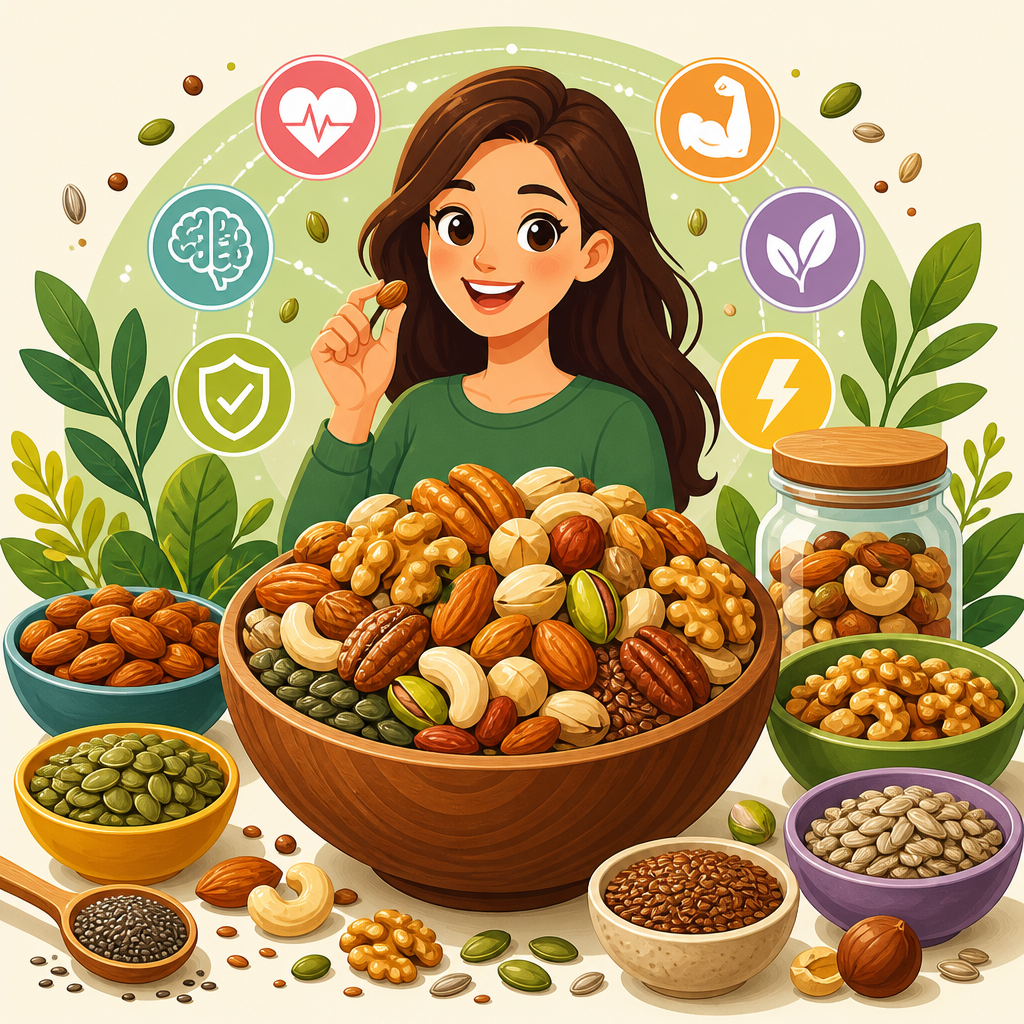
The reason seeds and nuts stand out is their nutrient package. Most varieties supply unsaturated fats, 4 to 9 grams of protein per ounce, and 2 to 10 grams of fiber depending on the type. They are also concentrated sources of magnesium, manganese, copper, selenium, zinc, vitamin E, and B vitamins. Chia seeds and flaxseeds add exceptional fiber. Walnuts contribute ALA omega-3s. Brazil nuts are notable for selenium, with a single nut sometimes providing more than the adult daily requirement. Pumpkin seeds deliver magnesium and zinc, while almonds are especially strong in vitamin E and riboflavin.
These foods also contain arginine, an amino acid involved in nitric oxide production, which helps blood vessels relax. Their mineral content matters in real diets because magnesium is underconsumed in many populations and plays a role in blood pressure regulation, glucose metabolism, and muscle and nerve function. In practice, I often see diets improve quickly when people swap chips or pastries for a measured serving of nuts or add seeds to breakfast. That single change raises fiber, lowers reliance on refined carbohydrates, and often increases satiety through a combination of fat, protein, and texture.
What science says about heart health and cholesterol
The strongest evidence for the benefits of seeds and nuts is in cardiovascular health. Large prospective cohort studies and randomized feeding trials consistently show that regular nut intake is associated with lower risk of coronary heart disease and cardiovascular mortality. The mechanisms are well established: replacing saturated fat with unsaturated fat improves LDL cholesterol, fiber and plant sterols reduce cholesterol absorption, and polyphenols may support endothelial function. Walnuts have been studied extensively because of their ALA and polyphenol profile, while almonds and pistachios have shown favorable effects on LDL cholesterol and overall diet quality.
Clinical guidance aligns with this evidence. Dietary patterns endorsed by organizations such as the American Heart Association commonly include nuts and seeds as cardioprotective foods. A practical point matters here: benefits are most reliable when seeds and nuts replace less healthy foods. For example, using walnuts instead of processed meat in a lunch salad or replacing butter-heavy snacks with pistachios changes the fat profile of the diet in a meaningful way. Salted products are not ideal for people watching sodium, but unsalted or lightly salted options can fit well, especially when portions are controlled.
How seeds and nuts affect blood sugar, weight, and fullness
Many people avoid nuts because they are calorie-dense, but the weight evidence is more favorable than expected. Observational research often finds that regular nut consumers have lower body weight gain over time than nonconsumers. In intervention studies, adding moderate portions does not typically cause weight gain when they displace less nutritious foods. Several factors explain this: nuts and seeds are satiating, some of their fat is trapped within cell walls and not fully absorbed, and chewing slows eating. Pistachios in shells are a classic example; the shell pile provides visual feedback that naturally limits overeating.
For blood sugar control, seeds and nuts are useful because they are low in available carbohydrate and can reduce the glycemic impact of a meal. Adding chia seeds to yogurt, peanut butter to apple slices, or tahini to a grain bowl helps moderate post-meal glucose response by slowing gastric emptying and balancing carbohydrate intake with fat, protein, and fiber. This is particularly relevant for people with insulin resistance or type 2 diabetes. Peanut and tree nut products can also improve adherence because they are easy to carry, require no refrigeration for short periods, and make healthier snacking more realistic than idealized meal plans.
Key varieties, standout nutrients, and best uses
Not all seeds and nuts provide the same strengths, so variety is the smartest strategy. Almonds are excellent for vitamin E, calcium compared with many nuts, and crunch in snacks or cereal. Walnuts are the standout for ALA omega-3s and pair well with oats, roasted vegetables, and salads. Pistachios provide potassium, carotenoids such as lutein, and a favorable protein-to-calorie ratio. Peanuts, technically legumes but nutritionally similar to nuts, are rich in protein, niacin, and resveratrol-like polyphenols, and peanut butter remains one of the most affordable nutrient-dense spreads.
Among seeds, chia stands out for fiber and fluid-absorbing gel formation, making it useful in puddings, oatmeal, and baking. Flaxseeds provide ALA and lignans, but they should usually be ground because whole flax often passes through undigested. Pumpkin seeds are strong in magnesium, iron, and zinc, while sunflower seeds offer vitamin E and selenium in smaller amounts. Sesame seeds and tahini contribute calcium, copper, and distinctive flavor, and hemp seeds provide complete protein with a soft texture that works well in smoothies and grain bowls.
| Food | Primary strengths | Best practical use |
|---|---|---|
| Almonds | Vitamin E, magnesium, fiber | Snacks, yogurt topping, almond butter |
| Walnuts | ALA omega-3s, polyphenols | Oatmeal, salads, baking |
| Pistachios | Protein, potassium, lutein | Portion-controlled snacks, crusts |
| Chia seeds | Fiber, ALA, minerals | Puddings, oats, smoothies |
| Ground flaxseed | ALA, lignans, fiber | Oatmeal, baking, yogurt |
| Pumpkin seeds | Magnesium, zinc, iron | Salads, soups, trail mix |
How processing, storage, and preparation change benefits
Form matters more than many labels suggest. Raw, dry-roasted, and roasted nuts are all nutritious, but products heavily coated with sugar, chocolate, or excess salt lose the advantage quickly. Nut butters can be excellent if the ingredient list is simple, ideally just nuts and perhaps salt. Seed butters such as tahini and sunflower butter are useful alternatives for people with tree nut allergies. Grinding, soaking, or milling can change digestibility and nutrient access. Ground flaxseed is more bioavailable than whole flax, and lightly toasting sesame can improve flavor enough to increase use without harming its overall nutritional value.
Storage is important because the healthy fats in seeds and nuts can oxidize over time, especially with heat, light, and air exposure. I recommend keeping larger quantities in airtight containers, with delicate seeds such as flax and hemp often best refrigerated after opening. Rancidity does not always look obvious, but stale or paint-like aromas are warning signs. Buying from stores with good turnover and choosing unsweetened, minimally processed forms usually gives the best combination of flavor, value, and shelf life. For meal prep, portioning one-ounce servings prevents accidental calorie creep while preserving convenience.
Serving sizes, safety, and who should be cautious
A realistic serving for most nuts is about one ounce, roughly 28 grams, which equals around 160 to 200 calories depending on the variety. For seeds, one to two tablespoons is often practical, especially for chia, flax, hemp, or sesame used as toppings or ingredients. These portions are enough to improve nutrient intake without overwhelming total energy needs. People aiming to support cholesterol, blood sugar, or satiety generally do well with daily use, but total diet context matters. A handful added to an already high-calorie pattern will not produce the same results as a planned substitution.
There are legitimate cautions. Tree nut and peanut allergies can be severe, and cross-contact is a serious concern. Whole nuts can also pose a choking risk for very young children, so age-appropriate forms such as thinly spread nut butter or finely ground nuts are safer. Some people with digestive conditions may need to start slowly because the fiber load from chia or flax can cause bloating if fluid intake is low. Brazil nuts deserve special moderation because selenium excess is possible with frequent large intakes. Oxalate-sensitive individuals and those on highly specific medical diets may need personalized guidance from a registered dietitian.
How to use seeds and nuts in a functional-food eating pattern
The best way to get the nutritional power of seeds and nuts is not to treat them as isolated superfoods but as building blocks in a broader eating pattern. Add chopped almonds to plain yogurt with berries, use ground flax in overnight oats, blend peanut butter into smoothies for protein and satiety, and top soups or grain bowls with pumpkin seeds for texture and minerals. In savory cooking, tahini can replace cream-based dressings, and crushed pistachios or walnuts make nutrient-dense coatings for fish or roasted vegetables. These are practical swaps that improve meals without demanding a complete dietary overhaul.
As a hub within the superfoods and functional foods topic, seeds and nuts connect naturally to related areas: plant protein, heart-healthy fats, fiber-rich foods, anti-inflammatory eating, and smart snacking. The science is clear enough to support a simple recommendation. Choose a variety of minimally processed seeds and nuts, rotate types for broader nutrient coverage, store them well, and use measured portions consistently. Done this way, they offer one of the highest returns on effort in nutrition: better diet quality, better satiety, and meaningful support for long-term cardiometabolic health. Start with one daily serving and build from there.
Frequently Asked Questions
What makes seeds and nuts so nutritionally powerful compared with many other snack foods?
Seeds and nuts stand out because they deliver a large amount of nutrition in a relatively small serving. Unlike many highly processed snacks that provide mainly refined starch, added sugar, or sodium, seeds and nuts offer a combination of unsaturated fats, plant protein, dietary fiber, vitamins, minerals, and protective plant compounds all at once. This mix matters because nutrition science increasingly looks at whole food matrices rather than isolated nutrients alone. In practical terms, almonds, walnuts, pistachios, chia seeds, flaxseeds, pumpkin seeds, sunflower seeds, and similar foods can contribute to satiety, steadier energy, and better overall diet quality when they replace less nutritious options.
Research consistently shows that their fat profile is a major reason for their health value. Most nuts and many seeds are rich in monounsaturated and polyunsaturated fats, including omega-3 fats in walnuts, flaxseeds, and chia seeds. These fats are associated with cardiovascular benefits when they replace saturated fats or ultra-processed snack foods. They also contain meaningful amounts of magnesium, potassium, vitamin E, folate, zinc, selenium in some varieties, and phytochemicals such as polyphenols, lignans, and phytosterols. Together, these nutrients support cellular health, antioxidant defense, metabolism, and normal immune and nerve function.
Another reason they are considered functional foods is that they can offer measurable benefits in small, realistic portions. Even a one-ounce serving of nuts or a tablespoon or two of seeds can add nutrition without requiring a major dietary overhaul. Because they are portable, shelf-stable, and versatile, they are also easy to include in daily eating patterns. Science supports their role not as miracle foods, but as nutrient-dense staples that can strengthen an overall healthy diet.
What does science say about the health benefits of regularly eating seeds and nuts?
A substantial body of nutrition research links regular nut and seed intake with better long-term health outcomes, especially for heart and metabolic health. Large observational studies have found that people who eat nuts regularly tend to have lower rates of cardiovascular disease and, in many cases, lower risk of premature death. Clinical trials also show improvements in established risk markers, including LDL cholesterol, blood lipid patterns, and sometimes markers of inflammation, when nuts are included as part of a balanced eating plan. These effects are thought to come from the synergistic action of unsaturated fats, fiber, plant sterols, arginine, magnesium, and antioxidant compounds.
For metabolic health, seeds and nuts may help with blood sugar control and insulin response, particularly when they replace refined carbohydrate snacks or are eaten with meals. Their combination of fat, fiber, and protein slows digestion and can reduce sharp blood glucose swings. Some seeds, such as flaxseeds and chia seeds, have been studied for their effects on cholesterol, bowel regularity, and cardiometabolic markers, while nuts like almonds and pistachios have been examined for their role in improving diet quality and supporting glycemic management. The strength of evidence varies by food and outcome, but overall the findings are favorable.
Importantly, the greatest benefits appear when seeds and nuts are part of a broader healthy dietary pattern rather than treated as isolated fixes. They work well within Mediterranean-style, plant-forward, and whole-food eating approaches. Science does not suggest that simply adding large amounts of nuts and seeds to an otherwise poor diet will erase health risks. Instead, evidence supports using them strategically to replace foods lower in nutritional value, which is where their benefits become most meaningful and consistent.
Can eating nuts and seeds help with weight management, or are they too calorie-dense?
This is one of the most common concerns, and the scientific answer is more reassuring than many people expect. Yes, nuts and seeds are calorie-dense, but calorie density alone does not determine whether a food supports healthy weight management. Studies generally show that people who eat nuts regularly do not necessarily gain more weight, and in some cases they may have better weight control over time. That is likely because nuts and seeds are highly satiating. Their mix of protein, fiber, and healthy fats can help reduce hunger, increase fullness, and make it easier to avoid overeating less nutritious foods later in the day.
There are also a few physiological reasons their calorie impact may be somewhat less straightforward than nutrition labels suggest. Because nuts have firm cell walls, not all of their energy may be fully absorbed during digestion. Chewing, food form, and processing can influence this. Whole nuts, for example, may be more filling and slightly less completely digested than nut butters or finely ground forms. That does not mean calories do not matter, but it does help explain why these foods often perform better in real-world weight studies than people assume.
The key is portion awareness and substitution. Eating large amounts in addition to an already high-calorie diet can still contribute to excess energy intake. A practical serving is often about one ounce of nuts, roughly a small handful, or one to two tablespoons of seeds. Using them to replace chips, pastries, candy, or processed snack bars is very different from simply piling them onto meals without adjusting anything else. In weight management, seeds and nuts tend to work best as satisfying, nutrient-rich replacements rather than unlimited add-ons.
Are there important differences between specific seeds and nuts, or do they all offer basically the same benefits?
They share many strengths, but they are not nutritionally identical. Different seeds and nuts emphasize different nutrients and bioactive compounds, which means variety is useful. Walnuts are especially known for alpha-linolenic acid, a plant omega-3 fat. Almonds provide vitamin E, magnesium, and fiber. Pistachios offer protein, potassium, and carotenoid antioxidants. Brazil nuts are notable for selenium, though they should be eaten in moderation because selenium intake can become excessive if consumed in large amounts regularly. Peanuts, while technically legumes rather than tree nuts, are commonly grouped with nuts nutritionally and can provide protein, niacin, folate, and healthy fats.
Among seeds, chia and flax are especially valued for fiber and plant omega-3s, with flax also providing lignans that have been studied for hormone-related and cardiovascular effects. Pumpkin seeds are rich in magnesium, zinc, and iron. Sunflower seeds supply vitamin E and selenium, while sesame seeds contribute calcium, copper, and lignans. Hemp seeds offer a softer texture and a balance of protein and unsaturated fats. Because each type has a slightly different profile, rotating among them can help broaden nutrient intake and avoid relying too heavily on just one food.
Preparation also matters. Raw, dry-roasted, lightly salted, unsalted, sprouted, ground, or turned into butter, each form can affect texture, convenience, sodium level, and in some cases nutrient availability. For example, ground flaxseed is generally better absorbed than whole flaxseed, and nut or seed butters can be convenient but easier to overeat if portions are not measured. The bottom line is that there is no single “best” seed or nut for everyone. The strongest approach is to choose a range of minimally processed options that fit personal taste, health goals, and dietary needs.
What is the healthiest way to add seeds and nuts to a daily diet, and who should be cautious?
The healthiest way to include seeds and nuts is to use them consistently in moderate portions and in forms that are minimally processed. Good options include adding chia or ground flax to oatmeal or yogurt, sprinkling pumpkin or sunflower seeds onto salads or soups, using chopped nuts in grain bowls, blending nut butter into smoothies, or keeping a small portion of mixed nuts on hand for snacks. They can also improve the nutritional quality of breakfast, add texture to meals, and help make plant-forward eating patterns more satisfying. Choosing unsalted or lightly salted versions is often best for people watching sodium intake, and selecting plain products rather than sugar-coated or heavily flavored varieties helps preserve their health value.
Because seeds and nuts are energy-dense, portion size still matters. For most people, a small handful of nuts or one to two tablespoons of seeds is a practical serving, though needs vary based on age, activity level, and overall diet. It is also wise to think about what they are replacing. Adding seeds and nuts to a meal built around vegetables, legumes, fruit, and whole grains supports diet quality more effectively than adding them to an already excess-calorie, ultra-processed eating pattern. Storage matters too: their healthy fats can go rancid over time, so keeping them in airtight containers, especially in the refrigerator or freezer for long-term storage, helps maintain freshness.
Some people should take special precautions. Anyone with a tree nut, peanut, or seed allergy should avoid the relevant foods and watch carefully for cross-contact. People with digestive sensitivities may need to introduce high-fiber seeds gradually and increase fluids at the same time. Those with kidney disease, certain mineral restrictions, or medically prescribed low-fat or low-fiber diets may need individualized guidance. Whole seeds may also be less appropriate in specific swallowing or gastrointestinal conditions. For most healthy adults, however, seeds and nuts are safe, practical, and strongly supported by nutrition science as a smart everyday addition to a balanced diet.