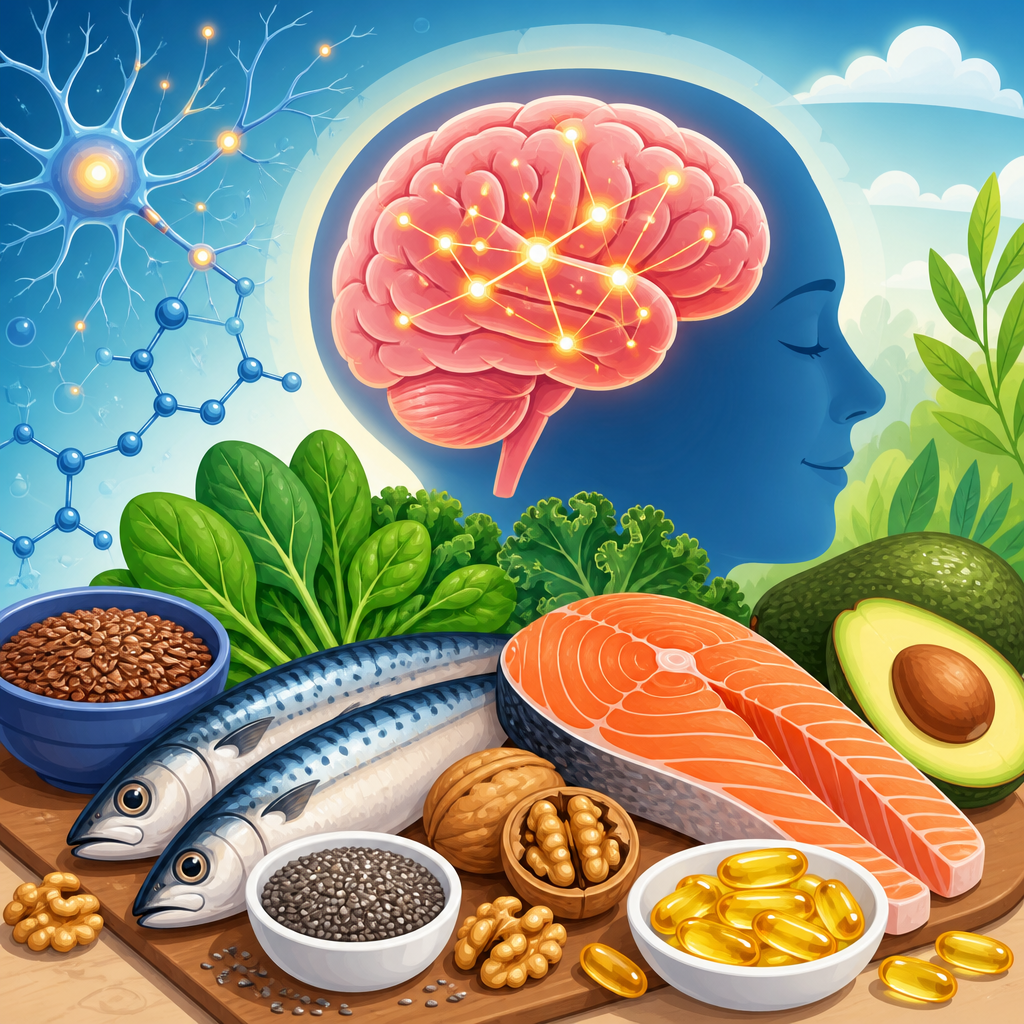
Seeds and nuts deserve a central place in any serious discussion of superfoods because they deliver concentrated nutrition, culinary versatility, and measurable health benefits in remarkably small portions. When I build nutrition plans for busy clients or audit my own meals for nutrient density, these foods are often the fastest way to improve quality without adding complicated rules. The term seeds generally refers to edible reproductive parts of plants such as chia, flax, pumpkin, sesame, hemp, and sunflower, while nuts include tree nuts like almonds, walnuts, pistachios, pecans, hazelnuts, Brazil nuts, macadamias, and cashews, with peanuts technically classified as legumes but nutritionally grouped alongside nuts.
The nutritional power of seeds and nuts comes from their combination of unsaturated fats, plant protein, fiber, vitamins, minerals, and bioactive compounds. Many also supply phytosterols, polyphenols, lignans, tocopherols, and carotenoids, all of which contribute to metabolic, cardiovascular, and antioxidant effects. Unlike many processed snacks that deliver calories without satiety, seeds and nuts tend to slow digestion, stabilize hunger, and improve overall dietary patterns when used intentionally. That distinction matters because nutrition is not only about isolated nutrients; it is about what foods displace and how they influence real eating behavior over time.
This topic matters even more today because consumers are trying to solve several problems at once: better heart health, higher protein intake, blood sugar control, convenient snacks, and more plant-based meals. Seeds and nuts intersect with all of those goals. Large observational studies and clinical trials consistently associate regular nut intake with improved cardiovascular outcomes, and specific seeds such as flax and chia have been studied for lipid management, bowel regularity, and omega-3 intake. Yet confusion persists. People ask whether they are too high in calories, whether roasting destroys nutrients, which varieties are best, and how much is enough. This hub addresses those questions directly and gives you a practical framework for using seeds and nuts well.
What makes seeds and nuts nutritionally powerful
The main reason seeds and nuts stand out is nutrient density. Ounce for ounce, they provide more beneficial fats, minerals, and protein than most common snack foods. Almonds are rich in vitamin E and magnesium. Walnuts are notable for alpha-linolenic acid, a plant omega-3 fatty acid. Pistachios contribute protein, potassium, and carotenoids such as lutein and zeaxanthin. Pumpkin seeds are one of the easiest ways to increase magnesium, zinc, and iron intake. Sesame seeds add calcium, copper, and lignans, while flaxseeds supply fiber and lignans in addition to omega-3s. Chia seeds absorb liquid and form a gel, which supports satiety and makes them useful in breakfast foods and hydration-focused recipes.
From a metabolic standpoint, these foods work through several mechanisms at once. Their unsaturated fats can improve lipoprotein profiles when they replace saturated fat or refined carbohydrate calories. Their fiber slows gastric emptying and supports gut microbiota through fermentable components. Their protein contributes to fullness and muscle maintenance. Minerals such as magnesium and potassium support blood pressure regulation and glucose metabolism. Antioxidant compounds help limit oxidative stress, though the effect depends on the food matrix and the overall diet. In practice, I find that clients who add a measured serving of nuts or seeds to breakfast or as an afternoon snack often report fewer cravings for sweets and greater meal satisfaction.
Calories are frequently raised as a concern, but that objection is often overstated. Nuts and seeds are energy dense, yet their actual impact on body weight is moderated by satiety, incomplete fat absorption, and the tendency to displace lower-quality foods. Research on almonds, pistachios, and mixed nuts repeatedly shows that moderate intake can fit within weight-management plans. Portion awareness still matters. A helpful baseline is about one ounce of nuts or one to two tablespoons of seeds, adjusted for total energy needs, activity level, and whether they are used as toppings, ingredients, or stand-alone snacks.
Key nutrients by type and how they support health
Different seeds and nuts have different strengths, so variety is more useful than treating one type as a miracle food. Walnuts are often my first recommendation for people who eat little fatty fish because they provide meaningful amounts of plant omega-3s, although conversion to EPA and DHA in the body is limited. Flaxseeds serve a similar role and also bring soluble and insoluble fiber; grinding them improves digestibility and absorption. Chia seeds offer fiber, minerals, and a thickening texture that works in yogurt, oats, and puddings.
Almonds are a staple because they combine monounsaturated fat, vitamin E, magnesium, and a decent protein contribution with broad culinary flexibility. Pistachios offer a favorable protein-to-calorie ratio among nuts and are especially useful for mindful eating when eaten in the shell, since the shells create a natural pause and visual portion cue. Brazil nuts are the standout source of selenium; one or two nuts can meet daily needs, which is beneficial but also a reason not to overdo them. Pumpkin seeds are consistently valuable for zinc, magnesium, iron, and plant protein, making them useful in vegetarian and higher-activity diets. Hemp seeds deserve more attention as well, since they provide complete protein, polyunsaturated fats, and minerals in a soft, easy-to-use form.
| Food | Notable nutrients | Best-known benefit | Practical use |
|---|---|---|---|
| Almonds | Vitamin E, magnesium, monounsaturated fat | Heart-friendly snack with antioxidant support | Snack packs, yogurt topping, almond butter |
| Walnuts | Alpha-linolenic acid, polyphenols, copper | Plant omega-3 intake | Oatmeal, salads, grain bowls |
| Pistachios | Protein, potassium, lutein, fiber | Satiety and portion-friendly snacking | In-shell snacks, crusts, savory dishes |
| Flaxseeds | Fiber, lignans, alpha-linolenic acid | Digestive support and lipid benefits | Ground into oats, smoothies, baking |
| Pumpkin seeds | Magnesium, zinc, iron, protein | Mineral density | Trail mix, soups, salads |
| Chia seeds | Fiber, calcium, omega-3s | Satiety and texture | Puddings, oatmeal, beverages |
These differences matter because nutrient gaps are common and often predictable. People low in seafood intake may need more plant omega-3 sources. People eating highly processed diets often fall short on magnesium, fiber, and vitamin E. Athletes, menstruating women, and plant-based eaters may need strategic iron and zinc support. Seeds and nuts will not solve every deficiency, but they can close meaningful gaps with minimal effort when used consistently.
How seeds and nuts affect heart health, blood sugar, and digestion
The best-documented benefit of nuts is cardiovascular support. Regular intake is associated with lower risk of coronary heart disease, and several mechanisms explain why. Replacing snacks high in refined starch or saturated fat with nuts improves fatty acid quality. Soluble fiber and phytosterols can modestly support LDL cholesterol reduction. Arginine in certain nuts may aid endothelial function through nitric oxide pathways. Walnuts, almonds, and pistachios have all been studied in this context, and their benefits are strongest when they replace less nutritious foods rather than simply adding extra calories on top of an already excessive diet.
Blood sugar response is another reason seeds and nuts matter. They are low in available carbohydrate and rich in fat, fiber, and protein, which can blunt the glycemic impact of mixed meals. I often recommend pairing fruit with nuts instead of eating fruit alone when someone struggles with midmorning hunger or energy crashes. For example, an apple with peanut butter or Greek yogurt with chia and walnuts is usually more stabilizing than a granola bar. In clinical nutrition, this strategy is practical because it improves satisfaction without relying on restrictive eating patterns.
Digestive health benefits depend on the type used and the way it is prepared. Flax and chia can increase stool bulk and support regularity because of their fiber content and water-holding capacity. Gradual introduction is important; moving from almost no fiber to multiple tablespoons a day can cause bloating. Hydration also matters. Ground flax integrates more effectively than whole flax, which often passes through largely intact. Nut and seed tolerance varies, especially in people with irritable bowel symptoms, diverticular concerns, or post-surgical dietary restrictions, so personalization is always part of good advice.
Choosing between raw, roasted, sprouted, whole, and butters
One of the most common questions is whether raw is better than roasted. In most real-world situations, dry-roasted nuts and seeds remain highly nutritious, and the slight losses in heat-sensitive compounds do not outweigh the benefit of a form people actually enjoy and eat regularly. What matters more is whether the product is heavily salted, sugar-coated, or fried in lower-quality oils. Roasting can even improve flavor and digestibility for some people, which increases adherence. If sodium intake is a concern, choose unsalted or lightly salted versions and control the rest of the meal accordingly.
Sprouted and soaked products are marketed as easier to digest because they may reduce some antinutrients such as phytic acid. There is some truth to that, but the effect is often exaggerated in consumer messaging. Most healthy people do not need sprouted nuts or seeds to gain benefits. They can be useful for taste, texture, or specific digestive preferences, but they are not nutritionally mandatory. Nut and seed butters are convenient and excellent for children, athletes, and anyone who prefers softer textures, though it is worth checking labels for added sugar, palm oil, or excessive sodium. A good nut butter usually has one or two ingredients: the nut or seed and perhaps salt.
Whole versus ground is more than a texture issue. Whole chia works well because it hydrates and swells, but whole flax is less useful nutritionally than ground flax because the intact outer shell reduces access to its fats and lignans. Sesame as tahini is often easier to eat in meaningful amounts than plain sesame seeds, and peanut butter is more practical for many families than whole peanuts. Form should match function: choose the version that helps you use the food consistently and absorb the nutrients effectively.
How to add seeds and nuts to meals without overcomplicating your diet
The easiest way to benefit from seeds and nuts is to assign them jobs in your meal pattern. At breakfast, add chia or ground flax to oats, kefir, or yogurt, or use almond butter on whole-grain toast. At lunch, scatter pumpkin seeds or pistachios over salads and grain bowls for texture and protein. At dinner, use crushed walnuts in herb sauces, sesame in stir-fries, or cashews in blended vegetable sauces. Snacks are the obvious use case, but they are not the only one, and treating nuts and seeds as ingredients rather than extras makes intake more consistent.
Portion control is simpler when you buy plain versions and pre-portion them. In my own kitchen, I keep one-ounce containers of mixed nuts, a jar of ground flax in the refrigerator, and a visible tin of pumpkin seeds near everyday cooking oils and spices. That setup matters. Convenience drives dietary behavior far more than nutrition knowledge alone. For families, seed and nut use can also bridge competing needs: adding hemp seeds to smoothies raises protein for active teenagers, while tahini-based dressings make vegetables more appealing to adults trying to improve heart health. Small systems beat perfect intentions.
If you are building a practical starter rotation, choose four categories: one omega-3-rich option such as walnuts or flax, one mineral-dense seed such as pumpkin, one everyday nut such as almonds or pistachios, and one spread such as peanut butter or tahini. This creates nutritional coverage without clutter. Rotate based on taste, budget, and recipes you already make. Consistency matters more than chasing novelty.
Risks, allergies, storage, and smart buying tips
Despite their strengths, seeds and nuts are not risk-free. Tree nut and peanut allergies can be severe, and cross-contact is a serious issue in shared manufacturing and food-service settings. For infants and children, current pediatric guidance generally supports introducing common allergens earlier rather than delaying them, but whole nuts remain a choking hazard for young children, so age-appropriate forms such as thinned nut butters or powders are safer. People with chronic kidney disease, oxalate-related stone concerns, or medically restricted diets may need individualized guidance on portions and variety.
Storage matters because the healthy fats in seeds and nuts can oxidize over time, especially when products are ground or exposed to heat, light, and air. Rancidity does not always announce itself dramatically; sometimes the flavor just turns flat, bitter, or paint-like. Buy from stores with good turnover, check packaging dates when available, and store bulk amounts in airtight containers. I refrigerate ground flax, hemp, and opened nut flours, and I freeze extras if I will not use them within a couple of months. This protects flavor as much as nutrition.
Smart buying comes down to reading labels and matching the product to the purpose. For general use, plain or dry-roasted options with minimal added ingredients are best. For sports nutrition or high-calorie needs, trail mixes with dried fruit can be useful, but treat candy-heavy blends as desserts, not health foods. Organic can matter for personal preference and farming values, yet it is less important than freshness, ingredient quality, and whether the food helps you maintain a better overall diet. Start with a few reliable staples, use them often, and let evidence and practicality guide your choices.
Seeds and nuts earn their reputation because they deliver multiple nutritional advantages in one compact package: better fat quality, more fiber, useful protein, important minerals, and protective plant compounds. They support heart health, steadier energy, stronger meal satisfaction, and more nutrient-dense eating patterns when used regularly. No single variety does everything, which is why a varied approach works best. Walnuts and flax help with plant omega-3 intake, almonds and sunflower seeds add vitamin E, pumpkin seeds strengthen mineral intake, and chia supports fiber-focused routines.
The biggest takeaway is that the nutritional power of seeds and nuts is practical, not theoretical. You do not need exotic products, strict food rules, or oversized portions to benefit. You need a repeatable system: choose a few high-quality staples, store them well, use forms that fit your meals, and keep portions intentional. If you are building out your superfoods strategy, make this hub your starting point, then explore specific guides on individual seeds, nuts, preparation methods, and health goals to create a routine you will actually keep.
Frequently Asked Questions
What makes seeds and nuts so nutritionally powerful compared with other snack foods?
Seeds and nuts pack an unusually high amount of nutrition into a very small serving, which is why they are often described as nutrient-dense foods. Unlike many common snack options that provide mostly refined starch, added sugar, or empty calories, seeds and nuts deliver a mix of healthy fats, plant protein, fiber, vitamins, minerals, and protective plant compounds in one compact package. Depending on the variety, they can supply meaningful amounts of magnesium, zinc, iron, selenium, vitamin E, and B vitamins, along with antioxidants and phytochemicals that support long-term health.
Another reason they stand out is their balance of macronutrients. Many seeds and nuts contain unsaturated fats that support heart health, along with fiber and protein that help promote fullness and steadier energy. This combination can make them more satisfying than processed snacks and may help reduce overeating later in the day. For people trying to improve overall diet quality without following a complicated eating plan, adding a small portion of almonds, walnuts, pumpkin seeds, chia seeds, flaxseeds, or hemp seeds is one of the simplest upgrades available.
They are also incredibly versatile. Seeds and nuts can be added to oatmeal, yogurt, salads, grain bowls, smoothies, soups, baked goods, or eaten on their own. That flexibility makes it easier to increase nutrient intake consistently. In practical nutrition planning, this matters because the best foods are not just healthy on paper, but easy to use in real life.
Which seeds and nuts offer the biggest health benefits, and do different types serve different purposes?
Yes, different seeds and nuts bring different strengths, so variety is one of the smartest strategies. Chia seeds and flaxseeds are especially valued for their omega-3 fats and fiber. Chia absorbs liquid and forms a gel, which makes it useful in puddings, overnight oats, and smoothies, while flaxseeds are often recommended in ground form because whole flax can pass through the digestive system without being fully absorbed. Hemp seeds are known for their soft texture and impressive balance of protein and healthy fats, making them an easy add-on for salads, yogurt, and blended drinks.
Pumpkin seeds are particularly rich in magnesium, zinc, and iron, which makes them a strong choice for people focused on immune support, muscle function, and overall mineral intake. Sesame seeds contribute calcium, copper, and distinctive antioxidant compounds, and they are widely used in cuisines around the world in forms such as tahini. Sunflower seeds are notable for vitamin E and healthy fats, while walnuts are often highlighted for their omega-3 content, and almonds for vitamin E, magnesium, and satiety.
Rather than looking for a single “best” option, it is more accurate to think in terms of nutritional specialties. If your priority is digestive support, chia and flax are excellent. If you want more protein, hemp seeds and peanuts can help. If you are trying to improve mineral intake, pumpkin and sesame seeds are strong choices. A rotation of different seeds and nuts is often more beneficial than relying on just one type because it broadens the range of nutrients and plant compounds you consume.
How much should you eat each day to get benefits without overdoing calories?
Portion size matters because seeds and nuts are highly nutritious, but they are also calorie-dense. For most people, a practical daily amount is about 1 to 2 ounces of nuts, seeds, or a combination of both, depending on overall calorie needs, activity level, and the rest of the diet. In everyday terms, that might look like a small handful of almonds, a tablespoon or two of chia or flax in oatmeal, a spoonful of hemp seeds on yogurt, or a sprinkle of pumpkin seeds over a salad. Even modest amounts can meaningfully improve nutrient quality.
The key is to use them intentionally rather than mindlessly. Eating directly from a large bag can quickly turn a nutritious addition into an oversized portion. Pre-portioning snacks, measuring toppings, or building them into meals tends to work better. For example, one tablespoon of ground flaxseed in a smoothie, two tablespoons of chia seeds in overnight oats, or a quarter cup of mixed nuts as a snack can be enough to deliver benefits without crowding out other important foods.
It is also worth remembering that seeds and nuts are most effective when they complement a balanced diet rather than replace it. They should sit alongside fruits, vegetables, legumes, whole grains, and quality protein sources. If weight management is a goal, focus on swapping them in for less nutritious snacks instead of simply adding them on top of an already full intake. That approach lets you capture their benefits while keeping energy intake more aligned with your needs.
Are raw, roasted, soaked, or ground seeds and nuts better for nutrition?
Each form has advantages, and the best choice depends on the food and how you plan to use it. Raw seeds and nuts retain their natural nutrient profile with minimal processing, which appeals to many health-conscious eaters. Dry-roasted versions can still be very nutritious and may be easier to enjoy regularly because of their flavor and crunch. The main issue with some roasted products is not the roasting itself, but added salt, sugar, or oils. Choosing dry-roasted or lightly roasted options with simple ingredient lists is usually a smart compromise between taste and nutrition.
Ground forms matter especially for flaxseed. Whole flaxseeds are nutritious, but the body often cannot break through the outer shell efficiently, so ground flax tends to provide better absorption of key nutrients. Chia seeds do not have the same limitation and can be eaten whole or soaked. Soaking chia can improve texture and make it easier to incorporate into puddings, drinks, and oats. Nut butters and seed butters can also be excellent options, as long as they contain minimal added sugar or hydrogenated oils.
Soaking nuts and seeds is sometimes promoted as necessary for digestibility, but for most healthy people it is optional rather than essential. Some people prefer soaked nuts for texture or find them gentler to eat, but the evidence does not suggest that everyone must soak them to benefit. In most cases, the biggest nutritional wins come from choosing high-quality varieties, storing them properly to protect their healthy fats, and eating them consistently in a balanced diet.
Who should be cautious with seeds and nuts, and what is the healthiest way to add them to meals?
Although seeds and nuts are healthy for many people, some groups should use extra care. Anyone with a known nut or seed allergy should avoid the specific foods that trigger reactions and follow medical guidance closely, since allergies can be serious. People with digestive sensitivity may also need to start with smaller portions, especially with high-fiber options like chia and flax, because increasing fiber too quickly can cause bloating or discomfort. In those cases, gradual introduction along with adequate water intake often works better than making a sudden large increase.
Another point to consider is product quality. Salted, candied, chocolate-coated, or heavily flavored varieties can be much less beneficial than plain or lightly seasoned options because they may contain excess sodium, sugar, or lower-quality added fats. Reading labels helps. Ideally, ingredients should be simple, especially for nut butters and seed butters. Storage is important too, since the healthy fats in seeds and nuts can go rancid over time. Keeping them in airtight containers away from heat and light, and refrigerating certain varieties like flax, hemp, and walnuts, can preserve freshness.
The healthiest way to use seeds and nuts is to make them part of normal meals rather than treating them as an occasional “health food.” Add chia or flax to oatmeal, blend hemp seeds into smoothies, top soups or roasted vegetables with pumpkin seeds, use tahini in dressings, or keep a small portion of mixed nuts on hand for a satisfying snack. These habits improve nutrient density without requiring major diet changes, which is exactly why seeds and nuts are so valuable in practical, sustainable nutrition.