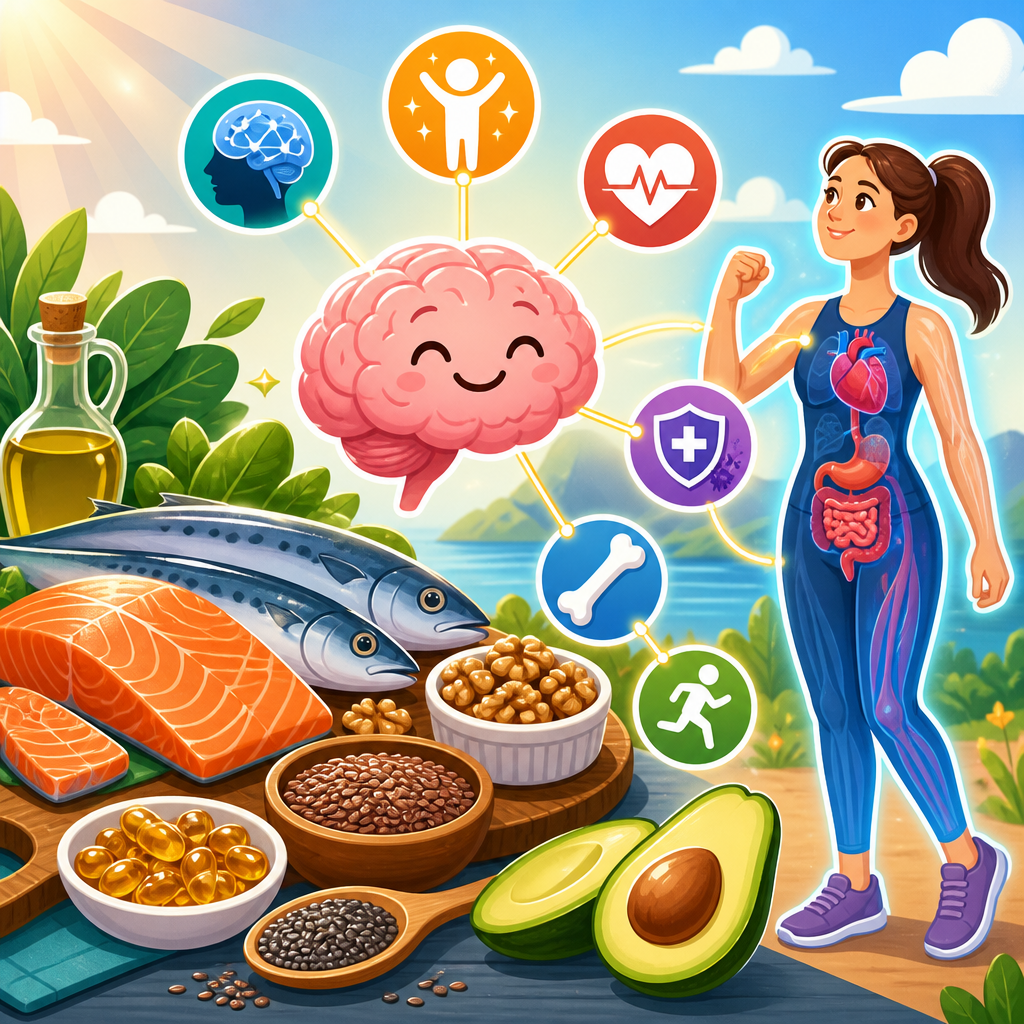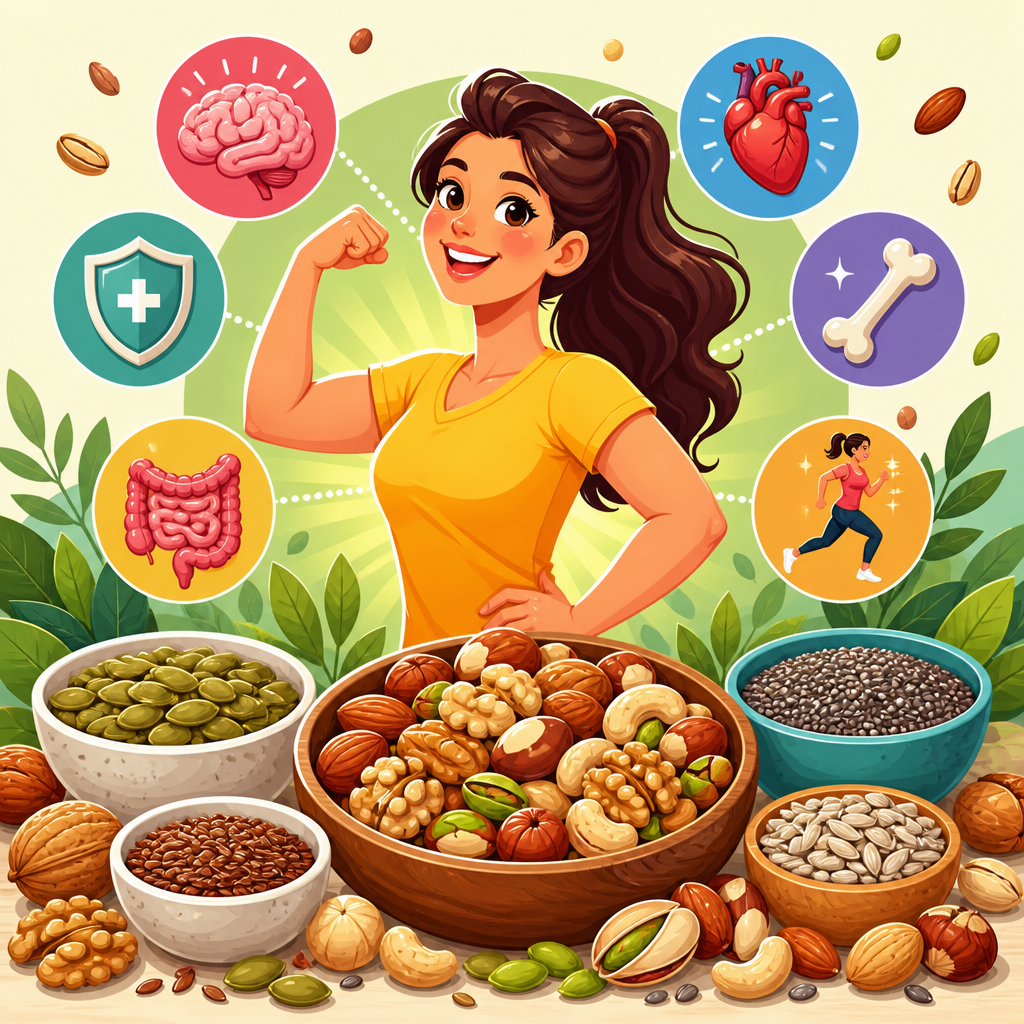
Seeds and nuts deliver dense, efficient nutrition that supports the body’s most important systems, from the brain and heart to muscles, hormones, digestion, and immune defenses. In practical nutrition, the phrase nutritional power of seeds and nuts refers to their unusually high concentration of protein, unsaturated fats, fiber, vitamins, minerals, and protective plant compounds packed into small servings. Almonds, walnuts, pistachios, cashews, peanuts, chia seeds, flaxseeds, pumpkin seeds, sesame seeds, sunflower seeds, and hemp seeds all fit this category, though each brings a different nutrient profile and functional benefit. That variation matters because no single seed or nut does everything equally well.
I have used seeds and nuts for years in meal planning because they solve several problems at once: they raise nutrient density, improve satiety, add texture, and make balanced eating more realistic for busy people. Their value is not abstract. A spoonful of chia can increase fiber intake immediately. A small handful of almonds can add magnesium and vitamin E to a low-quality breakfast. Pumpkin seeds can help close common gaps in zinc and iron intake, especially in plant-forward diets. When chosen carefully and portioned well, seeds and nuts are not just snacks; they are functional foods that support measurable body processes.
Understanding why they matter starts with key definitions. Nutrient density means the amount of beneficial nutrients provided relative to calories. Unsaturated fats are fats that support cardiovascular health when they replace excess saturated fat in the diet. Fiber includes soluble and insoluble forms that help with digestion, blood sugar control, and cholesterol management. Micronutrients such as magnesium, selenium, folate, copper, and vitamin E are required in smaller amounts, yet they are essential for enzyme activity, tissue repair, and cellular protection. Seeds and nuts supply these compounds together in a natural food matrix, which is one reason they perform better nutritionally than isolated supplements in many everyday diets.
This topic matters because the modern diet is often calorie rich but nutrient poor. Many people meet energy needs while falling short on magnesium, fiber, potassium, and healthy fats. At the same time, they struggle with overeating, unstable blood sugar, low satiety, and reliance on ultra-processed snacks. Seeds and nuts offer a practical correction. Research consistently links regular nut intake with better diet quality and improved cardiometabolic markers, while seeds contribute omega-3 fats, lignans, minerals, and fiber that support multiple systems at once. For anyone exploring superfoods and functional foods, this subtopic deserves a central place because it connects daily food choices to real physiological outcomes.
Macronutrients and micronutrients that make seeds and nuts functional foods
The nutritional power of seeds and nuts begins with their macronutrient structure. Most nuts and seeds provide a combination of unsaturated fat, plant protein, and fiber, a trio that slows digestion and extends fullness. Almonds, for example, are known for vitamin E, magnesium, and monounsaturated fats. Walnuts stand out for alpha-linolenic acid, a plant omega-3 fatty acid. Pistachios contribute protein, potassium, and carotenoids such as lutein. Chia seeds absorb water and form a gel because of their soluble fiber content. Flaxseeds provide lignans, while pumpkin seeds supply magnesium, zinc, and iron. Sesame seeds deliver calcium and copper, especially when consumed in tahini, and sunflower seeds are rich in vitamin E and selenium.
This matrix matters because body functions do not rely on one nutrient at a time. Magnesium supports hundreds of enzymatic reactions, including energy production, nerve signaling, and muscle contraction. Zinc is central to immune function, wound healing, and DNA synthesis. Copper helps with iron metabolism and connective tissue formation. Vitamin E acts as an antioxidant that protects cell membranes from oxidative damage. Selenium is required for antioxidant enzymes and thyroid hormone metabolism. Protein supplies amino acids for repair and maintenance, while fats help absorb fat-soluble vitamins and provide structural components for cell membranes. When people ask whether nuts are fattening or whether seeds are worth the calories, the most accurate answer is that their calories come bundled with a high level of useful nutrition.
Portion size still matters. Because nuts and seeds are energy dense, typical servings are modest: roughly 28 grams for nuts, 1 to 2 tablespoons for most seeds, and sometimes more for chia or hemp in recipes. In practice, I recommend looking at them as nutrient boosters rather than unlimited snack foods. A tablespoon of ground flax in oatmeal, a serving of pistachios with fruit, or pumpkin seeds scattered over soup can improve the nutritional profile of a meal without pushing calories too high. That is the central principle behind using functional foods well: deploy them strategically where they solve a nutritional weakness.
How seeds and nuts support heart health, cholesterol, and circulation
Cardiovascular support is one of the strongest reasons to eat seeds and nuts regularly. Their fats are predominantly unsaturated, including monounsaturated and polyunsaturated fats, which can help improve blood lipid patterns when they replace refined carbohydrates or foods high in saturated fat. Walnuts, almonds, pistachios, and peanuts have all been studied for effects on LDL cholesterol, HDL cholesterol, triglycerides, and endothelial function. The mechanism is not one-dimensional. Benefits appear to come from the combination of fats, fiber, phytosterols, arginine, magnesium, and antioxidant compounds working together.
Walnuts are a useful example because they provide alpha-linolenic acid, which is associated with cardiovascular benefits as part of an overall healthy diet. Almonds and pistachios have been repeatedly used in dietary intervention studies because they are easy to incorporate and well accepted. Flaxseeds contribute soluble fiber and lignans that may help with cholesterol management, while chia seeds can support lipid control through fiber and omega-3 content. Sesame seeds contain lignans such as sesamin, compounds studied for antioxidant and metabolic effects. These are not magic foods, but they are evidence-based additions to heart-conscious eating patterns such as the Mediterranean diet and DASH-style approaches.
| Food | Notable nutrients | Primary body support | Simple use |
|---|---|---|---|
| Almonds | Vitamin E, magnesium, monounsaturated fat | Heart, nerves, antioxidant defense | Handful with fruit |
| Walnuts | Alpha-linolenic acid, polyphenols, copper | Heart, brain, anti-inflammatory balance | Oatmeal or salads |
| Chia seeds | Fiber, omega-3 fat, calcium | Digestion, blood sugar, hydration | Yogurt or pudding |
| Pumpkin seeds | Magnesium, zinc, iron, protein | Muscles, immunity, energy metabolism | Soup or grain bowls |
| Flaxseeds | Lignans, fiber, omega-3 fat | Cholesterol, gut health, hormone balance | Ground into cereal |
For circulation, magnesium and arginine deserve special attention. Magnesium helps regulate vascular tone, and arginine is involved in nitric oxide production, which helps blood vessels relax. Seeds and nuts are not a substitute for medical treatment of hypertension or dyslipidemia, but they fit directly into nutrition plans designed to lower cardiovascular risk. The most effective pattern is consistency. Small daily servings outperform occasional large portions because cardiometabolic benefits come from habitual replacement and cumulative intake, not one-time use.
Benefits for brain function, hormones, and energy metabolism
The brain depends on a steady supply of fats, minerals, and metabolic cofactors, and seeds and nuts contribute all three. Walnuts are often highlighted for brain health not because they resemble the brain, but because they provide polyunsaturated fats and polyphenols that support healthy aging. Pumpkin seeds supply magnesium, zinc, and iron, nutrients that influence neurotransmitter activity, oxygen transport, and cognitive performance. Sunflower seeds contribute vitamin E, which helps protect neural tissues from oxidative stress. Hemp seeds offer complete protein and fats that can strengthen the nutritional quality of plant-based meals.
Energy metabolism is another underappreciated area. B vitamins, magnesium, copper, manganese, and iron are needed to convert food into usable cellular energy. Cashews and sesame seeds are especially valuable for copper, while almonds and pumpkin seeds help with magnesium intake. When clients report afternoon fatigue, I often look beyond caffeine and ask whether their meals contain enough protein, fiber, and minerals. Replacing a pastry snack with Greek yogurt, berries, and chopped nuts often produces steadier energy because digestion slows, blood sugar becomes less erratic, and micronutrient intake improves.
Hormonal support is more nuanced. Seeds do not directly “fix hormones,” but several nutrients they provide play roles in hormone production, signaling, and metabolism. Zinc supports reproductive health and immune signaling. Selenium, found in Brazil nuts especially, is necessary for thyroid hormone conversion, though intake should be moderate because excess selenium can be harmful. Flaxseeds contain lignans, phytoestrogen compounds studied for potential effects on hormone metabolism, particularly in women. The balanced view is that seeds and nuts support the nutritional groundwork the endocrine system requires, but they are part of a broader diet and lifestyle pattern, not stand-alone hormone treatments.
Digestive health, blood sugar control, and healthy weight management
One reason the nutritional power of seeds and nuts is so useful in daily eating is their effect on digestion and satiety. Fiber helps add bulk, nourish beneficial gut bacteria, and slow the absorption of carbohydrates. Chia and flax are especially effective because they provide soluble fiber that forms a viscous texture in the digestive tract. That can help people feel full longer and blunt sharp post-meal glucose rises. Nuts add chewing resistance and structural complexity, which may also contribute to fullness and portion control.
Blood sugar support comes from meal composition rather than from any single ingredient acting like a drug. Pairing carbohydrates with fats, protein, and fiber slows gastric emptying and reduces rapid glucose spikes. For example, toast with jam alone is likely to digest quickly, while toast topped with nut butter and chia seeds has a more balanced effect. Apple slices with peanut butter, plain yogurt with walnuts, or oatmeal with flaxseed are simple combinations that improve glycemic response compared with refined snacks eaten in isolation. This matters for people with insulin resistance, prediabetes, or type 2 diabetes, though individual carbohydrate tolerance still varies.
Weight management is often misunderstood in this category. Because nuts are calorie dense, people assume they always promote weight gain. In real diets, moderate portions are frequently associated with better weight control because they improve satiety, reduce reliance on ultra-processed snacks, and may not be fully absorbed due to their intact cell structure. The best evidence-supported approach is measured inclusion, not avoidance. Choose dry-roasted or raw options more often than sugar-coated varieties, watch portions, and use them to replace less nutritious foods rather than simply adding extra calories on top of an already excessive intake.
How to choose, store, and use seeds and nuts for maximum value
The best seeds and nuts are the ones you will eat consistently in forms that fit your budget, culture, and health needs. Variety is useful because nutrient profiles differ. Ground flax is more practical than whole flax because the body cannot efficiently break whole seeds down. Chia can be used whole. Natural nut butters can make intake easier, but check labels for added sugar, excess sodium, or hydrogenated oils. If sodium intake is a concern, buy unsalted nuts and season them yourself. If allergies are present, seeds such as sunflower, pumpkin, hemp, sesame, chia, and flax may provide alternatives, though cross-contact still needs attention.
Storage affects quality because the unsaturated fats in seeds and nuts can oxidize. I keep large bags in the refrigerator or freezer, especially walnuts, flax, hemp, and pine nuts, which are more delicate. Buy from stores with good turnover, smell for rancidity, and avoid products that taste bitter or paint-like. Roasting can improve flavor, but very high heat may damage delicate fats and reduce some heat-sensitive compounds. From a practical standpoint, light roasting is a reasonable tradeoff if it helps people eat more nutrient-dense foods consistently.
Use them across the day. Add hemp or chia to smoothies, tahini to dressings, almonds to breakfast, walnuts to salads, pumpkin seeds to roasted vegetables, and peanut or cashew butter to snacks and sauces. As a hub for the broader seeds and nuts topic, this guide points naturally toward deeper articles on specific foods, nutrient comparisons, allergy-safe options, meal prep strategies, and evidence-based uses in plant-based diets. Start by identifying one nutritional gap, such as low fiber, low magnesium, or poor snack quality, and use one seed or nut daily to address it. That is how the nutritional power of seeds and nuts becomes a practical advantage instead of just a healthy idea.
Frequently Asked Questions
What does the phrase “nutritional power of seeds and nuts” actually mean?
The phrase “nutritional power of seeds and nuts” refers to how much useful nutrition these foods provide in relatively small portions. Seeds and nuts are considered nutrient-dense because they supply several essential nutrients at the same time, including plant protein, healthy unsaturated fats, fiber, vitamin E, B vitamins, magnesium, zinc, potassium, selenium, and a wide range of antioxidant plant compounds. In practical terms, that means a small handful of almonds, walnuts, pistachios, cashews, peanuts, chia seeds, flaxseeds, pumpkin seeds, or sesame seeds can contribute meaningfully to your daily nutrient intake without requiring a large serving size.
What makes them especially valuable is that their nutrients work across multiple systems in the body rather than supporting just one function. Their fats help nourish the brain, heart, and hormones. Their protein supports muscles, tissue repair, and steady energy. Their fiber benefits digestion, blood sugar control, and cholesterol management. Their minerals help with nerve signaling, muscle contraction, immune function, and bone support. Because they combine so many benefits in one food group, seeds and nuts are often viewed as efficient staples for overall wellness.
How do seeds and nuts support heart and brain health?
Seeds and nuts support heart and brain health largely because of their fat profile and antioxidant content. Most are rich in unsaturated fats, especially monounsaturated and polyunsaturated fats, which can help improve cholesterol balance when they replace more saturated fat sources in the diet. Walnuts, chia seeds, and flaxseeds are especially notable because they provide alpha-linolenic acid, a plant-based omega-3 fat associated with cardiovascular and neurological support. These fats are important for maintaining healthy cell membranes, including the membranes of brain cells and blood vessels.
For heart health, many seeds and nuts also provide magnesium, potassium, fiber, and plant sterols, all of which play supportive roles in circulation and cardiovascular function. Magnesium helps regulate blood pressure and muscle function, including the heartbeat itself. Fiber can help reduce LDL cholesterol levels and improve metabolic health. For brain health, vitamin E and antioxidant polyphenols help protect cells from oxidative stress, which is important because the brain is especially sensitive to damage from chronic inflammation and free radicals. Regular intake of nuts and seeds as part of a balanced eating pattern has been associated with better long-term support for both cognitive function and cardiovascular wellness.
Can seeds and nuts help with muscle function, energy, and recovery?
Yes, seeds and nuts can play a useful role in muscle function, energy production, and recovery. While they are not always the highest-protein foods in the diet compared with meat, dairy, or legumes, they still provide meaningful amounts of plant protein that contribute amino acids needed for tissue repair and maintenance. Pumpkin seeds, peanuts, almonds, pistachios, and cashews are especially helpful in this area. When eaten consistently alongside other protein sources, they can support overall muscle health and post-activity recovery.
They also contain several minerals that are crucial for normal muscular and metabolic function. Magnesium is one of the most important because it helps with muscle contraction and relaxation, nerve signaling, and energy production at the cellular level. Potassium supports fluid balance and normal muscle activity, while phosphorus helps with energy transfer in the body. Their healthy fats provide sustained fuel, and their fiber can help slow digestion, creating steadier energy rather than sharp spikes and crashes. This combination makes seeds and nuts a practical snack or meal addition for active people, especially when paired with fruit, yogurt, or whole grains for a broader recovery balance.
In what ways do seeds and nuts benefit digestion, hormones, and immune health?
Seeds and nuts contribute to digestive health primarily through their fiber content. Fiber helps support regular bowel movements, adds bulk to stool, and nourishes beneficial gut bacteria, which are increasingly recognized as important for overall health. Chia seeds and flaxseeds are particularly well known for digestive support because they absorb water and can help promote bowel regularity when consumed with adequate fluids. A healthy digestive system does more than improve comfort; it also influences nutrient absorption, inflammation regulation, and immune response.
Hormone and immune support come from a combination of fats, minerals, and antioxidant compounds. Healthy fats are essential building blocks for hormone production and cellular communication. Zinc, found in foods like pumpkin seeds and cashews, plays a central role in immune defense, wound healing, and reproductive health. Selenium, especially present in some nuts, helps support antioxidant systems and thyroid-related processes. Vitamin E and polyphenols help protect cells from oxidative stress, which can reduce strain on the immune system over time. Because digestion, hormones, and immunity are all interconnected, regularly eating a variety of seeds and nuts can offer broad support across these key body functions.
What is the best way to add seeds and nuts to a healthy diet without overdoing calories?
The best approach is to use seeds and nuts strategically as nutrient-dense additions rather than treating them as unlimited snack foods. Because they are rich in healthy fats, they are naturally higher in calories than many fruits or vegetables, but that does not make them unhealthy. It simply means portion awareness matters. A practical serving is often a small handful of nuts or one to two tablespoons of seeds, depending on the food and your overall dietary needs. Using them this way allows you to benefit from their protein, fiber, fats, vitamins, and minerals without accidentally letting portions grow too large.
They are easy to include in balanced meals and snacks. You can add chia or flaxseeds to oatmeal, yogurt, or smoothies; sprinkle pumpkin or sesame seeds on salads and grain bowls; use almonds or pistachios as part of a snack with fruit; or spread natural peanut butter on whole-grain toast. It also helps to choose minimally processed options more often, such as raw or dry-roasted varieties, especially if you are trying to limit added sugar, sodium, or oils. Variety is important as well, because different seeds and nuts provide different nutrient strengths. Rotating among almonds, walnuts, pistachios, peanuts, chia seeds, flaxseeds, pumpkin seeds, and sesame seeds can help you get a broader mix of benefits while keeping your diet interesting and balanced.