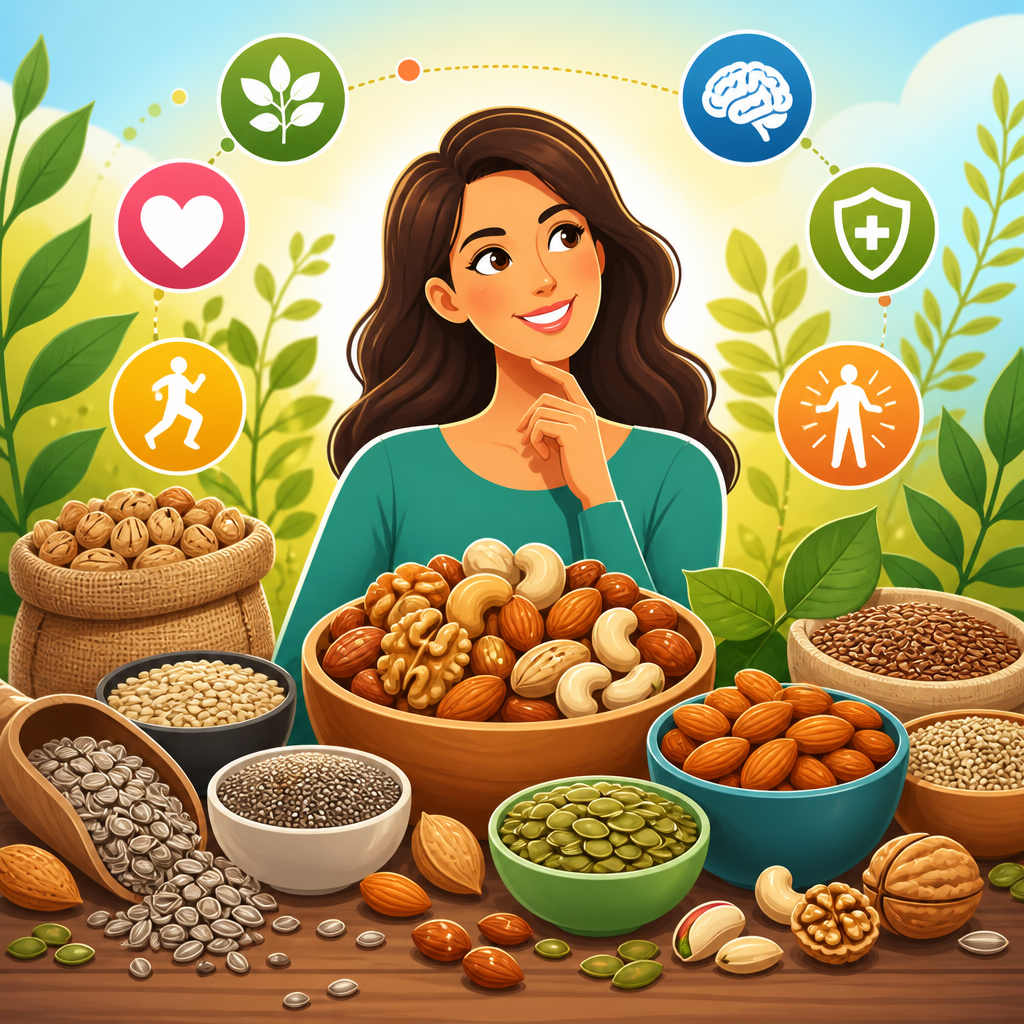
Choosing the best sources of nutritional power of seeds and nuts for optimal health starts with understanding that these foods are not a single category but a broad group of nutrient-dense plant foods with distinct fatty acid profiles, protein quality, fiber content, mineral density, and culinary uses. In practice, I treat seeds and nuts as strategic staples rather than snack aisle extras because they reliably improve diet quality, help fill common nutrient gaps, and make healthy eating easier to sustain. The phrase nutritional power of seeds and nuts refers to their unusually high concentration of beneficial compounds per serving, including unsaturated fats, plant protein, vitamin E, magnesium, potassium, selenium, lignans, phytosterols, and a wide range of polyphenols. When chosen well and eaten consistently, they support heart health, blood sugar control, digestive health, satiety, and long-term metabolic resilience.
They matter because many adults underconsume fiber, magnesium, omega-3 fats, and minimally processed protein sources, while overconsuming refined carbohydrates and sodium. Seeds and nuts address several of those issues at once. Almonds provide vitamin E and magnesium, walnuts contribute alpha-linolenic acid, chia and flax supply soluble fiber and plant omega-3s, pumpkin seeds add zinc and iron, and Brazil nuts deliver selenium in amounts few foods can match. At the same time, not every option fits every goal. Some are better for boosting protein, some for increasing omega-3 intake, some for supporting digestive regularity, and some require closer portion control because energy density is high. A useful hub article must clarify those differences so readers can build a pattern, not chase a single “best” food.
Another reason this topic deserves a central guide is confusion. People ask whether peanuts count as nuts, whether roasted nuts lose nutrients, whether seed oils are the same as whole seeds, whether phytates block minerals, and whether nut butters are as healthy as whole nuts. I have worked with meal plans where simply replacing ultra-processed snacks with a rotating mix of nuts and seeds improved adherence more than any strict rule did. The key is selecting forms and portions that match real life. This article explains the main nutritional strengths of major seeds and nuts, how to compare them, how to buy and store them, who should be careful, and how to use them daily as part of a practical superfoods and functional foods approach.
What makes seeds and nuts nutritionally powerful
The nutritional power of seeds and nuts comes from synergy, not one isolated nutrient. Most provide a combination of unsaturated fats, fiber, plant protein, minerals, and bioactive compounds that work together to influence health markers. Their fats are mainly monounsaturated and polyunsaturated rather than saturated, which is one reason diets rich in nuts are repeatedly associated with better cardiovascular outcomes. They also digest slowly, especially when eaten whole, which helps with fullness and steadier post-meal blood glucose responses. In plain terms, they are compact foods that do a lot of jobs at once: they add crunch and flavor, improve nutrient density, and make meals more satisfying.
Different varieties excel in different areas. Walnuts stand out for alpha-linolenic acid, the main plant omega-3 fatty acid. Flaxseed and chia seed provide soluble fiber and mucilage that can support regularity and help lower LDL cholesterol. Almonds are a strong source of vitamin E, while sunflower seeds bring vitamin E plus selenium and copper. Pumpkin seeds are especially useful when someone needs more magnesium and zinc. Sesame seeds contribute calcium, copper, and lignans such as sesamin. Brazil nuts are the clearest example of why specifics matter: one or two nuts can provide a day’s selenium, while a large handful every day may push intake too high over time.
Whole-food structure also matters. A spoonful of chia in yogurt behaves differently from a sweetened chia beverage. Whole almonds are not nutritionally identical to almond-flavored snack bars. Processing can be helpful, as with grinding flax so the body can access more lignans and fats, but products built around nuts and seeds vary widely in added sugar, sodium, and oils. That is why the best sources of nutritional power of seeds and nuts are usually plain, minimally processed forms that keep the original matrix intact.
Best nuts and seeds for specific health goals
No single nut or seed is best for everyone, so the strongest strategy is goal-based selection. For heart health, walnuts, almonds, pistachios, flaxseed, and chia seed are top choices because they supply unsaturated fats, fiber, and compounds linked to improved lipid profiles. For plant protein, peanuts, pistachios, hemp seeds, pumpkin seeds, and almonds are especially useful. For digestive support, chia, flax, and sesame offer more fiber per practical serving than many nuts. For mineral density, pumpkin seeds, sesame seeds, and cashews are valuable, especially in diets that are low in whole grains and legumes.
I usually recommend building a rotation instead of relying on one item. A breakfast pattern might include ground flax in oats, chia in yogurt, or pumpkin seeds over fruit and cottage cheese. Lunch can use tahini-based dressing or crushed peanuts on a grain bowl. Dinner can include pistachios on roasted vegetables or sesame on stir-fries. Snacks are where nuts often help most because they replace lower-value foods. A small portion of almonds with fruit, or pistachios with plain kefir, tends to be more filling than crackers or candy and usually delivers more magnesium, fiber, and healthy fats.
| Food | Main strengths | Best use | Key caution |
|---|---|---|---|
| Almonds | Vitamin E, magnesium, fiber | Daily snacking, yogurt, oats | Easy to overeat in flavored versions |
| Walnuts | Plant omega-3s, polyphenols | Heart-focused meal plans, salads | Rancidity if stored warm too long |
| Pistachios | Protein, potassium, fiber | Portion-aware snacks, savory dishes | Salted products can be high in sodium |
| Pumpkin seeds | Magnesium, zinc, iron | Mineral support, topping soups and bowls | Calorie dense despite small size |
| Chia seeds | Soluble fiber, omega-3s | Puddings, yogurt, smoothies | Increase fluids when raising intake |
| Ground flaxseed | Lignans, fiber, omega-3s | Oatmeal, baking, smoothies | Whole flax is less bioavailable |
| Sesame seeds/tahini | Calcium, copper, lignans | Dressings, sauces, savory meals | Tahini is nutrient rich but energy dense |
| Brazil nuts | Selenium | Occasional targeted use | Too many can exceed selenium needs |
If the goal is weight management, the answer is not avoiding nuts and seeds. Research repeatedly shows that moderate portions can fit well into weight-control plans because satiety improves and food quality increases. Portion size still matters, but foods that are rich, crunchy, and satisfying often reduce grazing later. If the goal is blood sugar control, pairing seeds and nuts with carbohydrate foods is practical and effective. Adding almond butter to apple slices, chia to overnight oats, or peanuts to rice and vegetables can slow digestion and blunt rapid glucose swings.
How processing, form, and storage affect quality
The healthiest option is not always raw, and raw is not automatically superior. Dry roasting can improve flavor and digestibility without meaningfully harming nutritional value when temperatures are controlled. What matters more is what gets added. Honey-roasted nuts, heavily salted trail mixes, chocolate-coated products, and seed clusters marketed as health foods can carry large amounts of sugar, sodium, and refined oils. Nut butters can be excellent when ingredients are simply nuts and perhaps salt. Seed butters, including tahini and sunflower seed butter, are also useful for people with peanut or tree nut restrictions.
Storage is one of the most overlooked issues. Because nuts and seeds contain delicate unsaturated fats, heat, light, and air gradually cause oxidation. This affects flavor first and quality second. Walnuts, flaxseed, hemp seeds, and chia keep best in sealed containers away from warmth; ground flax and opened walnut bags are especially good candidates for refrigeration. Rancid nuts smell paint-like or bitter and should be discarded. Buying from stores with steady turnover helps because freshness is hard to recover once a product has sat too long.
Form affects nutrient access. Ground flaxseed is more useful than whole flax because intact seeds can pass through digestion with limited breakdown. Chia can be eaten whole because it hydrates readily. Soaking is optional for most people, though it can improve texture in some recipes. Sprouted products are available, but the health advantage is usually modest compared with simply eating seeds and nuts regularly in minimally processed forms. The major decision points are freshness, ingredient list, sodium level, and whether the product fits the intended meal pattern.
Common concerns: calories, allergies, antinutrients, and digestion
The biggest concern people raise is calorie density. It is true that nuts and seeds pack substantial energy into small servings, but this should be interpreted as concentration, not a flaw. A one-ounce serving of almonds, pistachios, or pumpkin seeds delivers meaningful protein, fiber, and micronutrients that many packaged snacks do not. In real diets, the problem is often unmeasured handfuls eaten mindlessly from large bags. The practical solution is simple: portion them in advance, use them as part of meals, and treat nut and seed butters like ingredients rather than free-pour condiments.
Allergies require stricter caution. Peanut and tree nut allergies can be severe and demand label vigilance, while sesame is now a major recognized allergen in many regions. Cross-contact during manufacturing is common. For schools, shared kitchens, and families with allergic members, sunflower seed butter and pumpkin seed butter are useful alternatives. If symptoms include hives, swelling, wheezing, vomiting, or throat tightness, formal medical evaluation is essential; avoidance should not rely on guesswork.
Antinutrients are another frequent question. Nuts and seeds do contain phytates, which can reduce absorption of minerals under certain conditions, but in balanced diets this is usually not a reason to avoid them. These foods still contribute substantial magnesium, iron, zinc, and copper, and their overall health benefits are well supported. Digestive tolerance can vary, however. A sudden jump from very low fiber intake to daily chia pudding plus flax muffins plus trail mix may cause bloating. Increasing intake gradually and drinking enough fluid usually solves the issue.
How to use seeds and nuts as a superfoods hub in daily eating
Because this page serves as a hub within superfoods and functional foods, the most useful takeaway is how seeds and nuts connect with broader eating patterns. They combine well with fermented dairy, legumes, whole grains, berries, leafy greens, and oily fish, creating nutrient overlap that strengthens overall diet quality. In Mediterranean-style meal plans, nuts support cardiometabolic health through unsaturated fats and polyphenols. In plant-forward diets, seeds and nuts help cover protein, iron, zinc, calcium, and omega-3 needs that might otherwise be inconsistent.
I have found that the easiest system is assigning each type a role. Keep almonds or pistachios for portable snacks, walnuts for salads and breakfast bowls, ground flax for oats and baking, chia for hydration-friendly puddings, pumpkin seeds for mineral support, and tahini for sauces. That approach prevents overreliance on one food and naturally broadens nutrient coverage. It also supports budget control because expensive specialty mixes are unnecessary when a few core items are used intentionally.
Selection standards are straightforward. Choose plain or lightly salted versions most of the time. Read labels on butters and bars carefully. Store delicate items cool and dark. Aim for variety across the week rather than perfection every day. If a clinician has advised a renal, low-residue, or allergy-specific diet, personalize choices accordingly. For most people, a modest daily serving incorporated into meals is enough to capture the nutritional power of seeds and nuts without complication.
The best sources of nutritional power of seeds and nuts are the ones that match both biology and behavior: nutrient-dense, minimally processed, fresh, and easy to use consistently. Almonds, walnuts, pistachios, pumpkin seeds, chia, flax, sesame, and Brazil nuts each contribute a distinct advantage, and together they form one of the most reliable food groups for improving diet quality. Their benefits come from the full package of fats, fiber, protein, minerals, and phytochemicals, not from marketing claims or isolated extracts. That is why they belong at the center of any practical superfoods and functional foods plan.
The most important lesson is variety with purpose. Choose walnuts and flax or chia when omega-3 intake is low. Use almonds, sesame, and sunflower seeds when vitamin E and minerals need support. Add pumpkin seeds and pistachios when protein, magnesium, and zinc matter most. Keep portions sensible, favor simple ingredient lists, and store products well so quality stays high. When questions arise about roasting, phytates, calories, or nut butters, the answer is usually moderation and context rather than avoidance.
If you want better heart health, steadier energy, improved satiety, and a more nutrient-dense diet, start by adding one planned serving of seeds or nuts to a meal every day this week. Build from there, rotate your choices, and use this hub as your foundation for exploring each seed and nut in greater detail.
Frequently Asked Questions
1. Why are seeds and nuts considered such powerful foods for overall health?
Seeds and nuts are considered nutritional powerhouses because they deliver a highly concentrated mix of beneficial fats, plant protein, fiber, vitamins, minerals, and protective plant compounds in relatively small portions. Rather than acting as a single uniform food group, different seeds and nuts offer distinct nutritional strengths. Almonds are especially valued for vitamin E and magnesium, walnuts are well known for their omega-3 alpha-linolenic acid content, pumpkin seeds provide notable amounts of zinc and iron, chia and flax contribute fiber and omega-3 fats, and sesame seeds add calcium, copper, and phytosterols. This variety makes them useful for supporting many aspects of health, including heart function, blood sugar balance, digestive health, satiety, and overall diet quality.
What makes them especially practical is that they help fill common nutrient gaps without requiring complicated meal planning. Many people fall short on magnesium, fiber, potassium, healthy unsaturated fats, and certain trace minerals, and seeds and nuts can help address those shortfalls in everyday meals. They also improve the nutrient density of foods that might otherwise be less satisfying or less balanced. For example, adding ground flax to oatmeal, almonds to yogurt, or tahini to vegetables can increase protein, fiber, and mineral intake while making meals more filling and enjoyable. When used strategically, they function less like occasional snack foods and more like reliable staples that strengthen the nutritional foundation of a healthy eating pattern.
2. How do I choose the best seeds and nuts for my specific health goals?
The best choice depends on what you are trying to improve, because each type has a different nutritional profile. If your priority is heart health, walnuts, flaxseeds, and chia seeds are especially helpful because they provide omega-3 fats that support cardiovascular wellness. If you want more protein and minerals, pumpkin seeds, hemp seeds, peanuts, pistachios, and almonds are strong options. For digestive support and better satiety, chia seeds and flaxseeds stand out because they are rich in fiber, while almonds also contribute meaningful fiber per serving. If bone support is a goal, sesame seeds, tahini, almonds, and chia seeds can be useful additions because they supply minerals involved in bone metabolism, including calcium, magnesium, and phosphorus.
It is often more effective to build variety rather than searching for a single “best” option. Rotating several types gives you a broader range of fatty acids, amino acids, antioxidants, and minerals. A practical approach is to keep three or four staples on hand that each serve a purpose. For example, walnuts or chia for omega-3 support, almonds for vitamin E and magnesium, pumpkin seeds for zinc and iron, and sesame or tahini for added mineral diversity. This approach helps you match your food choices to your health goals while also keeping meals interesting and sustainable over time. If you have allergies, digestive sensitivities, or specific medical conditions such as kidney disease or a need for mineral restriction, it is wise to personalize choices with professional guidance.
3. Are raw, roasted, soaked, or ground seeds and nuts better nutritionally?
Each form has advantages, and the best choice depends on both nutrition and usability. Raw nuts and seeds are often chosen because they are minimally processed, but dry-roasted versions can still be very nutritious and may be easier to enjoy regularly. Roasting can slightly reduce heat-sensitive compounds in some cases, yet it can also improve flavor and texture, which increases the likelihood that you will consistently eat them. The bigger nutritional concern is usually not whether a nut is raw or roasted, but whether it is heavily salted, coated in sugar, or prepared with low-quality oils. Plain or lightly seasoned versions are generally the best fit for optimal health.
Ground and soaked forms also have specific benefits. Flaxseeds are a good example: whole flax often passes through the digestive tract without being fully broken down, so ground flaxseed is typically the better choice for absorbing its nutrients. Chia seeds can be eaten whole, but soaking them can improve texture and make them easier to incorporate into puddings, smoothies, and cereals. Nut and seed butters can be healthy as well, especially when they contain only the nut or seed and perhaps a small amount of salt. Ultimately, the most effective strategy is to choose forms that preserve nutritional value while fitting naturally into your routine. A mix of raw, dry-roasted, ground, soaked, and butter forms can make it easier to benefit from these foods consistently.
4. How much should I eat, and can seeds and nuts fit into a weight-conscious diet?
Yes, seeds and nuts can absolutely fit into a weight-conscious eating pattern, even though they are energy-dense. In fact, they often support weight management when portions are mindful because they provide a combination of protein, fiber, and healthy fats that increases fullness and reduces the urge to snack on less nutritious foods. A typical serving of nuts is about 1 ounce, or roughly a small handful, while seeds are often used in portions of 1 to 2 tablespoons depending on the type. These amounts can add substantial nutritional value without overwhelming your daily energy intake.
The key is to use them intentionally rather than passively. Eating directly from large containers can make portion control difficult, while adding measured amounts to meals tends to work much better. For example, a tablespoon of chia in yogurt, a tablespoon of pumpkin seeds on soup, or a small handful of pistachios paired with fruit can improve meal quality and satiety. It is also important to remember that nuts and seeds should usually complement the diet, not crowd out vegetables, legumes, whole grains, and other nutrient-rich foods. When they are used as part of balanced meals and snacks, they can help stabilize appetite, improve satisfaction, and support long-term healthy eating habits rather than undermine them.
5. What is the healthiest way to include more seeds and nuts in everyday meals?
The healthiest approach is to think of seeds and nuts as versatile building blocks rather than isolated snack foods. They can be added to breakfast, lunch, dinner, and snacks in ways that improve both nutrition and convenience. Stir chia, hemp, or ground flax into oatmeal or yogurt; top salads and grain bowls with pumpkin seeds or sliced almonds; use tahini as a base for dressings and sauces; blend nut butter into smoothies; or add chopped walnuts to cooked vegetables and whole-grain side dishes. These small additions can significantly improve the quality of a meal by supplying healthy fats, plant protein, fiber, and important minerals.
It also helps to stock a small, purposeful selection and use each one for a clear role. For example, keep flax or chia for fiber and omega-3 support, almonds or pistachios for satisfying snacks, pumpkin seeds for mineral density, and tahini or peanut butter for quick sauces and spreads. Choose mostly unsalted or lightly salted options, store them properly to protect freshness, and rotate varieties to broaden your nutrient intake. If you are buying packaged trail mixes or flavored products, check labels for added sugars, excess sodium, and refined oils. With a little planning, seeds and nuts become one of the simplest ways to make healthy eating easier, more satisfying, and more nutritionally complete on a daily basis.