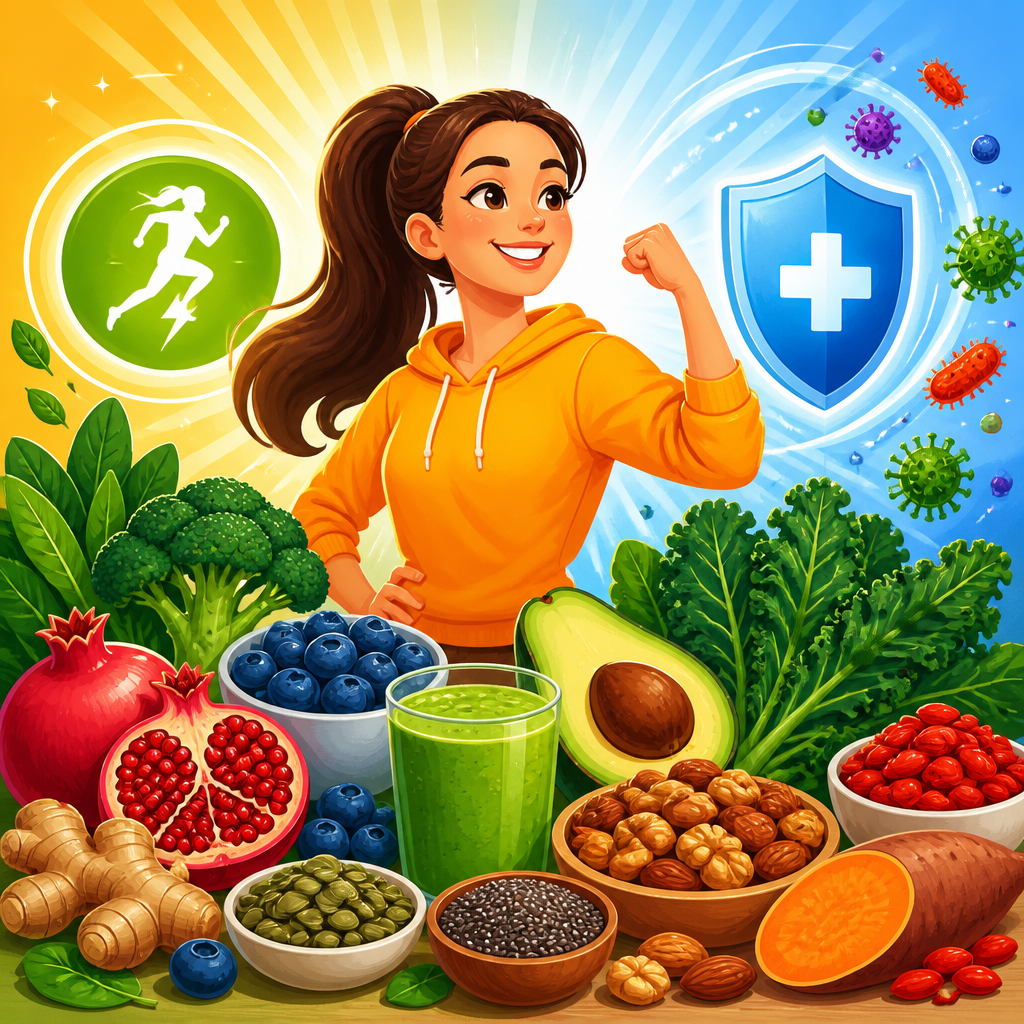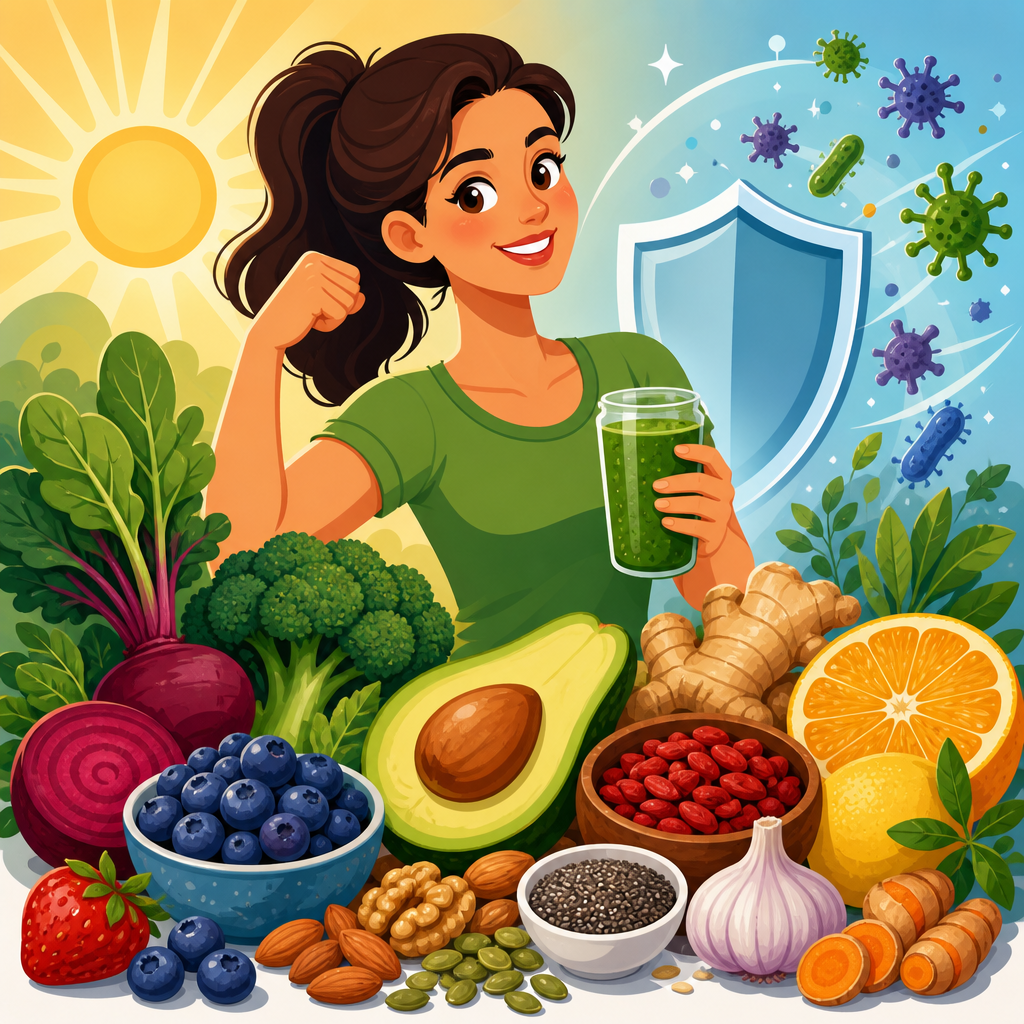
Breaking down superfoods for energy and immunity starts with a practical truth: no single food acts like a magic switch, but the right foods can measurably support how alert you feel, how well you recover, and how effectively your immune system responds to stress, infection, and daily wear. In nutrition practice, I have seen people expect instant results from trendy powders while overlooking basics such as protein intake, iron status, sleep quality, and overall calorie balance. Superfoods are best understood as nutrient-dense foods that deliver unusually high levels of vitamins, minerals, fiber, antioxidants, beneficial fats, or bioactive compounds relative to their calories. For energy, that means foods that help your body produce ATP, regulate blood sugar, carry oxygen, and support thyroid and mitochondrial function. For immunity, it means foods that help maintain physical barriers like the gut and skin, support white blood cell activity, and moderate inflammation without suppressing healthy immune signaling.
The topic matters because low energy and frequent illness are two of the most common reasons people rethink their diet. They are also easy to misread. Afternoon fatigue may reflect erratic blood glucose, inadequate iron, dehydration, or poor sleep rather than a need for more caffeine. Recurrent colds may relate to stress, low vitamin D, insufficient protein, or limited fruit and vegetable intake rather than a weak immune system in the abstract. Superfoods can help because many of them address multiple pathways at once. Fatty fish provides protein, selenium, vitamin D, and omega-3 fats. Citrus delivers vitamin C, fluids, and polyphenols. Yogurt can support the gut microbiome, which plays a central role in immunity. This hub explains which superfoods deserve attention, how they work, how to use them in ordinary meals, and where they fit within the bigger picture of health.
What counts as a superfood for energy and immunity
A useful definition is simple: a superfood is a minimally processed food with a dense concentration of nutrients or bioactive compounds linked to meaningful health benefits. That definition excludes most products marketed with the term while including many everyday foods sold in regular grocery stores. Blueberries, eggs, lentils, spinach, kefir, oats, and salmon qualify more convincingly than expensive candy-like bars dusted with powdered greens. When evaluating a superfood for energy and immunity, I look for five things. First, does it supply essential nutrients involved in energy metabolism, such as B vitamins, magnesium, iron, iodine, copper, or protein. Second, does it support immune defenses through vitamin C, vitamin A precursors, zinc, selenium, vitamin D, probiotics, or anti-inflammatory compounds. Third, is there human evidence behind it, not just cell studies. Fourth, can someone realistically eat it often. Fifth, does it complement, rather than distract from, a balanced dietary pattern.
This framework matters because energy and immunity are systems, not symptoms to target with a single ingredient. The body turns carbohydrate, fat, and protein into usable energy through coordinated metabolic pathways that require micronutrient cofactors. The immune system depends on adequate calories, amino acids for antibody production, a healthy gut lining, and a diverse intake of plant compounds that help regulate oxidative stress. Foods that repeatedly stand out include berries, citrus, leafy greens, cruciferous vegetables, legumes, nuts, seeds, fermented dairy, eggs, fatty fish, mushrooms, green tea, and whole grains. Some imported ingredients, such as matcha, goji berries, or acai, can be helpful, but they are not nutritionally superior enough to justify replacing affordable local foods. The best superfoods are the ones you can buy consistently, prepare easily, and fit into meals your household will actually eat every week.
The nutrients that actually drive energy and immune function
People often ask which vitamin gives the biggest energy boost. The honest answer is that vitamins do not provide calories, but they enable energy production. B vitamins, especially B1, B2, B3, B6, B12, and folate, act as cofactors in converting food into ATP. Iron is essential because it helps red blood cells carry oxygen; low iron can cause fatigue, poor concentration, shortness of breath, and reduced exercise tolerance even before anemia becomes severe. Magnesium supports hundreds of enzymatic reactions, including those involved in muscle function and glucose metabolism. Protein matters because it provides amino acids for neurotransmitters, enzymes, muscle repair, and immune cells. Complex carbohydrates matter because they provide a steady fuel source, particularly for active people. On the immune side, vitamin C supports immune cell function and collagen formation, vitamin A helps maintain mucosal barriers, zinc is required for normal immune development, selenium helps control oxidative stress, and vitamin D influences innate and adaptive immune responses.
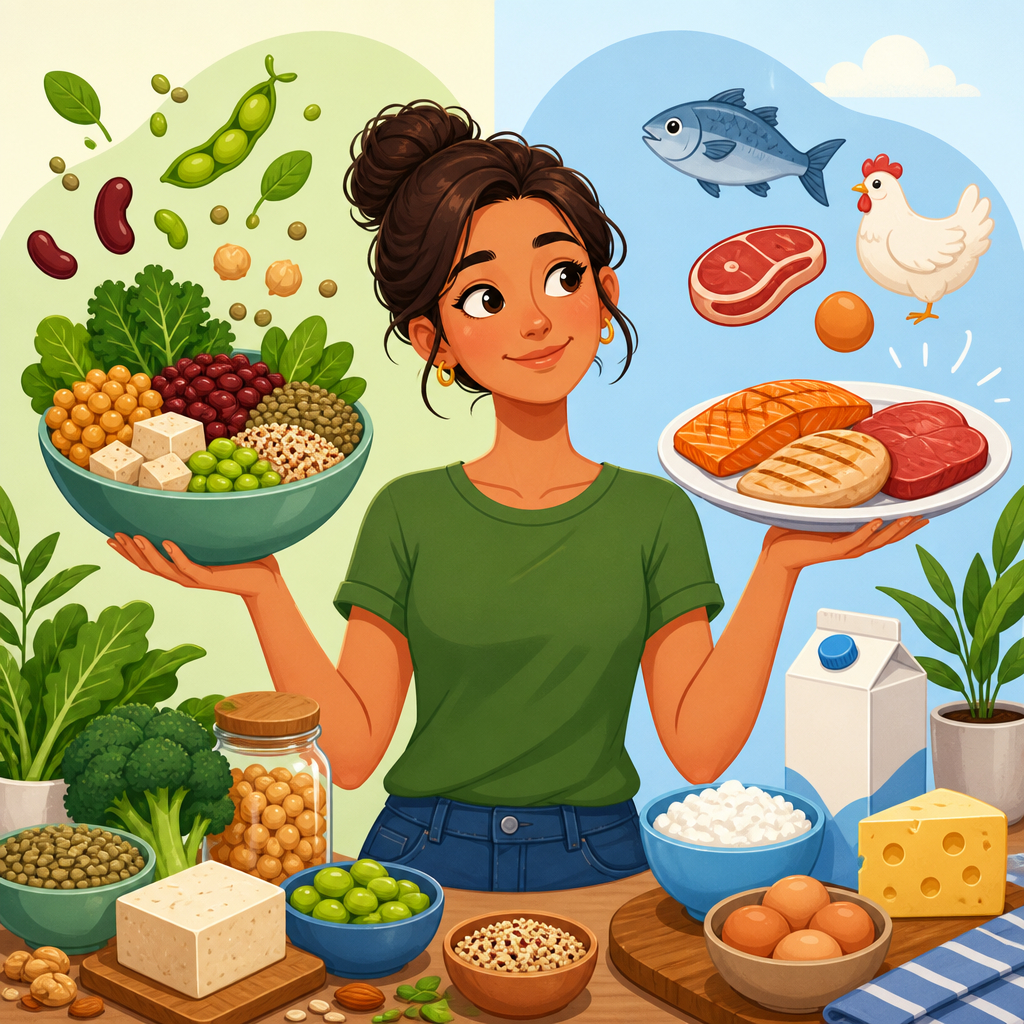
It is equally important to understand what drains energy and immunity. Very low-calorie dieting, excessive alcohol, high intake of ultra-processed snacks, chronic sleep restriction, and heavy training without recovery all increase nutritional strain. Blood sugar spikes followed by sharp drops can leave people tired and hungry, which is why pairing carbohydrates with protein, fat, and fiber works so well. I routinely recommend that clients build meals around a stabilizing template: a protein source, a high-fiber carbohydrate, colorful produce, and a healthy fat. For example, oatmeal with Greek yogurt, chia seeds, berries, and walnuts supports satiety, glucose control, gut health, and antioxidant intake in one bowl. The same principle applies to lunch with lentils, quinoa, roasted vegetables, olive oil, and pumpkin seeds. Superfoods become most effective when they are not isolated but layered together in combinations that cover multiple nutrient needs at once.
Best superfoods to prioritize in everyday meals
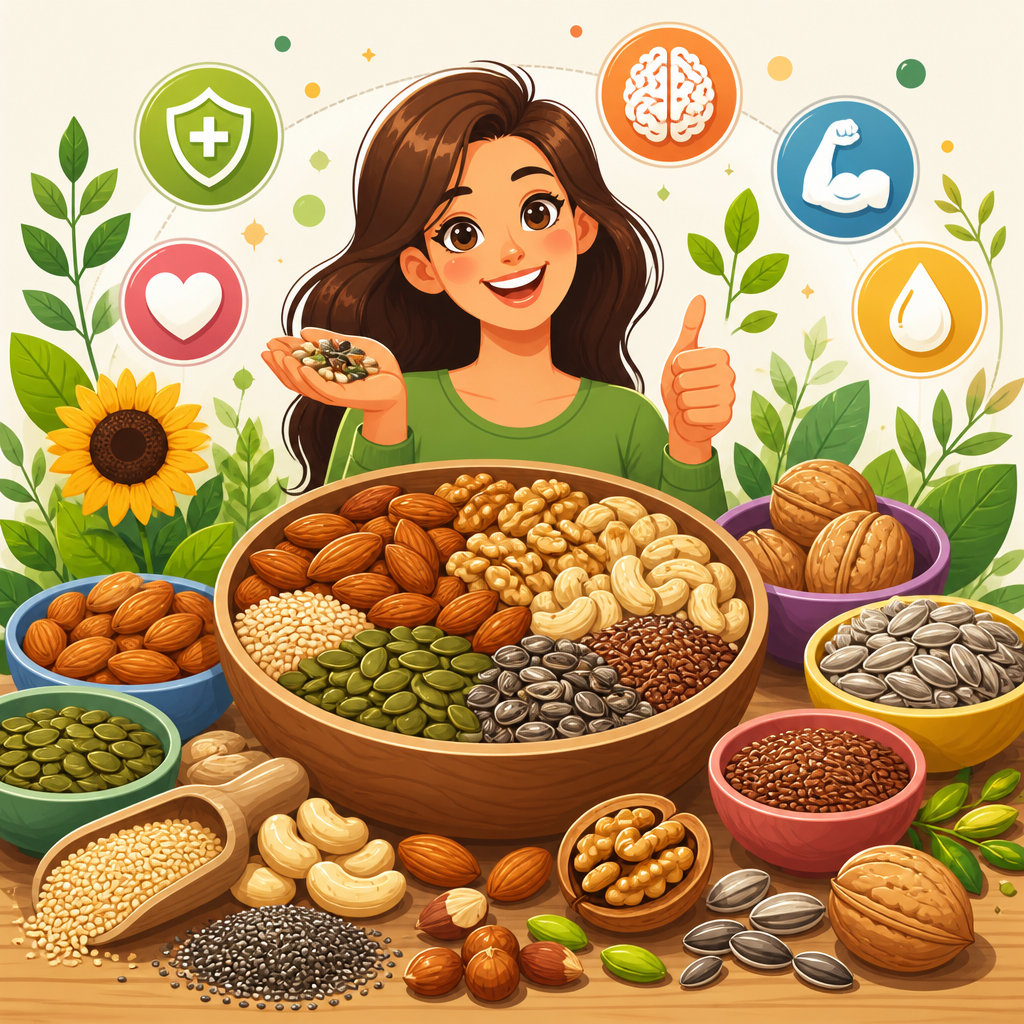
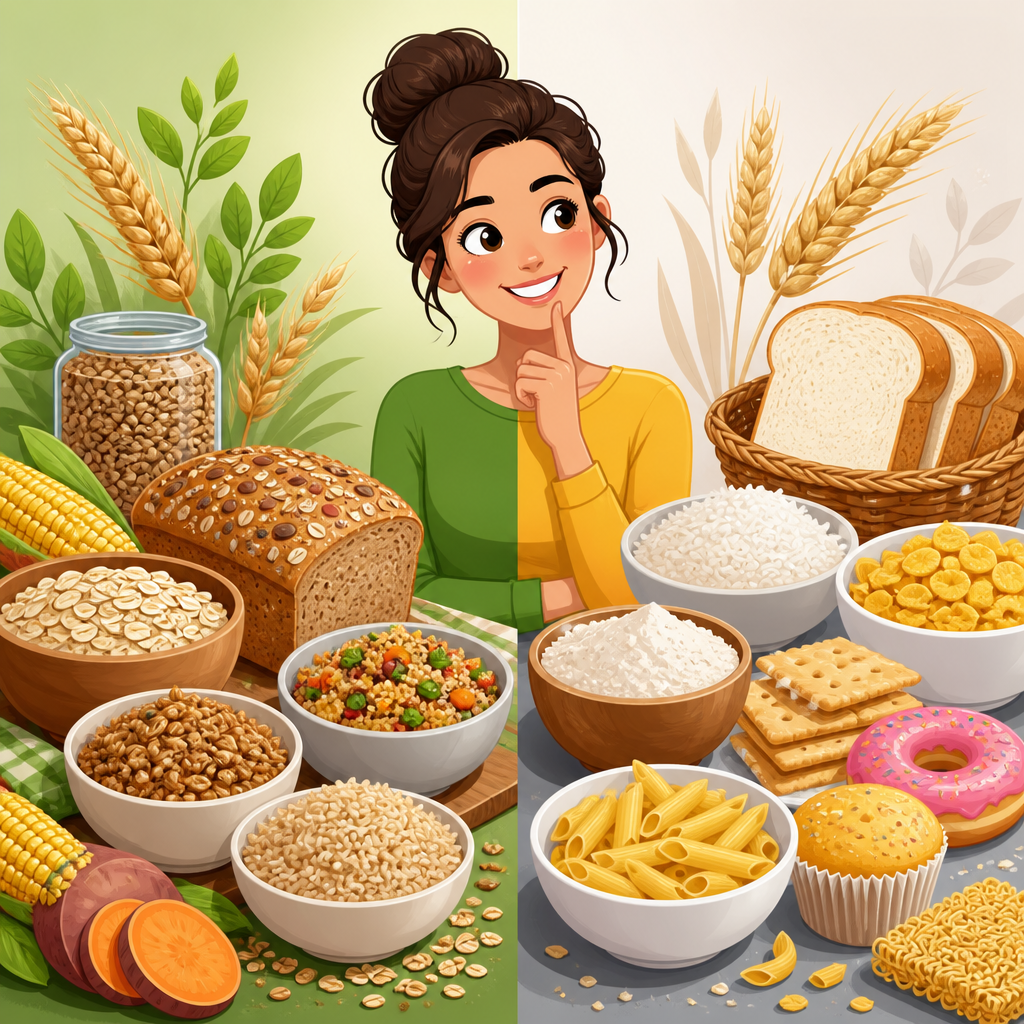
If someone asked me to build an energy and immunity grocery list with the strongest evidence and broadest usefulness, I would start with ten categories. Berries provide vitamin C, fiber, and anthocyanins linked to reduced oxidative stress. Citrus fruits add vitamin C, potassium, and hydration. Leafy greens such as spinach and kale supply folate, carotenoids, vitamin K, and magnesium. Sweet potatoes and carrots deliver beta-carotene for immune barrier support. Beans and lentils provide iron, folate, fiber, and slow-digesting carbohydrate. Eggs offer highly bioavailable protein, choline, selenium, and in some cases vitamin D. Salmon, sardines, and trout deliver omega-3 fats EPA and DHA alongside protein and selenium. Yogurt and kefir contribute protein, calcium, and live cultures that may support the gut microbiota. Nuts and seeds provide magnesium, zinc, healthy fats, and in the case of pumpkin seeds, notable mineral density. Oats and other whole grains offer beta-glucan fiber, which has been studied for cholesterol management and immune modulation.
Several plant foods deserve special mention because they influence immunity beyond their vitamin content. Garlic contains sulfur compounds including allicin, though the amount varies with preparation and it is not a substitute for medical care. Ginger may help with nausea, mild inflammation, and digestive comfort, which indirectly supports appetite and recovery when people are run down. Mushrooms exposed to ultraviolet light can provide vitamin D2, and varieties such as shiitake and maitake contain beta-glucans that have attracted interest for immune support. Green tea supplies catechins, especially EGCG, with antioxidant effects, though it should not replace hydration or meals. Dark cocoa, if minimally processed and low in added sugar, provides flavanols that may support vascular function, which can influence perceived energy through circulation and exercise tolerance. These foods are useful additions, but they work best as part of a pattern anchored by protein, produce, whole grains, and healthy fats.
| Superfood | Key nutrients or compounds | Main benefit for energy and immunity | Simple use |
|---|---|---|---|
| Salmon | Protein, omega-3s, selenium, vitamin D | Supports recovery, inflammation balance, immune signaling | Bake with potatoes and broccoli |
| Greek yogurt | Protein, calcium, probiotics | Supports gut health, satiety, steady energy | Pair with berries and oats |
| Lentils | Iron, folate, fiber, protein | Helps oxygen transport and blood sugar stability | Add to soup or grain bowls |
| Blueberries | Vitamin C, anthocyanins, fiber | Helps manage oxidative stress and supports recovery | Use fresh or frozen in smoothies |
| Pumpkin seeds | Magnesium, zinc, healthy fats | Supports immune function and muscle energy | Sprinkle on salads or yogurt |
How to combine superfoods for better absorption and steady energy
Food synergy is where this topic becomes practical. Nutrients are absorbed and used more effectively when foods are paired well. Iron from plants is less bioavailable than heme iron from animal foods, but adding vitamin C can significantly improve absorption. A lentil salad with bell peppers and lemon juice is stronger nutritionally than lentils alone. Fat-soluble compounds such as carotenoids in spinach, kale, and carrots are better absorbed when eaten with fat, so olive oil, avocado, eggs, or salmon make those vegetables more useful to the body. Protein slows gastric emptying and helps blunt rapid glucose swings, so fruit paired with yogurt or nuts is usually more sustaining than fruit juice or a plain pastry. Even timing matters. If you rely on caffeine instead of breakfast, you may feel briefly energized and then crash; if you start with protein, fiber, and fluid, energy is more stable through the morning.
There are also strategic combinations for immune resilience. Fermented dairy plus prebiotic fibers from oats, bananas, onions, asparagus, beans, or apples can feed beneficial gut microbes, supporting the intestinal barrier where a large share of immune activity is coordinated. Omega-3-rich fish paired with colorful vegetables creates a meal that addresses both inflammation balance and antioxidant intake. During winter, combining vitamin D sources such as eggs, fortified dairy, or fatty fish with regular outdoor light exposure can be more realistic than relying on one source alone. For active adults, a recovery meal after training should include carbohydrate to restore glycogen, protein to repair tissue, and micronutrient-rich produce. A salmon rice bowl with edamame, spinach, carrots, and sesame seeds checks every box. That is what a superfood strategy looks like in real life: less fascination with miracle ingredients, more attention to combinations that your body can use efficiently.
Common mistakes, limitations, and when food is not enough
The biggest mistake is treating superfoods as a shortcut around fundamentals. A spoonful of spirulina cannot compensate for sleeping five hours, skipping meals, or living on takeout. Another common error is ignoring deficiencies. If fatigue is driven by iron deficiency, vitamin B12 deficiency, hypothyroidism, sleep apnea, depression, uncontrolled diabetes, or an energy deficit from overtraining, adding berries will help less than identifying the root cause. For immunity, frequent infections warrant context. Children in school, parents exposed to viruses, healthcare workers, and travelers have higher exposure risk regardless of diet. Some people also overuse supplements marketed as immune boosters and end up taking excessive zinc, vitamin A, or herbal blends with poor evidence and possible interactions. Whole foods are generally safer and offer a matrix of nutrients, but even healthy foods have tradeoffs. Grapefruit can interact with medications. Green tea extracts have been associated with liver concerns in concentrated form. Raw sprouts can carry foodborne illness risk for vulnerable groups.
It is also important to know when food should be paired with medical guidance. Persistent fatigue, unexplained weight loss, repeated mouth ulcers, hair loss, shortness of breath, fever, enlarged lymph nodes, chronic digestive symptoms, or infections that keep returning deserve evaluation. Blood tests for ferritin, complete blood count, vitamin B12, vitamin D, thyroid function, and glucose control can change the entire nutrition plan. In clinical work, some of the best results come from combining diet improvement with a diagnosis people did not know they needed. Once an iron deficiency, celiac disease, or poorly controlled inflammation is addressed, superfoods become useful supports instead of false promises. The goal is not to dismiss nutrition but to place it correctly. Food is foundational, daily, and powerful over time. It is not a replacement for treating underlying disease, keeping vaccines current, practicing good hygiene, or getting adequate rest and stress management.
Building your superfood hub into a weekly routine
The most effective way to use superfoods for energy and immunity is to turn them into repeatable habits. Start with breakfast because it sets the tone for blood sugar control and appetite. A strong option is oats cooked with milk, topped with Greek yogurt, berries, chia seeds, and walnuts. Another is eggs with sautéed spinach and whole grain toast plus citrus on the side. For lunch, think in bowls and soups: lentil vegetable soup with olive oil, a quinoa bowl with salmon and roasted broccoli, or a chickpea salad with peppers, cucumber, pumpkin seeds, and lemon. Dinner can stay simple. Roast a tray of sweet potatoes, onions, and Brussels sprouts, add baked trout or tofu, and finish with yogurt and kiwi. Keep frozen berries, spinach, edamame, and fish on hand because convenience drives consistency. Canned sardines, beans, and tomatoes are equally valuable pantry tools.
As a hub topic, superfoods for energy and immunity naturally branches into deeper questions: which foods are best for iron, what to eat when stressed, how probiotics support the gut, whether adaptogens are worth it, and how to meal prep for stable energy. Those subtopics matter, but the core message is straightforward. Prioritize nutrient density, protein adequacy, fiber diversity, and realistic meal patterns before chasing novelty. Use a wide range of colorful plants, include fermented foods and omega-3 sources regularly, and pair foods in ways that improve absorption and staying power. Track how you feel for several weeks, not a single afternoon. Sustainable improvements in energy and resilience usually come from the cumulative effect of better meals, not from one dramatic ingredient. Build your grocery list around foods with evidence, eat them consistently, and seek professional help if fatigue or frequent illness persists. That is the reliable path to getting more from superfoods without falling for the myth.
Frequently Asked Questions
1. What does “superfood” really mean when it comes to energy and immunity?
The term “superfood” is mostly a marketing label rather than a strict scientific category. In practical nutrition, it usually refers to foods that are especially rich in vitamins, minerals, fiber, antioxidants, or other beneficial compounds that can help support overall health. When people talk about superfoods for energy and immunity, they are usually referring to foods that may help your body produce energy efficiently, reduce nutrient gaps, support recovery, and provide the raw materials your immune system needs to function well.
That said, no single food flips an “energy” switch or prevents illness on its own. Steady energy depends on a combination of factors, including enough total calories, adequate protein, balanced blood sugar, iron status, hydration, sleep, and stress management. Immune health works the same way. Your immune system depends on a wide range of nutrients such as vitamin C, vitamin D, zinc, selenium, iron, and protein, but it also relies heavily on sleep quality, exercise habits, and overall health status.
A better way to think about superfoods is as high-value foods that strengthen the foundation. Berries, leafy greens, yogurt, eggs, beans, fatty fish, citrus, seeds, and fermented foods can all be useful because they contribute meaningful nutrition in relatively compact servings. They do not replace the basics, but they can absolutely make a well-balanced eating pattern more supportive of consistent energy and a more resilient immune response.
2. Which superfoods actually help support energy levels without relying on caffeine or sugar?
If your goal is more stable, sustained energy, the most helpful foods are not necessarily exotic powders or expensive blends. They are foods that help your body maintain steady blood sugar, provide enough iron and B vitamins, support muscle recovery, and prevent the energy dips that come from under-eating or nutrient deficiencies. Some of the most useful options include oats, eggs, Greek yogurt, beans, lentils, nuts, seeds, leafy greens, sweet potatoes, bananas, and fatty fish.
For example, oats provide complex carbohydrates and fiber, which can help support a slower, more consistent release of energy compared with highly refined breakfast foods. Eggs offer high-quality protein along with nutrients such as choline and B vitamins that are involved in energy metabolism. Beans and lentils are especially valuable because they provide both carbohydrates and protein, plus iron and magnesium. That combination can be very helpful for people who feel drained due to poor meal balance.
Iron-rich foods deserve special attention. If someone is low in iron, no amount of trendy “energy superfoods” will work as well as correcting that underlying issue. Foods such as lentils, spinach, red meat, pumpkin seeds, and fortified cereals can help, especially when paired with vitamin C-rich foods to improve absorption. Fatty fish like salmon also support energy indirectly by helping with inflammation, recovery, and overall nutrient intake. In other words, the best foods for energy are the ones that support your physiology consistently, not just those that create a short-lived boost.
3. What foods are most useful for supporting the immune system naturally?
The immune system needs a broad, reliable supply of nutrients, not just one “immunity booster.” Foods that support immunity well tend to provide vitamin C, vitamin A, vitamin D, zinc, selenium, protein, and beneficial compounds that help regulate inflammation and gut health. Some of the most evidence-supported choices include citrus fruits, berries, kiwi, red bell peppers, garlic, ginger, yogurt, kefir, mushrooms, eggs, nuts, seeds, beans, and fatty fish.
Vitamin C-rich foods such as oranges, strawberries, kiwi, and peppers help support immune cell function and antioxidant defenses. Foods rich in vitamin A, including sweet potatoes, carrots, and dark leafy greens, help maintain the integrity of the skin and mucosal barriers, which are part of your body’s first line of defense. Zinc is another key nutrient for immune response, and you can get it from foods such as pumpkin seeds, meat, shellfish, beans, and dairy products.
Gut health also matters more than many people realize. A significant portion of the immune system interacts closely with the gut, which is why fermented foods like yogurt and kefir can be useful as part of a broader healthy diet. They are not cure-alls, but they may help support a healthier gut environment. Fatty fish adds further value by providing omega-3 fats and vitamin D, both of which play roles in immune regulation. The main takeaway is that immune-supportive eating is about variety, consistency, and nutritional adequacy, not chasing a single miracle ingredient.
4. Are powdered greens, berry blends, and other superfood supplements worth it?
They can be convenient, but they should be viewed as supplements to a good diet, not substitutes for one. Many powdered greens and superfood blends contain concentrated plant ingredients, and some can help increase intake of certain antioxidants or phytonutrients. However, they often create unrealistic expectations. People may hope a scoop of powder will make up for low protein intake, inadequate calories, poor sleep, or an iron deficiency, and that is where disappointment usually begins.
Whole foods still have important advantages. They provide fiber, water, texture, satiety, and a broader nutritional package that powders do not always replicate well. For example, eating berries, leafy greens, yogurt, beans, and nuts gives you not only vitamins and antioxidants, but also protein, healthy fats, and the physical volume that helps keep meals balanced and satisfying. Supplements are usually strongest when used to fill a practical gap, such as adding a greens powder during travel or using a protein powder when meeting protein needs is difficult.
Quality also varies widely. Some products contain proprietary blends with unclear amounts, added sugars, stimulants, or health claims that are much stronger than the evidence. If you choose a superfood supplement, it is smart to look for transparent labeling, third-party testing when possible, and a formula that fits an actual need rather than a trend. In most cases, your money is often better spent on consistent groceries: eggs, frozen berries, canned beans, plain yogurt, leafy greens, nuts, seeds, and fish. Those foods generally deliver more reliable benefits for both energy and immunity.
5. How can I add superfoods to my routine in a realistic way that actually makes a difference?
The most effective strategy is to stop thinking in terms of isolated “superfoods” and start building nutrient-dense meals that are easy to repeat. Real results usually come from small, consistent habits. A breakfast with Greek yogurt, berries, chia seeds, and oats gives you protein, fiber, antioxidants, and minerals that support steady energy. A lunch built around salmon or beans, greens, quinoa, and colorful vegetables adds protein, iron, omega-3s, and immune-supportive micronutrients. Even a simple snack like an apple with peanut butter or cottage cheese with fruit can help stabilize energy better than skipping meals.
It also helps to match food choices to common weak points. If afternoon fatigue is a problem, look first at whether meals contain enough protein and complex carbohydrates. If frequent illness or slow recovery is a concern, review overall diet quality, total calorie intake, sleep, and key nutrients such as vitamin D, iron, and zinc. Superfoods work best when they are part of a complete system, not when they are layered on top of poor fundamentals.
For most people, a realistic approach is to aim for variety across the week rather than perfection every day. Keep a few high-value staples on hand, such as frozen berries, spinach, eggs, canned lentils, yogurt, citrus, pumpkin seeds, and canned salmon. Use them repeatedly in meals you already enjoy. That kind of consistency is far more powerful than occasional “health kicks.” When superfoods are integrated into balanced eating patterns, they can absolutely support better energy, recovery, and immune resilience in a measurable, sustainable way.