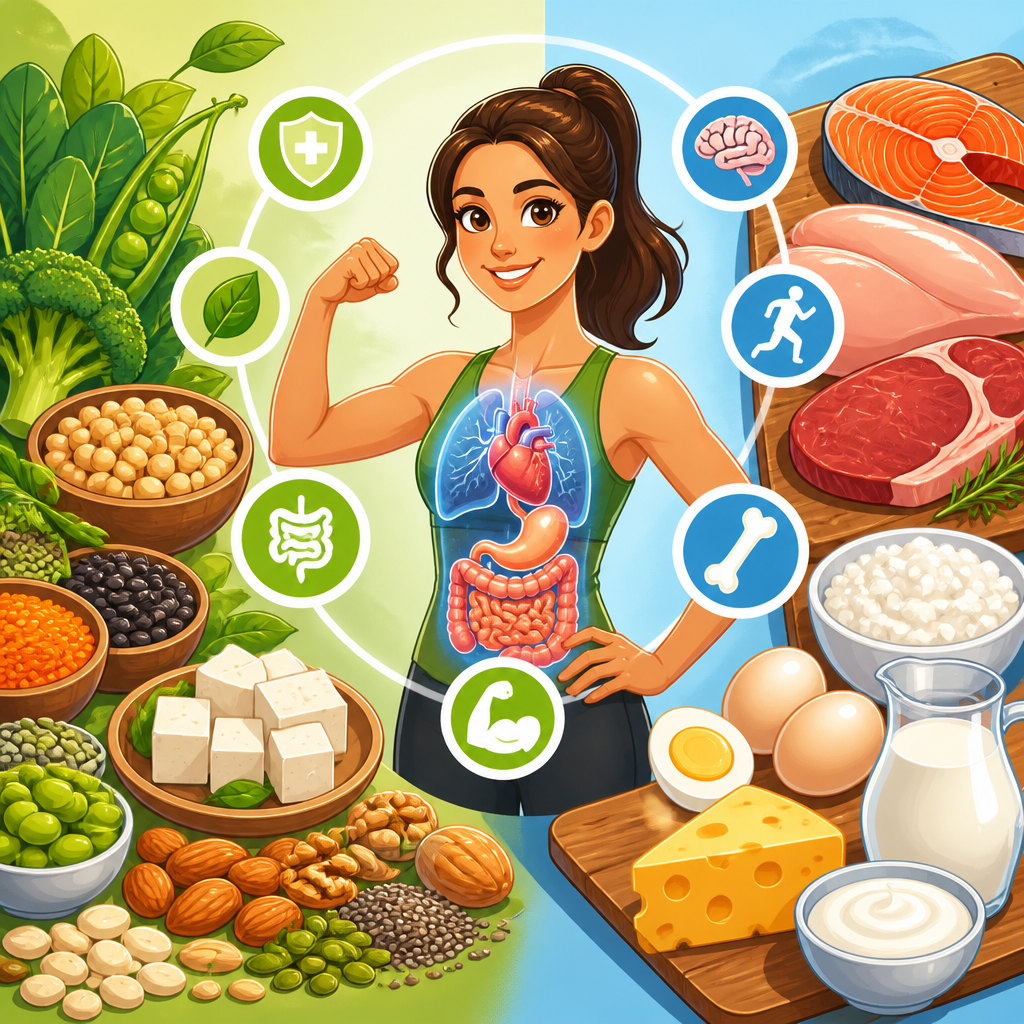
Protein is not just a gym nutrient; it is the structural and functional raw material behind muscle repair, immune defense, hormone signaling, enzyme activity, oxygen transport, fluid balance, and healthy aging. When people compare plant-based proteins vs. animal proteins, they are really asking a deeper question: which protein sources best support the body’s key functions, and under what circumstances? The answer is not as simple as declaring one side superior. In practice, both plant and animal proteins can contribute to excellent health, but they differ in amino acid profile, digestibility, micronutrient package, food matrix, and long-term effects on disease risk and sustainability.
Protein is made of amino acids, nine of which are essential because the body cannot produce them in adequate amounts. The body uses these amino acids to build and repair tissues, synthesize enzymes and neurotransmitters, create antibodies, and maintain lean mass during growth, recovery, and aging. Animal proteins from eggs, dairy, fish, poultry, and meat are often called complete proteins because they contain all essential amino acids in proportions that closely match human needs. Many plant proteins, including beans, lentils, nuts, seeds, and whole grains, are lower in one or more essential amino acids, though soy, quinoa, buckwheat, hemp seeds, and pea protein blends are notable exceptions or near-exceptions.
I have worked with meal planning for athletes, busy professionals, and older adults, and the most common mistake is framing protein quality as all-or-nothing. The body does not grade meals by ideology. It responds to total daily intake, amino acid availability, digestibility, energy balance, and overall diet quality. That is why this comparison matters. Understanding plant-based proteins vs. animal proteins helps people choose foods that support muscle maintenance, metabolic health, immune resilience, and heart health without overlooking practical issues such as budget, appetite, culture, or gastrointestinal tolerance. This article serves as a comprehensive hub for the topic, laying out how each protein category supports key body functions and how to use both approaches intelligently.
What Protein Does in the Body Every Day
Protein supports nearly every major physiological system. Skeletal muscle is the most obvious example, but protein is equally critical for collagen formation in skin, ligaments, and tendons; hemoglobin production for oxygen delivery; albumin for fluid regulation; and enzymes that drive digestion and cellular metabolism. Antibodies are proteins, many hormones are peptides or protein-derived, and neurotransmitter synthesis depends on amino acid availability. During illness, injury, pregnancy, growth, and aging, protein needs often rise because the body is building, repairing, or protecting tissue at a faster rate.
Protein also affects satiety and body composition. Compared with refined carbohydrates, adequate protein generally helps people feel fuller, preserve lean mass during weight loss, and maintain metabolic rate. Clinical guidelines commonly place adult protein needs at 0.8 grams per kilogram of body weight as a minimum to prevent deficiency, while active adults, older adults, and people in calorie deficits often benefit from roughly 1.2 to 2.0 grams per kilogram, depending on training load and medical context. Distribution matters too. A day that includes 25 to 40 grams of high-quality protein at meals usually supports muscle protein synthesis better than a pattern that backloads most protein at dinner.
The key point is simple: whether protein comes from chickpeas or chicken, tofu or trout, it must ultimately deliver enough essential amino acids to meet the body’s ongoing repair and regulatory demands. The differences lie in how efficiently that happens and what else comes packaged with the protein source.
How Plant-Based Proteins and Animal Proteins Differ
The most important technical differences are amino acid composition and digestibility. Animal proteins typically score higher on measures such as PDCAAS and DIAAS, standardized systems that estimate how well dietary protein supplies digestible essential amino acids. Whey, egg, milk, and meat generally provide robust amounts of leucine, the amino acid that acts as a key trigger for muscle protein synthesis. Many plant proteins contain less leucine per serving and may be less digestible because fiber and certain antinutritional factors slightly reduce amino acid absorption, although cooking, soaking, fermenting, sprouting, and isolating protein can improve this.
That does not mean plant protein is inadequate. It means planning matters. In real diets, people can meet amino acid needs by eating a variety of legumes, soy foods, whole grains, nuts, seeds, and higher-protein plant products over the course of the day. The old rule that complementary proteins must be combined in the same meal is too rigid; what matters is that the total pattern provides enough lysine, methionine, leucine, and total protein. A bowl of lentils and rice, tofu with soba, hummus and whole-grain pita, or oatmeal with soy milk and pumpkin seeds can all contribute to a complete amino acid intake pattern.
Food matrix matters too. Animal protein often comes with vitamin B12, heme iron, zinc, creatine, taurine, and highly bioavailable protein. Plant protein often comes with fiber, polyphenols, magnesium, potassium, and lower saturated fat. Those extras influence cardiovascular health, gut health, inflammation, and chronic disease risk. Comparing plant-based proteins vs. animal proteins is therefore not just about grams. It is about the whole nutritional package and the role that package plays in supporting body functions over time.
Muscle Repair, Strength, and Physical Performance
For building and maintaining muscle, animal proteins usually have a performance advantage per gram. Whey protein is the classic example because it is rapidly digested, rich in leucine, and consistently stimulates muscle protein synthesis after resistance training. Eggs, Greek yogurt, cottage cheese, fish, and lean poultry are also highly effective. In sports nutrition practice, these foods are reliable because they make it easier to hit leucine thresholds of roughly 2 to 3 grams per meal, a range commonly associated with a strong anabolic response in adults.
Plant proteins can still support strength and recovery, but they often require either larger portions, protein blending, or more deliberate meal construction. Soy protein is the strongest whole-food and supplemental competitor because it is complete and well studied. Pea and rice protein blends are also useful because pea contributes lysine while rice contributes methionine. I have seen vegan athletes do very well when they stop thinking in terms of isolated “healthy foods” and start planning for actual protein targets: for example, a breakfast with soy yogurt and chia, a lunch built around tempeh, and a post-workout shake using a pea-rice blend.
Older adults deserve special attention because anabolic resistance makes muscle maintenance harder with age. They often need more protein per meal than younger adults to stimulate muscle protein synthesis effectively. For this group, animal proteins can be especially practical because smaller portions deliver higher-quality protein. Still, well-planned plant-forward diets can work if meals are protein-dense and total intake is adequate.
| Protein source | Typical strength | Watch-out | Best use case |
|---|---|---|---|
| Whey or dairy | High leucine, fast digestion | Not suitable for dairy allergy | Post-workout recovery, older adults |
| Eggs | Excellent amino acid profile | Lower protein density than powders | Breakfast, recovery meals |
| Fish or poultry | Complete protein, nutrient-rich | Requires cooking and storage | Main meals for muscle maintenance |
| Soy foods | Complete plant protein | Some people under-eat portions | Plant-based muscle support |
| Pea-rice blends | Improved amino acid balance | Often lower leucine than whey | Vegan shakes and convenience |
| Beans and lentils | Protein plus fiber and minerals | Lower protein density per calorie | Everyday health, mixed meals |
Immune Function, Hormones, and Enzyme Production
The immune system depends on protein to manufacture antibodies, signaling molecules, and protective cells. During infection, surgery, or wound healing, protein turnover increases sharply. Animal proteins can be helpful here because they provide concentrated essential amino acids in smaller serving sizes, which matters when appetite is poor. Dairy proteins also supply cysteine, a precursor involved in glutathione production, one of the body’s important antioxidant defenses. Eggs contribute choline, which supports cell membrane integrity and liver function.
Plant proteins support these same functions when total intake is sufficient, and they bring advantages that matter for long-term immune and metabolic regulation. Legumes, nuts, and seeds deliver zinc, copper, selenium, and polyphenols that influence immune signaling and oxidative stress. Fermented soy foods such as tempeh and miso can also fit well in diets aimed at supporting gut-immune interactions. Since much of immune activity is linked to intestinal health, the fiber in plant protein foods becomes a major asset by feeding beneficial gut microbes that produce short-chain fatty acids.
Hormones and enzymes depend on adequate amino acid availability, but micronutrients determine whether those systems operate efficiently. A person eating little or no animal food must pay close attention to vitamin B12, iron, zinc, iodine, and sometimes omega-3 status. A person relying heavily on processed meat may get protein but compromise cardiovascular and metabolic health. The body needs enough protein, but it also needs the right context around that protein to perform well.
Heart Health, Metabolism, and Healthy Aging
When the question shifts from short-term muscle gain to long-term disease prevention, plant protein often gains ground. Replacing some red and processed meat with beans, lentils, tofu, nuts, and seeds is consistently associated with better cardiovascular outcomes. One reason is displacement: plant proteins generally reduce intake of saturated fat and sodium-heavy processed meats. Another reason is addition: legumes and nuts contribute soluble fiber, unsaturated fats, magnesium, and phytochemicals linked to lower LDL cholesterol, improved blood pressure, and better glycemic control.
This does not mean all animal protein is harmful. Fish is associated with cardiovascular benefits, partly because it supplies EPA and DHA omega-3 fats. Fermented dairy and yogurt can fit well in heart-healthy dietary patterns. The strongest concern centers on frequent intake of processed meats such as bacon, sausage, deli meats, and hot dogs, which are linked with higher risk of cardiovascular disease, type 2 diabetes, and colorectal cancer in large observational studies.
For healthy aging, both protein amount and source matter. Older adults need enough high-quality protein to reduce sarcopenia, maintain balance, and recover from illness. At the same time, they often benefit from the cardiometabolic protection of plant-forward eating. In practice, a mixed strategy works well: fish, yogurt, eggs, tofu, lentils, and nuts can collectively support strength, mobility, and vascular health better than a pattern built around either protein shakes alone or processed meat-heavy meals.
How to Choose the Right Balance for Your Diet
The best balance between plant-based proteins and animal proteins depends on health goals, age, activity level, ethics, budget, and digestive tolerance. If your priority is maximizing muscle gain with minimal food volume, animal proteins and fortified protein supplements are efficient. If your priority is improving cholesterol, increasing fiber, and reducing environmental impact, plant proteins deserve a larger share of the plate. Most people do not need to choose an extreme. They need a repeatable pattern that covers protein quantity, quality, and food quality at the same time.
A practical framework is to build meals around a clear protein anchor. Animal-based examples include eggs at breakfast, Greek yogurt as a snack, salmon at lunch, or cottage cheese after training. Plant-based examples include tofu scramble, edamame, tempeh stir-fry, lentil pasta, black beans, or a soy or pea-protein smoothie. If a meal is primarily plant-based, increasing the serving size or pairing foods strategically improves results. A quinoa salad with chickpeas is good; adding tofu or pumpkin seeds makes it stronger. Oatmeal is fine; preparing it with soy milk and adding hemp seeds raises protein quality and total content.
Watch the common pitfalls. Plant-based eaters often underestimate protein needs or rely too heavily on low-protein vegetables. Animal-based eaters often overconsume processed meat and neglect fiber. Both patterns fail when convenience foods crowd out whole-food staples. The most effective diet is usually the one you can maintain while consistently hitting protein targets from minimally processed, nutrient-dense foods.
Plant-based proteins vs. animal proteins is not a debate with one winner; it is a decision about how to match protein sources to the body’s real functional needs. Animal proteins generally offer more digestible essential amino acids per serving, making them highly effective for muscle repair, recovery, and situations where appetite is limited. Plant proteins provide meaningful support for all the same core functions when intake is planned well, and they add advantages in fiber, phytochemicals, and long-term cardiometabolic protection. The healthiest pattern for many people is not strict opposition but strategic inclusion.
If you remember three points, make them these: first, total daily protein and meal distribution matter more than diet labels; second, protein quality influences how easily you meet needs for muscle maintenance and recovery; third, the overall food package around protein affects heart health, gut health, and aging. Whether you eat omnivorously, mostly plant-based, or fully vegan, you can support the body’s key functions by choosing protein sources intentionally rather than casually. Review your current meals, identify where protein quality or quantity is weak, and upgrade one meal at a time.
Frequently Asked Questions
1. Are plant-based proteins and animal proteins equally effective at supporting the body’s key functions?
Both plant-based and animal proteins can support the body’s essential functions, but they do so with some important differences in digestion, amino acid profile, and overall nutrient package. Protein is required for far more than muscle growth. Your body relies on it to build and repair tissues, create enzymes that drive chemical reactions, produce hormones that regulate metabolism and appetite, form antibodies for immune defense, transport oxygen through hemoglobin, and maintain fluid balance throughout the body. From that perspective, the most important question is not whether one category is universally “better,” but whether your total protein intake and protein quality consistently meet your needs.
Animal proteins such as eggs, dairy, fish, poultry, and meat are often called complete proteins because they naturally contain all nine essential amino acids in proportions that closely match human requirements. That can make them especially efficient for supporting muscle protein synthesis, recovery, and tissue maintenance. Many animal proteins also have high digestibility, meaning your body can absorb and use a large percentage of what you eat.
Plant proteins can absolutely support the same body functions, but some individual plant sources are lower in one or more essential amino acids. For example, legumes may be lower in methionine, while some grains may be lower in lysine. That does not mean plant proteins are inadequate. It simply means variety matters more. Eating a mix of beans, lentils, soy foods, peas, whole grains, nuts, and seeds across the day helps create a more balanced amino acid intake. Soy, tofu, tempeh, edamame, quinoa, and combinations such as beans and rice are especially useful options.
In real-world nutrition, both approaches can work very well. Animal proteins may offer a simpler path to meeting amino acid needs in smaller portions, while plant proteins can provide fiber, antioxidants, and beneficial phytonutrients alongside protein. The best choice often depends on age, activity level, health goals, digestive tolerance, ethical preferences, and the overall diet pattern rather than the protein label alone.
2. Which is better for muscle repair, healthy aging, and maintaining strength: plant protein or animal protein?
For muscle repair and strength maintenance, animal proteins often have a practical advantage because they tend to deliver more leucine and a full spectrum of essential amino acids per serving. Leucine is especially important because it helps trigger muscle protein synthesis, the process your body uses to repair and build muscle tissue. After exercise, during recovery from illness, or with aging, that leucine content can matter.
That said, plant protein can still be highly effective for muscle support when intake is intentional. The main consideration is that some plant proteins provide lower concentrations of leucine or lower overall essential amino acid density per serving. As a result, someone relying mainly on plant protein may need slightly larger portions, more total daily protein, or strategically chosen protein sources to achieve similar muscle-building and maintenance effects. Soy foods, pea protein, lentils, seitan, tofu, tempeh, and protein blends made from multiple plant sources are especially useful.
This becomes even more relevant with healthy aging. As people get older, the body becomes less responsive to smaller doses of protein, a phenomenon sometimes called anabolic resistance. Older adults often benefit from consuming enough high-quality protein at each meal rather than concentrating it all at dinner. Animal proteins can make this easier because they are compact and amino-acid rich, but well-planned plant-based meals can work too, particularly when they include protein-dense foods and sufficient calories.
The bottom line is that animal protein may be more efficient gram for gram for muscle repair and preservation, but plant protein is still a strong option when meals are designed thoughtfully. For active adults and older adults alike, consistency matters most: adequate total protein, regular meal distribution, and a variety of nutrient-dense foods do more for long-term strength than choosing one protein category in isolation.
3. Do plant-based proteins provide enough amino acids for immune function, hormones, enzymes, and oxygen transport?
Yes, plant-based proteins can provide enough amino acids to support immune defense, hormone production, enzyme activity, and oxygen transport, but it is important to understand how these systems depend on total protein intake and amino acid balance. Antibodies are made from protein. Many hormones are protein-based or rely on amino-acid building blocks. Enzymes, which control countless metabolic reactions, are proteins. Hemoglobin, the oxygen-carrying component of red blood cells, also depends on protein as part of its structure. If protein intake is chronically too low, these systems can suffer regardless of whether the diet is plant-based or animal-based.
Animal proteins often simplify the equation because they come with a complete amino acid profile in one food. Plant proteins can do the same job, but success depends more on variety and adequacy. A well-planned plant-based diet that includes legumes, soy foods, whole grains, nuts, and seeds can cover essential amino acid needs over the course of the day. The old idea that proteins must be combined in the same meal is overly rigid; what matters most is a consistently varied diet.
There is one additional point worth noting: when people compare protein sources, they sometimes overlook companion nutrients that support these same functions. For example, oxygen transport depends not only on protein but also on iron, vitamin B12, folate, and sometimes copper. Immune health depends on adequate zinc, selenium, vitamin D, and overall energy intake in addition to protein. Animal foods often provide highly bioavailable B12, heme iron, and zinc, while plant-based diets may require more intentional food choices, fortified foods, or supplements to cover certain gaps.
So, yes, plant proteins can absolutely support these key body functions. They simply require a more deliberate approach to food variety and nutrient planning, especially for people with higher needs, limited appetites, or restrictive eating patterns.
4. Is one type of protein better for digestion, satiety, and overall metabolic health?
It depends on the specific food, not just whether it comes from a plant or an animal. Digestion, fullness, and metabolic response are influenced by protein quantity, fiber content, fat content, food processing, and the structure of the meal as a whole. Animal proteins are generally highly digestible and provide a concentrated source of amino acids, which can make them efficient for recovery and tissue repair. Eggs, yogurt, fish, and lean poultry are common examples of proteins that many people digest well.
Plant proteins bring a different set of benefits. Foods like beans, lentils, chickpeas, tofu, tempeh, nuts, and seeds often include fiber, which can slow digestion, improve satiety, support blood sugar stability, and benefit gut health. That makes plant-forward meals especially valuable for long-term metabolic health. Fiber also feeds beneficial gut bacteria, something animal proteins do not provide on their own.
However, digestion is individual. Some people experience bloating or discomfort with legumes because of fermentable carbohydrates, while others may struggle with high-fat animal foods or certain dairy products. Preparation methods matter too. Soaking beans, choosing fermented soy foods like tempeh, and gradually increasing fiber intake can improve tolerance to plant proteins. On the animal side, choosing less processed cuts and avoiding excessive saturated fat can improve how those foods fit into a heart-healthy eating pattern.
For satiety, both plant and animal proteins can be effective. Protein itself is filling, but plant proteins often come packaged with fiber, while animal proteins may provide more protein in a smaller volume. In practice, overall metabolic health tends to improve most when protein comes from minimally processed, nutrient-dense foods and is balanced with vegetables, fruits, healthy fats, and quality carbohydrates.
5. How should someone choose between plant-based proteins and animal proteins for the best overall health results?
The best approach is usually to match your protein choices to your health goals, lifestyle, and nutritional needs rather than trying to declare one side the universal winner. If your priority is maximum protein efficiency, easier access to complete amino acid profiles, or support during intense training, illness recovery, or older age, animal proteins may offer convenience and potency in smaller servings. If your priority is increasing fiber intake, supporting heart health, eating more sustainably, or building a diet around minimally processed whole foods, plant proteins can be an excellent foundation.
Many people do best with a mixed strategy. Combining plant and animal proteins can give you the amino acid completeness and nutrient density of animal foods along with the fiber, phytonutrients, and dietary diversity that plant foods provide. For example, Greek yogurt with chia seeds, salmon with lentils, eggs with black beans, or tofu stir-fry with quinoa are balanced ways to support muscle repair, metabolic health, immune function, and healthy aging all at once.
If you follow a fully plant-based diet, pay special attention to total protein intake, meal distribution, and key nutrients such as vitamin B12, iron, calcium, zinc, iodine, and omega-3 fats. If you eat animal products regularly, it still makes sense to prioritize quality by emphasizing fish, eggs, fermented dairy, and lean or less processed meats while keeping highly processed meats limited.
Ultimately, the body cares about whether it receives enough usable protein and the supporting nutrients needed to turn that protein into structure, function,