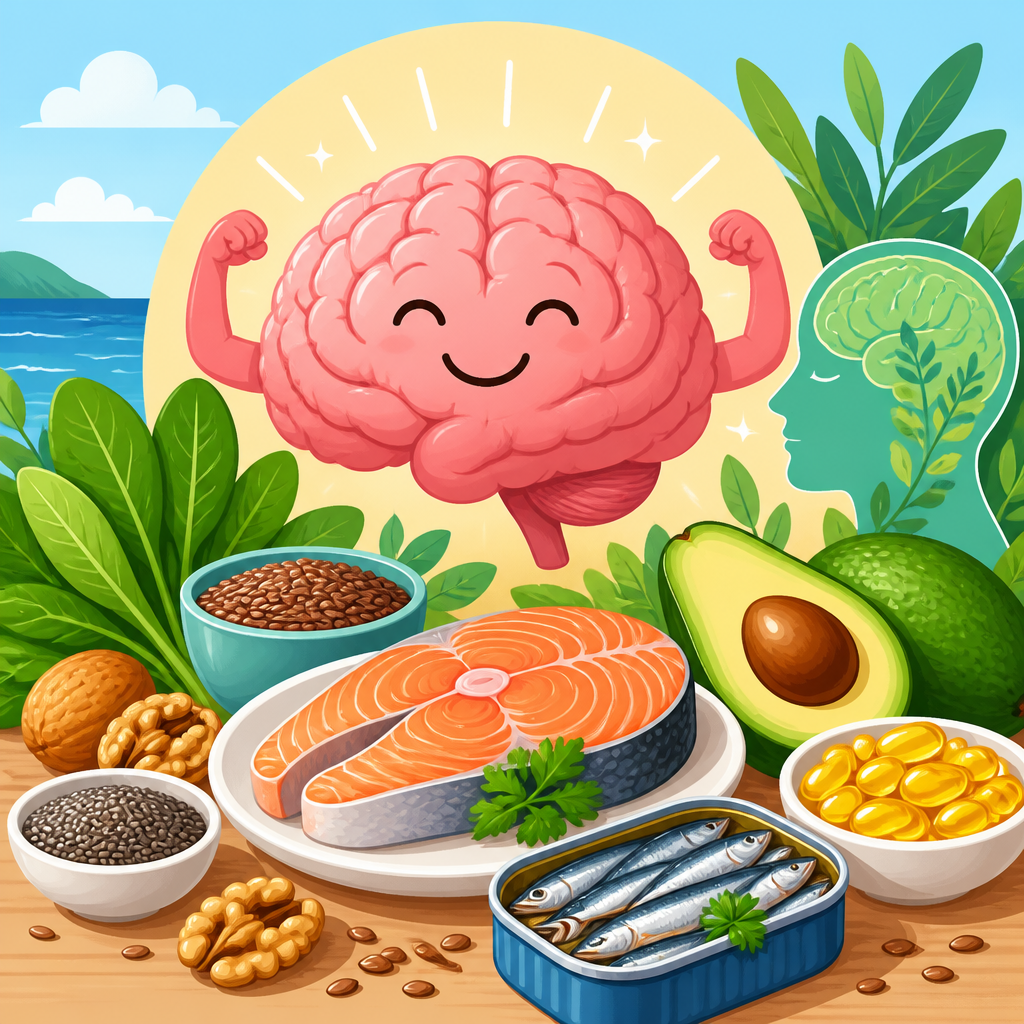
Omega-3 rich foods and brain health belong in the same conversation because the human brain is built, protected, and regulated in part by fats that the body cannot efficiently make on its own. Omega-3 fatty acids are a family of polyunsaturated fats, with alpha-linolenic acid, or ALA, found mainly in plant foods, and eicosapentaenoic acid and docosahexaenoic acid, known as EPA and DHA, found primarily in seafood and algae. Of these, DHA has a particularly direct structural role in brain tissue. It is highly concentrated in neuronal membranes, where it influences membrane fluidity, cell signaling, and the function of receptors involved in learning, mood, and cognition. EPA, while less abundant in brain structure, supports inflammatory balance and vascular function, both of which affect mental performance over time.
When I evaluate diets for cognitive support, I look first at overall eating patterns, then at whether meaningful omega-3 sources appear consistently through the week. This matters because brain health is not only about memory loss prevention in older age. It includes attention, emotional regulation, mental stamina, healthy neurodevelopment in pregnancy and childhood, and preserving function as people move through adulthood. The World Health Organization and many cardiometabolic guidelines emphasize regular fish intake for general health, and neurology and psychiatry research increasingly connects adequate omega-3 status with healthy brain aging and mood resilience. Deficiency is rarely dramatic in the short term, but low intake over years can contribute to a pattern of missed support for the nervous system.
A balanced diet includes the right mix of macronutrients, micronutrients, fiber, and protective compounds, and omega-3 fats fit into that broader framework rather than acting as magic bullets. They work alongside B vitamins, choline, antioxidants, protein, sleep, exercise, and blood sugar control. Still, omega-3 rich foods deserve special attention because intake is commonly lower than recommended, while competing omega-6 fats from processed foods often dominate modern diets. The practical question is simple: which foods provide useful amounts, how often should they appear, and how can different eaters, including those who avoid fish, build a pattern that supports long-term brain health without making meals complicated?
How Omega-3 Fatty Acids Support the Brain
Omega-3s support the brain through three primary mechanisms: structure, signaling, and protection. DHA is a key component of phospholipid membranes in neurons and the retina. Membrane quality affects how efficiently nerve cells communicate, receive neurotransmitters, and adapt through synaptic plasticity. Synaptic plasticity is the brain’s ability to strengthen or weaken connections based on experience, a process essential for learning and memory. In practical terms, when dietary patterns regularly supply DHA, the brain has access to a raw material it uses to maintain these cell membranes. EPA contributes differently. It is involved in producing signaling molecules that help regulate inflammation, and chronic neuroinflammation is associated with cognitive decline, depression, and several neurodegenerative conditions.
Omega-3 fats also influence cerebral blood flow and vascular integrity. The brain consumes a disproportionate amount of the body’s energy, so healthy circulation matters. Diets that include fatty fish often overlap with eating patterns linked to better cardiovascular markers, and what protects the heart frequently supports the brain. This is one reason Mediterranean-style eating patterns repeatedly appear in studies on cognitive preservation. They do not rely on a single nutrient, but omega-3 rich foods are a defining feature. For people asking whether omega-3s improve concentration immediately, the answer is nuanced. They are not stimulants. Their value is cumulative, supporting the biological environment in which attention, memory, and mood can function more reliably.
Research findings are strongest for maintaining health rather than delivering dramatic short-term gains. During pregnancy and infancy, DHA is critical because the brain and eyes are developing rapidly. In adults, adequate intake is associated with better maintenance of cognitive function, and some evidence suggests benefits for mood disorders, especially when EPA-rich formulations are used clinically as adjunctive support. However, results vary because study design, baseline diet, dosage, and health status differ. The most reliable dietary takeaway is that regular intake of omega-3 rich foods is a foundational habit, not a quick fix, and it belongs in a balanced diet because the brain depends on it across the lifespan.
Best Omega-3 Rich Foods for Brain Health
The best food sources for brain-supportive omega-3s are cold-water fatty fish because they deliver preformed EPA and DHA in amounts the body can use directly. Salmon, sardines, mackerel, herring, anchovies, and trout consistently rank highest. A typical 3.5-ounce serving of salmon can provide well over one gram of EPA plus DHA, while sardines offer a concentrated option that is shelf stable and affordable. In meal planning, I often recommend aiming for two servings of low-mercury fatty fish each week, a target aligned with guidance from organizations such as the American Heart Association and reflected in many national dietary recommendations. Canned salmon and sardines count, making this easier than many people assume.
Plant foods also matter, especially for dietary diversity and for people who eat little or no seafood. Flaxseeds, chia seeds, hemp seeds, walnuts, and canola oil provide ALA. ALA is beneficial, but conversion to EPA and DHA is limited. Most adults convert only a small fraction of ALA into EPA and an even smaller fraction into DHA, which is why relying only on walnuts or flax for brain-focused omega-3 intake has limitations. That does not make plant sources unimportant. They still improve the fat profile of the diet and can contribute to overall nutritional quality. For strict vegetarians and vegans, algae oil is the most direct non-fish source of DHA, and some products also include EPA.
| Food | Main Omega-3 Type | Brain Health Advantage | Practical Use |
|---|---|---|---|
| Salmon | EPA and DHA | Direct structural and anti-inflammatory support | Bake, grill, or add canned salmon to salads |
| Sardines | EPA and DHA | High omega-3 density with calcium and vitamin D | Use on toast, in pasta, or with crackers |
| Trout | EPA and DHA | Mild flavor and strong nutrient profile | Roast with herbs and vegetables |
| Flaxseed | ALA | Supports overall fat quality, though conversion is limited | Stir ground flax into oats or yogurt |
| Walnuts | ALA | Convenient snack with polyphenols and minerals | Add to breakfast bowls or salads |
| Algae oil foods or supplements | DHA, sometimes EPA | Direct vegan source for brain-focused intake | Use fortified products or clinician-guided supplements |
Eggs, dairy, and fortified foods can contribute smaller amounts when animals are fed omega-3 enriched diets, but they usually do not match seafood as primary sources. Quality and sourcing matter too. Choosing lower-mercury fish is important, especially for pregnant people and children. Salmon, sardines, trout, Atlantic mackerel, and herring are generally preferred over high-mercury fish such as king mackerel, shark, swordfish, and tilefish. For most households, the most sustainable strategy is not chasing exotic foods. It is building a repeatable rotation: one salmon meal, one sardine or trout meal, and plant sources through the week to reinforce the diet.
How Much Omega-3 Do You Need in a Balanced Diet?
There is no single global target that fits every label you will read, because authorities set recommendations in different ways. Some establish adequate intake levels for ALA, while others give practical advice for EPA and DHA through fish consumption. For adults, ALA recommendations commonly sit around 1.1 grams per day for women and 1.6 grams per day for men. For EPA and DHA, many experts consider 250 to 500 milligrams per day combined a reasonable general health intake, which can often be met by eating fatty fish twice weekly. Pregnancy and breastfeeding increase the importance of DHA, and many clinicians advise ensuring at least 200 milligrams of DHA daily from food or supplements when needed.
Needs also depend on context. Someone who never eats seafood, has a highly processed diet, or has elevated triglycerides may need a more intentional plan than someone already following a seafood-rich Mediterranean pattern. Older adults may benefit from paying closer attention because aging brains face higher inflammatory and vascular stress. Children need omega-3s as well, but portion sizes and mercury considerations differ by age. One common misconception is that more is always better. It is not. Very high supplemental doses can interact with medications, particularly anticoagulants, and may cause gastrointestinal side effects. Food-first intake remains the safest default for most people because it delivers protein, selenium, vitamin D, iodine, and other nutrients with the fats.
Balance also means looking beyond absolute intake. If a diet is overloaded with ultra-processed foods high in omega-6-rich oils and low in whole foods, adding one spoonful of chia seeds will not solve the broader issue. Brain health responds to patterns. A useful rule is to distribute omega-3 sources across the week: fatty fish meals, plant sources in breakfasts or snacks, and minimal reliance on fried convenience foods that displace nutrient-dense choices. This approach supports intake without forcing calculations at every meal and keeps the focus where it belongs, on a balanced diet rather than isolated numbers.
Who Benefits Most and What Are the Limitations?
Nearly everyone benefits from including omega-3 rich foods, but certain groups have more to gain from paying close attention. Pregnant and breastfeeding women need DHA to support fetal and infant brain and eye development. Children and teenagers benefit during years of rapid neural growth, though the most important strategy is establishing a generally high-quality diet rather than chasing supplements. Adults under high cognitive demand often ask whether omega-3s can help productivity. In my experience, they are most useful as part of a broader foundation that includes sleep, exercise, hydration, and stable meal timing. People with low fish intake, restricted diets, cardiovascular risk factors, high triglycerides, or family histories of cognitive decline should be especially deliberate.
There are, however, real limitations. Diet alone cannot prevent every neurological disease, treat severe depression by itself, or reverse advanced cognitive impairment. Study results on memory enhancement in healthy adults are mixed, and baseline status matters. If someone already has adequate omega-3 intake, added supplements may provide little visible change. Conversion from ALA to DHA remains a major limitation for plant-only diets, which is why algae-derived DHA is often discussed in evidence-based vegetarian planning. Cost and access matter too. Fresh fish can be expensive or unavailable, but canned seafood, frozen fillets, and fortified products make the strategy more realistic. Sustainability is another legitimate concern, so choosing certified fisheries or responsibly farmed options can help align health goals with environmental ones.
Finally, safety should be part of the conversation. Fish allergies, medication interactions, and contamination concerns deserve attention. Reputable brands that test for heavy metals and oxidation are preferable if supplements are used. Fish oil should not smell rancid, and softgels are not interchangeable in quality. The balanced position is clear: omega-3 rich foods are essential within a brain-supportive diet, but they work best when matched to individual needs, food preferences, budget, and medical context.
How to Build a Brain-Healthy Eating Pattern Around Omega-3s
The most effective way to use omega-3 rich foods is to anchor them in repeatable meals rather than treating them as occasional add-ons. Start with a weekly plan. Include two seafood meals built around salmon, trout, sardines, or herring. Pair them with high-fiber carbohydrates such as beans, oats, quinoa, or potatoes, and add vegetables rich in polyphenols like spinach, broccoli, tomatoes, or berries elsewhere in the day. This matters because brain health is influenced by glycemic control, vascular function, and oxidative stress, not only by one nutrient. A salmon grain bowl with olive oil, leafy greens, and chickpeas does more for long-term brain support than fish alone.
For plant-forward eaters, layer sources intelligently. Use ground flax in breakfast, walnuts as snacks, and chia in yogurt or overnight oats, while considering algae-based DHA if seafood is absent. Cook with oils that fit the broader pattern, such as olive oil for most applications and canola oil when needed, instead of relying heavily on heavily refined frying fats. If you buy canned fish, keep it visible and easy to use. Some of the best dietary changes succeed because they reduce friction. Sardines on whole-grain toast with lemon and herbs, or canned salmon mixed into a bean salad, can become ten-minute staples. If taste is the barrier, start with milder fish like trout or salmon and use familiar seasonings.
As a hub topic within superfoods and functional foods, omega-3 rich foods connect naturally to related subjects people often explore next: the difference between food and supplements, how the Mediterranean diet supports cognition, the role of antioxidants and polyphenols in brain aging, best foods for pregnancy nutrition, and practical low-mercury seafood choices. The key is to see omega-3s as part of an integrated system. Build meals, not just nutrient targets. Choose sources you will actually eat. Review your weekly pattern honestly, then make one or two consistent upgrades.
Omega-3 rich foods and brain health are essential to a balanced diet because these fats contribute to brain structure, support healthy signaling, help regulate inflammation, and reinforce vascular function across the lifespan. DHA is especially important for neuronal membranes, while EPA plays a meaningful role in inflammatory balance. The strongest food sources are fatty fish such as salmon, sardines, trout, herring, and anchovies, with plant foods like flax, chia, and walnuts adding ALA and improving overall dietary quality. For people who avoid fish, algae-based DHA offers the most direct alternative.
The practical lesson is straightforward. Do not think of omega-3s as a trend ingredient or a single supplement decision. Think of them as a recurring part of weekly eating. Two servings of low-mercury fatty fish, regular inclusion of plant omega-3 foods, and attention to the overall quality of the diet create a reliable framework for cognitive support. This approach is useful for children, adults, older people, and especially during pregnancy, but it remains grounded in realism about limits, safety, and individual needs.
If you want to improve your diet in a way that genuinely supports brain health, start with your next grocery list. Add one fatty fish option, one plant omega-3 staple, and one simple meal you can repeat every week.
Frequently Asked Questions
Why are omega-3 rich foods so important for brain health?
Omega-3 rich foods are important for brain health because the brain depends on specific fats to maintain its structure, communication pathways, and overall function. Among the omega-3 fatty acids, DHA plays an especially critical role because it is a major structural component of brain cell membranes. Healthy cell membranes help neurons communicate efficiently, which supports memory, learning, focus, and mood regulation. EPA also contributes by helping regulate inflammatory processes in the body, including those that can affect the brain.
The body cannot make enough of these fats on its own, which is why diet matters so much. While the body can convert a small amount of ALA from plant foods such as flaxseeds, chia seeds, and walnuts into EPA and DHA, that conversion is generally inefficient. For that reason, eating foods that naturally provide omega-3s is one of the most reliable ways to support long-term brain health. When people think about a balanced diet, they often focus on vitamins, minerals, and protein, but healthy fats like omega-3s are just as essential because they help build and protect the brain itself.
What is the difference between ALA, EPA, and DHA, and which one matters most for the brain?
ALA, EPA, and DHA are all members of the omega-3 family, but they are not identical in function or food sources. ALA, or alpha-linolenic acid, is found mainly in plant foods such as flaxseeds, chia seeds, hemp seeds, walnuts, and certain plant oils. EPA, or eicosapentaenoic acid, and DHA, or docosahexaenoic acid, are found primarily in fatty fish, seafood, and algae-based foods or supplements. The body can convert ALA into EPA and DHA, but only in limited amounts, so they are not nutritionally interchangeable in practice.
For brain health, DHA is often considered the most directly important because it is heavily concentrated in brain tissue and supports the physical structure of brain cells. EPA is also valuable because it helps support healthy inflammatory balance and may play a role in emotional and cognitive well-being. ALA is still beneficial as part of an overall healthy diet, especially for people who eat mostly plant-based foods, but relying only on ALA may not provide the same direct brain-related benefits as consuming DHA and EPA from seafood or algae. In short, all three matter, but DHA has the most immediate structural connection to the brain.
Which foods are the best sources of omega-3s for supporting brain function?
The best food sources of omega-3s for brain function are generally fatty fish and other marine sources because they provide preformed EPA and DHA, the forms most closely linked to brain support. Salmon, sardines, mackerel, herring, trout, and anchovies are among the richest options. Shellfish can contribute smaller amounts, and algae-based foods or supplements are especially useful for vegetarians and vegans because algae naturally provides DHA and sometimes EPA without relying on fish.
Plant foods also play an important role, particularly as sources of ALA. Good options include ground flaxseeds, chia seeds, walnuts, hemp seeds, and oils such as flaxseed oil and canola oil. These foods are nutritious and can strengthen the overall quality of a balanced diet, but they should be understood as a different kind of omega-3 support. If someone does not eat fish, combining ALA-rich foods with algae-based DHA sources can be a smart strategy. The key idea is consistency. Including omega-3 foods regularly, rather than occasionally, is a practical way to help support brain function over time.
Can omega-3 rich foods affect memory, mood, and concentration?
Omega-3 rich foods may help support memory, mood, and concentration because these functions depend on healthy brain cell structure and signaling. DHA contributes to membrane fluidity, which helps brain cells communicate effectively. EPA is often discussed in relation to mood because of its role in helping regulate inflammation and other biological pathways connected to emotional health. While no single nutrient guarantees sharp memory or perfect focus, omega-3s are among the most studied fats for their relationship to cognitive and emotional well-being.
It is important to keep expectations realistic. Omega-3s are not a quick fix, and their effects are usually most meaningful as part of a broader healthy lifestyle that includes adequate sleep, physical activity, stress management, and a nutrient-dense diet. However, regular intake of omega-3 rich foods can be a valuable foundational habit. For people whose diets are low in seafood or other omega-3 sources, improving intake may help address a nutritional gap that affects how well the brain is nourished. In that sense, omega-3s support the conditions the brain needs to perform at its best.
How can someone include more omega-3 rich foods in a balanced diet each week?
Adding more omega-3 rich foods to a balanced diet can be simple and sustainable with a few practical habits. One of the most effective strategies is to include fatty fish in meals a couple of times per week. Salmon for dinner, sardines on whole grain toast, trout with vegetables, or mackerel in a grain bowl are all easy ways to increase EPA and DHA intake. For people who do not eat fish, algae-based options can help fill that gap in a way that directly supports DHA intake.
Plant-based improvements are also worthwhile and easy to build into everyday meals. You can add ground flaxseed to oatmeal or yogurt, stir chia seeds into smoothies or puddings, snack on walnuts, or use hemp seeds on salads and grain dishes. These choices contribute ALA and improve the overall fat quality of the diet. The most effective approach is to think of omega-3 intake as a recurring dietary pattern rather than a one-time upgrade. When omega-3 rich foods become part of weekly meal planning, they do more than support brain health alone; they help create a more balanced, nourishing, and complete way of eating.