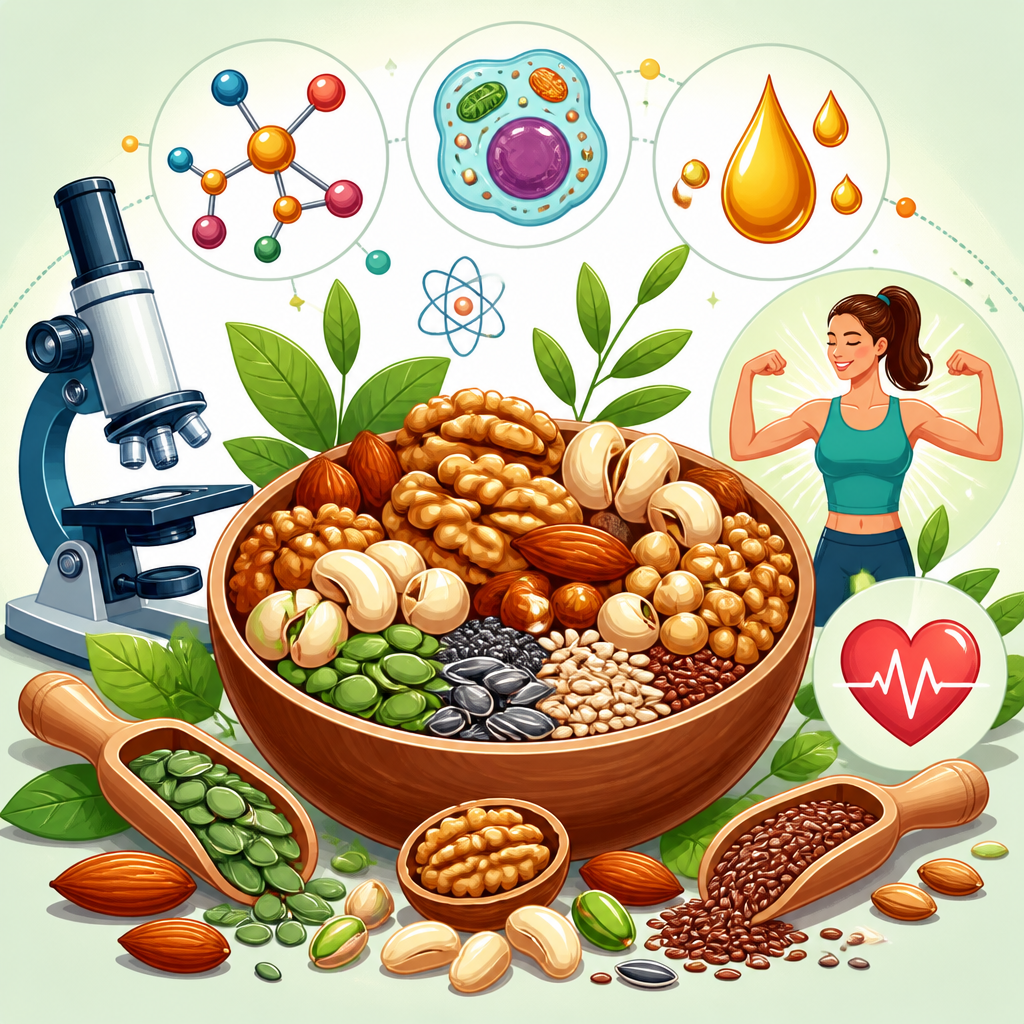
Omega-3 rich foods and brain health are tightly linked because the human brain is built, protected, and regulated in part by dietary fats, especially the long-chain omega-3 fatty acids DHA and EPA. When people talk about omega-3s, they usually mean a family of polyunsaturated fats that includes alpha-linolenic acid, or ALA, from plant foods and eicosapentaenoic acid and docosahexaenoic acid, known as EPA and DHA, from marine foods. Those names matter because they do not act identically in the body. ALA is essential, meaning you must get it from food, but the body converts only a small share of ALA into EPA and DHA. In practical nutrition work, that detail changes food planning, supplement decisions, and expectations about results.
Brain health is also broader than memory alone. It includes cognitive performance, mood regulation, attention, sleep quality, neurodevelopment, healthy aging, and resilience against inflammation and vascular damage. In clinic conversations and food coaching sessions, I have found that many people think of the brain as separate from the rest of the body, yet the opposite is true. Brain function depends on blood flow, metabolic health, immune signaling, hormone balance, and micronutrient status. Omega-3 rich foods sit at the center of that network because they influence cell membranes, neurotransmission, inflammatory pathways, and cardiovascular function at the same time.
This matters for overall well-being because the brain directs nearly every daily outcome that people value: energy, emotional stability, focus at work, learning, reaction time, appetite control, and long-term independence. If you eat in a way that supports neuronal structure and lowers chronic inflammation, you are not only aiming at sharper thinking. You are also supporting heart health, eye health, recovery from exercise, and in some cases healthier triglyceride levels. A hub article on omega-3 rich foods and brain health therefore has to connect food sources, biology, life stages, practical meal planning, and realistic limitations. That is exactly what follows.
What Omega-3s Do for the Brain and Why DHA Gets So Much Attention
DHA is the standout omega-3 for brain structure. It is heavily concentrated in neuronal membranes and in the retina, where fluid, flexible membranes help receptors and signaling proteins do their jobs. In plain terms, membranes are not just passive wrappers around cells. They are active surfaces that affect how nerve cells communicate, how receptors respond to neurotransmitters, and how efficiently signals travel. When DHA status is poor over time, that membrane environment can become less favorable for optimal function.
EPA matters too, but in a somewhat different way. It is more directly involved in signaling molecules that help regulate inflammation and immune responses. Chronic low-grade inflammation is associated with depression, cognitive decline, and vascular changes that can impair blood supply to the brain. EPA helps balance that inflammatory tone. In practice, this is one reason oily fish intake often shows benefits that go beyond memory tests. People may notice steadier mood, less mental fatigue, or better recovery during stressful periods, even though food is not a substitute for mental health care.
Research has consistently linked higher seafood intake with better cognitive outcomes across the lifespan, though results vary depending on dose, baseline diet, genetics, and overall health. Pregnancy is one of the clearest examples. DHA supports fetal brain and eye development, which is why many prenatal nutrition guidelines encourage low-mercury fish intake. In older adults, omega-3 status is studied for its relationship to cognitive aging, with evidence suggesting the greatest benefit may occur when intake is established before significant decline begins. Prevention and maintenance often outperform late rescue attempts.
Best Omega-3 Rich Foods for Brain Health
If the goal is to improve omega-3 intake through food, fatty fish leads by a wide margin. Salmon, sardines, mackerel, herring, anchovies, trout, and some types of tuna provide preformed EPA and DHA, the forms most directly useful for brain health. Sardines are one of the most underrated choices I recommend because they are affordable, shelf stable, lower on the food chain, and rich in calcium and vitamin D when canned with bones. Salmon is popular because it is versatile and familiar, while mackerel and herring are exceptionally rich choices in many traditional diets.
Plant foods still matter, especially for people who eat less seafood. Chia seeds, flaxseeds, hemp seeds, walnuts, and canola oil provide ALA. These foods deserve a place in a brain-supportive diet because they add fiber, minerals, and beneficial fats, but they should not be described as equivalent to fish for EPA and DHA delivery. Conversion of ALA to EPA is limited, and conversion to DHA is lower still. That is why strict vegetarians and vegans often consider algae-based DHA or combined EPA-DHA products if brain health is a priority.
Eggs, especially omega-3 enriched eggs, can contribute modest amounts. Fortified dairy foods and functional beverages also exist, though labels vary widely. The key is to assess the actual milligram content rather than rely on front-of-pack marketing language. I routinely see products labeled as “contains omega-3” that provide amounts too small to meaningfully change intake.
| Food | Main Omega-3 Type | Brain Health Advantage | Practical Note |
|---|---|---|---|
| Salmon | EPA + DHA | Strong direct support for neuronal membranes and inflammation balance | Easy to bake, grill, or use in grain bowls |
| Sardines | EPA + DHA | High omega-3 density with calcium and vitamin D | Affordable canned option with low prep time |
| Mackerel | EPA + DHA | Very rich marine omega-3 source | Choose Atlantic varieties more often than high-mercury king mackerel |
| Trout | EPA + DHA | Supports regular intake for families new to oily fish | Mild flavor and widely available |
| Chia and flax | ALA | Useful support food with fiber and minerals | Best as part of a broader omega-3 plan, not the only source |
| Walnuts | ALA | Helpful for snack quality and cardiometabolic support | Portion control matters because calories add up quickly |
| Algae oil | DHA, sometimes EPA | Direct non-fish source for plant-based diets | Check label for combined milligrams per serving |
How Omega-3 Rich Foods Support Mood, Memory, Focus, and Healthy Aging
The most common question people ask is whether omega-3 rich foods can make them think better. The practical answer is yes, but not in the simplistic way many headlines suggest. Omega-3s are not instant brain boosters like caffeine, and they do not override poor sleep, unmanaged stress, or uncontrolled blood sugar. Their benefit is foundational. They help create conditions in which the brain can function more efficiently over time.
For mood, EPA has attracted attention because inflammatory signaling and depression can overlap biologically. Some studies and clinical reviews suggest higher omega-3 intake, especially with meaningful EPA content, may support mood regulation in certain groups. That does not mean fish is a treatment for depression by itself. It means diet can be one layer of support alongside therapy, medication when appropriate, exercise, and social connection. This balanced framing is important because overselling nutrition undermines trust.
For memory and focus, the effect may be most noticeable in people whose diets were low in seafood to begin with. A person who goes from almost no marine omega-3 intake to two servings of fatty fish per week often reports better concentration or less afternoon mental drag. In older adults, omega-3 status may interact with vascular health, which matters because the brain requires a constant oxygen and nutrient supply. Better vessel function and lower triglycerides can indirectly support cognition by improving circulation.
Healthy aging is where the broad value becomes clearest. Brain aging is influenced by oxidative stress, inflammation, insulin resistance, sleep disruption, hypertension, and physical inactivity. Omega-3 rich foods intersect with several of those drivers at once. That is why they belong in a whole-diet pattern such as Mediterranean-style eating rather than being treated as an isolated nutrient trick.
How Much You Need, Who Benefits Most, and Common Safety Questions
There is no single perfect intake target for everyone, but many public health recommendations support eating at least two servings of fish per week, especially oily fish, for general cardiovascular and brain support. For adults who do not eat fish, evaluating total omega-3 intake becomes more important because ALA alone may not fully cover DHA needs. During pregnancy and lactation, low-mercury seafood choices are strongly emphasized because fetal and infant neurodevelopment depends on steady DHA availability. Salmon, sardines, trout, anchovies, and herring are commonly recommended options.
Children also benefit because the brain is still developing rapidly. In family nutrition work, the challenge is usually acceptability rather than science. Fish cakes, salmon mixed into pasta, tuna and white bean salads, or mild trout tacos tend to work better than presenting an unfamiliar fillet and hoping for the best. Older adults, people with high triglycerides, those with low seafood intake, and strict plant-based eaters are other groups that often need closer attention.
Safety concerns usually center on mercury, contaminants, and interactions with medications. The practical rule is to favor lower-mercury species and vary your seafood choices. Large predatory fish generally accumulate more mercury. King mackerel, shark, swordfish, and tilefish are usually limited or avoided, especially in pregnancy. Canned light tuna is generally lower in mercury than albacore, though guidance can vary by region and serving frequency. If someone uses anticoagulant medication or high-dose omega-3 supplements, clinician review is sensible, particularly before surgery. Food-level intake is usually straightforward; high-dose supplementation is where more caution enters.
How to Build a Brain-Healthy Omega-3 Eating Pattern
The best strategy is consistency, not occasional extremes. I advise people to anchor the week with two seafood meals, then layer plant omega-3 foods into breakfasts, snacks, and side dishes. For example, a practical week might include baked salmon with potatoes and greens on Monday, sardines on whole-grain toast with tomato and olive oil on Thursday, ground flax stirred into yogurt at breakfast, and walnuts added to a salad or oatmeal. This approach improves intake without turning every meal into a nutrition project.
Cooking method matters less than people think, as long as the fish remains palatable and is not repeatedly deep-fried in unstable oil. Baking, steaming, grilling, poaching, and pan-searing are all useful. Canned fish is not nutritionally second-rate; it is one of the most effective tools for cost, convenience, and adherence. For people who dislike fish, mixed dishes are often the bridge: salmon burgers, sardine pasta with lemon and parsley, or smoked trout folded into a yogurt-based spread.
If you are plant-based, treat omega-3 planning as a deliberate task. Use chia, flax, hemp, and walnuts regularly, but also consider algae-derived DHA, especially during pregnancy, breastfeeding, or periods of heavy cognitive demand. Read labels with a quantitative mindset. Milligrams matter more than buzzwords. A thoughtful pattern, maintained for months and years, will do more for overall well-being than any short-term fix.
Omega-3 rich foods and brain health belong in the same conversation because the brain depends on dietary fats that shape structure, signaling, inflammation, and blood flow. DHA supplies critical membrane material for neurons and the retina, while EPA helps regulate inflammatory pathways that influence mood, cognition, and vascular function. Together, they connect mental performance with broader physical well-being, which is why this topic sits naturally within superfoods and functional foods rather than inside a narrow brain-only category.
The most effective foods are clear. Fatty fish such as salmon, sardines, trout, herring, anchovies, and mackerel provide direct EPA and DHA in meaningful amounts. Plant foods such as flax, chia, hemp, and walnuts are useful, but they mainly provide ALA, which converts inefficiently to DHA. That distinction is essential for realistic planning. If you do not eat seafood, algae oil can fill an important gap, particularly for pregnant people, older adults, and committed plant-based eaters who want direct DHA support.
The main benefit is not a dramatic overnight boost. It is a steadier, more resilient foundation for focus, mood, memory, development, and healthy aging when omega-3 intake is part of an overall nutritious pattern. Start simply: add two low-mercury fatty fish meals this week, include one plant omega-3 food each day, and build from there. Small consistent choices are what protect brain health and strengthen overall well-being over time.
Frequently Asked Questions
What are omega-3 fatty acids, and why are they so important for brain health?
Omega-3 fatty acids are a family of polyunsaturated fats that play a central role in how the brain is built, maintained, and protected over time. The three forms most often discussed are ALA, EPA, and DHA. ALA, or alpha-linolenic acid, is found mainly in plant foods such as flaxseeds, chia seeds, walnuts, and hemp seeds. EPA and DHA are found primarily in marine foods like salmon, sardines, mackerel, herring, and anchovies. While all three are considered omega-3s, they do not function in exactly the same way in the body, especially when it comes to brain health.
DHA is particularly important because it is a major structural fat in the brain and retina. In simple terms, it helps support the physical architecture of brain cell membranes, which affects how well brain cells communicate with one another. EPA is less structural but still highly valuable because it is involved in signaling pathways and helps regulate inflammation, which can influence mood, cognition, and long-term neurological health. ALA can contribute to overall nutrition, but the body converts only a limited amount of ALA into EPA and DHA, which is why direct food sources of EPA and DHA are often emphasized when discussing brain support.
Because the brain relies on healthy fats to function efficiently, omega-3 intake can affect memory, focus, learning, emotional balance, and even how resilient the brain is to stress and aging. These fats also help support blood flow, nerve signaling, and cellular protection. That broader effect is why omega-3 rich foods and brain health are connected to overall well-being, not just mental sharpness. A brain that is well nourished tends to support better mood, steadier energy, improved decision-making, and healthier daily function across many areas of life.
Which omega-3 rich foods are best for supporting the brain?
The best omega-3 rich foods for brain support are typically those that provide DHA and EPA directly, since these are the forms most closely tied to neurological structure and function. Fatty fish are at the top of the list. Salmon, sardines, mackerel, herring, trout, and anchovies are widely recognized as strong dietary sources. These foods deliver meaningful amounts of marine omega-3s in forms the body can readily use. Among them, smaller oily fish such as sardines and anchovies are often appreciated not only for their omega-3 content but also because they tend to be lower on the food chain.
Shellfish can also contribute, though amounts vary depending on the type. For people who do not eat fish, algae-based foods and supplements are often discussed as a direct non-fish source of DHA, and sometimes EPA as well. Plant-based foods such as flaxseeds, chia seeds, walnuts, hemp seeds, and canola oil contain ALA. These can absolutely be part of a brain-supportive diet, especially for overall dietary quality, but it is helpful to understand that ALA is not a one-to-one substitute for DHA and EPA because conversion in the body is limited.
In practical terms, a brain-friendly eating pattern often includes fatty fish regularly, paired with a wider mix of nutrient-dense foods that work together to support neurological health. Omega-3s do not act in isolation. Foods rich in antioxidants, B vitamins, protein, minerals, and fiber also matter. That means the most effective approach is not to search for a single “superfood,” but to build a diet that consistently includes omega-3 rich foods alongside vegetables, fruits, legumes, whole grains, nuts, and healthy overall fat intake. Consistency matters more than perfection, and regular intake tends to be more meaningful than occasional large amounts.
How do omega-3 rich foods and brain health affect overall well-being beyond memory and focus?
The connection goes far beyond concentration and recall. Because the brain regulates mood, sleep, motivation, stress response, appetite, and many core body functions, supporting brain health can influence how a person feels physically and emotionally day to day. Omega-3 fatty acids, especially EPA and DHA, help maintain healthy cell membranes and support signaling between brain cells. When those communication pathways are working well, the effects can extend into emotional balance, mental clarity, and resilience under pressure.
EPA is often discussed in relation to inflammation regulation, which is relevant because chronic inflammation may affect both brain function and broader health. DHA, meanwhile, helps preserve the structure and fluidity of brain tissue. Together, these fats may help support a more stable internal environment for the nervous system. That matters for people concerned not only about cognitive performance, but also about energy, stress recovery, and a greater sense of mental steadiness.
There is also an indirect whole-body benefit. People who regularly eat omega-3 rich foods such as fatty fish often follow eating patterns associated with cardiovascular health, metabolic support, and healthier aging. Better circulation can help support the brain, and a healthier brain can in turn support better decision-making, lifestyle consistency, and quality of life. In that sense, omega-3 rich foods and brain health form part of a much larger wellness picture. They help connect nutrition, cognition, mood, and physical vitality in a way that can influence overall well-being over the long term.
Can plant-based omega-3 foods provide the same brain benefits as fish-based sources?
Plant-based omega-3 foods are valuable, but they are not identical to fish-based sources in terms of how they support the brain. Plant foods mainly provide ALA, while marine foods provide EPA and DHA directly. This distinction is important because the body must convert ALA into EPA and DHA before it can use it in those specific roles, and that conversion process is generally inefficient. As a result, someone who relies only on ALA-rich foods may still be consuming omega-3s, but may not be getting the same level of direct brain-supportive fats that come from fish or algae.
That does not mean plant sources are unhelpful. Far from it. Flaxseeds, chia seeds, walnuts, hemp seeds, and similar foods contribute healthy fats and can be part of an excellent dietary pattern. They may support heart health and help improve the overall balance of fats in the diet. For people who do not eat fish, these foods are still important. However, for direct DHA and EPA support, algae-based options are often the closest plant-friendly alternative because algae is the original source of these marine omega-3s in the food chain.
The key takeaway is that plant-based eaters may need to be more intentional. A well-planned diet can still support brain health, but it helps to recognize the difference between ALA and the long-chain omega-3s DHA and EPA. If the goal is to maximize the nutritional link between omega-3 rich foods and brain health, direct sources of DHA and EPA usually deserve special attention. Choosing the right mix of foods can help bridge the gap while supporting overall well-being in a balanced and sustainable way.
How often should you eat omega-3 rich foods to support brain health and long-term wellness?
There is no one-size-fits-all answer, but regular intake is generally more beneficial than occasional intake. Many nutrition guidelines encourage eating fatty fish a couple of times per week as a realistic foundation for obtaining EPA and DHA. This pattern is often enough to help support brain and heart health for many adults, especially when combined with an overall nutrient-rich eating style. The reason frequency matters is that omega-3s contribute to ongoing processes in the body, including cell membrane maintenance, signaling, and inflammation regulation. These are not one-time events, so steady dietary habits matter.
For people who do not eat fish, consistency with alternative omega-3 sources is also important. Including ALA-rich foods such as flaxseeds, chia seeds, walnuts, and hemp seeds on a regular basis can improve the quality of the diet, while algae-based DHA or EPA sources may be worth considering for those seeking a more direct route to long-chain omega-3 intake. Individual needs can vary based on age, life stage, dietary pattern, health status, and whether someone is pregnant, older, highly active, or managing specific health concerns.
The most practical approach is to think in terms of routine rather than occasional correction. Building omega-3 rich foods into weekly meals is usually more effective than trying to “catch up” sporadically. For example, rotating salmon, sardines, or trout into lunches or dinners, adding ground flax or chia to breakfast, and pairing walnuts with snacks can create a sustainable pattern. Over time, that consistency can help support the relationship between omega-3 rich foods and brain health, with benefits that may ripple outward into mood, cognition, cardiovascular support, and overall well-being.