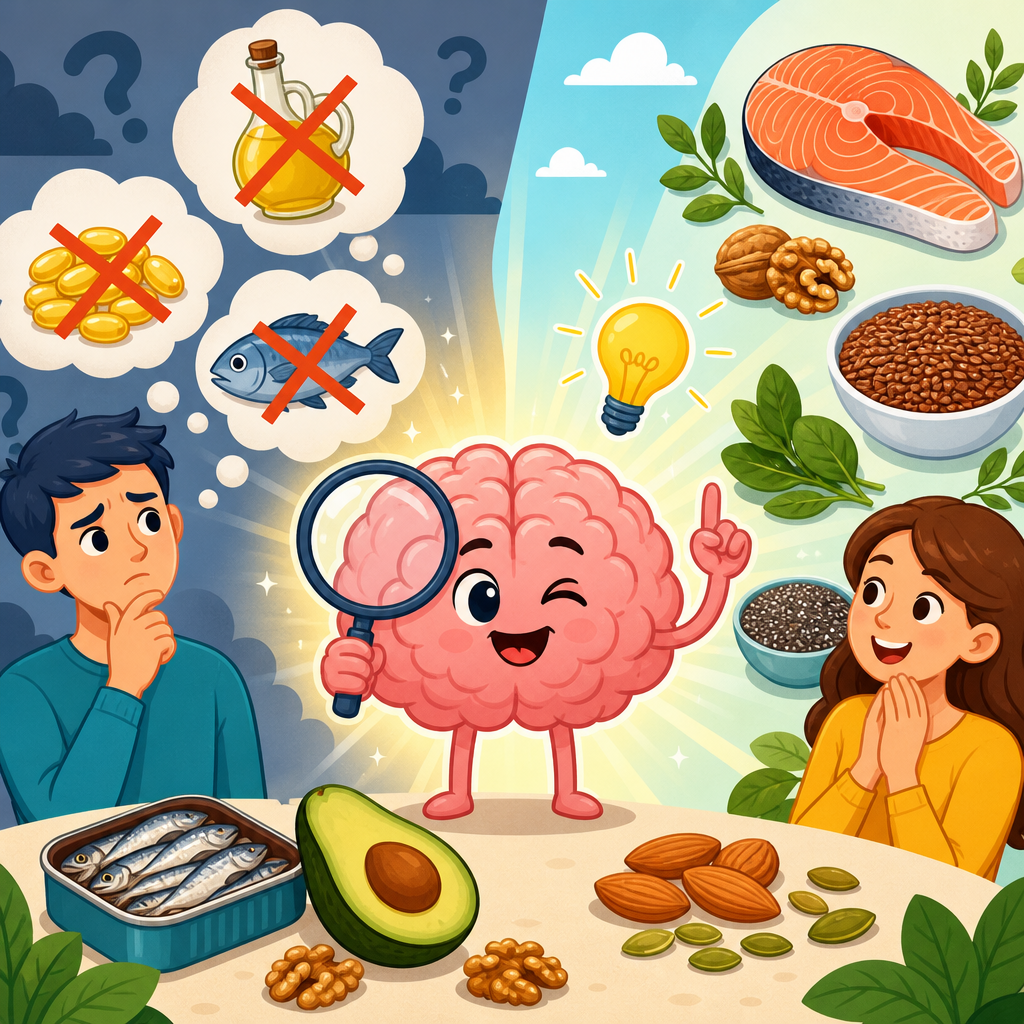
Omega-3 rich foods and brain health are linked so often that the relationship can sound simple, but the science and the practical nutrition advice are more nuanced than most headlines suggest. Omega-3 fatty acids are a family of polyunsaturated fats, mainly ALA, EPA, and DHA. ALA is found mostly in plant foods such as flaxseed, chia seeds, walnuts, and canola oil, while EPA and DHA are concentrated in marine foods including salmon, sardines, anchovies, trout, herring, and algae-based products. Brain health refers broadly to cognitive function, memory, mood regulation, nervous system development, and the long-term maintenance of brain structure as people age. Because the human brain is rich in lipids and DHA is a major structural fat in neural membranes, omega-3 intake matters across the lifespan.
I have worked with nutrition content and evidence reviews long enough to see the same claims repeated: fish is brain food, supplements fix forgetfulness, and one nutrient can prevent complex neurological diseases. Those claims are appealing because they offer a clear answer to a difficult problem. In reality, omega-3 rich foods support brain health best as part of a broader dietary pattern that also includes adequate protein, B vitamins, minerals, fiber, and overall cardiovascular support. This matters because the same processes that protect the heart, including reduced inflammation, healthy blood vessels, and balanced blood lipids, also help protect the brain. Understanding what omega-3s can do, what they cannot do, and which foods provide them is the key to making better decisions.
This hub article debunks the most common myths about omega-3 rich foods and brain health, while also serving as a practical overview of the topic. It covers food sources, differences between types of omega-3s, the role of seafood and plant foods, how much people generally need, what the evidence says for memory and mood, and where supplements fit. If you want a grounded explanation of omega-3 rich foods and brain health in plain language, start here and use it as your foundation for deeper reading across the wider superfoods and functional foods category.
Myth 1: All Omega-3s Do the Same Thing for the Brain
This is the most important myth to correct first. Not all omega-3 fatty acids behave the same way in the body, and the distinction matters for brain health. ALA, or alpha-linolenic acid, is an essential fatty acid because the body cannot make it from scratch. However, ALA must be converted into EPA and DHA to perform many of the functions commonly associated with brain and eye health. That conversion is limited in humans. Research consistently shows that the conversion of ALA to EPA is modest and the conversion to DHA is especially low. That is why salmon and flaxseed are not nutritionally interchangeable, even though both are called omega-3 foods.
DHA, or docosahexaenoic acid, is the standout omega-3 for brain structure. It is heavily incorporated into neuronal cell membranes, where it influences membrane fluidity, signal transmission, and receptor function. EPA, or eicosapentaenoic acid, appears to play a stronger role in inflammation signaling and may be particularly relevant in some mood-related research. ALA still has value, especially within heart-healthy dietary patterns, but it should not be described as equivalent to DHA for brain tissue. In practice, that means a person relying only on walnuts and chia seeds for omega-3 intake may still want to consider whether they are getting direct DHA from fish, seafood, fortified foods, or algal oil.
Myth 2: If a Food Contains Omega-3, It Is Automatically a Brain Superfood
A food can contain omega-3 and still vary widely in overall nutritional value, bioavailability, and relevance to brain outcomes. Take farmed salmon, canned sardines, flaxseed, omega-3 eggs, and a highly processed snack made with a little flax oil. All may technically contain omega-3s, but they are not equal choices. Whole foods bring additional nutrients that matter for the brain, including protein, iodine, selenium, choline, vitamin D, vitamin B12, and antioxidants. Sardines, for example, provide EPA and DHA along with calcium, selenium, and B12. Eggs enriched with omega-3 can contribute useful amounts, but usually less than fatty fish. Flaxseed provides fiber and lignans in addition to ALA, which makes it valuable, but still not a direct substitute for seafood-derived DHA.
In my experience, the most useful way to classify omega-3 foods is by what they actually deliver. Fatty fish such as salmon, mackerel, trout, sardines, and herring are primary direct sources of EPA and DHA. Shellfish can contribute smaller amounts. Algae-based foods and supplements are the main non-fish source of DHA. Plant foods like chia seeds, hemp seeds, walnuts, and flax provide ALA and should absolutely be included, but they fit differently in a brain-focused plan. Food quality matters too. Deep-fried fish served with refined sides does not offer the same health pattern as baked salmon with vegetables, legumes, and whole grains.
Myth 3: More Omega-3 Always Means Better Brain Function
Brain nutrition does not work on a simple more-is-better model. The body benefits from adequate intake, not limitless intake. Once a person has covered baseline needs and regularly consumes omega-3 rich foods, increasing intake further does not guarantee sharper memory, faster thinking, or protection from every neurological condition. The evidence is strongest for supporting normal development in pregnancy and infancy, contributing to general cardiovascular health, and helping maintain healthy dietary patterns associated with aging well. Evidence for dramatic cognitive enhancement in healthy adults is much less certain.
There are also practical limits and tradeoffs. Very high intakes from supplements can interact with medications in some individuals, particularly anticoagulants, even though routine doses are generally considered safe for most adults. Food sources also vary in contaminants, sodium, and preparation methods. Some canned fish products are excellent; others are packed with salt or served in less healthy contexts. The goal is steady, evidence-based intake. Major organizations commonly advise eating fish, especially fatty fish, around two times per week. That level is realistic, supported by decades of dietary guidance, and easier to maintain than extreme intake targets.
| Food | Main Omega-3 Type | Brain Health Value | Best Use |
|---|---|---|---|
| Salmon | EPA and DHA | Direct structural and functional support | Weekly main meal |
| Sardines | EPA and DHA | High nutrient density with B12 and selenium | Affordable pantry staple |
| Trout | EPA and DHA | Good direct marine omega-3 source | Rotating seafood option |
| Algal oil | DHA, sometimes EPA | Useful for non-fish eaters | Vegetarian backup source |
| Flaxseed | ALA | Supports overall diet, limited DHA conversion | Add to oats or yogurt |
| Walnuts | ALA | Helpful plant source, not equivalent to fish | Snack or salad topping |
Myth 4: Omega-3 Rich Foods Prevent Dementia on Their Own
This myth persists because it combines a real biological mechanism with an unrealistic promise. Omega-3s are involved in neuronal membranes, signaling, and inflammation regulation, so it is reasonable to ask whether they prevent dementia. However, dementia risk is shaped by age, genetics, education, blood pressure, diabetes, sleep, hearing loss, smoking, physical activity, depression, and overall diet quality. No single food category can override all of those variables. Studies of fish intake often show associations between higher seafood consumption and better cognitive aging, but association is not the same as guaranteed prevention.
What I tell readers is this: omega-3 rich foods are better understood as one part of a brain-supportive lifestyle than as a standalone defense. A Mediterranean-style eating pattern is a useful example because it combines fish, extra virgin olive oil, legumes, vegetables, fruit, nuts, and whole grains with lower intake of ultra-processed foods. That pattern supports vascular health, and vascular health is tightly tied to cognition. If someone increases salmon intake but continues smoking, sleeping poorly, avoiding exercise, and leaving hypertension untreated, the benefit will be limited. Brain health is cumulative, and omega-3 rich foods contribute best within that larger framework.
Myth 5: Supplements Work Better Than Food for Everyone
Supplements have a place, but they are not automatically superior to food. Fish and seafood provide a matrix of nutrients that supplements do not fully replicate. A serving of sardines offers protein, selenium, calcium when bones are included, and vitamin B12 alongside EPA and DHA. A capsule cannot replace the total nutritional package of a meal. Food also tends to support habit formation. People who regularly eat fish with vegetables and whole grains are often improving multiple dietary variables at once, not just omega-3 intake.
That said, supplements are useful in specific situations. People who do not eat fish, including many vegetarians and vegans, may benefit from algal DHA. Pregnant individuals sometimes need targeted guidance because DHA is important in fetal brain and retinal development. People with limited access to seafood, strong taste aversions, or medically advised dietary restrictions may also use supplements strategically. Quality matters. Reputable brands should provide third-party testing, clear labeling of EPA and DHA amounts, and attention to oxidation control. The key point is that supplements fill gaps; they are not a free pass to ignore food quality.
Myth 6: Plant-Based Eaters Cannot Support Brain Health Without Fish
Plant-based eaters can absolutely support brain health, but they need to be more intentional about omega-3 planning. The main challenge is direct DHA and EPA intake, not the overall ability to eat a brain-supportive diet. A well-designed vegetarian or vegan pattern can include flaxseed, chia seeds, walnuts, hemp seeds, soy foods, leafy greens, beans, berries, whole grains, and olive oil. That foundation supports cardiometabolic health, and that in turn helps the brain. The gap is that plant foods mainly provide ALA, and conversion to DHA remains limited.
This is where algal oil becomes highly relevant. Algae are the original source of marine omega-3s in the food chain, and algal supplements can provide direct DHA without fish. For many vegan clients and readers, this is the most practical way to cover the specific omega-3 form most associated with brain tissue. It is also important to avoid a narrow focus on fats alone. Choline, iodine, B12, iron, zinc, and protein also matter for the nervous system. Brain health nutrition is possible on plant-based diets, but it is strongest when planned with the same rigor used for any evidence-based eating pattern.
Myth 7: Children and Older Adults Need the Same Omega-3 Strategy
Omega-3 needs change across life stages because the brain’s priorities change. During pregnancy and infancy, DHA is particularly important for neurodevelopment and vision. During childhood and adolescence, the focus shifts toward supporting growth, learning, and overall dietary adequacy. In older adults, preserving vascular health, maintaining muscle, preventing nutrient deficiencies, and supporting cognitive resilience become central. The same food group matters, but the clinical context is different.
For families, this means practical tailoring. A toddler who will not eat salmon may still accept trout cakes, fortified eggs, or pediatric guidance on alternative sources. A pregnant person may need low-mercury seafood choices such as salmon, sardines, trout, anchovies, or herring while avoiding high-mercury species like shark, swordfish, king mackerel, and tilefish. An older adult with poor appetite may do better with soft canned salmon, sardines on whole grain toast, or yogurt with ground flaxseed as part of a larger plan. Effective omega-3 nutrition is not one-size-fits-all; it is age-aware, medically appropriate, and realistic enough to follow consistently.
How to Use This Hub to Build a Smarter Brain-Health Diet
The smartest takeaway is that omega-3 rich foods and brain health should be approached as a system, not a slogan. Start with direct sources of EPA and DHA if you eat seafood: salmon, sardines, trout, herring, anchovies, and mackerel are practical staples. Add plant sources such as flaxseed, chia, hemp, and walnuts for ALA and broader dietary quality. If you avoid fish, consider algal DHA and make sure the rest of your diet supports the brain through fiber-rich carbohydrates, protein, minerals, and vitamins. Keep preparation methods simple: baked, grilled, poached, or canned fish in balanced meals beats heavily breaded, fried options.
This page works best as your central reference point within the wider superfoods and functional foods topic. Use it to guide more detailed reading on fatty fish, algae-based omega-3 sources, plant omega-3 foods, pregnancy nutrition, healthy aging, and supplement quality. The myths matter because misinformation leads people to over-rely on one food, one pill, or one promise. The evidence points in a steadier direction: eat omega-3 rich foods regularly, know the difference between ALA and EPA or DHA, and place them inside a broad brain-supportive lifestyle. Build your next grocery list around that principle, and you will make choices that are both more realistic and more scientifically sound.
Frequently Asked Questions
1. Do omega-3 rich foods automatically make your brain healthier or smarter?
No. That is one of the most common oversimplifications. Omega-3 fatty acids are important for brain structure and normal function, especially DHA, which is a major fat found in brain and retinal tissue. But eating omega-3 rich foods does not act like a shortcut to instant better memory, higher intelligence, or guaranteed protection from cognitive decline. Brain health depends on many factors working together, including overall diet quality, sleep, physical activity, blood pressure control, metabolic health, social engagement, stress levels, and genetics.
What omega-3 rich foods can do is support the body’s normal nutritional needs as part of a balanced eating pattern. For example, regularly eating fatty fish such as salmon, sardines, trout, anchovies, and herring can help provide EPA and DHA, while flaxseed, chia seeds, walnuts, and canola oil contribute ALA. These foods may help support cardiovascular health, and because heart and blood vessel health are closely tied to brain health, that connection matters. In other words, omega-3s are valuable, but they are not magic. It is more accurate to think of them as one useful piece of a broader brain-supportive lifestyle rather than a stand-alone brain booster.
2. Is all omega-3 the same, no matter what food it comes from?
Not exactly. Omega-3s are a family of fats, and the three names most people hear are ALA, EPA, and DHA. ALA, or alpha-linolenic acid, is found mainly in plant foods like flaxseed, chia seeds, walnuts, hemp seeds, and canola oil. EPA and DHA are found primarily in marine sources such as salmon, sardines, mackerel, anchovies, herring, trout, and algae-based products. These forms are related, but they are not nutritionally identical in the body.
The body can convert some ALA into EPA and then into DHA, but that conversion tends to be limited and varies from person to person. That means someone who eats only plant sources of omega-3 is still getting beneficial fats, but may not obtain the same direct intake of EPA and DHA that comes from fish or algae. This does not mean plant-based omega-3 foods are unimportant. They are excellent foods that contribute healthy fats, fiber, minerals, and other beneficial compounds. It simply means the source matters when people talk specifically about EPA and DHA intake and brain-related nutrition. For people who do not eat fish, algae-based products can be a direct non-fish source of DHA, and sometimes EPA as well, depending on the product.
3. If I do not eat fish, am I automatically missing the omega-3s needed for brain health?
Not automatically, but it does mean you need to be more intentional. Fish is one of the most concentrated and practical dietary sources of EPA and DHA, so people who avoid seafood should pay attention to how they are meeting omega-3 needs. Plant foods such as flaxseed, chia seeds, walnuts, and canola oil can contribute ALA, which is still a meaningful part of a healthy diet. However, because the conversion of ALA into EPA and DHA is limited, relying on plant foods alone may not provide the same direct levels of marine-type omega-3s.
The good news is that brain-supportive nutrition does not require everyone to eat fish. A well-planned eating pattern can include ALA-rich foods regularly, and for people who want a direct source of DHA without seafood, algae-based foods or supplements may be an option. This is especially relevant for people following vegetarian or vegan diets. The main myth to debunk here is that fish is the only route to brain-supportive nutrition. It is a very useful route, but not the only one. The most practical approach is to look at the whole diet, include consistent omega-3 sources, and choose the form that aligns with your dietary preferences, health needs, and guidance from a qualified healthcare professional if necessary.
4. Can eating more omega-3 rich foods prevent memory loss or dementia on their own?
No single food or nutrient can promise that. Research on omega-3s and long-term brain outcomes is real and ongoing, but the results are more nuanced than many headlines suggest. Some studies link higher fish intake or better omega-3 status with benefits in certain areas of cognitive aging or overall health, while other studies show more modest or mixed effects depending on the population, baseline diet, age, health status, and study design. That does not make omega-3s unimportant. It means the relationship is complex.
It is also important to separate “supports normal brain function” from “prevents disease.” Omega-3 fatty acids, especially DHA and EPA, play biological roles in cell membranes, signaling, and inflammation-related processes. Those functions are relevant to the brain. But conditions like dementia involve many interacting factors over many years. Nutrition is one part of the picture, not the whole picture. The most evidence-based message is that including omega-3 rich foods as part of a generally healthy lifestyle may help support long-term health, including aspects of brain health, but it should not be presented as a guaranteed prevention strategy. People get the most realistic benefit when omega-3 intake is paired with a high-quality diet, regular exercise, adequate sleep, social connection, and management of vascular risk factors such as high blood pressure, diabetes, and smoking.
5. Do I need large amounts of omega-3 rich foods every day to get brain benefits?
Usually not. More is not always better, and the idea that brain health improves in a straight line with ever-higher omega-3 intake is misleading. What matters most is regular, appropriate intake as part of a balanced diet. For many people, practical habits such as eating fatty fish a couple of times per week, using ALA-rich foods like ground flaxseed or walnuts routinely, and maintaining an overall nutrient-dense eating pattern are more useful than chasing very high amounts.
It is also worth remembering that omega-3 rich foods bring more than omega-3s alone. Fish can provide protein, vitamin D, selenium, iodine, and other nutrients, while plant sources often provide fiber, vitamin E, magnesium, and phytochemicals. That is one reason food-first advice is often emphasized. The goal is not to overload on one nutrient, but to build consistent dietary patterns that support the brain and body over time. People with specific medical conditions, dietary restrictions, or questions about supplements should speak with a healthcare professional, because individualized advice can matter. In short, steady and balanced intake makes more sense than assuming that very large daily amounts are necessary for better brain health.