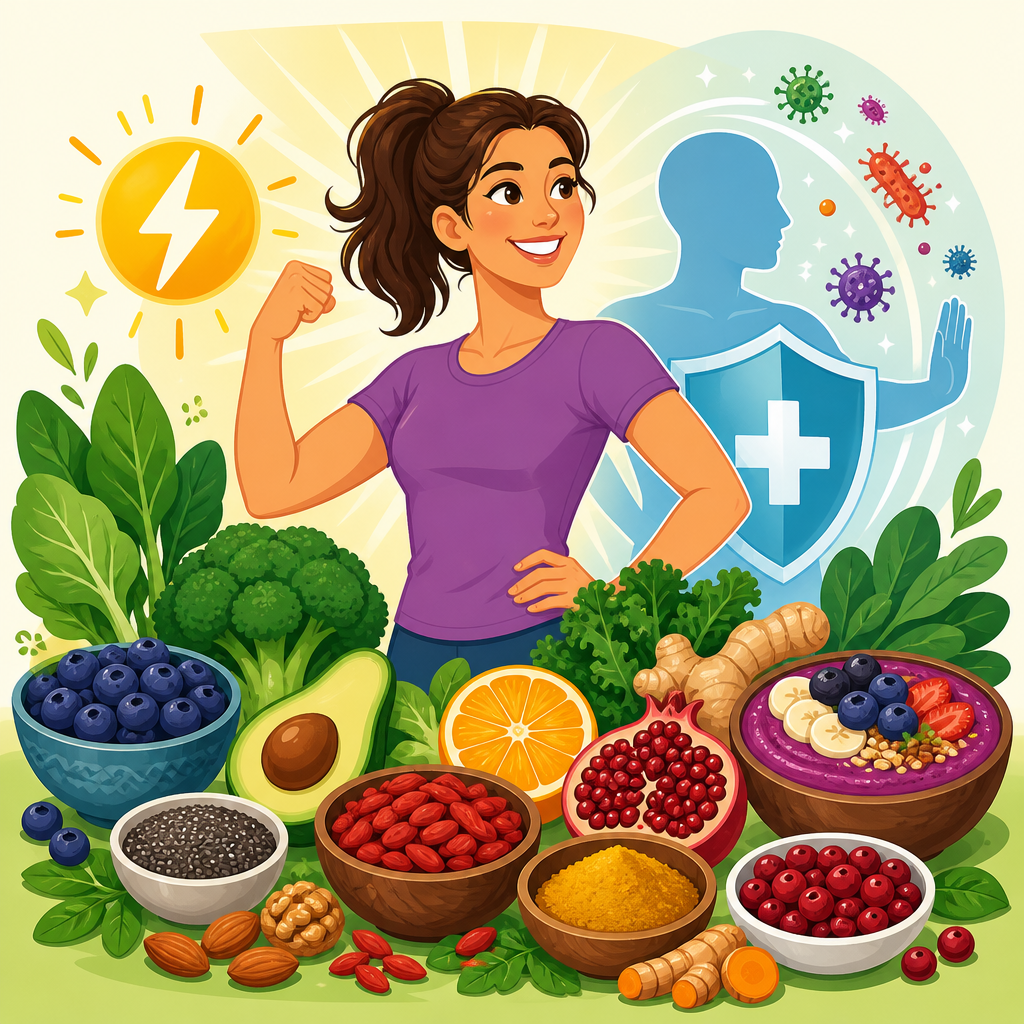
Superfoods for energy and immunity support the body by supplying concentrated nutrients that help cells produce usable fuel, regulate inflammation, repair tissue, and maintain defenses against everyday stressors. In practical nutrition work, I use the term “superfoods” carefully: it does not mean a single food can override poor sleep, chronic stress, or an imbalanced diet. It refers to foods with a high density of beneficial compounds such as vitamins, minerals, polyphenols, fiber, omega-3 fats, probiotics, and quality protein relative to their calories. “Energy” also needs a clear definition. People often mean feeling less tired, but biologically energy is ATP production inside cells, steady blood glucose, healthy iron status, thyroid function, and efficient mitochondrial activity. “Immunity” is equally broad, covering physical barriers like the gut lining, white blood cells, antibodies, cytokine signaling, and recovery after infection or strenuous exercise.
This topic matters because low energy and frequent illness commonly stem from the same root issues: inadequate nutrient intake, blood sugar swings, poor gut health, chronic inflammation, and insufficient recovery. I see this pattern repeatedly when reviewing food logs. Someone skips protein at breakfast, relies on caffeine and refined snacks, eats few colorful plants, then wonders why afternoon fatigue and seasonal colds keep returning. Superfoods cannot replace medical care for anemia, thyroid disease, autoimmune conditions, or infection, but they can strengthen the systems those conditions affect. A well-chosen rotation of nutrient-dense foods gives the body substrates it actually uses: iron to carry oxygen, B vitamins to convert food into energy, vitamin C and zinc to support immune cells, polyphenols to reduce oxidative stress, and fiber to feed beneficial gut bacteria. As a hub article, this guide explains which superfoods deserve priority, how they work, and how to use them realistically.
What Makes a Food Valuable for Energy and Immune Support
The best superfoods for energy and immunity do more than add one headline nutrient. They contribute across several mechanisms at once. For energy, look for foods that support mitochondrial function, glucose stability, oxygen transport, and muscle repair. For immunity, prioritize foods linked to gut microbiome diversity, antioxidant protection, anti-inflammatory signaling, and production of immune cells. That means a stronger choice is often a whole food with combinations of nutrients rather than a trendy powder with one isolated compound.
For example, plain Greek yogurt supports both goals better than a sugar-sweetened “wellness” beverage. It provides protein for satiety and muscle maintenance, riboflavin and B12 for energy metabolism, and live cultures that can benefit gut-associated immune activity. Similarly, blueberries are not useful only because they contain vitamin C. Their anthocyanins help counter oxidative stress created by intense exercise, poor sleep, and environmental exposure. Eggs supply complete protein, choline, selenium, and B vitamins, making them far more functional than many processed breakfast bars marketed as energy foods.
Bioavailability also matters. Spinach contains iron, but its non-heme iron is less absorbable than the heme iron in sardines or lean red meat, and oxalates reduce absorption further. Pairing plant iron sources with vitamin C-rich foods improves uptake. Preparation changes impact, too. Fermenting cabbage into sauerkraut can add beneficial microbes, while cooking tomatoes increases the availability of lycopene. These details matter when choosing foods that genuinely support the body’s key functions instead of simply sounding healthy.
Core Superfoods That Pull Double Duty
Certain foods consistently outperform others because they support energy and immunity at the same time. Berries, especially blueberries and blackberries, provide polyphenols that help reduce oxidative damage while contributing fiber for the gut microbiota. Fatty fish such as salmon, sardines, and mackerel deliver omega-3 fatty acids EPA and DHA, which help regulate inflammation and support cell membrane function. Shellfish, pumpkin seeds, and legumes are useful for zinc, a mineral involved in immune signaling and wound healing. Citrus, kiwi, bell peppers, and strawberries supply vitamin C, which supports immune cell function and improves non-heme iron absorption from plant foods.
Leafy greens and cruciferous vegetables deserve equal attention. Kale, broccoli, bok choy, and spinach contribute folate, carotenoids, vitamin K, and a wide range of phytochemicals. Garlic and onions provide sulfur compounds that support detoxification pathways and may influence immune resilience. Mushrooms, especially shiitake and maitake, contain beta-glucans associated with immune modulation. Legumes add slow-digesting carbohydrate, plant protein, magnesium, and fiber, making them powerful for sustained energy rather than quick stimulation.
When clients need an accessible shortlist, I recommend building around a repeatable mix of protein, colorful produce, fermented foods, and healthy fats. The table below shows practical priorities.
| Superfood | Key Nutrients or Compounds | Main Energy Benefit | Main Immunity Benefit | Simple Use |
|---|---|---|---|---|
| Salmon | EPA, DHA, protein, vitamin D, B12 | Supports cell membranes and recovery | Helps regulate inflammation | Bake for dinner or add to grain bowls |
| Greek yogurt | Protein, probiotics, riboflavin, B12 | Promotes stable satiety and muscle repair | Supports gut-associated defenses | Use at breakfast with berries |
| Blueberries | Anthocyanins, fiber, vitamin C | Helps limit oxidative stress | Supports microbiome and immune cells | Add to oats or smoothies |
| Lentils | Iron, folate, fiber, magnesium, protein | Supports oxygen transport and steady fuel | Feeds beneficial gut bacteria | Use in soups and salads |
| Kiwi | Vitamin C, fiber, potassium | Supports recovery and hydration balance | Strengthens immune cell function | Eat with breakfast or snacks |
| Pumpkin seeds | Zinc, magnesium, iron, protein | Supports muscle and nerve function | Provides zinc for immune signaling | Sprinkle on yogurt or vegetables |
How Superfoods Improve Cellular Energy
If the goal is more reliable daily energy, the most important nutrition principle is not “eat more energizing foods.” It is “remove the causes of unstable energy while providing the raw materials cells need.” ATP production depends on adequate calorie intake, oxygen delivery, micronutrients, and metabolic flexibility. B vitamins, particularly B1, B2, B3, B6, folate, and B12, are co-factors in energy metabolism. Magnesium is required for ATP-dependent reactions. Iron helps hemoglobin transport oxygen. Protein provides amino acids for enzymes, hormones, and tissue repair.
That is why oats, eggs, yogurt, legumes, nuts, seeds, and fish work so well. Oats offer beta-glucan fiber that slows digestion and promotes steadier blood sugar than refined cereal. Eggs provide leucine-rich protein and choline without the rapid glucose spike of pastry or juice. Lentils and beans combine carbohydrate with fiber and protein, making them useful for sustained energy over several hours. Pumpkin seeds and almonds contribute magnesium, which many adults underconsume. If someone reports afternoon crashes, I often find breakfast lacked protein and fiber, lunch was overly refined, or iron intake was chronically low.
Hydration also belongs in this discussion. Foods like oranges, cucumbers, yogurt, and soups can support fluid intake, while potassium-rich foods help maintain fluid balance. Mild dehydration can impair concentration and perceived energy before obvious thirst appears. Caffeine can improve alertness, but it is not the same as improved energy metabolism. Used without adequate food and sleep, it often masks fatigue rather than solving it. The best superfoods reduce the need to constantly compensate.
How Superfoods Strengthen Immune Function
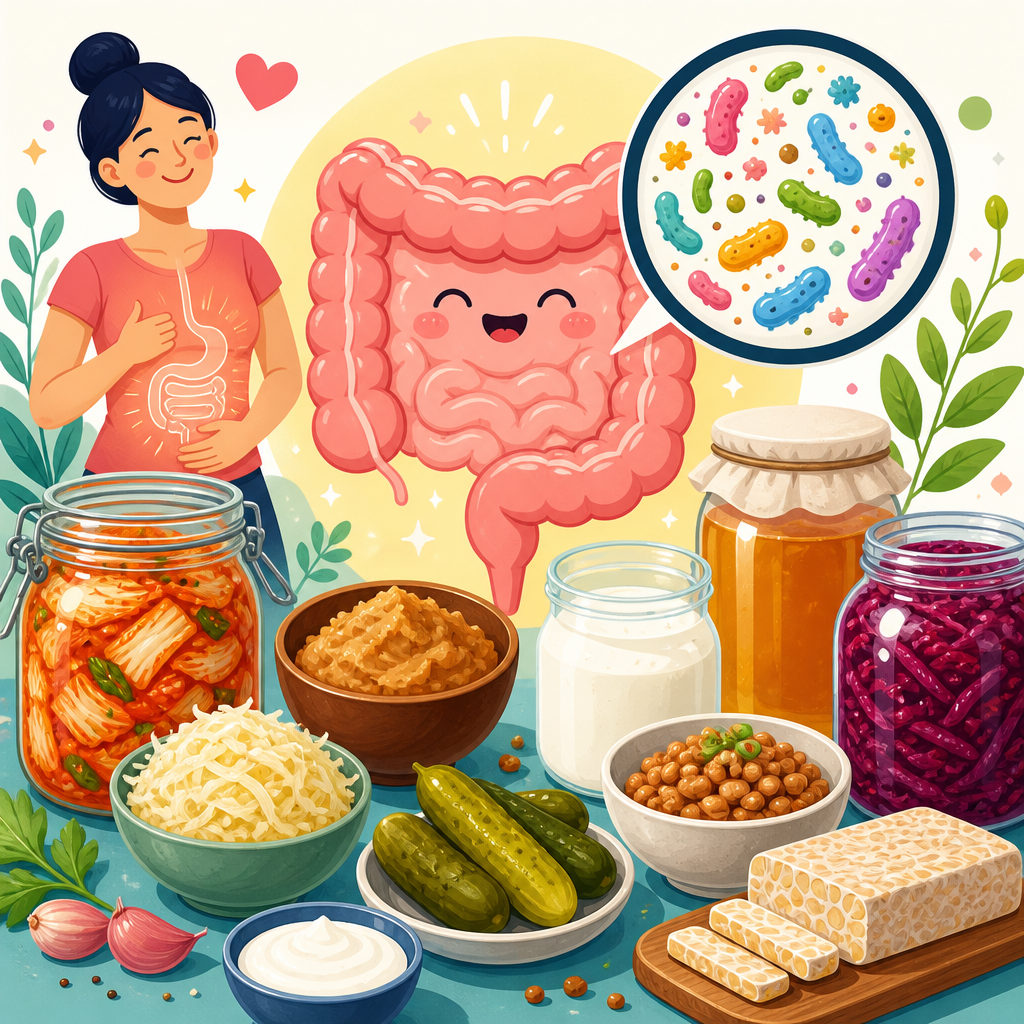
Immune support is not a single switch. It depends on barrier protection, communication between immune cells, inflammation control, and recovery capacity. The gut is central because a large share of immune activity is associated with the gastrointestinal tract. Fermented foods such as kefir, yogurt, kimchi, and sauerkraut may support a healthier microbial environment, especially when paired with prebiotic fibers from onions, garlic, oats, beans, asparagus, and bananas. Fiber fermentation produces short-chain fatty acids such as butyrate, which help maintain the gut lining and influence immune regulation.
Micronutrients are equally important. Vitamin C supports neutrophil function and antioxidant protection. Zinc is essential for development and signaling of immune cells. Selenium helps protect against oxidative stress through enzymes such as glutathione peroxidase. Vitamin D influences innate and adaptive immune responses. Protein matters because antibodies and many signaling molecules are built from amino acids. This is one reason under-eating can coincide with more frequent illness, slower wound healing, and reduced recovery from training.
Colorful plant foods provide the antioxidant network that helps limit collateral damage during immune activation. Broccoli and Brussels sprouts supply glucosinolates, carrots and sweet potatoes provide beta-carotene, and berries add anthocyanins. None of these foods “boost” immunity in the simplistic marketing sense. What they do is support normal, well-regulated immune function, which is more valuable. An overactive immune response can be as problematic as an underactive one. The best dietary pattern is diverse, steady, and anti-inflammatory.
Building Daily Meals Around Functional Superfoods
The easiest way to use superfoods for energy and immunity is to stop treating them as extras and start building meals around them. A functional breakfast could be plain Greek yogurt, oats, chia seeds, blueberries, and kiwi. That combination provides protein, probiotics, fiber, omega-3 precursors, polyphenols, and vitamin C. Another strong option is eggs with sautéed spinach and mushrooms, plus whole-grain toast and citrus fruit. Lunch might be a lentil and salmon bowl with kale, roasted peppers, pumpkin seeds, olive oil, and lemon. Dinner could be chicken or tofu with broccoli, brown rice, and kimchi.
Snacks matter because they often determine whether blood sugar stays steady or swings dramatically. Better choices include cottage cheese with berries, edamame, nuts with fruit, hummus with bell peppers, or kefir with cinnamon. These combinations provide a mix of protein, fiber, and micronutrients instead of fast-digesting calories alone. In athletes and physically active adults, timing also matters. A pre-workout snack that includes carbohydrate and a little protein can improve training quality, while a post-workout meal with protein, colorful produce, and fluids supports recovery and immune resilience.
I also advise planning for consistency over novelty. Chasing rare powders and expensive blends usually leads to poor adherence. Most households can make measurable improvements with frozen berries, canned sardines, plain yogurt, eggs, beans, oats, leafy greens, and seasonal citrus. Frozen produce is often picked at peak ripeness and can be as nutritious as fresh. Canned fish offers stable access to omega-3s and vitamin D. Affordable choices are often the most useful because people actually eat them repeatedly.
Common Mistakes, Limitations, and Smart Next Steps
The biggest mistake is expecting superfoods to compensate for an overall low-quality routine. If someone sleeps five hours, drinks heavily, eats little protein, and is chronically stressed, adding turmeric or acai will not restore robust energy and immunity. Another mistake is relying on juices and sweet smoothie bowls sold as wellness foods. They may contain vitamin C, but without enough protein, fiber, and fat, they can produce rapid spikes and crashes. Overusing supplements is another issue. Iron, zinc, selenium, and vitamin D can be useful when deficiency exists, but unnecessary supplementation can be ineffective or harmful. Testing and clinical context matter.
There are also individual considerations. People with kidney disease may need to moderate potassium-rich foods. Those taking anticoagulants should keep vitamin K intake consistent rather than swinging between extremes. Histamine intolerance can make fermented foods difficult. Autoimmune conditions, digestive disorders, anemia, and thyroid disease need medical evaluation, not self-diagnosis through food trends. If fatigue is persistent, severe, or new, it is worth discussing with a clinician because underlying causes include sleep apnea, depression, infection, medication effects, and nutrient deficiencies.
The main takeaway is simple: superfoods for energy and immunity work best as part of a repeatable eating pattern centered on protein, fiber, colorful plants, healthy fats, and fermented foods. Focus first on berries, leafy greens, legumes, yogurt or kefir, eggs, seeds, citrus, and fatty fish. Use them daily, not occasionally. Build meals that stabilize blood sugar, improve nutrient adequacy, and support the gut. If you want better stamina, stronger recovery, and more resilient immune function, start by choosing two or three of these foods this week and putting them on your plate consistently.
Frequently Asked Questions
What does “superfoods for energy and immunity” actually mean?
“Superfoods” is a useful shorthand for foods that deliver a high concentration of beneficial nutrients and protective compounds relative to their calorie content. In the context of energy and immunity, these foods help the body perform several essential jobs at once. They provide vitamins and minerals that support cellular energy production, antioxidants and polyphenols that help manage oxidative stress, fiber that supports gut health, and healthy fats that contribute to normal inflammatory balance and cell function. Examples often include berries, leafy greens, fatty fish, legumes, seeds, yogurt or fermented foods, citrus, eggs, and colorful vegetables.
It is important to use the term realistically. No single food can compensate for poor sleep, chronic stress, dehydration, or a consistently unbalanced diet. Instead, superfoods are best understood as strategically valuable foods that strengthen the nutritional foundation your body depends on every day. When used regularly as part of a varied eating pattern, they can help support more stable energy, better recovery, stronger immune resilience, and healthier regulation of processes such as inflammation, tissue repair, and metabolism.
How do superfoods help the body produce energy?
Energy from food is not just about calories. The body must convert carbohydrates, fats, and proteins into usable energy inside cells, especially within the mitochondria. This process depends on a steady supply of nutrients such as B vitamins, magnesium, iron, copper, and protein. Superfoods can support these pathways by delivering those nutrients in meaningful amounts. For example, leafy greens and legumes provide folate and magnesium, eggs supply protein and choline, nuts and seeds contribute healthy fats and minerals, and whole fruits offer carbohydrates paired with fiber and phytonutrients rather than a rapid sugar spike.
Superfoods also support energy by improving consistency rather than creating a temporary boost. Fiber-rich foods help slow digestion and maintain steadier blood sugar, which can reduce energy crashes. Iron-rich foods support oxygen transport, helping tissues receive what they need for normal performance. Omega-3-rich foods may help reduce inflammatory strain that can leave people feeling run down. In practice, the most noticeable benefit often comes from combining these foods across meals: for example, pairing protein, fiber, and healthy fat can create more sustained physical and mental energy than relying on highly processed snacks or excessive caffeine alone.
In what way do superfoods support the immune system?
The immune system relies on a broad network of nutrients, not one “immune-boosting” ingredient. Superfoods support immune health by helping maintain physical barriers such as the skin and gut lining, supplying raw materials for immune cell production, and helping regulate inflammatory responses. Nutrients like vitamin C, vitamin A, zinc, selenium, vitamin D, and protein all play roles in normal immune function. Foods such as citrus fruits, bell peppers, berries, yogurt, pumpkin seeds, eggs, seafood, and dark leafy greens can help provide these building blocks.
Another major factor is the gut, where a large portion of immune activity is closely connected to the microbiome. Fiber from vegetables, fruits, legumes, oats, nuts, and seeds helps feed beneficial gut bacteria, while fermented foods such as yogurt, kefir, kimchi, or sauerkraut may help support microbial diversity. Polyphenol-rich foods like berries, green tea, cocoa, and colorful vegetables also appear to support a healthier internal environment. Rather than overstimulating immunity, the real value of superfoods is that they help the immune system stay well supplied, appropriately regulated, and better able to respond to everyday stressors.
Can superfoods reduce inflammation and help with recovery?
Many superfoods contain compounds that help the body regulate inflammation, which is essential because inflammation itself is not the enemy. Acute inflammation is a normal part of healing and defense. The concern is chronic, poorly regulated inflammation that may contribute to fatigue, slower recovery, and long-term health strain. Foods rich in omega-3 fats, polyphenols, antioxidants, minerals, and fiber can help support a more balanced inflammatory response. Examples include salmon or sardines, extra virgin olive oil, berries, cherries, turmeric, leafy greens, walnuts, flaxseeds, and legumes.
These foods may also support tissue repair after exercise, illness, or routine physical wear and tear. Protein-rich options provide amino acids needed to rebuild tissue, while vitamin C helps support collagen formation and antioxidant defense. Magnesium and potassium support muscle and nerve function. Antioxidant compounds can help the body manage the oxidative stress created by exercise and environmental exposure. The key is consistency and overall dietary pattern. Recovery improves most when anti-inflammatory and nutrient-dense foods are eaten regularly alongside adequate sleep, hydration, and sufficient total calories and protein.
What is the best way to add superfoods to a daily routine without overcomplicating meals?
The most effective approach is to build simple meals around familiar foods that cover multiple nutritional roles. Instead of chasing exotic ingredients, focus on consistency with accessible options. A practical breakfast might include Greek yogurt or eggs with berries and seeds. Lunch could be a grain bowl or salad with leafy greens, beans, olive oil, and colorful vegetables. Dinner might feature fatty fish or lentils with roasted vegetables and a whole grain. Snacks can include fruit with nuts, hummus with carrots, or kefir with chia seeds. This approach helps layer in protein, fiber, healthy fats, vitamins, minerals, and polyphenols without requiring a complicated meal plan.
It also helps to think in categories rather than labels. Aim to include a colorful produce source, a quality protein, a high-fiber carbohydrate, and a healthy fat at most meals. Rotate foods across the week to improve nutrient variety and support a more diverse gut microbiome. If budget or convenience is a concern, frozen berries, canned beans, oats, tinned fish, plain yogurt, peanut butter, cabbage, spinach, and seeds are all affordable and useful options. Ultimately, the best superfoods are the ones you will actually eat regularly as part of an overall pattern that supports sleep, stress management, movement, and balanced nutrition.