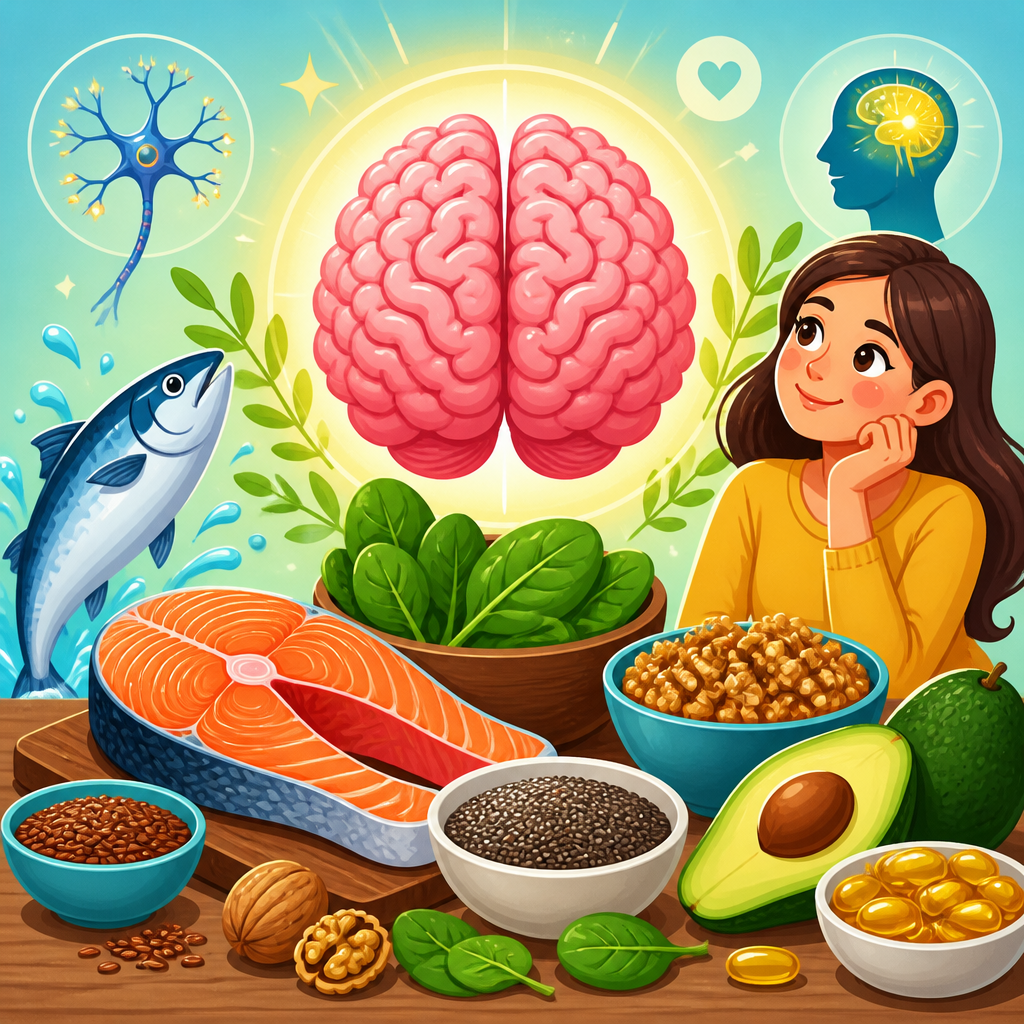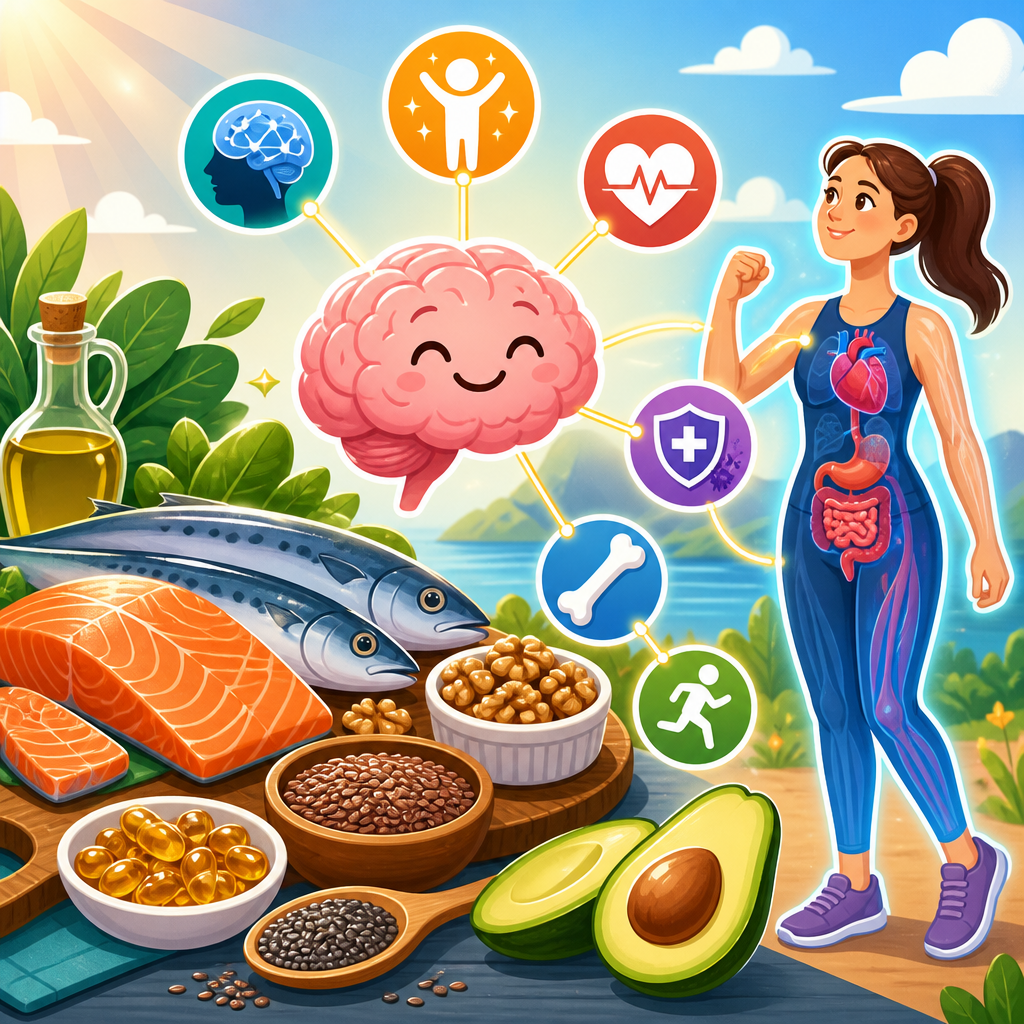
Omega-3 rich foods and brain health are closely linked because these essential fats help build cell membranes, regulate signaling, and support functions that affect memory, mood, vision, and cardiovascular performance. Omega-3s are polyunsaturated fatty acids the body cannot make efficiently on its own, so food intake matters. The three forms people hear about most are ALA, found mainly in plants such as flaxseed, chia, hemp, and walnuts, and EPA and DHA, found primarily in fatty fish, shellfish, algae, and fortified foods. In practice, DHA is especially important for the brain and retina, while EPA is strongly associated with inflammatory balance and cardiovascular support. ALA can contribute, but its conversion into EPA and DHA is limited, which is why source quality matters when planning meals.
I have worked with nutrition content and meal-planning frameworks long enough to see the same confusion appear repeatedly: many people know omega-3s are “good for you,” yet they do not know which foods provide meaningful amounts, how much is enough, or why brain health is the headline benefit. This matters because the brain is nearly 60 percent fat by dry weight, and DHA is a major structural component of neuronal membranes. When intake is consistently low, the issue is not only cognition in later life. Omega-3 status influences day-to-day concentration, visual processing, recovery from training, triglyceride management, and the body’s inflammatory responses. In other words, omega-3 rich foods and brain health connect to much more than memory alone.
As a hub topic within superfoods and functional foods, omega-3s deserve a practical, evidence-based overview. People searching this subject usually want direct answers: what are the best omega-3 rich foods, are plant sources enough, can supplements replace fish, how do omega-3s support the brain, and what should different age groups focus on? The strongest guidance comes from established nutrition science and public health recommendations, including advice from the American Heart Association, the National Institutes of Health Office of Dietary Supplements, and global expert panels that evaluate seafood intake, cardiovascular risk, and neurodevelopment. The clearest takeaway is that regular intake of omega-3 rich foods can support the brain while also helping the body’s key functions operate more efficiently.
To understand why, start with the term “supports.” Omega-3s do not act like a stimulant that instantly sharpens thinking after one meal. They work more fundamentally by becoming part of tissues and influencing biochemical pathways. Cell membranes need flexibility to transmit signals effectively. The nervous system depends on rapid communication between neurons. The heart benefits from effects on triglycerides and vascular function. Eyes require DHA for retinal structure. Muscles and joints can benefit indirectly through inflammatory regulation and recovery. That broad physiological role is why omega-3 rich foods are often classified as functional foods: they provide more than calories by delivering compounds tied to measurable health outcomes.
How Omega-3s Support the Brain and Nervous System
The brain relies on fats that keep nerve cells fluid, responsive, and able to communicate. DHA is the standout omega-3 here because it is incorporated into neuronal membranes in high amounts. In plain terms, DHA helps maintain the physical structure that allows brain cells to send and receive signals efficiently. EPA matters too, although more through signaling molecules involved in inflammation and vascular health. Together, these fatty acids support attention, learning, mood regulation, and cognitive resilience across the lifespan.
In clinical and population research, higher seafood intake and better omega-3 status are often associated with cognitive benefits, though the degree of effect varies by age, baseline diet, and health status. During pregnancy and early childhood, DHA is crucial because the fetal and infant brain and eyes are developing rapidly. In adults, adequate intake supports normal brain function and may help preserve cognitive performance as people age. I have reviewed many studies where the biggest practical lesson was not that omega-3s are a miracle nutrient, but that consistent, adequate intake appears to provide a foundational advantage, especially when the rest of the diet is also strong.
Brain health also depends on blood flow, sleep quality, metabolic stability, and inflammatory balance, all of which can interact with omega-3 intake. For example, elevated triglycerides and poor vascular function can indirectly affect the brain over time. EPA and DHA have established roles in triglyceride reduction, particularly at therapeutic doses used under medical supervision. That means the value of omega-3 rich foods and brain health is partly direct, through neuronal structure, and partly indirect, through the systems that keep the brain nourished and protected.
Best Omega-3 Rich Foods to Put on Your Plate
The most effective food sources of EPA and DHA are fatty fish. Salmon, sardines, mackerel, herring, anchovies, and trout consistently rank near the top. Exact amounts vary by species, farming practices, feed, and portion size, but these foods reliably provide meaningful omega-3 intake in a single meal. Sardines are especially useful because they are affordable, shelf-stable when canned, and also rich in calcium and vitamin D if the bones are eaten. Salmon is versatile and widely available, while mackerel and herring are excellent options in traditional diets.
Plant foods contribute mainly ALA. Flaxseed, chia seeds, hemp seeds, walnuts, soy foods, and canola oil are the most practical sources. These foods are valuable, but they are not direct substitutes for fish because the body converts only a small percentage of ALA into EPA and an even smaller amount into DHA. Conversion can be influenced by overall diet, sex, genetics, and the balance of omega-6 fats, but in everyday meal planning, relying solely on ALA makes it harder to reach DHA needs. That is why algae-based foods and supplements are important options for people who avoid seafood.
| Food | Main omega-3 form | Why it stands out | Practical use |
|---|---|---|---|
| Salmon | EPA and DHA | High-quality source with protein and vitamin D | Bake fillets, add to grain bowls, use in salads |
| Sardines | EPA and DHA | Affordable, low on the food chain, shelf-stable | Eat on toast, in pasta, or with crackers and lemon |
| Mackerel | EPA and DHA | Very rich source with strong flavor | Grill, smoke, or serve with potatoes and greens |
| Trout | EPA and DHA | Mild taste and accessible in many markets | Pan-sear or roast for weeknight meals |
| Flaxseed | ALA | High-fiber plant source | Use ground flax in oats, yogurt, or baking |
| Chia seeds | ALA | Easy to add without cooking | Mix into pudding, smoothies, or cereal |
| Walnuts | ALA | Convenient whole-food snack | Add to salads, porridge, or trail mix |
| Algae oil | DHA, sometimes EPA | Direct vegan source | Use fortified products or supplements when needed |
When selecting seafood, variety matters. Different fish bring different nutrient profiles and contaminant considerations. Smaller oily fish such as sardines and anchovies tend to be lower in mercury than large predatory fish. Salmon and trout are generally considered smart regular choices. For people who dislike fish, combining ALA-rich foods daily with an algae-derived DHA source is usually the most realistic alternative. This is one of the clearest distinctions I make when building nutrition guidance: plant omega-3s are beneficial, but direct DHA access simplifies the brain-health equation.
How Omega-3 Rich Foods Support the Body’s Key Functions
Although brain health is central, omega-3 rich foods support several systems at once. Cardiovascular function is the best-known example. EPA and DHA can lower triglycerides, and regular fish intake is associated with heart health benefits in many dietary patterns, including Mediterranean-style eating. These fats also influence platelet function, heart rhythm stability, endothelial performance, and inflammation. The result is not a single dramatic effect from one meal, but a cumulative benefit when omega-3 foods replace less nutritious choices over time.
Vision is another key function. DHA is highly concentrated in the retina, so intake supports normal visual development and maintenance. This matters in pregnancy, infancy, and older adulthood. Immune and inflammatory responses are also affected because omega-3s are involved in producing signaling compounds such as resolvins and protectins, which help regulate how the body responds to stress and tissue injury. Athletes and active adults often notice the value of this through recovery, joint comfort, and consistency in training, although response varies with total diet and workload.
Omega-3s also intersect with metabolic health. Replacing highly processed foods with fish, nuts, and seeds can improve overall nutrient density, satiety, and dietary quality. In counseling-style frameworks I have used, the meal pattern matters as much as the nutrient itself. A salmon meal with beans, vegetables, and olive oil supports blood sugar management and heart health differently than taking a capsule while eating a poor-quality diet. Functional foods work best in context. Omega-3 rich foods and brain health are most meaningful when they are part of a broader dietary pattern built on minimally processed staples.
How Much You Need and Who Should Pay Special Attention
There is no single universal target that fits every person, but several benchmarks are useful. Many heart-health guidelines recommend eating fish, especially fatty fish, at least twice per week. For ALA, adequate intake levels are commonly set around 1.1 grams per day for adult women and 1.6 grams per day for adult men, with adjustments during pregnancy and lactation. Specific EPA and DHA targets vary across organizations, but intakes around 250 to 500 milligrams per day combined are often cited for general health in adults. Higher doses may be used clinically for triglyceride reduction under physician guidance.
Pregnant and breastfeeding women should pay special attention because DHA supports fetal and infant brain and eye development. Children need omega-3s for growth, learning, and visual development, though amounts should be age appropriate. Older adults may benefit from steady intake as part of a cognitive-health strategy that also includes blood pressure control, exercise, sleep, and social engagement. Vegetarians and vegans should think carefully about DHA because ALA conversion alone may not fully cover needs. Algae-based DHA is usually the most direct solution.
People taking blood thinners, preparing for surgery, or managing chronic disease should discuss supplements with a clinician, especially at higher doses. Food-first intake is generally safe and beneficial for most people, but individualized advice matters when medication interactions or medical conditions are involved. This balanced approach is important because nutrition guidance should be practical, not absolute.
Smart Meal Planning, Supplements, and Common Mistakes
The easiest way to increase omega-3 intake is to anchor the week with repeatable meals. Grill salmon on Sunday and use leftovers in salads. Keep canned sardines or salmon for quick lunches. Add ground flaxseed to oatmeal, yogurt, or smoothies. Sprinkle chia into overnight oats. Choose walnuts for snacks. If you do not eat fish, use these plant foods daily and consider algae oil for direct DHA. Consistency beats intensity; a sustainable pattern matters more than occasional “healthy” meals.
Supplements can help, but they should solve a specific gap rather than replace thoughtful eating. Fish oil supplements usually provide EPA and DHA, while algae oil provides DHA and sometimes EPA. Quality matters. Look for third-party testing from organizations such as USP, NSF, or IFOS, and check the actual EPA and DHA content per serving rather than the total oil amount. A capsule labeled 1000 milligrams of fish oil may contain far less combined EPA and DHA than consumers expect. Storage matters too, because oxidized oils are lower quality and may taste rancid.
Common mistakes include assuming all fish are equally rich in omega-3s, confusing ALA with DHA, and overestimating the benefit of supplements while ignoring the rest of the diet. Another mistake is choosing breaded fried fish as a routine substitute for oily fish prepared simply. The goal is not perfection. It is building a realistic pattern where omega-3 rich foods and brain health become part of everyday nutrition instead of an occasional afterthought.
Omega-3 rich foods and brain health belong at the center of any serious conversation about functional foods because these fats help the brain, heart, eyes, and inflammatory systems work as they should. DHA supports the structure of neuronal and retinal membranes. EPA contributes to signaling pathways tied to cardiovascular and inflammatory balance. Together, they influence functions that people feel every day, from focus and visual performance to recovery and long-term heart health. That is why the strongest dietary strategies do not treat omega-3s as a niche nutrient. They treat them as a recurring foundation.
The practical message is straightforward. Eat fatty fish regularly if you can. Use salmon, sardines, trout, mackerel, or herring as staple proteins. Add flaxseed, chia, hemp, walnuts, and soy foods for additional plant omega-3s and overall dietary quality. If you avoid seafood, consider algae-derived DHA so brain-focused nutrition does not depend entirely on limited ALA conversion. Keep expectations realistic: omega-3s are not magic, but consistent intake is one of the clearest, most evidence-backed ways to support your body’s key functions through food.
Use this hub as your starting point for building a smarter superfoods plan. Review your current meals, identify your best omega-3 sources, and make one practical upgrade this week, whether that is adding two fish meals, stocking canned sardines, or using ground flax every morning. Small, repeated changes are what turn nutrition advice into measurable results.
Frequently Asked Questions
What makes omega-3 rich foods so important for brain health and overall body function?
Omega-3 rich foods play a central role in brain health because these fats are built into cell membranes throughout the body, especially in the brain, eyes, and nervous system. When your diet provides enough omega-3s, your cells can maintain the flexibility and structure they need for efficient communication. That matters because brain cells rely on fast, accurate signaling to support memory, learning, attention, and mood regulation. DHA, in particular, is highly concentrated in brain and retinal tissue, which helps explain why omega-3 intake is often linked with cognitive performance and visual function.
Beyond the brain, omega-3s support several other key functions that influence how well the body operates day to day. They help regulate signaling pathways involved in inflammation, circulation, and heart rhythm, which is why they are often discussed in connection with cardiovascular health. EPA and DHA are especially valued for their role in supporting healthy triglyceride levels and promoting balanced inflammatory responses. In practical terms, getting enough omega-3s through food may help support not just sharper thinking, but also healthy vision, vascular function, joint comfort, and general cellular resilience.
Another reason omega-3 rich foods matter is that the body cannot efficiently make enough of these essential fats on its own. That means food intake is the main way to maintain healthy levels. If omega-3 intake is low over time, the body still has to function, but it may do so without the optimal building blocks needed for long-term brain and body support. Including omega-3 sources regularly is a simple nutrition strategy that supports multiple systems at once, which is one reason these fats are considered so foundational in a balanced diet.
What are the differences between ALA, EPA, and DHA, and which type is best for brain health?
ALA, EPA, and DHA are all omega-3 fatty acids, but they are not identical in how the body uses them. ALA, or alpha-linolenic acid, is found mostly in plant foods such as flaxseed, chia seeds, hemp seeds, and walnuts. EPA, or eicosapentaenoic acid, and DHA, or docosahexaenoic acid, are found mainly in fatty fish and shellfish. These marine forms are often emphasized because they are already in the forms the body can use more directly for many structural and signaling functions.
For brain health specifically, DHA is often considered especially important because it is a major structural fat in the brain and the retina. It helps support the integrity and fluidity of cell membranes, which contributes to effective nerve signaling and communication between brain cells. EPA also plays an important role, especially in signaling processes related to inflammation balance and mood support. While ALA is beneficial and absolutely worth including in a healthy diet, the body converts only a limited amount of ALA into EPA and DHA, which means relying only on plant sources may not provide the same levels of these long-chain omega-3s for some people.
That does not mean one form makes the others irrelevant. Instead, it is more useful to think of them as complementary. ALA-rich foods add nutritional value, fiber, minerals, and healthy fats to meals, while EPA and DHA provide more direct support for the brain, eyes, and cardiovascular system. For many people, the strongest nutrition approach is to include both plant and marine omega-3 sources when possible. If someone does not eat fish, they may want to pay closer attention to plant omega-3 intake and discuss options such as algae-based DHA and EPA with a qualified healthcare professional.
Which foods are the best sources of omega-3s for supporting memory, mood, and focus?
The most concentrated food sources of EPA and DHA, the omega-3s most directly associated with brain and nervous system support, are fatty fish and certain types of seafood. Salmon, sardines, mackerel, herring, trout, anchovies, and some shellfish are among the best choices. These foods provide omega-3s in forms the body can readily use, making them especially helpful for supporting memory, focus, mood balance, and cardiovascular performance. Including fish regularly in meals is one of the most reliable ways to raise intake of these key fats.
Plant foods also contribute meaningful omega-3s, primarily in the form of ALA. Flaxseed, chia seeds, hemp seeds, walnuts, and oils made from some of these foods are common examples. While ALA must be converted in the body to EPA and DHA and that conversion is limited, these foods still deserve a place in an omega-3 friendly eating pattern. They are easy to add to breakfast bowls, smoothies, yogurt, salads, and baked dishes, and they often come with additional benefits such as fiber, protein, vitamin E, and minerals. For people who eat little or no seafood, these foods become even more important.
If your goal is broad support for brain health and body function, variety is a smart strategy. Try combining marine and plant sources rather than treating them as either-or options. For example, you might eat salmon for dinner once or twice a week, add ground flaxseed to oatmeal, snack on walnuts, and use chia in puddings or smoothies. This kind of pattern helps support consistent intake over time, which matters more than trying to get all your omega-3s in one meal. Regular inclusion is what gives the body ongoing access to the fats it needs for cellular maintenance and communication.
How often should you eat omega-3 rich foods to support brain health and heart health?
Consistency matters more than perfection when it comes to omega-3 intake. Because the body cannot efficiently produce enough omega-3s on its own, regular dietary intake is important for maintaining healthy levels. Many people benefit from eating omega-3 rich foods several times throughout the week rather than only occasionally. Fatty fish is often emphasized as a practical way to obtain EPA and DHA, while plant foods such as flax, chia, hemp, and walnuts can be used more frequently, even daily, to strengthen overall intake.
A realistic approach is to build omega-3 sources into your normal eating routine. That could mean adding chia seeds to breakfast, using ground flax in yogurt or oatmeal, keeping walnuts on hand for snacks, and planning seafood meals on a recurring basis. This spreads intake across the week and supports a steady supply of these essential fats for cell membranes, signaling activity, and tissue maintenance. Brain, eye, and cardiovascular systems do not benefit from one-time intake nearly as much as they do from a sustained pattern of nourishment.
Individual needs can vary based on age, health status, dietary preferences, and whether someone avoids fish or seafood. People with specific medical concerns or higher nutritional needs may need more personalized guidance. Still, from a food-first perspective, the general principle is simple: include omega-3 rich foods often enough that they become part of your standard diet, not just an occasional health food choice. That long-term consistency is what best supports memory, mood, circulation, and other key body functions tied to omega-3 status.
Can you support brain health with plant-based omega-3 foods alone, or do you need fish and seafood?
It is possible to support brain health with plant-based omega-3 foods, but there is an important distinction to understand. Plant foods provide ALA, which is an essential omega-3 and absolutely beneficial. However, the body must convert ALA into EPA and DHA, and that conversion tends to be limited and variable from person to person. Because DHA is especially important for brain and eye structure, and EPA contributes to signaling processes related to mood and inflammation balance, some people may find it harder to reach optimal levels if they rely only on ALA sources.
That said, a plant-based approach can still be thoughtful and effective when done intentionally. Foods like flaxseed, chia seeds, hemp seeds, and walnuts should be used regularly, not sporadically. Including them daily can help improve overall omega-3 intake, and a well-planned eating pattern may support many aspects of health. For those who do not eat fish, algae-based sources are often discussed because algae can provide DHA and sometimes EPA without the use of seafood. This can be especially relevant for vegetarians and vegans who want more direct sources of long-chain omega-3s.
The key takeaway is that fish and seafood are not the only path to omega-3 intake, but they are among the most direct sources of the forms most closely linked with brain and eye health. If you eat seafood, including it regularly can simplify omega-3 nutrition. If you follow a plant-based diet, prioritizing ALA-rich foods and considering professional guidance on algae-based options can help you build a more complete strategy. Either way, the goal is the same: make sure your body has dependable access to the omega-3 fats it needs to support memory, mood, vision, and cardiovascular function.