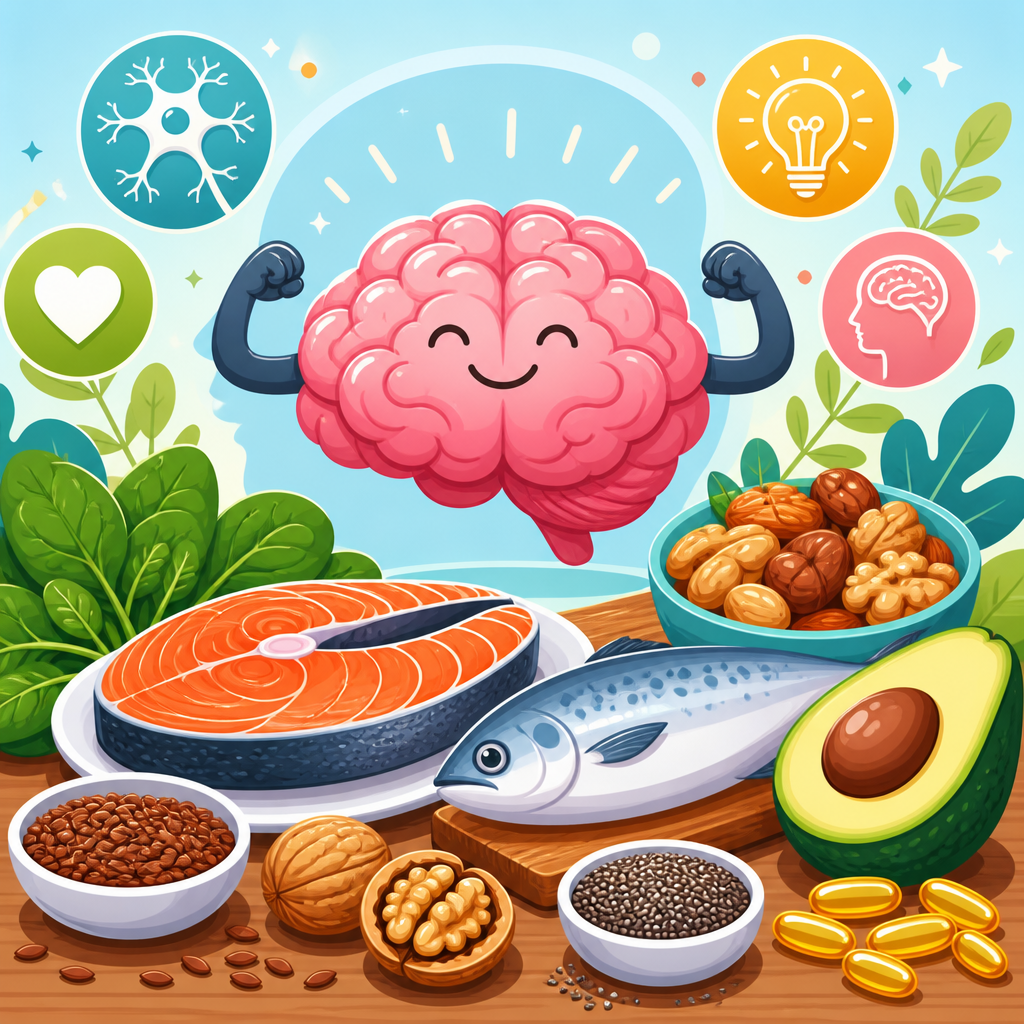
Omega-3 rich foods and brain health are closely linked because these essential fats help build brain cell membranes, support signaling between neurons, and influence inflammation throughout the nervous system. When people ask what omega-3s do for the brain, the short answer is this: they provide structural material for brain tissue and help regulate processes tied to memory, mood, attention, and healthy aging. In practice, I have seen nutrition plans improve when this topic is explained clearly, because many people know fish is “good for the brain” but do not understand which fats matter, how much to eat, or which foods provide them most reliably.
Omega-3 fatty acids are polyunsaturated fats the body cannot make efficiently enough to meet its needs, so diet matters. The three forms discussed most often are ALA, EPA, and DHA. ALA, or alpha-linolenic acid, is found mainly in plant foods such as flaxseed, chia seeds, walnuts, and canola oil. EPA, eicosapentaenoic acid, and DHA, docosahexaenoic acid, are found mainly in marine foods including salmon, sardines, mackerel, herring, trout, anchovies, and some algae-based products. DHA is especially important in brain tissue, while EPA is often studied for its role in inflammatory balance and mood regulation. Because conversion of ALA into EPA and DHA is limited, food choices should reflect that biological reality.
Brain health is a broad term covering cognitive performance, emotional well-being, neurodevelopment, and protection against age-related decline. Nutrition is only one factor among sleep, exercise, blood pressure control, social connection, and genetics, yet it is one of the few factors most people can improve immediately. Omega-3 rich foods matter within the broader superfoods and functional foods category because they deliver a defined physiological benefit supported by decades of research. They are not miracle foods, and no single ingredient prevents dementia or depression on its own. Still, they are among the most evidence-based dietary components for supporting normal brain function across the lifespan, from pregnancy and childhood through older adulthood.
What omega-3s do in the brain
DHA is a major structural fat in the brain and retina. It contributes to membrane fluidity, which affects how receptors, transporters, and signaling proteins function on the surface of nerve cells. Put simply, neurons communicate through electrical and chemical signals, and the quality of the membrane influences how efficiently that communication happens. EPA and DHA also affect eicosanoids and specialized pro-resolving mediators, compounds involved in managing inflammation. Chronic inflammation is associated with many health problems, including vascular issues that can harm cognition over time. This is one reason omega-3 rich foods and brain health are discussed together so often in clinical nutrition.
Research connects adequate omega-3 intake with several brain-related outcomes, though the strength of evidence differs by topic. During pregnancy and infancy, DHA supports fetal and early-life brain and eye development. In adults, higher fish intake is associated with better cognitive aging in many observational studies. Some trials suggest omega-3s may help certain groups with mood symptoms, especially when EPA content is substantial, but results are mixed and should not replace clinical care. For dementia prevention, evidence is less dramatic than headlines often imply. The consistent conclusion is more modest and more useful: regular intake of omega-3 rich foods supports brain structure and function as part of an overall healthy dietary pattern.
Best omega-3 rich foods for brain health
Fatty fish are the most efficient food sources of preformed EPA and DHA. Salmon, sardines, Atlantic mackerel, herring, anchovies, and trout are standouts because they deliver meaningful amounts in practical serving sizes. Sardines are especially useful: they are inexpensive, shelf-stable in canned form, and typically lower on the food chain, which often means lower mercury exposure than larger predatory fish. Salmon is popular because it is versatile and provides protein, selenium, vitamin D, and astaxanthin in addition to omega-3s. Trout and herring are similarly valuable and are often underused in meal planning.
Plant foods also deserve a place in this hub because they contribute ALA and improve overall diet quality. Ground flaxseed, chia seeds, hemp seeds, walnuts, soy foods, and canola oil can help increase omega-3 intake, particularly for people who eat little or no seafood. However, from a brain-health perspective, it is important to explain the limitation clearly: conversion of ALA to EPA is low, and conversion to DHA is even lower. That does not make plant sources unimportant. It means they should be viewed as supportive sources, while algae-based DHA or marine foods may be more dependable for people specifically targeting brain nutrition.
| Food | Main omega-3 type | Practical brain-health benefit | Best use |
|---|---|---|---|
| Salmon | EPA + DHA | High-quality preformed omega-3s for regular intake | Weekly main meals |
| Sardines | EPA + DHA | Affordable, convenient, lower-mercury option | Salads, toast, pasta |
| Trout | EPA + DHA | Mild flavor with strong nutrient density | Baked or grilled dinners |
| Flaxseed | ALA | Useful plant source that also adds fiber | Oatmeal, yogurt, smoothies |
| Chia seeds | ALA | Easy way to raise omega-3 intake in plant-forward diets | Puddings, cereal, baking |
| Walnuts | ALA | Convenient snack with polyphenols and healthy fats | Snacks and salads |
| Algae oil foods or supplements | DHA, sometimes EPA | Direct non-fish source for vegetarians and vegans | Targeted dietary support |
How much omega-3 you need and how to eat enough
For generally healthy adults, many public health guidelines support eating fish at least twice per week, especially oily fish. The Dietary Guidelines for Americans and the American Heart Association both point people toward regular seafood intake, and that recommendation works well for brain nutrition too. There is no single universal target that fits every person, because recommendations may be expressed as total fish intake, ALA intake, or specific EPA and DHA amounts. In counseling, I focus first on food frequency and portion size because those are easier to apply than biochemistry. Two servings of fatty fish weekly is a practical baseline for most omnivores.
If someone does not eat fish, I build from the next best options. First, include ALA-rich foods daily: ground flaxseed in breakfast, walnuts as snacks, chia in yogurt, and soy foods through the week. Second, consider fortified foods or algae-derived DHA, especially during pregnancy, lactation, or fully plant-based eating patterns. Third, protect the rest of the diet. Omega-3s work within a larger pattern that should also include leafy greens, legumes, berries, whole grains, and adequate protein. A diet overloaded with ultra-processed foods, excess alcohol, and poorly controlled blood sugar can undermine brain health even if omega-3 intake is decent.
Omega-3s across life stages: pregnancy, children, adults, and aging
Needs and priorities shift across the lifespan. During pregnancy, DHA is transferred to the fetus and contributes to brain and retinal development, which is why prenatal nutrition guidance often emphasizes low-mercury seafood choices. Salmon, sardines, trout, and light tuna in appropriate amounts can fit, while high-mercury species such as shark, swordfish, king mackerel, and tilefish should be avoided. For infants, breast milk DHA reflects maternal intake, and formula may include DHA. In early childhood, regular exposure to fish and plant omega-3 foods can help establish dietary habits that support development, though meals should always be age-appropriate and safely prepared to avoid choking hazards and excess sodium.
In working-age adults, the focus often shifts toward attention, mood, and long-term protection. Many people in this stage are eating on the run, relying on packaged snacks, and missing seafood for weeks at a time. Adding one tin of sardines to lunch, swapping processed spreads for walnut-based toppings, or replacing one meat meal with salmon can meaningfully raise intake. In older adults, omega-3 rich foods and brain health become part of a wider healthy aging strategy that includes blood pressure management, resistance training, hearing care, and social engagement. Fish intake may support vascular health as well as nutrition, which matters because what protects the heart often protects the brain.
Supplements, safety, and common misconceptions
People often ask whether fish oil supplements are equivalent to food. They can be useful, but they are not identical to eating fish. Seafood provides protein, selenium, iodine in some species, vitamin D in fatty fish, and a matrix of nutrients that supplements do not fully replicate. Supplements may help people who cannot meet needs through diet, those who avoid fish, or patients following specific medical advice. Quality matters. Look for third-party testing from organizations such as USP, NSF, or IFOS, check EPA and DHA amounts rather than front-label marketing, and store oils properly because oxidation reduces quality. Algae oil is the leading direct DHA alternative for vegetarian and vegan diets.
Safety questions usually center on mercury, contaminants, and bleeding risk. The smartest approach is species selection, not avoiding seafood entirely. Smaller oily fish like sardines, anchovies, and herring generally offer strong omega-3 content with lower mercury exposure. Larger predatory fish accumulate more contaminants over time. For supplements, very high doses should be discussed with a clinician, especially for people taking anticoagulants or preparing for surgery. Another misconception is that more is always better. It is not. Consistency matters more than extremes. The evidence favors regular, sustainable intake of omega-3 rich foods within a balanced eating pattern, not megadoses or short-term hacks.
Building a brain-healthy omega-3 eating pattern
The most effective approach is to make omega-3 intake routine instead of aspirational. Keep canned sardines, salmon, or trout at home for quick meals. Use ground flaxseed rather than whole flaxseed so the body can access the fat more easily. Add chia to breakfast three or four times weekly. Choose walnuts over refined snack foods. If you cook fish, use methods that preserve quality, such as baking, steaming, poaching, grilling, or pan-searing with moderate heat, instead of deep-frying. Pair omega-3 foods with produce and whole grains: salmon with lentils and greens, sardines on whole-grain toast with tomatoes, or chia with oats and berries.
As a hub within superfoods and functional foods, this topic connects naturally to related nutrition themes: anti-inflammatory eating patterns, Mediterranean-style meals, gut-brain interactions, and nutrient synergies involving choline, magnesium, B vitamins, and polyphenols. Omega-3 rich foods and brain health should be understood as one evidence-based pillar, not a stand-alone cure. The practical takeaway is straightforward: choose direct EPA and DHA sources regularly, use plant omega-3 foods daily, select seafood wisely for safety, and keep expectations realistic. If you want better nutrition that genuinely supports the brain, start by planning your next two seafood meals and one plant-based omega-3 habit this week.
Frequently Asked Questions
What are omega-3 fatty acids, and why are they so important for brain health?
Omega-3 fatty acids are essential fats, which means the body cannot make enough of them on its own and must get them through food. The three best-known types are ALA (alpha-linolenic acid), which is found mainly in plant foods like flaxseeds, chia seeds, and walnuts, and EPA (eicosapentaenoic acid) and DHA (docosahexaenoic acid), which are found primarily in fatty fish and seafood. When it comes to brain health, DHA is especially important because it is a major structural component of brain cell membranes. In simple terms, it helps build and maintain the physical framework of brain tissue.
Beyond structure, omega-3s also support how brain cells communicate. Healthy nerve signaling depends on flexible, well-functioning cell membranes, and omega-3 fats help maintain that flexibility. They also play a role in regulating inflammation in the nervous system, which matters because chronic inflammation may negatively affect cognition, mood, and long-term brain aging. This is why omega-3 rich foods and brain health are often discussed together: these fats do not just “feed the brain” in a vague sense, they help support the actual architecture and communication systems that allow the brain to work efficiently.
Which omega-3 rich foods are best for supporting the brain?
The strongest dietary sources for brain-supportive omega-3s are fatty fish and seafood because they provide DHA and EPA directly. Salmon, sardines, mackerel, herring, trout, anchovies, and certain types of tuna are among the best choices. These foods are especially valuable because the body can use their omega-3 content more efficiently than plant-based ALA. For many people, including fish in meals a few times per week is one of the most practical ways to improve omega-3 intake for brain support.
Plant foods still matter, especially for people who eat little or no seafood. Flaxseeds, chia seeds, hemp seeds, walnuts, and foods made with canola or flax oil provide ALA, which the body can convert into EPA and DHA, although that conversion is limited. That means plant sources are helpful, but they do not fully replace marine sources in terms of direct DHA intake. For vegetarians and vegans, algae-based foods or supplements can be important because algae is a direct non-fish source of DHA, and sometimes EPA as well. A well-planned nutrition approach often combines consistency, variety, and realistic food choices rather than relying on one “superfood” alone.
How do omega-3 rich foods affect memory, mood, and focus?
Omega-3s support several brain processes that are tied to memory, mood, and attention. Because DHA is a major part of neuronal membranes, it helps maintain the conditions needed for efficient signaling between brain cells. Strong communication between neurons is essential for learning, memory formation, and concentration. When omega-3 intake is adequate, it may help support normal cognitive performance by contributing to the basic functioning of these communication networks.
Mood is another area where omega-3s are frequently studied. EPA and DHA appear to influence inflammatory pathways and cell signaling systems that are relevant to emotional regulation. While omega-3 rich foods are not a standalone treatment for mental health conditions, a balanced intake may support an overall nutrition pattern linked to better brain and nervous system function. In practical nutrition planning, people often understand this best when it is framed clearly: omega-3s are not magic, but they are foundational. They help create a healthier internal environment for the brain, which may support steadier focus, more resilient mood, and healthier cognitive function over time.
Can eating more omega-3 rich foods help protect the brain as we age?
Omega-3 rich foods are commonly associated with healthy aging because they help support brain structure and may influence inflammation and vascular health, both of which matter for long-term cognitive function. The brain changes over time, and nutrition is one factor that can support resilience. DHA, in particular, remains important across the lifespan because it contributes to the integrity of brain cell membranes. When membrane function is supported, cells may communicate more effectively, which is relevant to maintaining memory and thinking skills as people get older.
It is important to keep expectations realistic. No single nutrient can guarantee protection from age-related cognitive decline, and brain health depends on a much bigger picture that includes exercise, sleep, blood pressure control, blood sugar balance, social connection, and overall dietary quality. Still, omega-3s deserve attention because they are one of the better-studied nutritional factors in brain health. In real-world meal planning, regularly including omega-3 rich foods can be a smart, evidence-informed step within a broader strategy for supporting healthy aging and better nutrition overall.
How much omega-3 should a person eat, and what is the best way to add it to a healthy diet?
There is no one-size-fits-all answer, but a common and practical recommendation is to eat fatty fish at least twice per week as part of a balanced diet. This pattern can provide meaningful amounts of EPA and DHA without making nutrition feel overly complicated. For people who do not eat fish, it becomes especially important to include plant sources of ALA regularly, such as chia seeds, ground flaxseed, walnuts, and hemp seeds, while also considering fortified foods or algae-based DHA options when appropriate. Individual needs can vary based on age, health status, pregnancy, dietary pattern, and advice from a healthcare professional.
The easiest way to add omega-3s is to build them into foods you already eat. You can add ground flaxseed or chia seeds to oatmeal, yogurt, or smoothies; snack on walnuts; use canned sardines or salmon in salads and grain bowls; or include baked salmon, trout, or mackerel in weekly dinners. The key is consistency rather than perfection. A better nutrition plan is usually one that people can maintain, and omega-3 intake improves most when it becomes part of regular meal habits instead of an occasional add-on. If someone is unsure whether they are getting enough, especially if they avoid seafood, discussing intake with a registered dietitian or healthcare provider can help create a more personalized plan.