
Eating for steady energy and stronger immunity is not about chasing miracle ingredients. It is about building meals around nutrient-dense foods that consistently support metabolism, blood sugar control, gut health, and immune defense. In nutrition practice, I have seen the biggest improvements come from simple changes: adding berries to breakfast instead of sugary cereal, swapping refined snacks for nuts and seeds, and using leafy greens, beans, yogurt, and oily fish more often during the week. These foods are often called superfoods, a popular term for ingredients that deliver unusually high amounts of vitamins, minerals, fiber, antioxidants, healthy fats, or beneficial plant compounds in a practical serving size.
Superfoods for energy and immunity matter because these two goals are tightly connected. Low energy is often linked with skipped meals, iron deficiency, dehydration, poor sleep, excess added sugar, or inadequate protein. Immune resilience depends on many of the same foundations, especially adequate calories, protein, vitamins A, C, D, E, zinc, selenium, omega-3 fats, and a healthy gut microbiome. No single food can prevent illness or replace medical care, but a pattern rich in functional foods can help the body produce energy efficiently, regulate inflammation, maintain protective barriers, and support normal immune cell activity.
This hub article explains how to incorporate more superfoods for energy and immunity into your diet in ways that are realistic, affordable, and backed by established nutrition principles. You will learn which foods deserve priority, why they work, how to pair them for better absorption and satiety, and how to use them across breakfast, lunch, dinner, snacks, and beverages. You will also see where these foods fit within the broader Superfoods & Functional Foods category, making this page a practical starting point for deeper exploration of gut health foods, anti-inflammatory ingredients, protein-rich staples, and nutrient timing strategies.
The main idea is straightforward: choose foods that give the body raw materials for energy production and immune defense, then repeat those choices often enough to matter. Consistency beats novelty. A spoonful of chia seeds once a month does little. A weekly pattern built around berries, citrus, eggs, kefir, spinach, lentils, pumpkin seeds, salmon, oats, mushrooms, and green tea can change how you feel and function. The sections below break down exactly how to do that without turning eating well into a full-time project.
What Makes a Food Good for Energy and Immunity
Foods that support energy and immunity usually share four traits. First, they provide micronutrients used directly in cellular energy pathways and immune signaling. B vitamins help convert carbohydrates, fats, and proteins into usable energy. Iron carries oxygen in hemoglobin, and low iron commonly shows up as fatigue. Magnesium supports hundreds of enzyme reactions, including ATP production. Zinc helps with wound healing and immune cell development. Vitamin C supports antioxidant defense and helps the body absorb non-heme iron from plant foods. Second, these foods often contain protein, fiber, or healthy fats that slow digestion and prevent energy crashes.
Third, strong candidates often deliver phytochemicals and antioxidants. Blueberries contain anthocyanins, tomatoes provide lycopene, green tea offers catechins, turmeric supplies curcumin, and cocoa contains flavanols. These compounds help manage oxidative stress, which matters because both intense exercise and infections increase oxidative burden. Fourth, many superfoods help the gut microbiome. About seventy percent of immune tissue is associated with the gut, and regularly eating fermented foods and varied plant fibers can support beneficial bacteria that influence immunity, digestion, and even perceived energy levels.
The most useful definition of superfoods is practical rather than promotional. A superfood should be nutrient-dense, evidence-informed, easy to use in meals, and valuable as part of a pattern. That is why ordinary foods like oats, yogurt, beans, eggs, and citrus belong in this conversation alongside more marketable options such as acai or goji berries. In real kitchens, the best superfoods are the ones you can afford, store, prepare quickly, and eat repeatedly.
The Best Superfoods to Prioritize First
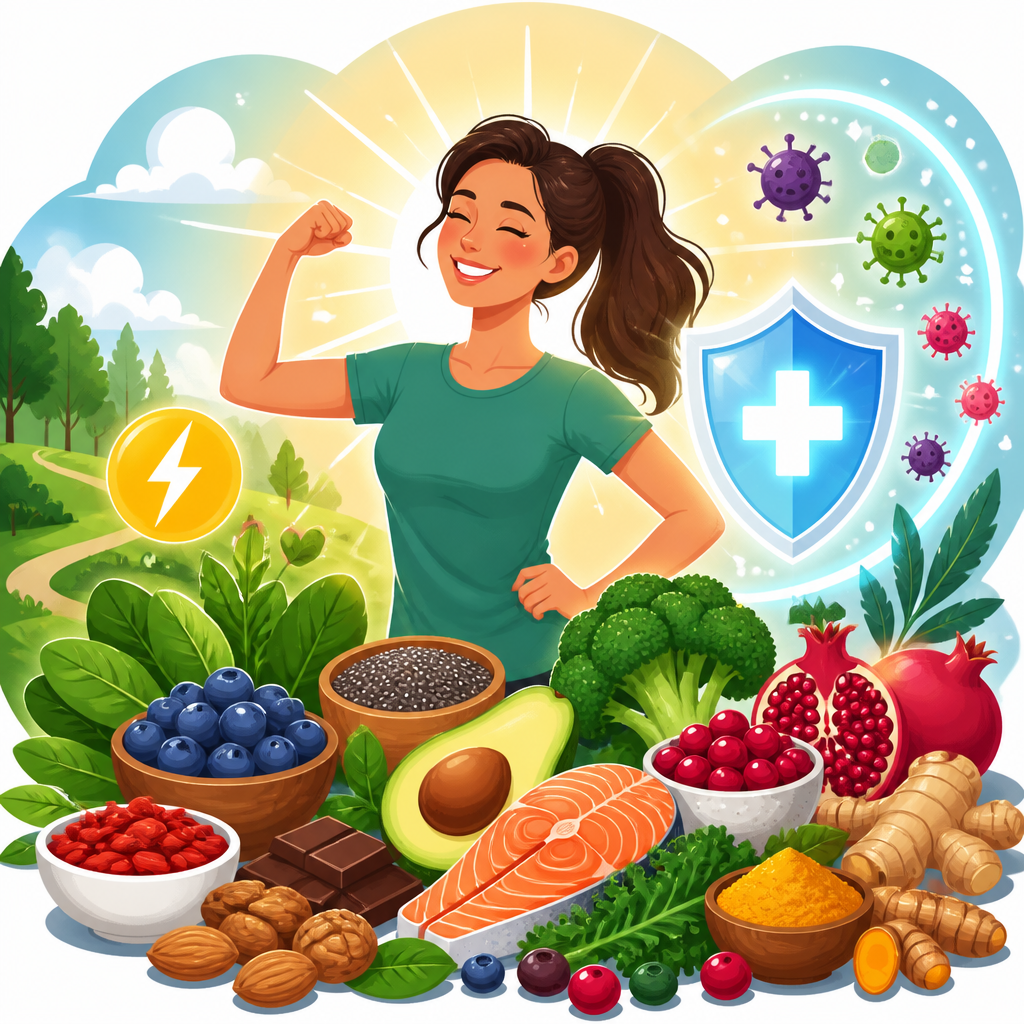
If you want the highest return on effort, start with a core group that covers multiple needs at once. Berries are one of the strongest picks because they combine vitamin C, fiber, water, and polyphenols. Blueberries, strawberries, raspberries, and blackberries all work. Leafy greens such as spinach, kale, and Swiss chard provide folate, carotenoids, vitamin K, and in some cases iron and magnesium. Oats help with stable energy through soluble fiber, especially beta-glucan, which is also linked with immune support and cholesterol management.
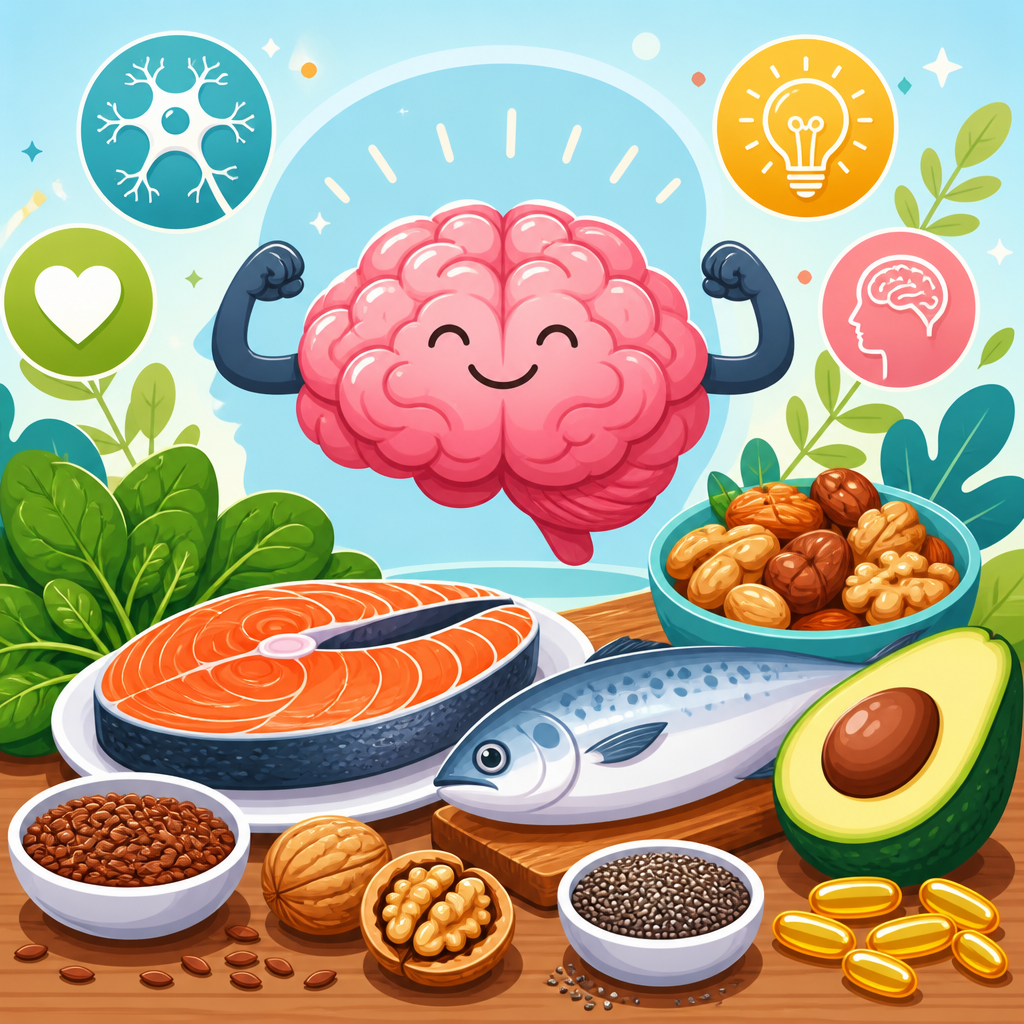
Greek yogurt and kefir are valuable because they offer protein plus probiotics. Salmon, sardines, and trout contribute omega-3 fats, high-quality protein, selenium, and vitamin D. Eggs bring protein, choline, vitamin B12, selenium, and lutein. Legumes such as lentils, chickpeas, and black beans provide iron, magnesium, potassium, fiber, and slow-burning carbohydrates. Nuts and seeds, especially almonds, walnuts, chia, flax, and pumpkin seeds, support energy through healthy fats, protein, magnesium, and zinc. Citrus fruits, kiwi, bell peppers, and broccoli are easy ways to raise vitamin C intake.
Mushrooms deserve more attention, particularly when exposed to ultraviolet light, because they can contribute vitamin D and useful compounds such as beta-glucans. Garlic and ginger are not major calorie sources, but they add bioactive compounds and make healthy cooking taste better, which increases adherence. Green tea is helpful for many adults because it offers hydration and a moderate caffeine dose paired with L-theanine, often producing smoother alertness than high-sugar energy drinks.
| Superfood | Key Nutrients or Compounds | Primary Benefit | Easy Way to Use It |
|---|---|---|---|
| Berries | Vitamin C, fiber, anthocyanins | Antioxidant support and steadier blood sugar | Add to oats, yogurt, or smoothies |
| Leafy greens | Folate, carotenoids, magnesium | Cellular energy and immune support | Mix into eggs, soups, or grain bowls |
| Oats | Beta-glucan, manganese, B vitamins | Sustained energy and gut support | Cook as oatmeal or overnight oats |
| Greek yogurt or kefir | Protein, probiotics, calcium | Gut and immune health | Use for breakfast or snack bowls |
| Salmon | Omega-3s, vitamin D, selenium | Inflammation balance and immunity | Bake for dinner or flake into salads |
| Lentils | Iron, fiber, plant protein | Steady energy and fullness | Add to soups, curries, and salads |
| Pumpkin seeds | Zinc, magnesium, protein | Immune cell function and energy metabolism | Sprinkle on yogurt or roasted vegetables |
How to Build Meals That Actually Deliver Lasting Energy
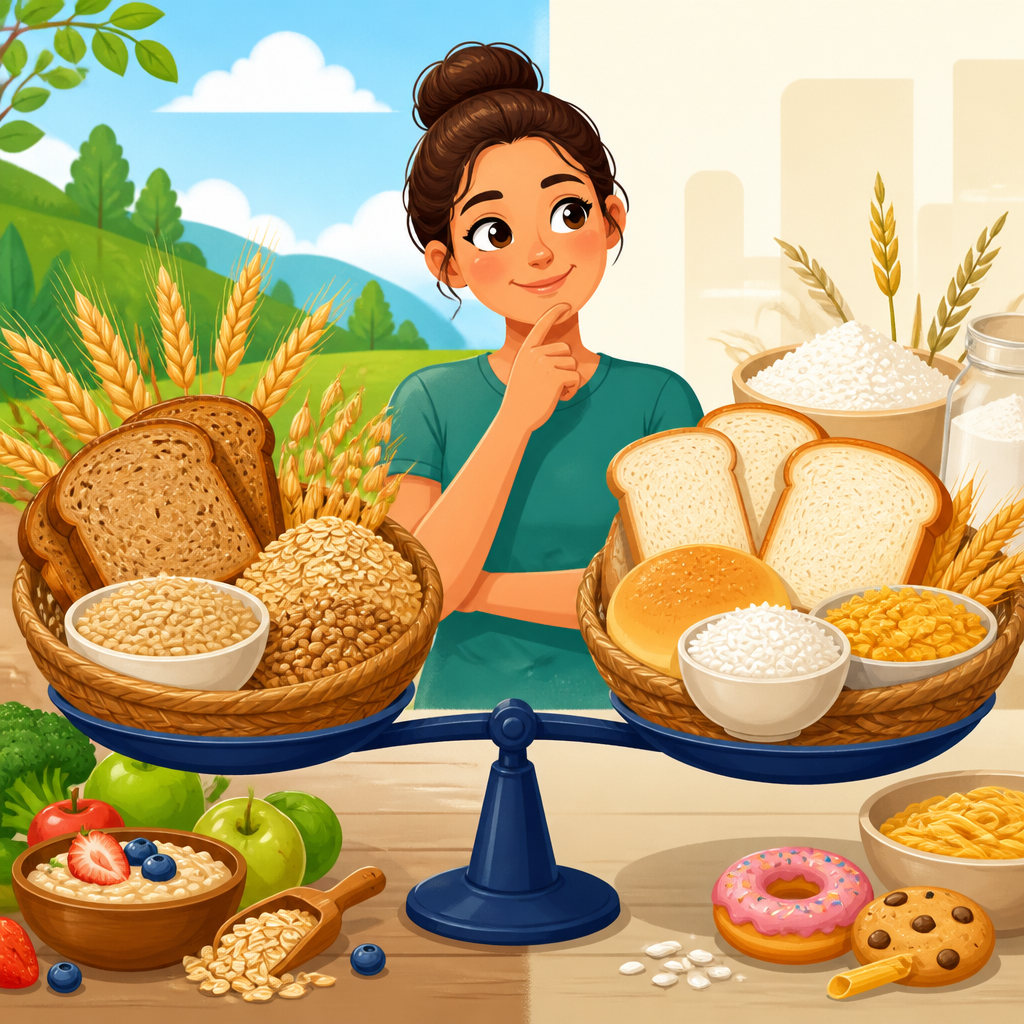
The biggest mistake people make is adding a superfood to an otherwise unbalanced meal and expecting a dramatic result. A spinach smoothie with almost no protein may still leave you hungry an hour later. For lasting energy, build meals around four parts: protein, fiber-rich carbohydrates, healthy fats, and color from fruits or vegetables. This structure slows glucose absorption, improves satiety, and provides broader micronutrient coverage. A breakfast of oats cooked with milk, topped with berries, chia seeds, and Greek yogurt works better than juice and toast because it combines complex carbs, protein, fat, and antioxidants.
At lunch, a grain bowl with quinoa or brown rice, salmon or chickpeas, mixed greens, roasted peppers, avocado, and pumpkin seeds provides carbohydrates for fuel, protein for repair, fats for satiety, and vitamin C to help absorb plant iron. At dinner, lentil soup with kale and tomatoes, served with a side of plain yogurt and olive oil-drizzled vegetables, supports both energy and immunity more effectively than refined pasta with a creamy sauce alone. Snacks should follow the same logic. Pair fruit with nuts, carrots with hummus, or kefir with seeds rather than relying on pastries or candy bars.
Timing also matters. Many adults underfuel early in the day, then overeat late at night, which can worsen afternoon fatigue. A better pattern is to eat a protein-rich breakfast within a few hours of waking, include balanced meals every four to five hours, and use snacks strategically when there is a long gap between meals or higher physical demand. Hydration is part of the same system. Even mild dehydration can reduce concentration and make fatigue feel worse, so water, herbal tea, milk, or mineral-rich soups belong in an energy-supportive diet.
Using Superfoods to Strengthen Immune Function Year-Round
Immune nutrition is often discussed only during cold and flu season, but defenses are built every day. Protein is essential because antibodies, enzymes, and many immune cells depend on amino acids. This is why yogurt, eggs, fish, beans, tofu, poultry, and cottage cheese are foundational foods, not optional extras. Vitamin C helps protect cells from oxidative stress and supports normal immune function, but taking huge doses during illness is not a substitute for regular intake from foods like berries, kiwi, oranges, peppers, and broccoli.
Zinc is another priority. It supports immune signaling and normal development of immune cells, yet low intake is common in restrictive diets. Pumpkin seeds, beef, shellfish, dairy, beans, and fortified cereals can help close the gap. Vitamin D also matters, especially in people with limited sun exposure, darker skin living in northern latitudes, or low dietary intake. Fatty fish, eggs, fortified dairy, and UV-exposed mushrooms are food-based contributors, though some people still need supplements guided by a clinician.
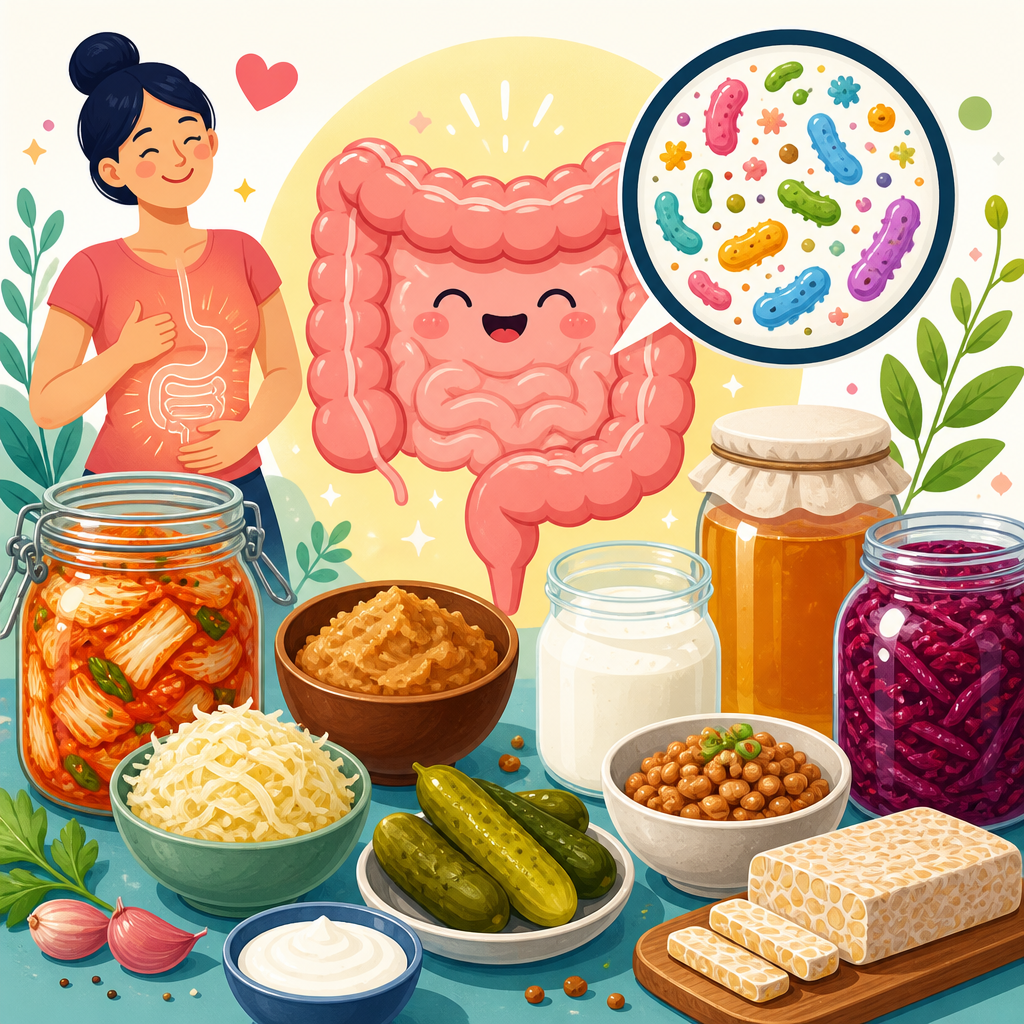
Gut health remains one of the most underused levers for immunity. Fermented foods such as kefir, yogurt with live cultures, kimchi, sauerkraut, and miso can introduce beneficial microbes, while prebiotic fibers from oats, onions, garlic, asparagus, bananas, beans, and apples help feed resident bacteria. In practice, a diet that includes both tends to work better than focusing on probiotic capsules alone. One client improved recurrent digestive issues and winter fatigue not by buying expensive powders, but by eating oatmeal with kefir and berries most mornings and adding lentils and vegetables to lunches four days a week.
Simple Ways to Add More Superfoods Without Overhauling Your Life
The easiest way to eat more superfoods is to attach them to habits you already have. If you always eat breakfast, add berries or kiwi to it. If you drink a midday coffee, pair it with a handful of walnuts instead of a cookie. If dinner starts with a pan on the stove, add garlic, onions, mushrooms, or spinach before anything else. These “default upgrades” are more reliable than ambitious weekend meal plans that collapse by Tuesday.
Use a weekly shopping framework. Buy one leafy green, one berry, one citrus fruit, one fermented dairy product, one legume, one oily fish, one nut or seed, and one whole grain. That single checklist covers most of the nutritional ground for energy and immunity. Frozen produce makes this easier and often cheaper. Frozen blueberries, spinach, broccoli, and mixed peppers are nutritionally comparable to fresh because they are usually processed soon after harvest. Canned salmon, sardines, chickpeas, and lentils also reduce prep time without sacrificing much value.
Flavor matters. People stick to foods that taste good. Blend kefir with mango and ginger, roast chickpeas with smoked paprika, toss kale with olive oil and lemon, stir chia into overnight oats with cinnamon, or make a salmon bowl with rice, cucumber, avocado, and sesame seeds. These are realistic meals, not wellness clichés. If you manage a family, build from adaptable bases: oatmeal bar breakfasts, soup-and-salad lunches, taco bowls with beans and greens, and sheet-pan dinners with fish or chicken plus vegetables.
Common Mistakes, Tradeoffs, and When Food Is Not Enough
Three mistakes come up repeatedly. First, people focus on isolated ingredients instead of overall intake. Spirulina in a smoothie will not offset chronic sleep loss, inadequate calories, or a diet dominated by ultra-processed foods. Second, they underestimate protein. If breakfast is only fruit, energy may dip quickly even if the fruit is nutritious. Third, they rely on stimulants. Energy drinks may increase alertness short term, but high sugar and excessive caffeine can worsen sleep, anxiety, and next-day fatigue.
There are also tradeoffs. Some superfoods are healthy but expensive or hard to source regularly. Goji berries and acai can fit, but they are not nutritionally necessary when berries, citrus, beans, oats, and eggs are available. Raw cruciferous vegetables are nutritious, yet some people with digestive sensitivity tolerate them better cooked. Fermented foods help many people, but not everyone enjoys them, and sodium can be high in some products. Variety solves many of these problems.
Most important, fatigue and frequent illness are not always diet problems. Iron deficiency anemia, thyroid disorders, sleep apnea, depression, diabetes, medication effects, and chronic infections can all affect energy or immunity. If you experience persistent exhaustion, recurrent infections, unexplained weight change, shortness of breath, or significant hair loss, medical evaluation is appropriate. Food is powerful, but it is one part of a larger health picture.
Conclusion
Incorporating more superfoods for energy and immunity into your diet starts with dependable basics, not exotic trends. Prioritize berries, leafy greens, oats, yogurt or kefir, legumes, eggs, nuts, seeds, citrus, mushrooms, and oily fish. Build meals that combine protein, fiber-rich carbohydrates, healthy fats, and colorful produce. Use fermented foods and prebiotic fibers to support gut health. Shop with a simple framework, rely on frozen and canned options when needed, and make changes that fit your actual routine.
The benefit of this approach is cumulative. Better energy usually comes from steadier blood sugar, enough protein, adequate iron and magnesium, and consistent hydration. Stronger immunity is supported by regular intake of protein, vitamin C, zinc, vitamin D, omega-3 fats, and microbiome-friendly foods. When these habits repeat week after week, they create a diet that works harder for you without feeling restrictive.
Use this hub as your foundation within the broader Superfoods & Functional Foods category, then go deeper into related topics such as probiotic foods, anti-inflammatory ingredients, high-protein superfoods, and practical meal prep strategies. Start with one meal today: add a protein source, one fiber-rich plant food, and one colorful produce item. Then repeat tomorrow. That is how superfoods improve energy, immunity, and everyday health.
Frequently Asked Questions
What are the best superfoods to focus on for energy and immunity?
The best superfoods for energy and immunity are the ones that deliver a strong mix of protein, fiber, healthy fats, vitamins, minerals, and antioxidants in forms you can eat regularly. Instead of looking for one “perfect” food, focus on a practical group that works well together in everyday meals. Berries are excellent because they provide antioxidants like anthocyanins that help protect cells from oxidative stress, while also adding fiber that supports blood sugar balance. Leafy greens such as spinach, kale, and arugula contribute folate, vitamin C, carotenoids, and minerals that help support immune function and energy metabolism. Beans and lentils are especially valuable because they offer complex carbohydrates, plant protein, iron, magnesium, and fiber, all of which support steadier energy and better gut health.
Other standout options include nuts and seeds, especially almonds, walnuts, chia seeds, pumpkin seeds, and flaxseeds. These foods help with satiety and provide healthy fats, magnesium, zinc, and vitamin E, nutrients linked with immune health and normal cellular function. Yogurt and kefir can also be useful because they contain protein and, in many cases, beneficial live cultures that support gut health, which plays a major role in immune resilience. Oily fish such as salmon, sardines, and mackerel are among the strongest choices for inflammation support because they supply omega-3 fats as well as vitamin D and protein. In practice, the most effective approach is to build variety into your week so these foods show up consistently rather than occasionally.
How can I add more superfoods to my diet without making my meals complicated?
The simplest way to incorporate more superfoods is to add them to meals you already eat instead of trying to reinvent your diet overnight. If you eat breakfast, stir berries, chia seeds, or ground flax into oatmeal or yogurt. If you prefer smoothies, blend frozen berries, spinach, Greek yogurt, and nut butter for a fast option that covers protein, fiber, and antioxidants in one meal. Lunch can become more nutrient-dense by adding beans to soups, grain bowls, or salads, and by swapping part of a sandwich filling for avocado, leafy greens, or hummus. Small changes like these are often more sustainable than creating entirely new recipes every day.
Snacks are another easy place to improve both energy and immunity support. Replacing refined crackers, pastries, or candy with a handful of nuts, plain yogurt with fruit, or sliced vegetables with bean dip can make a noticeable difference in how steady your energy feels. At dinner, keep things uncomplicated by aiming for a simple pattern: a protein source, vegetables, and a high-fiber carbohydrate. For example, salmon with roasted broccoli and lentils, or chicken with sautéed greens and brown rice, checks many boxes without requiring specialty ingredients. Planning just two or three superfood-based staples each week, such as pre-washed greens, cooked beans, berries, and seeds, makes healthy choices much easier when life gets busy.
Can superfoods really improve energy levels, or is that overstated?
Superfoods can support better energy, but not in the instant, stimulant-like way that marketing sometimes suggests. Real energy support comes from foods that help stabilize blood sugar, deliver adequate calories, and provide nutrients involved in metabolism. Meals built around fiber-rich carbohydrates, protein, and healthy fats tend to release energy more steadily than highly refined foods that cause rapid spikes and crashes. For example, eating oatmeal with berries and nuts is far more likely to provide lasting energy than a sugary pastry, even if both contain a similar number of calories. The difference is in how your body processes them and how long they keep you fueled.
Nutrients also matter. Iron helps transport oxygen, B vitamins assist with energy metabolism, magnesium supports muscle and nerve function, and protein helps with satiety and tissue repair. Foods like beans, seeds, leafy greens, yogurt, eggs, and fish can all contribute to these needs. That said, if someone is constantly fatigued, superfoods alone may not solve the problem. Poor sleep, under-eating, dehydration, high stress, low protein intake, or medical issues such as anemia or thyroid problems can all affect energy. The most accurate way to think about superfoods is as part of a strong dietary foundation that supports stable, consistent energy over time.
How do superfoods support the immune system in a realistic way?
Superfoods support immunity by helping the body perform the many day-to-day functions that keep the immune system responsive and balanced. Immune health depends on adequate nutrient intake, a healthy gut, controlled inflammation, and overall metabolic stability. Vitamin C from berries, citrus, peppers, and greens contributes to normal immune cell function. Zinc from pumpkin seeds, beans, dairy, and seafood plays a role in immune signaling and defense. Protein from yogurt, eggs, fish, legumes, and lean meats is also essential because the body needs amino acids to build and maintain immune cells and antibodies. No single food “boosts” immunity in a magical way, but many nutrient-dense foods together help the system work as it should.
Gut health is another major factor that often gets overlooked. A large part of immune activity is tied to the digestive tract, so foods that support a healthy gut environment can be very helpful. Yogurt, kefir, fiber-rich beans, oats, fruits, vegetables, nuts, and seeds all contribute in different ways by feeding beneficial gut bacteria or introducing live cultures. Oily fish can also support immune balance through omega-3 fats, which may help regulate inflammation. In realistic terms, immunity improves most when your overall eating pattern includes enough variety, enough total nourishment, and regular intake of these supportive foods, rather than short-term bursts of “healthy eating” only when you feel run down.
What is the easiest daily meal plan for eating more superfoods for energy and immunity?
A practical daily meal plan starts with breakfast that combines protein, fiber, and antioxidants. One of the easiest examples is Greek yogurt topped with berries, chia seeds, and a small handful of walnuts. Another option is oatmeal cooked with milk or a fortified alternative, then topped with blueberries, flaxseed, and nut butter. For lunch, aim for a bowl or salad format because it is easy to layer ingredients. Start with leafy greens, add a protein such as beans, lentils, chicken, or salmon, include a whole grain like quinoa or brown rice, and finish with olive oil, seeds, and colorful vegetables. This kind of meal helps provide steady energy through the afternoon instead of the rise-and-crash pattern that often follows heavily processed lunches.
For snacks, keep choices simple and repeatable: an apple with almonds, carrots with hummus, plain yogurt with fruit, or a boiled egg with pumpkin seeds. Dinner can follow the same balanced template as lunch but with different ingredients for variety. A strong example would be baked salmon, roasted sweet potatoes, and sautéed spinach, or a bean and vegetable stew served with a side salad. If you want a very easy way to stay consistent, choose one superfood from each category every day: one fruit such as berries, one green vegetable, one legume, one fermented dairy food if tolerated, and one source of healthy fats such as nuts, seeds, or oily fish. That structure keeps the process realistic while steadily improving both energy support and immune nutrition.