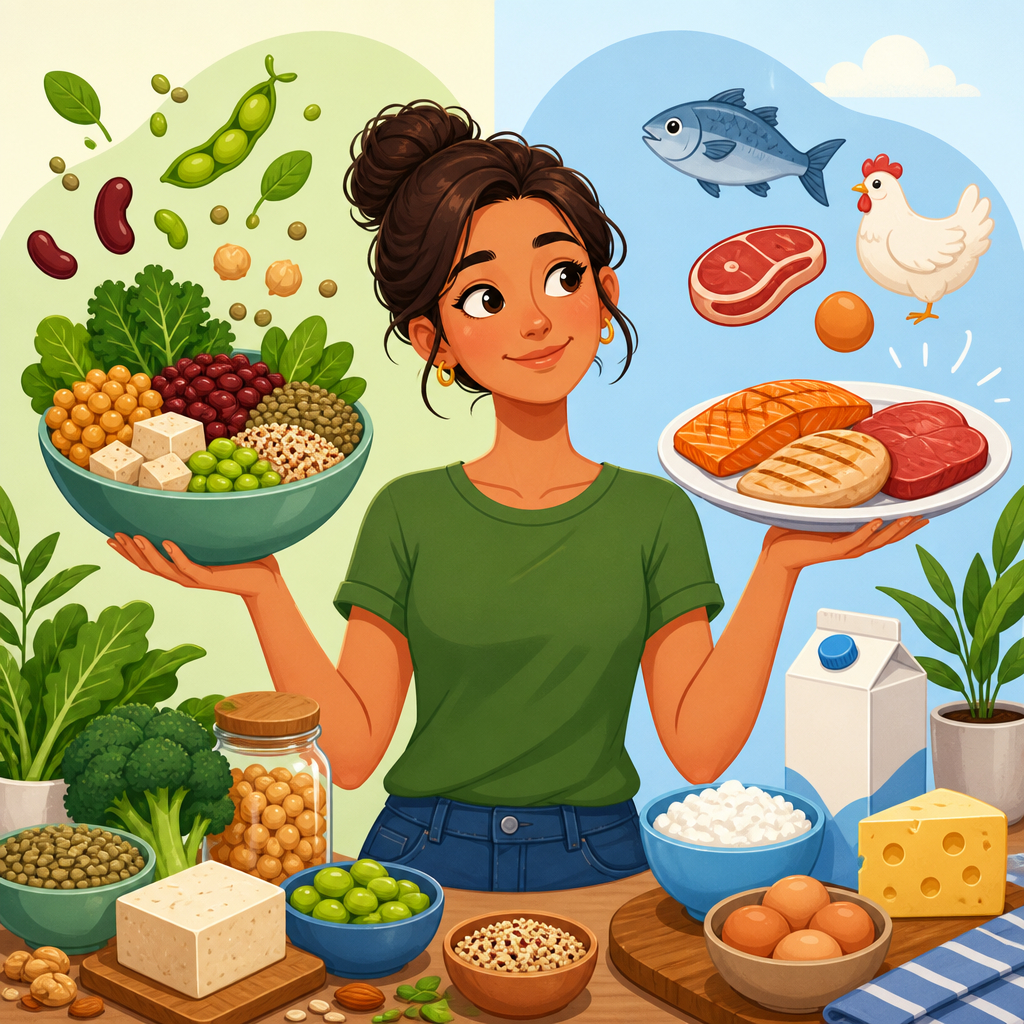
Protein quality is one of the most practical nutrition questions people ask, yet the debate around plant-based proteins vs. animal proteins is often reduced to slogans instead of useful guidance. In everyday meal planning, protein is not just a gym term; it is a macronutrient that supplies amino acids used to build muscle tissue, enzymes, hormones, immune cells, skin, and connective tissue. When I help people adjust their diets, the real challenge is rarely whether protein matters. It is how to incorporate more plant-based proteins vs. animal proteins into your diet without sacrificing adequacy, convenience, taste, or cultural food preferences.
Plant-based proteins come primarily from beans, lentils, peas, soy foods, nuts, seeds, and whole grains. Animal proteins come from meat, poultry, fish, eggs, and dairy. The key difference is not that one category is automatically good and the other automatically bad. The more useful distinction is nutrient package. Animal proteins usually provide complete amino acid profiles with high digestibility and concentrated amounts of vitamin B12, heme iron, zinc, and in many cases leucine, a critical amino acid for muscle protein synthesis. Plant proteins often come bundled with fiber, polyphenols, unsaturated fats, and lower saturated fat, while contributing to dietary variety and often a lower environmental footprint.
This matters because most people are not choosing between extremes. They are deciding whether breakfast should include Greek yogurt or soy yogurt, whether dinner should center on salmon or lentils, and whether snacks should move from processed meat sticks toward roasted edamame or cottage cheese. A practical hub on plant-based proteins vs. animal proteins should answer three things directly: how they compare nutritionally, how to combine them intelligently, and how to build a diet that supports health goals such as muscle maintenance, heart health, blood sugar control, and satiety. The good news is that a strong diet can include both. The better news is that shifting more of your protein intake toward plants can be straightforward when you understand the tradeoffs, portion sizes, and meal design principles that make the change sustainable.
Understanding protein quality, amino acids, and digestibility
Protein quality refers to how well a food supplies essential amino acids in forms your body can use. There are nine essential amino acids, meaning the body cannot make them in sufficient amounts. Animal proteins are typically called complete proteins because they contain all nine in proportions that align well with human requirements. Eggs, dairy, fish, poultry, and meat usually score highly on digestibility measures such as PDCAAS and DIAAS. In practice, this means smaller servings can deliver a robust dose of usable protein.
Many plant proteins are lower in one or more essential amino acids. Legumes are often lower in methionine, while grains are often lower in lysine. Soy, quinoa, buckwheat, hemp seeds, and pea protein are notable exceptions or near-exceptions often considered high-quality plant options. In real meals, though, you do not need to obsess over combining proteins at every bite. Over the course of a day, eating a variety of legumes, grains, nuts, seeds, and vegetables generally provides adequate amino acid coverage for healthy adults with sufficient calorie intake.
Where quality matters most is in situations with higher needs: older adults trying to preserve muscle, athletes in intense training, people in calorie deficits, and anyone recovering from illness. In those cases, distributing protein across meals and choosing leucine-rich sources matters. Dairy proteins, eggs, soy foods, and blended plant protein powders can be especially useful. I often recommend aiming for a meaningful protein amount at breakfast because many people under-eat it early, then overcompensate later.
Nutritional differences that affect health outcomes
Comparing plant-based proteins vs. animal proteins requires looking beyond grams on the label. Animal protein foods can be excellent nutrient sources. Salmon provides protein plus omega-3 fatty acids EPA and DHA. Greek yogurt supplies protein, calcium, and often probiotics. Eggs offer choline, selenium, and highly bioavailable protein. Lean poultry is efficient and versatile. However, some animal protein choices also bring higher saturated fat, sodium, or processing-related risks, especially bacon, sausage, deli meats, and heavily breaded fast-food items.
Plant protein foods tend to provide less protein per bite but more supportive compounds around the protein. Lentils add fiber, folate, potassium, magnesium, and polyphenols. Tofu and tempeh provide protein with relatively low saturated fat. Chickpeas support satiety and blood sugar management because protein arrives with slowly digested carbohydrate and fiber. Nuts and seeds contribute protein, but they are also fat-rich, so they function best as complements rather than primary protein anchors unless portions are planned carefully.
Large dietary pattern research consistently shows that replacing some red and processed meat with legumes, nuts, and soy foods is associated with better cardiometabolic outcomes. That does not mean all animal foods are harmful. It means the source and preparation method matter. Grilled fish, plain kefir, cottage cheese, and minimally processed chicken breast are nutritionally different from pepperoni pizza or a double bacon cheeseburger. Likewise, black beans and tempeh are nutritionally different from refined crackers made with a token amount of pea protein isolate.
How to shift your diet toward more plant protein without losing balance
The easiest way to incorporate more plant-based proteins vs. animal proteins into your diet is not to eliminate animal foods overnight. It is to change the default ratio on your plate. Start by choosing one meal each day where plants provide the main protein source, then keep one or two animal-based proteins in your routine where they add clear value, such as fish for omega-3 fats or yogurt for calcium and convenience.
A practical target is to make legumes or soy foods the centerpiece of three to five lunches or dinners each week. Build chili with beans and lentils instead of beef alone. Swap half the meat in tacos for black beans. Use baked tofu, edamame, or tempeh in stir-fries. Add red lentils to pasta sauce. These changes preserve familiar flavors while meaningfully improving fiber intake and reducing reliance on saturated fat-heavy proteins.
Breakfast is another strategic opportunity. Many people rotate eggs, but you can broaden the pattern with soy milk smoothies, chia pudding with fortified soy yogurt, or oatmeal topped with hemp seeds and peanut butter plus a side of edamame. If you prefer animal protein in the morning, pair it with a plant boost: Greek yogurt with walnuts and berries, or eggs with black beans and whole-grain toast.
| Food | Typical Serving | Protein | What It Adds |
|---|---|---|---|
| Lentils, cooked | 1 cup | 18 g | Fiber, folate, iron, potassium |
| Tofu, firm | 3 ounces | 9 to 12 g | Calcium if set with calcium sulfate, iron |
| Tempeh | 3 ounces | 15 to 17 g | Fermented soy, iron, firm texture |
| Greek yogurt, plain | 3/4 cup | 15 to 17 g | Calcium, probiotics |
| Salmon | 3 ounces | 17 to 22 g | EPA, DHA, vitamin D |
| Edamame | 1 cup | 18 g | Fiber, folate, complete soy protein |
Use the table as a menu-building tool. Notice that plant proteins can match animal proteins more closely when servings are generous and when soy or legumes are prioritized. This is one reason I advise clients not to rely on almond milk, small handfuls of nuts, or mushroom-based meat substitutes as their only plant protein strategy. Those foods can fit, but they often do not provide enough total protein to replace an actual protein source.
Best food categories to use as your plant-protein foundation
If you want the strongest return on effort, focus first on legumes and soy foods. Beans, lentils, split peas, chickpeas, tofu, tempeh, and edamame offer the best combination of protein density, affordability, and evidence-backed health value. Canned beans are one of the most practical convenience foods available; rinsing lowers sodium, and they can be added to soups, grain bowls, salads, or wraps in minutes. Lentils cook faster than most dried beans and work especially well for meal prep.
Soy deserves separate attention because misinformation still causes unnecessary hesitation. Whole and minimally processed soy foods are well supported in the nutrition literature. Tofu and tempeh are efficient ways to raise plant protein intake, and soy protein is one of the closest plant matches to animal protein in amino acid quality. For people reducing meat, soy often makes the transition much easier because it can anchor meals rather than just garnish them.
Whole grains, nuts, and seeds should be viewed as supporting players. Quinoa, oats, farro, pumpkin seeds, chia seeds, peanuts, and pistachios contribute meaningful protein, but they work best alongside legumes or dairy rather than as stand-alone equivalents to chicken or fish. For example, a grain bowl with quinoa alone may sound protein-rich yet still fall short; add baked tofu or chickpeas and it becomes a balanced meal.
When animal proteins still make sense in a high-quality diet
There are valid reasons to keep animal proteins in the picture. Older adults often need more concentrated protein because appetite declines while muscle preservation becomes more important. Greek yogurt, eggs, cottage cheese, and fish can help meet targets without large meal volumes. People with iron deficiency may benefit from strategically including lean red meat or shellfish because heme iron is absorbed more efficiently than non-heme iron from plants. Vitamin B12 is another consideration for anyone moving heavily plant-based, since it is naturally concentrated in animal foods and fortified foods.
Animal proteins can also simplify recovery nutrition after training. Whey protein, milk, and eggs are efficient because they combine high digestibility with strong leucine content. That said, plant-based athletes can do very well by increasing total protein slightly and using soy, pea-rice protein blends, seitan paired with legumes, and consistent meal timing.
The healthiest framework is selective use, not automatic use. Choose minimally processed options more often than processed meats. Favor fish, fermented dairy, eggs, and lean poultry over frequent servings of bacon, sausage, and heavily charred fatty cuts. Portion size matters too. Many people do well with animal protein as a complement rather than the dominant feature of every meal.
Common mistakes, special considerations, and a practical weekly approach
The most common mistake I see is assuming any reduction in meat automatically improves the diet. If meat is replaced with refined carbohydrates, sugary snack foods, or low-protein meat analogues, protein quality and satiety may fall. Another mistake is underestimating total intake. A salad with vegetables and a sprinkle of sunflower seeds is healthy, but it is not a protein-centered lunch. A better version includes lentils, tofu, or a side of yogurt.
Special populations need extra planning. Pregnant women, adolescents, athletes, and older adults should pay attention to total protein, iron, calcium, and B12. Vegans should use fortified foods or supplements for B12, and many benefit from reviewing vitamin D, iodine, and omega-3 intake. People with kidney disease need individualized medical guidance rather than generic high-protein advice. Soy allergies, lactose intolerance, and digestive tolerance to legumes also shape the best plan, though preparation methods such as soaking beans, choosing fermented soy, or using lactose-free dairy can help.
A simple weekly approach works better than rigid rules. Pick two bean-based dinners, one tofu or tempeh meal, two seafood meals if you eat fish, and keep yogurt or edamame ready for quick snacks. Batch-cook lentils, roast tofu, wash greens, and prepare a sauce such as tahini-lemon or yogurt-herb dressing. When protein is visible and accessible, better choices stop feeling effortful. That is the real advantage of learning plant-based proteins vs. animal proteins: you gain flexibility. Review your meals this week and upgrade just three of them with a smarter protein mix.
Frequently Asked Questions
1. Are plant-based proteins as good as animal proteins?
Plant-based proteins can absolutely play a strong role in a healthy diet, but it helps to understand how they compare with animal proteins in practical terms. Animal proteins such as eggs, dairy, poultry, fish, and meat are often called “complete” proteins because they naturally contain all nine essential amino acids in proportions the body can readily use. Many plant proteins contain all essential amino acids too, but some are lower in one or more amino acids, which is why people sometimes hear that plant proteins are “incomplete.” In real-life eating, that does not mean plant proteins are inferior or unusable. It simply means variety matters more.
If you eat a range of plant protein sources across the day, such as beans, lentils, tofu, tempeh, edamame, soy milk, peas, nuts, seeds, and whole grains, your body can draw from that overall amino acid supply effectively. Soy foods, quinoa, buckwheat, hemp seeds, and combinations like beans with rice are common examples of plant-based options that support protein quality well. The main difference for many people is that plant proteins often come packaged with fiber, phytonutrients, and less saturated fat, while animal proteins can offer a more concentrated protein dose per serving and may be easier for some people to use when trying to meet higher protein needs. The best choice is not always one or the other. For many diets, a balanced approach that increases plant proteins while using animal proteins strategically can be both realistic and nutritionally sound.
2. How can I start eating more plant-based protein without giving up animal protein completely?
The easiest and most sustainable approach is usually not a dramatic overhaul. Instead of trying to eliminate animal protein overnight, start by shifting the balance of your meals. A good first step is to make one meal a day more plant-forward. For example, replace part of the ground meat in chili, tacos, pasta sauce, or meatballs with lentils, black beans, or finely chopped mushrooms. You still get familiar flavor and texture, but the meal becomes richer in fiber and often more affordable as well.
Another practical method is to build meals around mixed protein patterns. Try Greek yogurt with chia seeds and berries at breakfast, a grain bowl with tofu or edamame at lunch, and a smaller portion of fish or chicken alongside roasted vegetables and beans at dinner. This keeps animal protein in the diet while naturally expanding plant-based options. You can also stock convenient staples such as canned beans, hummus, tofu, roasted chickpeas, shelled edamame, peanut butter, pumpkin seeds, and unsweetened soy milk. Convenience matters because the more accessible these foods are, the more likely you are to use them consistently.
Think in terms of substitution, not deprivation. Swap one or two meat-centered dinners per week for lentil soup, tofu stir-fry, bean burrito bowls, or chickpea curry. Add nuts or seeds to oatmeal, salads, and yogurt. Use soy milk in smoothies. Stir white beans into soups or pasta. These small shifts accumulate quickly and help you increase plant protein without making your diet feel restrictive or unfamiliar.
3. Do I need to combine plant proteins at every meal to get all the essential amino acids?
No, you do not need to perfectly combine plant proteins at every single meal. This is one of the most common misconceptions about plant-based eating. The body maintains an amino acid pool and does not require every essential amino acid to arrive in exact proportions in one bite or one plate. What matters more is your total intake and variety over the course of the day.
That said, combining foods can still be helpful and practical. Pairing legumes with grains, such as beans with rice, lentil soup with whole grain bread, hummus with pita, or peanut butter on whole grain toast, tends to create a more balanced amino acid profile. Soy foods are especially useful because they are among the highest-quality plant proteins and fit easily into many meals. Tofu, tempeh, edamame, and soy yogurt can make it easier to meet protein goals without overthinking food combinations.
If your diet includes a wide range of plant foods and enough total calories and protein, amino acid adequacy is usually not difficult to achieve. The people who may need to pay closer attention are those with very low food intake, limited food variety, higher protein demands, or medical conditions affecting appetite or digestion. For most healthy adults, the better question is not “Did I combine proteins correctly at lunch?” but “Am I eating enough total protein from varied sources throughout the day?”
4. What are the best high-protein plant foods to use in everyday meal planning?
The best plant-based protein foods are the ones that are both nutritionally effective and realistic for your routine. Soy foods are among the strongest options because they provide substantial protein and are highly versatile. Tofu works in stir-fries, grain bowls, scrambles, and smoothies. Tempeh offers a firmer texture and nutty flavor that works well in sandwiches, salads, and sautés. Edamame is an easy snack or side dish, and soy milk can raise the protein content of smoothies, oatmeal, and cereal more effectively than many other plant milks.
Legumes are another foundation category. Lentils, black beans, chickpeas, kidney beans, split peas, and white beans all contribute meaningful protein along with fiber, iron, potassium, and other nutrients. They are especially useful because they can stretch meals economically and pair with many cuisines. Whole grains such as quinoa, farro, oats, and whole wheat pasta add smaller amounts of protein that still matter when combined with legumes, nuts, or seeds. Nuts and seeds, including peanuts, almonds, pistachios, chia seeds, hemp seeds, pumpkin seeds, and sunflower seeds, can help increase protein intake, although they are also energy-dense because of their healthy fat content.
For easy meal planning, think about assembling protein from layers. A bowl might include quinoa, roasted vegetables, chickpeas, and tahini. A breakfast could be oatmeal made with soy milk and topped with hemp seeds and almond butter. A snack could be edamame or hummus with vegetables. A dinner could use tofu with soba noodles and peanut sauce. If you want to rely more on plant proteins, the key is not just choosing one “superfood.” It is creating a repeatable system where high-protein plant staples are always available and easy to add to meals.
5. How much protein do I need if I want to shift more of my diet toward plant-based foods?
Your protein needs depend on factors such as age, body size, activity level, health status, and goals. Many adults can meet basic needs with moderate protein intake, but people who exercise regularly, are trying to maintain muscle while losing weight, are older adults, or are recovering from illness often benefit from more deliberate protein planning. When someone shifts toward more plant-based eating, the main concern is usually not that plant protein “doesn’t count.” It is that plant-based protein foods may come with more fiber and volume per gram of protein, so it can take a bit more planning to reach the same intake comfortably.
A smart strategy is to distribute protein across the day instead of trying to get most of it at dinner. Include a meaningful protein source at breakfast, lunch, dinner, and snacks. For example, breakfast might include soy yogurt or eggs with whole grain toast, lunch could feature lentils or tofu, dinner could include beans plus a smaller serving of fish or chicken, and snacks could include roasted chickpeas, cottage cheese, edamame, or a smoothie made with soy milk. This pattern supports satiety, stable energy, and muscle maintenance more effectively than a day built mostly around refined carbohydrates with one large protein-heavy evening meal.
If you are active or have higher needs, favor denser plant protein options such as tofu, tempeh, seitan, edamame, higher-protein soy milk, lentils, and protein-rich pasta made from legumes. You do not have to choose between plant and animal proteins in absolute terms. For many people, the most effective approach is a protein pattern that leans more heavily on plants while still including selected animal proteins for convenience, preference, or specific nutrient support. If you are unsure whether you are eating enough, tracking intake for a few days or speaking with a registered dietitian can help turn general advice into a plan that actually fits your body and lifestyle.