Seeds and nuts are often grouped together as simple snack foods, yet their nutritional power is far more complex than popular diet culture suggests. In practice, I have seen clients avoid almonds because they feared fat, overeat trail mix because it looked wholesome, or dismiss chia and flax as trends rather than nutrient-dense staples. Those reactions usually come from myths, not evidence. Understanding the nutritional power of seeds and nuts matters because these foods can improve diet quality, support heart health, help manage appetite, and add minerals, fiber, and beneficial fats that many adults fail to consume in adequate amounts.
Before debunking the myths, it helps to define the category clearly. Nuts are tree nuts such as almonds, walnuts, pistachios, pecans, hazelnuts, cashews, Brazil nuts, and macadamias, along with peanuts, which are technically legumes but nutritionally similar enough to be discussed alongside nuts. Seeds include chia, flax, pumpkin, sesame, sunflower, hemp, and poppy seeds. Both groups contain varying combinations of unsaturated fats, plant protein, fiber, vitamins, minerals, and phytochemicals. They are not identical foods, and that distinction is important. Walnuts are rich in alpha-linolenic acid, while sesame seeds provide calcium and lignans, and pumpkin seeds stand out for magnesium and zinc.
This hub article on the nutritional power of seeds and nuts explains what these foods actually contribute, where common misconceptions come from, and how to use them intelligently. It also serves as a foundation for deeper articles on individual nuts, seeds, preparation methods, allergy concerns, and practical meal planning within the broader Superfoods & Functional Foods topic. If you want to know whether nuts cause weight gain, whether seeds must be ground, whether roasted varieties lose all value, or whether one “super seed” outperforms all others, the short answer is no. The long answer is more useful, because the real benefits depend on type, amount, preparation, and the rest of the diet.
Myth 1: Nuts Are Fattening Because They Are High in Fat
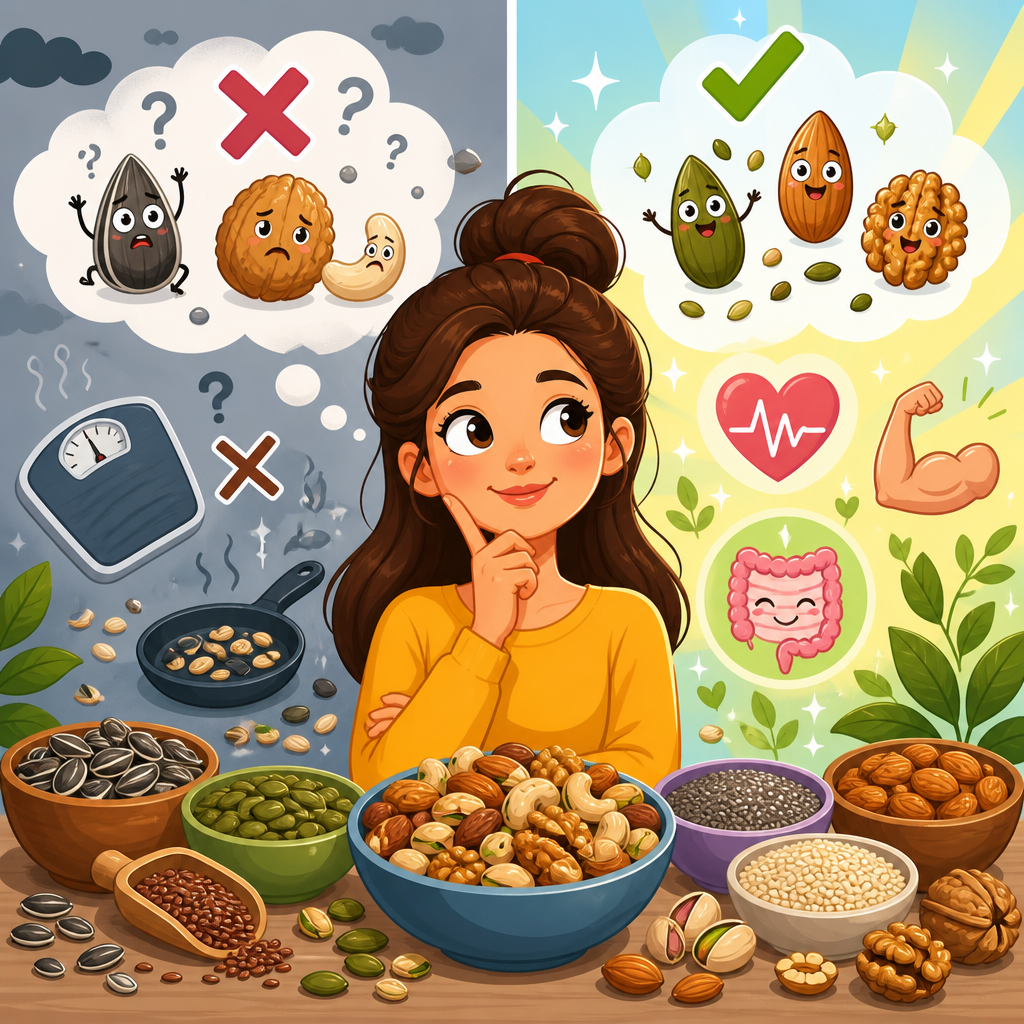
This is the most persistent misconception about the nutritional power of seeds and nuts. Yes, nuts are energy-dense, and many contain 160 to 210 calories per ounce. But calorie density alone does not predict weight gain. Nuts also provide protein, fiber, and unsaturated fats, which increase satiety and often reduce total calorie intake later in the day. Their physical structure also matters. Some fat remains trapped within cell walls and is not fully absorbed during digestion, especially in whole nuts.
Large observational studies consistently associate regular nut intake with better weight management, not worse. Clinical trials often show that adding nuts in moderate portions does not lead to expected weight gain when they replace less nutritious foods. I have seen this repeatedly in meal planning: a measured portion of pistachios or almonds at 3 p.m. prevents the late-evening snack spiral far better than crackers or granola bars. The myth survives because people compare nuts to low-calorie foods like cucumber instead of comparing them to realistic snack alternatives such as chips, pastries, or candy.
The caveat is portion control. Nut butters, sweetened glazed nuts, and large handfuls eaten mindlessly can absolutely push energy intake too high. The evidence does not say nuts are magic. It says that in sensible amounts, their matrix of fiber, fat, and protein makes them compatible with healthy body weight.
Myth 2: All Seeds and Nuts Have the Same Nutritional Profile
Another misleading belief is that one seed or nut can stand in for every other. In reality, diversity is one of the main reasons these foods deserve a place in a high-quality diet. Almonds provide vitamin E and magnesium. Walnuts are notable for plant omega-3 fat. Brazil nuts are exceptionally high in selenium, to the point that one or two nuts may meet daily needs. Pumpkin seeds deliver magnesium, iron, and zinc. Flax and chia offer soluble fiber and alpha-linolenic acid. Sesame seeds contribute copper, calcium, and lignans. Hemp seeds are particularly useful for their soft texture and balanced mix of protein and fats.
Because the nutrient profile varies so much, rotating types is more effective than fixating on a single “best” option. This hub page exists partly to frame that bigger picture. If a reader later explores articles on walnuts for omega-3s, pumpkin seeds for minerals, or flax for digestive support, the context starts here: each food has strengths, none is nutritionally complete, and variety closes the gap.
| Food | Key Nutrients | Best Practical Use |
|---|---|---|
| Almonds | Vitamin E, magnesium, monounsaturated fat | Snacks, yogurt topping, almond butter |
| Walnuts | Alpha-linolenic acid, polyphenols, copper | Oatmeal, salads, baking |
| Chia seeds | Fiber, calcium, omega-3, gel-forming soluble fiber | Puddings, oats, smoothies |
| Flaxseed | Lignans, omega-3, fiber | Ground into cereal, yogurt, baked foods |
| Pumpkin seeds | Magnesium, zinc, iron, protein | Salads, soups, trail mixes |
| Sesame seeds | Calcium, copper, lignans | Tahini, dressings, grain bowls |
The lesson is straightforward: nutritional power of seeds and nuts is a category benefit, but individual foods contribute different advantages. Treat them as a portfolio, not a single ingredient.
Myth 3: Roasting Destroys the Benefits
Raw foods often carry a health halo, so people assume raw nuts and seeds are automatically superior. Roasting can reduce some heat-sensitive compounds, and high temperatures may affect certain fats, especially if oils are repeatedly heated in industrial processing. However, saying roasted nuts are nutritionally useless is false. Dry-roasted almonds, pistachios, peanuts, and sunflower seeds still retain most of their protein, minerals, fiber, and healthy fat profile.
Roasting can even improve palatability, which matters for consistent intake. A food that is theoretically perfect but rarely eaten is less useful than one that fits daily habits. In real kitchens, lightly roasted pumpkin seeds on soup or toasted sesame in a stir-fry often increase both enjoyment and adherence. The important distinction is between simple roasting and heavily salted, sugar-coated, or oil-fried products. Those additions, not the roasting itself, often shift the nutritional balance in the wrong direction.
Storage matters as much as processing. Because nuts and seeds contain unsaturated fats, they can become rancid when exposed to heat, light, and air. Buying fresh products, sealing them tightly, and refrigerating or freezing larger quantities protects flavor and nutrient quality better than obsessing over raw versus roasted labels.
Myth 4: Seed Oils and Whole Seeds Are Nutritionally the Same
This confusion leads many people to either unfairly demonize whole seeds or overestimate what refined oils can do. Whole seeds contain the full food matrix: fat, yes, but also fiber, protein, minerals, and phytochemicals. Seed oils primarily provide extracted fat. That does not make all seed oils harmful, but it does mean they are not interchangeable with whole sesame, sunflower, flax, or pumpkin seeds.
For example, ground flaxseed offers fiber and lignans in addition to omega-3 fat. Flax oil delivers the fat but not the fiber structure that supports fullness and digestive health. Tahini, made from ground sesame seeds, retains more of the original food than highly refined sesame oil. Sunflower seeds in a salad provide crunch, vitamin E, and minerals that refined sunflower oil simply does not contain. When discussing the nutritional power of seeds and nuts, the strongest evidence supports regular intake of minimally processed whole forms.
Myth 5: If a Food Is Healthy, More Must Be Better
This myth drives overconsumption. Seeds and nuts are nutritious, but they are also concentrated foods. Typical evidence-based portions are about one ounce of nuts, two tablespoons of nut butter, or one to three tablespoons of seeds depending on the type and the rest of the meal. Going far beyond that can crowd out other foods, create digestive discomfort, or produce excessive calorie intake. Brazil nuts are the clearest example. Because they are so rich in selenium, daily large portions can push intake high enough to cause problems over time, including hair loss or brittle nails in severe excess.
Balance also matters for gastrointestinal tolerance. Chia, flax, and psyllium-like fibers absorb water. Adding large amounts suddenly without adequate fluid can cause bloating or constipation. I usually advise gradual increases: one teaspoon of ground flax in yogurt for several days, then one tablespoon; one tablespoon of chia in overnight oats before trying larger recipes. Better outcomes come from regular moderate use than from dramatic “superfood loading.”
Myth 6: People With Digestive Issues Should Avoid Seeds and Nuts Entirely
Some people do need individual modifications, but blanket avoidance is usually unnecessary. Whole seeds can be difficult for certain people with inflammatory bowel disease flares, diverticular symptoms, recent gastrointestinal surgery, or severe chewing problems. Yet many people tolerate ground flax, smooth peanut butter, tahini, or soaked chia very well. The old instruction to avoid seeds to prevent diverticulitis has not held up under modern evidence. In many cases, fiber-rich foods are part of long-term dietary support, though tolerance varies.
Preparation changes digestibility. Grinding flax improves nutrient availability. Soaking chia softens texture and forms a gel. Nut butters reduce chewing demands. Choosing shelled pistachios or sliced almonds can help people who eat too quickly and experience discomfort from large bites. The practical point is to personalize the form rather than reject the whole category.
Myth 7: Seeds and Nuts Are Incomplete Proteins, So They Are Not Valuable Protein Foods
This claim misunderstands how dietary protein works. Most seeds and nuts are not complete proteins in the same way as eggs or dairy, although some, such as hemp seeds, contain a favorable amino acid profile. But meals do not need every essential amino acid in perfect proportions from one ingredient. Across a normal day of eating, legumes, grains, dairy, soy foods, vegetables, seeds, and nuts complement one another. That is why peanut butter on whole-grain toast, sesame in a grain bowl, or almonds with yogurt works nutritionally.
Seeds and nuts should not be judged only by grams of protein. Their value lies in protein plus magnesium, zinc, unsaturated fats, fiber, polyphenols, and texture that improves meal quality. For plant-forward eaters, they are supportive protein sources, not usually primary ones. That is a more accurate and more useful way to frame them.
Myth 8: The Healthiest Option Is Always the Most Expensive “Superfood” Seed or Nut
Marketing has convinced many shoppers that imported, branded, or trendy products must outperform basic pantry staples. In reality, affordable foods like peanuts, sunflower seeds, sesame seeds, and ground flaxseed offer excellent nutrition at a lower cost per serving than many fashionable products. Peanuts provide protein, niacin, folate, and resveratrol-like polyphenols. Ground flax is one of the least expensive ways to add fiber and plant omega-3s. Sunflower seeds are rich in vitamin E and often cheaper than tree nuts.
Accessibility is central to making the nutritional power of seeds and nuts practical. A budget-conscious household can buy store-brand peanut butter with minimal ingredients, a bag of roasted pumpkin seeds, and a container of ground flax, then use them across breakfasts, lunches, and snacks all week. That pattern delivers meaningful nutritional benefit without premium pricing.
How to Use Seeds and Nuts Strategically Every Day
The best way to unlock benefits is to use these foods with purpose. Add walnuts or chia to breakfast for satiety. Use tahini in dressings to improve absorption of fat-soluble compounds from vegetables. Sprinkle pumpkin seeds onto bean soup for texture, magnesium, and zinc. Blend almond butter into smoothies when a meal needs staying power. Choose unsalted or lightly salted versions if sodium intake is a concern. When possible, pair them with fruits, legumes, whole grains, and vegetables instead of refined snack foods.
Quality checks are simple. Look for short ingredient lists, avoid products with excessive added sugar, and store high-fat seeds and nuts properly. For flax, buy whole and grind at home or purchase refrigerated ground meal. For nut butters, stir separated oils back in rather than assuming separation means spoilage. For anyone with allergies, strict avoidance and label reading remain essential; nutritional power does not override safety.
The main takeaway is clear: the nutritional power of seeds and nuts is real, but it is often misunderstood. They do not deserve either fear or blind hype. These foods support heart health, nutrient density, and better meal satisfaction when eaten in appropriate amounts, varied across types, and matched to individual needs. The biggest myths collapse once you look at the full food matrix, portion evidence, and practical use in everyday meals. Use this hub as your starting point within Superfoods & Functional Foods, then build a routine with a few affordable, versatile options you will actually eat consistently. Start with one serving a day, rotate your choices, and let evidence, not myth, shape your plate.
Frequently Asked Questions
Are nuts and seeds too high in fat to be considered healthy?
No. One of the most persistent myths is that the fat content in nuts and seeds automatically makes them unhealthy, but that ignores the type of fat they contain and the way these foods behave in a balanced diet. Most nuts and seeds are rich in unsaturated fats, including monounsaturated and polyunsaturated fats, which are widely associated with heart health and improved overall diet quality when they replace more heavily processed snack foods or foods high in saturated fat. Walnuts, for example, provide omega-3 fats, while almonds, pistachios, sunflower seeds, flaxseeds, and chia seeds contribute a mix of beneficial fats along with protein, fiber, vitamins, minerals, and plant compounds.
It is also important to understand that dietary fat is not the same as body fat gain. Weight change is influenced by total energy intake, eating patterns, activity level, and food quality over time. Nuts and seeds are calorie-dense, so portions matter, but that does not make them unhealthy. In fact, their combination of fat, fiber, and protein can help increase fullness and reduce mindless snacking later in the day. The better takeaway is not to fear the fat in nuts and seeds, but to use these foods intentionally in sensible portions as part of a varied diet.
Is trail mix always a healthy snack just because it contains nuts and seeds?
Not necessarily. Trail mix often has a healthy reputation, but the label can hide a very wide range of nutritional quality. A simple blend of raw or dry-roasted nuts, seeds, and a modest amount of dried fruit can be a nutrient-dense option that offers healthy fats, fiber, minerals, and sustained energy. However, many packaged trail mixes also include candy-coated chocolate, sweetened dried fruit, yogurt-covered pieces, heavy added oils, or large amounts of salt, which can quickly turn a nourishing snack into something much closer to dessert.
The second issue is portion size. Trail mix is easy to overeat because it is convenient, tasty, and concentrated in calories. People often assume that “healthy” means unlimited, but even wholesome foods benefit from mindful serving sizes. A small handful can be satisfying, especially when paired with fruit or yogurt, while eating directly from a large bag can lead to much more intake than intended. The most accurate view is that trail mix can be healthy, but it depends on the ingredients and the amount eaten. Reading labels and building your own mix at home are often the best ways to control added sugar, sodium, and portions.
Are chia seeds and flaxseeds just trendy foods with little real nutritional value?
No. Chia seeds and flaxseeds may get a lot of attention in wellness media, but their nutritional value is real and well established. Both are rich in fiber, which supports digestive health, satiety, and better blood sugar control when included regularly in meals. They also provide plant-based omega-3 fatty acids, particularly alpha-linolenic acid, which contributes to the overall quality of dietary fat intake. In addition, flax and chia contain minerals and beneficial plant compounds that can support long-term health.
Flaxseeds are especially notable for their lignans, plant compounds with antioxidant properties, and they are most useful nutritionally when ground, because whole flaxseeds may pass through the digestive tract without being fully broken down. Chia seeds absorb liquid and form a gel-like texture, making them easy to add to oatmeal, yogurt, smoothies, or puddings. Neither food is a miracle ingredient, but dismissing them as fads overlooks the fact that they are practical, nutrient-dense staples. When used consistently in everyday meals, they can help improve fiber intake and add meaningful nutritional value without requiring a major diet overhaul.
Do seeds and nuts provide enough nutrition to matter, or are they just snack foods?
They absolutely matter nutritionally. Calling nuts and seeds “just snacks” undersells how much they can contribute to diet quality. These foods are compact sources of several nutrients that many people struggle to get enough of, including fiber, magnesium, vitamin E, zinc, selenium, plant protein, and beneficial fats. Different varieties bring different strengths: almonds are known for vitamin E, pumpkin seeds for magnesium and zinc, Brazil nuts for selenium, walnuts for omega-3 fats, sesame seeds for minerals, and sunflower seeds for vitamin E and healthy fat.
They are also extremely versatile. Nuts and seeds can be used beyond snack time in breakfasts, salads, grain bowls, baked foods, sauces, and toppings. That means they can upgrade meals by adding texture, satisfaction, and nutrient density without much effort. While they should not be treated as the only source of nutrition, they can play a meaningful supporting role in a healthy eating pattern. Their value comes not from hype, but from the way they consistently deliver multiple beneficial nutrients in relatively small amounts of food.
Can eating nuts and seeds help with weight management, or do they usually cause weight gain?
This is one of the most misunderstood topics. Because nuts and seeds are energy-dense, people often assume they inevitably lead to weight gain. In reality, the relationship is more nuanced. Foods that combine protein, fiber, and healthy fats tend to be satisfying, and that can help people feel fuller for longer. When nuts and seeds replace less filling processed snacks such as chips, crackers, or sweets, they may actually support better appetite control and a more stable eating pattern throughout the day.
That said, quantity still matters. Large amounts eaten casually, especially in sweetened trail mixes, nut butters, or heavily flavored snack blends, can add up quickly. Weight management is not about labeling foods as “good” or “bad,” but about understanding portions, context, and consistency. A measured serving of pistachios, almonds, peanuts, or seeds added to a meal can increase satisfaction and reduce the urge to keep grazing. The most evidence-based message is that nuts and seeds do not need to be avoided for weight reasons. Instead, they are best viewed as nutrient-rich foods that can fit well into a weight-conscious diet when portions and overall eating habits are kept in balance.