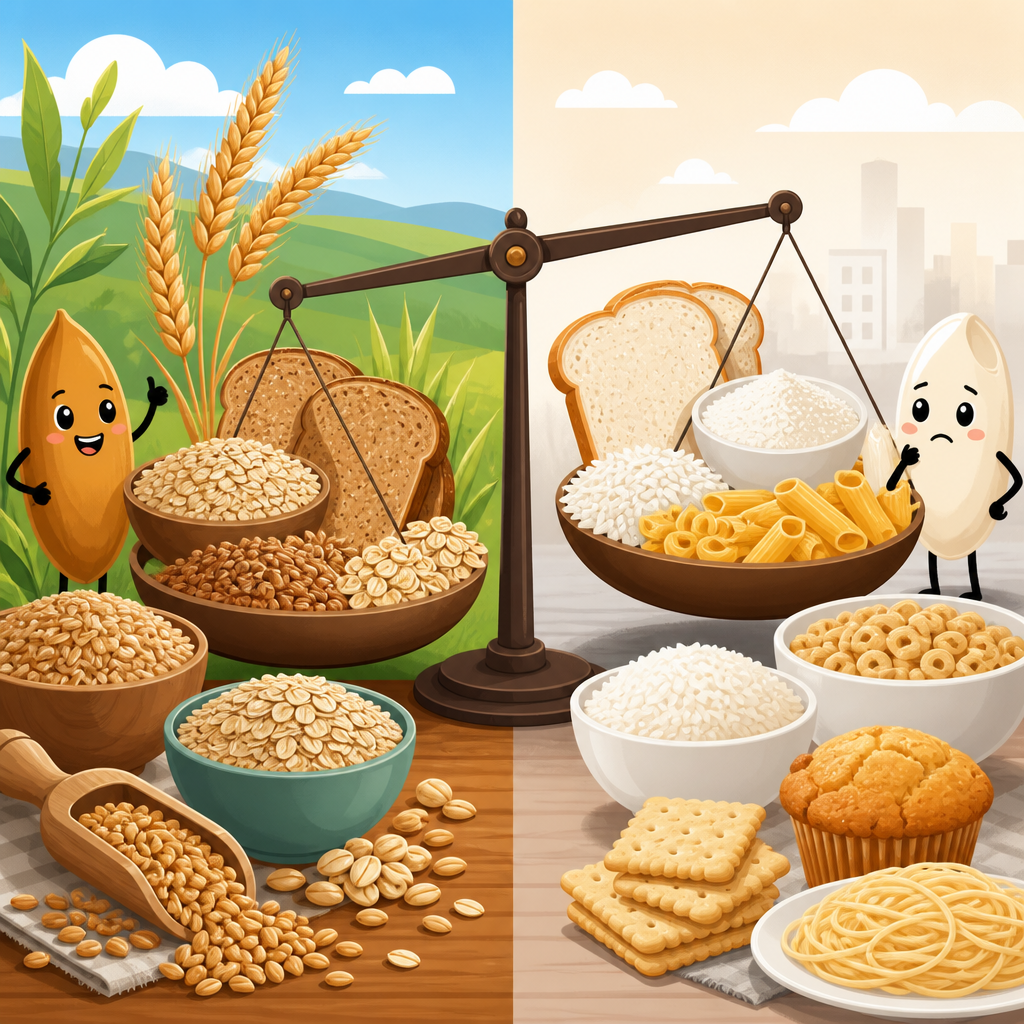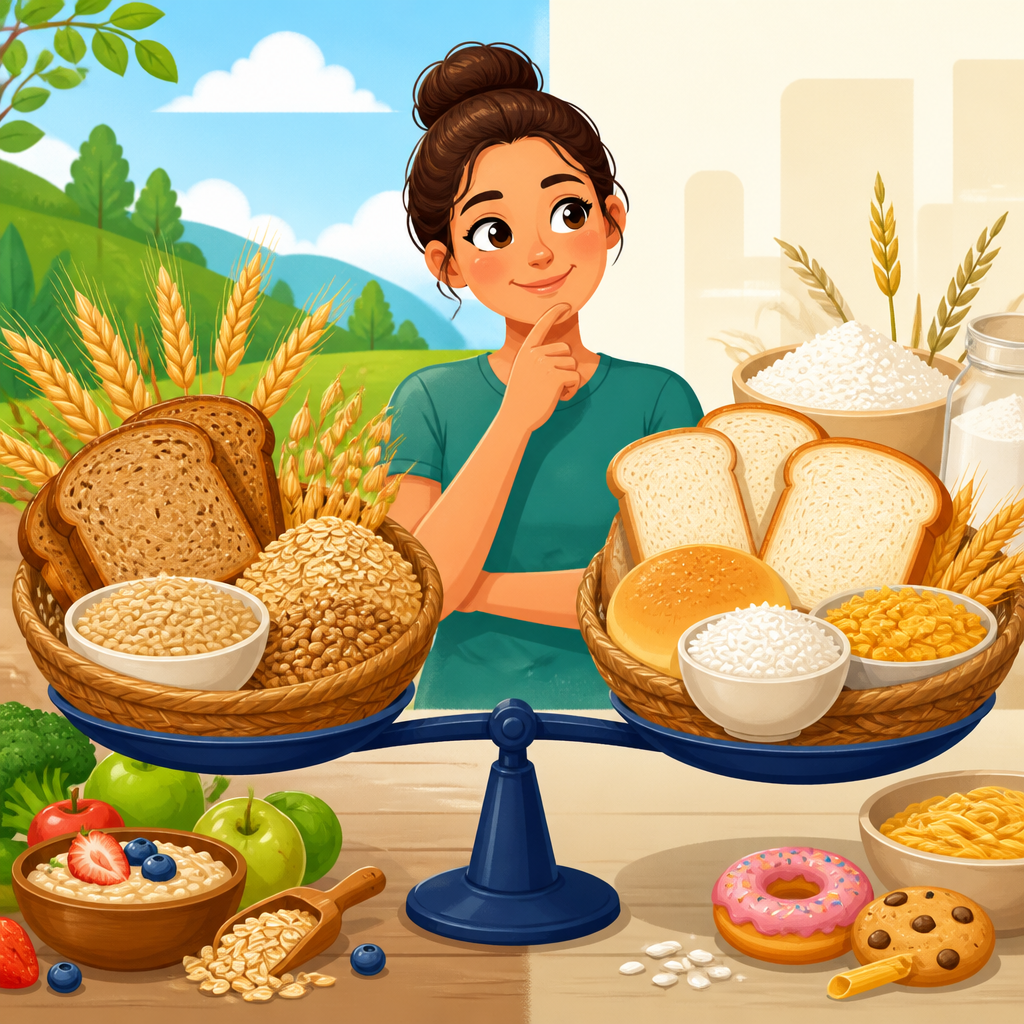
Whole grains and refined grains are not interchangeable carbohydrates, and choosing between them has measurable effects on blood sugar control, digestive health, cardiovascular risk, and overall diet quality. A grain is the edible seed of grasses such as wheat, oats, rice, barley, rye, corn, and millet. Whole grains contain all three original parts of the kernel: the bran, which supplies fiber, B vitamins, minerals, and protective phytochemicals; the germ, which provides healthy fats, vitamin E, antioxidants, and plant compounds; and the endosperm, which is mostly starch with some protein. Refined grains are milled to remove the bran and germ, leaving primarily the endosperm. That processing improves shelf life and texture, but it strips away much of the fiber, magnesium, iron, and naturally occurring micronutrients that make grains valuable beyond calories.
In practice, I have seen this distinction confuse even health-conscious shoppers, because packaging often emphasizes “multigrain,” “wheat,” or “made with whole grain” without telling you whether the product is predominantly whole or refined. A sliced bread can look brown and still be mostly white flour with caramel coloring. A breakfast cereal may contain added bran yet still rely on refined grain flour and added sugar. The key issue is not whether grains are inherently good or bad; it is which grains, in what form, and in what overall dietary pattern. Large prospective cohort studies consistently associate higher whole-grain intake with lower risk of type 2 diabetes, coronary heart disease, stroke, and colorectal cancer, while diets built around refined grains tend to deliver energy more rapidly and with fewer nutrients per calorie.
This matters because grains remain a major source of carbohydrates worldwide, and they influence satiety, gut microbiota, energy balance, athletic performance, and long-term metabolic health. For most adults, the goal is not to eliminate grains but to choose better grain sources more often and understand when refined grains have a practical role. This hub article explains how whole grains differ from refined grains, which foods are the strongest choices, how to read labels accurately, and how to match grain intake to health goals such as weight management, blood sugar control, heart health, digestion, and sports nutrition.
What Makes a Grain Whole or Refined
A whole grain contains the intact bran, germ, and endosperm, whether the kernel is eaten whole, cracked, rolled, flaked, or ground into flour. Intact examples include wheat berries, oat groats, brown rice, rye berries, hulled barley, farro, sorghum, and millet. Processed whole-grain examples include rolled oats, stone-ground whole wheat flour, whole cornmeal, and popcorn. Refining removes the bran and germ. White flour, white rice, degermed cornmeal, many crackers, many pastries, and standard pasta made from refined semolina all fall into the refined category unless specifically labeled whole grain.
The nutritional difference is substantial. The bran slows digestion and contributes insoluble and soluble fiber. The germ contains unsaturated fats, tocopherols, phenolic compounds, and minerals. Remove both, and the resulting product is softer and often more palatable, but less filling and less protective. Some refined grains are enriched, meaning manufacturers add back certain B vitamins and iron. Enrichment helps prevent deficiency, but it does not restore the original fiber matrix, healthy fats, phytonutrients, or the full mineral profile of the grain. That is why enriched white bread is not nutritionally equivalent to 100 percent whole-grain bread.
Another useful distinction is between intact whole grains and reconstituted whole grains. Intact grains, such as steel-cut oats or quinoa, tend to digest more slowly because the seed structure remains more preserved. Finely milled whole-grain flour still counts as whole grain, but it can raise blood glucose faster than intact kernels. This does not make whole-grain bread unhealthy; it simply means food structure matters alongside ingredient quality. If someone is trying to improve satiety or reduce post-meal glucose spikes, intact or less processed whole grains usually outperform highly milled grain products.
Health Effects of Whole Grains Compared With Refined Grains
The strongest evidence in nutrition supports replacing refined grains with whole grains rather than adding whole grains on top of an already calorie-dense diet. Whole grains improve diet quality through several mechanisms. Their fiber slows gastric emptying, moderates blood glucose response, and supports regular bowel function. Fermentable fibers and resistant starch feed gut bacteria, producing short-chain fatty acids such as butyrate that help maintain colon health. Whole grains also supply magnesium, which is involved in insulin signaling and muscle function, and polyphenols that appear to contribute to anti-inflammatory effects.
Refined grains are not toxic, but they are easier to overeat. Their softer texture, lower fiber content, and faster digestion can reduce fullness, especially when paired with sugar and fat in foods like pastries, sweetened cereals, crackers, and bakery items. In the clinic and in meal-planning work, I often see people assume “all grains are the same” because total carbohydrate counts can look similar. Yet two meals with equal carbohydrate grams can produce very different satiety and energy patterns: a bowl of steel-cut oats with berries and walnuts behaves differently from a frosted toaster pastry, even before considering added sugar.
Population guidance reflects this evidence. Dietary Guidelines for Americans recommend making at least half of grains whole, though many experts argue most grain choices should be whole for better cardiometabolic outcomes. The American Heart Association similarly encourages whole grains for heart health. For people with diabetes or prediabetes, choosing minimally processed whole grains in reasonable portions often improves glycemic control compared with standard refined-grain staples, though total carbohydrate load, meal composition, and individual tolerance still matter.
Best Whole Grain Sources for Optimal Health
The best whole grain sources are foods that deliver the complete grain kernel with minimal added sugar, sodium, or saturated fat. Oats are among the most dependable options because they provide beta-glucan, a soluble fiber shown to help lower LDL cholesterol. Barley also contains beta-glucan and works well in soups, grain bowls, and mixed salads. Brown rice is widely accessible and easier for many people to adopt than more niche grains, though wild rice, technically a grass seed, offers even more protein and a robust mineral profile. Quinoa is not a true cereal grain but functions similarly in meals and supplies all essential amino acids, making it useful in plant-forward diets.
Whole wheat, rye, bulgur, farro, millet, teff, buckwheat, and corn in whole form can all fit a high-quality pattern. Popcorn, when air-popped or prepared lightly, is a whole grain and an underappreciated high-volume snack. Sprouted whole-grain breads can be beneficial for some people because sprouting may improve flavor and modestly affect digestibility, though they are not automatically superior to all standard whole-grain breads. The best product is usually the one you will eat consistently that also has a short ingredient list and whole grain as the first ingredient.
| Grain food | Whole or refined | Main nutrition advantage | Best use |
|---|---|---|---|
| Steel-cut oats | Whole | Beta-glucan fiber for cholesterol and satiety | Breakfast, overnight oats, baking |
| Brown rice | Whole | More fiber and minerals than white rice | Bowls, stir-fries, side dishes |
| Barley | Whole | High soluble fiber, steady energy release | Soups, salads, pilafs |
| 100% whole wheat bread | Whole | Convenient fiber-rich staple | Sandwiches, toast |
| White rice | Refined | Easy digestion, quick fuel | Sports meals, bland diets, mixed dishes |
| White flour pastries | Refined | Primarily energy, low satiety | Occasional treat |
When Refined Grains Can Still Fit
Refined grains deserve a balanced discussion because nutrition advice becomes less useful when it ignores context. There are times when refined grains are practical or even preferable. Athletes before competition often need low-fiber carbohydrates that digest quickly and reduce gastrointestinal discomfort; white rice, refined pasta, plain bagels, or low-fiber cereal can work well here. During acute gastrointestinal illness, after certain surgeries, or on a medically prescribed low-residue diet, refined grains may be easier to tolerate than bran-rich foods. Infants and some older adults may also prefer softer textures.
Refined grains can also improve food security and accessibility. They are often cheaper, store longer, cook faster, and are more familiar in many cultural foodways. Telling a household on a tight budget to replace every staple overnight is unrealistic. A better strategy is to upgrade what is easiest first: choose oatmeal instead of sugary cereal, use brown rice a few times per week, mix whole wheat pasta with regular pasta during transition, or switch one daily bread choice to a verified whole-grain option. Health outcomes improve through pattern shifts, not perfection.
The most important limitation to keep in mind is that not all refined grains have the same health impact. Plain sourdough bread, white rice eaten with beans and vegetables, or refined pasta in a balanced meal is different from a diet centered on donuts, snack cakes, sweet crackers, and deep-fried breaded products. Processing level, portion size, added sugars, sodium, and the overall meal composition determine a great deal of the real-world effect.
How to Read Labels and Choose Better Grain Products
The front of the package is marketing; the ingredient list tells the truth. Look for “whole” before the grain name, such as whole wheat, whole oats, whole rye, or whole grain corn. “100% whole grain” or “100% whole wheat” is the clearest labeling for bread, pasta, and crackers. If the first ingredient is wheat flour rather than whole wheat flour, the product is mostly refined. Terms such as multigrain, seven grain, stone-ground, cracked wheat, and wheat bread do not guarantee a whole-grain product. Color is unreliable because molasses or caramel coloring can make refined bread appear wholesome.
Nutrition Facts can help, but fiber alone is not enough. Some products add isolated fiber to refined flour. That may improve the numbers panel without delivering the full nutritional package of the original grain. I generally recommend pairing ingredient review with fiber targets: at least 3 grams of fiber per serving is a useful baseline for bread and cereal, while less added sugar and moderate sodium are additional quality markers. In breakfast cereal, ingredient order matters a lot. If sugar appears before any whole grain, the cereal is not doing the nutritional heavy lifting people expect.
Claims from third-party programs can be useful, but they are still secondary to the ingredient list. In the United States, the Whole Grain Stamp may help shoppers identify products with meaningful whole-grain content, although products using the 100% stamp are more straightforward than those simply listing grams per serving. The safest habit is simple: confirm the first ingredient, scan fiber, and compare similar products side by side.
Building a Healthy Grain Pattern in Everyday Meals
For most people, the healthiest approach is to make whole grains the default foundation and use refined grains selectively. At breakfast, oats, unsweetened muesli, or whole-grain toast with protein and fruit usually provides steadier energy than sweetened refined cereal or pastries. At lunch, grain bowls built on brown rice, quinoa, or barley hold up better for afternoon satiety than white-flour sandwiches without vegetables or protein. At dinner, whole wheat pasta, farro, or bulgur can replace some refined staples without forcing dramatic menu changes.
Portion and pairing matter as much as grain type. A moderate serving of whole grains combined with legumes, yogurt, eggs, fish, tofu, nuts, seeds, vegetables, and fruit creates a lower-glycemic, more nutrient-dense meal. This is particularly important for people trying to lose weight or manage diabetes. Whole grains are healthy, but they are still calorie-containing carbohydrate foods. A giant bowl of granola made with whole oats can easily deliver more energy than intended. Likewise, “gluten-free” does not mean whole grain; many gluten-free breads and crackers are based on refined rice flour or starches unless the label specifies brown rice, buckwheat, millet, sorghum, oats, or quinoa.
If you are building a household strategy, start with the grain foods you eat most often. Upgrade daily bread, breakfast cereal, rice, and pasta first because those changes produce the biggest cumulative effect. Keep refined grains for specific uses such as pre-workout fuel, occasional desserts, or family recipes where texture matters. That balance is sustainable, nutritionally sound, and easier to maintain than all-or-nothing rules.
Choosing the best sources of whole grains versus refined grains comes down to understanding the grain kernel, the effects of processing, and the role each food plays in your actual diet. Whole grains retain bran, germ, and endosperm, so they deliver more fiber, vitamins, minerals, healthy fats, and protective plant compounds than refined grains. They are consistently linked with better heart health, improved blood sugar management, stronger satiety, and better digestive function. Refined grains can still fit in limited situations, especially when easy digestion, quick energy, affordability, or cultural preference matters, but they should not dominate a health-focused eating pattern.
The most effective strategy is practical rather than extreme. Choose minimally processed whole grains often, prioritize intact forms when possible, read ingredient lists carefully, and evaluate grain foods in the context of the full meal. Bread, cereal, pasta, rice, and snack foods are where small upgrades can produce meaningful long-term benefits. If you remember one rule, make it this: whole grain first, refined grain by exception. That single habit will improve nutrient density without making meals complicated.
Use this hub as your starting point for smarter grain choices across breakfast, snacks, baking, sports nutrition, digestive health, and disease prevention. Review the grain products already in your kitchen, replace one refined staple with a true whole-grain alternative this week, and build from there.
Frequently Asked Questions
1. What is the difference between whole grains and refined grains?
Whole grains and refined grains come from the same types of cereal plants, but they are processed very differently. A whole grain contains all three parts of the original kernel: the bran, the germ, and the endosperm. The bran is the outer layer and provides most of the fiber, along with B vitamins, minerals, and many protective plant compounds. The germ is the nutrient-rich core that contains healthy fats, vitamin E, antioxidants, and additional vitamins and minerals. The endosperm is the starchy middle layer that mainly supplies carbohydrate and some protein. When a grain remains intact in all three parts, it keeps its full nutritional profile.
Refined grains, by contrast, have had the bran and germ removed during milling or processing. This leaves mostly the endosperm, which changes both the texture and shelf life of the grain, but also strips away much of its fiber, healthy fats, and naturally occurring micronutrients. Some refined grain products are enriched, meaning certain B vitamins and iron are added back after processing, but enrichment does not fully restore what was lost. It typically does not replace the original fiber, vitamin E, or the wide range of beneficial phytonutrients found in whole grains.
In practical terms, this means foods made from whole grains usually offer better satiety, steadier digestion, and more nutritional value than foods made from refined grains. Examples of whole grains include oats, brown rice, quinoa, barley, whole wheat, millet, and popcorn. Common refined grains include white bread, white rice, regular pasta made with refined flour, many crackers, pastries, and sugary breakfast cereals. Understanding this distinction is important because whole grains and refined grains are not interchangeable when it comes to health effects.
2. Why are whole grains generally considered better for blood sugar control and long-term health?
Whole grains are generally the stronger choice for blood sugar control because their fiber and intact structure slow digestion and help glucose enter the bloodstream more gradually. This often leads to a more moderate rise in blood sugar and insulin after meals compared with refined grain foods, which digest more quickly and can trigger sharper spikes. For people trying to manage energy levels, appetite, insulin resistance, prediabetes, or type 2 diabetes risk, this difference can be meaningful over time.
Beyond blood sugar, whole grains support digestive health because the fiber in the bran helps promote regular bowel movements and nourishes beneficial gut bacteria. A healthier gut environment is linked not only to digestion, but also to immune function, inflammation regulation, and possibly even metabolic health. Whole grains also tend to be more filling, which can make it easier to maintain a balanced calorie intake without feeling deprived. That matters because overly processed, low-fiber carbohydrates are often easier to overeat.
Research also consistently associates higher whole grain intake with lower risk of cardiovascular disease. This likely reflects several combined benefits: improved cholesterol balance, better blood pressure support, reduced inflammation, and healthier weight patterns. Since whole grains deliver fiber, magnesium, antioxidants, and many other nutrients working together, they improve overall diet quality in a way refined grains usually do not. Refined grains can still fit into a diet occasionally, but if the goal is optimal health, whole grains should generally make up the majority of grain choices.
3. How can I tell if a packaged food is truly made with whole grains?
The most reliable place to check is the ingredient list, not just the marketing language on the front of the package. Terms such as “made with whole grains,” “multigrain,” “stone-ground,” “wheat bread,” or “seven grain” can sound healthy but do not guarantee that the product is mostly whole grain. To identify a true whole-grain food, look for ingredients like “whole wheat,” “whole oats,” “brown rice,” “whole rye,” “whole grain corn,” or “whole barley” listed near the beginning of the ingredient list. If the first ingredient is “enriched wheat flour” or simply “wheat flour,” the product is primarily refined.
It is also helpful to look at the fiber content on the nutrition label. While fiber is not a perfect measure, whole-grain foods generally contain more fiber than refined versions. For example, a genuinely whole-grain bread will usually provide more fiber per slice than standard white bread. That said, some products add isolated fiber to create the appearance of a healthier food, so ingredient quality still matters more than a single number.
Another useful clue is simplicity. Foods like plain oats, brown rice, quinoa, and barley are naturally whole grain without needing a label claim. With more processed products such as breads, cereals, granola bars, and crackers, combining ingredient-list reading with label awareness is the best strategy. If you want the health benefits associated with whole grains, choose products where whole grain ingredients are dominant, the fiber content is meaningful, and added sugars are not excessive. A whole-grain label alone should not be the only reason to assume a food is highly nutritious.
4. Are all refined grains unhealthy, or can they still have a place in a balanced diet?
Refined grains are not automatically “bad,” but they are usually less beneficial than whole grains when eaten regularly and in large amounts. Because refining removes the bran and germ, these foods tend to be lower in fiber and less filling, and they often have a stronger effect on blood sugar. This is especially true when refined grains appear in highly processed foods such as pastries, sweet cereals, snack crackers, and desserts, where they are often paired with added sugar, sodium, and unhealthy fats. In those forms, refined grains can lower overall diet quality and crowd out more nutrient-dense options.
That said, refined grains can still have a practical role in certain situations. Some enriched refined grain foods provide iron and B vitamins, which can contribute to nutrient intake. They may also be easier to digest for people with certain gastrointestinal issues, during illness recovery, or around intense exercise when lower-fiber carbohydrates are sometimes preferred. In some cultural eating patterns, refined grains like white rice or traditional breads may also be staple foods that can still fit into a healthy overall diet when paired with vegetables, legumes, lean proteins, and healthy fats.
The key is proportion and context. If most of your grain intake comes from refined sources, you are likely missing opportunities to improve fiber intake, blood sugar stability, and long-term heart and digestive health. If refined grains appear occasionally while whole grains remain the foundation, that is a very different picture. A balanced approach is usually more realistic and sustainable than trying to eliminate refined grains entirely. Focus first on making whole grains your default choice, then use refined grains selectively rather than habitually.
5. What are the best whole grain choices to add to my diet for optimal health?
The best whole grain choices are the ones you will eat consistently, prepare easily, and enjoy across different meals. Oats are one of the most practical options because they are versatile, affordable, and rich in soluble fiber, which can help support healthy cholesterol levels and satiety. Brown rice is another dependable staple that works well in grain bowls, stir-fries, and side dishes. Quinoa is popular because it cooks quickly, contains protein, and adapts well to salads and meal prep. Barley is especially useful for soups and hearty dishes, while farro, bulgur, rye, millet, and whole wheat can add variety and texture to the diet.
For breakfast, steel-cut oats or old-fashioned oats are often stronger choices than heavily sweetened cereals. For lunch and dinner, swapping white rice for brown rice, refined pasta for whole wheat pasta, or white bread for truly whole grain bread can steadily improve diet quality without requiring major lifestyle changes. Popcorn, when prepared with minimal butter and salt, also counts as a whole grain and can be a better snack option than many refined grain chips or crackers.
When choosing among whole grains, variety matters because different grains offer different nutrient profiles and types of fiber. Oats and barley are especially valued for soluble fiber, while wheat, brown rice, and millet contribute other vitamins, minerals, and plant compounds. The “best” source is not one single grain but a pattern that includes multiple whole grains in minimally processed forms. If your goal is optimal health, aim to build meals around whole grains that are as close to their original form as possible, and pair them with vegetables, beans, nuts, seeds, and quality proteins for the greatest benefit.