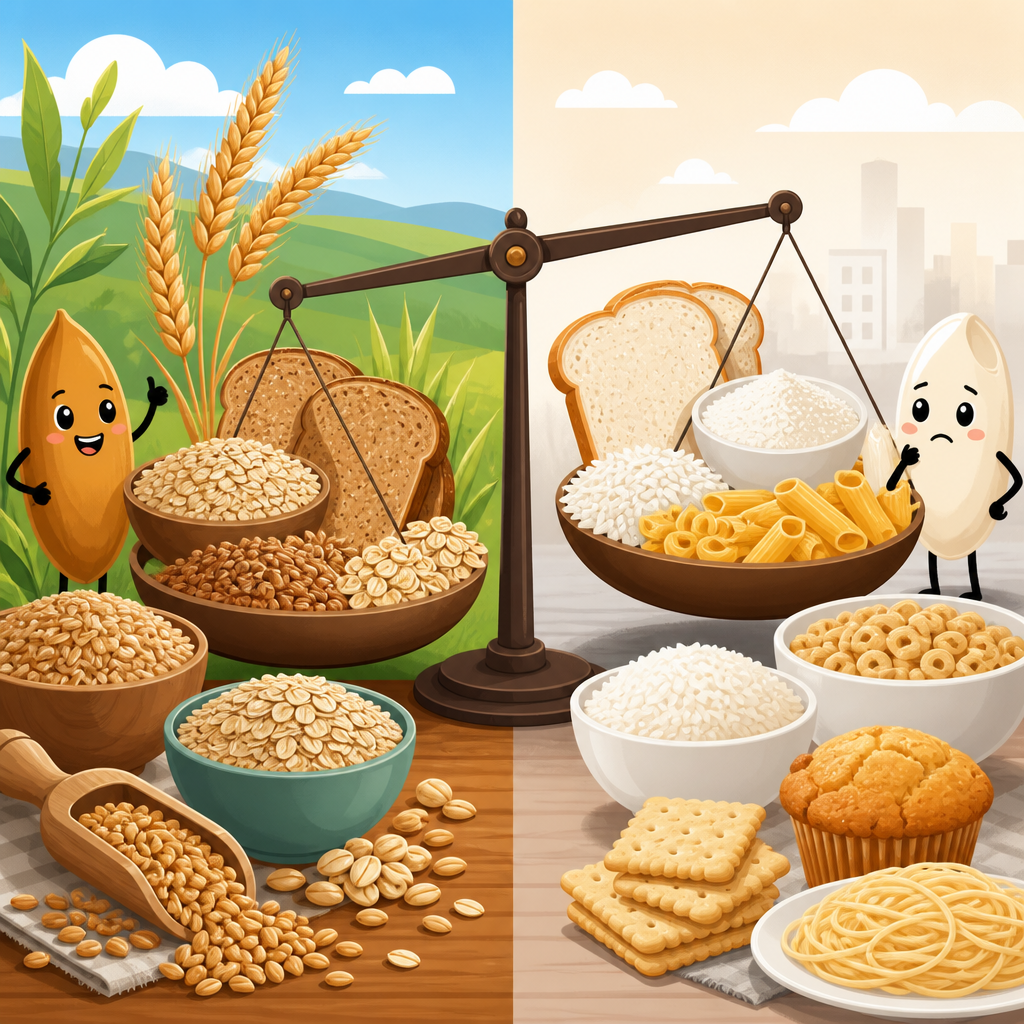
Whole grains and refined grains look similar on a plate, but nutritionally they behave very differently in the body. A grain kernel has three main parts: the bran, which provides fiber, B vitamins, minerals, and antioxidants; the germ, which contains healthy fats, vitamin E, and plant compounds; and the endosperm, a starchy center that mainly supplies carbohydrate and some protein. Whole grains keep all three parts in their original proportions. Refined grains are milled to remove the bran and germ, improving shelf life and texture but stripping away much of the fiber and many micronutrients.
This distinction matters because grains are a staple food across the world. Wheat, rice, oats, corn, barley, and rye contribute a large share of daily calories for billions of people. When a food group is eaten this often, even small nutritional differences become important over time. In clinical practice and nutrition counseling, I have seen that people often focus on sugar, fat, or protein while overlooking the quality of their starches. Yet grain choice can influence blood sugar control, digestive health, cardiovascular risk, satiety, and overall diet quality.
The scientific consensus is consistent: eating more whole grains is associated with better long-term health, while diets built mostly on refined grains offer fewer protective benefits. That does not mean every refined grain food is harmful or that every whole grain product is automatically healthy. Portion size, food processing, added sugar, sodium, and the rest of the diet still matter. A bowl of steel-cut oats is not nutritionally equivalent to a frosted whole grain cereal, and plain white rice does not have the same profile as pastries made from refined flour, sugar, and fat. The useful question is not whether one ingredient is morally good or bad, but what research shows about typical health effects, realistic substitutions, and practical ways to improve daily eating patterns.
This hub article explains whole grains vs. refined grains in plain terms, summarizes what science says about benefits and limitations, and gives a framework for choosing grain foods more effectively. It also serves as a foundation for deeper articles on oats, brown rice, sourdough, gluten, fiber, and blood sugar response. If you want a direct answer, here it is: for most people, replacing a meaningful share of refined grains with intact or minimally processed whole grains is one of the simplest evidence-based upgrades you can make to a diet.
What counts as a whole grain and what counts as a refined grain?
A whole grain food contains the bran, germ, and endosperm in the same relative proportions found in the intact kernel. Examples include oats, brown rice, quinoa, whole wheat, bulgur, popcorn, barley, millet, and rye. Some foods contain intact kernels, such as oat groats or wheat berries. Others are ground into flour, like whole wheat bread or corn tortillas made from whole grain masa. The form matters less than whether the original grain components remain present.
Refined grains have had the bran and germ removed. Common examples include white flour, white rice, many crackers, most conventional pasta, many breakfast cereals, and baked goods such as bagels, cookies, cakes, and pastries. In some countries, refined flour is enriched or fortified with selected nutrients such as iron and folic acid. Enrichment can replace a few vitamins and minerals, but it does not restore the original fiber structure, healthy fats, phytonutrients, or the full nutrient matrix found in whole grains.
Labels can confuse shoppers. “Multigrain,” “made with whole grain,” and “wheat bread” do not necessarily mean predominantly whole grain. The most reliable checks are the ingredient list and the grams of fiber per serving. If the first ingredient says whole wheat, whole oats, brown rice, or another whole grain, that is a strong signal. The Whole Grain Stamp can help, but the total product still needs scrutiny because some packaged foods carry whole grain claims while remaining high in added sugar or sodium.
How whole grains affect blood sugar, appetite, and energy
Whole grains usually produce a slower, steadier rise in blood glucose than highly refined grain products, though there is variation by grain type, milling, cooking method, and meal composition. The fiber-rich bran and intact food structure slow digestion and carbohydrate absorption. Viscous fibers in oats and barley, especially beta-glucan, are particularly well studied for moderating post-meal glucose response. Pairing grains with protein, fat, or legumes further reduces the speed of absorption.
Refined grains, especially when finely milled, can be digested quickly. White bread, many breakfast cereals, and baked snacks often have a high glycemic impact, meaning they raise blood sugar rapidly and may be followed by a sharper drop. People often describe this pattern as an energy spike and crash. In practice, I see this most clearly at breakfast: someone eats a low-fiber refined cereal or white toast, feels hungry again in two hours, then reaches for more snacks. Replacing that meal with oatmeal, unsweetened whole grain cereal, or whole grain toast plus eggs often improves satiety.
Satiety is one reason whole grains can support weight management. Fiber adds bulk, delays stomach emptying, and can influence gut hormones involved in hunger signaling. Whole grains also typically require more chewing, which may modestly affect fullness. Research does not show that simply adding whole grains guarantees weight loss, but it does show that higher whole grain intake is associated with better appetite control and healthier body weight patterns when part of a balanced diet.
What the research says about heart health, diabetes, and longevity
The strongest evidence for whole grains comes from large prospective cohort studies and systematic reviews. Higher whole grain intake is consistently associated with lower risk of cardiovascular disease, type 2 diabetes, and all-cause mortality. The mechanism is biologically plausible: more fiber, better glycemic control, lower LDL cholesterol in some cases, improved blood pressure patterns, and a broader intake of magnesium, potassium, phenolic compounds, and other bioactive substances.
Oats and barley deserve special mention because their soluble fiber, beta-glucan, has an authorized cholesterol-lowering claim in several regulatory frameworks when consumed in adequate amounts. Whole grain rye and wheat contribute arabinoxylans and other fibers linked with improved bowel function and metabolic benefits. Brown rice generally provides more fiber and micronutrients than white rice, although the difference is smaller than the gap between whole oats and sugary refined cereal. The bottom line is that the evidence favors the pattern of regular whole grain consumption, not just one miracle grain.
Refined grains are more complicated than headlines suggest. Plain refined grains are not equivalent to ultra-processed desserts, and epidemiologic studies sometimes separate core refined grain staples from indulgent grain foods. However, replacing whole grains with refined grains usually reduces fiber intake and weakens the nutrient density of the diet. This is why dietary guidelines from organizations such as the American Heart Association and the Dietary Guidelines for Americans recommend making at least half of grains whole, with many nutrition professionals pushing beyond that benchmark when clinically appropriate.
Whole grains, digestion, and the gut microbiome
One of the clearest benefits of whole grains is digestive health. The bran supplies insoluble fiber that helps increase stool bulk and supports bowel regularity. Some whole grains also provide fermentable fibers and resistant starch that nourish beneficial gut microbes. During fermentation in the colon, these compounds can produce short-chain fatty acids such as butyrate, acetate, and propionate, which are linked with colon health, immune signaling, and metabolic regulation.
Different grains feed the microbiome in different ways. Oats and barley contribute beta-glucan. Whole wheat and rye provide arabinoxylans and fructans. Cooked and cooled grains can develop more resistant starch, especially rice and certain grain-legume combinations. In real meals, these effects are cumulative. A breakfast of oats, a lunch with barley soup, and a dinner with brown rice and beans creates a stronger fiber pattern than relying on one token whole grain serving each day.
People increasing whole grains should do it gradually and drink adequate fluids. A sudden jump from a low-fiber diet to large amounts of bran-heavy cereal can cause bloating or gas. Those with celiac disease must avoid wheat, barley, and rye, but can still use gluten-free whole grains such as certified gluten-free oats, brown rice, buckwheat, millet, sorghum, quinoa, and teff. For people with irritable bowel syndrome, tolerance varies, and the best grain is often the one that provides fiber without triggering symptoms.
Whole grains vs. refined grains in common foods
Not all substitutions have equal impact. Choosing intact or minimally processed grains tends to deliver the largest metabolic and digestive benefit, while highly processed products made with some whole grain can still behave like snack foods. This comparison helps explain where the biggest improvements usually come from.
| Food choice | Whole grain option | Refined grain option | Why the whole grain choice usually wins |
|---|---|---|---|
| Breakfast | Steel-cut oats or plain rolled oats | Sugary corn cereal or pastry | More fiber, better satiety, steadier glucose response |
| Bread | 100% whole wheat or rye bread | White sandwich bread | Higher fiber and micronutrient retention |
| Rice dish | Brown rice or wild rice blend | White rice | More fiber, magnesium, and slower digestion |
| Pasta meal | Whole wheat pasta | Standard refined pasta | Greater fullness and usually lower glycemic effect |
| Snack | Air-popped popcorn | Crackers made with refined flour | Whole grain structure with more volume per calorie |
That said, context matters. Sourdough fermentation may modestly alter digestion, but whole grain sourdough is still generally preferable to white sourdough if the goal is higher fiber. White rice can fit well around exercise or in cultures where it is a staple, especially when paired with vegetables, beans, fish, or tofu. The aim is not perfection. The aim is to improve the baseline pattern of grain intake across the week.
Limits, tradeoffs, and how to choose better grain foods
Whole grains are beneficial, but they are not magic. Some packaged whole grain products are heavily processed, high in sugar, and easy to overeat. Granola clusters, sweetened cereals, and bakery muffins marketed as whole grain often carry a health halo without delivering the same benefits seen in studies of oats, barley, brown rice, or minimally processed whole wheat foods. Reading the nutrition facts panel remains essential.
There are also practical tradeoffs. Whole grains can cost more, cook more slowly, and have textures some families resist at first. A realistic strategy is partial substitution: mix brown and white rice, use half whole wheat and half regular pasta during transition, or start with old-fashioned oats before trying denser grains like farro or rye berries. In food service settings, I have found that acceptance rises when whole grains are seasoned well and introduced in familiar dishes such as soups, grain bowls, chili, or pilaf.
For better choices, prioritize foods that are either intact grains or made mostly from whole grain flour with limited added sugar. Good defaults include oats, barley, popcorn, brown rice, bulgur, quinoa, and 100% whole grain bread with at least a few grams of fiber per slice. If you eat refined grains, use them strategically rather than automatically. Save them for foods where texture truly matters to you, and let whole grains carry more of the everyday workload.
Science is clear on the central question: whole grains offer broader health benefits than refined grains because they retain fiber, vitamins, minerals, healthy fats, and bioactive plant compounds that refining removes. Across population studies, higher whole grain intake is linked with lower risk of heart disease, type 2 diabetes, digestive problems, and premature death. In day-to-day eating, whole grains usually support steadier energy, better fullness, and improved overall diet quality.
The most practical takeaway is simple. You do not need to eliminate refined grains completely to benefit. Start by upgrading the foods you eat most often: breakfast cereal, bread, rice, pasta, and snacks. Choose oats instead of pastries, whole grain bread instead of white, brown rice or barley more often than white rice, and popcorn instead of refined crackers. Small repeatable substitutions matter more than occasional perfect meals.
As the hub for this topic, this guide gives you the core framework for understanding whole grains vs. refined grains and evaluating the claims around them. Use it to read labels more carefully, build more filling meals, and ask better questions about glycemic response, fiber, gut health, and food processing. The next step is straightforward: pick one refined grain staple in your routine this week and replace it with a true whole grain version.
Frequently Asked Questions
What is the main difference between whole grains and refined grains?
The key difference is how much of the original grain kernel remains intact after processing. A whole grain contains all three parts of the kernel in their natural proportions: the bran, the germ, and the endosperm. The bran is the fiber-rich outer layer that also supplies B vitamins, minerals, and antioxidants. The germ is the nutrient-dense core that contains healthy fats, vitamin E, and a variety of beneficial plant compounds. The endosperm is the starchy middle portion that mainly provides carbohydrate and some protein.
Refined grains, by contrast, are milled to remove the bran and germ, leaving mostly the endosperm behind. This process improves texture and shelf life, but it also strips away much of the fiber and many of the nutrients that make grains beneficial in the first place. That is why foods made with refined flour often digest faster and have a different effect on blood sugar, fullness, and overall nutrient intake compared with foods made from true whole grains.
Why do whole grains tend to be considered healthier than refined grains?
Whole grains are generally considered healthier because they deliver a more complete nutritional package. Since they retain the bran and germ, they naturally provide more dietary fiber, vitamins, minerals, and protective plant compounds than refined grains. Fiber is especially important because it supports digestive health, helps promote fullness after meals, and can contribute to healthier cholesterol and blood sugar levels when consumed regularly as part of a balanced diet.
Scientific research has consistently linked higher whole-grain intake with better long-term health outcomes. Diets that include whole grains are associated with lower risk of heart disease, type 2 diabetes, and certain metabolic problems. While no single food determines health on its own, replacing some refined grain foods with whole-grain options is one of the more practical, evidence-supported dietary changes people can make. In short, the benefit comes not just from what whole grains contain, but also from what refining removes.
Do refined grains have any nutritional value, or are they always unhealthy?
Refined grains are not automatically “bad,” but they are less nutrient-dense than whole grains. Even after milling removes the bran and germ, refined grains still provide carbohydrate for energy and may contain some protein. In many countries, certain refined grain products are also enriched or fortified, meaning some B vitamins and iron are added back after processing. That can help reduce nutrient losses, but enrichment does not fully restore the original fiber, healthy fats, antioxidants, and plant compounds that were removed with the bran and germ.
Whether refined grains fit into a healthy diet depends on the overall eating pattern. For example, plain white rice or traditional pasta eaten alongside vegetables, legumes, lean proteins, and healthy fats is different from a diet built heavily around ultra-processed baked goods, sugary cereals, and snack foods made from refined flour. Science suggests that regularly choosing whole grains more often is beneficial, but refined grains can still have a place depending on portion size, meal quality, and individual needs.
How do whole grains and refined grains affect blood sugar and fullness?
Whole grains often have a gentler effect on blood sugar because their fiber and intact structure can slow digestion and absorption. This means glucose tends to enter the bloodstream more gradually, which may help reduce sharp spikes and crashes in energy. Whole grains also tend to be more satisfying, partly because fiber increases bulk and slows stomach emptying. As a result, meals made with whole grains may help people stay full longer than meals based primarily on refined grains.
Refined grains usually digest more quickly because the bran and germ have been removed, leaving a starchier product with less fiber. That faster digestion can lead to quicker rises in blood sugar and a shorter-lasting feeling of fullness, especially when refined grains are eaten alone or in highly processed foods. However, the full effect depends on the meal as a whole. Pairing any grain with protein, healthy fat, and fiber-rich foods like vegetables or beans can improve satiety and moderate blood sugar response.
What are some practical ways to eat more whole grains without overhauling your diet?
The easiest approach is to make simple substitutions in foods you already eat. Choose oatmeal instead of sugary refined cereal, brown rice or quinoa instead of white rice, whole-wheat bread instead of white bread, and whole-grain pasta instead of regular pasta. Popcorn can also count as a whole grain when it is prepared with minimal added butter, salt, or sugar. If you are new to whole grains, switching gradually can help your taste preferences and digestion adjust more comfortably.
It also helps to read ingredient lists carefully. Terms like “multigrain,” “made with grains,” or “wheat bread” do not always mean the product is whole grain. Look for wording such as “100% whole grain” or “whole wheat” as the first ingredient. Other good options include barley, bulgur, farro, millet, rye, and whole oats. The goal does not have to be perfection. Even modestly replacing refined grains with whole grains on a consistent basis can improve fiber intake and better align your diet with what nutrition science supports.